
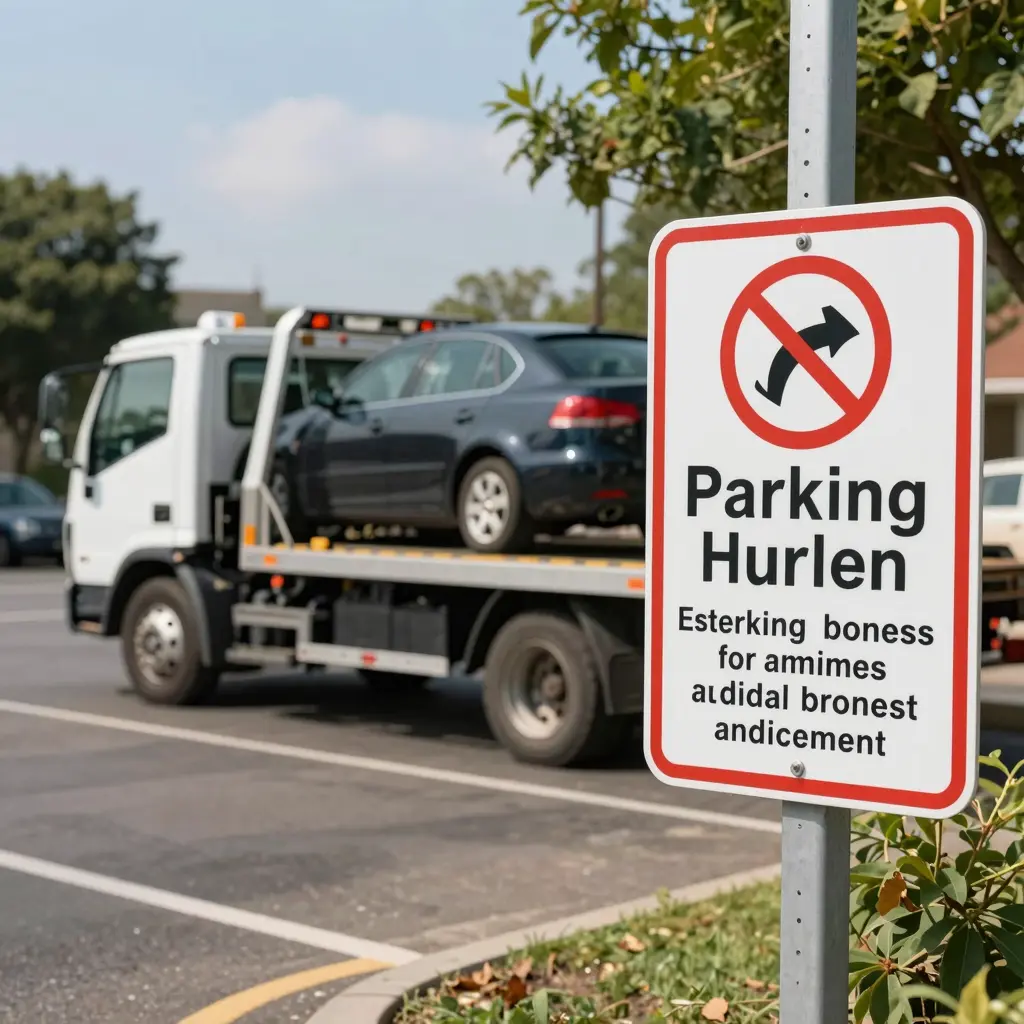
Can I Call a Tow Truck on Someone?
Imagine this scenario: you arrive at your apartment complex, only to find someone has parked in your designated space, impeding your ability to access your own vehicle. Frustrating, right? You might be asking yourself, “Can I call a tow truck on someone?” The answer to this question is not as straightforward as it appears; it delves into the realms of legality, personal responsibility, and safety considerations. For everyday drivers, parking regulations can be confusing, while property managers face even tougher challenges in maintaining order in shared spaces. Understanding your rights as a vehicle owner and the roles of towing companies can help you make informed decisions in such situations. Towing someone’s vehicle involves legal protocols, as improper towing can lead to disputes and other complications. In this article, we will explore the nuances of calling a tow truck on someone else’s vehicle, ensuring you’re equipped with the knowledge to handle parking conflicts effectively. Whether you’re a commuter frustrated with poor parking habits or a property manager seeking to uphold regulations, this guide will provide clarity on towing practices and what you need to know before making that call.
Learn more about emergency response training best practices to understand vital protocols in handling such situations.
Understanding Towing Laws: What You Need to Know
When it comes to calling a tow truck on someone else’s vehicle, legal regulations can vary significantly based on location. As an everyday driver or property manager, understanding these laws is crucial to ensure compliance and avoid potential legal consequences. Here, we will explore the legal aspects of towing, emphasizing key regulations at both local and state levels.
General Legal Framework
Towing laws generally revolve around the concept of trespassing. In many states, a vehicle parked on private property without the owner’s permission can be legally towed. This process is often referred to as “trespass towing.” However, specific rules governing how and when a vehicle can be towed exist, and they differ from one jurisdiction to another.
Key Considerations for Towing:
- Authorization: Property owners must usually provide written consent or an appropriate signage indicating that unauthorized vehicles will be towed. Lack of such notice can lead to legal complications for the towing company.
- Local Ordinances: Many municipalities have specific ordinances that dictate towing protocols. This includes waiting periods, required notifications to law enforcement, and limitations on fees charged for towing services.
- State Regulations: States like Virginia have detailed statutes outlining how local authorities can manage the towing process, detailing vehicles’ removal, attorney fees, and rights for vehicle owners (Code of Virginia).
- Notification Requirements: Many laws stipulate that vehicle owners must be notified before their vehicle is towed. Some states require that tow companies contact local law enforcement to report the impoundment, which can serve as a safeguard against unauthorized towing.
Variances by Location
Since towing laws are subject to regional differences, understanding your local regulations is essential. For instance:
- In Massachusetts, the law outlines maximum charges for involuntary towing and procedural requirements, including notification timelines (Involuntary Trespass Towing).
- Baltimore County emphasizes the importance of notifying law enforcement before towing any vehicle deemed to be trespassing (Trespass Towing Regulations).
- Arlington County, Virginia, provides a comprehensive FAQ on towing regulations, detailing processes for property owners and the rights retained by vehicle owners (Trespass Towing FAQs).
Conclusion
As an everyday driver or property manager, being informed about towing regulations can help mitigate misunderstandings and ensure smooth operations. Always consult local laws or legal advice, as interpretations can vary widely depending on jurisdiction. Knowing these guidelines can aid in making informed decisions regarding when and how to call for a tow truck, keeping both property and community regulations in mind.
Calling a tow truck is often necessary in various scenarios, especially for the safety and convenience of all road users. Here are the common situations where you might consider requesting a towing service:
-
Vehicle Breakdowns: Mechanical failures can happen unexpectedly, leaving your vehicle unable to run. This includes issues such as engine malfunctions, electrical problems, or flat tires. In such instances, calling a tow truck can help transport your vehicle to a trusted mechanic for repairs.
-
Accidents: If you find yourself involved in a vehicle accident that renders your car inoperable, it is crucial to call a tow truck. This ensures that your vehicle is removed from the roadway swiftly to avoid further hazards or traffic disruptions.
-
Illegal Parking: Vehicles parked in no-parking zones, fire lanes, or blocking private properties pose significant risks and inconveniences. If you discover such a situation, contacting local authorities or towing services may be necessary to resolve the issue.
-
Abandoned Vehicles: Cars that appear abandoned, often left in one spot for an extended period without movement, may need to be towed. This helps maintain public safety and clear any obstructions.
-
Running Out of Fuel: If you unexpectedly run out of gas while driving, you can contact a tow truck to either bring you fuel or transport your vehicle to a nearby gas station.
-
Stuck in Mud or Snow: During adverse weather conditions, vehicles can become trapped in mud, snow, or ice. Calling a tow service can assist you in freeing your vehicle without causing damage.
-
Expired Registration or Violations: If your vehicle has expired tags, local regulations might necessitate towing to enforce compliance with the law.
Understanding these scenarios ensures that you know when it’s appropriate to call for a tow truck, maintaining road safety and aiding other drivers. For more information about towing services and emergency assistance, check out the comprehensive towing services available.
With this knowledge, residents, drivers, and property managers can be proactive in addressing potential towing situations effectively.
| State | Towing Authority | Notice Requirement | Maximum Towing Fee | Storage Fee |
|---|---|---|---|---|
| California | Private/Police | Notice must be given 24 hours prior | $300 | $60/day |
| Texas | Private Only | Clear signage is required on property | $200 | $40/day |
| Florida | Police Only | Notice required 24 hours before towing | $150 | $30/day |
| New York | Private/Police | Must give 24 hours notice | $250 | $50/day |
| Illinois | Police Only | Notice must be posted on-site | $200 | $40/day |
When it comes to towing someone else’s vehicle, there are several common questions and concerns that arise. Here’s a comprehensive FAQ section to help clarify the process and provide guidance.
1. Can I call a tow truck for a friend’s car?
Yes, you can call a tow truck for a friend’s car, but only if you have their permission. Towing someone else’s vehicle without their consent may lead to legal repercussions, depending on local laws and regulations.
2. What should I do if my car is towed?
If your car has been towed, you should:
- Locate Your Vehicle: Contact your local police department or city ordinance office to determine where your car has been taken.
- Gather Necessary Documents: Have your driver’s license, vehicle registration, and proof of insurance ready.
- Understand the Fees: Be aware that towing and storage fees may apply.
- Check Local Laws: Familiarize yourself with local towing laws to ensure the tow was executed properly.
- Visit the Tow Yard: Bring your documents and payment to retrieve your vehicle.
- Request a Hearing: If you believe your car was towed unjustly, you can request a hearing to contest the tow.
3. What signs indicate that towing is enforced?
Towing signs must typically be clearly posted in the area where vehicles can be towed. Look for signs that indicate:
- Restricted parking hours
- Warnings about enforcement of towing
- The contact information for the towing company
4. Can I get in trouble for towing someone’s car without permission?
Yes, towing a vehicle without the owner’s consent can lead to legal issues, including potential fines or civil suits against you. Always ensure you have permission or clear grounds for towing.
5. What are the costs involved in towing?
Towing costs can vary widely based on several factors, including:
- The distance towed
- Storage fees (if applicable)
- The towing company’s rates
If you’re unsure about costs, it’s best to check with the towing service beforehand.
6. How can I find a local tow company?
You can find local towing companies by searching online, using services like AAA Towing Service, or by contacting your auto insurance provider for recommendations.
7. What to do if I think my car was wrongfully towed?
If you believe your vehicle was wrongfully towed, check your local government or municipality’s guidelines on contesting a tow. You may be able to file a complaint or request a hearing for review.
These FAQs aim to clarify concerns related to towing someone else’s vehicle, ensuring a better understanding of the processes and legalities involved. If you’re interested in learning more about emergency towing services, check out insights from True Towing for comprehensive support.
If you have additional questions or need further assistance, feel free to reach out!
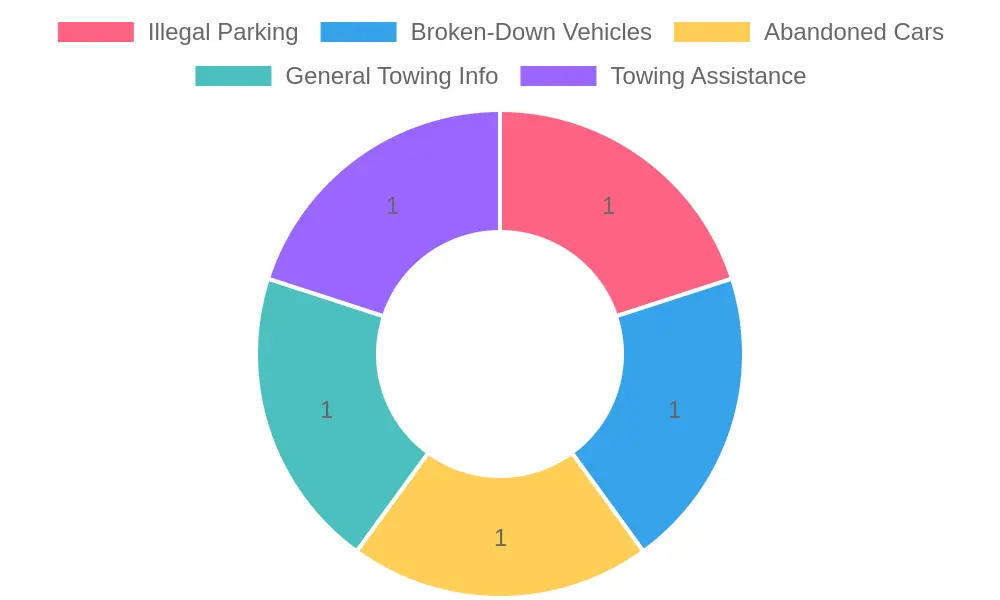
This image visually represents various towing scenarios, including illegal parking, broken-down vehicles, and abandoned cars.
- Illegal Parking: Vehicles parked in restricted areas can create hazards and need prompt removal to ensure accessibility.
- Broken-down Vehicles: When a car breaks down, it often blocks traffic, necessitating a tow for safety and efficiency.
- Abandoned Cars: Vehicles left unattended for long periods can become nuisances and are often towed to maintain public order.
For more details on emergency responses involving towing, check out our airport emergency rescue operations and best practices in emergency response training.
Understanding Towing Incidents: Statistics and Insights
Towing incidents are a part of everyday life for many drivers, whether due to parking violations or vehicle breakdowns. It’s essential to understand the context around these incidents to make informed decisions as an everyday driver or vehicle owner. Here, we summarize several key aspects of towing incidents, including data on vehicles towed yearly, average costs of towing services, and common reasons for towing.
Statistics on Towing Incidents
While specific 2023 statistics on towing incidents in the U.S. are currently limited, the American Automobile Association (AAA) and various towing organizations often report high volumes of towing activities annually. It is estimated that millions of vehicles are towed each year due to various reasons, contributing to an ever-demanding towing service industry.
Average Costs of Towing Services
Average costs for towing can vary significantly based on several factors, including location, vehicle type, and the specific service required. Generally, the cost of towing a vehicle can range from $75 to $125 for a standard tow. Services that require more specialized equipment or longer distances may incur costs upwards of $250 or more. For more details about towing costs, you can check our article on how much tow trucks charge.
Common Reasons for Towing
- Parking Violations: Vehicles parked in no-parking zones or fire lanes are frequently towed.
- Expired Registration: Cars with expired tags are often targeted by law enforcement for towing.
- Abandoned Vehicles: Vehicles that sit unattended for a long period can be classified as abandoned and subsequently towed.
- Illegal Parking: This includes parking in spaces designated for the handicapped without the proper permits.
- Moving Violations: Vehicles obstructing traffic or involved in accidents may also necessitate towing.
Understanding the implications of towing incidents is crucial. Familiarizing yourself with local laws and regulations can help you avoid costly surprises.
For more insights on emergency towing practices, take a look at our guide on airport emergency rescue operations.
Overall, being informed about towing practices can save you time and money and help you navigate the complexities of vehicle ownership responsibly.
This content aims to provide a clearer understanding of towing incidents and includes practical resources for further exploration. Whether you’re a driver, property manager, or just interested in the logistics, being aware of these factors can be beneficial.
Understanding Towing Costs: A Regional Comparison
When it comes to calling a tow truck, the cost can vary significantly depending on your location and the towing service provider you choose. Understanding these costs can help drivers make informed decisions. Here’s a breakdown of average towing costs across different regions in the United States:
| Region | Average Towing Cost (USD) |
|---|---|
| Northeast | $125 |
| Midwest | $100 |
| South | $85 |
| West | $150 |
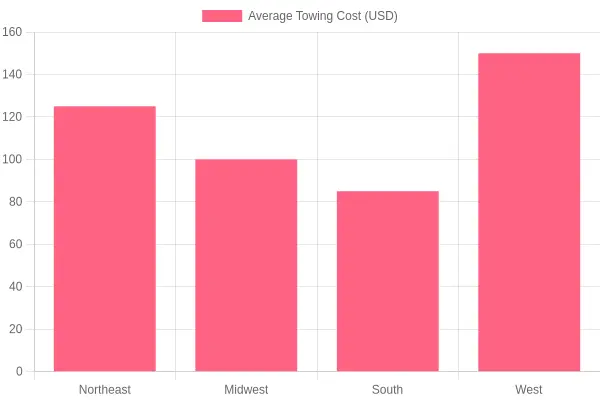
Figure 1: This bar chart compares the average towing costs by region, highlighting significant differences that may impact your decision to call for assistance.
Key Takeaways
- Regional Differences: Towing services in the West tend to be the most expensive, averaging around $150, while the South offers the most competitive rates at around $85.
- Factors Affecting Costs: Consider factors such as vehicle type and time of service, as these can also influence the final price you may pay.
Before calling for a tow truck, it’s wise to familiarize yourself with typical local rates, which can vary due to demand and operational costs. For more information on what to expect from towing services, check out how much tow trucks charge per mile and common towing costs and pricing.
Conclusion
In conclusion, understanding the legal aspects of towing is crucial for every driver and vehicle owner. Knowing when you can legally call a tow truck-whether due to illegal parking, blocking driveways, expired registrations, or unpaid tickets-helps prevent misunderstandings and confrontations with other drivers. As highlighted in the Common Reasons for Towing, the most prominent reasons range from parking violations to financial obligations that have not been met.
Additionally, being aware of local towing regulations ensures that you are acting within the law. Many states have strict guidelines governing how towing should be conducted and the rights of vehicle owners when their vehicles are towed. This can include the requirement for proper signage and notification, which protects both the property owner and the vehicle operator. Following these local regulations can save you from potential legal issues and unnecessary costs.
However, improper towing practices can lead to severe consequences. From vehicle damage to financial liability and even legal action, the repercussions of towing incorrectly are significant. As detailed in the Consequences of Improper Towing, the potential outcomes from such practices can be both costly and damaging.
In light of these insights, it’s paramount that all drivers and property managers handle towing responsibly. Engage with towing services that adhere to legal standards and prioritize safety and proper conduct. By doing so, you contribute to a more organized and respectful driving environment, avoiding the pitfalls associated with improper towing and ensuring your and others’ rights are preserved.
Conclusion and Call-to-Action
In scenarios where you find yourself needing a tow truck, whether it’s due to a breakdown or an accident, it’s crucial to call a reliable service that can respond quickly. Emergency response services play a vital role in ensuring safety on the roads, and understanding how to contact them effectively can save you a lot of stress and time.
If you’re a motorcycle enthusiast, don’t forget that your ride deserves the best when it comes to maintenance and appearances. Summit Fairings offers premium motorcycle fairings that can enhance not only the look but also the performance of your bike. Explore the high-quality options available at Summit Fairings today and give your motorcycle the upgrade it deserves!
For further insights on emergency protocols and vehicle safety, check out our article on emergency response training best practices.