
Introduction
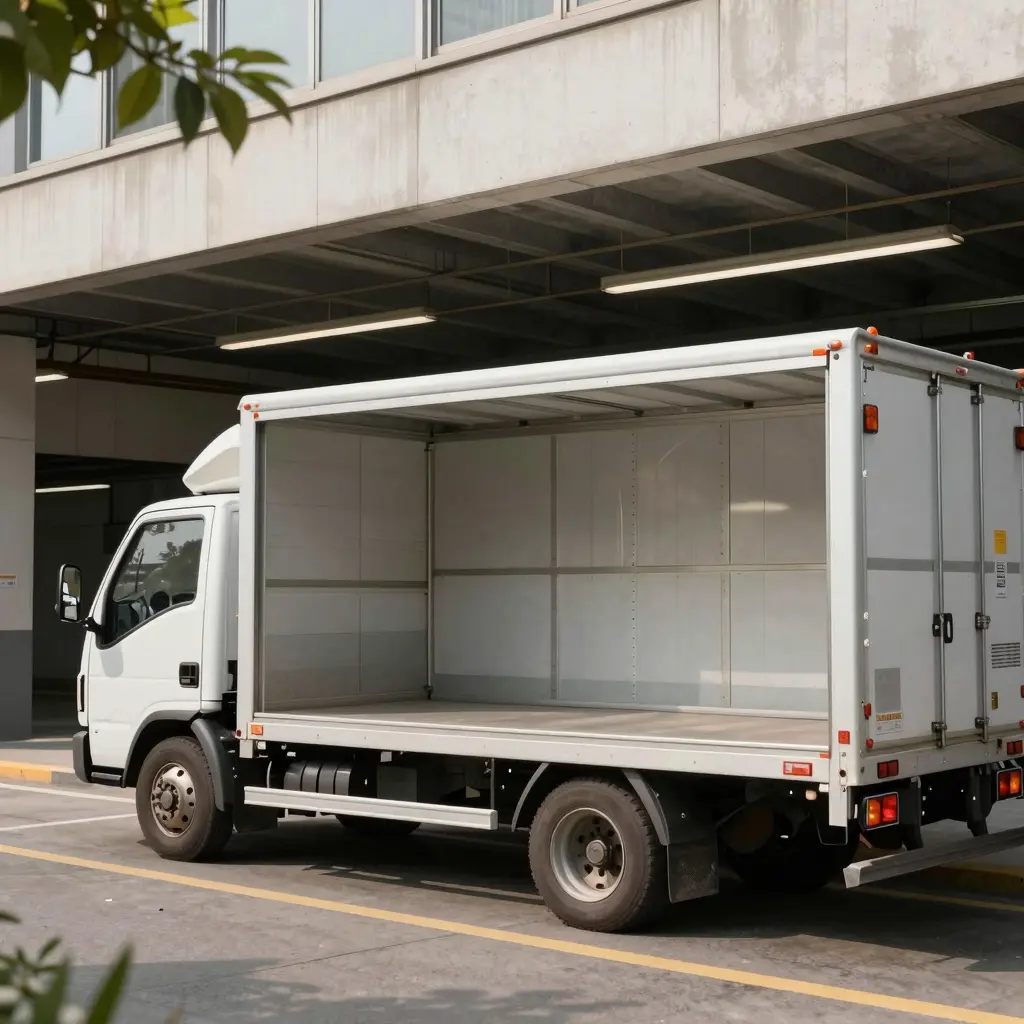
In urban environments where space is at a premium, the question often arises: Can a tow truck fit in a parking garage? Whether you’re an everyday driver, a truck owner, or a property manager, understanding the limitations of parking facilities is crucial. Tow trucks, designed for utility and efficiency, can vary significantly in size, making their parking requirements unique. This uncertainty can lead many to ponder not just the practicality of parking a tow truck in a confined space but also the implications of not accommodating these essential vehicles. Considering the busy lives of residents and commuters, as well as the financial implications for auto repair shops and rental services, this topic is more relevant than ever. As we explore the dimensions and specifications of tow trucks alongside common garage parameters, we’ll answer the pressing question: is your parking garage suitable for a tow truck? Learn more about how parking logistics impact urban commuting and delve into the specifics that can make or break your parking strategy.
“When assessing garage access for towing trucks, it is essential to consider the physical dimensions, as even slight variations can affect the ability to navigate and park safely. It is recommended that the height clearance be at least 12-14 feet to accommodate various truck types efficiently.” – Jackwin Safety
The opening question about whether a tow truck can fit in a parking garage greatly depends on the specific dimensions of both the truck and the garage. The above citation emphasizes the importance of evaluating these measurements, thus reinforcing the technical considerations for drivers, property managers, and garage designers alike.
To explore the dimensions further, you can check this comprehensive guide that details the minimum requirements for parking trucks and accommodating them in tight spaces.
| Tow Truck Model | Length (ft) | Width (ft) | Height (ft) | Fits Standard Parking Garage (Approx. 7-8 ft height, 8-9 ft width) |
|---|---|---|---|---|
| Ford F-450 Tow Truck | 24 | 8 | 8.5 | Narrow fit width-wise; height slightly exceeds typical garage height |
| Ram 4500 Flatbed Tow | 25 | 8 | 8 | Close fit width-wise and height-wise; cautious fit recommended |
| International 4300 Wrecker | 30 | 8.5 | 9 | Likely too tall and wide for standard parking garages |
Standard parking garages typically accommodate vehicles up to around 7 to 8 feet in height and about 8 to 9 feet in width. Tow trucks vary, but many exceed these dimensions, especially in height, making their entry into parking garages challenging or impossible without ample clearance.
Understanding these size constraints is essential for drivers, residents, and property managers when considering if a tow truck can access parking garages. For more detailed insights on tow truck operations and specifications, visit our comprehensive guide on tow truck technology and safety.
When considering the adequacy of a parking garage for various types of vehicles, including tow trucks, it’s essential to be aware of standard dimensions that determine height clearance and width requirements. These dimensions can significantly impact the accessibility and functionality of the garage.
Height Clearance
The height clearance in parking garages typically ranges from 7 to 8 feet (approximately 2.1 to 2.4 meters). However, if a parking garage is expected to accommodate larger vehicles, such as tow trucks, a minimum height of 12 to 14 feet (about 3.7 to 4.3 meters) is often recommended. This additional clearance ensures that tow trucks, which can be equipped with extended apparatuses, can navigate comfortably without risk of damage.
Specifically, commercial parking garages may have even taller ceilings to accommodate a variety of vehicles, including emergency service vehicles. It’s crucial to also take into account any structural components-like beams, lighting fixtures, and ventilation systems-when calculating available height.
Width Requirements
The standard width for a parking space is generally between 8.5 to 9 feet (approximately 2.6 to 2.7 meters). This width allows enough room for everyday passenger vehicles to maneuver comfortably. For garages meant to accommodate larger vehicles or tow trucks, it may be prudent to provide a minimum width of 10 to 12 feet (around 3 to 3.7 meters). These extra feet make it easier for tow trucks to handle unconventional towing tasks and maneuvering in tight spaces.
Local Regulations
It’s important to note that specific demands may vary based on local building regulations and codes. Therefore, it’s advisable for property managers and developers to review local guidelines prior to constructing a new parking facility. Designing with flexibility in mind can ensure that the garage can accommodate a wide range of vehicle dimensions over time.
Conclusion
Understanding and applying the correct dimensions for height clearance and width in parking garages is critical, especially for servicing larger vehicles like tow trucks. By adhering to standardized dimensions and taking local regulations into account, property managers can create functional parking environments that cater to diverse needs.
For more detailed insights, including design standards and approaches relevant to emergency response vehicles, learn more. Assessing these factors will help guarantee a successful and efficient parking garage design catering to all users, especially those relying on heavy-duty vehicles.
By integrating best practices and adhering to regulations when it comes to parking garage dimensions, you can ensure that services using larger vehicles, like tow trucks, are effectively accommodated, enhancing both functionality and safety for all users.
Safety Regulations for Parking Large Vehicles like Tow Trucks in Garages
When it comes to parking large vehicles such as tow trucks in garages, safety regulations play a crucial role in ensuring the protection of property, personnel, and vehicle operators. While exact laws can vary by municipality and state, several key points and best practices are generally applicable for property managers, drivers, and stakeholders involved.
Key Safety Considerations
1. Height and Size Restrictions
Garage structures often have clear signage indicating maximum vehicle height and width. Tow trucks, particularly those with mounted equipment, may exceed these limits, posing a risk of structural damage or impeding safe navigation inside the garage. Drivers must verify garage clearance before entry.
2. Authorized Parking Zones
Many urban regulations restrict parking of commercial vehicles like tow trucks to designated commercial loading or parking zones, especially in residential or mixed-use buildings. Unauthorized parking of large vehicles can attract fines or towing.
3. Permit and Licensing Compliance
Certain municipalities require commercial vehicle operators, including tow trucks, to obtain parking permits for garages or designated areas within urban settings. These permits enforce limits on time duration and the number of commercial vehicles allowed.
4. Fire Safety and Emergency Access
Parking rules must align with fire codes that restrict blocking of emergency exits, fire lanes, or access to equipment such as fire extinguishers and sprinklers. Tow trucks parked in garages should never obstruct these critical points.
5. Visibility and Markings
Tow trucks must have visible safety markings and lighting to prevent accidents when maneuvering within confined garage spaces. This includes reflective tape, functional lights, and audible warning devices.
6. Operational Procedures
Drivers should follow strict operational procedures when entering, parking, and exiting garages to minimize collision risks. This includes using spotters if needed and adhering to speed limits.
7. Risk Assessments and Training
Property managers and tow truck drivers should jointly conduct risk assessments of garage facilities to identify hazards specific to large vehicles. Training drivers on specific garage environments enhances safety compliance.
Why These Regulations Matter
Parking a tow truck in a garage that is not designed for large commercial vehicles can cause serious accidents, damage the property infrastructure, and impede emergency response pathways. Understanding and adhering to regulatory guidelines ensures the safety of all garage users and extends the lifespan of the facility.
Additional Resources
For drivers and property managers seeking detailed safety practices related to emergency vehicle design and response, emergency response training best practices provide valuable insights into operational safety that also apply to large vehicle management.
Implementing these regulations and guidelines will help maintain safe garage operations and protect everyone involved, from tow truck operators to everyday users of the facility.
For more about how tow trucks are managed around varied operational environments, visit tow truck technology and safety to understand advances helping maintain safety standards.
Considerations for Property Managers Regarding Tow Truck Parking Garages
Managing a parking garage that accommodates tow trucks presents unique challenges and opportunities for property managers. As the demand for efficient parking solutions grows, understanding both the implications for residents and the operational regulations is essential.
Regulations for Tow Truck Parking in Garages
Property managers must be familiar with both local and state regulations governing towing practices. The regulations can vary significantly by region but generally include:
- Notification Requirements: Property managers must notify vehicle owners prior to towing. Many jurisdictions require advance notice or visible signage informing residents of the towing policy.
- License Compliance: Tow truck companies are often required to be licensed and insured, ensuring that they operate within the confines of the law. Property managers should ensure that any towing service they partner with meets these requirements to avoid legal complications.
- Record Keeping: Maintaining a log of towed vehicles, including dates, reasons for towing, and any communications with vehicle owners, can protect managers from potential disputes and liabilities.
Practical Considerations for Tow Truck Operations
The ability to accommodate tow truck parking garages hinges on the following practical considerations:
- Space Requirements: Tow trucks are typically larger than standard vehicles, requiring adequate maneuvering space. Ensure that garage dimensions and layouts can facilitate easy entry and exit for these vehicles without disrupting the flow of regular traffic.
- Signing and Access Control: Implement clear signage indicating towing policies and ensure access control to minimize unauthorized parking. Clear communication helps deter residents from parking strategically in a way that would necessitate a tow.
- Implications for Residents and Nearby Businesses: Again, clear policies and effective communication are critical. Residents may have concerns about the frequent towing of vehicles, potentially leading to dissatisfaction. Therefore, involving residents in the decision-making process and providing feedback mechanisms can enhance community relations.
Solutions to Common Challenges
- Educational Initiatives: Property managers can organize meetings or distribute materials that explain towing policies to residents, alleviating concerns and promoting community understanding.
- Engagement with Local Authorities: Collaborate with local authorities and obey regulations to foster goodwill and establish good practices across the community.
- Regular Review of Policies: Schedule periodic assessments of towing policies to adapt to changes in local laws or community needs, ensuring that operation stays efficient and compliant.
For a more in-depth understanding of specific regulations, you can refer to Best Practices for Property Managers on Towing and Legal Essentials of Property Management. These resources provide useful insights into developing effective towing and parking strategies that meet legal and community standards.
By navigating these challenges skillfully, property managers can establish successful programs that benefit both residents and business operations while maintaining compliance with regulations.
Tips for Navigating Parking Garages with Tow Trucks
- Know Your Height: Always check the height of your tow truck against the parking garage’s clearance signs to avoid collisions. Most tow trucks range from 8 to 12 feet high, so be cautious of low ceilings.
- Be Aware of Surroundings: Maintain a keen awareness of your surroundings, especially when reversing or changing lanes in tight spaces. Use mirrors and, if available, reverse cameras to assist.
- Utilize Spotters: When maneuvering in tight areas, consider having a spotter guide you. This can help to avoid obstacles and ensure you make it through tight spaces safely.
- Plan Your Entry and Exit: Before entering, survey the garage for available space and potential obstacles. Knowing your path can reduce the stress of navigation, especially in crowded garages.
- Choose Alternative Parking Solutions: If the parking garage is too small or has inadequate height clearance, look for alternative parking solutions nearby. Street parking or designated truck parking areas may be more accommodating.
- Use Your Resources: Take advantage of technology, such as parking apps, that provide real-time information about parking availability and garage height restrictions.
- Communicate with Others: If you’re part of a fleet or company, communicate with your team about any challenges faced in particular garages. Share tips and experiences to improve overall safety.
For more insights on managing emergency operations, check out our article on airport emergency rescue operations or read about tow truck driver etiquette.
Conclusion
In summary, whether a tow truck can reliably fit into a parking garage depends largely on the specific design and dimensions of both the tow truck and the parking structure. Most standard parking garages have height and width restrictions that pose challenges for the larger size and bulk of tow trucks. While some smaller or specialized tow trucks might successfully navigate certain parking facilities, many traditional tow trucks require careful consideration of clearance and maneuvering space to avoid damage or logistical issues.
Understanding parking garage dimensions and tow truck specifications is crucial not only for drivers and property managers but also for the operational efficiency of towing services. This awareness helps in making informed decisions regarding parking access, emergency towing scenarios, and managing vehicle safety within constrained environments.
As we emphasize vehicle safety and styling, consider enhancing your ride with quality motorcycle fairings to protect your vehicle while making a stylish statement on the road. Winchester Tow Truck offers exceptional motorcycle fairings that combine both protection and aesthetic appeal, ensuring your bike stays safe and looks sharp.
Take the next step towards safeguarding and styling your motorcycle today by exploring our premium motorcycle fairings offerings. Protect your investment with the best in the business and enjoy peace of mind every time you hit the road.
For a deeper understanding of ensuring vehicle safety within various operational contexts, explore our insights on tow truck technology and safety to stay ahead in the towing and vehicle care domain.
Currently, there is a lack of publicly available data on the frequency of tow trucks parking in garages, related parking violations, and damage incidents. This limitation makes it challenging to generate specific statistics or visual representations. If you’re interested in other topics related to towing or have specific inquiries, feel free to ask!