
Towing a vehicle with a pickup truck can seem daunting, but with the right knowledge and tools, you can ensure a safe and efficient towing experience. Understanding the legal parameters, selecting the appropriate towing method, preparing your equipment, and adhering to safety protocols all play critical roles in a successful towing endeavor. This guide is tailored for everyday drivers, truck owners, auto repair professionals, and property managers, helping you navigate the complexities of towing. Each chapter delves into crucial aspects to empower you with the confidence and skills needed to tow safely and effectively.
Know Before You Hitch: Legal Rules, Licensing, and Capacity When Towing a Car with a Pickup
Legal and Safety Essentials
Towing a car with a pickup truck is not only a matter of straps and strength. It is an activity governed by laws, inspections, and vehicle limits. Those rules protect drivers, other road users, and the vehicles themselves. If you plan to tow, you must understand how jurisdictions define tow vehicles, what inspections and licenses apply, and how towing capacity and equipment standards limit what you can safely haul. This chapter gathers those legal and safety essentials into a single, practical narrative you can use before you attach a hitch.
Start by recognizing that many authorities treat any motor vehicle fitted with lifting or loading gear as a tow truck. A pickup with a permanently installed winch or a mounted loading device may fall into that definition. That matters because a vehicle classified as a tow truck can be subject to specific licensing rules and safety inspections. For example, some regions require an initial licensing inspection at a designated centre for every tow truck. The inspector will check structural integrity, securing devices, and the function of systems such as brakes and lights. If your pickup has been modified to carry or lift other vehicles, plan to have it inspected and licensed where required.
Towing capacity is the single most important legal and practical constraint. Every pickup has published towing limits from the manufacturer. These figures include maximum trailer weight and, in some cases, gross combined vehicle weight rating (GCWR). Legal standards generally require that the pickup’s towing capacity not be exceeded. Towing a heavier vehicle can cause loss of control, brake failure, and serious legal consequences. A simple rule to remember: the towing vehicle should be heavier and more capable than the towed vehicle. If the towed vehicle approaches or exceeds your pickup’s rating, use a professional flatbed transporter.
Beyond gross weights, other weight-related measures affect legality and safety. Tongue weight—the downward force the trailer or towed apparatus exerts on the hitch—must fall within the hitch and vehicle limits. Over- or under-loading the tongue can cause trailer sway or poor steering. Axle loads and gross vehicle weight ratings (GVWR) also determine whether the pickup and trailer can be legally and safely driven on public roads. Local road rules may limit axle loads and overall gross vehicle weights, and enforcement officers can issue fines or require offloading on the spot.
Licensing and inspections vary by location. In some areas, a tow truck licence is required for vehicles used to tow as part of a business. Licensing criteria typically include a fit-for-purpose inspection. Inspectors verify secure mounting of hitches, the adequacy of coupling devices, and that electrical lighting circuits match legal standards. They also check that braking systems and lamps operate while towing. If the pickup is used occasionally for private towing of a family car, licensing rules may be looser. Still, any permanent modification that affects structure or braking can trigger inspection requirements. Familiarize yourself with local transport authority guidance before you modify or use a pickup for towing.
Vehicle compatibility rules can restrict which towing methods are legal. Some jurisdictions specify that full-time four-wheel-drive vehicles must be transported on a flatbed. Others prohibit towing methods that risk damage to drivetrain components. Automatic transmission cars, for example, often require flatbed transport or manufacturer-approved tow modes. Tow bars, dollies, or rope tow methods might be legal only for manual transmission vehicles or only for short, low-speed moves. When in doubt, follow the manufacturer’s towing instructions for both vehicles. That advice reduces the risk of mechanical damage and aligns with legal expectations.
Equipment standards are part of the legal picture. A legal tow setup requires an appropriate hitch, a rated coupling, and safety chains fitted in a cross pattern. Lighting connections are not optional. Brake lights, turn signals, and tail lamps on the towed vehicle must be visible and synchronized with the towing truck. Where local rules require trailer brakes above a specified weight, you must install an electric or surge braking system. Mirrors that provide adequate rearward vision may be mandatory when towing wider or longer loads. Failure to meet equipment requirements can result in fines, vehicle impoundment, or refusal of roadside assistance.
Insuring a towed vehicle and checking liability coverage are practical legal steps. Your pickup’s insurance policy may have limits for towing. Some insurers require notification if you regularly tow heavy loads or operate modified vehicles. If you are towing for hire, commercial insurance and additional licences often apply. Uninsured towing can lead to severe penalties after an accident. Confirm coverage for both vehicles and any third-party damage before you move a car on public roads.
Driver licensing can also play a role. In some jurisdictions, heavier towed combinations require a higher class of driver licence. That can include limits based on gross combination weight or trailer mass. Even without a licence upgrade, drivers must meet local rules on driving hours, speed limits, and required safety equipment. If you plan to tow across state or national borders, check whether your licence and vehicle approvals remain valid under the destination jurisdiction’s rules.
Modifications to your pickup to improve towing capability must meet legal standards. Reinforcing frames, upgrading hitches, or altering suspension can improve performance. But modifications that change the vehicle’s rated capacity need certification. Many transport agencies require a professional engineering sign-off or a registered modification plate. Improper or uncertified changes can void warranties and insurance, and lead to fines during roadside checks. Use qualified technicians for any permanent alterations, and keep records of approvals and certificates in the vehicle.
Certain operational restrictions are enforced on towed combinations. Speed limits for vehicles with trailers may be lower than normal limits. Specific lanes may be designated for heavy or slow-moving vehicles. Parking and loading rules may restrict where you can hitch or unhitch on public streets. If you use a tow rope rather than a rigid connection, rules often limit its legal use to emergency recovery and short distances. The person in the towed vehicle must remain able to steer and brake if required. Ignoring these restrictions can generate fines and liability in accidents.
Regulators also aim to prevent unsafe towing practices through inspection programs and public guidance. Authorities publish checklists for safe towing and specific standards for commercial tow operations. These resources address proper hitching, lighting circuits, safety chain attachments, and braking system requirements. They often explain the legal consequences of non-compliance. If you are unsure which rules apply where you plan to tow, consult your local transport authority before you travel.
If you are towing a disabled car, special rules can apply to protect both vehicles. Many laws require that the towed car’s wheels be secured with a dolly or that the vehicle be placed on a flatbed when certain drivetrain types are involved. Emergency signage, amber lights, and hazard triangles may be required when towing on highways or at night. Some areas mandate that the towed vehicle display a warning flag or sign. Follow those rules to avoid fines and to keep roadside workers safe.
Documentation and record keeping support legal compliance. Keep a copy of your pickup’s owner manual with towing ratings. Carry written proof of any modifications or inspections. If you use a hitch rated above a certain class, keep the coupling’s load rating certificates. When crossing state lines, carry registration and insurance documents for both vehicles. Inspectors and police can request evidence that your setup meets legal standards. Adequate paperwork can prevent delays and penalties.
A practical pre-tow checklist built from legal requirements saves time and reduces risk. Verify the pickup’s towing capacity and the combined weight of the towed vehicle. Check the hitch class and tongue weight limits. Confirm that lights, brakes, and safety chains meet local codes. Ensure the towed car’s transmission and drivetrain comply with the chosen towing method. Carry required warning signs and emergency equipment. Make sure driver licences and insurance cover the tow. If any item is missing, postpone the move until you fix it.
Finally, remember that laws vary across borders and evolve over time. Local transport agencies publish authoritative guidance and updates. If your situation involves commercial towing, frequent heavy loads, or vehicle modifications, consult the relevant authority for current rules. For detailed regulatory information and specific standards in Western Australia, refer to the official tow truck regulatory guidance: https://www.dpt.wa.gov.au/vehicle-licensing/tow-trucks. For a quick check of how much your pickup can tow, you can review practical capacity guides at this resource: how much can my truck tow.
Following legal requirements protects you and other road users. It keeps vehicles undamaged and crews safe. Know the definitions, obtain required licences and inspections, respect capacity limits, and keep documentation ready. These steps turn a risky task into a lawful and controllable operation.
Tow Paths: Mastering the Methods for Pulling a Car Behind a Pickup
Safety and legality govern every move when towing a car with a pickup. The choice of method depends on the weight of the towed vehicle, the truck’s rated capacity, and the braking and lighting requirements on both vehicles. In practice, the simplest, most controllable option that fits the situation tends to be best.
Flat-towing on a trailer keeps the towed car off the road and is commonly preferred for drivetrain protection, but requires proper equipment and careful alignment.
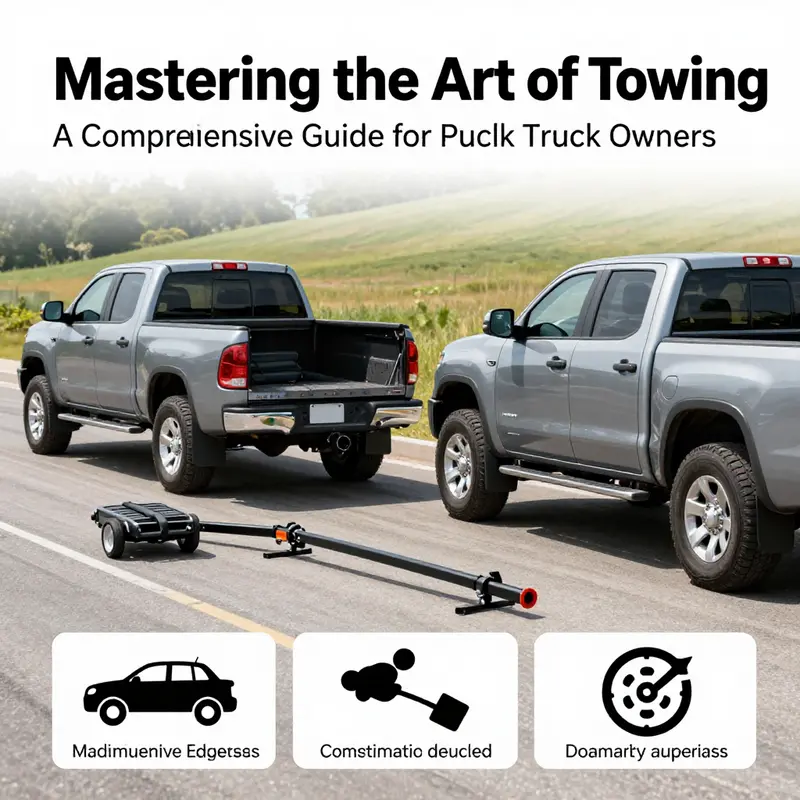
A tow dolly lifts the front or rear wheels and can be a good compromise for shorter trips or front-wheel-drive cars, while a tow bar suits short, low-speed moves and manual transmission cars.
A tow rope is only for emergency recoveries and very short distances.
Before any movement, verify that lights work, the towed car is in neutral or parking brake released as appropriate, tires spin freely, and all connections are secure.
During the tow, accelerate smoothly, maintain a generous following distance, and check connections at regular intervals.
After reaching the destination, park carefully, disconnect safely, and inspect both vehicles for damage.
Throughout, follow manufacturer guidance and local laws to avoid transmission or drivetrain damage and to stay compliant on the road.
Preparing the Right Equipment: How to Outfit a Pickup for Safe Car Towing
Preparing the Right Equipment: How to Outfit a Pickup for Safe Car Towing
Towing a car with a pickup truck starts long before you hitch anything. Proper equipment, correct ratings, and a careful inspection determine whether a tow is safe and damage-free. This chapter walks through the decisions and checks that turn a pickup into a reliable towing rig. It explains how to match towing methods to vehicle types, how to size and inspect hardware, and how to install and verify critical systems so the tow goes smoothly.
First, choose the towing method that matches the condition and drivetrain of the towed vehicle. A flatbed trailer keeps all wheels off the ground and is the safest option for most cars. It protects automatic transmissions and all-wheel drive systems. If a flatbed is unavailable, a dolly that lifts the front or rear wheels can be used for two-wheel-drive cars. A rigid tow bar is appropriate only for manual-transmission vehicles designed or approved for flat-towing with wheels on the road. Tow ropes belong strictly to emergency short-distance recovery. Selecting the wrong method risks drivetrain damage, ruined transmission seals, and unsafe handling on the road.
Once you know the method, confirm the truck and gear carry the necessary capacity. Every towing setup must respect the pickup’s published limits. Check the Gross Vehicle Weight Rating (GVWR) and the pickup’s towing capacity in the owner’s manual. Remember that the trailer, the towed vehicle, passengers, and cargo all contribute to total weight. Also verify the hitch’s tongue weight rating. Tongue weight is the downward force that the trailer or towed vehicle places on the hitch. Too little tongue weight makes the rig unstable and prone to sway; too much can overwhelm the rear axle and impair steering. A safe range is typically 10–15% of the trailer or towed vehicle’s weight on the tongue for trailers. For dolly or tow-bar setups, follow manufacturer recommendations for tongue load.
Hitch class matters. Most pickup trucks use Class III or Class IV hitches for common towing loads. A Class III hitch generally supports up to 5,000 pounds gross trailer weight and a 500-pound tongue weight, while Class IV offers higher ratings. Match the hitch class to the expected load and never exceed the lowest rated component in the towing chain. That means the hitch, ball mount, ball, coupler, and safety chains must all be rated for the same or higher weight.
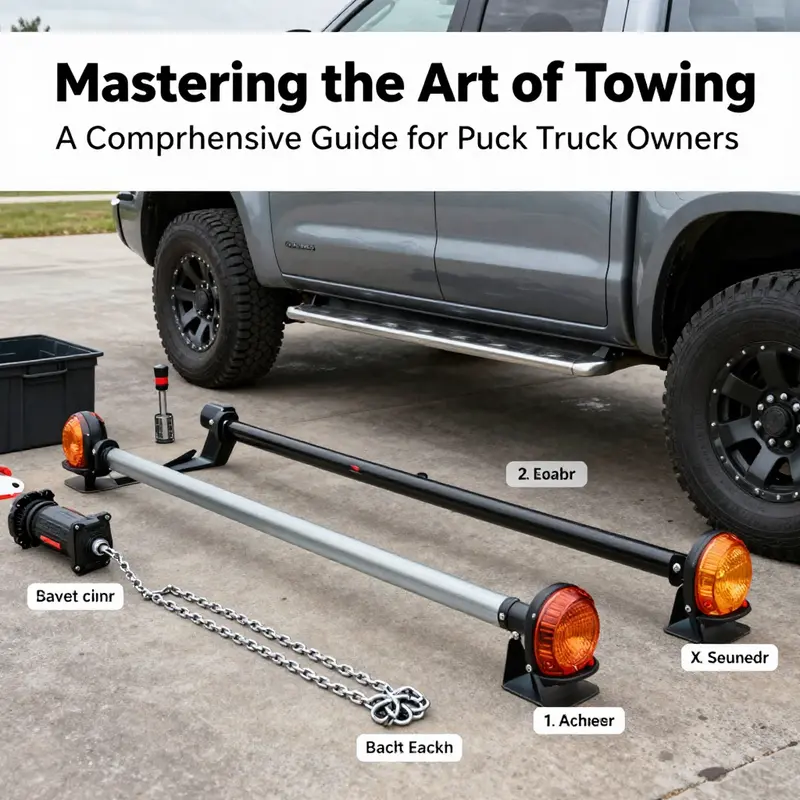
Safety chains are an essential backup. They should be crossed beneath the hitch in an X pattern. Crossing keeps the trailer tongue from dropping to the road if the hitch fails. Inspect chain condition and rated capacity before every trip. Chains with rusted links, missing safety hooks, or worn connectors must be replaced. Attach the chains to manufacturer-specified anchor points on the hitch or frame. Avoid fastening chains to bumper brackets or suspension parts that aren’t designed for towing.
Electrical connections and lighting are critical for legal and safe towing. The towed vehicle’s brake lights, turn signals, and tail lights must operate in sync with the truck. For trailers, confirm the electrical socket type and wiring match. Use a reliable adapter if needed. Test signals before departing, and check lights again after a short drive. Modern pickups often have integrated trailer wiring kits. Ensure the connectors are secure and protected from corrosion. For longer hauls, consider a supplemental battery or a braking system on the trailer so the truck does not bear all stopping forces.
Trailer brakes should be functional when towing substantial weights. Electric or hydraulic brakes on trailers greatly reduce stopping distances and wear on the tow vehicle. For dolly setups, check whether the dolly has its own brakes and how they integrate with the towing truck. If the towed car’s braking system will remain in service while on a dolly, verify that the car’s battery and brake boosters are operational. For flatbed towing, ensure the winch and tie-down points are rated and anchored properly.
Drivetrain compatibility requires careful attention. Many front-wheel-drive cars tolerate front-wheel dolly tows, but automatic transmissions often do not. Full-time four-wheel-drive and many all-wheel-drive systems must remain off the road during towing to prevent transfer-case damage. If the manufacturer allows flat-towing with the driveshaft connected, follow any special procedures, such as placing the vehicle in neutral, releasing the parking brake, and using a prescribed steering lock. Always consult the towed vehicle’s service manual for the permitted towing sequence and limits.
Selecting a dolly or tow bar involves matching coupler types and mounting patterns. Dollies come in different axle ratings and wheel sizes. Choose one rated above the expected load. Confirm the dolly’s hitch coupler matches the pickup’s ball size. Tow bars vary between rigid bars and automated, articulating designs. Regardless of style, ensure secure fastening to the towed vehicle’s reinforced tow points—not to bumpers or suspension components. Where factory tow hooks are absent, use adapters designed to distribute load to structural points.
Tools for secure attachment matter. A set of high-quality ratchet straps or load-rated nylon straps will secure the vehicle to a flatbed or dolly. Use wheel nets or chocks where appropriate. For trailers, use lockable couplers and a breakaway switch for electric brakes. A rated hitch pin and clip, or a locking hitch pin, prevent unintentional separation. Carry spare hardware such as bolts, shims, and a multi-tool. Replace worn straps and chains; frayed webbing and cracked hooks compromise safety.
Before any tow, conduct a hands-on inspection of all components. Verify that the hitch ball and coupler are correctly seated and locked. Ensure safety chains are attached, with enough slack for turning but not so much they drag. Test the electrical connector and lights. Confirm the towed vehicle is in the right gear and that the parking brake is released when required. Check tire pressures on both vehicles and on the dolly or trailer. Underinflated tires increase rolling resistance and heat, risking a blowout. Look for loose parts, leaks, or anything dragging beneath either vehicle.
Installation best practices reduce risk. Mount the hitch according to factory specifications and torque bolts to recommended values. If the pickup lacks a factory hitch, have a qualified technician install a frame-mounted receiver. Avoid bolting hitches to body mounts or lightweight brackets. When attaching safety chains, route them through attachment loops and cross under the coupler. For electrical work, use dielectric grease on connectors to prevent corrosion. Secure wiring so it cannot chafe or catch on moving parts.
Practice common-sense maintenance. Keep the hitch and ball lubricated to minimize wear. Inspect chain hardware and replace any device that shows signs of deformation. Store straps and webbing in a dry place, away from sunlight, because UV exposure weakens fibers. Periodically check torque values on hitch bolts and hitch-mounted accessories. If you tow frequently, plan a maintenance schedule. Inspect the wiring harness at least twice a year and after any salt exposure.
Adapt for the trip. For longer distances, fit a weight-distributing hitch when towing trailers with significant tongue weight. These systems transfer load more evenly across axles, improving steering and braking. Consider sway control devices when towing tall or narrow loads. For steep grades, select a transmission-friendly method for the towed vehicle; dragging an automatic transmission at highway speeds can cause catastrophic damage. Reduce your speed, and use lower gears on descents to limit brake fade.
Finally, document capacity and compatibility. Keep a towing checklist in the truck. Note the pickup’s towing capacity, hitch class, and tongue weight limit. Record the dolly or trailer ratings and the towed vehicle’s curb weight. This simple record prevents exceeding limits by accident. If in doubt about any component, defer to the lowest rated element and seek professional towing services.
If you want a practical walkthrough on selecting and installing towing components, refer to this dedicated guide: Tow car truck guide. For an in-depth external reference that complements these procedures, review the comprehensive online resource at https://www.carinterior.com/tow-a-car-with-a-pickup-truck/.
By matching the towing method to the vehicle, verifying ratings, and applying rigorous inspection routines, you prevent mechanical damage and maintain road safety. Proper preparation makes the difference between a secure, efficient tow and costly, dangerous mistakes.
Tow Safety and Towing with a Pickup: A Practical Guide
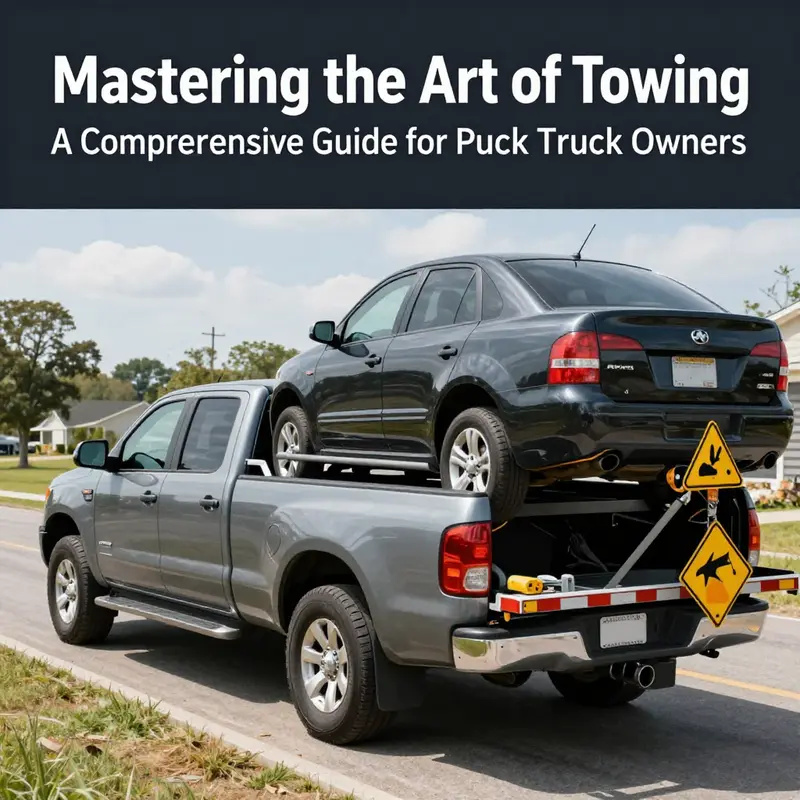
Towing a vehicle with a pickup is a safety-critical operation that blends judgement, preparation, and controlled technique. When you decide to move a disabled car behind your truck, you assume responsibility for the immediate road environment and for the longer journey ahead. The objective is to complete the move with minimal risk to people and property, while protecting the mechanical integrity of both vehicles. The guidance below covers the practical steps you should follow and the mindset that reduces risk.
Legal requirements and vehicle compatibility form the backbone of any tow. Before attaching a tow bar, dolly, or trailer, verify that the operation complies with local rules and that your pickup can safely handle the load. Weigh the towed vehicle relative to the pickup’s rated towing capacity as documented in the owner’s manual. In many regions, trailers and towed vehicles have weight limits; exceeding these limits increases the likelihood of loss of control and component stress. In addition, ensure the towed vehicle’s brakes and lights function correctly, especially on longer trips or at highway speeds. These checks are not mere formalities; they are essential safeguards that improve visibility and reaction time for following drivers and reduce the risk of a disconnect during motion.
Choosing the right towing method should follow the condition of the disabled car and the pickup’s capabilities. A flatbed tow (where the entire vehicle is loaded onto a rigid platform) is often the safest and most universal choice because it keeps all wheels off the ground and minimizes drivetrain stress. For many cars, a flatbed reduces the chance of transmission damage and avoids wheel or suspension issues during transport. If a flatbed is unavailable, a properly configured dolly tow can be used for two-wheel-drive vehicles, with the appropriate wheels lifted according to the drivetrain (front wheels for front-wheel drive, rear wheels for rear-wheel drive). Automatic transmissions require special caution: only tow if the manufacturer explicitly allows it, and follow the recommended procedures (neutral position, parking brake fully released, transmission in neutral, and short-distance movement). All-wheel-drive or full-time 4WD systems also demand caution; many manufacturers stipulate flatbed towing to avoid driveline binding.
The equipment you prepare is not decorative; it is the backbone of a safe operation. Use a compatible tow bar or dolly that matches the tow points on the car and the receiver on the pickup. Safety chains are non-negotiable; they should form a secure, crisscross pattern so that if the hitch fails, the load remains tethered rather than dropping toward traffic. The lighting system for the towed vehicle must be integrated with the pickup’s electrical system so brake and turn signals stay visible to other drivers. Regular pre-trip inspection of chains, connections, tire pressures, and lights helps prevent last-minute failures. Lubricating couplers and jack mechanisms on a periodic basis reduces the chance of mechanical hiccups on the road.
Pre-towing checks anchor the operation in reality. Ensure the towed vehicle is in neutral and its parking brake is fully released. A parked or partially engaged brake can create binding and cause a harsh pull when you start moving. Verify battery health and electronic systems in the towed vehicle, check that all wheels can rotate freely, and confirm there is nothing dragging between the two vehicles. Confirm that the connection is secure and locked with both audible and tactile confirmation. A loose connection is a leading cause of roadside incidents and may lead to a dangerous disconnect.
The actual towing procedure demands patience and disciplined execution. Start slowly, apply gentle throttle to avoid a sharp jerk, and maintain smooth acceleration. Use careful steering and avoid abrupt lane changes, which are amplified by the longer length of the towing setup. Increase following distance well beyond normal, and use mirrors or cameras to monitor for sway, drag, or loose components. On longer trips, plan for periodic stops—every 60 to 80 kilometers (roughly 40 to 50 miles)—to recheck connections, tire pressures, and the stability of the load.
Post-tow steps and safety reminders complete the cycle. Park the vehicles carefully, then disconnect and stow the equipment. Compare the post-tow state to the pre-tow state to identify any new damage and secure all connection points. Documenting the tow with notes or photos can be useful for maintenance tracking or professional records. External safety considerations include using appropriate signage and mirrors to maintain visibility when the load extends beyond the width of the vehicle, and avoiding any escalation that could compromise the tow.
This guidance emphasizes practical safety and regulatory awareness rather than drama. For those who want a broader regulatory context, consult official towing guidelines from your region to understand minimum equipment requirements, lighting standards, and weight limits. The focus is on a calm, deliberate approach that prioritizes safety, protects the vehicles involved, and supports responsible highway travel.
Final thoughts
Successfully towing a vehicle with a pickup truck involves more than just hooking up a trailer. It requires knowledge of legal requirements, an understanding of suitable towing methods, meticulous equipment preparation, and adherence to safety procedures. By following the guidance presented in this article, everyday drivers, truck owners, and professionals alike can approach towing with confidence. Always remember that proper preparation and safety measures are key to protecting both your vehicles and yourself.