

In our fast-paced world, when a vehicle breakdown occurs, every minute feels like an eternity. This reality can be particularly frustrating for everyday drivers waiting for a tow truck to arrive, often wondering why it seems to take longer than expected. Understanding the intricacies behind tow truck response time is crucial, as numerous factors contribute to these delays, from traffic conditions to the availability of drivers and equipment. For many, the wait is not only inconvenient but can also escalate stress and anxiety on the road. By recognizing the reasons for these delays, drivers can better prepare for unexpected situations. Learn more about emergency response protocols and the strategies tow services employ to enhance efficiency during these high-pressure moments.
Common Reasons for Tow Truck Delays
Tow truck delays can be exasperating, especially when you’re in urgent need of assistance. Understanding the factors that influence tow truck response times can shed light on why delays may happen. Here are some of the most common reasons for these delays:
1. Traffic Conditions
Traffic can significantly impact how quickly a tow truck arrives. Congestion, road construction, and accidents on the route can lead to longer response times. Poor weather conditions, such as rain or snow, can further exacerbate traffic issues, causing delays.
2. High Demand Periods
Certain times of day or specific seasons can see a spike in the demand for towing services. For instance, weekends, holidays, or during severe weather events can result in multiple requests for assistance, leading to extended waiting times.
3. Geographic Location
The distance between the tow truck’s location and the incident site plays a crucial role in response times. An incident occurring in a remote area may take longer to reach than one in a busy urban center. Additionally, rural routes may be less direct, further extending the potential wait.
4. Specialized Vehicle Types
If a vehicle requiring towing is large, such as an RV or a heavy-duty truck, it may necessitate specialized equipment or a specific type of tow truck. This can lead to delays in dispatching, as the appropriate resources need to be sent to the location.
Conclusion
Understanding these factors can make it easier to prepare for potential delays and set realistic expectations. For more insights on how demand spikes can influence service times, learn more here. Also, be sure to check out our tips on how to prepare for a roadside emergency.
By staying informed, drivers can mitigate frustrations associated with longer than anticipated wait times.
Comparison of Average Tow Truck Wait Times
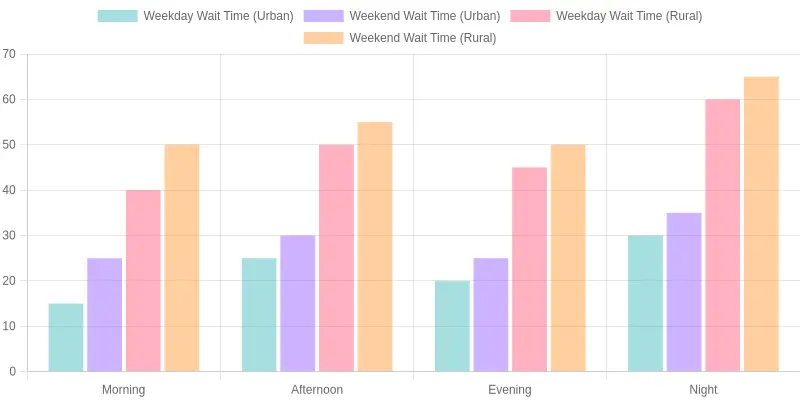
Understanding why tow trucks take longer in some situations can be crucial for planning and managing expectations during roadside emergencies. Below is a detailed comparison of average tow truck wait times in urban versus rural settings, broken down by time of day and week.
| Setting | Time of Day | Weekday Wait Time (mins) | Weekend Wait Time (mins) |
|---|---|---|---|
| Urban | Morning | 15 | 25 |
| Urban | Afternoon | 25 | 30 |
| Urban | Evening | 20 | 25 |
| Urban | Night | 30 | 35 |
| Rural | Morning | 40 | 50 |
| Rural | Afternoon | 50 | 55 |
| Rural | Evening | 45 | 50 |
| Rural | Night | 60 | 65 |
This table shows that urban areas typically have a significant advantage in tow truck response times compared to rural settings. Cities benefit from a higher density of service providers, which facilitates quicker arrivals. In contrast, rural areas often face extended wait times due to their large geographical expanses and fewer available tow trucks.
Additionally, factors such as traffic patterns, time of day, and day of the week can also influence these waits. For example, weekends often see longer wait times in urban areas as more people are out on the roads compared to weekdays.
For more information about emergency response times, check out our article on emergency response training best practices.
Impact of Weather on Tow Truck Timings
Inclement weather can significantly hinder the efficiency of tow truck services. Bad conditions not only increase the number of accidents but also prolong response times for towing services. Here’s how rain and snow affect tow truck operations:
Increased Response Times
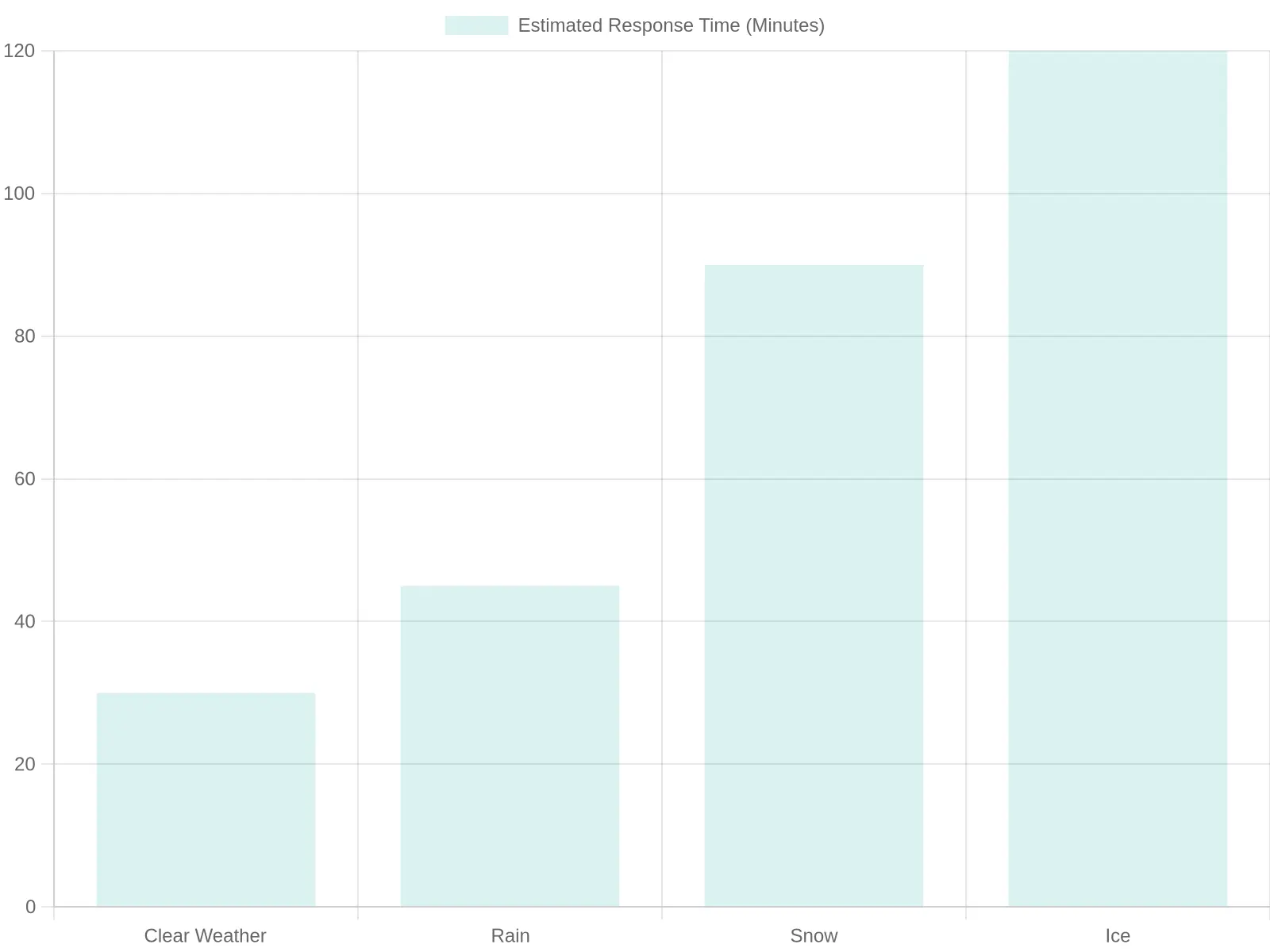
- Clear Weather: Approx. 30 minutes
- Rain: Response time jumps to about 45 minutes
- Snow: Can increase response time to around 90 minutes
- Ice: Emergencies under icy conditions can lead to waits of 120 minutes or longer.
The chart below illustrates these estimated response times based on different weather conditions:
More Emergencies
Inclement weather also leads to a notable increase in roadside emergencies:
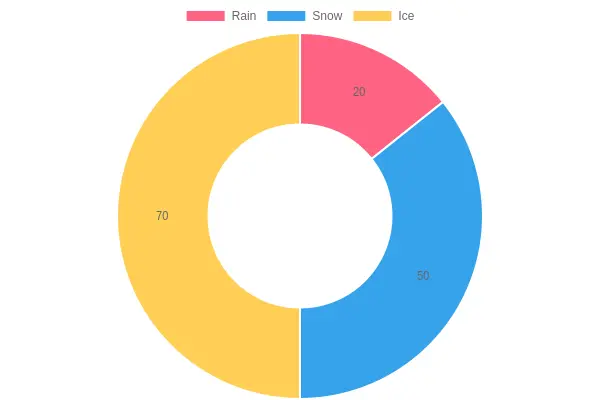
- Rain: 20% increase in calls for towing services
- Snow: 50% increase in roadside emergencies
- Ice: A staggering 70% increase, making it one of the worst conditions for road travel
The following chart depicts how different weather conditions lead to a greater demand for towing:
In conclusion, understanding the impact of weather on towing services is crucial for drivers and property managers. Preparing for longer wait times during inclement weather can greatly reduce frustration in roadside emergencies. For more about effective emergency response, check our resources.
Practical Tips for Drivers Waiting for Tow Trucks
Waiting for a tow truck can be a frustrating experience, especially if you’re unsure of what to do. Here are some practical tips to enhance your safety and efficiency while you wait:
Stay in Your Vehicle
- Lock the Doors: Keeping your car doors locked can protect you from potential threats.
- Remain Visible: Turn on your hazard lights to make your vehicle visible to other drivers.
- Stay Calm: While waiting, try to stay calm and composed; anxiety won’t help your situation.
Choose a Safe Location
- Move to a Safe Spot: If possible, steer your vehicle to a safe area away from traffic, such as a parking lot or a wide shoulder.
- Look for Well-Lit Areas: If it’s dark, select a well-lit area for heightened visibility and safety.
Communicate with the Towing Company
- Provide Accurate Information: When you call for a tow, ensure you give accurate information about your vehicle’s make, model, and location. This helps the tow truck driver find you quickly.
- Ask for ETA: Don’t hesitate to ask the towing service about the estimated arrival time. Typical wait times range from 30 to 90 minutes, depending on location and traffic conditions (source).
Keep Emergency Supplies Handy
- Have Essentials Ready: A first-aid kit, flashlight, and blanket can be lifesavers in unforeseen situations.
- Charge Your Phone: Make sure your phone is charged so you can stay in touch with the towing service and emergency contacts.
Be Aware of Your Surroundings
- Stay Alert: Keeping an eye on your surroundings can alert you to any potential dangers.
- Interact with Other Drivers: If safe, you might ask passing motorists if they can assist or if they notice anything unusual.
References for Further Reading
For more in-depth strategies, check out this article on safety tips while waiting for a tow truck
By following these tips, you can ensure a safer and smoother experience while waiting for a tow truck.
Understanding Tow Truck Wait Times: User Experiences
Facing car troubles can be frustrating enough, but waiting for a tow truck can amplify that stress significantly. A review of various user experiences reveals a range of frustrations and expectations regarding tow truck wait times.
Common Wait Times
According to multiple sources, the average wait time for a tow truck ranges from 30 to 45 minutes, depending on factors like location, time of day, and the towing company’s operational efficiency. While some users report timely arrivals, others find themselves stranded for over an hour. Reports of wait times extending to two hours are not uncommon, leading to dissatisfaction, especially when coupled with vehicle breakdowns in unsafe or isolated areas. (See Tow Expert for details on factors affecting response).
User Frustration
One testimonial highlights a user feeling frustrated after waiting for two hours, expressing concern about the lack of communication from the towing service. Reliability is a recurring theme, as many drivers emphasize the importance of choosing a dependable towing company amidst tales of dishonesty and poor service. As one source states, many of these experiences can stem from inadequate dispatch systems or a lack of resources among towing companies (Look Up A Plate).
Tips for Reducing Frustration
To help mitigate frustration while waiting, users are advised to remain proactive. This includes keeping necessary documentation handy and making sure their phone is charged. Understanding average wait times and being prepared can make the waiting experience more bearable (Towing Rankings).
The Challenges of Response Times in Towing
In the towing industry, response times can be a crucial factor that affects both customer satisfaction and operational efficiency. According to Chris and Misty Hulsey of Hulsey’s Wrecker Service, “Towing response times are influenced by various factors such as traffic conditions, weather, and the availability of tow trucks. It’s vital for drivers to be patient, as several variables come into play during unexpected breakdowns.” This highlights the complexity inherent in delivering timely service.
Standards and Expectations
Industry standards typically suggest response times range from 20 to 30 minutes, but fulfilling these standards can be challenging, especially in high-traffic areas or during peak hours. Surprisingly, studies reveal that towing companies manage to meet these benchmarks only about 23% of the time in busy urban settings.
For those interested in understanding response times better, the chart below illustrates the expected versus actual response times across various geographic areas:

| Category | Expected Response Time (minutes) | Actual Response Time (minutes) | Percentage Meeting Benchmark |
|---|---|---|---|
| Towing Industry Standard | 30 – 45 | Varies by company | Approximately 70% – 90% |
| Major Urban Areas | 25 – 35 | 40 | 65% |
| Suburban Areas | 30 – 50 | 55 | 60% |
| Rural Areas | 45 – 60 | 75 | 50% |
For further insights on best practices and enhancements in response times, check out Emergency Response Training: Best Practices.
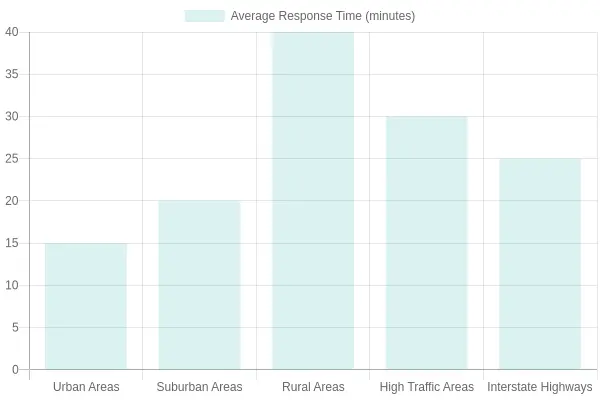
Average Tow Truck Response Times by Area Type
| Area Type | Average Response Time |
|---|---|
| Urban Areas | 15 minutes |
| Suburban Areas | 20 minutes |
| Rural Areas | 40 minutes |
| High Traffic Areas | 30 minutes |
| Interstate Highways | 25 minutes |
For more information on factors affecting these response times, check out our article on how long tow trucks take to arrive.
In conclusion, understanding why tow trucks often take longer than expected is crucial for everyday drivers and those who might find themselves in need of towing services. Several factors contribute to delays, including high call volumes, the availability of drivers, traffic congestion, severe weather conditions, and the specific equipment needed for different towing situations. Moreover, logistical challenges and the prioritization of calls play significant roles in how quickly a tow truck can reach your location.
By recognizing these factors, drivers can better manage their expectations during roadside emergencies and understand the complexities that towing companies face. It is essential to maintain open communication with towing services to receive updates and ensure a more informed waiting experience. If you have ever had an experience waiting for a tow truck, we invite you to share your thoughts and insights in the comments below.
Finally, for all your towing needs-or if you want to learn more about innovative towing solutions-check out Summit Fairings for comprehensive services that prioritize speed and customer satisfaction.