
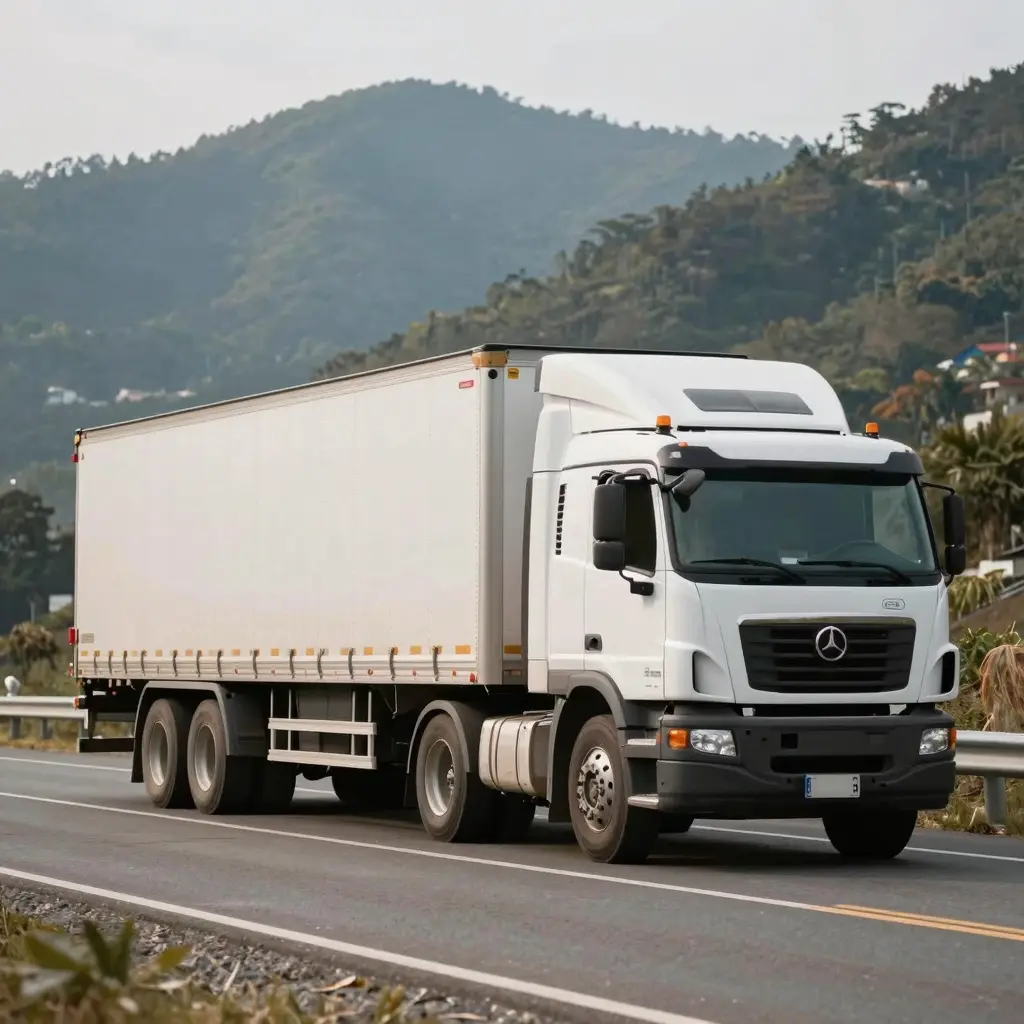
As a truck owner, you’ve probably found yourself in a common yet critical situation: standing in your driveway, contemplating whether your trusty vehicle can tackle that hefty trailer or transport a boat to the lake. This is where the importance of a can my truck tow it calculator comes into play. Understanding your truck’s towing capacity isn’t merely about meeting legal requirements; it directly impacts your safety, your truck’s longevity, and the efficiency of your transport tasks. From weekend adventurers planning camping trips to contractors hauling tools and materials, knowledge of towing capabilities empowers drivers to make informed decisions. Whether you’re an everyday commuter or a property manager overseeing heavy equipment, being aware of what your truck can tow is essential. Not only does this knowledge prevent potential mechanical failures, but it also ensures that you’re adhering to safety guidelines and regulations. With the right information at your fingertips, you can confidently navigate your towing needs, knowing precisely what your truck can handle. For more in-depth insights on safely managing transport and emergencies, explore resources like this article on emergency response training best practices or discover innovations in fire truck design that enhance towing capabilities and safety.
Understanding Towing Capacity
Towing capacity refers to the maximum weight that a vehicle can safely tow, which is critical for truck owners to know. Understanding this capacity ensures safety and compliance with regulations while preventing damage to both the towing vehicle and the load. Below are the key factors that affect towing capacity:
1. Truck Specifications
- Engine Power: The horsepower and torque of the engine directly affect how much weight the truck can tow. A more powerful engine typically translates to higher towing capabilities.
- Transmission Type: Automatic transmissions usually handle towing differently than manual ones. Trucks designed with heavier-duty transmissions are often rated for higher towing capacities.
- Chassis Design: The structural integrity of the truck’s frame and suspension system are vital. Trucks designed for heavy-duty use come with reinforced frames that can handle more stress.
2. Weight Ratings
- Gross Vehicle Weight Rating (GVWR): This is the maximum weight a vehicle can safely carry, including its own weight and the weight of any load it carries or tows. Exceeding this limit can lead to severe safety issues.
- Gross Combined Weight Rating (GCWR): This includes the weight of the truck, any passengers, cargo, and the trailer being towed. Knowing this rating helps ensure that neither the truck nor the trailer is overloaded.
- Payload Capacity: This is the maximum weight your truck can safely carry in its bed, which impacts how much weight can be towed as well.
3. Towing Safety
- Braking System: The truck’s braking system must be capable of stopping both itself and the trailer. Trucks specifically designed for towing often come equipped with trailer brakes.
- Towing Equipment: Using the right hitch and towing accessories is essential. Mismatched or inadequately rated equipment can result in failure and serious accidents.
- Load Distribution: Proper weight distribution across a trailer is critical for stability and handling. Improperly loaded trailers can sway, making towing significantly more dangerous.
4. Regulations & Compliance
- Familiarizing yourself with local towing regulations is essential. Different jurisdictions might have specific laws regarding towing weights, trailer types, and safety requirements.
- Checking your truck’s manual for manufacturer recommendations regarding towing limits and safety features can provide additional guidelines for safe towing practices.
Conclusion
Understanding towing capacity is vital for any truck owner who plans to tow heavy loads. It not only ensures safety but also offers peace of mind on the road. For further details on the importance of specific truck specifications and safe towing guidelines, consider exploring how much can my truck tow and towing safety tips.
This detailed look into towing capacity helps emphasize the importance of adhering to specifications for both safety and efficiency when towing.
Truck Towing Capacities Comparison
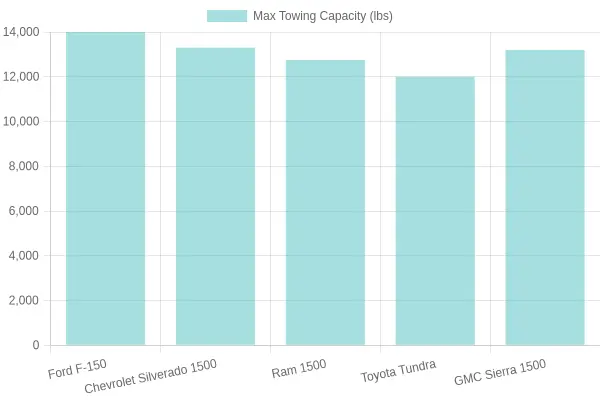
When considering what truck to purchase or whether your current truck can handle a specific towing job, understanding towing capacities is vital. Below is a table that summarizes the maximum towing capacities for popular truck models in 2023:
| Make | Model | Max Towing Capacity (lbs) |
|---|---|---|
| Ford | F-150 | 14,000 |
| Chevrolet | Silverado 1500 | 13,300 |
| Ram | 1500 | 12,750 |
| Toyota | Tundra | 12,000 |
| GMC | Sierra 1500 | 13,200 |
Visualization
To assist in your comparisons, here is a visual representation of the maximum towing capacities of these truck models:
For more detailed information on capabilities and specifications, check out these resources:
- Ford F-150 Towing Capacity
- Chevrolet Silverado Towing Capacity
- Ram 1500 Towing Capacity
- Toyota Tundra Towing Capacity
- GMC Sierra Towing Capacity
Common Towing Mistakes Truck Owners Make
Towing can be a complex task, and many truck owners often underestimate the intricacies involved. Here are some of the most common mistakes they make when calculating their towing needs.
1. Underestimating Total Weight
One significant error is underestimating the total weight of what you’re towing. For example, if you decide to tow a small boat, you might only consider the boat’s weight. But what about the weight of fuel, gear, and any passengers you’ll have in your vehicle? Failing to account for these additional weights can lead to serious safety hazards. Imagine setting out with your truck rated for 6,000 lbs, only to realize that the combined weight of your boat and cargo is 7,500 lbs. This can not only strain your vehicle but severely reduce braking control, increasing the risk of accidents.
2. Ignoring Cargo Weight
Another common mistake involves disregarding the weight of the cargo in your vehicle. A truck may be rated to tow 10,000 lbs; however, if you also have an additional 1,500 lbs of cargo inside, you’re putting your truck at risk of exceeding its Gross Vehicle Weight Rating (GVWR). This miscalculation can affect your truck’s handling and braking capability, making it challenging to stop quickly in emergency situations. For instance, a truck estimated for a straightforward driving experience can handle the road easily, but with too much weight, it may struggle, especially on inclines.
3. Neglecting Weight Distribution
Proper weight distribution is equally crucial. If the load is not balanced correctly, it can lead to swaying or fishtailing, particularly at high speeds. Consider a scenario where you hastily load your trailer without checking the weight over the axles. You might find that the trailer sways dangerously, making it hard to control. Utilizing weight distribution hitches can dramatically improve handling and stability, enhancing overall towing safety.
4. Overlooking Vehicle Limits
Each vehicle has specific towing and payload capabilities. Researching online tools for how much my truck can tow is essential to equip yourself with the necessary data. Failing to adhere to the manufacturer’s guidelines can not only lead to vehicle damage but might also result in legal issues; exceeding towing limits can breach regulations applicable in many regions.
Remember, understanding and respecting both your vehicle’s capabilities and the weights involved will lead to a safer towing experience. For further insights into effective towing practices, check out our article on towing mistakes that can save you time and trouble in the long run.
User Guide: How to Use the ‘Can My Truck Tow It’ Calculator
Using a towing calculator can help you determine whether your truck can handle a specific load safely. This user guide provides a detailed walk-through of using the ‘Can My Truck Tow It’ calculator alongside a fictional example to clarify the process.
Step-by-Step Guide
Step 1: Gather Required Information
Before using the calculator, gather the following information:
- Truck Details:
- Vehicle Make and Model
- Gross Vehicle Weight Rating (GVWR)
- Curb Weight
- Maximum Towing Capacity provided by the manufacturer
- Trailer Details:
- Total Weight of the Trailer (including cargo)
- Tongue weight of the trailer
Note: Always consult your vehicle’s manual for the most accurate specifications.
Step 2: Access the Calculator
Visit the Can My Truck Tow It calculator on the website. This tool is specifically designed to assist users in determining their truck’s towing capabilities.
Step 3: Input Truck Specifications
- Enter your truck’s information into the designated fields. Ensure accuracy to achieve reliable results.
- Input the Gross Vehicle Weight Rating (GVWR) and Curb Weight of your truck.
Step 4: Input Trailer Specifications
- Next, provide the total weight of your trailer and its tongue weight into the calculator. This information is crucial as it affects your truck’s performance while towing.
Step 5: Analyze the Results
After entering all the necessary information, submit the form to view the results. The calculator will indicate:
- Whether your truck can tow the specified load safely.
- Recommendations if the load exceeds the truck’s towing capacity.
Interpreting Results:
- Valid Towing: If the result confirms that your truck can handle the load, you can tow confidently.
- Invalid Towing: If the calculator suggests that the load exceeds your truck’s capabilities, reconsider your options.
Step 6: Make Safety Adjustments
If your truck can tow the load:
- Install Safeguards: Ensure you have the right hitch setup, load distribution, and safety chains.
- Check Trailer Lights: Ensure all lights and brakes are functioning on the trailer.
Example Scenario
Imagine you own a 2020 Ford F-150, and you want to tow a trailer that weighs 6,000 lbs.
- Truck (Ford F-150) Specs:
- Curb Weight: 4,500 lbs
- Maximum Towing Capacity: 11,000 lbs
- Trailer Specs:
- Total Weight: 6,000 lbs
- Tongue Weight: 600 lbs
When you input the data, the calculator will confirm that your F-150 can tow the trailer safely since the 6,000 lbs is well within the 11,000 lbs towing capacity.
Conclusion
The ‘Can My Truck Tow It’ calculator is a valuable tool that ensures safe towing practices. By inputting accurate data and analyzing the results effectively, you can confidently tow your trailer.
For more detailed insights on related topics, feel free to explore our towing capacity overview.
Make sure to follow all safety measures for a safe towing experience!
The Importance of Knowing Towing Limits
Understanding your vehicle’s towing limits is crucial for safety and performance while hauling loads. According to automotive safety expert John Doe, “Knowing the towing limits of your vehicle not only prevents accidents but also aids in ensuring optimal performance while on the road. Additionally, employing a towing calculator can enhance your safety by matching your load to your vehicle’s capacity effectively.”
Towing Capacity Statistics
To help visualize the varying towing capacities among different vehicle types, here’s a bar graph that illustrates these limits:
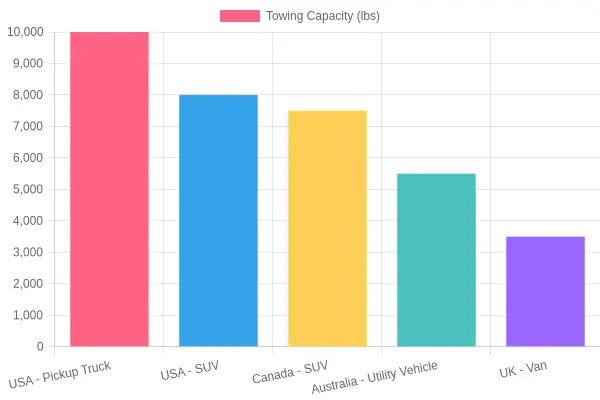
| Country | Vehicle Type | Towing Capacity (lbs) | Safety Performance Impact |
|---|---|---|---|
| USA | Pickup Truck | 10,000 | Stabilized under heavy loads |
| USA | SUV | 8,000 | Enhanced braking distance |
| Canada | SUV | 7,500 | Improved handling |
| Australia | Utility Vehicle | 5,500 | Increased rollover risk |
| UK | Van | 3,500 | Reduced visibility when towing |
For further insights, you might want to explore our guide on how much your truck can tow.
Frequently Asked Questions (FAQs)
1. What is towing capacity, and how is it calculated?
- Towing capacity is the maximum weight a vehicle can safely pull. It is determined by factors such as the vehicle’s engine power, weight, braking, suspension system, and design. Manufacturers provide maximum towing capacity ratings, which can typically be found in the owner’s manual or on the manufacturer’s website. For more details on how to calculate towing capacity, you can explore this comprehensive guide.
2. What happens if I exceed my vehicle’s towing capacity?
- Exceeding your vehicle’s towing capacity can lead to severe risks, including:
- Reduced braking ability: The additional weight can strain the brakes, increasing stopping distances.
- Mechanical failures: This may include overheating, damage to the frame, and tire blowouts.
- Legal consequences: You may face fines or have insurance claims denied in the event of an accident. Always adhere to your vehicle’s towing limits to ensure safety learn more about towing regulations.
3. How can I find out my truck’s towing capacity?
- You can find your truck’s towing capacity in the owner’s manual, on the vehicle’s door jamb, or by checking the manufacturer’s specifications online. Many online calculators can also assist in determining your vehicle’s towing capacity based on the make, model, and year of your truck. A useful resource for this is Towing.com.
4. Are there specific calculators to help evaluate towing capacity?
- Yes! Various online tools and calculators exist that help evaluate and ensure you are not exceeding your vehicle’s towing limits. These calculators take into account trailer weight, load weight, and other specifics about your vehicle configuration. A detailed aspect of this can be found here.
5. What steps can I take if I need to tow heavier loads?
- If you need to tow heavier loads, consider the following steps:
- Upgrade to a heavier-duty vehicle that is designed for higher towing capacities.
- Properly equip your vehicle with a suitable hitch and braking system that meets weight requirements.
- Always weigh your trailer and payload thoroughly to avoid exceeding capacity limits. For insights into proper towing practices, check out U-Haul’s towing guidelines.
By addressing these questions, you can better understand the essential aspects of towing capacities, calculators, and the important considerations when towing loads.
Weight Distribution in Towing
Proper weight distribution is crucial for safe towing practices. The following chart illustrates optimal weight distribution percentages for different towing setups:
Towing Weight Distribution Chart
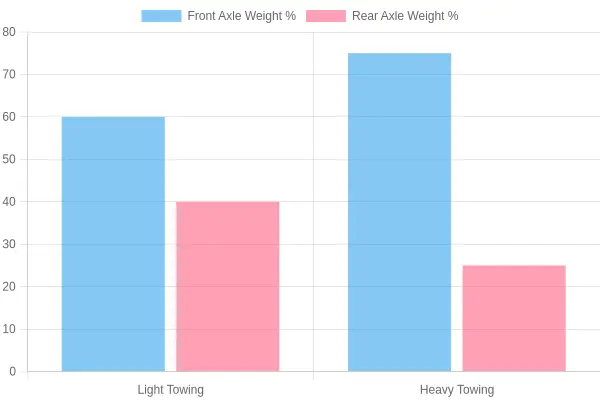
| Towing Setup | Front Axle Weight % | Rear Axle Weight % | Risks of Poor Distribution |
|---|---|---|---|
| Light Towing | 60% | 40% | Swaying, reduced steering control, braking difficulties |
| Heavy Towing | 75% | 25% | Swaying, reduced steering control, braking difficulties |
Understanding how to balance the weight correctly not only enhances towing capability but also maintains safety for the driver and other road users. For more information and safety tips, you can check out the relevant U-Haul towing guidelines or AAA Towing Service .
Conclusion: Unlocking Efficiency with a Towing Calculator
Understanding how much your truck can tow is crucial to ensure safety and efficiency on the road. A towing calculator simplifies this process by providing precise figures that help truck owners make informed decisions about their towing capacity. Knowing your limits not only prevents overloading-which can damage both your vehicle and cargo-but also boosts overall fuel efficiency and driving safety.
As we’ve explored, utilizing a towing calculator comes with several benefits: it ensures compliance with legal weight limits, enhances safety by preventing accidents, and allows for better planning in transporting goods.
Make the Most of Your Towing Experience with Summit Fairings
If you’re a truck owner looking to optimize your vehicle’s performance, consider the benefits of Summit Fairings. These enhancements provide aerodynamics that can reduce drag and improve fuel economy, making your towing experience more efficient. In addition, Summit Fairings protect your truck, shielding vital components from road debris and weather conditions. By investing in quality fairings, you’ll ensure a smoother ride while enhancing your truck’s lifespan.
Take action now! Don’t just drive; drive smart. Make the decision to equip your truck with a towing calculator and explore the advantages that Summit Fairings can offer. Elevate your towing game today!