

Starting a tow truck business is not just a lucrative venture but also a vital service for everyday drivers and auto repair professionals alike. With an increasing number of vehicles on the road, the demand for reliable towing services is on the rise. Entrepreneurs who are considering this business can tap into a market filled with opportunities, providing assistance during breakdowns, accidents, and emergencies. This industry is not limited to towing alone; it also opens the door for partnerships with auto repair shops, enhancing service offerings for local communities. By blending innovation with traditional towing practices, you can differentiate your business in a competitive landscape. Whether you aim to serve individual drivers or collaborate with repair shops, starting a tow truck business can lead to a rewarding and successful entrepreneurial journey. Learn more about the future of towing services and how to get started on this exciting path.
Benefits of Starting a Tow Truck Business
Starting a tow truck business presents several advantages, making it an appealing venture for aspiring entrepreneurs. Here are some key benefits:
-
Strong Demand: With increasing vehicle ownership and traffic accidents on the rise, the need for towing services is consistently high. Reports indicate that traffic accidents grew by 8% in 2025, driving demand for roadside assistance services.
-
High Earnings Potential: Tow truck operators can earn between $80,000 and $120,000 annually, with top-tier professionals making over $200,000. This provides excellent financial opportunities, especially in urban markets.
-
Flexible Operating Hours: The tow truck business allows for flexibility in scheduling. Many operators work nights and weekends, catering to various customer needs and maximizing opportunities.
-
Low Overhead Costs: Compared to other service industries, starting a tow truck business can involve less overhead costs, especially if one starts with a single truck and expands slowly.
-
Opportunities for Specialization: Entrepreneurs can target niche markets, such as exotic car recovery or electric vehicle towing, maximizing their competitive edge and profitability.
-
Rapid Startup: With proper licensing, it’s possible to launch a tow truck business within 6-8 weeks, making it an accessible option for many entrepreneurs.
-
Government Support: There are grants and loans available to help acquire necessary equipment, particularly for environmentally-friendly initiatives or advanced technology like GPS tracking systems.
Market Research for Tow Truck Business
Conducting effective market research is vital for the success of a tow truck business, especially when targeting property managers and dealerships. Here are the critical steps you should follow:
1. Define Your Target Demographics
Begin identifying the demographics of your potential clients, which include everyday drivers, property managers, and auto dealerships. Collect data on:
- Population Density: Understand the areas with high vehicle density to target your services effectively.
- Vehicle Ownership Rates: Higher ownership leads to more potential towing scenarios.
2. Analyze Local Demand
Utilize local traffic accident data and towing volume statistics from relevant authorities. Tools like Google Trends can provide insights into peak towing periods, often associated with weekends and adverse weather conditions.
3. Identify Competitors
Map the existing tow truck services in your area. Assess their:
- Pricing models
- Service coverage areas
- Response times
- Online reputation
Understanding competitors helps in positioning your business uniquely. For instance, if competitors offer standard towing, consider specialized services such as emergency towing for electric vehicles or heavy equipment.
4. Evaluate Customer Needs
Engage with your target audience through surveys or interviews. Ask about their experiences with current towing services to identify gaps that your business can fill. Engagement with property managers can reveal needs for consistent roadside assistance for their properties.
5. Research Regulatory Requirements
Investigate local regulations regarding towing operations, including licensing, insurance costs, and compliance. This knowledge can prevent operational hiccups and improve service offerings.
For further insights on emergency response strategies, check our article on Emergency Response Training Best Practices

Necessary Licenses and Permits for Starting a Tow Truck Business
Starting a tow truck business is a significant endeavor that requires adherence to various local, state, and federal regulations. Securing the right licenses and permits is essential for operating legally and safeguarding the business against potential legal battles. Below is an overview of the typical licenses and permits necessary across different states, specifically targeting truck owners and auto repair shops.
Types of Licenses and Permits
-
Business License: Nearly all states require businesses to obtain a general business license to operate legally. This license often needs to be renewed annually.
-
Tow Truck Operator License: Some states, like California, require specific licenses for tow truck operators, including proof of financial responsibility and insurance. In California, you need to obtain a Registered Tow Truck Operator (RTTO) license that is valid for one year.
-
Commercial Driver’s License (CDL): Depending on the weight of the tow truck, drivers may need a CDL with the appropriate endorsements. For instance, in Texas, a Class B CDL is typically required for heavy tow trucks.
-
State and Local Permits: Many states mandate local permits based on city or municipal ordinances. For example, in New York, tow truck drivers must complete certified training programs.
-
Insurance Requirements: Commercial auto insurance is crucial, typically requiring a minimum of $100,000 to $500,000 in liability coverage. Additional coverage may be mandated based on the state and the nature of towing services provided.
-
Specialty Certifications: If a tow truck business engages in hazardous or oversized material towing, additional permits like Hazardous Material Endorsement (HME) might be required.
Compliance with Local and Federal Regulations
- Federal Regulations: Tow truck operators must comply with the Federal Motor Carrier Safety Administration (FMCSA) regulations, particularly if transporting vehicles across state lines.
- Inspection Requirements: Regular inspections of towing vehicles are required in many jurisdictions to ensure they meet safety standards.
Conclusion
Securing the necessary licenses and permits is foundational to launching a tow truck business. Compliance with federal, state, and local regulations is not only a legal requirement but also helps establish a trustworthy reputation within the community. For more detailed information regarding state-specific requirements, refer to the resources provided by the National Towing Association and other local authorities.

Financing Options for Tow Truck Purchases
Starting a tow truck business involves understanding the various financing options available, along with their associated costs for maintenance and insurance. Below is a comparative chart that illustrates these financing options alongside their costs for maintaining a tow truck and insurance.
Comparison of Financing Options for Tow Truck Operations
| Category | Bank Loans | Equipment Leasing | Dealer Financing | SBA Loans |
|---|---|---|---|---|
| Interest Rate | 6.5% – 9.5% | Not Applicable (Fixed Monthly Payment) | 6.8% – 9.2% | 6.5% – 8% |
| Loan Amount | Up to $250,000 | Not Applicable (Lease-based) | Up to $250,000 | Varies (Typically up to $5 million) |
| Approval Speed | 1-10 Days | Typically 1-3 Days | 1-3 Days | 1-30 Days (Varies by lender and application) |
| Loan Term | Varies (Often 3-7 Years) | 3-7 Years | Varies (Often 3-7 Years) | Up to 10 Years |
| Monthly Payment (Estimate) | ~$4,500 – $7,500 (based on $250k loan) | Starting at $1,200 | ~$4,600 – $7,300 (based on $250k loan) | ~$3,000 – $5,000 (based on $250k loan) |
| Annual Maintenance Cost | $8,500 – $12,000 | $8,500 – $12,000 | $8,500 – $12,000 | $8,500 – $12,000 |
| Annual Insurance Cost | $4,500 – $8,000 | $4,500 – $8,000 | $4,500 – $8,000 | $4,500 – $8,000 |
Note: All cost figures are based on 2023 industry data for standard tow truck operations in the United States. Actual costs may vary by region, vehicle type, and provider.

Sources:
- The Fleet Report – Tow Truck Financing Options, Costs, and Insurance in 2023
- Insurance Information Institute – Commercial Vehicle Insurance & Maintenance Costs for Tow Trucks in 2023
Understanding these financing options and associated costs will help everyday drivers, entrepreneurs, and truck owners make informed decisions when starting their tow truck business.
Effective Marketing Strategies for Your Tow Truck Business
Establishing a successful tow truck business requires targeted marketing strategies to engage customers effectively. Here’s how you can reach commuters, auto repair shops, and dealerships using a combination of digital marketing and local advertising.
1. Leverage Digital Marketing
Digital marketing serves as a vital component in attracting potential clients and boosting brand visibility:
- Optimized Website: Create a user-friendly website that features online booking capabilities. Ensure the site is optimized for mobile devices, considering that many customers search for towing services on-the-go.
- SEO and Google Ads: Implement search engine optimization (SEO) strategies to rank for relevant keywords like “emergency towing near me”. Utilize Google Ads for targeted advertising to reach local customers at peak times. This approach can lead to significantly lower customer acquisition costs (CAC).
- Social Media Presence: Engage with the community through platforms like Facebook and Instagram. Run targeted ads that reach local drivers, particularly in high-traffic or accident-prone areas, helping to drive awareness and business.
- Customer Reviews: Encourage satisfied customers to leave reviews on Google and Yelp. This not only enhances your online reputation but also builds trust among potential clients looking for reliable services (more on digital strategies).
2. Implement Local Advertising
While digital strategies are essential, local advertising should not be overlooked:
- Community Sponsorships: Engage in community events or sponsor local sports teams to build brand recognition. This strengthens your connection with the local market and builds trust.
- Flyers and Billboards: Use location-based advertising such as flyers or billboards in high-traffic areas. Billboards can enhance visibility within a 10-mile radius and increase local brand awareness.
- Partnerships: Establish partnerships with local auto repair shops and dealerships. This networking can create a referral system where auto mechanics recommend your towing services to stranded motorists. This strategy has been shown to significantly increase lead generation (learn more about networking).
3. Measure Effectiveness of Strategies
To understand the impact of your strategies, consider the following effectiveness metrics from 2024-2025:
| Marketing Strategy | Key Impact Metrics | Estimated Effectiveness (%) | Source |
|---|---|---|---|
| Digital Marketing (SEO, Google Ads) | Customer acquisition, online visibility | 78% | BrightLocal – Local Search Index 2024 |
| Local Advertising (Flyers, Billboards) | Community trust, brand recognition | 42% | Nielsen Local Advertising Report 2024 |
| Combined Digital + Local Approach | Overall lead generation, customer retention | 89% | Local Marketing Association – Multi-Channel Performance Study 2025 |
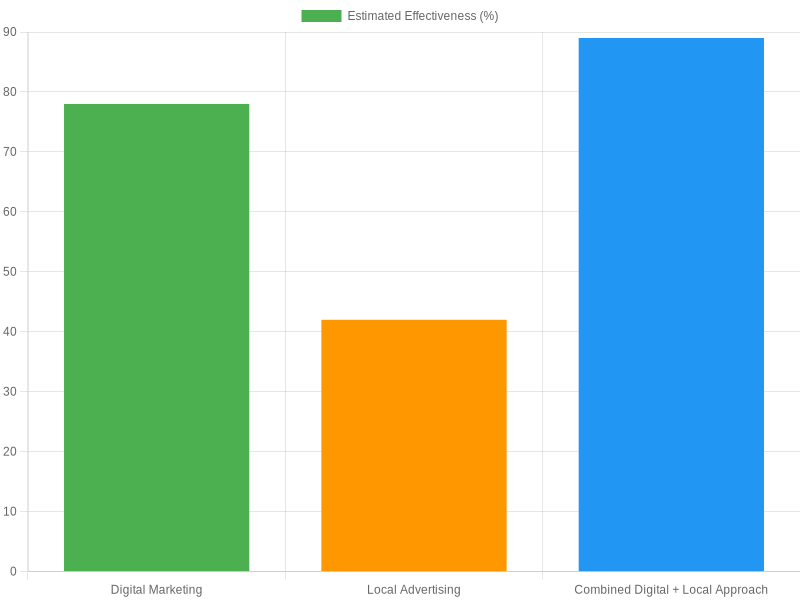
Note: The combined approach not only boosts visibility but also reinforces your brand presence, yielding the highest overall effectiveness.
Implementing these marketing strategies can significantly enhance customer engagement and increase revenue for your towing company. Remember to adapt your approach based on local trends and customer feedback to continue evolving your marketing efforts.
In the tow truck business, customer service isn’t a luxury-it’s the foundation of your reputation. When a driver is stranded, stressed, and vulnerable, your response defines their entire experience. A calm, empathetic call, clear communication about wait times, and respectful treatment can turn a crisis into a moment of trust. Sarah Chen, CEO of National Tow Solutions, emphasizes, “One survey found that 78% of customers who experienced excellent service from a tow company would recommend them, compared to only 22% for those with poor service. In an industry where word-of-mouth and insurance partnerships are critical, exceptional customer service is your most powerful marketing tool.”
Frequently Asked Questions (FAQ) About Starting a Tow Truck Business
Starting a tow truck business can be an rewarding venture, but it’s essential to address common questions regarding investments, operations, and customer acquisition. Below are some FAQs that aspiring business owners often have.
1. What is the initial investment required to start a tow truck business?
The initial investment for a tow truck business typically ranges from $30,000 to $100,000. This amount is influenced by various factors including:
- Vehicle purchase: A new tow truck can cost anywhere from $50,000 to $120,000, while a used truck may be around $30,000 to $70,000.
- Insurance: Annual insurance can range from $5,000 to $15,000 depending on coverage levels.
- Licensing and permits: These can cost up to $500 depending on state-specific requirements.
- Equipment and tools: Necessary tools can add another $5,000 to $15,000 to your budget, including winches and dolly systems.
For a detailed guide, visit this resource: Starting a Tow Truck Business: Costs, Licensing, and Tips for Success.
2. What are common operational concerns for towing businesses?
Operational challenges you may face include:
- High insurance and maintenance costs: Insurance premiums can be significant due to the risks involved in towing.
- Regulatory compliance: Ensuring your business adheres to local towing regulations and licensing requirements is critical for success.
- Customer service management: It is crucial to provide prompt service and manage client expectations, particularly during emergencies.
- Fuel and maintenance: Managing rising fuel costs and keeping trucks in good repair is vital to maintain profitability.
3. How do I acquire customers for my towing business?
Acquiring customers involves concerted marketing efforts, including:
- Building a strong online presence: Create a professional website and utilize Google Business for local visibility.
- Referral partnerships: Collaborate with auto repair shops and gas stations to generate leads.
- Customer reviews: Actively manage your online reputation by encouraging satisfied customers to leave positive reviews on platforms like Yelp and Google.
- Diversified service offerings: Consider broadening your services to include roadside assistance which can open additional revenue streams.
You can learn more about effective customer acquisition strategies here.
4. How do I handle operational challenges effectively?
To effectively manage challenges in your towing business:
- Invest in technology: Utilize GPS tracking and fleet management software to optimize routes and improve response times.
- Hire qualified drivers: Ensure you have properly licensed and trained drivers who can handle the demands of roadside recovery.
- Focus on building reputation: Providing reliable and prompt service helps in generating word-of-mouth referrals, which are invaluable in this industry.
5. What are the key regulations I need to be aware of?
- Licensing and permits: Each state has its regulations regarding the operation of tow trucks. Familiarize yourself with these laws before starting your business.
- Insurance requirements: Ensure you have the necessary liability and vehicle coverage as mandated by your state.
- Towing zone rules: Be aware of local laws concerning where and how towing can be conducted.
By understanding these aspects, you can navigate the complexities involved in starting and managing a successful tow truck business.
Conclusion and Call to Action
Starting a tow truck business can be a rewarding and lucrative venture, particularly in regions where the demand for emergency roadside assistance continues to grow. As we have explored, key steps such as conducting thorough market research, securing the necessary permits, and investing in reliable towing equipment are crucial to establishing a successful operation. The current landscape shows that the towing industry comprises over 43,000 registered businesses in the U.S., employing nearly 197,871 individuals, which highlights the potential market you’re entering (LookupAPlate).
Furthermore, aligning with local auto repair shops, dealerships, and property managers can enhance your business visibility and client base. By focusing on service excellence and reliable response times, you lay the groundwork for a reputable brand in your area.
Don’t wait any longer to take action! If you’re ready to step into this rewarding business, consider Summit Fairings for your towing equipment and technology needs. By choosing the right partners and making informed decisions, your tow truck business can become a trusted name in your community.