
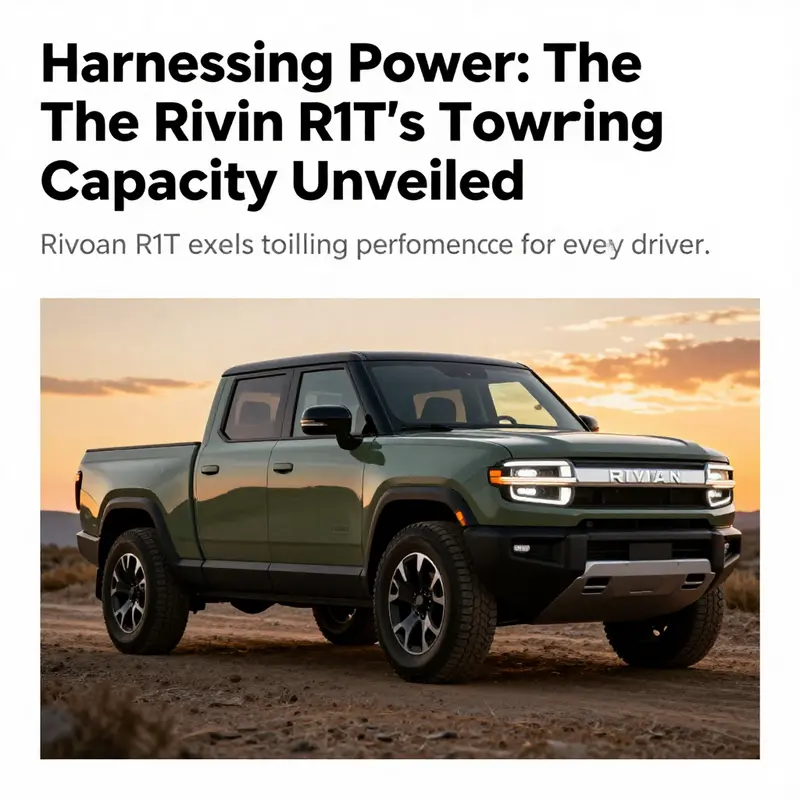
The Rivian R1T, an electric pickup truck, has quickly gained attention for its robust towing capabilities, boasting a maximum towing capacity of 11,000 pounds. This has positioned it as a formidable option for both everyday drivers and tradespeople who require reliable towing for recreational or work-related needs. Understanding how much a Rivian truck can tow is crucial not only for prospective buyers but also for anyone considering a transition to electric vehicles. In the following chapters, we will explore the Rivian’s towing capacity and delve into its technological innovations, economic advantages, environmental impact, and real-world user experiences, painting a comprehensive picture for truck owners, commuters, and auto dealers alike.
Tow Power in the Electric Frontier: How Much Can an Electric Pickup Tow?
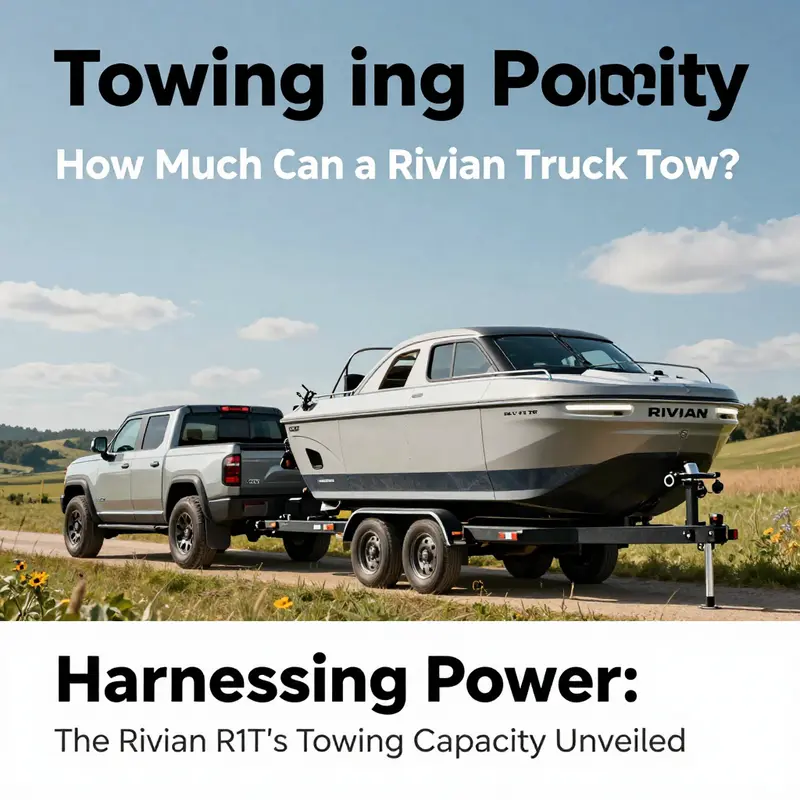
When people ask how much a modern electric pickup can tow, they are really asking about power, physics, and planning. The ceiling is 11,000 pounds of towing capacity when the vehicle is equipped with the heavy-duty towing package and the proper trailer hitch. That ceiling places the vehicle and its close relatives among the most capable electric options for heavy-duty tasks, from pulling a substantial travel trailer to moving a large equipment trailer or a sizable boat on a trailer. This isn’t just a matter of raw battery size or more powerful motors; it’s the result of an integrated approach that balances torque delivery, structural rigidity, and thermal management to keep the system safe under load. The instant torque that electric motors provide helps with starting a heavy trailer from rest, especially on grades, while a well-engineered chassis maintains stability even when the back end carries a heavy hitch. Engineers have tuned the drivetrain to deliver a surge of power precisely when the driver needs it, and they have paired that with a frame and suspension that resist the flex and twist that a long trailer can impose. The result is not merely a strong number on a spec sheet; it is a usable capability that translates into real-world confidence when planning a move, a road trip with gear in tow, or a professional assignment that requires hauling substantial loads across varying terrains. Yet the true story behind the number is more nuanced than a single rating, and understanding it requires looking at the whole system rather than focusing on peak output alone. In practice, the towing figure is the product of how the vehicle’s powertrain, chassis, and control systems work together under load, rather than a one-dimensional measure of horsepower or torque alone. The takeaway is simple: there is a ceiling, but reaching it depends on a precise alignment of equipment, trailer weight, payload, and driving conditions. That alignment matters because it frames how the truck behaves as it pulls, how quickly it accelerates from a stop, and how stable it feels when the road starts to tilt or bend beneath the load. The sensation is not just raw force; it is a calibrated balance that makes heavy towing feel predictable, controllable, and safe for long stretches of highway, mountain grades, or windy backroads. In this sense, the 11,000-pound limit is a capstone reflecting a mature design that prioritizes reliability and safety alongside capability. It signals that the platform can handle substantial work without demanding compromises that would undermine everyday usability. This balance is what makes the package appealing to a diverse set of owners—those who need a strong pull for weekend adventures and those who require a robust workhorse for professional tasks that demand consistent performance under load over the course of many miles. The narrative of towing capability in this class is a story of engineering intention rather than an isolated metric, and that intention extends through the broader lineup, including a larger electric SUV in the same family. The SUV shares the same philosophy of power, chassis integrity, and thermal management, offering a near-identical ceiling when configured for towing. Some owners appreciate the flexibility of choosing between a pickup and a larger SUV, knowing they can reach a similar towing ceiling while picking the body style that best suits their daily needs. This common thread across body styles emphasizes that the underlying architecture is designed to support heavy-duty work without forcing compromises in comfort, efficiency, or safety. The result is a line that speaks to practicality as much as to performance, delivering towing capability that can be relied upon in a wide range of real-world scenarios. The underlying engineering story is rooted in three core ideas: instantaneous torque, a stiff, well-damped chassis, and a thermal strategy that keeps components cool under load. Instant torque from multiple electric motors delivers immediate response when pulling away with a heavy trailer, avoiding the lag that can accompany internal-combustion engines and their driven accessories. A rigid chassis resists the twisting forces that come with trailer weight, helping to preserve steering feel and tire contact on uneven surfaces. Meanwhile, thermal management—carefully sized cooling circuits, sensors, and control logic—prevents overheating during sustained pulls, maintaining consistent power delivery and avoiding safety-driven power reductions. Together, these elements create a towing experience that feels purposeful and controlled, even when the trailer is demanding the system’s limits. For readers who are evaluating whether this class of electric platform matches their needs, it helps to picture the baseline scenario: a heavy-duty package, a properly matched hitch, and a trailer sized to approach the ceiling. With these conditions in place, the vehicle delivers power smoothly, the brakes manage weight with confidence, and the suspension keeps the trailer aligned with the towing vehicle rather than fighting against it. That coherence between components is what makes the 11,000-pound rating more than a stat in a brochure; it is a practical guarantee that the platform can handle demanding tows when used correctly.
Tow-Ready Engineering: Torque, Chassis, and Stability
Behind that capacity lies a combination of powertrain design and chassis architecture. Instant torque, available the moment the driver presses the accelerator, helps overcome inertia as the trailer begins moving. The powertrain is often configured with multiple motors and a high-voltage battery pack that can supply steady current to the drive units. The chassis is tuned to resist torsional twist and to distribute load between axles, while the suspension keeps tire contact even when the trailer pushes the rear end up or down over uneven pavement. Weight distribution, including the tongue weight of the trailer, becomes part of a careful balance. When the trailer is hitched correctly, front tires retain steering feel, the rear remains composed, and the vehicle feels more like one continuous platform than a short wheelbase pulling a heavy load. The steering system and braking hardware are tuned to respect the presence of the trailer, with electronic aids offering additional reassurance through dynamic stabilization and proactive traction management. The result is a towing experience that communicates a sense of control, rather than one of improvisation under stress. A driver may still choose a measured, deliberate pace, but the sense that the vehicle can handle more than a casual pull persists because the architecture supports it. The blend of torque timing, chassis rigidity, and stability control is what makes the platform credible for substantial towing tasks rather than merely capable of a high theoretical rating.
Nevertheless, the 11,000-pound ceiling is not a universal guarantee. Real-world towing varies with configuration, payload, and driving conditions. The official guidance is to consult the owner’s manual and current specifications for your exact trim. In practice, maximum towing is attainable when the vehicle is prepared with the heavy-duty package, the proper hitch, and a trailer that matches the vehicle’s ratings. Payload reduces gross combined weight available for the trailer, so a build with extra gear, camping equipment, or tools in the cab will shave the towing ceiling. And climate, elevation, and terrain matter. On a long grade in hot weather with a fully loaded trailer, the system will manage heat more aggressively and may adjust torque to prevent overheating. The key is to treat the 11,000-pound specification as a ceiling, a marker for the kind of load the platform can handle when everything aligns correctly. The practical implication is straightforward: plan for the worst-case scenario in terms of weight and demand, and the system will perform within its designed envelope rather than fail dramatically in the face of a challenging pull.
Beyond the pickup, the lineup’s SUV offers a parallel towing capacity of up to 11,000 pounds when configured for towing. The parity in towing capability across body styles underscores a shared engineering ethos: maximize traction, protect braking performance, and preserve steering feel as the weight behind the vehicle grows. For owners who need substantial towing but also want more interior space or a different utility profile, the SUV option provides a flexible alternative without sacrificing the core capability. The shared framework is anchored in the same high-torque powertrain, the same emphasis on a robust battery system, and a chassis designed to keep the tow stable under a wide range of conditions. This approach makes the decision about which body style to choose more about daily preferences and less about compromise on towing power.
Under the hood, the powertrain is crafted to support heavy-duty tasks with a blend of performance and reliability. The multi-motor arrangements and battery management work in concert to deliver torque where and when it’s needed while maintaining protection against overheating and undue wear. The system is calibrated to respond with confidence to throttle input, offering a predictable ramp that helps the trailer maintain a steady pace even when road grade or wind challenges arise. The thermal pathways are designed to shepherd heat away from critical components, enabling sustained operation during longer pulls. This focus on heat management is as important as the raw torque, because heat is the invisible limiter that can erode performance and safety when a heavy load is sustained for an extended period. The chassis, meanwhile, is built with stiffening elements that resist flex, a suspension tuned to handle trailer dynamics, and braking systems designed to manage increased mass without fade. The end effect is a towing platform that feels measured and capable, a calm operator in a volatile towing situation rather than a performance-focused machine pushed to its breaking point.
Powerful towing is not merely a matter of speed or acceleration. The energy draw of pulling a heavy trailer changes the entire travel equation. Range, a perennial concern for electric vehicles, takes a noticeable hit under tow. The degree of impact depends on multiple factors: how fast you travel, the trailer’s weight and aerodynamics, wind conditions, and the route’s grade. Practical planning involves anticipating charging opportunities, allowing extra time for stops, and using routes that maximize charging availability. The driver’s approach also matters: smooth acceleration, steady pacing, and anticipatory braking reduce the energy penalty of towing. The advantage of an electric platform in this context is the ability to modulate power precisely and recover energy through regen braking when decelerating, providing a small but meaningful cushion to overall energy use. A heavy trailer may shorten the effective range, but it does not strip away the utility or the capability to complete a trip with reasonable planning. The practical takeaway is not that towing is diminished; it is that towing is recalibrated within the broader system dynamics—power, weight, airflow, and energy management—so that the experience remains coherent and reliable across varying conditions.
Tow habits matter. A trailer with a high tongue weight can alter steering characteristics and could reduce braking effectiveness if weight shifts unexpectedly. Modern towing electronics help by maintaining lane stability, adjusting torque split, and applying calibrated braking to keep the rig tracking true. An experienced driver will accelerate smoothly, steer steadily, and brake progressively to avoid weight transfer that could destabilize the train. In many setups, the heavy-duty package adds cooling capacity for the drivetrain and improved brake systems. The combination of advanced electronics and robust hardware gives drivers a higher margin of safety when towing near the platform’s ceiling. The overall message is simple: the 11,000-pound limit represents capability under favorable conditions, not a guarantee under all circumstances or at all speeds. It is a benchmark that guides planning rather than a fixed outcome in every scenario, and it invites thoughtful choice about equipment, trailer, and route. The broader engineering philosophy favors practical utility—power when you need it, control when you don’t, and safety as a constant companion on long journeys with a sizable tow behind you.
To place this capability in a broader frame, consider how modern electric platforms approach heavy tasks. Designers aim to pair high torque with robust thermal pathways, ensuring the drivetrain can deliver sustained performance without overheating. This often means an architecture that supports rapid acceleration away from rest while preserving steering precision and brake feel when a trailer is behind. The result is a towing experience that can be both powerful and predictable, letting drivers focus on route planning, trailer management, and road conditions rather than fighting with abrupt torque impulses or uncertain handling. In short, the towing story for these platforms is a balance, where raw capability sits alongside control systems and thoughtful chassis design. That balance is what makes the prospect of towing heavy loads in an electric pickup credible for work tasks and weekend adventures alike.
For readers seeking a quick frame of reference on how towing capacities can vary among modern trucks, you can explore a general guide on how much a truck can tow how much can my truck tow.
Finally, for formal specifications and a deeper technical check, the official documentation and product pages for the lineup provide the definitive guidance. A central resource is the official site: https://www.rivian.com/.
Tow Power Reimagined: Inside the Rivian R1T’s 11,000-Pound Tow Benchmark and Its Towing Mastery
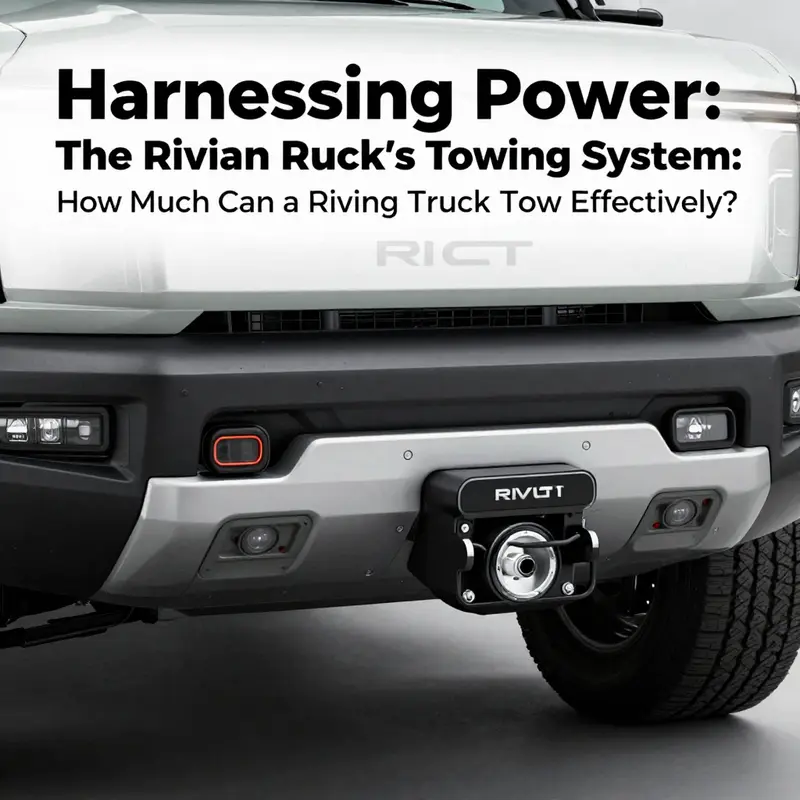
Towing has long been a defining test for pickup trucks, and with electric propulsion the test takes on a new dimension. The Rivian R1T sits at the forefront of that shift, offering a maximum towing capacity of up to 11,000 pounds (roughly 5,000 kg). That figure is more than a number on a spec sheet; it signals a deliberate engineering choice. When a vehicle can deliver immense torque the moment the accelerator asks for it, towing tasks—whether maneuvering a heavy trailer onto a campground, hauling a large boat to the marina, or bringing along substantial gear for a remote worksite—become more predictable. In the Rivian’s case, the 11,000-pound ceiling becomes a practical, meaningful capability because the underlying architecture is designed around continuous power delivery, stability, and control under load. The story of how much a Rivian truck can tow is, in large part, a story about how that power is generated, managed, and kept in harmony with a vehicle’s frame and chassis during demanding tasks.
At the heart of the Rivian R1T’s towing prowess are the dual electric motors that drive the vehicle. Together they deliver up to 800 horsepower and more than 900 pound-feet of torque. Those numbers translate into instant, usable shove when you’re pulling a heavy trailer away from a stop or climbing a grade. The torque is available instantly, which helps the truck initiate movement smoothly with a heavy load and reduces the need for oversized engine braking or ramp-like throttle inputs that can destabilize a towed setup. This immediate torque response, paired with a well-tuned power band, helps maintain momentum on uneven pavement or gravel—not by brute force alone, but by applying the right amount of twist precisely when it’s needed. In practical terms, that means a lighter, steadier launch, better acceleration on hills, and more confident handling when wind or road conditions push against the trailer.
Crucially, the R1T’s capacity is buttressed by an advanced chassis design. It’s not simply a large frame with a powerful motor bolted on; it’s a carefully engineered platform that emphasizes stability and control under load. The chassis accommodates the heavy, long-wheelbase towing geometry without compromising steering feel or overall balance. Weight distribution plays a pivotal role here. With the battery pack integrated into the floor, the center of gravity sits lower and more centralized than in many conventional pickups. That configuration reduces squat under acceleration and minimizes pitch when braking, both of which matter greatly when towing near the vehicle’s maximum rating. The result is a towing experience that feels solid and composed, even when the trailer is substantial enough to challenge a lighter, less engineered platform.
A high-capacity battery pack under the floor further supports sustained towing performance. Heavy loads demand sustained power, and the battery’s ability to deliver continuous current helps prevent torque drop-offs during prolonged climbs or long interstate pulls. This isn’t about a quick sprint to a fixed speed; it’s about maintaining power delivery over time. In the context of towing, that reliability translates to predictable throttle response, consistent braking feel, and the confidence that the vehicle won’t fade mid-trail or mid-haul because the battery overheats or simply cannot sustain the necessary power. The system’s thermal management, integrated with the high-capacity pack, keeps the drivetrain within operating temperatures that preserve both performance and safety, which is especially important when towing heavy loads in warm climates or during extended on-ramp stretches.
All of these mechanical and electrical attributes come together with the vehicle’s control systems to make towing more than a raw power exercise. The way the drivetrain interfaces with the chassis—how torque is apportioned, how traction is managed, and how stability is maintained—matters as much as the peak numbers. That integration manifests in a towing experience that feels deliberate rather than forced. When you add the weight of a trailer and the dynamic forces created by wind, road irregularities, and grade, the vehicle’s tendency to remain calm and responsive becomes a key part of the appeal. The Rivian R1T’s approach to towing reflects a broader philosophy: the capability is real, but it’s backed by a network of design decisions that keep the load under control and the driver in command.
Of course, a maximum rating is only part of the practical picture. The 11,000-pound figure represents a ceiling under ideal conditions and with proper trailer configurations. Real-world towing must account for factors like trailer braking systems, tongue weight, ballast distribution, weather, elevation, and road surface. The weight of the trailer itself, the efficiency of the trailer’s brakes, and even wind load can influence how much weight can be pulled safely and efficiently at any moment. The electric drivetrain’s advantage—instant torque and precise power management—helps offset some of these challenges, but it does not exempt a tow from physics. Range is another consideration. Heavy towing draws more energy from the battery, reducing the vehicle’s available range. The high-capacity pack helps, but any tow task demands planning around energy use, charging opportunities, and potential detours.
As a result, the Rivian R1T’s towing capability is best understood as a combination of raw capability and intelligent engineering. The maximum tow rating signals to owners and operators what is technically possible; the actual practice depends on how well the trailer is prepared, how the load is balanced, and how the driver modulates speed and braking. The vehicle’s stability control, tires, suspension tuning, and braking systems all contribute to keeping the combination of truck and trailer within safe, predictable limits. Those systems work together so that towing becomes not just a matter of brute pulling power but a choreography of torque, traction, brake control, and weight management.
For readers curious about the broader question of towing capacity and what it means in everyday use, a deeper dive into the practicalities of towing can offer tangible guidance. How much can a truck tow is not just a single number; it is a synthesis of performance, engineering, and real-world operating considerations. If you want to explore how this interplay of factors translates into more general towing decisions, see How Much Can My Truck Tow. How Much Can My Truck Tow.
Beyond the numbers and the physics, what stands out about the Rivian R1T is how the engineering choices reflect a clear aim: to make heavy towing feel approachable in an electric pickup. The instantaneous torque and the stable, well-distributed chassis combine to give the driver a sense of control that matches the vehicle’s claimed capability. The battery’s sustained power delivery is a guardrail against performance drops during long hauls, while the chassis and suspension maintain ride quality and stability under load. In this sense, the R1T’s towing credentials are less about a single moment of maximum pull and more about the reliability of performance over the course of a trip, a campsite setup, or a demanding work assignment.
For those who think about towing in terms of use cases—pulling a large camper to a lakeside site, hauling a heavy utility trailer across a rural route, or carrying equipment to a remote staging area—the Rivian R1T presents a compelling proposition. It promises to handle the heaviest loads with the same calm, controlled response that makes daily driving feel effortless. The blend of power, stability, and endurance is what helps the maximum rating translate into real-world capability. It’s a reminder that when an electric platform is designed with towing as a core mission, the result can be a remarkably capable vehicle that preserves efficiency and performance without sacrificing usefulness.
External resource note: For more technical details about the Rivian R1T and its towing capabilities, refer to the official vehicle page: https://www.rivian.com/vehicles/r1t
Quiet Power at the Tow Bar: Reassessing How Much a Rivian Electric Truck Can Tow in the Real World
Towing capacity is only the starting line when you measure what a modern electric pickup can actually haul. The numbers—11,000 pounds for the top Rivian R1T configuration and 8,000 pounds for the R1S—signal a serious shift in capability. Yet the real story unfolds not merely in the maximum figure, but in how that power translates to everyday tasks: towing a heavy camper through mountain passes, hauling a large boat to the lake, or moving construction equipment on a job site. The propulsion system behind Rivian’s electric trucks delivers torque instantly, a trait that changes the dynamic of towing from the moment you press the accelerator. There is no waiting for the engine to wind up; the drivetrain responds with immediacy, pulling from a standstill with a steadiness that feels almost unfairly confident when the trailer is heavy and the grades steep. This immediacy is not just about quick starts; it also underpins a broader sense of control. When you’re negotiating a winding road with a trailer, that instant torque contributes to smoother throttle response and a more predictable pull, reducing the need for frequent throttle adjustments during climbs or during merging maneuvers where stability matters as much as raw power.
The architecture of Rivian’s chassis and suspension is designed with the reality of towing in mind. The weight distribution across the frame is thoughtfully managed to keep the truck planted at the hitch while still delivering enough front-end grip to maintain steering feel. A well-balanced platform helps minimize trailer sway and improves braking stability, which are crucial when you’re dealing with large, wind-prone loads. The truck’s control systems, including regenerative braking and stability assistance, work in concert to modulate energy return and brake pressure, helping to keep the trailer aligned with the tow vehicle through changes in terrain and wind. These features translate into a sense of confidence that you don’t always feel with traditional gasoline-powered pickups when they are pulling their heavy limits.
One practical truth about maximum towing capacity is that it is not a guarantee you will routinely tow at the ceiling. Real-world towing demands vary with trailer type, hitch configuration, payload in the cab, and even environmental conditions. Tongue weight, for instance, matters. If your trailer’s tongue is too light, you risk sway; if it’s too heavy, you reduce payload capacity and can compromise steering feel. The Rivian platform is designed to accommodate a substantial tongue weight while maintaining control, but the best towing experiences come when your setup is dialed in for the specific load you carry. In the field, this means paying attention to trailer brakes, lighting, and braking force distribution, just as you would with any heavy-haul vehicle. It also means recognizing that the rated capacity is a ceiling, not a typical daily target. For those weighing this out in practical terms, a quick reference guide outside this chapter can offer a rough sense of common trailer profiles and how they fit within the Rivian line’s capabilities. If you want a concise, practical take on the topic, you can explore guidance on how much a truck can tow here: how-much-can-my-truck-tow.
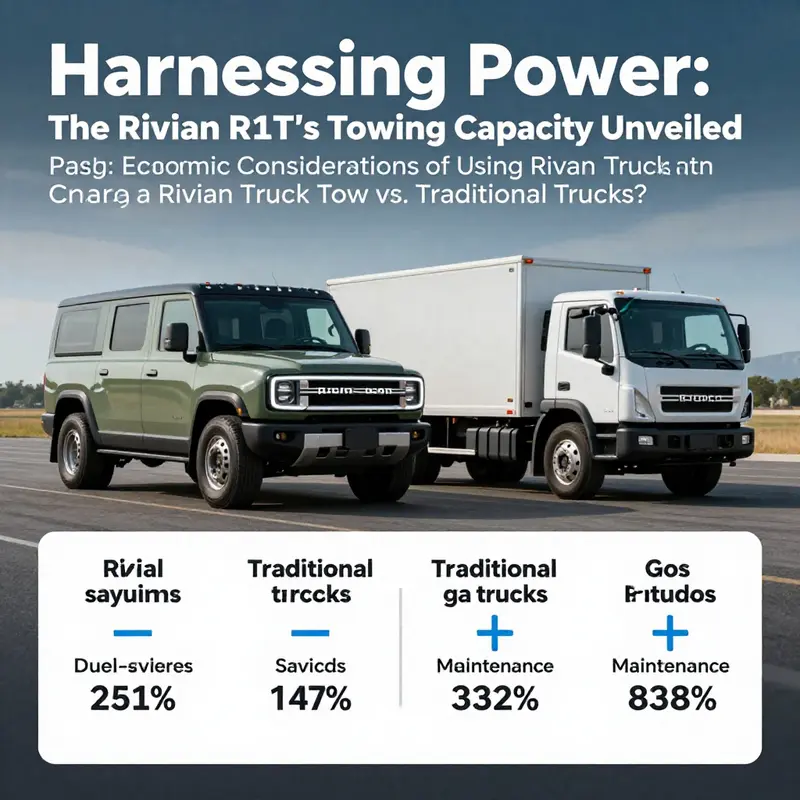
The economic logic of towing with Rivian’s electric trucks rests on a blend of efficiency and endurance. Operating costs tend to tilt in favor of EVs over long horizons. Charging at home, or at familiar public stations, is generally cheaper per mile than buying gasoline for equivalent tonnage moves. Fewer moving parts mean less ongoing maintenance—no oil changes, fewer routine lubrication points, and regenerative braking that mitigates wear on components like brake pads. These factors accumulate into meaningful savings for heavy-duty users who tow often. Torque delivery under load also plays a role in efficiency: when the motor responds instantly, the driver can maintain more consistent speeds and avoid heavy throttle use on grades, which can otherwise sap efficiency. In scenarios where a trailer is frequently being loaded and unloaded—think weekend getaways, worksite transport, or long-haul setups—these small efficiency gains compound over time.
Yet the trade-offs are not one-note. One of the most immediate considerations is charging time. A large battery pack, while enabling extended range and robust towing capability, demands more time to replenish after a long tow, especially if you are aiming to regain miles quickly between legs of a journey. Level 2 charging can fill the battery overnight, but long-haul towing that spans multiple heavy-duty legs often relies on DC fast charging. The pace of that charging is not purely a function of the vehicle; it depends on the availability of high-output charging infrastructure, the trailer’s electrical demands, and the state of the battery as it cools and warms during use. In other words, the practical towing envelope is shaped by how quickly you can recharge between legs of a trip, as well as how far the trailer will push the truck’s range if you’re pushing into more remote or mountainous terrain.
Another axis to consider is the upfront cost. The entry point for Rivian’s R1T begins at a level that places it above many traditional ICE pickups. That higher upfront price can be offset over time by the reduced fuel and maintenance costs mentioned earlier, plus potential incentives that are still available in many markets for EV buyers. Even so, the decision to tow with an electric pickup often comes down to how frequently towing occurs, how long the typical hauls are, and whether the kind of load you carry aligns with the truck’s strengths. The economics thus become a spectrum rather than a single calculation. If your hauling is seasonal or occasional, the payback period may be longer; if you tow for a living or regularly move heavy gear, the long-term savings become more tangible. The experience, too, shifts. The car-like quietness, the instant push from the motor, and the refined ride when towing contribute to a more comfortable operation. Still, the higher initial cost and the need to plan around charging windows can influence the decision as much as the payload and tongue weight.
In comparing Rivian’s towing capability to traditional trucks, it is helpful to ground expectations in the realities of the market. The 11,000-pound ceiling for the R1T and the 8,000-pound ceiling for the R1S are not merely marketing figures. They place these vehicles in a league with some of the best full-size gasoline-powered trucks. When you factor in the electric drivetrain’s flat torque curve, the experience can feel different from ICE competitors, particularly in the low-speed pulling power that makes highway climbs and steep ramps feel more controlled. The comparison, however, should not be reduced to raw numbers alone. A truck is a system: frame stiffness, suspension tuning, electronic stability controls, brake systems, and battery management all contribute to how well a given towing scenario feels and how reliably the truck maintains control after launch and during deceleration. The Rivian approach aims to harmonize power with efficiency and reliability, a combination that matters as much on a family road trip as it does on a demanding job site.
Tow planning, then, becomes part of the driving routine rather than an infrequent calculation. You scout routes for grades and wind, you consider campsite access when choosing a tow setup, and you map charging stops with the same care you would map fuel stops. This planning is not a concession; it is a practical extension of the vehicle’s capabilities. The availability of a robust charging network, paired with the efficiency advantages of electric propulsion, can make longer tows manageable in ways that once would have required a diesel or large gasoline truck and a careful eye on fuel costs. The economics hinge on the same balanced view you bring to any significant purchase: you weigh upfront costs against long-term savings, you measure capability against the kind of use you actually put the vehicle to, and you recognize that technology choices shape not just how far you can go, but how far you want to go.
For readers who want to verify specifications directly, official documentation is the safest guide to the exact figures and conditions that govern maximum towing. The broader takeaway remains consistent: these electric trucks deliver power with a level of immediacy and stability that redefines what people expect from a tow vehicle, while offering a compelling economic proposition for those who tow regularly. In the end, the decision to choose a Rivian for towing rests on a blend of practical needs, daily driving realities, and long-term ownership considerations. The numbers, and the economics, point toward a capable, efficient, and increasingly attractive option for modern towing needs. For further context on how towing translates into real-world planning and costs, you can explore related insights at the linked guide above. For official specifications and updates, see the manufacturer’s site at https://www.rivian.com.
Environmental Impact of Towing with an All-Electric Pickup: How Much Can a Modern Electric Truck Tow Sustainably?
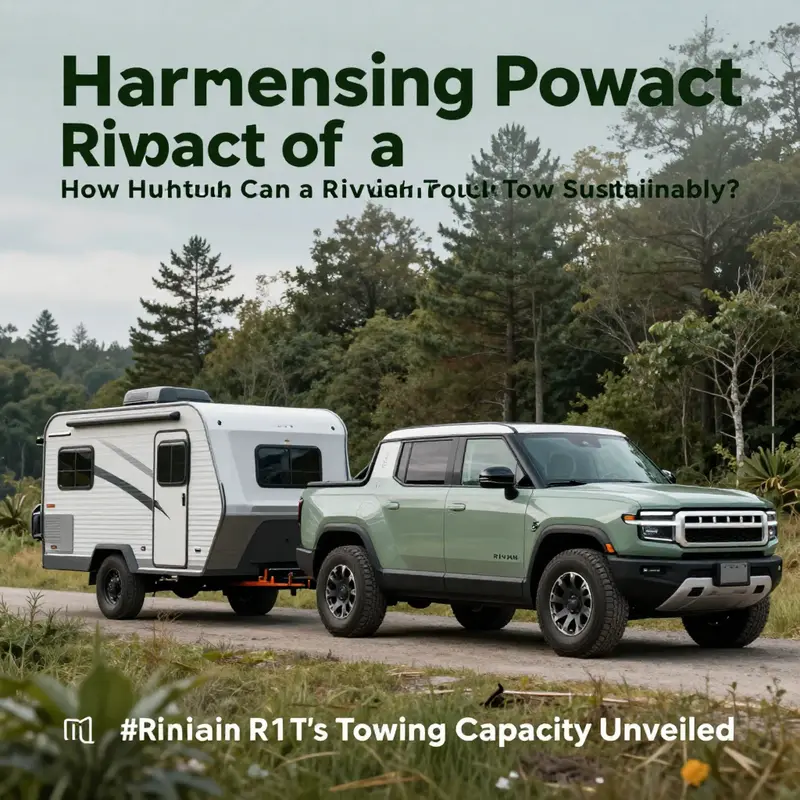
Tow vehicles are evaluated by how much they can haul and how cleanly they do it, and when the powertrain is electric that cleanliness carries extra weight as a climate advantage but also raises questions about energy use and range under load. The all electric pickup designed for heavy towing demonstrates a remarkable capability with a maximum towing capacity around 11,000 pounds, signaling serious work rather than weekend errands. Yet the central question for drivers who want utility with responsibility is not only whether a heavy trailer can be moved, but how towing changes the vehicle’s environmental footprint over time and how to minimize that footprint without compromising safety or practicality. In other words, sustainability in towing starts with the physics of resistance and the economics of energy, then translates into everyday choices on the road and at the charger. Towing’s environmental story follows a single arc: capacity sets a ceiling; energy use and emissions depend on when and where energy is drawn; and sustainable practices turn the act of towing into a more efficient, lower-emission habit rather than a compromise. From the outset it is essential to acknowledge the core tension of electric towing. The vehicle’s electric drivetrain offers instantaneous torque that supports stability when pulling heavy loads from a standstill and maintaining momentum up grades. This strength is a benefit for towing performance but makes the energy story more nuanced as weight increases. The maximum towing capacity is a benchmark for capability, but in real world use drivers operate near or below it, trading payload for range depending on the trip profile. The journey’s infrastructure—road grade, wind, traffic, and charging availability—becomes the real determinant of environmental impact. The chassis design and weight distribution are engineered to keep the vehicle stable with a trailer, which is not only about safety but also about efficiency because a stable platform reduces sway and lowers corrective driving energy and improves regenerative braking opportunities on descents. A practical energy view begins with the math of resistance: drag grows with speed squared, and a trailer adds cross sectional area that increases aerodynamic drag. Rolling resistance adds another layer from tires, hubs and trailer bearings. Both forces must be overcome by propulsion, and in an electric setup that translates into energy drawn from the battery. The impact on range can be substantial, and official guidance notes that highway towing can cut range by roughly 30 to 50 percent versus normal driving. Those numbers translate into shorter stretches between charges, more planning around charging stops, and a tighter window of options for long trips. For fleets the implication is more pronounced: the extra energy draw compounds with frequency and can increase electricity demand over time if regular towing remains a core task. Even as energy use climbs the environmental advantage of an all electric tow vehicle remains compelling, because tailpipe emissions are absent during operation. This is especially meaningful in regions with clean electricity grids where renewables are a growing share of power, and the vehicle’s lifecycle emissions can be lower than those of a gasoline truck when recharged with low carbon energy. The environmental profile depends on the electricity used to recharge after a tow, and if the grid is decarbonizing, the overall footprint can be favorable even with reduced range. The practical path to sustainability rests on disciplined, data informed practices rather than a single magic setting. Adhering to the trailer’s weight within the vehicle’s recommended tow rating is crucial. Maintaining proper tire pressures for both vehicle and trailer reduces rolling resistance and yields meaningful energy savings. Ensuring the trailer is well maintained—lights, brakes and wheel bearings—matters, because poor maintenance adds drag and friction. Route planning gains prominence: choose gentler grades, fewer stops, and driving patterns that minimize stop and go; use regenerative braking to recover energy where possible; and select charging with clean energy sources to maximize the emissions benefit. The cumulative effect of these practices can turn heavy towing from an environmental risk into a more efficient workflow with a consistently lower emissions profile than a comparable gasoline truck, provided the grid and charging are clean. In practice drivers make trade offs: heavy towing offers undeniable utility for homeowners, travelers and professionals, but the environmental calculus remains that energy use per mile is higher under load and charging needs are more frequent. The social and environmental benefits of electrified transport are strongest when the electricity fueling the journey is produced from renewable sources, turning an energy intensive task into an operation that aligns with a broader climate strategy. In vehicle design, efficiency features, weight distribution and the electric drivetrain work together to support safety and energy efficiency, and even with range limitations the environmental case remains favorable when planning trips around clean energy and reliable charging. For readers evaluating towing with an all electric pickup the guidance is practical and nuanced: consider the typical towing task and trip length, and ensure charging along the route is available. If regular long hauls with substantial trailers are common, map charging opportunities to minimize downtime and maximize energy reuse through regenerative braking. If towing is occasional or short distance, energy costs are a smaller share of overall impact, letting zero tailpipe emissions shine. The sense of peace of mind from a well designed towing system that integrates suspension, braking and weight distribution with a stable chassis extends beyond performance to sustainability by reducing risk and energy waste. Real world references can ground this discussion in practice, including manufacturer level specifications and generic towing guidance to frame expectations for an electric pickup. The overarching message remains that towing with an all electric pickup is a powerful combination of capability and responsibility, delivering utility with a cleaner energy footprint when drivers plan ahead, maintain equipment and seek renewable energy for charging. External reference: Manufacturer’s specifications page rivian dot com slash vehicles slash r1t.
Tow Power in the Real World: How Much Can a Rivian R1T Tow When the Road Gets Real
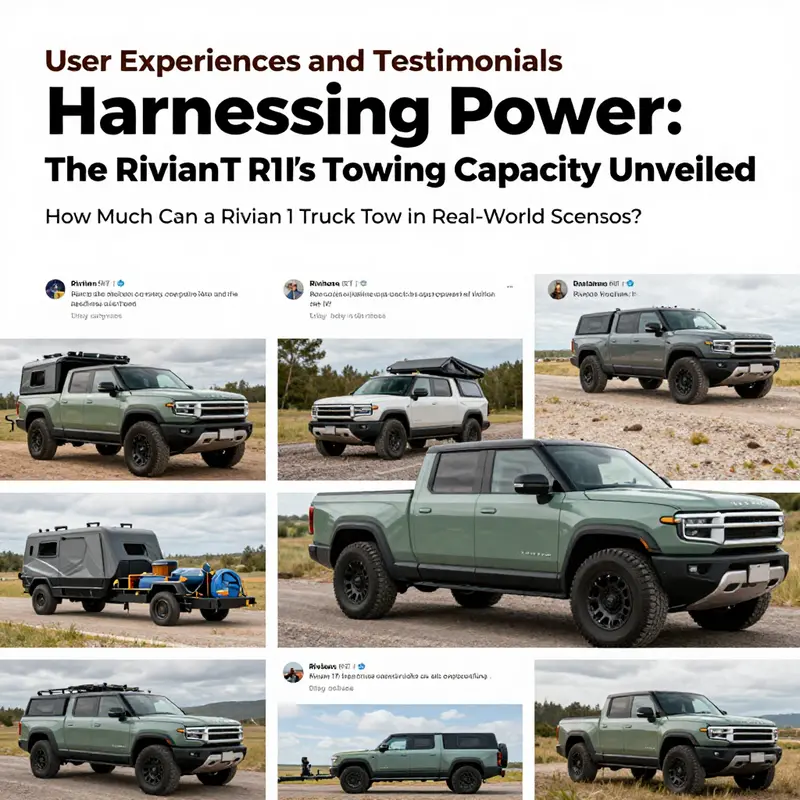
The question of how much a Rivian truck can tow is more nuanced on the road than in a spec sheet. The official figure—11,000 pounds, or about 4,990 kilograms—sets a ceiling that signals capability rather than a day-to-day limit. Real-world towing with the Rivian R1T, like any modern electric pickup, hinges on a dynamic mix of factors: battery state, terrain, weather, trailer type, and even the driver’s habits. The machine itself is built to deliver immediate torque, a hallmark of electric propulsion, which translates into brisk acceleration when pulling a heavy trailer from a stop and steady, controlled vanishing-point power as the load climbs a grade. Yet the torque is only part of the story. The chassis, suspension, and weight distribution have been engineered to keep a heavy tow connected to the pavement with composure. The R1T does not merely haul weight; it attempts to do so with predictable stability and a sense of muscular restraint that matters as soon as the road tilts upward or the wind shifts from quartering to head-on. In this sense, the Rivian’s towing persona merges utility with control, a careful balance that speaks not only to punch but to poise.
Across the landscape of real-world experiences, owners report towing scenarios that align closely with the best theoretical expectations. Many drivers have successfully towed heavy loads—large trailers, boats, and even compact RVs—with confidence, especially when the battery remains above a healthy charge. The range impact is a practical reality: the heavier the tow, the more energy is drawn from the pack, and the farther the range falls. The more demanding the conditions, the more range is sacrificed, and the more important it becomes to plan charging stops with the tow in mind. In moderate towing situations, observed practice shows the dual-motor all-wheel-drive system delivering robust traction and predictable handling. Torque vectoring helps keep pull even on uneven pavement and through sweeping curves, and the system’s ability to redirect torque between axles aids in maintaining grip while negotiating turns loaded down with weight. The result is a towing experience that feels capable rather than compromised, a distinction that matters when you’re hauling gear for a weekend getaway or transporting equipment for work.
The anecdotes that surface in owner forums and community discussions often center on real-world ranges and where the line is drawn between capability and efficiency. Reports commonly cite successful towing in the 8,000 to 10,000-pound range over journeys that span varied terrain, including mountain passes and gravel lanes that demand more from both traction and braking. In these narratives, the R1T’s regenerative braking system plays a noteworthy role. Going downhill with a heavy trailer, the vehicle can harvest energy as it decelerates, easing the workload on the friction brakes and aiding overall efficiency. This is not just about slow descents; it matters when you’re navigating long grades and towing, where the balance between control and energy consumption becomes a conscious part of the trip plan. The dual-motor setup, combined with a tight, responsive chassis, tends to translate this energy management into confident performance rather than a fearsome drain.
Nevertheless, the same voices that celebrate successful heavy towing also offer measured caveats. Sustained towing at or near the maximum capacity is a test of endurance for the drivetrain and the battery. Cold weather compounds the challenge by reducing battery efficiency and increasing the energy required to maintain heat and operating temperatures. Uphill grades, headwinds, and rough surfaces can magnify range loss in a way that is more pronounced than when the vehicle is simply cruising unloaded. Observers suggest that, to preserve drivetrain longevity and maintain a buffer for the unexpected, many owners prefer staying below the absolute limit in practical terms. A comfortable operational ceiling around 9,000 to 10,000 pounds often emerges in discussions as a pragmatic rule of thumb, balancing strong performance with reliability and long-term health of the electric powertrain. This guidance is echoed in the experiences of those who log towing miles week after week and begin to calibrate their expectations for range, charging time, and heat management under load.
What does this mean for the everyday condition of the Rivian R1T when it is asked to tow? The answer is a blend of engineering and discipline. The R1T’s architecture—its chassis rigidity, weight distribution, and advanced torque vectoring—offers a platform that can manage heavy theater on the road with fewer compromises than some peers. The instantaneous torque characteristic of electric drive means the initial surge is readily available, enabling confident pulls away from rest and steady, controlled acceleration up grades that could challenge a conventional internal-combustion pickup. Yet power has a price. Tow at the upper end of the rating, and the battery’s state of charge and ambient temperature become operational levers that shift the performance envelope. The driver’s choices—how aggressively to accelerate, how fast to ascend a grade, where to place a trailing load in the lane, and when to deploy regenerative braking—shape both the trip’s success and the trip’s energy footprint.
An essential element of real-world towing is how a trailer is set up behind the truck. Proper tongue weight, hitch height, and trailer brakes contribute to a stable pull and predictable braking response. The Rivian’s design assumes a certain balance between the tow vehicle and the trailer, where the weight distribution influences steering feel and sway control. A severely misbalanced trailer can feel light in the hitch and may exaggerate any wind gust or road irregularity, underscoring the point that the practical limit is not a single number but a relationship between the tow gear, the trailer, and the road surface. In this sense, the R1T functions more like a calibrated tool than a blunt instrument: its systems reward careful setup and mindful driving as much as raw power.
For readers seeking a distilled perspective that blends official capacity with practical experience, the conversation often returns to two consistent threads: respect for the stated 11,000-pound ceiling and a pragmatic margin below it. The margin acts as a buffer for safety, component wear, and unpredictable road conditions. It’s the difference between a smooth day of towing and a day that tests the limits of energy management and cooling. The mixed reality of towing, then, is not a contradiction but a layered reality where the numbers on the spec sheet guide expectations while the terrain and conditions dictate the cadence of the journey. In real-world logbooks, drivers report that the most reliable heavy-tow experiences occur when the load remains within a comfortable range, parking the true capacity as a horizon rather than a ceiling. This approach preserves performance, steadies energy use, and reduces the risk of heat buildup in the motor and inverter, especially on longer passes or hot days.
The broader takeaway from the community threads and early data is a practical philosophy: tow with intention, stay aware of how wind, hills, and temperature affect range, and treat 11,000 pounds as a powerful upper bound rather than a frequently reached target. The R1T’s technology—its torque-rich powertrain, intelligent traction management, and regenerative braking—supports a towing lifestyle that’s as flexible as it is capable. The real-world stories show that drivers often begin with a plan, then adapt as the battery gauge, weather, and route reveal themselves. In many cases, towing 8,000 to 10,000 pounds over diverse landscapes remains a standard that the truck handles with confidence, while pushing toward the upper limit is an occasion for closer attention to charging strategy and system temperature.
For readers who want a deeper dive into the practicalities of towing with a truck of this class, there is a useful resource that details the broader question of towing capacity and practical limits in everyday use: how much can my truck tow. This guide translates the numbers into actionable advice about how to approach loading, spacing, and energy budgeting when you’re planning a tow, and it can be a hands-on companion as you map trips that hinge on heavy hauling. You can explore that discussion here: how much can my truck tow.
As with any real-world capability, the story doesn’t end with a single rating. The Rivian R1T presents a credible and competitive towing package within its electric-truck segment, delivering not just raw capacity but a combination of torque, control, and energy management that inform how a heavy tow feels on the road. Drivers who balance payloads, plan routes with charging in mind, and respect the practical margins discover a towing experience that is both reassuring and practical. The ongoing conversations in owner communities, paired with the evolving data from actual trips, continue to refine our sense of what 11,000 pounds means in the field. The road tests and user logs, taken together, paint a picture of towing not as a single act but as a season of driving that rewards preparation, patience, and a clear-eyed view of how power, weight, and weather interact on the pavement.
External reference for real-world anecdote: Real World Towing Experience with the R1T, detailed reports from owners on towing performance, including notes on range impact and downhill energy recovery. https://www.reddit.com/r/Rivian/comments/1d2l3xq/realworldtowingexperiencewithther1twhathave/
Final thoughts
The Rivian R1T’s impressive towing capacity makes it a significant contender in both the electric vehicle marketplace and for those needing reliable hauling performance. By exploring its innovative technology, economic viability, and environmentally friendly features, it’s clear that the Rivian trucks not only provide functional towing capabilities but also align with the values of modern consumers. As the automotive field shifts towards sustainability, Rivian is poised to lead this charge, offering power and efficiency for everyday drivers, tradespeople, and eco-conscious consumers alike.