
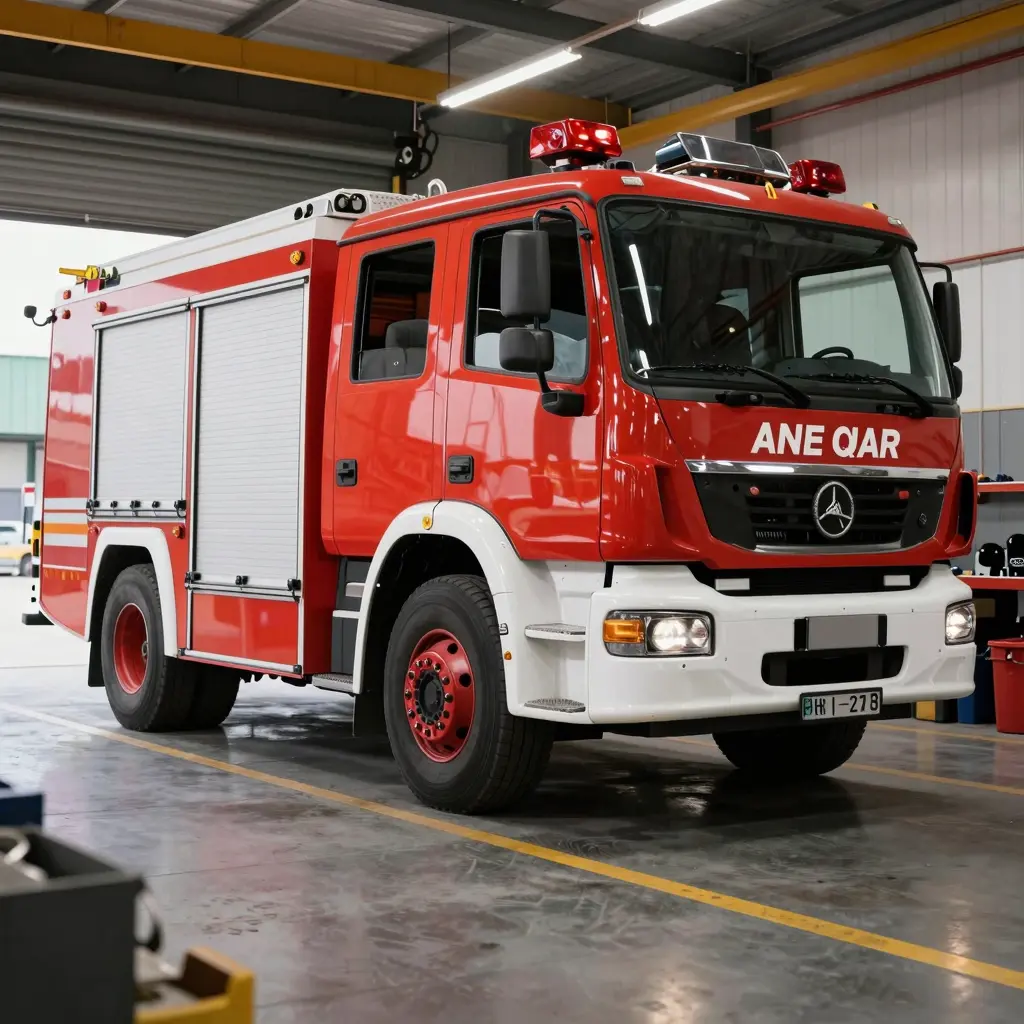
In the fast-paced world of emergency services, the reliability of fire apparatus can be the difference between life and death. For business owners in this critical sector, making the decision to refurbish existing fire apparatus is not only a matter of cost-effectiveness but a commitment to public safety. As your fleet ages, the risks associated with outdated equipment rise, affecting both operational efficiency and personnel safety. This is where making informed choices about refurbishment becomes essential. Partnering with a leader in fire apparatus refurbishment like CCIG can transform your fleet, enhancing its reliability while extending its lifespan. In this article, we will explore the key factors to consider when deciding on refurbishment, the unique advantages of collaborating with CCIG, and how investing in revitalized fire apparatus can empower your team to respond effectively in crucial moments. Join us as we delve into the transformative potential of refurbishment and unlock the value it can deliver to your operations.
Benefits of Fire Apparatus Refurbishment
Refurbishing fire apparatus offers several key benefits for business owners, especially within the firefighting sector. Here are some of the most significant advantages:
-
Cost Savings:
Refurbishing fire apparatus can save fire departments a considerable amount of money. Studies show that refurbishment can be 30-60% less expensive than purchasing new vehicles. For instance, the Montgomery Fire Department reported savings exceeding $2 million by refurbishing five trucks instead of buying new ones, allowing the department to allocate funds to other crucial areas of operation. Fire Line Equipment highlights that departments can achieve savings of up to 50% compared to buying new. -
Improved Safety:
A major benefit of refurbishing fire apparatus is enhanced safety features. The refurbishment process often includes upgrades to modern safety standards and equipment, ensuring that fire personnel are better protected while performing their duties. A well-refurbished vehicle can also prolong the life of critical safety systems that might have degraded, improving overall operational safety. When updating equipment, improved performance standards mean that buses and trucks meet more stringent safety and operational requirements, safeguarding the lives of those who use them. -
Compliance with Regulations:
With increasing regulatory demands around safety and environmental standards, refurbishing existing fire apparatus can help ensure compliance. Many communities require that fire vehicles meet certain operational benchmarks. By refurbishing, businesses can ensure their fleet adheres to these regulations without incurring the high costs associated with purchasing new vehicles. According to Fire Apparatus Consultants, refurbishment not only makes vehicles compliant but also helps in optimizing budgets by extending the life of existing fleet units. -
Extended Lifespan:
Refurbishing not only enhances performance and compliance but also significantly extends the overall lifespan of the fire apparatus. Upgrading key components can make a 10-15-year-old truck feel like new again, allowing organizations to use their existing investments more effectively. This extension is a solid long-term financial strategy, effectively squeezing out every ounce of value from the initial investment.
Conclusion
Given these potent benefits, many business owners in the firefighting sector have found that fire apparatus refurbishment is not just a cost-saving measure but a smart, strategic approach to fleet management. Consider looking into refurbishment options for your fire apparatus and learn more about our services to help keep your fleet modern, compliant, and efficient!
Fire Apparatus Lifespan and the Impact of Refurbishment
Fire apparatus, such as fire trucks and rescue vehicles, are critical assets for fire departments. Understanding their lifespan and the potential benefits of refurbishment is paramount for business owners in the fire services sector.
Average Lifespan of Fire Apparatus
The average lifespan of fire apparatus varies significantly based on usage and maintenance. Generally, fire trucks can serve effectively for 10 to 15 years under normal operating conditions. However, this lifespan can be extended with proper refurbishment practices. Research indicates:
- **Refurbishment can potentially add another *10 years* to the lifespan of fire apparatus**. This is especially true for vehicles that are still structurally sound but may need updates to their systems such as engines and electronics.
- Apparatus subjected to **light use can exceed *20 years* of service when kept in optimal conditions, underscoring the importance of regular maintenance and timely refurbishment.
Benefits of Refurbishment
Refurbishment not only extends the lifespan but also improves the operational reliability of fire apparatus. Key benefits include:
- Cost-Effectiveness: Refurbishing existing vehicles is often less expensive than purchasing new ones.
- Modernization: Upgrades during refurbishment can enhance safety features and operational efficiency.
- Environmental Impact: Extending the life of a vehicle reduces waste and environmental impact compared to manufacturing new apparatus.
For more detailed insights on fire apparatus and refurbishment options, consider exploring further resources like Fire Apparatus Consultants and Fire Line Equipment.
Conclusion
In summary, understanding the lifespan of fire apparatus and the advantages of refurbishment can lead to more informed financial and operational decisions, ensuring that fire departments remain well-equipped to respond effectively.

Fire Apparatus Refurbishment Process
The refurbishment of fire apparatus is essential for enhancing the longevity and efficiency of these vital tools for emergency response. At CCIG, we employ a comprehensive refurbishment process tailored to meet the specific needs of each apparatus, ensuring business owners receive optimal value. Here’s an overview of the steps involved in the refurbishment process:
1. Comprehensive Evaluation
The first step involves a thorough assessment of the fire apparatus to determine the current condition and identify any necessary upgrades or repairs. We examine various components, including mechanical systems, electronics, and safety features. This evaluation is crucial in deciding which parts of the apparatus need refurbishment, replacement, or enhancement.
Also, by reviewing the vehicle’s history, we can make informed recommendations that align with operational needs.
2. Planning and Specification
Once the evaluation is complete, our team develops a refurbishment plan. This plan outlines the specific upgrades needed based on compliance with modern standards and the operational requirements of your department. It includes detailed specifications for each component that needs to be addressed, whether it involves improving safety features, updating mechanics, or enhancing performance systems. Learn more about our municipal offerings here.
3. Execution of Refurbishment
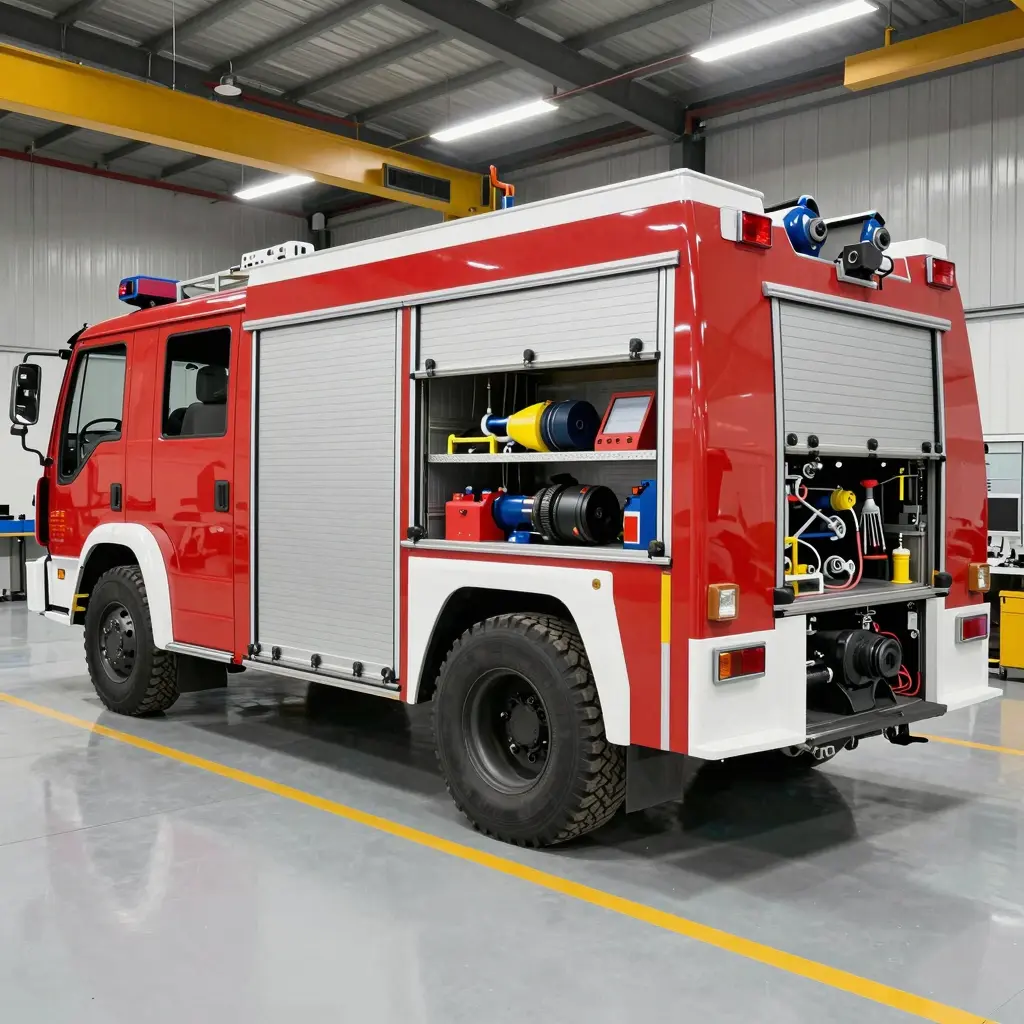
During this phase, our highly skilled technicians carry out the refurbishment work. This includes repairing or replacing worn-out components, updating systems such as water pumps, ladders, and lighting, and applying cosmetic enhancements. This comprehensive approach significantly improves safety and performance while ensuring the apparatus adheres to all necessary safety regulations.
4. Quality Assurance
After refurbishment, each apparatus undergoes rigorous testing to ensure that all updates function correctly. Our quality assurance process involves testing critical systems and safety features to guarantee the apparatus is reliable and ready for service. This step is vital, as it reassures business owners of the equipment’s renewed capabilities.
5. Final Review and Delivery
Finally, we conduct a final inspection to ensure that all specifications have been met and that the apparatus is functioning optimally. A detailed report is prepared for the client, summarizing the work performed and recommendations for future maintenance. This connection fosters a stronger partnership with business owners, equipping them with knowledge for ongoing care.
By engaging with our refurbishment services, business owners can not only save costs significantly-typically up to 50% compared to purchasing new units-but also extend the life of their fire apparatus and ensure compliance with safety standards. For more details on our fire rescue products, check out our offerings here.
Cost Comparison: Refurbishment vs. Purchasing New Fire Apparatus
When considering whether to refurbish existing fire apparatus or purchase new equipment, it’s important to analyze several key metrics. Here’s a comprehensive table that highlights the differences in refurbishment costs versus buying new apparatus:
| Metric | Refurbishing Apparatus | Purchasing New Apparatus |
|---|---|---|
| Initial Investment | 30-50% of new cost | $300,000 – $700,000 |
| Maintenance Costs (Annual) | $10,000 – $20,000 | $5,000 – $15,000 |
| Average Lifespan | 10-15 years | 15-20 years |
| Warranty | Limited (1-3 years) | Comprehensive (5-10 years) |
| Technology Features | Older technology | Latest technology |
| Adaptability | High (tailored upgrades) | Limited (standard models) |
Analysis:
- Initial Investment: Refurbishing can be significantly cheaper, often representing 30-50% of the cost of new apparatus, which makes it a more cost-effective solution upfront for budget-conscious departments.
- Maintenance Costs: While the annual maintenance for refurbished apparatus can be higher after a few years, new apparatus also have their maintenance costs, although often lower.
- Average Lifespan: New units typically last longer than refurbished ones, which could be a critical factor for future budgeting and planning.
- Technology: New fire apparatus usually includes the latest safety and operational technologies that can provide significant advantages in emergencies.
For fire departments considering their options, evaluating the long-term benefits and costs is crucial. Learn more about fire apparatus options here.
Technological Advancements in Fire Apparatus Refurbishment
The refurbishment of fire apparatus has seen significant technological advancements in recent years, aiming to enhance efficiency, safety, and overall effectiveness. These innovations not only improve the lifespan of fire vehicles but also ensure that they are equipped with the latest features necessary for modern firefighting efforts.
1. Advanced Diagnostic Tools
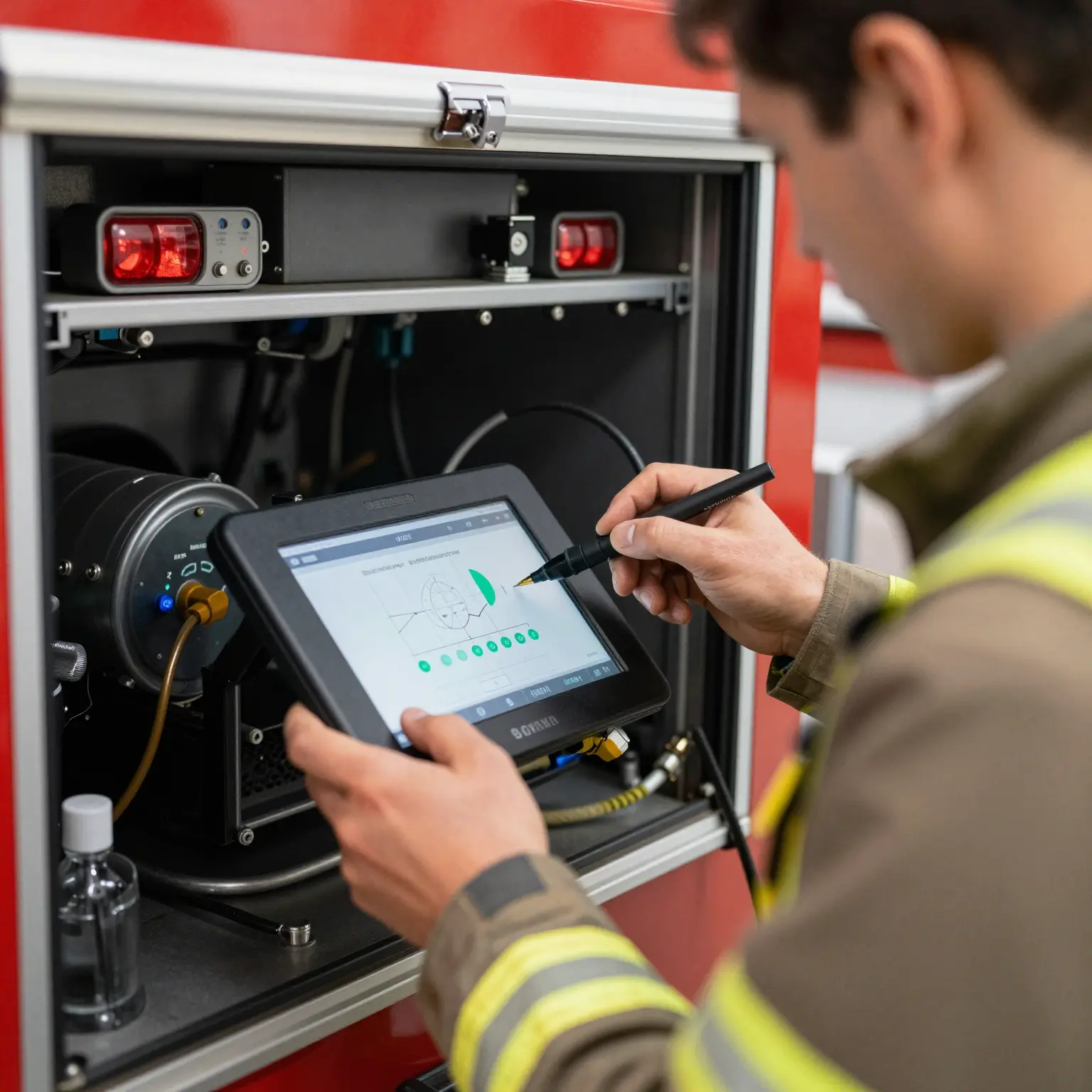
One of the most impactful advancements has been the integration of sophisticated diagnostic tools. These tools allow technicians to quickly assess the condition of various components within the apparatus, identifying issues before they lead to major failures. Digital diagnostic systems can monitor engine performance, electrical systems, and mechanical components, offering real-time data that streamlines the refurbishment process.
2. Modular Design and Repairs
Modular designs simplify the refurbishment process by allowing components to be easily swapped or serviced. Technologies like 3D printing have also started to play a role, enabling the rapid production of custom parts that may otherwise take weeks to source. This enhancement significantly reduces downtime and operational disruptions for fire departments.
3. Eco-friendly Practices
With increasing awareness of environmental issues, many refurbishment facilities are adopting sustainable technologies. Advanced paint technologies, such as low-VOC (volatile organic compounds) options, are becoming standard. Moreover, recycling initiatives for older components are being implemented, reducing waste and increasing sustainability within the remediation process.
4. Data Analytics
Utilizing data analytics is another trend reshaping fire apparatus refurbishment. By analyzing historical data on repairs and vehicle performance, companies can predict when a vehicle will need maintenance or refurbishment. This predictive approach minimizes unexpected failures and maximizes operational readiness, which is vital for emergency services.
CCIG’s Role in Advancing Refurbishment
At CCIG, innovation is at the forefront of our fire apparatus refurbishment services. By leveraging advanced technology, we ensure that our clients receive vehicles that meet stringent safety standards and operational efficiency. Our approach includes:
- Integration of IoT: Utilizing Internet of Things (IoT) technologies for real-time monitoring of fire apparatus performance.
- Skilled Technicians: Our team is trained on the latest systems and technologies, allowing for superior service delivery in refurbishment projects.
- Commitment to Sustainability: We actively incorporate eco-friendly materials and processes into our refurbishment projects, aligning with environmental standards and goals.
In conclusion, the technological advancements in fire apparatus refurbishment not only add value by extending the lifespan of emergency vehicles but also enhance operational efficiency and safety. Businesses looking to refurbish their fire apparatus should consider these advancements as key factors in choosing a service provider. For more about our offerings, explore our fire-rescue products.
“NFPA 1912 establishes the minimum requirements for refurbishing automotive fire apparatus utilized in firefighting and rescue operations. It outlines guidelines for factors such as testing and documentation to ensure safety compliance.”
Incorporating this industry guideline into your fire apparatus refurbishment processes is essential for achieving safety and compliance. Understanding and adhering to these standards will not only enhance the longevity of your vehicles but also ensure reliable operation when it matters most. For further details on fire apparatus options available, check our fire rescue vehicles category.
Conclusion and Call to Action
In summary, the refurbishment of fire apparatus offers extensive benefits for business owners, particularly those managing fire departments and emergency services. Refurbishment not only significantly reduces costs compared to purchasing new vehicles, but it also extends the service life of existing apparatus. By enhancing performance, safety, and reliability, refurbished fire trucks can truly meet the demanding needs of modern fire departments. Customization options allow departments to tailor their vehicles to fit specific requirements while also supporting environmental sustainability by reducing waste.
For business owners looking to leverage these advantages, partnering with leading refurbishment firms like CCIG is a smart choice. By collaborating with a reputable company, you can ensure high-quality workmanship and innovative solutions that enhance your operational capabilities. CCIG specializes in upgrading and refurbishing fire apparatus, tapping into industry best practices to deliver remarkable results.
We encourage you to explore partnership opportunities with CCIG to discover how our refurbishment services can benefit your fire and rescue operations. Together, we can ensure that your fire apparatus is not only functional but also state-of-the-art, ready to serve your community effectively.
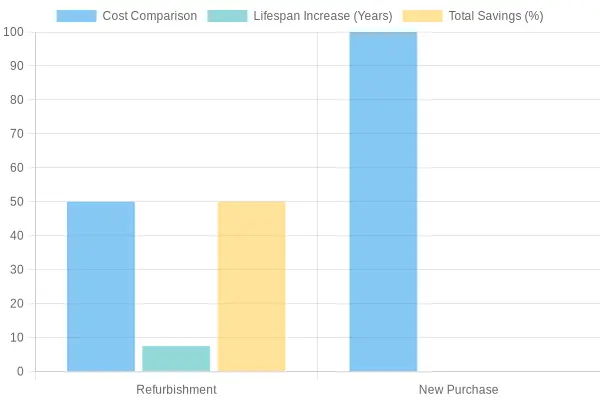
Expected ROI from Fire Apparatus Refurbishment vs. Purchasing New
Refurbishing fire apparatus can lead to significant financial benefits compared to purchasing new vehicles. The following chart illustrates the differences in cost, estimated lifespan increase, and total savings over a decade between refurbishment and new purchases.
Key Points:
- Cost of Purchase: Refurbishment costs roughly 50% less than new apparatus.
- Estimated Lifespan Increase: Refurbishing can extend the life of a vehicle by 5-10 years.
- Total Savings Over 10 Years: Refurbishment can result in significant savings (up to 50%) compared to acquiring new fire apparatus.
By choosing refurbishment, fire departments can allocate their budgets more efficiently while still maintaining a fleet of operationally capable vehicles. For further insight, learn more about the benefits of fire truck refurbishment.
Additionally, it’s crucial to consider specific needs and operational capabilities when deciding between refurbishment and new acquisitions. Understanding the projected savings can help in making a strategic financial decision.