
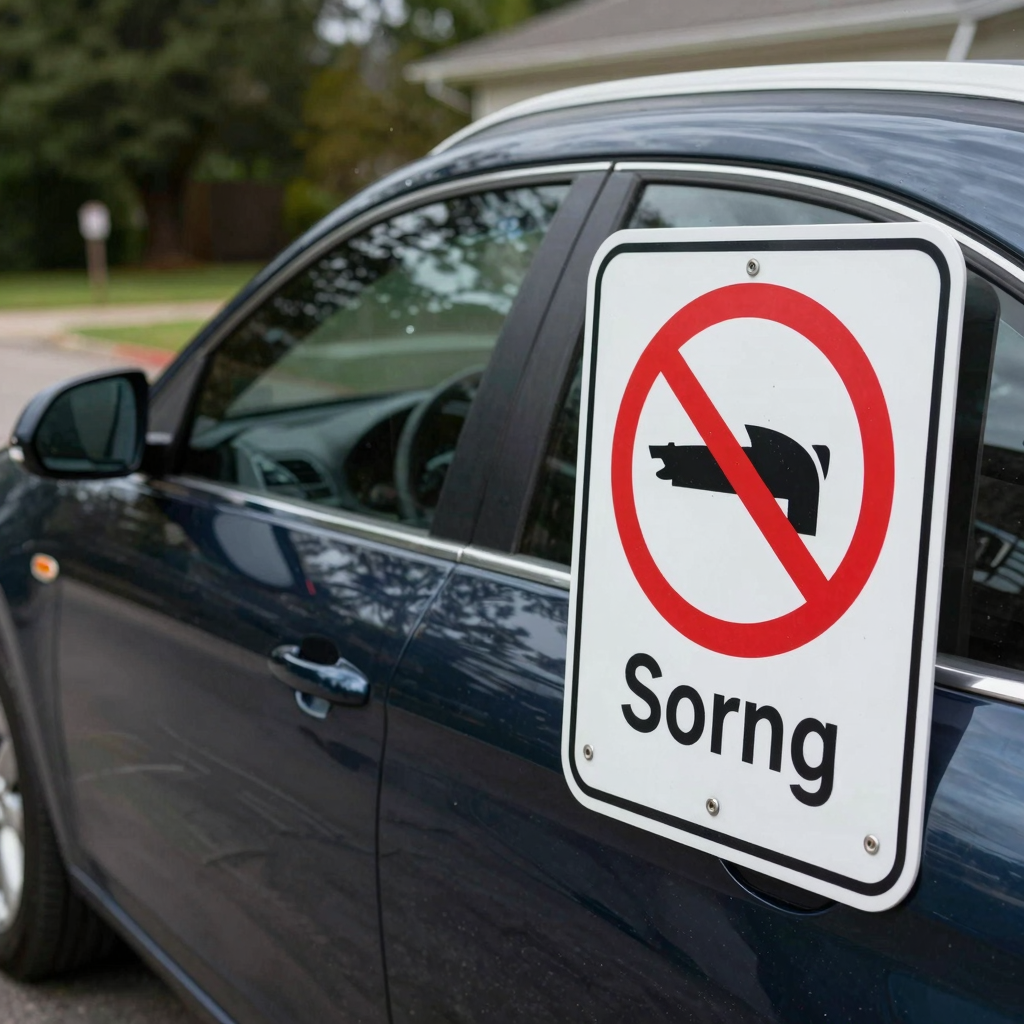
In a world where car thefts and unauthorized towing are on the rise, knowing how to protect your vehicle is more crucial than ever. Everyday drivers, property owners, and truck operators face the looming threat of unwarranted tow truck activity, raising concerns not only about the safety of their vehicles but also about the potential legal nightmares that can follow. Without proper knowledge, a moment of inattention or a misunderstood parking sign could lead to your vehicle being impounded, leaving you stranded and financially burdened. The relentless hustle of daily commuting and managing property can make anyone a target for these aggressive towing practices. It’s essential to arm yourself with effective strategies to prevent such predicaments before they happen. Whether you’re navigating busy city streets or managing a parking lot, understanding why and how tow trucks operate is vital to safeguarding your interests. This guide will provide you with valuable insights on how to stop a tow truck from stealing your car, ensuring you can drive with confidence and peace of mind. Learn more about emergency response training or understand more about towing ethics for a safer driving experience.
Common Reasons Cars Get Towed
Unauthorized towing can be frustrating and inconvenient. Here are some common reasons why cars get towed, which can help everyday drivers and property managers understand how to avoid such situations:
- Parking in a Fire Lane: Parking in designated fire lanes can lead to immediate towing. These areas must remain clear for emergency vehicles.
- Expired Registration or Inspection: If your vehicle registration or inspection sticker is expired, it may be subject to towing by local authorities.
- Unauthorized Private Lot Parking: Parking in private lots without permission can lead to towing, especially if signs are posted.
- Blocking Driveways or Access: Vehicles blocking driveways or access points for other drivers are often towed to ensure smooth traffic flow.
- Abandoned Vehicles: Cars that appear abandoned (flat tires, covered in dust) can be reported and towed.
Understanding these reasons can help prevent unauthorized towing incidents. For more on proper parking etiquette, learn more about towing regulations.
Legal Rights Against Unauthorized Towing
For residents and commuters, understanding legal rights regarding unauthorized towing is crucial to protect against potential losses and inconveniences. Across the United States, various laws and regulations provide significant protections, highlighting the obligations of towing companies and property owners.
Key Legal Protections
- Notice Requirements: When vehicles are parked on private property, property owners must display clear signage indicating towing policies. Signs typically must include specific wording that informs drivers of potential towing, including contact information for the towing company.
- For example, in California, signs must be no less than 17 inches wide and 22 inches tall.
-
Written Notification: If a vehicle is towed, towing companies are generally required to provide written notice to the vehicle owner within a certain timeframe, often 24 hours. This notice should include details about where the vehicle has been towed and how to retrieve it.
-
Justifiable Towing: Unauthorized towing is often illegal unless conditions like proper signage, valid lease agreements, or obstructive parking are met. If a vehicle is not parked illegally or is not actively causing an obstruction, towing may not be permitted. Residents have the right to dispute such actions.
-
Right to Challenge Fees: Residents and commuters can challenge towing fees through administrative hearings or small claims court, especially if they feel that their vehicle was unlawfully towed. Seeking reimbursement for fees incurred is a fundamental right in such disputes.
Relevant Laws and Regulations
- The National Consumer Law Center (NCLC) outlines that the absence of proper notifications or signage can result in a claim for reimbursement of towing fees and storage costs due to improper towing.
- The Federal Trade Commission (FTC) emphasizes that towing without legal justification can violate existing consumer protection laws, allowing consumers to report violations and seek action.
- State regulations, as compiled by LegalZoom, specify that laws vary by state, with some states imposing stricter requirements for notification and justification for towing, thus enhancing consumer protections even further.
Conclusion
Being informed of your rights can prevent unauthorized towing and mitigate related issues. Should you encounter a situation where your vehicle has been wrongfully towed, initiating a conversation with the towing company and referencing these legal protections is an essential step towards resolution.
- Always keep a record of your communication and any signage present at parking locations, as this evidence can support your case in disputes over towing fees or wrongful towing incidents.
Understanding these elements will empower drivers, whether residents or commuters, to safeguard their vehicles against unauthorized towing efforts effectively.
Comparison of Local Towing Company Policies
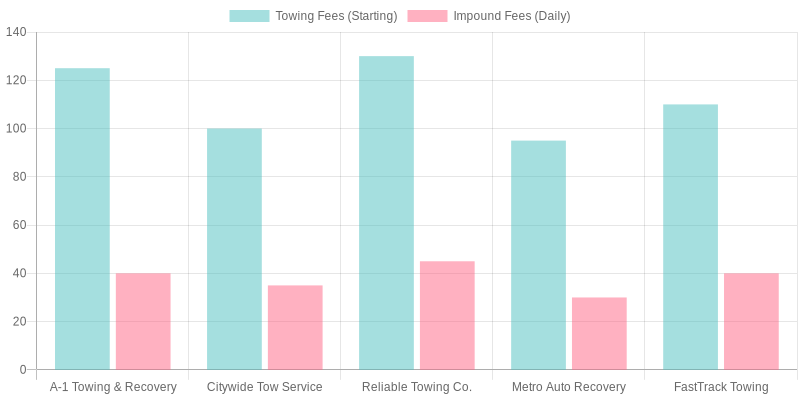
When faced with a towing situation, knowing the local towing companies’ policies can help you make informed decisions. The following table provides a comparison of the towing fees, impound fees, and hours of operation for various local towing companies:
| Company | Towing Fees (Starting) | Impound Fees (Daily) | Hours of Operation | Source |
|---|---|---|---|---|
| A-1 Towing & Recovery | $125 (base rate) | $40 per day | 24/7 | A-1 Towing Official Site |
| Citywide Tow Service | $100 (initial call-out fee) | $35 per day | 6:00 AM – 10:00 PM | Citywide Tow Service Consumer Report |
| Reliable Towing Co. | $130 (minimum charge) | $45 per day | 24/7 | Better Business Bureau – Reliable Towing Co. |
| Metro Auto Recovery | $95 (base tow) | $30 per day | 7:00 AM – 11:00 PM | Metro Auto Recovery Website |
| FastTrack Towing | $110 (flat rate for local tows) | $40 per day | 24/7 | FastTrack Towing Customer FAQ |
Note: Towing fees may vary based on distance, vehicle size, time of service (e.g., after-hours premium), and location within the city. Impound fees are typically charged daily and can increase with storage duration. Always confirm rates directly with the company before service.
For more insights on preventing towing issues, learn about various local towing company policies.
Prevention Strategies to Avoid Towing
Preventing your car from being towed requires a proactive approach and a solid understanding of local parking regulations. Below are practical strategies that individuals can implement to avoid the inconvenience of having their vehicle towed, particularly in residential areas, parking lots, and through effective personal vehicle management.
1. Understand Local Parking Regulations
- Familiarize yourself with the specific parking rules in your area. Each neighborhood may have different restrictions, such as no parking during street cleaning or designated no-parking zones.
- For emergencies or specific scenarios, you can refer to sites like The Balance Small Business to understand common residential parking rules.
2. Choose Secure Parking Areas
- Whenever possible, park in well-lit and secure parking lots or garages that offer monitoring. These locations are less likely to attract thieves and typically have staff who enforce parking rules.
- When parking in a residential area, ensure your vehicle is in a designated space that complies with local ordinances
3. Avoid Blocking Access
- Never park in a way that blocks driveways, fire hydrants, or crosswalks. Doing so is not only illegal but can often result in your vehicle being towed on the first complaint. Always check visible signage for additional restrictions.
4. Use Physical Deterrents
- Consider installing deterrents like steering wheel locks or wheel clamps. These devices not only protect against theft but also make towing more complicated and less likely.
- If your car has valuable items visible inside, consider concealing or removing them, as visible valuables can attract unwanted attention.
5. Stay Current with Vehicle Registration
- Ensure that all vehicle registrations, inspections, and insurance are current. Many towing situations arise due to expired documents or outstanding fees. Keeping all legalities in check significantly lowers the chances of being towed.
6. Leave Contact Information
- If you plan to park for an extended period, leave a note with your contact information on the windshield in case someone needs to reach you regarding your vehicle. This can prevent miscommunication and potential towing.
- Lastly, familiarize yourself with the resources provided by organizations like the AAA Foundation, which outlines how key actions can help avoid towing incidents. You can check their comprehensive guide here.
7. Plan Ahead When Parking
- Before heading to a new area, do a little research on local parking rules. Use maps to find parking limits and other restrictions that may affect your vehicle. By planning ahead, you can avoid accidental infractions that might lead to towing.
By implementing these strategies effectively, drivers can significantly decrease the likelihood of their vehicles being towed, especially in busy areas where parking enforcement is more rigorous.
Case Study: San Francisco’s Tow Truck Accountability Initiative
In 2023, the City of San Francisco launched an innovative program known as the Tow Truck Accountability Initiative, a pioneering effort to combat unauthorized towing effectively. This case study highlights the strategies employed by the local government and the impactful outcomes that followed.
Strategies Implemented
The Tow Truck Accountability Initiative was aimed at enhancing accountability and transparency in towing operations across the city. Key tactics included:
- Digital Manifest Requirements: All tow operators were mandated to log vehicle removals using a city-mandated mobile application. This initiative ensured that every tow was documented in real time, making it traceable and verifiable.
- Geofencing Technology: To prevent unauthorized towing in restricted areas, the city introduced geofencing technology. This provided real-time alerts whenever towing was attempted in prohibited zones, deterring misconduct by towing companies.
- Increased Penalties for Violations: The city significantly raised fines for unauthorized towing incidents. This financial consequence acted as a strong deterrent against illicit vehicle removals.
- Public Awareness Campaigns: Educational campaigns were initiated to inform the public about their rights regarding towing and the procedures for reporting unauthorized removals.
Outcomes Achieved
The implementation of these strategies produced remarkable results. Between 2023 and 2025, unauthorized towing complaints fell by 75%. Residents reported increased satisfaction with vehicle enforcement actions, as they felt more empowered and informed.
Furthermore, the city observed a notable improvement in community relations. Citizens began viewing their city’s transportation department as a stakeholder invested in their well-being, and the program became a national model for urban vehicle management.
Conclusion
San Francisco’s Tow Truck Accountability Initiative underscores the significance of combining technology with regulatory measures to prevent unauthorized towing effectively. As urban areas continue grappling with issues of vehicle removals, the insights gained from this case study can serve as a guiding framework for other cities aiming to implement successful towing prevention strategies. For additional insights on emergency response and vehicle management, learn more about urban safety initiatives.
Penalties for Improper Towing
Improper towing by companies can lead to significant legal ramifications and consequences that affect not only the towing companies themselves but also the drivers and property managers involved. Here’s an overview of the potential penalties and implications for improper towing.
Legal Consequences for Towing Companies
-
Fines and Penalties: Towing companies that fail to follow the law in towing scenarios can face substantial fines. In many jurisdictions, law enforcement and regulatory agencies impose fines for unauthorized towing, improper notifications, or failure to maintain necessary licenses. The cost of fines varies by location but can reach thousands of dollars.
-
Lawsuits: Drivers whose vehicles have been towed improperly have the right to sue towing companies for damages. This could include costs of vehicle retrieval, any damages incurred during towing, and even compensation for emotional distress. Such lawsuits can lead to costly settlements or judgments against the towing company.
-
Loss of License: In severe cases, regulatory authorities may suspend or revoke the towing company’s license if they are found in violation of towing regulations repeatedly. This action not only impacts current business but also hampers future operational opportunities.
-
Increased Scrutiny: Improper towing incidents can lead to an increase in scrutiny from regulatory bodies. Operators might find themselves subject to audits and reviews, which can create a hostile business environment.
Impact on Drivers and Property Managers
-
Financial Burden: Drivers facing improper towing must contend not only with the costs of retrieving their vehicles but also potential legal fees if they choose to pursue action against the towing company. This can be a sizable financial strain.
-
Public Image: For property managers, having frequent improper towing incidents can damage their reputation. Property owners and communities may see them as irresponsible, impacting tenant relations and property value.
-
Liability Issues: Property managers may also face liability claims if they were found complicit in improper towing practices. Ensuring proper towing contracts and compliance with local laws is essential to mitigate this risk.
In conclusion, the penalties for improper towing extend beyond fines, impacting businesses operationally, financially, and reputationally. It is crucial for both towing companies and property managers to adhere to proper towing protocols to avoid these consequences. For more in-depth strategies regarding emergency towing operations, you can learn more. Additionally, understanding ways to cut response time can also be beneficial for property managers when handling towing matters, which you can explore here.
“Unauthorized towing can lead to significant legal liabilities. Property owners or towing companies must adhere to strict procedures, including clear warning signs at the parking areas, ensuring towing services are performed by authorized agencies, and notifying the vehicle owner prior to towing. Any towing actions that violate these regulations are unlawful and can result in legal claims for damages and punitive damages.”
- Legal Expert Analysis, Illinois Towing Laws
Conclusion: Protecting Your Investment
In conclusion, safeguarding your vehicle from unauthorized towing is not just about avoiding inconvenience; it’s about protecting your financial investment. The emotional and financial stress that comes from dealing with an unexpected tow can significantly impact your daily life.
Understanding your local parking laws is paramount to preventing unauthorized towing incidents. Regularly check the signs in your area to avoid common pitfalls like parking in restricted zones or expired registrations. It’s also helpful to take proactive measures:
- Install visible anti-theft devices: A simple steering wheel lock or wheel clamp can deter opportunistic tow truck operators.
- Use secure parking facilities: Whenever possible, opt for monitored lots or garages that can provide an added layer of protection against towing by unauthorized companies.
- Keep contact information visible: Leaving a note with your phone number on the dashboard may also prevent tow trucks from acting prematurely, especially if your vehicle is parked legally but close to restricted areas.
- Stay informed about your rights: Knowing local regulations can empower you to act if you face unauthorized towing. For a comprehensive guide on vehicle security and towing prevention, check out this resource.
To further enhance your vehicle’s protection, consider exploring options offered by Summit Fairings. They provide high-quality protective products designed to shield your vehicle, making it a worthwhile investment to secure your car from threats, including unauthorized towing.
By taking the proper precautions and understanding your rights, you can significantly mitigate the risks associated with unauthorized towing. Don’t wait until it’s too late-invest in your vehicle’s safety today!
For further assistance on this topic, visit Winchester Tow Truck for expert advice and towing solutions.