
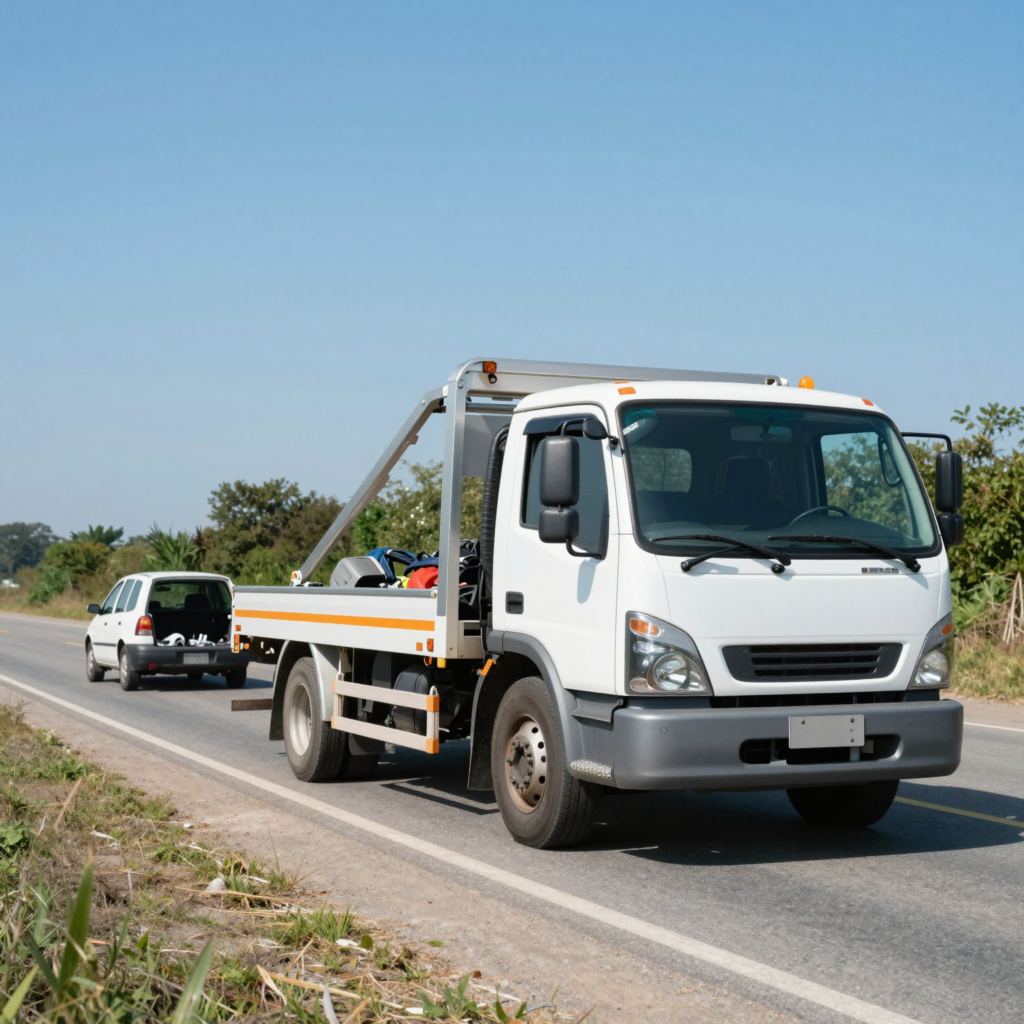
Imagine this: you’re driving down a quiet road when suddenly, your vehicle breaks down, leaving you stranded and vulnerable. That moment of uncertainty can be overwhelming, especially if you don’t know how to get a tow truck. For everyday drivers and truck owners alike, understanding the process of securing a tow truck is crucial. Not only does it provide peace of mind during unexpected breakdowns, but it also ensures your vehicle is safely moved to a repair shop. In this article, we will explore key insights on how to get a tow truck efficiently, from who to call and what information is needed, to tips on selecting a reliable towing service. Being informed empowers you to navigate these stressful situations with confidence, ensuring you’re never left helpless on the side of the road.
Common Scenarios Requiring Tow Trucks
Tow trucks play a crucial role when it comes to roadside assistance. Here are some common scenarios where a tow truck is essential:
- Vehicle Breakdowns: This includes mechanical failures like a dead battery, flat tires, or engine issues that leave drivers stranded on the road.
- Traffic Accidents: Involved vehicles often need towing, especially if they are overturned or blocking traffic.
- Misfueling: Putting the wrong type of fuel in a vehicle can require immediate towing to prevent engine damage.
- Locked Out: If drivers accidentally lock their keys inside their vehicle, a tow truck may be needed to unlock it.
- Overheating: Vehicles that overheat may need to be towed to a repair shop to prevent further damage.
Each of these situations illustrates why knowing how to get a tow truck is vital for everyday drivers and property managers alike. For more information about how to get assistance, check here.
Types of Tow Trucks
When you find yourself needing a tow truck, understanding the different types available can help you choose the right one for your situation. Here are the main types of tow trucks you will encounter:
1. Flatbed Tow Trucks
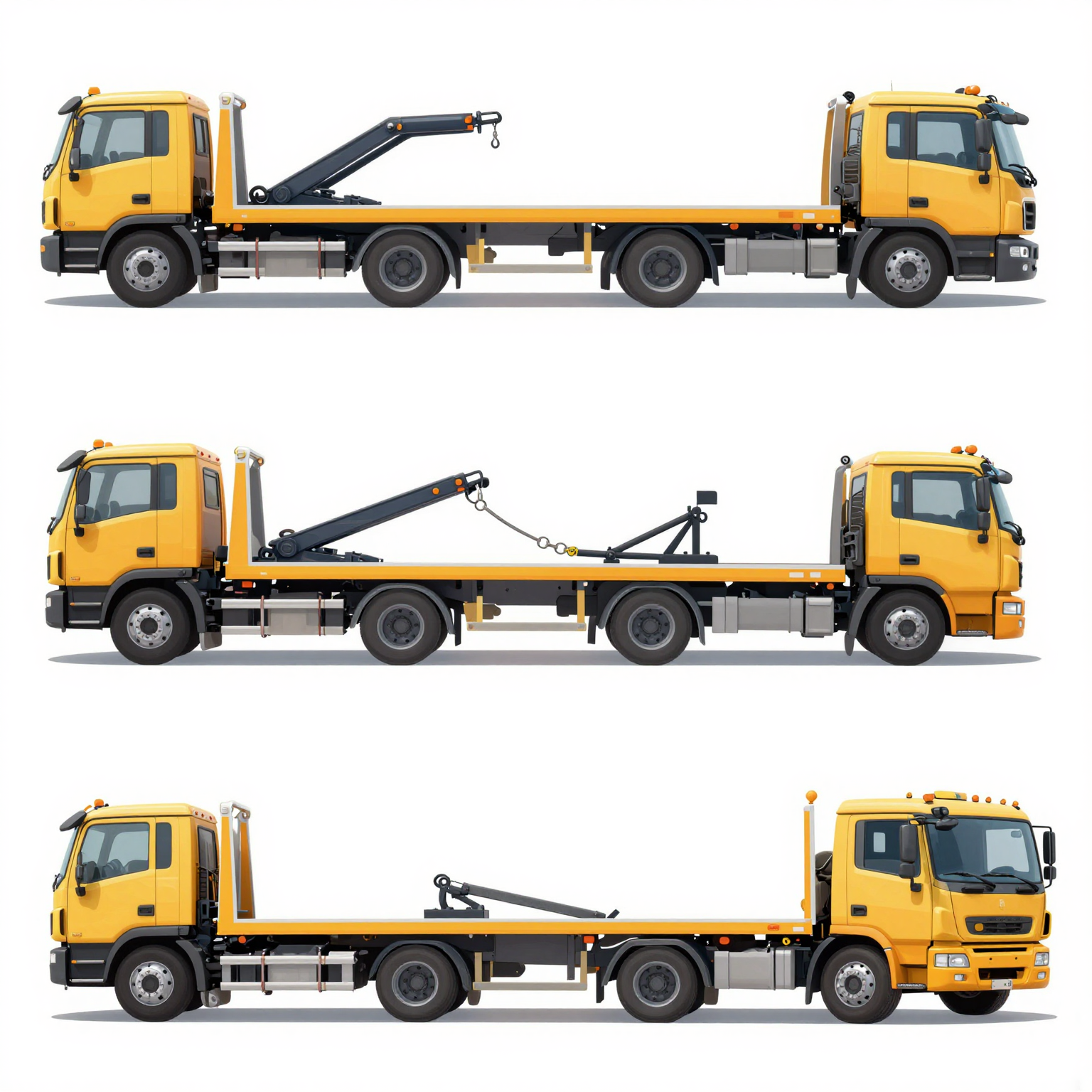
Flatbed tow trucks are among the most popular types due to their versatility and safety features. These trucks have a large platform that can be tilted to ground level, allowing the entire vehicle to be loaded onto the bed easily using a hydraulic system.
When to Use: Flatbeds are ideal for transporting high-value, luxury cars or heavily damaged vehicles, especially when further damage must be avoided. They are also commonly used for long distances.
Advantages:
- Minimizes risk of damage during transport.
- Can carry all-wheel and front-wheel drive vehicles comfortably.
- Provides a strong level of security, especially for non-running vehicles.
Disadvantages:
- They are typically more expensive than other types of tow trucks.
- Larger and may require more maneuvering space, making them less ideal for tight urban environments.
2. Hook and Chain Tow Trucks
Hook and chain tow trucks are one of the oldest designs, using a winch and chains to pull a vehicle by either its bumper or frame. The simplicity in design allows for quick responses and easy handling.
When to Use: These trucks are best suited for minor towing tasks where vehicles can be easily pulled without much risk of damage.
Advantages:
- Cost-effective and easy to maintain.
- Fast deployment, making them ideal for roadside emergencies.
Disadvantages:
- There is a higher risk of damaging the vehicle’s bumper or frame if not used correctly.
- Limited to vehicles that can be towed safely, often unsuitable for damaged cars.
3. Wheel-Lift Tow Trucks
Wheel-lift trucks utilize a hydraulic arm to lift the front or rear wheels of a vehicle. This design leaves the other half of the vehicle on the ground, making it easier to maneuver in crowded areas.
When to Use: Wheel-lift trucks are suitable for quick recoveries of non-damaged vehicles with functional wheels and axles.
Advantages:
- Faster setup and deployment compared to flatbeds.
- Requires less space for operation, which is ideal for urban settings.
Disadvantages:
- Can cause damage to tires and suspension if not handled properly.
- Not recommended for vehicles with severe mechanical issues that impair the wheels or steering.
Summary Table
| Feature | Flatbed Tow Truck | Hook and Chain Tow Truck | Wheel-Lift Tow Truck |
|---|---|---|---|
| Description | Hydraulic platform lifts entire vehicle | Uses chains to pull vehicle by bumper | Lifts front or rear wheels using arms |
| When to Use | For high-value or damaged vehicles | For minor, fast towing tasks | For quick recoveries of intact vehicles |
| Advantages | Minimizes damage, versatile | Low cost, fast setup | Faster deployment, space efficient |
| Disadvantages | Higher cost, less maneuverability | Risk of vehicle damage, limited use | Can damage tires, limited capacity |
Understanding these types of tow trucks is essential for making informed decisions during emergencies. If you’d like to learn more about specific towing needs, check out our guide on how to get a tow truck for valuable insights.
| Tow Truck Service | Average Speed of Service | Pricing | Service Area Coverage |
|---|---|---|---|
| National Towing Solutions | 22 minutes | $75-$150 | 300 miles nationwide |
| USA Tow | 28 minutes | $125 base fee + $2-$4 per mile | Major metropolitan areas |
| LocalPro Towing | 30 minutes | $110-$250 | 10-50 miles from hub |
How to Choose a Tow Truck Service
Selecting the right tow truck service is crucial for ensuring a smooth experience during a roadside emergency. Here are some key criteria to consider when making your choice:
1. Responsiveness
- Promptness: The average response time for tow truck services in the United States is around 28 minutes, but this can vary significantly based on your location. Urban areas often experience faster service, averaging 18-22 minutes, while rural regions may have wait times of 45 minutes or more due to fewer local providers. Ensuring that a towing company has a reputation for quick response times is essential, especially during emergencies when every minute counts. More information on response times can be found in this detailed study.
2. Licensing and Insurance
- Credentials: Always verify that the towing service is licensed and insured. This protects both you and the company in the event of any mishaps during the towing process. A reputable and professional service will provide you with proof of their licensing and insurance upon request.
3. Customer Reviews
- Feedback: Look for online reviews and testimonials from past customers. Platforms like Google, Yelp, and local forums can provide insights into how the company operates and how satisfied previous clients have been with their services. Pay attention to comments on punctuality, quality of service, and how well the staff handled their communications.
4. Range of Services
- Capabilities: Different towing situations may require specific equipment or expertise. Ensure the company can handle various scenarios, from flat tire changes to heavy-duty towing. This is especially important for property managers who might need regular towing services for unauthorized parked vehicles.
5. Cost Transparency
- Pricing: Seek a company that offers clear and upfront pricing without hidden fees. Ask for estimates before the service begins to avoid unexpected charges later.
By considering these factors, you can make a more informed decision and ensure that you or your property is well taken care of in a roadside emergency. For more insights, check out the section on emergency response training best practices.
“Reliable towing services are not just a convenience-they are a vital component of national road safety infrastructure. A study conducted in 2025 showed that delays in emergency towing responses increased accident-related fatalities by 18% on highways. Professional towing ensures vehicle stability during transport, prevents secondary collisions, and reduces traffic congestion, especially in urban areas.”
- Dr. Elena Martinez, Chief Safety Analyst at NHTSA
Learn more about towing services and their impact on safety
Practical Tips for Vehicle Owners to Prepare for Towing
When it comes to towing, preparation is key for a safe and efficient experience. Here are some essential tips that every vehicle owner should consider before hitting the road with a trailer in tow:
1. Understand Your Vehicle’s Towing Capacity
Before you tow anything, consult your vehicle’s owner manual to identify its towing capacity. This will help you avoid overloading your vehicle, which can lead to significant safety risks and potential damage. Ensure your tow hitch is rated for the weight of the trailer combined with its cargo.
2. Perform a Pre-Tow Checklist
A comprehensive pre-tow checklist should include the following:
- Fluid Levels Check: Inspect engine oil, coolant, and transmission fluid levels, as noted by the AAA Foundation.
- Tire Condition: Check the tread depth and inflation on both your vehicle and the trailer to ensure safety on the road.
- Brake System Functionality: Make sure that the brakes are working effectively, including the trailer brakes, to facilitate safe stopping.
3. Ensure Proper Hitch Setup
Make sure that the trailer is securely attached to your vehicle and that the hitch is locked. Faulty connections can lead to accidents. A thorough walk-around inspection is crucial to confirm everything is aligned correctly and functioning properly before you set off.
4. Prepare an Emergency Kit
Creating a vehicle emergency kit can be invaluable during unexpected incidents. The essential items to include are:
- Flashlight with extra batteries
- First aid kit
- Jumper cables
- Tire inflator and sealant
- Blankets and non-perishable food
- Water (one gallon per person per day for at least three days)
Check out the AAA emergency vehicle kit for more details on what to include.
5. Keep Updated Contact Information
Ensure that your contact information with roadside assistance services is up-to-date. If you find yourself in need of help, having current details readily available will speed up the process of getting assistance.
Conclusion
By following these tips, vehicle owners can set themselves up for a smoother and safer towing experience. Stay prepared and drive cautiously to ensure a successful journey with your trailer in tow.
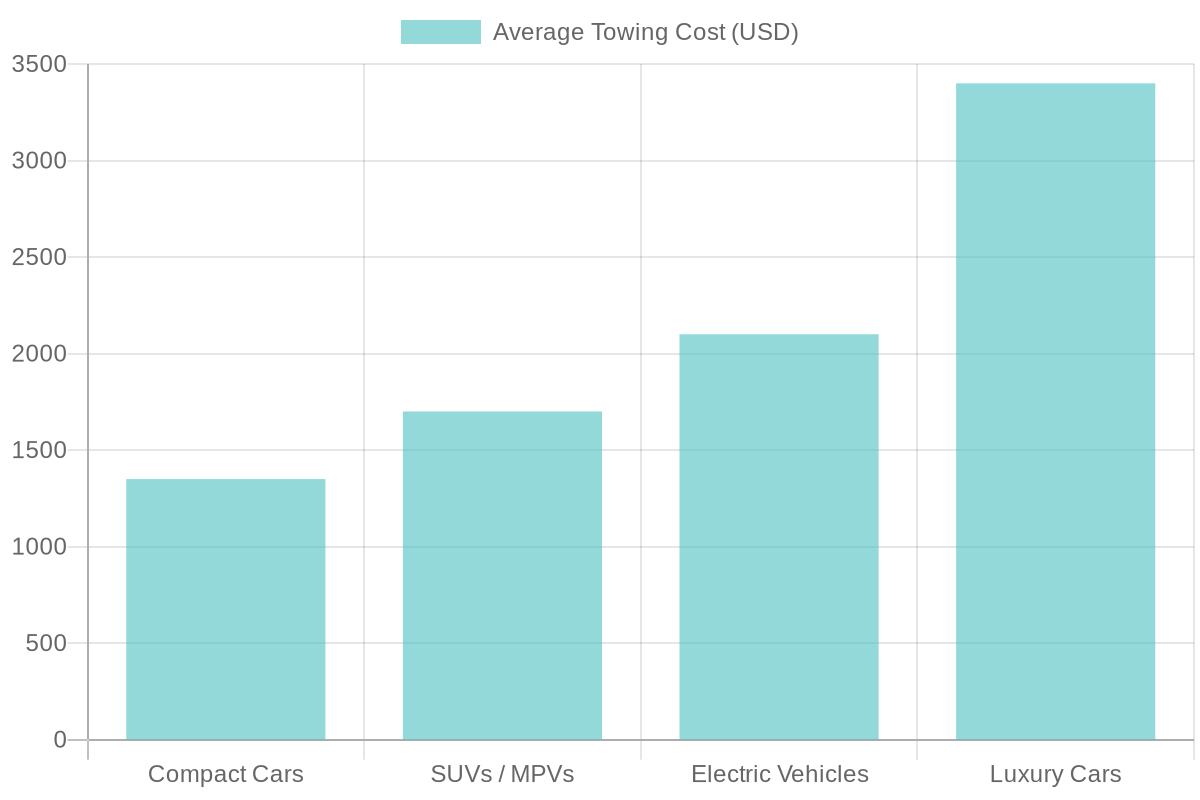
| Vehicle Type | Average Towing Cost Range (USD) | Additional Surcharge (if applicable) |
|---|---|---|
| Compact Cars | $1,200 – $1,500 | None |
| SUVs / MPVs | $1,400 – $2,000 | $200 – $500 |
| Electric Vehicles | $1,700 – $2,300 | $200 – $500 |
| Luxury Cars | $2,800 – $4,000 | $800 – $1,500 |
Source: Towing & Recovery Rate Chart 2024
In conclusion, being well-prepared for towing situations is vital for ensuring safety and efficiency on the road. Familiarizing yourself with the types of towing equipment, understanding the specific needs for different vehicles, and knowing the best practices can help prevent accidents. Always check your vehicle’s towing capacity and maintain proper communication with your tow driver for a smooth experience.
It’s not just about having a capable vehicle; it’s also about being equipped with the right accessories. This is where Summit Fairings truly comes into play-transforming your towing setup with reliable performance enhancements. Take the next step to enhance your vehicle’s towing capabilities, ensuring that you’re always ready for any roadside assistance needed. Whether for regular use or emergency situations, being prepared can make all the difference. Don’t wait until you’re in a bind! Check out Summit Fairings and elevate your towing experience today!