
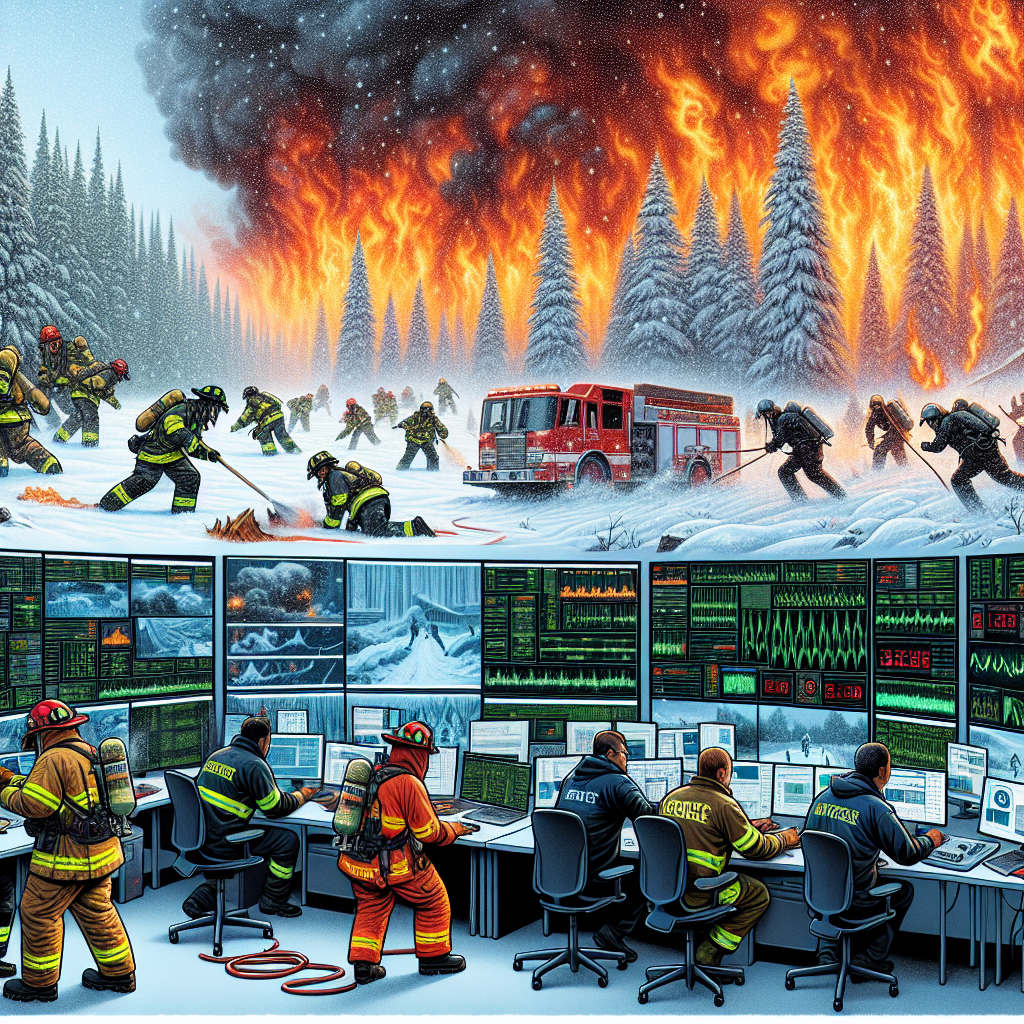
In today’s unpredictable world, the significance of emergency response training cannot be overstated for businesses aiming to safeguard not just their assets, but also their employees and customers. Emergencies such as natural disasters, technological failures, or civil disruptions can strike at any moment, leaving businesses vulnerable to unforeseen challenges.
Effective preparation is key; by incorporating comprehensive emergency response planning, organizations can enhance safety and security across various scenarios. This not only helps mitigate risks but also ensures business continuity, enabling companies to swiftly return to their operations following a crisis.
Investing in emergency response training fosters a culture of preparedness within the workforce, empowering individuals to act confidently when faced with emergencies. Ultimately, adequate planning and training are essential for navigating the complexities of today’s business landscape, where resilience is paramount to success.
Critical Emergency Scenarios to Prepare For: Wildfires, Snowstorms, and More!
Key Emergency Scenarios Businesses Should Prepare For
- Wildfires: Rapidly spreading fires can disrupt operations and pose serious threats to life and property. Businesses need to be aware of their geographical risks and have evacuation plans in place.
- Snowstorms: Heavy snowfall can severely affect transportation and access to facilities, leading to operational delays. Businesses should prepare employees on snow protocols and ensure that machinery is winter-ready.
- Roadside Crashes: For fleets, the risk of accidents on the road is ever-present. Having immediate response strategies, including training drivers on accident response and support networks, can minimize risks and enhance safety.
- Tech Outages: Dependence on technology means that system failures can lead to significant disruptions. Businesses must establish contingency plans for when critical systems, like communication and logistics software, fail.
- Civil Disruptions: Protests, riots, or other forms of civil disturbances can impact business operations. Maintaining communication with local authorities and having a plan for securing facilities can help mitigate risks.
- Border Blockages: When dealing with cross-border logistics, changes in regulations or disruptions can hinder transportation. Having flexible routing policies and alternative plans can ease delays in such scenarios.
- Infrastructure Failures: Issues such as power outages or water supply disruptions can severely affect daily operations. A robust business continuity plan must include strategies for handling infrastructure-related emergencies effectively.
Businesses that identify and prepare for these key scenarios can enhance their resilience and promote a culture of safety and preparedness among their employees.
| Scenario | Risks | Preparedness Strategies |
|---|---|---|
| Wildfires | Rapidly spreading fires causing operational disruption and danger | Geographic risk assessments; evacuation plans |
| Snowstorms | Heavy snowfall leading to transport delays | Employee training on snow protocols; ensure equipment readiness |
| Roadside Crashes | Accidents causing safety hazards and delays | Immediate response strategies; driver training; support networks |
| Tech Outages | System failures leading to significant disruptions | Contingency plans for technology failures |
| Civil Disruptions | Impact from protests or disturbances | Plans for securing facilities; communication with local authorities |
| Border Blockages | Transportation delays due to regulations or disruptions | Flexible routing policies; alternative logistics plans |
| Infrastructure Failures | Power and water supply issues disrupting operations | Business continuity plans; backup systems |
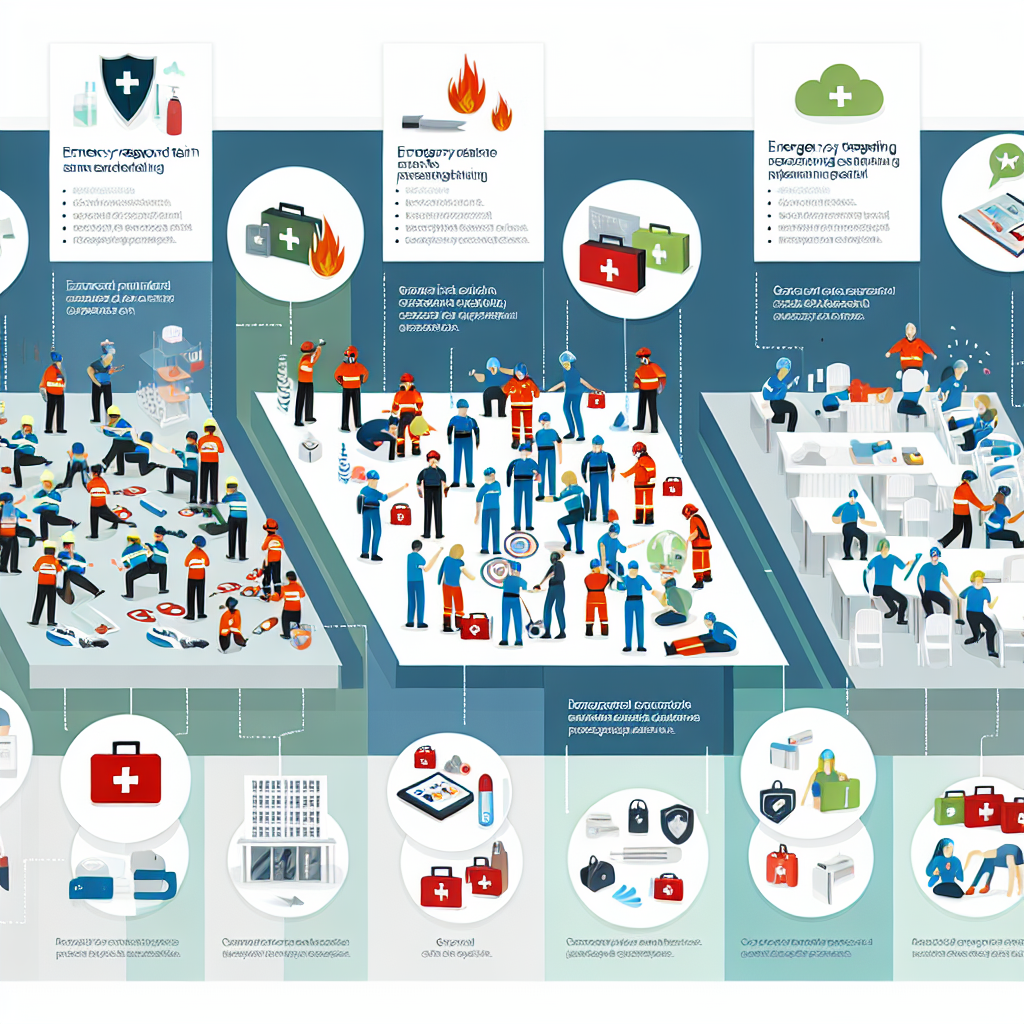
This infographic visually depicts various activities involved in emergency response training, emphasizing the importance of teamwork and preparedness in simulations and drills.
Best Practices for Training Drivers in Emergencies
Effective emergency response training for drivers is vital for ensuring safety and efficiency. Here are some key practices that organizations should follow:
- Structured In-Cab Training: This program teaches drivers essential skills for various emergencies. It involves practical lessons and simulations for real-life scenarios, from natural disasters to mechanical issues.
- Shadow Runs: After initial training, new drivers learn from experienced colleagues. This hands-on experience provides insights into real-world decision-making during emergencies.
- Psychological Preparedness: Training should include techniques for managing stress in high-pressure situations. Methods like stress inoculation training enhance decision-making under stress.
- Diverse Emergency Exposure: Training programs should cover various emergencies like wildfires and roadside crashes, helping drivers respond effectively when real situations arise.
- Ongoing Training Techniques: Regular refresher courses should be part of training, using methods like virtual reality simulations to reinforce skills and adapt to new challenges.
By implementing these best practices, fleets can create a culture of safety and preparedness, ensuring their drivers are ready for emergencies.
Understanding Technology Outages and Preparedness Plans
As businesses increasingly rely on technology for daily operations, the risk of technology failures has grown significantly. A 2025 Resilience Report indicates that about 55% of companies face service interruptions weekly, highlighting a pressing need for organizations to establish robust preparedness plans to mitigate these risks. Recent significant outages, including incidents at CrowdStrike and major cloud providers, have not only interrupted services across various sectors but have also resulted in substantial financial losses, costing companies billions. In fact, technology failures accounted for 28% of large insurance claims arising from business interruptions in 2025, underscoring the critical need for proactive strategies.
Preparedness Strategies for Technology Failures
To prepare for potential tech outages, businesses should implement the following strategies:
- Conduct Risk Assessments: Identify vulnerabilities in technological infrastructure and prioritize areas that are most likely to fail. This will guide the development of targeted contingency plans.
- Integrate AI Technologies: Leverage AI-driven tools for predictive maintenance, helping to avoid outages by identifying issues before they escalate. AI can analyze large datasets to detect anomalies in performance, allowing timely intervention.
- Establish Dynamic Routing Software: Implement dynamic routing systems that allow for rapid adjustments during outages. For instance, using AI algorithms in logistics can facilitate alternate routing for deliveries when primary systems fail, ensuring continuity.
- Develop Comprehensive Response Plans: Ensure that there are clear protocols in place for how to respond to technology failures, including who to contact, how to restore services, and how to communicate with stakeholders.
- Regular Training and Updates: Conduct regular training sessions for employees on response procedures specific to tech outages and encourage continuous education on the latest technological advancements.
- Diversification of Vendor Strategies: To reduce dependency on a single supplier, implement a diversified vendor approach for crucial tech services. This strategy is crucial in light of past outages that highlighted the risks of vendor concentration.
Case Study: Effective Use of AI and Dynamic Routing
An exemplary case is that of China Mobile, which achieved notable reliability in AI-based compute systems by implementing innovative dynamic routing technologies. These advancements reduced fault resolution time from days to mere minutes, clearly illustrating how integrating AI and dynamic routing can bolster a company’s preparedness against tech outages.
By prioritizing these strategies, businesses can enhance their resilience against technology failures, ensuring operational continuity and minimizing disruption during critical outages. As the landscape of technology continues to evolve, so too must the strategies organizations employ to safeguard against potential risks.
User Adoption of Telematics in Emergency Response
User adoption of telematics in emergency response fleets has seen a significant increase in recent years, with various studies highlighting the positive impacts of these technologies on safety and efficiency. As of 2023, 78% of emergency response fleets have implemented telematics systems, a notable rise from 62% in 2020. The adoption of telematics has led to an average reduction in response times by 18% and vehicle accidents by 32%, as agencies utilize features such as real-time routing optimization and driver behavior monitoring.
Telematics also enhances emergency medical services (EMS) capabilities. Data indicates that EMS fleets implementing telematics have experienced 22% faster response times to critical situations such as cardiac arrests. By employing dynamic routing techniques, these systems help avoid traffic congestion, ensuring that the closest units can respond more effectively. Furthermore, the use of telematics has been linked to a 15% increase in survival rates for time-sensitive emergencies, alongside a significant reduction in harsh driving incidents by 41%.
In fire departments, telematics integration has led to a reported 27% decrease in vehicle incidents during emergencies. The technology assists in real-time vehicle diagnostics to prevent failures while also improving fuel efficiency by 19%. Enhanced GPS tracking capabilities ensure that apparatus are optimally positioned during emergencies, contributing to overall safety.
Police departments have also benefited, reducing pursuit-related accidents by 35% through enhanced driver monitoring. Automatic alerts for officer safety and predictive maintenance capabilities have improved fleet availability by 24%, indicating better resource allocation during critical events. Overall, the adoption of telematics across these sectors aligns well with enhanced emergency response capabilities, contributing to a culture of safety and efficiency.
The Importance of Communication During Emergencies
Effective communication plays a crucial role in ensuring safety and coordination when emergencies arise. When crises occur, the ability to relay information swiftly and accurately can often mean the difference between effective response and chaos. For businesses, establishing robust communication protocols is not just beneficial but essential.
Critical Role in Coordination
In emergencies, response teams must collaborate seamlessly, sharing critical information and updates in real-time. Any breakdown in communication can lead to confusion, potential delays in response, and increased risk to personnel and property. Ensuring that all team members are on the same page enhances resource allocation and optimizes response efforts.
Mitigating Obstacles
In chaotic situations, several obstacles may hinder information flow, such as miscommunication or technical failures. Businesses can mitigate these challenges by implementing streamlined communication channels that prioritize clarity and accessibility. By fostering an environment that encourages open dialogue, teams are better prepared to make informed decisions under pressure.
Establishing Clear Protocols
Organizations should develop clear communication protocols that detail how information should be disseminated during emergencies. This framework may include designated communication leads who manage information flow, ensuring that updates are sent promptly and efficiently. Training all employees on these protocols is equally essential, enabling everyone to understand their role in communication during a crisis.
Creating Contact Lists
Maintaining an up-to-date contact list is vital for emergency scenarios. Businesses should compile a comprehensive list of internal stakeholders and external partners that includes emergency contacts, along with their roles and responsibilities. Regularly updating this list helps ensure that no critical communication links are overlooked during emergencies.
Role of Technology
Leveraging technology can significantly enhance communication during an emergency. Businesses can utilize centralized communication platforms that allow for real-time messaging, status updates, and notifications. These tools help streamline communication, reducing the risk of missed updates and facilitating easier collaboration amongst teams. The integration of technology not only aids in efficient information dissemination but also contributes to the overall resilience of the organization’s response framework.
By prioritizing effective communication, businesses can improve their emergency response capabilities, ensuring that they are prepared to tackle crises efficiently and effectively.
Incorporating the insights of industry experts can enhance the value of emergency response training discussions. As Mo Baki, a seasoned professional in emergency management, aptly stated, “Expect the unexpected.” This principle underscores the necessity of comprehensive training programs that prepare personnel for a range of emergency scenarios, from wildfires to tech outages.
Eugenia Churilov, another respected voice in the field, emphasizes, “Every business should be prepared for disaster, and it’s important to have a business disaster recovery plan.” This statement is a reminder that a structured approach to emergencies not only aids immediate response but ensures long-term recovery and resilience.
Furthermore, Baki notes, “Anything helps, it’s just a matter of how we use it.” This highlights the necessity of adapting training and technology to the demands of various emergency situations, reinforcing the idea that preparedness is not a one-size-fits-all solution but should be tailored based on specific needs and contexts.
By weaving these expert insights throughout relevant sections of the article, readers gain a clearer understanding of the critical components of emergency response training and the overarching philosophy of preparedness. Implementation of these best practices will ultimately foster a culture of safety and resilience within organizations.
For instance, during training sessions that cover various emergency scenarios such as natural disasters or road collisions, Baki’s advice to “expect the unexpected” may inspire trainers to include unexpected situational questions, encouraging employees to think critically and adjust their responses accordingly.
Moreover, Churilov’s assertion regarding the importance of a business disaster recovery plan serves as a critical reminder during discussions surrounding the importance of comprehensive business continuity plans, which ultimately lay the groundwork for effective responses. While implementing new technologies like telematics, the reminder from Baki that “anything helps” motivates teams to focus on using every resource effectively rather than getting overwhelmed by tech choices.
Incorporating expert insights makes discussions more enriching, ensuring that employees appreciate the broader context of their training while instilling a culture of preparedness that goes well beyond procedures. In doing so, organizations can cultivate an environment where safety and responsiveness are prioritized, making them better equipped to handle emergencies in real-time.
In conclusion, the necessity of emergency response training and planning cannot be overstated for today’s businesses. By investing in rigorous emergency training, organizations equip their employees with the knowledge and skills essential for navigating unexpected crises, ultimately fostering a safer workplace and enhancing overall operational resilience.
The benefits are clear: businesses with strong emergency preparedness measures see reduced response times to incidents, improved employee confidence, and a more secure environment for all stakeholders involved. Moreover, cultivating a culture of preparedness not only protects assets but also enhances team collaboration and morale.
As we navigate a landscape fraught with uncertainties—from natural disasters to technological failures—proactive measures in emergency response planning are crucial. It is imperative for businesses to continually assess and improve their emergency protocols, ensuring that they are not only ready for today’s challenges but also adaptable to the unknowns of tomorrow.
Empower your workforce and protect your enterprise by prioritizing emergency response training today.

A visual representation showcasing emergency preparedness, featuring a checklist and a safety kit that includes first-aid supplies, food provisions, flashlights, and water.
Common Misconceptions About Emergency Response Training
Understanding the various aspects of emergency response training is crucial for fostering preparedness in organizations. However, several misconceptions can prevent businesses from fully realizing the benefits of such training. Below are some common misunderstandings:
-
Emergency Response Training is Only for First Responders
Many individuals believe that only first responders, such as firefighters and paramedics, require emergency response training. In reality, all employees should have basic emergency response training to ensure a coordinated and efficient response to crisis situations within the workplace.
-
Once Trained, Always Prepared
A prevalent misconception is that emergency response training is a one-time requirement. In truth, training should be revisited and updated regularly to account for new situations, technology, and lessons learned from past incidents. Without ongoing education, staff may become complacent or forget key procedures.
-
Technology Can Replace Training
While technology plays a vital role in modern emergency response—such as through the use of telematics and AI—it cannot replace the need for comprehensive training. Human decision-making and adaptability in unpredictable scenarios are essential, and technology should serve as an aid rather than a substitute for thorough training.
-
Training is Not Necessary for Small Emergencies
Some organizations underestimate the importance of training by believing that small emergencies do not warrant preparation. However, even minor incidents can escalate quickly. Comprehensive training ensures that all employees remain vigilant and capable of managing situations effectively before they develop into larger crises.
-
Emergency Response Training is a Burden
There is a belief that emergency response training is an added burden that takes time away from regular work duties. However, organizations that prioritize such training often find that it leads to increased employee confidence and a greater sense of security, which ultimately enhances productivity and morale.
By debunking these misconceptions, businesses can better appreciate the importance of emergency response training as a critical aspect of organizational resilience. Investing in comprehensive training and fostering a culture of preparedness can significantly enhance safety and efficiency during emergencies.
Call to Action
Prepare your business for the unforeseen by prioritizing crisis management and emergency preparedness. Invest in comprehensive emergency response training today! Enrich your team’s skills and build a resilient organization that can effectively respond to any crisis. Don’t wait for an emergency to strike; take proactive measures now to ensure the safety and security of your employees and operations.
Outbound Links for Credibility
- National Response Framework by FEMA – This framework serves as a guide on how the nation responds to various disasters, outlining roles and responsibilities for effective incident management.
- Emergency Response Best Practices and Guidelines from OSHA – A comprehensive resource detailing emergency action plans, evacuation procedures, and the importance of risk assessment and communication protocols.
- Core Competencies for Emergency Responders – This guideline from NAEMT highlights key competencies and training methodologies essential for emergency medical responders.
- INSARAG Guidelines – Provided by the UN OCHA, this source outlines best practices for international urban search and rescue teams and standardizes disaster response methodologies.
- Principles of Emergency Management Supplement from IAEM – This document presents eight principles essential for effective emergency management, promoting a holistic approach to disaster response and training.