
The towing capacity of a 1.2-ton truck can have significant implications for everyday driving, transportation, and various work-related tasks. Understanding how much a half-ton truck can tow is essential for truck owners, commuters, and auto repair professionals alike. This article delves into the key specifications that determine towing capabilities, examining engine and drivetrain configurations, the myriad factors influencing these capacities—such as suspension systems, hitch setups, and more. Additionally, we will compare the towing capabilities of 1.2-ton trucks against those of other truck classes to provide a comprehensive overview for residents, truck owners, and property managers. By the end of this exploration, readers will have a clearer picture of what their trucks can handle, enabling informed decisions for both personal and professional transport needs.
null
null
Weight, Wheels, and Hitches: How Suspension, Power, and Setup Define a 1/2-Ton Tow
Towing with a 1/2-ton truck is a dance between margin and capability. The headline figures—roughly 10,000 to 14,000 pounds of trailer weight, depending on engine, transmission, and configuration—sound straightforward enough. Yet the real story unfolds in the margins where suspension, hitch, cooling, brakes, and even road conditions determine what you can safely haul. For readers keeping score, the factory-rated towing capacity provides a starting point, not a guarantee. It is the ceiling the manufacturer expects you can approach when your truck is equipped and operated exactly as specified. The magic number, in other words, is not carved in stone; it is a function of systems working in harmony. This nuance matters because the same truck can behave very differently when you swap tires, change the axle ratio, or install a different hitch. The numbers matter, but so do the conditions under which you use them. And those conditions are rarely identical across loads, days, or roads. When you look at the official towing capacity, you are looking at a designed, tested limit that assumes ideal pairing of components and careful, measured use. The practical lesson is simple but profound: you cannot push the ceiling without adjusting the floor. If you want a crisp sense of what a 1/2-ton pickup can actually haul, you have to think through the entire chain from engine torque to trailer braking. It is not enough to know the top line; you must understand how the line is constructed and what can push it up or pull it down in the real world. In this chapter, we will trace that chain with a steady voice: suspension, hitch configuration, powertrain, chassis, and auxiliary systems, all tied together by how you plan and execute a tow.
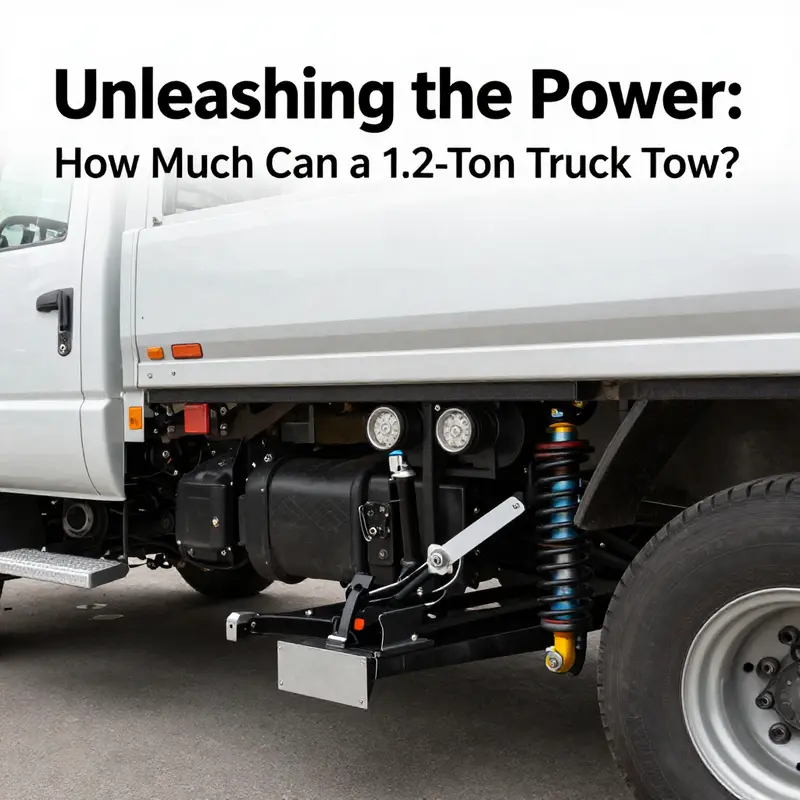
Suspension is the stage where weight begins to meet road. A truck’s springs and dampers are designed to manage load transfer and keep tires in contact with the pavement. When you tow, weight shifts toward the rear axle, which can cause the back end to sag if the suspension isn’t up to the task. Sagging does not only feel uncomfortable; it changes how the trailer tracks behind you. It can reduce steering feedback and, more critically, alter weight distribution across the axles. A well-matched suspension—heavy-duty springs, reinforced shocks, and, when appropriate, upgraded stabilizer bars—helps maintain a balance that keeps the tires handling their share of the load. Without that balance, handling deteriorates, tires wear unevenly, and the risk of sway or jackknife conditions increases. These outcomes are not just theoretical; they are the kinds of issues that show up as you push the limits of the rated capacity on long highway pulls or winding backroads with variable grades. The message here is plain: if your towing plans include frequent or heavy loads, consider a suspension setup designed to support that work. It is a preventive investment that pays back in stability and control.
The hitch is the second pillar in this structure, and it deserves careful attention. A weight-distribution hitch, in particular, plays a pivotal role when you approach the higher end of the capacity. It spreads the trailer’s tongue weight across both axles of the tow vehicle and the trailer, helping to preserve steering control and braking effectiveness. Manufacturers highlight this distinction with numbers: the top towing figure often relies on the use of a weight-distribution hitch, whereas without it, the same truck may only be safely capable of a fraction of that maximum. In practical terms, if you are planning to tow near the upper limits, you need a hitch system that distributes weight in a precise, calibrated way. The wrong setup—insufficient hitch capacity, incorrect ball height, or poor sway control—can make a heavy trailer feel unstable, even with a strong engine and a robust transmission. The hitch is not a cosmetic add-on; it is a live, working part of the system that governs how weight and inertia move through the towing setup.
Power and drivetrain couple the machine to the road, and they are often treated as the most straightforward determinants of capability. Engine torque, transmission design, and gearing all influence how a truck responds when pulling a heavy load. A higher-torque engine with a well-mrated transmission can accelerate with a load more confidently and keep engine speeds within a safer band during climbs. The axle ratio matters here too, because it determines engine speed under load. A taller gear ratio can improve pulling power at the cost of higher engine RPM and potentially more heat buildup. Conversely, a lower ratio might preserve efficiency on level roads but strain the engine more on grades. Braking capacity ties into this triad as well. When you tow, you rely on trailer brakes or a controller to supplement the truck’s braking effort. The combination of engine power, transmission behavior, and braking synergy creates the overall safety margin you will notice when negotiating hills or heavy curves. If any one piece of this trio is slightly off—an under-tuned transmission, marginal engine cooling, or brakes that are not up to the heat load—the whole towing arrangement loses some of its resilience. The key takeaway is that power alone does not guarantee performance; it must be matched to the rest of the system and to the job at hand.
Cooling, while often overlooked, is a quiet but essential guardrail for any heavy-tow scenario. When you pull a significant load up a long grade or maintain speed on a hot day, the cooling system must absorb heat from the engine and transmission and keep temperatures within safe ranges. If cooling lags, the risk is not only reduced performance but potential protective shutoffs that limit capacity. The pattern is simple: a truck spec’d to tow a certain amount assumes no overheating or torque limiting. If the cooling system is marginal, filled with old coolant, or otherwise compromised, the effective towing capacity is lower than the label. The same logic extends to the braking system, where heat buildup on long downgrades or repeated stops can degrade performance. A properly maintained braking system, with appropriate fluid, pads, and ventilated rotors, can maintain consistent performance and preserve the vehicle’s tow-ready state.
If you want a clear sense of how all these factors come together in practice, consider the tongue weight rule of thumb and the way trailer weight translates into load on the tow vehicle. Tongue weight—roughly 10 to 15 percent of the trailer’s total weight—must be managed so that it does not overwhelm the rear axle or undercut steering and braking. A trailer weighing 12,000 pounds, for example, would impose a tongue load of about 1,200 to 1,800 pounds. That weight is not meant to ride entirely on the rear bumper or the hitch; rather, it should be distributed so the front wheels still carry a meaningful portion of the load, enabling steering response and consistent tire contact with the road. If the tongue weight is too high, it can push the front wheels harder into the road, potentially reducing steering feel and increasing the risk of fishtailing or instability at speed. If the tongue weight is too low, the trailer can feel light behind the truck, leading to sway and reduced control. The optimal range depends on the trailer’s design, the tow vehicle’s suspension, and the hitching hardware. The balance point is achieved when the vehicle maintains good tire contact, predictable steering, and dependable braking.
All these mechanical and structural considerations are not just numbers on a spec sheet; they translate into planning steps you can take before you hitch up. The first and most practical step is to verify your vehicle’s official towing capacity in the owner’s manual or on the specification placard. This figure establishes the maximum trailer weight you should consider under ideal conditions with the correct equipment. Next, confirm that your hitch setup can legally and safely reach that capacity. If you are aiming for the higher end of the range, you almost certainly need a weight-distribution hitch that matches the trailer’s weight class and the tow vehicle’s frame design. Third, evaluate the suspension and the overall condition of the truck. Worn shocks, sagging springs, or compromised sway control can all degrade towing safety, even if the engine and transmission are up to the task. Fourth, inspect the cooling system and braking components. High-load towing is a sustained exercise in heat management, and any weak link is magnified by the extra effort demanded during towing. Fifth, remember that payload capacity matters. The truck’s payload rating—how much weight it can carry in passengers, cargo, and certain equipment—reduces the available headroom for towing. If you fill the cab with occupants or carry a heavy payload, you cut into the reserve that normally protects the drivetrain and braking system when towing.
This broader perspective helps move the discussion from isolated numbers to responsible practice. It also invites a more precise approach to planning trips and choosing loads. If a particular trailer is close to the upper end of the rated capacity, you should plan routes with fewer grade changes, gentler curves, and more frequent cooling checks. You should also ensure you have the right accessories—hitch pins that are rated correctly, sway control devices appropriate for the trailer’s dynamics, and a brake controller that matches the trailer’s braking requirements. The practical upshot is clarity: the safe towing capacity of a 1/2-ton truck is not a single figure but a function of how well the entire system—suspension, hitch, drivetrain, and cooling—matches the trailer and the road you intend to travel. As you become more experienced, you’ll learn to read the signs of overload in real time: the feel of the steering, the way the truck sits in its lane, the way the brakes respond to a downhill run, and the cadence of the transmission as it shifts to higher gears on long grades. Each cue is a sensor telling you that a tweak to setup or load is needed before continuing.
For readers who want to explore practical comparisons and real-world planning, a detailed guide on towing considerations and setup can be a useful companion. It covers how to evaluate a specific configuration, how to select an appropriate hitch, and how to size the trailer for the truck’s capabilities. You can explore more about this topic at how-much-can-my-truck-tow. This resource helps ground the technical discussion in actionable steps and enables you to translate the theory of suspension, hitch, and power into safer, smarter towing decisions. In addition to the technical checks, it is important to maintain an ongoing habit of inspection. Regularly inspect tires for proper load rating, inspect the hitch and coupler for wear, and verify the brake controller calibration. These checks reduce surprises and keep your towing experience predictable and safe over the long haul. The goal is steady, controlled movement rather than surges of power and abrupt lane changes under load.
When all these elements align, a 1/2-ton truck can deliver consistent, confident towing performance across a wide range of trailers. The capacity is not merely a fixed number but a reflection of careful equipment, proper setup, and attentive operation. The strongest takeaway is not to chase the ceiling without checking the floor. Before you tow, verify the manual, assess the hitch and suspension, and consider the trailer’s weight distribution. It is a simple discipline that yields consistent results and significantly reduces the likelihood of overload, overheating, or loss of control. For further reading that ties these concepts to safety and setup, see the external resource linked below. The chapter’s emphasis remains clear: the true towing capacity of a 1/2-ton truck emerges from the sum of its parts working in concert, not from a single line on the spec sheet.
External resource: https://www.equalizer-hitch.com/towing-safety-guide
Tow Limits in Plain Sight: How a 1.2-Ton Class Light-Duty Truck Stacks Up Against Real-World Hauling
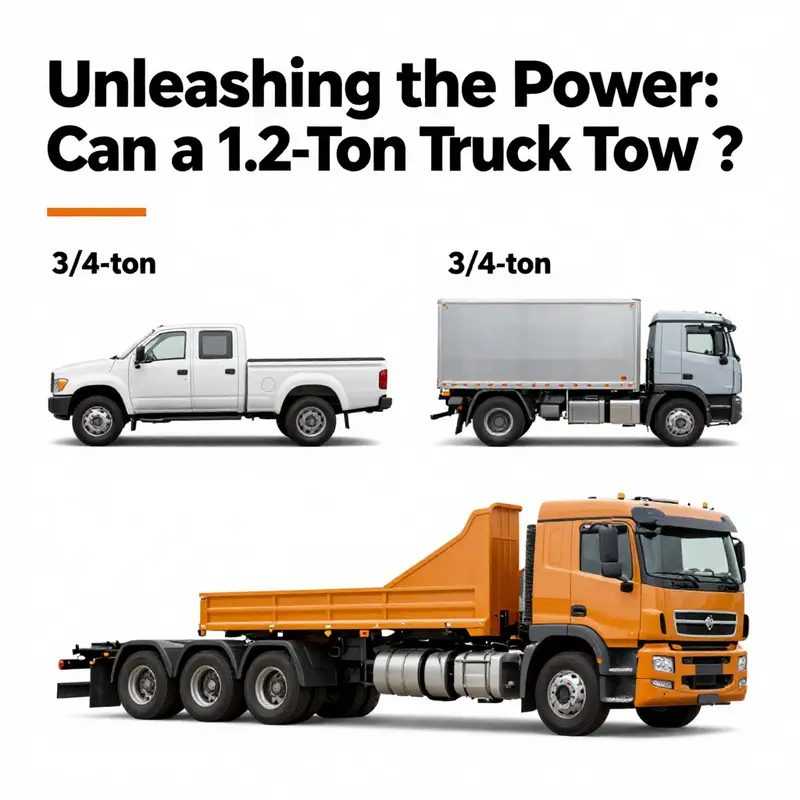
The term 1.2-ton truck sits at a curious crossroads in today’s pickup landscape. The old half-ton label was a blunt guide to payload, a rough yardstick for what a truck could carry in its bed and in passengers without tipping into unsafe territory. Modern light-duty pickups — still marketed as half-ton by many, but engineered with more torque, tougher transmissions, and stronger suspensions — often tow more than their curb weight would suggest. The official tow rating you see on the door placard or in the manual typically ranges from about 10,000 to 14,000 pounds, but that range is conditional. It depends on engine torque, transmission design, rear-axle ratio, cooling capacity, drivetrain configuration (RWD vs 4WD), and the trailer, hitch, brakes, and weight distribution you pair with the truck. The rating reflects a system, not a single number, and it is earned under specific test conditions with the proper equipment and with a trailer configured to the truck’s braking and steering needs.
To understand what a 1.2-ton class truck can actually do on the road, start with the premise that the half-ton label is a convention that engineers have evolved beyond. When equipped properly, many of these pickups can approach or reach a ceiling near the mid-teens in thousands of pounds, often around 12,000 to 13,500 pounds, for well-configured builds that include the right engine, a capable transmission, a balanced suspension, and a trailer designed to work with the combination. The precise figure for any given truck depends on more than curb weight or chassis strength; it is a function of torque delivery, gear ratios, trailer braking requirements, and the payload in the cab and bed.
In practice, the factory rating is the ceiling under ideal conditions: a trailer with functioning brakes, a properly matched hitch and weight distribution, and a load that respects both the trailer’s own weight rating and the tongue weight the truck can handle. The payload remains important, but it is not a sole predictor of tow capability. The most common pitfall is treating GVWR as the only limit; the relevant ceiling for towing is GCWR—the vehicle plus trailer weight when fully loaded—since overloading that figure can compromise brakes, steering, and engine cooling.
Beyond the numbers, there are practical considerations that vary by model. Some 1.2-ton trucks crest around 13,500 pounds when options align, while others sit closer to 10,000 or 12,000. The margin matters because upgrades such as a torque-rich engine, a heavier-duty transmission cooler, improved trailer braking, and a weight-distribution hitch can expand practical capabilities, while aggressive driving, heavy payload in the cab, or poorly matched trailers tighten the margin.
Non-tow factors also influence real-world capability: tongue weight and its distribution across the hitch, the trailer’s brakes and electrical system, the tow vehicle’s suspension tuning, and the driver’s discipline during acceleration, climbs, and braking. A properly tuned weight-distribution hitch and a trailer brake controller can improve stability and stopping performance as the load grows.
If you want a practical takeaway, think of the upper end of typical 1.2-ton configurations as a ballpark around 12,000–13,500 pounds, ample for many everyday tows with the right equipment, yet a signal to consider stepping up a class or adjusting the trailer if your needs approach the limit.
For planning, the safest path remains straightforward: check the exact vehicle’s tow rating for your configuration, understand GCWR versus GVWR, and evaluate your trailer’s weight, tongue weight, calculated braking requirements, and planned payload. The numbers matter, but how you pair the truck with the trailer matters just as much for safe, predictable towing.
Final thoughts
In conclusion, understanding the towing capacity of a 1.2-ton truck encompasses various factors that range from engine specifications to proper setup enhancements. Truck owners, residents, and auto professionals can better appreciate these dynamics and make informed choices based on their specific needs. By recognizing how each aspect contributes to towing potential, users can optimize their truck’s capabilities, ensuring safety and performance in every hauling scenario. This awareness not only enhances the driving experience but also instills confidence in handling various transportation tasks.