
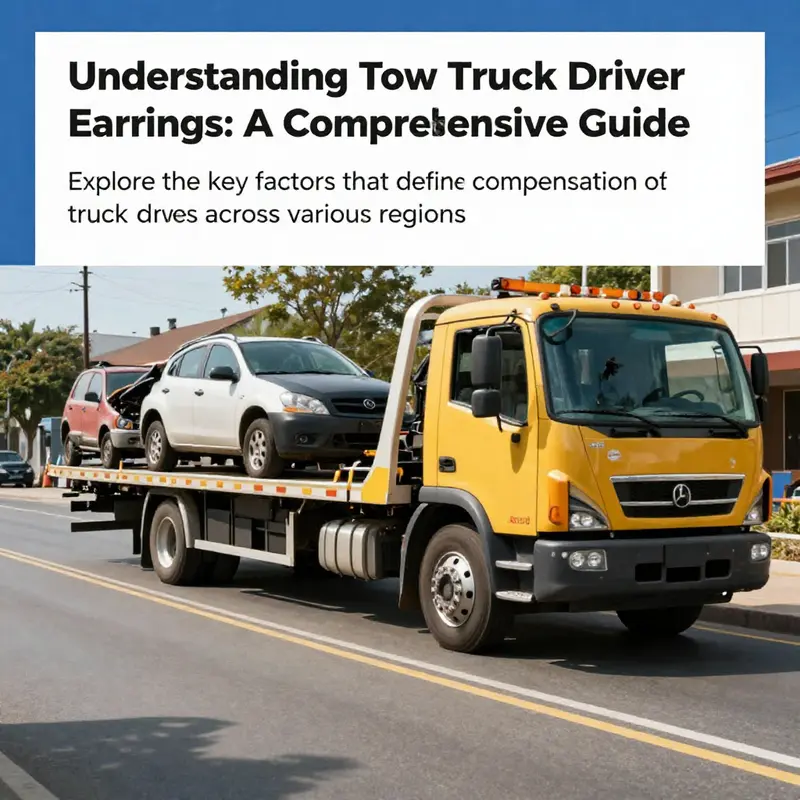
Tow truck drivers play a crucial role in maintaining safety on the roads and providing immediate assistance to vehicles in distress. Understanding how much these professionals earn is vital for those involved in the automotive and transportation sectors, including everyday drivers, property managers, and auto repair shops. This guide will delve into the intricate world of tow truck driver salaries. Chapter one will explore geographic variability, illustrating how location impacts earnings. Chapter two will investigate the factors influencing pay scales, highlighting differences in employer expectations and driver experience. Moving forward, we will perform a comparative analysis between Canadian and U.S. tow truck driver wages, showcasing the benefits and challenges unique to each market. Finally, we will summarize the current job opportunities available for tow truck drivers, including the compensation trends of specific companies and regions, complete with tips for potential candidates looking to maximize their earnings. Each chapter provides insights that paint a comprehensive picture of what tow truck drivers can expect to earn in today’s economy.
null
null
Wages in Motion: The Real Drivers Behind Tow Truck Pay Across Regions, Employers, and Roles
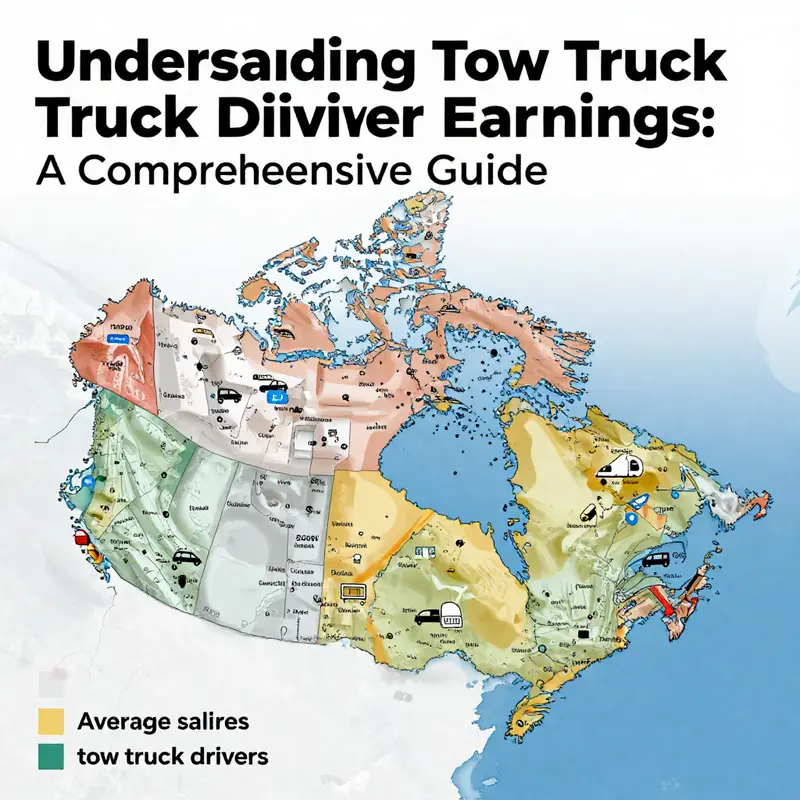
The pay a tow truck driver can expect is not a fixed figure. It moves with geography, the kind of work being done, who employs you, and how you structure your own earnings—whether you drive for a company, a municipal fleet, or yourself. When we pull the data together, a clear picture emerges: the numbers you see on a wage chart are less about a single hourly rate and more about a web of conditions that determine how much money lands in a driver’s pocket week after week. In British Columbia, for example, the baseline appears to be around the high teens per hour, with notable variations by city and employer. The average hourly wage in BC sits near $17.85, a figure that coincides with the national Canadian average. Yet, the same stretch of coastline can deliver noticeably higher or lower numbers depending on where you stand. In Richmond, BC, the story shifts: the average climbs to about $24.06 per hour, a leap of roughly 36 percent above the national average. Cities like Vancouver, Victoria, and Surrey tend to cluster around the provincial average, and the same pattern repeats in other provinces where urban centers tug the line upward while more rural areas stay closer to the baseline. Those patterns echo a broader national rhythm, where the United States shows a higher average hourly wage—about $21.27, according to recent Indeed data gathered over a three-year window—suggesting that local market dynamics matter just as much as currency differences when you compare cross-border pay. The numbers in Canada are not uniform, and this is where drivers can see a meaningful range in what they take home. Some of the most telling illustrations come from real employer pay scales in specific markets. In BC, private towing outfits often anchor the higher end of the spectrum, particularly in competitive urban environments. For instance, in Surrey, a firm advertises hourly compensation around the high end of the scale, while in Richmond, other operators push even higher. These are not anomalies; they are symptomatic of how demand, fleet size, and service expectations coalesce to push certain roles into the top tier. A deeper dive into the Canadian landscape shows additional pockets of higher pay: Thunder Bay, Ottawa, and Edmonton are highlighted as regions where experienced drivers can command hourly rates well above the national average. Thunder Bay, for example, has tracked wages around $26.53 per hour, while Ottawa sits near $25.19 and Edmonton around $24.05. These numbers are not just curiosities; they reveal how regional economies and emergency-service needs shape the earning potential for tow professionals. In the United States, the median figure across a broad labor market tends to hover above the Canadian baseline, with Indeed reporting roughly $21.27 per hour on average across recent data. The contrast is a reminder that location, regulatory environment, and market demand are the true engines of compensation in this field. The task of a driver is rarely about a single rate; it is about balancing availability with the kinds of assignments that maximize earnings—without compromising safety or service quality. The Working reality behind these numbers becomes more transparent when we consider the structure of compensation itself and how it translates into real income for a typical week. Some drivers are paid hourly; others are paid per tow, and a growing proportion of the field blends the two models. The national snapshot for hourly wages, with a 2025 reference point around $15.51 per hour on average for some segments, hints at a baseline that many drivers can reasonably rely on when call volume is steady and the job mix remains conventional. Yet, the per-tow model introduces a layer of variability that can be either a windfall or a wind tunnel, depending on the day. A higher per-tow rate can push earnings well beyond the hourly floor, especially when the driver handles more complex or heavier-tow jobs that demand time, equipment, and specialized skill. The practical impact of these payment structures becomes clear in real-world company listings and wage reports. For instance, some firms in the Vancouver region advertise per-tow packages that amount to a wide range in monthly earnings, effectively translating to roughly $20 to $38 per hour when measured against actual hours worked. In another example, a Richmond-based operator lists a full-time pay scale around $37 per hour, while nearby firms present the $(22–$24) per hour range for routine towing. A Surrey outfit advertises the high end with a $39.50 per hour figure for full-time work. These figures are not merely curiosities; they are the living proof that the market rewards certain combinations of location, workload, and job type with significantly higher pay. To understand why these differences exist, consider the role that call volume and service tier play in the overall earnings equation. A driver who is constantly on the road—answering urgent calls, recovering vehicles from accident scenes, and performing long-distance transports—will accumulate more opportunities to bill for specialized services. The job mix matters as much as the rate itself. A routine tow on a quiet stretch of highway will not yield the same earnings as a complex recovery operation that requires multiple steps, heavy equipment, and perhaps even additional crew. This is where the service tier becomes a major lever: the operator who can handle heavy vehicles, rollover recoveries, or late-night, high-demand shifts will naturally pull in more lucrative assignments and push per-hour earnings higher. That is not to say standard, straightforward tows are unprofitable; rather, it highlights that the more a driver can diversify capabilities, the more stable and potentially higher their income can become over time. Experience and certification further modulate the pay landscape. More seasoned drivers earn more, not merely because they have built a larger roster of skills, but because those skills unlock access to higher-paying tasks. Certifications in hazardous material handling, heavy-duty towing, or commercial vehicle recovery can make a driver a preferred choice for complex jobs that require precise, safety-centric execution. The result is a professional profile that commands respect and, importantly, a premium on the rate card. In the data glimpsed from various regions, these dynamics show up as a belt of opportunities: the combination of urban density and fleet sophistication often translates into better pay scales, while less urbanized or more price-competitive markets keep the base rate modest. A self-employed driver, while bearing more overhead, can sometimes capture a larger share of the fee, assuming there is a steady stream of clients and careful pricing discipline. The self-employed model can push earnings higher in markets where demand is robust, though it also introduces risk and the obligation to cover fuel, maintenance, insurance, and licensing costs. The balance between hourly wages and per-service pay becomes, in practice, a balancing act: a driver may prefer hourly compensation in one market for predictability, and in another market, per-tow or a hybrid arrangement may yield greater total compensation, particularly when the call volume fluctuates but the demand for specialized services remains high. The way drivers evaluate opportunities also hinges on the weight and size of the vehicles involved in each tow. Heavier or oversized vehicles demand more equipment, more time, and sometimes more labor, all of which are priced into the service fee. A single heavy-duty tow may represent more revenue than several light tows, depending on the market and the operator’s pricing structure. In this way, the physical nature of the work links directly to compensation. All of these threads—geography, employer type, call volume and service tier, experience and certification, as well as vehicle weight—intertwine to shape the overall pay picture. A driver’s earnings are thus a function of not just the hourly wage, but the opportunity matrix that surrounds each shift. The stories behind the pay charts are not abstract; they are the lived experience of drivers who navigate busy urban districts, remote stretches, municipal fleets, and independent contracting. If a reader wants a concrete sense of how pay translates into daily and weekly income, the data offer a spectrum rather than a single line. For instance, in the BC market, a Richmond-based driver might encounter an hourly rate around $24, with the potential for higher earnings on days with long, high-demand rosters or lucrative specialized assignments. In Vancouver and nearby cities, pay often skims the provincial average until a driver accepts more specialized tasks or works longer hours. The stark contrast is that while the national average creeps, in some places, well above the baseline, it is not a universal rule. Some operators actively push for higher pay through competitive bidding, customer expectations, and the use of advanced equipment that enables faster, safer, and more capable service. The net takeaway is practical and actionable for someone evaluating a career in tow work: pay is a product of where you work, who you work for, how you work, and what you bring to the job in terms of skill and readiness. Those who plan their paths with an eye on regional demand, and who invest in training and equipment that unlock higher-tier jobs, can often move from the base wage toward the higher end of the scale. If you want a concise synthesis of typical pay ranges and how to compare opportunities, you can read How Much Do Tow Truck Drivers Make. This resource offers a structured way to map out your career options across markets, employers, and service types. For readers pursuing deeper context on regional differences and the economics of pay-per-car versus hourly wages, the broader market analysis is worth reviewing as a complement to the personal decision framework. As with any field that requires on-call availability and rapid response, the most sustainable approach to earnings is to couple practical pricing with reliable, safe, and prompt service. That means maintaining equipment, pursuing certifications that open doors to higher-paying jobs, and choosing markets where the balance of demand and compensation rewards the extra effort. The path toward higher earnings is seldom a straight ascent; it is a journey across markets, across job types, and across professional development that broadens what a tow driver is qualified to do. For individuals weighing this line of work, the message is clear: your pay is not just about the rate on a sign or a payroll entry. It is about your market, your skill set, your ability to handle heavier loads and more complex recoveries, and your willingness to align with operators and shifts that maximize the value you bring to every call. External perspectives reinforce the same reality: a driver who pairs geographic savvy with specialization and disciplined pricing can convert regular call volume into meaningful, above-base earnings over time. External reference points and market analyses provide additional texture to this narrative, underscoring that informed choices—geography, employer type, and service scope—remain the core levers of tow truck driver pay. For readers who want to explore the broader landscape beyond the immediate data, a comprehensive analysis is available at https://www.alibaba.com/news/how-much-do-tow-truck-drivers-make-per-car-20260218. This resource highlights how per-car earnings, in particular, can amplify or dampen the day-to-day experience of a tow operator depending on the mix of jobs and the pricing structure employed by the employer. In sum, the pay of a tow truck driver is a function of the market you enter, the jobs you win, and the expertise you bring to the scene. It rewards those who understand the regional dynamics, cultivate specialized skills, and manage the costs that come with independent work. The wall between a basic hourly wage and a robust, fulfilling income is navigable—provided you know the routes that lead to higher-demand assignments, fair pricing, and sustained reliability in service delivery.
Cross-Border Paychecks on the Road: A Deep Dive into Tow Truck Driver Earnings in Canada and the United States
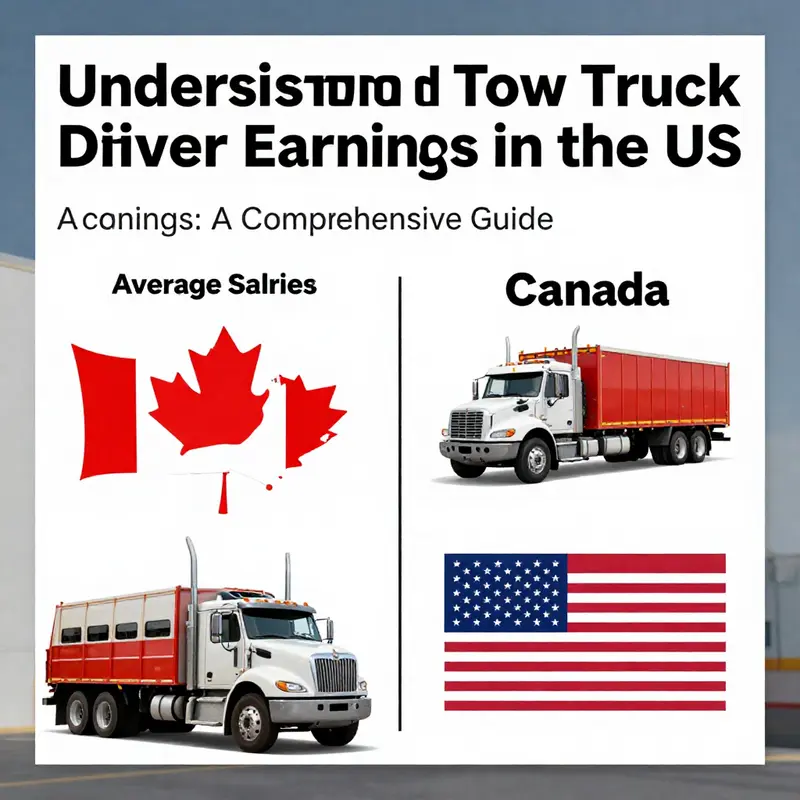
A tow truck driver works at the intersection of urgency, logistics, and economics. A single shift can blend the immediacy of a roadside rescue with the slow burn of scheduling, insurance, and maintenance costs. Because the job touches so many moving parts—market demand, local cost of living, and the operational structure of fleets—the pay picture looks different from one city to the next and from one country to another. When people ask how much a tow truck driver makes, they’re really asking two questions at once: what is the baseline wage, and what can that wage become with overtime, shift differentials, and the right openings? The answers depend less on a single number and more on a map of influence—regional demand, urban versus rural operating environments, and the kind of towing a driver does day to day.
In Canada, the headline figure is clear but nuanced. The national average hourly wage for tow truck drivers sits around the mid-teens, with the latest data indicating about $17.75 per hour as of December 2025. That translates to roughly $60,000 CAD per year on a standard full-time schedule of about 37.5 hours per week, assuming a stable 52 weeks a year. Yet averages rarely tell the whole story, and the real pay landscape becomes visible only when you look at regional specifics and the job’s optional realities, such as overtime, night differentials, and occasional bonuses tied to high-demand periods or emergency response demand.
Take British Columbia as a case in point. The province hovers right around the national average, with an average near $17.85 per hour based on hundreds of salary reports. But the distribution tells a different tale. In large urban zones where towing demand clusters around around-the-clock breakdowns and accident response, the opportunities for overtime and shift differentials push some drivers past the baseline. Alberta’s wages, by comparison, appear a bit leaner on the sheet—roughly $16.01 per hour—placing it a noticeable notch below the national average and underscoring how province-specific market dynamics can tilt earnings up or down by a meaningful margin.
What does this mean in concrete terms for someone weighing options in Canada? In practice, a driver in a busy urban center can see the pay scale rise through overtime and performance pay. The data point that stands out in several reports is that some positions can climb toward the $28.50 per hour mark in high-demand urban markets such as Calgary, where the combination of long shifts, night calls, and the sheer volume of calls shifts the economic math in favor of the workers who take the callouts. And there are additional gradients beyond hourly pay. Some roles feature base pay complemented by bonuses, hazard pay during peak seasons, or guaranteed minimums that help stabilize income during slower weather periods. Within this frame, an individual could reasonably expect to see adjustments for overtime and shift differential add a meaningful premium to the base wage, especially in provinces and cities with dense traffic, older vehicle fleets requiring more frequent towing, or a higher rate of incident response.
Ontario, which includes hubs like Thunder Bay and Ottawa, illustrates the same pattern in a slightly different rhythm. Thunder Bay and Ottawa have reported some of the higher regional rates, around $26.53/hour and $25.19/hour respectively, signaling how provincial demand pockets—linked to traffic patterns, road incidents, and the distribution of towing fleets—shape what a driver can earn. Edmonton, Alberta, rounds out the portrait with numbers in the mid-to-high twenties for certain positions, at about $24.05/hour. Taken together, these figures show that even within a single country, the pay landscape for tow truck drivers follows a pattern of clustering around urban centers and high-demand corridors, alongside pockets of more modest compensation in other regions.
Across the border in the United States, the picture shifts in its own way. The national narrative there centers on a higher average hourly wage for drivers who work in towing-related roles, with the latest data indicating roughly $21.27 per hour on average for drivers in many parts of the country. The difference at the macro level is not simply a higher hourly rate; it’s a reflection of distinct market structures, larger-scale fleets, and the broader economic environment in which American towing companies operate. The U.S. data also show meaningful variation by location, experience, and the specific duties involved in a tow—from roadside assistance calls to heavier, long-haul or specialized towing tasks. In major metropolitan areas like New York, Los Angeles, and Chicago, wages can be notably higher due to demand intensity, cost of living, and the stronger presence of emergency response services. In other regions, pay can hover closer to the national average, with overtime and on-call rotations providing a substantial portion of annual earnings for many drivers.
Reported salary ranges on job listings, even within nearby markets, emphasize the variability. In some Canadian postings, wage headliners can reach the upper thirties on an hourly basis when overtime, night shifts, and weekend calls are counted. A rough summary from recent postings shows a spectrum: base hourly rates around the mid-teens, with some opportunities offering about $22–$24 per hour on a steady day schedule, and others promising $20–$38 per hour when monthly earnings are tallied by hours and overtime. There are also examples of substantial monthly figures—in the vicinity of four to eight thousand dollars per month in certain setups—demonstrating how a full-time schedule with the right composition of shifts can translate into higher overall pay. The practical takeaway for someone evaluating opportunities is that the headline hourly wage is only the starting point; the real compensation emerges when you account for overtime, on-call requirements, night shifts, and the number of hours driven each week.
The cross-border comparison inevitably invites a few important cautions. First, nominal wage figures tell only part of the story. The purchasing power of dollars varies with cost of living, housing, healthcare, and day-to-day expenses that differ from city to city and country to country. A wage that appears higher in one country may deliver similar real income in another when you factor in rent, taxes, and local prices. Second, the structure of pay matters. Overtime and shift differentials can push earnings well above base pay, but they also reflect the demands and risks of the job. In places with heavier traffic, longer shifts, or more frequent roadside incidents, the likelihood of earning more through overtime increases—but so does the physical and mental toll on drivers.
With this in mind, a driver planning a life on the road often weighs more than the raw hourly rate. They consider the stability of a steady fleet, the reliability of scheduling, the potential for benefits, and the risk profile of the work. In urban centers with high incident rates, a driver might enjoy more predictable access to calls and thus more overtime opportunities, while in rural regions the sheer volume of calls may be lower but the per-call payout could be higher for long-distance or heavy-duty towing. Companies that specialize in heavier towing or longer-distance recoveries may also justify higher starting wages in exchange for specialized skills and the added risk that comes with larger vehicles and more complex recoveries. All of these dynamics contribute to a pay environment that rewards not only the hours accumulated but the skill set, reliability, and willingness to operate in demanding conditions.
For readers seeking a concise, future-facing takeaway, earnings in tow truck work are a function of three core levers. The first is market demand—the volume of calls and the time of day when those calls come in. The second is the mix of work—the balance between roadside assistance, local towing, and long-haul or heavy-duty towing. The third is the compensation structure—base pay, overtime or shift differentials, bonuses, and any benefits tied to the job. When these levers align in a given market, a driver can see a meaningful uplift over the baseline national or regional average. When they don’t, the same job can look modest despite a respectable hourly rate. In either case, the numbers in the latest Canadian data and the U.S. data suggest that pay tends to be higher in urban and high-demand corridors, while broader regional averages mask the pockets of higher wages that emerge in specific cities or fleets with specialized capabilities.
For readers curious about the practical path to understanding and comparing these earnings, a helpful step is to consult salary resources that track pay across regions and over time. A deeper dive into the Canadian landscape reveals the nuances of province-by-province differences, the effect of overtime on take-home pay, and how certain urban markets push pay above the base wage floor. In the United States, the Bureau of Labor Statistics offers a structured, location-sensitive view of wages for truck- and tow-related roles, which helps illustrate the broader economic context behind what a driver earns on the road. When weighing options, it’s essential to look beyond a single figure and build a personal projection that accounts for hours, overtime potential, and the cost-of-living reality in your target city.
To explore a focused discussion on how much tow truck drivers make, you can read a dedicated overview that delves into the typical pay paths, career progression, and practical earnings scenarios here: how much tow truck drivers make. This can help illuminate the path from entry-level pay toward more lucrative, steadier earnings through experience, reliability, and advancing roles within fleets.
Of course, comparing cross-border wages requires careful framing. If you want a reliable, country-wide benchmark for the United States, the Bureau of Labor Statistics provides current occupational outlooks and pay data. While wages vary by state and city, the official figures offer a benchmark to compare against the Canadian numbers described above and to understand how shifts in the economy might reshape tow-truck compensation over time. For a robust, external reference, you can consult the BLS earnings data as a contextual anchor for the U.S. side of the conversation:
External resource: https://www.bls.gov/oes/current/oes537011.htm
null
null
Final thoughts
In summary, the earnings of tow truck drivers can greatly vary based on geographic location, experience, and company affiliation. With the national average in Canada hovering around $17.85, locations like Richmond can see wages significantly increased. Factors such as experience, certifications, and the nature of the job can affect individual compensation. In addition, as shown in our comparison of the U.S. market, earnings can differ widely, with some regions and employers offering more lucrative packages. Job opportunities for tow truck drivers continue to expand, making this profession not only essential but also potentially rewarding for dedicated individuals. This knowledge not only empowers drivers but also equips employers and businesses to make informed decisions.