
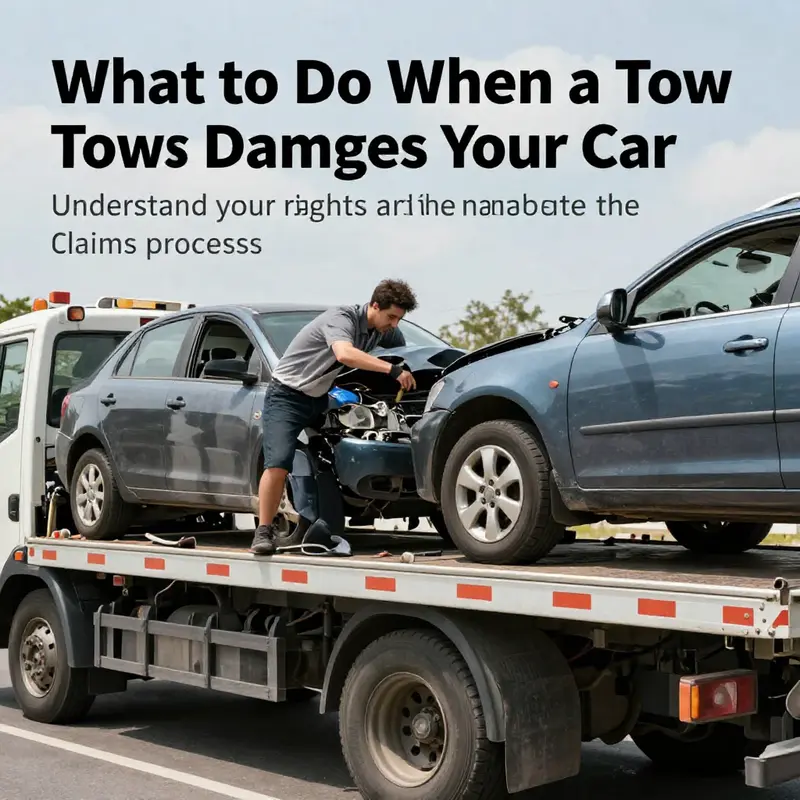
Experiencing damage to your vehicle during towing can be frustrating and confusing. Knowing your rights and what steps to take can help you secure compensation and ensure your vehicle is properly repaired. This guide outlines the legal liabilities of tow truck services, details the insurance claims process, provides best practices for documentation, explains the role of third-party providers, and suggests preventive measures to avoid damage. Each chapter delves into these facets, empowering car owners and stakeholders in the towing process.
When a Tow Truck Damages Your Car: Navigating Liability, Claims, and Recovery
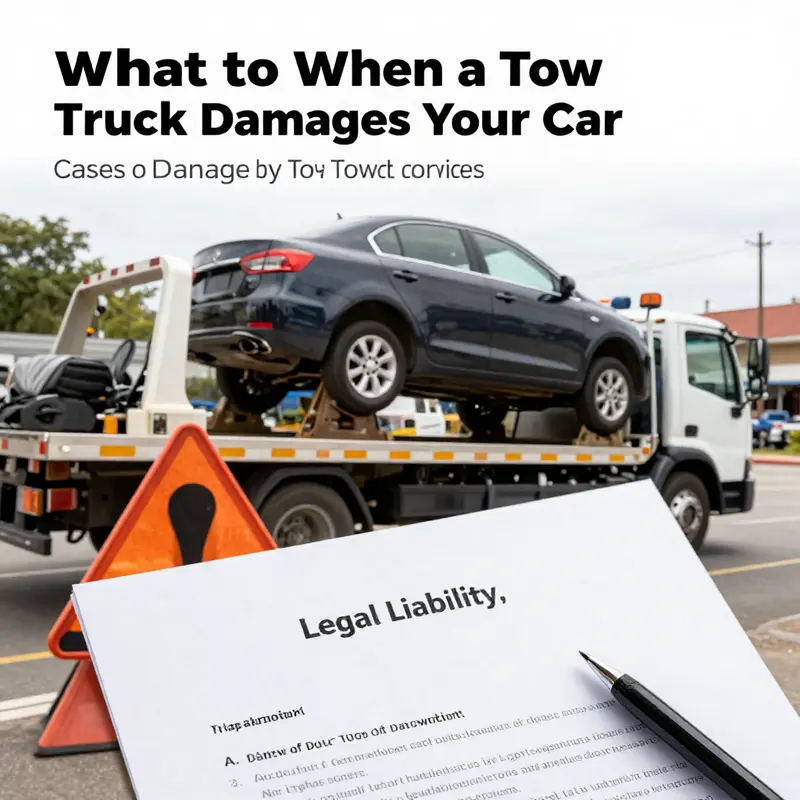
When a tow truck arrives to move a stalled, parked, or wrecked vehicle, the goal is safety and efficiency. Yet damage can still occur in the course of transport. In those moments, the central question isn’t only whether the car can be moved, but who bears the cost of repairs and how you secure fair compensation. The answer rests on a straightforward principle: the towing service, or the insurer that covers it, owes a duty of care to handle your vehicle with reasonable care. If the service falls short—through negligence, improper securing, damaged equipment, or a failure to assess the vehicle’s condition prior to towing—the company is typically financially responsible for repair costs and related losses. The path from incident to compensation, however, winds through an often complex web of procedures, standards, and practical steps that require attention before, during, and after the tow.
Liability in these cases hinges on proving negligence or breach of industry standards. Negligence can look like securing a car with worn straps or damaged winches, failing to use appropriate equipment for the vehicle’s weight or alignment, or neglecting to check for loose parts that could catch on road movement. Even when the damage seems minor, the law considers whether the towing operation followed recognized industry practices designed to prevent harm. The towing company is expected to apply reasonable precautions—things like checking tire placement, using suitable dollies or ramps, and ensuring the vehicle is immobilized in a way that prevents shifting or scraping. If a court finds that those precautions were lax or ignored, liability often follows. Conversely, if the damage appears unrelated to the towing process or existed before the tow, a different analysis may apply. Yet the burden frequently shifts toward the operator or its insurer to demonstrate that the damage could not have been prevented with ordinary care.
A crucial nuance lies in distinguishing between unavoidable wear and preventable damage. Small scuffs or scrapes that match preexisting marks may not trigger compensation unless the act of towing worsened them. In practice, assessors from insurers will compare pre-tow condition notes, if available, with the state of the vehicle after delivery. If the vehicle’s condition clearly deteriorates due to the tow—such as new dents, paint chipping in areas aligned with the towing path, or mechanical issues tied to improper loading—the claim strengthens. The concept extends beyond obvious physical harm. Damage to the interior, electrical components, or sensors that a towing operation could reasonably affect might also form part of a compensation claim, especially when the injury relates to the process itself rather than a car’s preexisting fragility.
The chain of responsibility often extends beyond the tow operator. When a third-party dispatch is involved—someone arranging the tow through roadside assistance—the entire chain becomes relevant to liability. In those cases, the contracting agency and the towing company share responsibility, and the insurer may coordinate with both parties to determine fault and facilitate repairs. This coordination is not just bureaucratic protocol; it preserves your rights by ensuring that all involved entities communicate clearly about damage discovery, the timing of tow, and the availability of replacement transportation during repairs.
From a practical standpoint, you should document the damage meticulously as soon as you suspect it. Take clear photos and videos before and after the tow, capturing the exact area of harm and the overall condition of the vehicle. Note any existing scratches, dents, or mechanical concerns, and request a written report from the towing service noting their observations and the steps they took during loading and transport. Even if you feel upset in the moment, avoid signing release forms or waivers that you haven’t fully reviewed. These documents can limit your ability to seek compensation later. If possible, collect contact information from the operator and the dispatcher, as well as any witnesses who observed the loading or transport process. A thorough record becomes the backbone of any insurance claim or potential legal action.
Once damage is documented, the next step is to initiate a claim with the appropriate insurer. If the tow was arranged by a third party, you may need to involve both the towing company’s insurer and the dispatcher’s cover. The insurer’s claims process will usually involve an assessment by an adjuster who reviews the documentation, inspects the vehicle, and determines whether the damage resulted from the tow and what costs are recoverable. In many cases, the insurer will arrange for repairs through a network of repair shops or an approved panel of service centers. The goal is not simply to fix the car but to ensure that the repair aligns with industry standards and restores the vehicle to its pre-tow condition as closely as possible. This process emphasizes accountability and proper documentation, aiming to minimize further complications.
For victims, the cost landscape includes more than the repair bill. If the vehicle is not drivable, you may be entitled to a rental car or alternative transportation during the repair period, and you might also seek compensation for any diminished value resulting from the damage—though this last element can vary by jurisdiction. It’s important to inquire about all potential losses at the outset so you don’t miss a claim avenue later. Insurance handles a broad spectrum of losses, but you may also pursue direct recourse against the towing company if the insurer cannot fully resolve the matter or if the damage arose from clear negligence. In some situations, a consumer may find it appropriate to pursue small-claims or civil court actions, particularly when insurer settlement offers seem insufficient or when a responsible party refuses to participate in the claims process.
The procedural rhythm often follows a sequence: document and report the damage, contact the insurer or the towing company’s insurer, file formal claims, and await assessment results. During this phase, it helps to keep a detailed log of all communications, including dates, times, names of representatives, and summaries of conversations. If a police report was filed or is relevant to the incident—for example, if the tow occurred after an accident—ensure those documents are incorporated into the claim. Police involvement can add credibility and a formal record to the incident, especially if the claim involves disputed fault or unclear liability.
A practical scenario helps clarify how these elements come together. Suppose a car is towed after breaking down on a highway shoulder and sustained a new dent in the passenger door during loading. The driver presents the situation with photos from the moment the tow began, plus a short video showing the door’s condition prior to loading. The driver then requests a written incident report from the tow operator, which confirms the loading sequence and notes any use of straps or chains. The insurer assigns an adjuster to examine the car and the operator’s equipment, including whether the correct gear—such as appropriate straps and wheel protection—was used for this particular vehicle. If the adjuster finds that improper securing contributed to the damage, the towing company’s insurer will typically cover the repair costs, the rental car while repairs occur, and any related out-of-pocket losses. If the damage is not clearly linked to the towing process, the case may hinge on a more nuanced assessment of preexisting conditions and the extent to which the tow exacerbated them. In either outcome, timely communication and thorough documentation remain decisive advantages for the vehicle owner.
To support readers who are navigating this landscape, a quick note on related practical considerations is useful. A common question concerns the cost and logistics of obtaining a tow or securing a claim after damage occurs. A concise overview of typical tow costs can provide perspective on the scale of potential losses and help you prepare for conversations with insurers and repair shops. For a concise discussion on the financial side, consider this resource: How Much Is a Tow Truck?. Understanding cost structures can also aid in evaluating repair estimates and ensuring that the insurer’s offer reflects reasonable market rates for towing and storage during repairs. It is essential, however, to keep the focus on the repair and the restoration of value rather than on price alone. The ultimate aim is to restore the vehicle to its pre-incident condition and to secure fair compensation for any legitimate losses.
As you navigate the process, it pays to be aware of the possibility of legal action if settlements prove unsatisfactory. The law often supports pursuing compensation for damages caused by negligent towing, with the scope extending beyond repair costs to include related losses like rental expenses and in some cases diminished value. The decision to pursue litigation should be weighed against the strength of the evidence, the likelihood of recovery, and the time and cost involved. For readers seeking a deeper legal perspective on the question, this external resource offers a detailed discussion of rights and remedies in cases where a towing company damages a car: https://www.legalmatch.com/law-library/article/can-i-sue-a-towing-company-for-damaging-my-car.html. While the specifics vary by jurisdiction, the core principle remains clear: responsible towing involves accountability, and vehicle owners have avenues to seek redress when care standards fail.
In the end, the best approach to damage during towing is a combination of proactive prevention, meticulous documentation, and informed engagement with insurers and repair professionals. Preventive steps—from requesting written reports of loading procedures to confirming the use of proper equipment—create a solid foundation for proving fault if damage occurs. Thorough documentation sharpens the insurer’s assessment and can shorten the path to repair and reimbursement. It also clarifies whether the tow service’s conduct met the industry standard of care. An informed owner stands a better chance of receiving a fair settlement that covers not only the repair but the broader costs tied to the incident. And while every case has its unique twists, the guiding principles remain consistent: protect your vehicle’s condition with precise records, pursue clear and timely claims, and recognize that liability, when established, is tied to the duty of care owed by the tow operator and its network of partners.
For readers curious about the practicalities of engaging with tow services and the broader ecosystem surrounding tow operations, exploring related topics such as load management, equipment standards, and operator training can provide additional context. A broader understanding helps ensure that when your vehicle faces the unexpected, you are prepared to respond in a way that supports swift repair, fair compensation, and the restoration of your car’s value. The journey from damage to resolution is rarely fast, but with careful documentation and a clear grasp of liability, you can navigate it with confidence, clarity, and leverage.
null
null
The Evidence Trail: Protecting Your Rights When a Tow Truck Damages Your Car in Transit
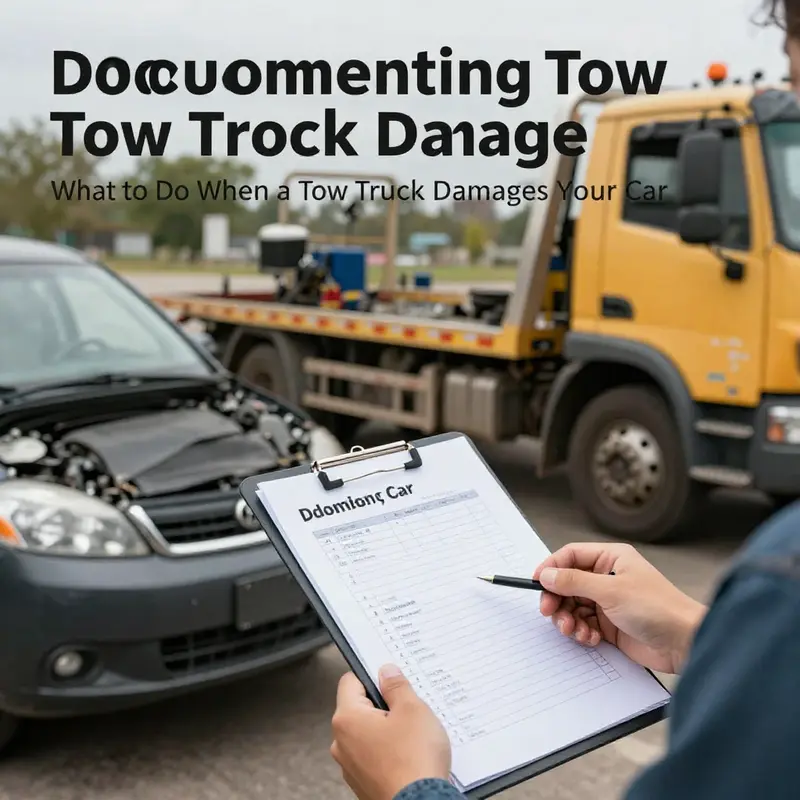
When a car is hauled on a tow, the journey itself becomes a potential turning point in how a dispute over damage is resolved. The question isn’t only about repairing the car; it’s about proving what happened and who should pay. In many cases, the liability falls on the towing company or its insurance provider if mishandling, improper securing, or the use of ill-suited equipment contributed to the damage. Understanding how to establish a precise, verifiable record before, during, and after the tow gives a car owner a fair chance to secure compensation without getting pulled into a protracted fight over liability. The framework rests on three pillars: pre-tow documentation, vigilant post-tow inspection, and meticulous record-keeping that ties every fact to a date, a person, and a document.
The best prevention is to start with the baseline. Before the tow begins, walk around the vehicle with a careful eye and a camera. High-quality photos and videos should capture the car in its current condition from multiple angles. The goal is not to look for every possible scratch but to establish a reliable, objective baseline of the vehicle’s exterior and any existing imperfections. Concentrate on commonly vulnerable areas like doors, fenders, bumpers, the undercarriage if accessible, wheels, and windows. Natural light helps the most, so if possible shoot in daylight without glare. A short, steady video that travels around the car in a slow orbit can be a powerful supplement to still images. It’s also wise to document identifying details such as the Vehicle Identification Number (VIN) and license plate. These identifiers ensure that the exact vehicle is tracked through the towing process and into any subsequent repair or insurance claim.
The moment the tow is complete and the vehicle is returned, a second pass becomes equally crucial. Do not sign any release or accept the car until you have completed a thorough post-tow inspection. Compare the current state of the car with your pre-tow evidence line by line. If there is any new damage—a scratch or dent that was not present before, a broken light, a cracked window, or a shift in alignment—document it immediately with dated photographs and videos. The focus should still be on clear, well-lit captures, but this time include fresh shots of the new damage alongside the VIN and license plate to prevent misidentification. If possible, have a tow-truck representative present to witness the damage and to acknowledge the new findings in writing. A simple written note from the operator can be a meaningful corroboration that the damage occurred during the tow and not at another time or place.
The value of this evidence rests not only in its content but in its organization. Gather everything that could support your claim: the tow invoice, any contract or service agreement with the towing company, and all communications—emails, texts, and call logs. If a third party arranged the tow, such as a roadside assistance provider or an insurer, obtain the official incident report from that organization. An independent assessment can also strengthen your case. A professional auto appraiser or an experienced mechanic can provide an objective estimate of the damage and its repair cost, which helps when negotiating with an insurer or pursuing recovery through legal channels. If the damage occurred during a tow that was part of a law enforcement operation, a police report can be an important piece of corroboration.
Building a credible claim is not only about documents; it’s about the chain of custody. Keep everything organized in a single, clearly dated file. Save the original photos and videos, and also create a time-stamped archive if possible. Record who witnessed the inspection, who took the photos, and the exact time of the inspection. If the tow was recorded in a log by the operator or the dispatcher, request a written note or an incident report that confirms your version of events. When the claim is filed, these documents become the backbone of your case and can shorten the cycle from dispute to resolution. They also make it harder for a towing company to dispute the claim by arguing that the damage was preexisting or occurred after the tow was completed.
There is a practical rhythm to resolving tow-damage claims that many owners underestimate. Start by contacting the towing company’s insurer as soon as possible after you detect new damage. Explain briefly what happened, referencing your pre-tow documentation and your post-tow inspection. Submit the pre- and post-tow evidence, the invoice, and any service agreements you hold. If the tow was arranged by a third party, inform the insurer of that relationship and supply the associated incident report or documentation. Insurance companies typically require a photos-based assessment, but an in-person inspection may also be requested. The goal is to move from a pattern of verbal assurances to a documented, timely negotiation anchored in the actual evidence you’ve gathered. If the insurer questions the legitimacy of the claim, your photo and video records carry substantial weight because they show a tangible timeline and condition of the vehicle before and after the tow.
During this process, it helps to maintain a steady, factual tone in all communications. Do not accuse anyone prematurely or make definitive statements about fault until an objective assessment has taken place. If the towing company disputes liability, ask for a written explanation that specifically addresses each item in your documentation. In many jurisdictions, a failure to secure a vehicle properly or to use the appropriate equipment can be deemed negligence, and establishing this with clear evidence often shifts the responsibility toward the transporter. If you reach an impasse with the insurer, you may have the option to pursue recovery through other channels, such as small claims court, especially for straightforward repair costs. The exact path will depend on local law and the size of the claim, but a robust evidence trail makes any route easier to navigate.
In the meantime, it can be helpful to keep a practical eye on the costs involved and the potential scope of repair. Some damage may be cosmetic, while other indications point to structural or undercarriage impact that could affect long-term safety. When repairs are necessary, obtain a detailed estimate from a licensed repair shop. If possible, secure a second estimate for comparison. A written estimate that itemizes parts, labor, and disposal can be decisive when negotiating with insurers who may prefer broad, generalized figures. If you suspect the insurer is undervaluing the claim, a professional appraisal that cites specific areas of damage and the corresponding repair costs can be persuasive and create leverage for a fair settlement. The ultimate goal is not to win a single battle but to secure a complete repair that returns the vehicle to its pre-tow condition or an equivalent value if repair is not feasible.
It is also worth noting that the chain of responsibility can involve multiple actors. The tow operator is the most immediate party responsible for care during transport, but the dispatcher, the roadside assistance provider, and the insurer each have a role in the claim process. When a different entity arranged the tow, you may be dealing with more than one claims process simultaneously. The clarity of your documentation helps prevent confusion about who owes what and who needs to respond to which piece of information. To keep your rights intact, you can integrate a practical, customer-focused approach: document aggressively, communicate persistently, and insist on written confirmations of every agreement, including acknowledgments of damage and receipt of evidence.
For readers who want a sense of the financial and logistical landscape around tow services, it can be useful to understand the basics of how costs are framed and what a typical tow might entail. If you want to understand the financial side, you can explore How much is a tow truck? This question, while simple on the surface, often belies the complexity of dispatch charges, mileage, and the types of equipment used. The important point for damage claims is that the basis for compensation generally rests on the evidence you’ve collected, not on assumptions about cost or inconvenience. A clear, dated, and comprehensive evidence trail gives you the strongest footing when negotiating with insurers and, if necessary, presenting your case in a legal setting.
As you wrap up the documentation process and begin engaging with insurers, keep the broader aim in view: a fair resolution that restores your vehicle’s condition and compensates for any additional losses you incur while the car is out of service. The journey from pre-tow photos to post-repair invoices is more than a sequence of logistics; it is a structured, verifiable record that safeguards your rights and reduces the friction that often accompanies tow-related damage. When done thoughtfully, this approach turns a stressful incident into a manageable process and helps ensure that the vehicle you rely on is as safe and reliable as it was before the tow began.
External resource for consumer protection guidance: https://www.cpsc.gov
The Neutral Gatekeepers: Third-Party Inspectors and the Fate of Tow-Damage Claims
When a tow truck is involved in moving your car and the result is new damage or an aggravation of existing blemishes, the entire claims process can feel like navigating a maze. Yet within that maze, one set of actors often emerges as the most decisive: third-party service providers who perform independent accident handling, damage assessment, and appraisal. They function not as the hero of one side or the other, but as neutral witnesses whose findings can tilt the balance of liability and determine how swiftly a claim moves from incident to remediation. Understanding their role helps car owners, insurers, and towing operators approach the aftermath of damage with clarity rather than confusion.
In broad strokes, third-party providers are contracted by insurance companies, vehicle owners, or legal representatives to deliver objective, professional services when a towing incident turns contentious. They are not directly in the business of towing or repair; rather, they operate as specialists who bring independence to the process. On the ground, this means an investigator arrives at the scene or at the repair shop to document the vehicle in its current state, interview involved parties, and identify how the damage occurred. If the assessment points to improper equipment use, insufficient securing of the vehicle, or operational mistakes during the tow, liability becomes clearer. A wheel lift used in a situation that requires a flatbed, an unsecured vehicle shifting during transport, or a misapplied tie-down strap can all be the line items that shift accountability toward the towing operator. In this sense, a third-party assessment has the weight of a credible, professional opinion that can withstand disputes and cross-examination in insurance settlement talks.
This neutrality is not accidental. Reputable third-party providers are bound by professional standards and, in many jurisdictions, by regulatory or industry guidelines that require at least a minimum level of competence and objectivity. Their reports are crafted to be reproducible and verifiable, with clear photographs, measurements, and descriptions that make it possible for a reviewer to understand precisely how the damage was produced. A well-done appraisal will distinguish pre-existing conditions from new damages, separate cosmetic issues from functional defects, and, crucially, trace those issues to specific towing practices or equipment choices. When their findings indicate negligence—such as improper securing, use of inappropriate equipment, or failure to follow standard operating procedures—their conclusions can underpin a liability determination that points to the towing company or its insurer.
This framework of accountability also supports the broader ecosystem around towing incidents. Insurance providers, for their part, rely on independent reports to adjudicate claims fairly and efficiently. Relying on third-party assessments can reduce the back-and-forth between parties that often slows settlements and invites disputes about subjective interpretations of damage. In turn, owners gain leverage when presenting a case that is anchored in an impartial professional opinion rather than a subjective narrative. The value of this impartiality becomes especially evident in situations where the tow occurred after an accident, during roadside assistance, or in a controlled recovery scenario at a designated facility, because the scope for dispute is much larger in those contexts.
Another layer of significance lies in how third-party providers fit into compliance and risk management frameworks. Beyond simply delivering a report, credible agencies operate under internal compliance mechanisms that require due diligence and risk assessment in the course of their engagement. They need to document the chain of custody for evidence, verify the qualifications of inspectors, and ensure that their assessment methods are consistent and transparent. While that standard may be more readily visible in regulated environments, it also translates into everyday tolls on the claims process: fewer ambiguities, faster decision-making, and better protection against fraud or bias. It is this combination of objective analysis and disciplined process that makes third-party investigators a form of “neutral gatekeeper” in tow-damage claims. Their role is not to assign blame in advance but to supply credible, independent facts that guide the eventual liability decision.
For those navigating the aftermath, the practical implication is straightforward: the involvement of a third-party provider often coincides with a clearer path to resolution. If a neutral report is strong evidence that damage resulted from improper towing techniques, the insurer or the towing company’s insurer is more likely to accept responsibility for repairs. Conversely, if the appraisal finds damage that could have arisen from pre-existing conditions or from another cause, the nosedive into a protracted dispute is less likely. In either case, the owner benefits from having a professional account of what happened, backed by objective observations rather than contested recollections. It is this clarity that helps protect a vehicle owner’s rights while keeping the process professional, fair, and oriented toward repair rather than lengthy litigation.
The relationship between third-party providers and the broader field of towing standards is also worth noting. A well-rounded provider does not operate in a vacuum; their work often complements publicly available guidelines and regulatory expectations about how vehicles should be handled during towing. When their reports reference standard practices—such as the correct use of equipment for the specific mount or tie-down method appropriate to the vehicle’s weight and configuration—their credibility is reinforced. This is why the quality and transparency of their documentation matter so much. A photo-rich report that marks the exact point of contact, the type of equipment used, and the sequence of the tow operation can transform a potentially contentious dispute into a straightforward, evidence-based decision.
The decision to engage a third-party provider is not always a matter of option. In many scenarios, insurers or legal representatives will arrange the service to expedite resolution and reduce exposure to disputes. In others, the vehicle owner may request an independent assessment to ensure they have a fair, balanced view of the damages and their possible remedies. Either way, the presence of a neutral evaluator helps ensure that liability is aligned with the actual sequence of events and the equipment employed during the towing operation. This alignment matters not only for the immediate claim but also for the broader question of how towing services should be held to account in the future. When the system works as intended, it discourages sloppy practices and encourages adherence to established safety and handling protocols, benefiting all parties involved.
From a practical standpoint, owners should be prepared to engage with third-party evaluators in a few key ways. Document everything: snap timestamped photos of the vehicle before and after towing, note any pre-existing marks, and request a written incident report from the tow operator if possible. Preserve evidence by keeping repair estimates and correspondence organized, so the independent report can be cross-referenced against invoices and police or incident reports. When a third-party assessment is commissioned, review the scope of the work to ensure it covers on-site inspection, photographic records, an explanation of how conclusions were drawn, and a clear determination of the cause of damage. If the assignment comes through an insurance network, ask who the provider is and whether the assessment will be shared with you, the insurer, and the tow operator. The ultimate goal is a transparent, auditable document trail that makes the path to repair efficient and fair.
For readers seeking a concise reminder of the high standard to which towing operations should aspire, consider this: credible third-party evaluators are not about assigning fault in the moment but about providing a reliable account of what happened. Their objectivity helps ensure that the actual sequence of events, rather than the loudest claim, informs the outcome. If you find yourself facing damage after a tow, you can rely on their findings to anchor your negotiations, refine your documentation, and shorten the time to repair. As you move through the claim, you can turn to the practical resources that discuss the broader framework of towing safety and liability, such as authoritative discussions of towing operation standards and safety, which can be explored in depth here: tow-truck technology and safety.
Ultimately, the role of third-party providers in tow-damage claims is about equilibrium. They do not replace the responsibilities of the towing company or its insurer, but they do provide a credible, external lens through which to view what happened, why it happened, and how best to repair the outcome. With their help, the process becomes less a contest over who did what and more a careful reconstruction of events backed by professional judgment. In that sense, the third-party appraisal acts as a stabilizing force—one that can help ensure repairs are funded, liability is appropriately assigned, and the road back to full mobility is paved with documentation, accountability, and clarity. For anyone who has ever stood beside a car with fresh tow-damage and wondered where to turn, that impartial, expertise-driven approach can make all the difference.
External resources provide a broader context for these processes. A foundational reference on towing safety and liability is the National Highway Traffic Safety Administration’s Towing and Trailer Safety guidance, which outlines operating standards, accident handling recommendations, and approaches to liability delineation. See the official resource for authoritative guidance: https://www.nhtsa.gov/vehicle-safety/towing-and-trailer-safety
What Happens When a Tow Truck Damages Your Car—and How to Seek Fair Compensation
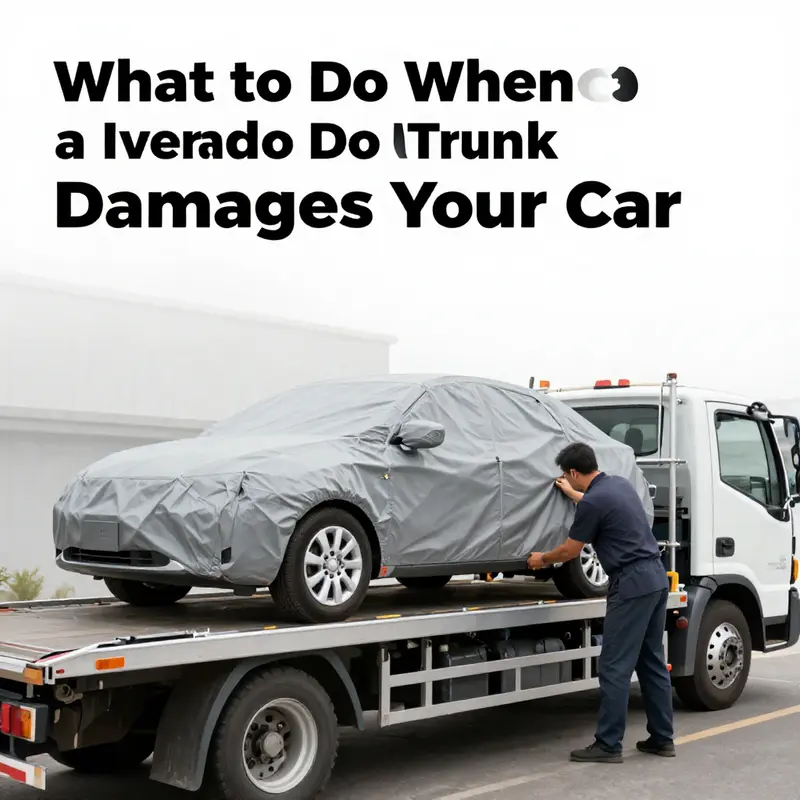
The moment you realize a tow is gone wrong, the adrenaline spike you feel isn’t just about a dent or a scrape. It’s about the larger question: who pays for the damage, and how quickly can you be back on the road with your car in proper shape? In the aftermath, many drivers discover that liability rests with the towing company or its insurer, but the path from damage to repair payment is often circuitous. The core reality is straightforward: if the damage results from negligence—whether improper securing of the vehicle, using inappropriate lifting or towing equipment, or mishandling the car during transport—the towing service is usually responsible. That responsibility isn’t always automatic or obvious, however. It hinges on how the incident is documented, who is handling the claim, and how quickly the insurance landscape responds to protect your rights. In practical terms, the first line of defense is understanding the basic liability framework and then taking control of the process with meticulous documentation and clear communication with the parties involved.
Documentation is everything. Before you even move your car in your mind from “to be driven” to “to be repaired,” you must capture the scene in unmistakable detail. Take wide and close-up photographs of the vehicle’s damage, of the tow rig’s security apparatus if visible, and of the surrounding environment that could influence liability—such as a curb, a loose strap, or a winch line in contact with a sensitive area of the car. Do this both before the tow begins and after it ends, creating a before-and-after trail that helps distinguish existing damage from new harm. If the tow operator provides a written report, obtain a copy and review it for consistency with what you photographed. Written documentation from the tow company is not a substitute for your own record, but it can be a crucial corroborating piece in the event of a dispute. In many cases the claim will travel through a roadside-assistance network or the insurer’s claims unit rather than the shop that ultimately fixes the car, so keep every piece of paper and every timestamp stable, organized, and readily accessible.
A key nuance concerns who is involved in the claim. When a third-party dispatcher arranges the tow—commonly through a roadside-assistance provider—the insurer for that provider or the insured vehicle’s own coverage may handle the claim. The important takeaway is that you don’t lose leverage because a dispatcher or a third party arranged the tow. You can still file with the towing company’s insurer, request a written incident report, and insist on a formal evaluation of the damage. You should avoid signing waivers that attempt to release the towing company from liability on the spot. Instead, insist on a formal assessment, a written estimate, and a clear explanation of how the company intends to remedy the damage. In the course of this process, you may find it helpful to direct yourself toward professional resources that emphasize accountability and proper documentation, such as safety and liability guidelines for towing operations. For a broader sense of how modern towing operations minimize risk and protect both operators and customers, you can explore resources like tow-truck-technology-and-safety.
Once you have documented everything, you’ll enter the claims phase. Most drivers encounter two realistic paths: the insurer will authorize repairs and pay the shop directly, or you’ll be reimbursed after you pay the bill. The exact route depends on the policy language, the severity of the damage, and the terms of the incident as reported by the towing company. If the vehicle needs to be towed to a panel workshop or a preferred facility, that directive may come from the insurer or the roadside network, but you still retain the right to select a reputable shop. The central aim is to secure a repair that restores the vehicle to its pre-damage condition without you absorbing out-of-pocket costs you did not anticipate. The process may also involve the police if the incident occurred in a location or scenario that warrants a formal report; a police report can become an additional layer of evidence that supports your claim and helps quantify liability. In any case, keep a meticulously detailed record of times, claim numbers, and the names of the individuals you speak with, so nothing gets lost in the shuffle.
Repair costs are rarely straightforward. A comprehensive approach considers both direct repair bills and related expenses that stem from the damage. You should expect the claim to cover the actual repair costs, but many drivers also require or request a rental car, if the vehicle cannot be driven during the repair, and reimbursement for towing and storage charges incurred while the vehicle was out of service. In some cases, you may experience diminished value after a collision- or towing-related repair if the damage affected the car’s structural integrity or its cosmetic appeal beyond the obvious dent or scratch. Each of these components can enter the compensation equation, depending on state laws, insurer policies, and the specifics of the incident. As with any insurance matter, there is room for negotiation. If the repair estimate appears inflated or insufficient, you can request a second opinion or independent appraisal, and you can seek guidance from your insurer about preferred shops and approved rates. The goal remains to achieve a fair outcome that reflects the actual cost of restoring the car, not simply the lowest possible number. It is also worth noting that the timeline for payment or reimbursement can vary. Some insurers arrange direct payment to the shop after inspection, while others reimburse you after you submit paid invoices. Understanding the policy terms ahead of time helps you avoid surprises when the bill lands.
Liability for tow damage often rests on the standard of care. If the damage could have been prevented by proper securing of the vehicle, appropriate use of equipment, or careful handling, the towing company’s liability is typically engaged. Conversely, if pre-existing damage was not disclosed, or if the damage occurred during a step outside the scope of routine towing—such as a collision caused by an accident with another vehicle or obstacle—the question of fault can become more complex. In such cases, you may need to involve a claims professional who can dissect the sequence of events and determine whether negligence occurred. The insurer will assess whether the damage aligns with what a reasonable operator would have prevented, and the evidence you’ve collected will be crucial in supporting your position. It’s not unusual for a dispute to arise about whether the damage was caused by the towing operation itself or by a separate factor during the vehicle’s stay in the tow process. In those moments, your documentation, the on-scene report, and any witness statements become your strongest tools in the negotiation process.
Communication is another essential strand in resolving a tow-damage episode. You should maintain a consistent, professional line of contact with the insurer and the tow company, and you should request a single point of contact who can monitor the claim’s progress. If the insurer directs you to a specific repair facility, evaluate the facility’s qualifications, and confirm that any work performed will be guaranteed and that the shop will coordinate with the insurer on payment. After repairs, inspect the vehicle thoroughly and compare the final bill with the repair estimate. If the repair scope differs, seek clarification and, if needed, obtain a revised estimate. It’s reasonable to request a supplement if new damage is discovered during teardown or post-repair testing. Throughout this process, you should retain all receipts, test-drive notes, and any documentation of test results or diagnostic findings that confirm the vehicle’s return to a safe, road-worthy condition.
For those who worry about the broader implications of a tow-damage event, an important thread runs through the narrative: prevention. When operators adhere to formal contracts, regulatory compliance, and robust crew training, the likelihood of damage diminishes. The literature on towing safety underscores the importance of professional procedures, proper equipment selection, and clear signaling to ensure both vehicle and operator safety. A takeaway from this broader framework is that the damage outcome is not solely a matter of luck. It is often the product of procedural discipline and the operator’s commitment to accountability. This perspective helps you navigate not only the current incident but also future interactions with towing services. If you want to explore how modern tow teams reduce risk and enhance resilience, consider the insights found in [tow-truck-technology-and-safety] which encapsulate the best practices in the field.
Ultimately, the path from damage to compensation hinges on your ability to document, communicate, and advocate for a fair resolution. If you encounter resistance or a denial, you are not without options. You can escalate the issue by requesting escalation within the insurer’s claims department, submitting a formal written dispute, and seeking guidance from consumer-protection resources or small-claims avenues where permissible. The key is to move deliberately, preserve your rights, and ensure that the repairs restore the car’s safety and value. In many jurisdictions, the window to pursue a claim is finite, and the sooner you initiate the process, the better your odds of aligning liability with the actual cost of repair and recovery. As you move toward resolution, keep in mind that the experience can also illuminate gaps in your own preparation for emergencies. The next chapter will explore practical steps for documenting and organizing repair records, insurance communications, and provider recommendations so that future towing events, if they arise, are managed with even greater clarity and speed. For those seeking authoritative standards that guide towing operations across borders, international guidance such as the SOLAS framework provides a reference point for safety, structural integrity, and emergency preparedness in demanding towing scenarios: https://www.imo.org/en/AboutSOLAS/Pages/International-Maritime-Safety-Convention.aspx
Final thoughts
In the event your vehicle is damaged during towing, understanding your rights and responsibilities is crucial. From identifying legal liabilities to navigating the insurance claims process and documenting damages properly, being informed will empower you to seek the compensation you deserve. Additionally, recognizing the role of third-party providers in the claims process and employing preventive measures can safeguard your vehicle against potential damage in the future. Stay informed, and protect your investments.