
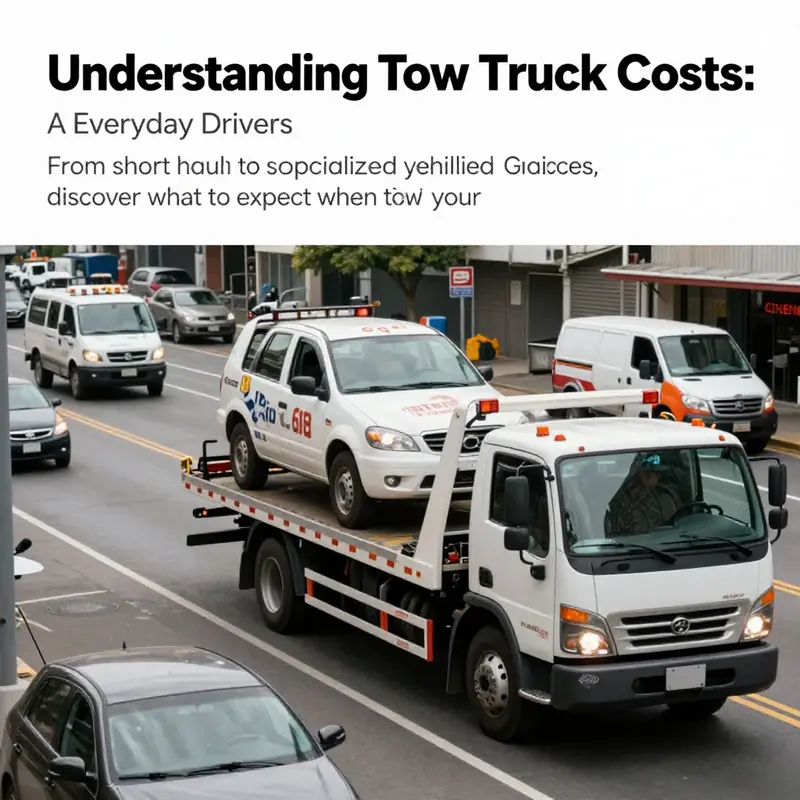
Towing a vehicle can become an unexpected expense for drivers, covering anything from breakdowns to accidents. Knowing how much to expect in towing costs can help you plan better for emergencies. This guide provides detailed insights into various towing fees, the specifics of long-distance towing, and the pricing associated with specialized tow trucks. Whether you’re an everyday driver, a truck owner, or involved in auto repairs, understanding these costs can make a significant difference in your roadside experience.
Understanding Basic Towing Fees: What Short-Distance Tow Costs Really Look Like
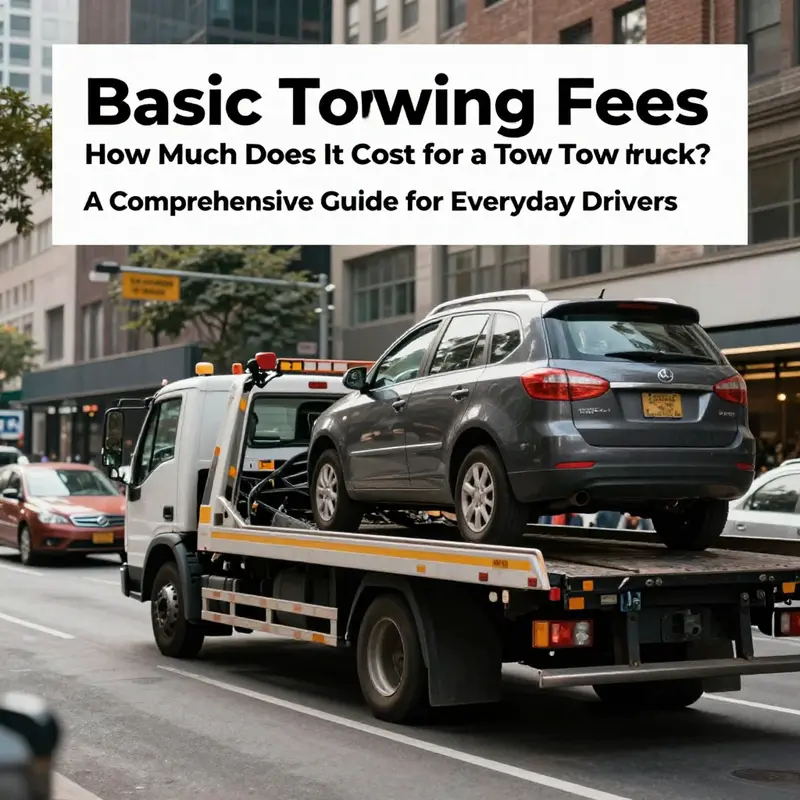
When a roadside breakdown happens, drivers frequently ask one practical question first: how much will a tow cost for a short trip to a shop or storage facility? The answer rests on a simple pricing structure that most reputable tow operators use. A base dispatch and hook-up fee is charged to cover the initial mobilization, and a per-mile rate applies for the distance the tow truck travels with the vehicle in tow. Taken together, these components create a price range that is surprisingly predictable, even though exact totals vary from place to place.
For typical short distances marked as five to ten miles, the numbers most customers encounter revolve around a base fee of about 75 to 125 dollars, plus a per-mile charge of roughly 2 to 5 dollars. In many cases, this means the final bill lands in a range of about 100 to 300 dollars. The math is straightforward: a shorter ride with a modest base fee won’t surprise you with a huge total, while a longer short tow pushes you toward the upper end of that band. An example often cited in consumer guides describes a five-mile tow that might land in the 75 to 100 dollar zone, while a 25-mile tow could land closer to 200 to 350 dollars, depending on local factors.
The real world, however, rarely keeps to a fixed range. Location matters. City centers with high demand and complex street layouts tend to push base fees higher because dispatching a tow in gridlocked traffic is more resource intensive. Conversely, rural or suburban areas may feature lower base charges but longer travel times that can still drive costs up. Time of day is another variable. Emergency or after-hours tows, which can occur after business hours or during weekends, frequently carry a higher rate, sometimes closer to double the daytime fee. These adjustments reflect the immediate cost to the tow company of sending a crew in off hours, securing a vehicle, and assuring rapid response for safety.
What you actually get for the base fee goes beyond the mere act of pulling the car onto the tow truck. The dispatch process, the hook-up, and the safe securing of the vehicle for transport are included in that initial charge. The base fee often covers the trip from the base to your location, the hookup procedure, and the transportation leg to a nearby shop, a storage facility, or a staging area. If you explain that your car will be towed to your preferred repair shop, the driver will usually comply within the constraints of the policy. Some operators also bundle light services into the base, such as basic brake or tire checks on the scene, especially if there is a safety concern to address before moving the vehicle. The calculation then shifts to how far you need to travel from the pickup point to the destination.
In practice, the final tally includes more than the base and the mileage. After-hours surcharges, unexpected obstacles, or the need for a winch to pull a vehicle out of a ditch or a snowbank can alter the price quickly. Storage fees may apply if the vehicle cannot be released immediately or if it must be kept overnight at a secure facility. These charges are not always obvious at the moment of the call, which is why the most reliable ordering procedure is to obtain a written estimate before service begins. Even with a contractual quote, though, there can be adjustments if the driver encounters a locked gate, requires extra manpower, or has to deliver fuel or jump-start the vehicle to allow transport. The goal is transparency, not surprise, and that starts with asking the dispatcher to itemize every potential line item.
Vehicle weight and type also influence cost, even within the same geographic band. Heavier vehicles such as larger SUVs, trucks, or commercial vans demand more fuel, more time, and often a more robust attachment system. As a result, the per-mile rate can feel higher or a minimum service charge can apply to reflect the extra handling involved. In addition, certain vehicle configurations require specialized handling to avoid damage during loading and transport, which can add a little extra to the standard tow. This is why, when you call for a tow, you should be ready to relay your vehicle type, approximate weight, and any special features that might affect loading. By providing that information, you help the dispatcher estimate the effort required and avoid later disputes about what was included in the price.
If you want to keep costs predictable, plan ahead as much as possible. One practical move is to request quotes from multiple providers and compare not only the bottom line but also what is included. Some outfits offer a flat or capped rate for a certain distance within a city, while others price strictly by the mile with a separate dispatch fee. If your roadside assistance comes with your auto policy or a membership program, you should check whether that plan covers tow costs or offers an option to reimburse or reimburse your own charges. In many cases, a membership or policy can reduce the financial sting, especially when a tow is needed during off hours or in high-cost urban environments. When you talk to a dispatcher, ask for a written estimate that lists the base fee, the per-mile rate, any after-hours surcharge, and any potential add-ons such as storage, winching, or fuel delivery. A written quote helps you compare apples to apples and reduces the chance of hidden fees once the vehicle is in transit.
The habit of seeking clarity before the truck arrives is part of responsible vehicle ownership, and it aligns with how professionals manage service delivery. The person on the line will typically ask for the pickup city and location, your destination, and an approximate mileage. They may ask whether the vehicle can be driven to a nearby lot or if it must be hauled to a specific shop. In some cases, the tow might involve a special arrangement if the car cannot roll onto the bed due to a flat tire or a damaged undercarriage. In such moments, the price might rise modestly with a winch or strapping service to secure the car. Even if you understand the general framework, having the exact terms laid out in writing prevents arguments about what was promised and ensures both sides share the same expectations. For readers seeking a concise overview of the pricing framework in everyday language, see this overview: How much is a tow truck?.
Taken together, the short distance tow represents a balance between immediate response, safe handling, and fair compensation for the work that a tow operator performs. The base fee acknowledges the cost of dispatching a crew, arriving at your location, and hooking up the vehicle. The per-mile charge recognizes the fuel, time, and labor that go into moving the vehicle to its next stop. The range of costs, while predictable in broad terms, reflects the realities of where you are, when you need help, and what kind of vehicle is being moved. By understanding this structure, you can approach roadside setbacks with a clear plan rather than a guess, and you can navigate the often confusing claims process if the tow is required as part of a longer repair journey. The knowledge also helps when you consider whether to use a roadside assistance program or to handle the tow independently, weighing the convenience and speed of a rapid response against the cost differences that can arise from emergency conditions or from the choice of transport equipment.
In the broader landscape of towing costs, short distances are not a mysterious exception but the most common starting point for most drivers. The numbers you see at the street corner and on the dispatch screen correspond to a real-world calculus: time on the road, the risk of damage to the vehicle during loading, the distance traveled, and the administrative work behind the scenes that keeps a fleet of trucks rolling. If you ever need to weigh a short tow against a longer move, remember that the same factors scale up. For long distances or heavy-duty needs, the price ladder rises quickly because the fuel bill, the driver’s time, and the wear and tear on the equipment add up. Your knowledge of the base scenario—short-distance tows—provides a baseline that makes it easier to evaluate whether a quote is fair and whether the service you receive aligns with the charge. When you consider the total cost, you are not simply calculating a number; you are weighing the value of getting back on the road safely and quickly, with your vehicle returned to a secure place for inspection and repair.
If you want a quick reference for the typical ranges without wading through the details every time you break down, think in terms of the core figures: the base dispatch and hookup fee and the per-mile rate. The base is usually between seventy-five and one hundred twenty-five dollars, and the per-mile charge lands between two and five dollars. In practice this yields roughly one hundred to three hundred dollars for a five to ten mile tow, while moving up toward the upper end for longer trips under ten miles. This framing helps you calibrate your expectations before you make the call and reduces the risk of sticker shock when the driver arrives with the tow truck. It also clarifies why two calls for the same distance might yield very different total prices if you are located in a city with a steeper emergency surcharge or if one company is more generous about letting you choose your destination. The goal is to move from passive acceptance to proactive engagement with the pricing conversation, which then shapes your decisions about whether to proceed with the tow, wait for a planned service window, or invoke a roadside assistance program that can coordinate a cost-efficient response.
For further context and a broader comparison that includes the small print, you can consult consumer-focused guides that break down the same figures in user-friendly terms. They explain how the base and per-mile components interact with additional charges and how to spot possible discrepancies in the final bill before you sign off. The bottom line for a short tow remains consistent across reputable operators: expect a base fee in the mid to upper eighty range, add a small per-mile charge, and anticipate a total in the low to mid hundreds depending on distance and local pricing norms. Keeping this perspective in mind helps you evaluate quotes quickly and makes it easier to plan for the unexpected, whether you are on a highway shoulder at night or at a quiet service plaza during daylight. The act of preparedness itself is the best instrument for minimizing stress and avoiding price disputes after the tow has completed.
In all cases, the seamless coordination between dispatch, driver, and customer hinges on clear communication and written estimates. The driver will often request permission to proceed only after you have confirmed the location and the destination, and asking for a printed or emailed quote avoids ambiguity. It is reasonable to expect that the final tally includes the base fee, the mileage charge, and any surcharges or add-ons; it is also reasonable to ask for a breakdown so you can understand which portion paid for the truck being dispatched, which portion paid for the time on the road, and which portion compensates the company for its overhead and risk. The practice of obtaining and reviewing this information before the tow begins is not nitpicking; it is a prudent financial discipline that reduces the likelihood of disagreement in the days that follow. For insight into the broader pricing landscape, refer to external resources that situate short tow costs within the wider marketplace.
The takeaway for most drivers facing a five to ten mile tow is that cost is not a mystery but a predictable formula built from a few fundamental components. The base dispatch and hookup fee anchors the service, the per-mile rate covers distance, and the interplay of location, time, vehicle type, and optional services explains most of the variance you will encounter. By arming yourself with a clear sense of these levers, you can navigate the roadside with greater confidence, demand transparency, and avoid paying for services you do not understand or need. The next step is to apply this framework to the specifics of your situation, whether you are stranded at a city intersection, near a shopping mall, or beside a rural roadway with limited access. In every case, you can insist on clarity, compare multiple quotes, and use the power of preparation to ensure that a short tow does not become a longer ordeal than necessary. The chain of communication—from the moment the call is placed to the final release of the vehicle—becomes a map that guides you toward reliable help at a fair price.
External resource: https://www.autoblog.com/2026/02/13/how-much-does-it-cost-to-tow-a-car/
Across State Lines: Demystifying Long-Distance Tow Truck Costs and What Really Drives the Price
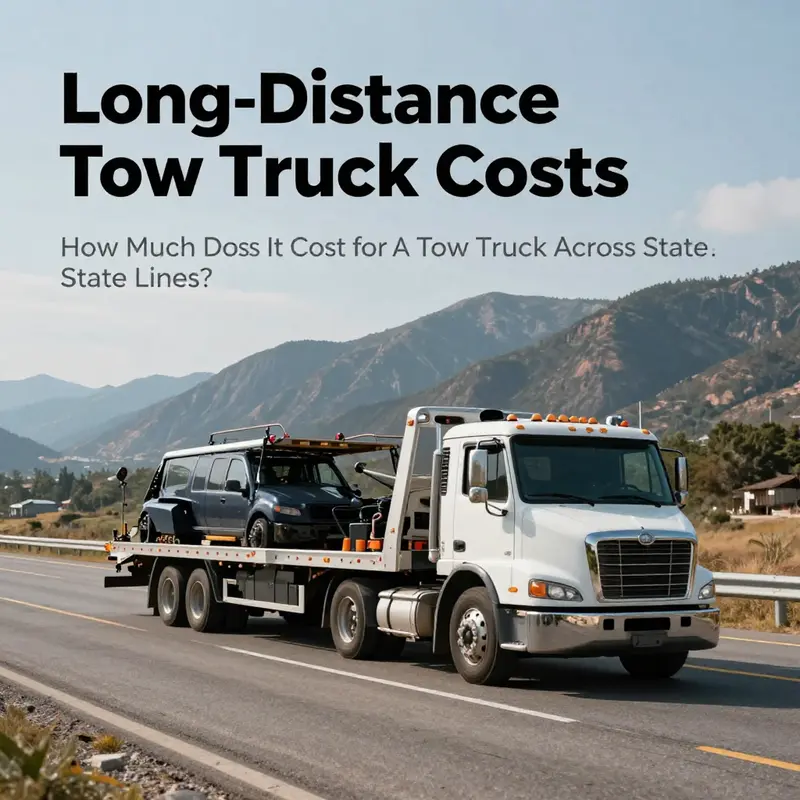
When you need a tow that stretches beyond a few miles, the price ladder suddenly grows taller. Long-distance towing across state lines isn’t just a longer drive; it’s a different kind of service with its own set of cost drivers, risk factors, and practical considerations. The final price you pay for a cross‑state tow reflects more than simple mileage. It mirrors the logistical choreography behind moving a vehicle over hundreds of miles, sometimes overnight, sometimes through congested corridors, and sometimes attached to equipment that demands specialized training. Understanding these dynamics can help you navigate unexpected bills and, crucially, separate reasonable quotes from price spikes that come with urgency or complexity. In practical terms, long-distance towing costs typically range from a moderate baseline to amounts well into the higher end of the spectrum, and the exact total is a function of distance, vehicle weight, required equipment, and a constellation of ancillary charges that can appear in the final bill. A typical cross‑state tow might land somewhere between four hundred and a thousand dollars, but there are scenarios where prices push beyond that range, especially when the vehicle is heavy, unusual, or the trip involves overnight stays and tolls. To parse how these figures come together, it’s helpful to trace the principal factors that shape long-distance pricing and to see how different routes, timing, and vehicle specifics tilt the final number. For many people, pointing to a single “average” figure is unhelpful because every tow is a unique logistics puzzle. Yet there is a coherent framework that remains consistent across providers: base charges, per‑mile rates, and a suite of add‑ons that can compound quickly on a long haul. The base charge often covers the hookup and dispatch, while the per‑mile rate accounts for the drudgery of distance, fuel, wear and tear, and crew time. When the distance grows into triple digits, the per‑mile element becomes the dominant component, but the base fee still matters because it represents the minimum charge for the service, regardless of distance. In many markets, you’ll see a base fee that anchors the quote, with per‑mile pricing that escalates with length. The longer the haul, the more likely you are to encounter flat-rate options polished for cross‑state scenarios. Some companies, especially those that specialize in long hauls, operate under a flat-rate model for certain corridors or for specific vehicle categories. This can simplify budgeting, but it also requires you to scrutinize the fine print for what is included and what isn’t. A careful approach is to request a written estimate that isolates each component: the base hookup, the per‑mile rate, any fuel surcharges, tolls, and potential lodging costs for drivers on very long runs. The nuance matters because fuel prices can gyrate, tolls can accumulate, and overnight accommodations may become a necessity when a tow stretches across time zones or requires multiple days. The practical upshot is that the cost landscape for long‑distance tows is not just a bigger version of a short tow; it’s a different product with its own pricing logic. For many drivers, the most salient driver is distance, but weight and equipment type are nearly as influential. Heavier vehicles—like SUVs, commercial vans, or trucks—demand more horsepower from the tow equipment, heavier chains, and perhaps a more complex securing process. The equipment type matters a great deal. A standard tow that uses a traditional tow truck with a wheel lift and boom can handle many mid‑sized passenger cars, but when a vehicle is awkward, damaged, or needs recovery from a remote location, a recovery‑oriented apparatus may be required. The presence of such specialized gear boosts both the hourly rate and sometimes the per‑mile charge because it entails more crew time, higher maintenance costs, and greater skill. A common shorthand to picture the spectrum of long‑haul equipment is to think in terms of three broad categories: a standard tow, a specialized long‑haul with enhanced securement, and heavy‑duty or recovery work that requires advanced machinery. Each tier carries its own marginal cost curve, and the transition from one tier to another is often driven by the vehicle’s weight, the terrain, and the documented need for careful handling that minimizes risk of further damage. The journey distance also interacts with time of day and urgency. Emergency or after‑hours towing, for instance, tends to command premium rates, frequently doubling the daytime cost in certain markets. Urban routes can trigger higher base fees due to demand and congestion, while rural routes may accumulate higher per‑mile costs because of lower service density and longer response times. Across this spectrum, a few recurring add‑ons shape the final tally. Fuel surcharges can appear when fuel prices spike, and tolls are common on interstate corridors that require bridge or highway fees. Storage or holding fees can apply if the vehicle must wait for repairs or secure parking at a facility. Some providers will also charge for winching or extra steps needed to stabilize a vehicle during transport, particularly if the car sits in an awkward position or has delicate components. Even the logistics of the trip—whether the tow involves a direct point‑to‑point move or a multi‑stop delivery—can influence the quote. The best way to approach long‑distance towing is to anticipate this mosaic of factors and to insist on a breakdown that makes each line item explicit. There is practical wisdom in treating the estimate as a living document rather than a single number drawn from a single line on a page. If a provider won’t disclose the granular costs, that should raise a red flag. A robust estimate should lay out base fee, per‑mile rate, fuel surcharge, tolls, and any additional services such as storage or delivery confirmation. It should also indicate the estimated timeline and the conditions under which the price could change, especially if the vehicle is not readily accessible or if the route involves unusual terrain or weather. To help you navigate these decisions with more confidence, consider a few real‑world patterns that emerge in long‑distance pricing. Suppose you’re facing a 100‑mile tow of a mid‑weight vehicle. A reasonable framework would place the base hookup somewhere in the neighborhood of a modest figure, say a few hundred dollars, with a per‑mile charge that begins in the low single digits and escalates with distance. In many markets, a 100‑mile move might land in the $400–$600 range, depending on whether there are extra services like secure equipment attachment or transmission of documents. If the journey extends to 500 miles, the base fee becomes a smaller percentage of the total, but the per‑mile component becomes the workhorse of the price calculation. A cross‑state tow of this distance often exceeds the $1,000 mark when the vehicle weighs more than a compact sedan or when specialty recovery equipment is necessary. For particularly heavy loads or difficult recoveries, total prices can approach or exceed $2,000, especially if multiple drivers are involved or if the route requires substantial fuel and time. It’s worth noting that some long‑haul operations publish flat‑rate offerings for specified corridors or vehicle classes. A flat rate can be appealing for budgeting because it reduces the fear of runaway mileage charges. However, it also demands vigilance: verify exactly what is included, what remains billable, and whether there are caps on driver hours or on the distance covered. As with any type of service, the devil is in the details. You may encounter additional charges such as after‑hours labor, stair climbs to access a vehicle in a garage, or fees for securing a vehicle that has been involved in an accident. Some providers may impose a storage fee if the vehicle cannot be retrieved promptly from a storage facility, or if it must be held for an extended period due to processing or repair scheduling. The practical consequence of all these variables is that your final invoice may diverge significantly from the initial estimate once the vehicle is loaded and the crew is en route. The prudent approach is to insist on a written, itemized estimate from multiple providers before you commit. Compare not only the bottom line but the composition of the charges. A lower total price may hide steep surcharges or a higher per‑mile rate that materializes only after a few miles are logged. If you have coverage under roadside assistance through your insurer or a membership program, consult those benefits before requesting a tow. Sometimes the policy or plan negotiates better rates or eliminates certain fees, particularly for mileage and after‑hours work. Even with pre‑arranged assistance, you still want to understand the actual terms. An up‑front, transparent quote helps you avoid sticker shock and makes it easier to manage expectations if the tow must happen in a hurry. For a deeper dive into how these quotes are built and how to compare options, you can explore related discussions on pricing and costs that accompany this topic. In case you want a broader sense of pricing structure across providers, you can consult a dedicated guide on towing costs and pricing. towing costs and pricing. As you weigh the options, remember that long‑distance tows are a service that blends transportation with specialized handling. The crew must plan for safe loading, securement, and stable transport over potentially challenging terrain and fluctuating weather. A well‑structured estimate not only protects you from surprises but also acknowledges the realities of long‑haul logistics. If you’re seeking external reference points, reputable organizations offer guidance and standards that can inform your expectations. For authoritative nationwide considerations, a well‑established consumer resource provides context and standards for towing services across the country: https://www.aaa.com/ . Keeping these perspectives in view helps you approach a cross‑state tow with a clearer sense of what the numbers reflect and why the price behaves the way it does. In the end, the goal of long‑distance towing pricing is not simply to assign a dollar figure to distance but to capture the value of safe, reliable, and timely vehicle movement across multiple jurisdictions. A fair price balances the operator’s costs and the consumer’s need for prompt service, while remaining transparent about the variables that can bend the final bill. When you’re dealing with a tow that crosses state lines, the most effective strategy is proactive communication. Tell the dispatcher about the vehicle’s weight, any known mechanical issues, and the exact destination or staging location. Ask for a line‑by‑line explanation of the quote, and request a written confirmation before the work begins. If the price seems unusually high, don’t hesitate to shop around or to ask if a lower tier of service might still meet your needs. In many cases, a straightforward explanation from a reputable tow operator can demystify the process and reaffirm that the quote reflects legitimate costs—distance, complexity, and the overarching goal of getting you back on the road as quickly and safely as possible.
Specialized Tow Trucks and Their Costs: The True Price of Rotators, Flatbeds, and Heavy-Duty Recoveries
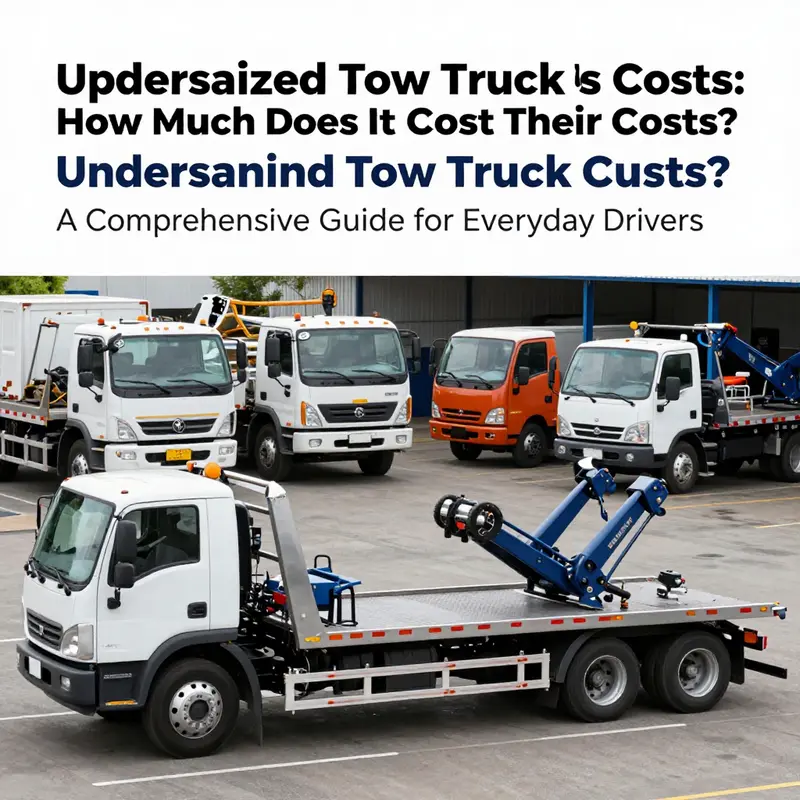
When a vehicle ends up in trouble, the obvious question is often how much a tow will cost. But for people who have suddenly found themselves stranded or whose business depends on moving heavy or uniquely configured machines, the price of a tow is only part of a much larger equation. Specialized tow trucks bring capabilities that go far beyond the basic hook and haul. They introduce a spectrum of costs—purchase price, maintenance, fuel, training, and hourly rates—that reflect the demanding jobs they are built to perform. To understand what drives the numbers, it helps to peer into the three most common specialized families: rotator tow trucks, flatbeds, and heavy‑duty recovery units. Each type represents a different blend of risk, skill, and capability, and each comes with its own price structure that can swing a job from affordable to prohibitive depending on the situation and the outcome a customer expects.
Rotator tow trucks sit at the apex of capability and cost. The core feature here is a rotating boom that can extend, tilt, and lift a vehicle from almost any position. In practice, that means responders can recover cars that have rolled over, trucks that have ended up in ditches, or equipment that is perched in precarious angles on uneven ground. The 360‑degree movement isn’t cosmetic flair; it is a practical tool that minimizes further damage to a vehicle and reduces the time rescuers must spend on the scene. The price tag for acquiring this capability is substantial. A rotator can cost anywhere from about $150,000 to well over $300,000, depending on the model’s load capacity, the length and strength of the boom, hydraulic systems, and the sophistication of the control and safety features. The purchase price, of course, is only the first line item in a long ledger. Operating a rotator requires specialized training, a larger service crew, more fuel per recovery, and a bigger footprint for on‑site operations. These factors collectively push the hourly or per‑job rates higher. The business calculus for a fleet owner is straightforward: if a call requires rotator capability, the service must be priced to cover not just the time on the road but the overhead of maintaining a machine that can do heavy, delicate, and technically complex work in one operation.
For many operators, owning a rotator is a strategic decision tied to the ability to differentiate service and win high‑value, time‑sensitive recoveries. The upside is clear: fewer loss scenarios for clients, faster scene resolution, and the potential to handle the most dramatic emergencies, including overturned trucks and complex multi‑vehicle recoveries. The downside is equally clear: the investment is high, the maintenance cycle is intensive, and utilization must be optimized to justify the cost. In practice, rotators are deployed in contexts where the revenue per incident, or the critical importance of rapid turnaround, makes sense. Insurance, municipal contracts, road‑side assistance fleets, and private operators serving industrial sites are common users. When a call genuinely demands a rotator, the price to the customer often reflects the equipment’s capability and the urgency of the situation more than the distance traveled alone. If you have ever wondered about the baseline for specialized capability, think of rotators as the ceiling of what a tow operation can deliver, both in terms of physical reach and the complexity of the recovery.
The flatbed—sometimes called the safest, most versatile tow option—occupies the middle ground between rotators and standard tow trucks. A flatbed uses a hydraulically tilting bed, which means the vehicle being towed ends up on the bed with minimal or no ground contact during transport. The advantages are real and practical. For low‑clearance cars, convertibles, and all‑wheel‑drive vehicles that might suffer damage if dragged, a flatbed is the preferred instrument. It also reduces the risk of wheel and suspension damage on the way to a repair shop. Flats are excellent for mechanical issues that can’t be resolved on the road, such as transmission problems or stubborn immobilizations where winching might otherwise be the only option. The cost architecture for flatbeds is notably different from rotators. While the purchase price can still be substantial, it is generally lower than rotators and varies more modestly with bed size, winch capacity, and the overall complexity of the setup. A starter flatbed might come in around the mid‑teens in thousands of dollars, with higher‑end configurations and larger capacity rigs climbing into the six‑figure range as options like advanced winching systems, central lubrication, and multiple control points are added. For the service side, flatbeds tend to command rates that are higher than a basic tow but lower than rotator charges. The reason is straightforward: the equipment is less specialized, but it still represents a capital investment and ongoing maintenance. The net effect on customers is a reliable, predictable transport option that minimizes risk while delivering a high level of care for a broad spectrum of vehicles. In many fleets, flatbeds form the backbone of a versatile, day‑to‑day operation—the kind of setup that can handle most common road incidents with a balance of speed, safety, and cost. The decision to use a flatbed also has a psychological advantage for customers. Seeing a flatbed in action often signals that the vehicle will be transported with care and that the operator has taken steps to prevent collateral damage during transit.
Heavy‑duty recovery trucks sit at the far end of the spectrum in both capability and cost. These machines are built to move large, heavy, or awkward loads—semi‑trucks, construction equipment, and other oversized vehicles that require specialized traction, lifting, and stabilization systems. The example often cited in industry literature is a heavy‑duty, eight‑wheel drive chassis configured as a recovery wrecker with a rotator option. The price scale here reflects multiple variables: gross vehicle weight, chassis configuration, hydraulic power, and the reach and strength of the recovery apparatus. A model with lower load capacity and a simpler drivetrain might be priced in the region of fifty‑thousand to roughly ninety‑thousand dollars, especially when it is used as a platform for specific industrial tasks. However, as capacity and sophistication increase, the price climbs rapidly. The industry sees heavy‑duty units priced well into six figures when you factor in the full package of high‑capacity hydraulics, extended booms, and the required training to operate them safely and effectively. The high price of some heavy‑duty units also reflects a broader service ecosystem: the need for skilled technicians who can assemble, calibrate, and maintain the heavy hardware, as well as the spare parts inventory that must be kept for a fleet. These are not one‑off purchases; they are long‑term commitments to an on‑site capability that keeps commercial fleets moving, especially in sectors where downtime translates directly into lost revenue.
To illustrate the range, consider a widely cited example from the industry: a heavy‑duty recovery truck with a substantial load capacity and an eight‑by‑four configuration might be priced between roughly $56,000 and $92,000 in certain markets when new units or closely comparable used models are considered. The variation across regions and configurations reflects differences in drivetrain options, boom length, hydraulic pressure, and the intended industrial role. While this price range might seem modest compared to rotators, it represents the entry point for serious heavy‑duty capability. Operators who need to handle 25‑to‑50‑ton class recoveries or who require robust on‑site stabilization systems will find themselves looking at higher end models that approach the six‑figure boundary. Even when the sticker price is more accessible than a rotator, the full life‑cycle cost—from maintenance and fuel to parts and technician training—remains substantial. In the end, the decision to deploy heavy‑duty recovery trucks is less about a single incident and more about the ongoing ability to manage a spectrum of critical tasks that smaller machines simply cannot perform.
Beyond the sticker price of the vehicle itself, specialized tow trucks embed a broader financial calculus. Purchase price interacts with maintenance cycles, fuel consumption, and depreciation. A rotator, because of its power, precision, and load capacity, drinks more fuel and requires more frequent inspection of hydraulic lines, articulation points, and the safety interlocks that prevent unintended motion. A flatbed, while generally more fuel‑efficient and easier to maintain, still requires routine system checks for the bed, winch, and hydraulic pumps. Heavy‑duty recovery rigs demand high‑level maintenance schedules, spare parts for hydraulic systems, and a workforce trained in heavy lifting and stabilization. In many fleet equations, the cost of ownership is amortized over years of service, with utilization rates driving the annualized cost per job. A well‑utilized rotator might justify its expense by enabling on‑scene work that otherwise would require multiple specialized contractors, while a well‑maintained flatbed becomes a dependable workhorse for daily operations. The heavy‑duty unit, though rarer in routine scenes, becomes essential when a single incident involves a truck, crane, or large piece of equipment whose recovery would otherwise cripple a site for an extended period.
For customers, the on‑scene price of a specialized tow is rarely a function of distance alone. The research landscape shows a robust structure: base hook‑up fees, per‑mile rates, and add‑on services such as winching, payload protection, or on‑site storage. When the job demands rotator work, the price is not merely the sum of miles. It includes the on‑scene time necessary to set up, stabilize the load, and coordinate with safety personnel, all of which can extend the duration of a call significantly. This is why rotator recoveries often carry a premium that reflects both the complexity of the operation and the specialized skill set required. The same logic applies to heavy‑duty recoveries, where the sheer scale of the load, the risk to personnel, and the potential for secondary incidents elevate the perceived and actual cost on the invoice.
One practical way to think about these numbers is to visualize the spectrum of needs a customer might have. If you own an ordinary sedan that needs a tow 10 miles to a shop after a breakdown, a basic tow with a standard wrecker is typically sufficient. If the vehicle is an AWD with a damaged transmission or a low‑clearance sports car that must be kept pristine, a flatbed becomes the preferred tool. If you are a fleet operator with a high‑value commercial vehicle disabled on a highway shoulder in the dark, you might not settle for anything less than a rotator for the fastest, safest, most compliant recovery. Finally, for a factory or a construction site hosting heavy machinery, the question might be not whether you can afford a specialized unit, but whether you can secure the uptime that a heavy‑duty recovery fleet promises. The costs, in other words, mirror the demands of the job and the value of avoiding further damage, downtime, or safety incidents.
To connect these ideas back to the practical demand of most readers, it helps to anchor the discussion in a single, actionable reference point. If you want a quick sense of how base pricing is structured and how a price ladder might look for different service levels, you can explore more about the general cost landscape here: how much is a tow truck.
In addition to the internal economics of ownership and the on‑scene cost framework, a broader industry view confirms that the numbers can vary widely by location, time of day, and the specific vehicle involved. Urban environments with high demand and congested roads naturally push base fees higher, while rural calls may incur longer travel times that elevate the per‑mile portion of the bill. The vehicle type and weight further influence the pricing structure: heavier vehicles require more careful handling, larger winches, and more labor on the scene. Specialty services—such as winching on uneven terrain, chemical or fuel delivery, or temporary storage—add further layers to the final invoice. All of these factors interact with the core decision of which equipment is deployed. A rotator may be indispensable in an overturned truck scenario, while a flatbed might be the most prudent choice when preserving the vehicle’s cosmetic and mechanical integrity is paramount. Heavy‑duty recoveries, though used less frequently, can be the difference between a job that ends quickly and one that spirals into a multi‑hour operation with multiple personnel and heavy equipment on site.
From the perspective of someone planning for the possibility of needing a tow, a practical mindset is to think ahead about the range of scenarios you might encounter and how that translates into cost. If you own or manage a fleet, it makes sense to have a mix of equipment and service contracts that align with your risk profile and downtime costs. If you are an individual consumer, you can simplify the decision by asking for a written estimate that breaks down the base fee, distance charges, and any additional services. In either case, the goal is to avoid sticker shock by understanding how specialized capability translates into price. It is also worth noting that reputable providers will share their pricing structure openly and provide an upfront estimate before work begins to prevent unpleasant surprises when the job is complete.
External resource for broader context: https://www.motortrend.com/cars/towing-costs-explained/
Final thoughts
Understanding towing costs is essential for any driver. By familiarizing yourself with basic, long-distance, and specialized towing fees, you can make informed decisions during stressful situations. It’s also beneficial to compare quotes from multiple towing services and consider options like roadside assistance coverage. With the right knowledge, you’ll be prepared for any unexpected automotive trouble that comes your way.