

Introduction
When you’re stranded on the side of the road, the arrival of a tow truck driver often brings relief. But this leads to a common question among everyday drivers: should you tip tow truck drivers? As professionals who provide a vital service in times of need, tow truck drivers play a significant role in roadside assistance. They navigate difficult situations and transport your vehicle safely, often under challenging conditions. This blog aims to explore the nuances of tipping in this context, addressing the various factors that influence the decision to tip, including the driver’s expertise, the nature of the service rendered, and regional customs. Whether you’re a commuter, truck owner, or just someone in need of towing services, understanding the etiquette around tipping can enhance your interaction with these essential service providers. Learn more about the professional role of tow truck drivers.
Factors Influencing Tipping Tow Truck Drivers
Tipping tow truck drivers is not a universal practice, but several factors can influence whether a driver chooses to tip based on their experience with the service provided. Below is a detailed list of these influencing factors:
-
Service Quality: Exceptional service, including professionalism and helpfulness, can encourage tipping. If the driver goes above and beyond, clients might feel more inclined to show gratitude through a tip.
-
Distance of Tow: Longer tows may warrant a tip, particularly if the service includes difficult navigation or if the distance significantly affects the time and effort required.
-
Urgency of Situation: If the tow situation is urgent-such as being stranded on the side of the road or during emergency conditions-clients may feel compelled to tip, especially if the driver responds quickly and efficiently.
-
Time of Day: Tows during late nights or holidays, when drivers are working under less favorable conditions, often garner more tips. The added inconvenience may make patrons more appreciative.
-
Complexity of the Tow: If the tow requires special techniques or equipment-like accessing difficult areas or lifting heavy vehicles-clients may tip well for the extra effort.
-
Weather Conditions: Drivers working in adverse conditions (rain, snow, or extreme heat) can be seen as heroes. Customers may show their appreciation through a tip in these instances.
-
Independent vs. Company Drivers: Independent tow truck drivers may rely more heavily on tips compared to those employed by larger companies, who may have set salaries.
-
Personal Connection: If the driver exhibits a friendly demeanor and engages positively with the client, it can encourage tipping. Personal interactions can significantly impact the tipping decision.
Understanding these factors can help drivers and customers navigate the etiquette of tipping. For more information on towing and assistance services, consider reading our guide on tipping tow truck drivers.
Understanding Tipping Norms for Tow Truck Drivers
When it comes to tipping tow truck drivers, there isn’t a universal standard. However, certain industry insights can help guide your decisions. According to an article from The Drive, tipping is largely based on the quality of service provided. For instance, if a driver goes above and beyond, such as navigating complex roadside situations or providing additional help during inclement weather, a tip might be more appropriate. The recommended tipping range typically falls between 10% to 20% of the service cost, although this is not mandatory.
Similarly, Consumer Reports emphasizes that, while there are no legal or formal requirements for tipping tow truck drivers, it is considered acceptable in certain situations. This includes extreme weather conditions or extra services, like tire changes or insurance assistance. A modest tip in these instances ranges from $10 to $20, although it should ultimately be based on personal discretion.
The Towing Industry Association (TIA) also underlines that tipping is not compulsory. Their guideline advises viewing a tip as a way to express gratitude, correlating directly with the service quality received. However, they cautioned against violating company policies concerning tipping to prevent any issues related to fairness in employee compensation.
In summary, tipping norms in the towing industry reflect a culture of appreciation for exceptional service. As an everyday driver, understanding these nuances can help you decide whether to tip and how much to give based on your experience with the driver.
Regional Variations in Tipping Practices
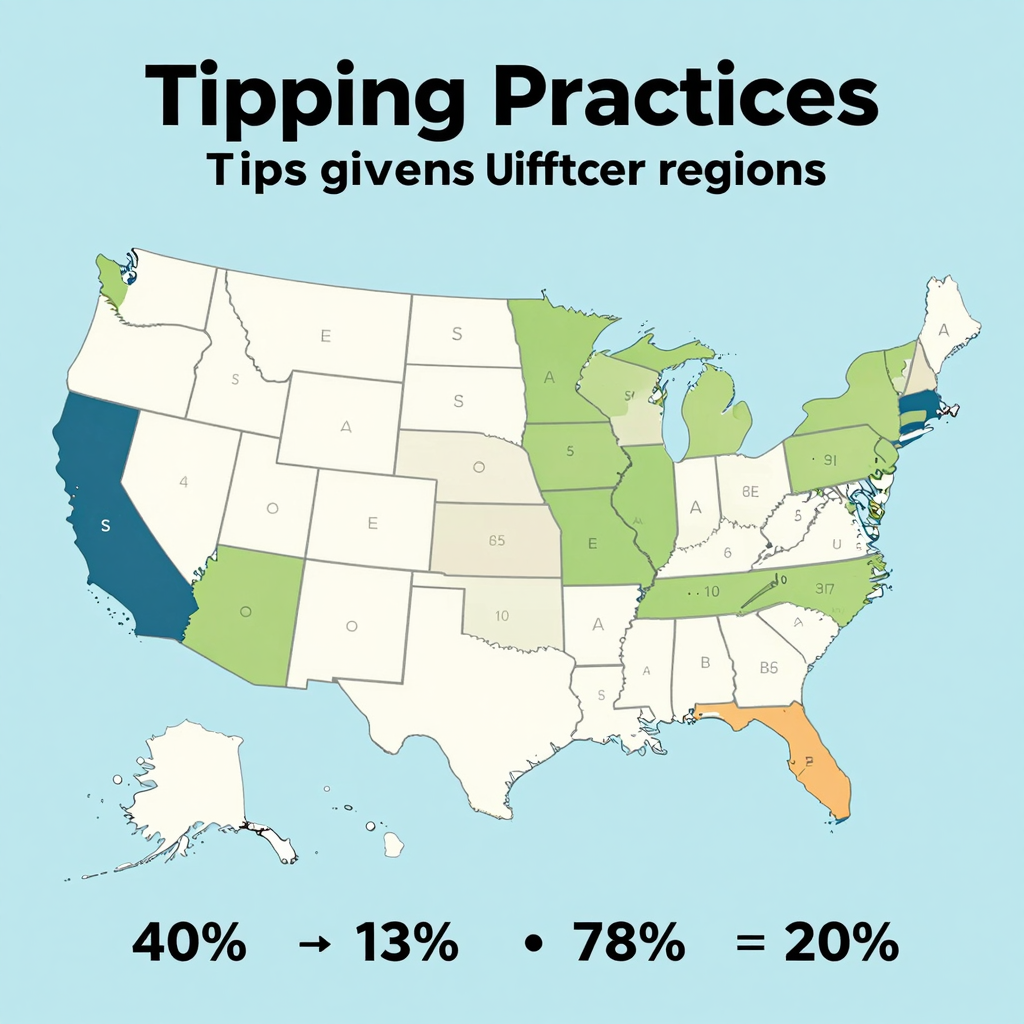
Tipping practices in the United States vary significantly from region to region, affecting how much one might consider tipping a tow truck driver. According to a survey by Pew Research Center, attitudes toward tipping can be deeply influenced by geographic location.
Key Insights on Regional Attitudes toward Tipping
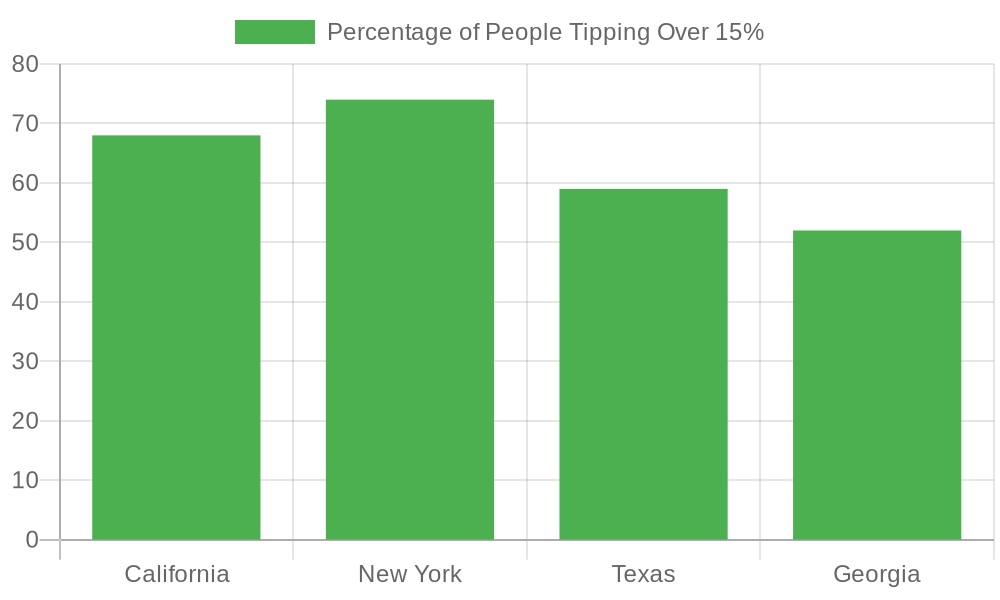
- Northeast and West Coast: In states like California and New York, tipping practices are particularly generous. Recent data shows that approximately 74% of individuals in New York and 68% in California tip over 15%. This culture of tipping is often viewed as a standard practice, where 20% is commonly expected as a tip for good service, including that provided by tow truck drivers.
- Southern and Midwestern States: In contrast, the southern states, such as Texas and Georgia, exhibit more conservative tipping habits. Only about 59% of Texans and 52% of Georgians typically tip over 15%. In these regions, there is less pressure to tip, and many consumers express discomfort towards what they perceive as enforced tipping practices in casual service scenarios.
The Rise of ‘Tip Pressure’
As electronic payment systems become prevalent, many service providers are defaulting higher tip options at checkout, escalating the discussions surrounding tipping etiquette. This trend is notably pronounced in urban areas like San Francisco and Boston, where consumers report feeling pressured to tip in venues traditionally not associated with heavy service, such as casual cafes or food trucks.
Thus, as you navigate your way through diverse regions, being aware of local tipping cultures can enhance your service experiences, particularly in unexpected situations like needing roadside assistance. Knowing whether to tip a tow truck driver significantly depends on the prevailing cultural expectations in that area.
Tipping Trends by State
| State | Percentage of People Tipping Over 15% (Recent Survey Data) |
|---|---|
| California | 68% |
| New York | 74% |
| Texas | 59% |
| Georgia | 52% |
In conclusion, aligning your tipping practices with regional expectations not only shows appreciation for service but also displays cultural awareness. If you’re looking for more information on tipping etiquette, you can learn more here.
Understanding these nuances can significantly enhance your interactions with service providers, whether at a restaurant or when a tow truck driver comes to your aid.
Anecdotes and Testimonies about Tipping Tow Truck Drivers
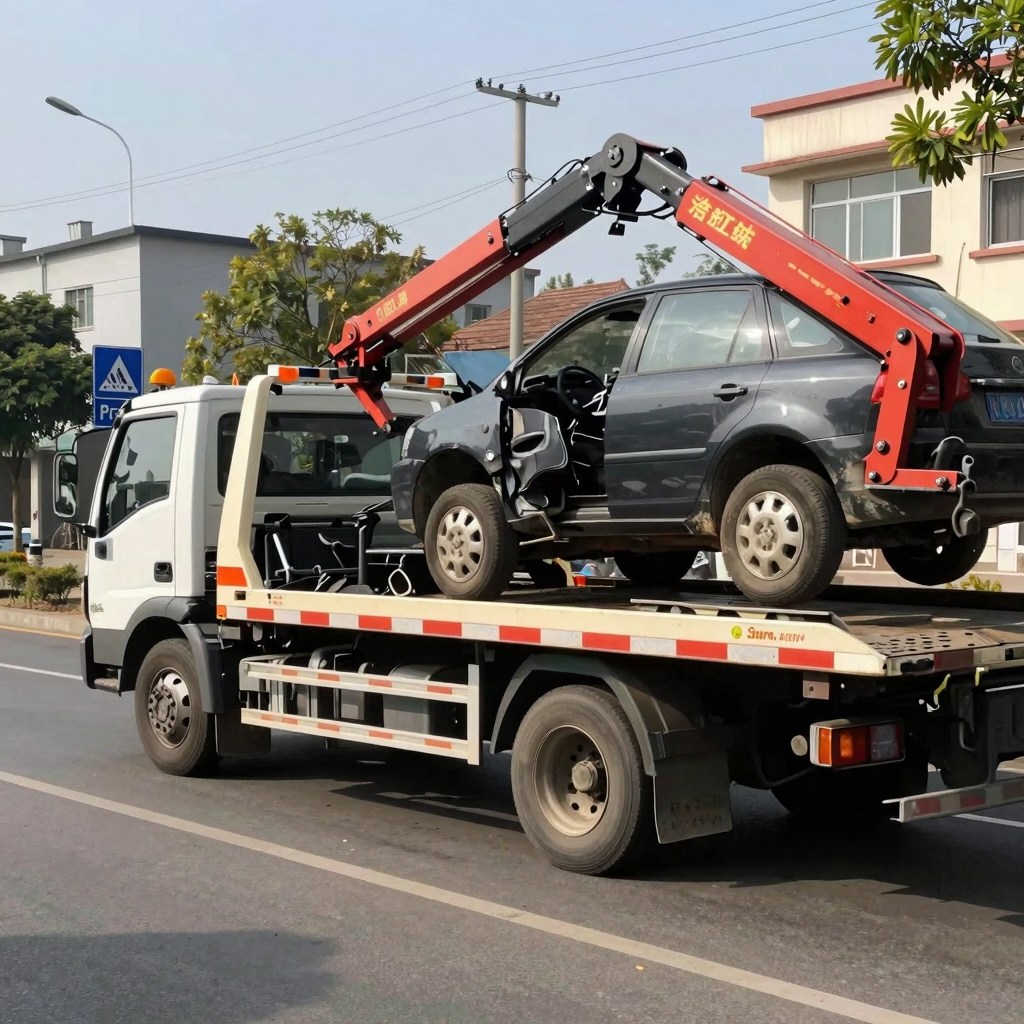
Tipping tow truck drivers often seems a gray area, but personal experiences unveil patterns that highlight the emotional impact of this gesture. Here are a few stories shared by drivers themselves, shedding light on the significance of tipping in their demanding profession.
-
Brian’s Story: “I once towed a car that had broken down during a heavy rainstorm. After a long hour of dealing with the mud and water, the driver handed me a $20 tip. It wasn’t much, but to me, it felt like a huge acknowledgment of the hard work. That moment made me feel appreciated and kept my spirits high.”
-
Sophia’s Experience: “I generally don’t expect tips, but when I receive one, it often comes at the most unexpected times. Last month, I helped a family whose car was stuck in a ditch late at night. They were so grateful that they slipped me a $50 bill. I was shocked and frankly moved by their kindness, especially since I think they were more scared than I was dealing with their situation.”
-
Carlos Reflects: “Tips are not mandatory but are great for morale. I remember a night shift where I towed a driver out of a bind. After everything was said and done, they handed me a $30 tip. The money was nice, but it was the thoughtful gesture that meant the most to me. It made the hard night feel worth it.”
-
Mark’s Insight: “I appreciate every tip, big or small, but what really matters is the connection I make with people. I had a customer break down on an icy road. After I towed him safely home, he gave me a tip and a heartfelt thank-you. That’s what drives me to do this job even on the toughest days. A connection can turn an ordinary job into a memorable experience.”
These anecdotes from drivers illustrate how a simple act of tipping can strengthen bonds between tow truck drivers and their customers. It’s a gesture that not only compensates for their hard work but also provides emotional uplift and a sense of community. For more insights, learn more about the etiquette of tipping and how it impacts the service industry.
| Service Type | Typical Tipping Percentage | Relevant Notes |
|---|---|---|
| Tow Trucks | $5 – $20 | Tips are appreciated for good service, especially in emergencies or challenging situations. A standard tip of $10 is generous. |
| Taxis | 15% – 20% | Tipping is customary, often calculated as a percentage of the fare. Many app-based taxis automatically suggest a tip. |
| Delivery Drivers | 10% – 15% or $5 – $10 | Tips are encouraged, particularly for delivery to the door. A minimum of $5 is often standard for smaller orders. |
When addressing the topic of tipping tow truck drivers, user perceptions vary significantly across different demographics and situations. A common theme is the lack of expectation for tipping, contrasting it with other service industries such as restaurants or hair salons. Here’s a deeper look into the insights regarding this practice, based on several articles and surveys.
Current Practices and Opinions
-
Expectation of Tipping:
- According to The Balance Money, tipping is generally not customary in many parts of the U.S. Drivers are primarily paid through the fees for towing services, which should be defined in advance. However, instances exist where drivers who perform exceptionally, like arriving promptly in bad weather or providing additional assistance, may receive tips as an expression of appreciation.
-
Survey Insights:
- A 2023 survey featured in Forbes indicated that a mere 12% of respondents regularly tip tow truck drivers. This suggests that the majority of individuals may feel unacquainted with the concept of tipping in this context or are dissuaded by the existing payment structure. Many drivers and companies have made it clear that tipping is typically unnecessary, focusing instead on the agreed service fees.
-
Tipping Amount Recommendations:
- Experts suggest that if a tip is proffered, it should be around $10 to $20, particularly when drivers provide exceptional service beyond their job description-like helping during a car breakdown or navigating difficult situations. Notably, some towing companies have policies against accepting tips to prevent potential conflicts of interest.
Factors Influencing Tipping Behavior
-
Regional Variations: Users’ perceptions about tipping can vary significantly depending on local customs. In regions where roadside assistance is more prevalent, such as areas served by AAA, tipping is even less expected as the service is usually embedded in membership fees.
-
Cultural Attitudes: Cultural expectations around tipping influence individual behavior. Many people view tips as unnecessary since drivers are adequately compensated for their work. Consequently, those who do tip often consider it a gesture of goodwill rather than an obligation.
Conclusion
In summary, while tipping tow truck drivers is not a standard practice across the board, it remains an individual choice that might stem from a positive experience or exceptional service. As drivers continue to engage with customers under various circumstances, understanding the nuances behind tipping can enhance the interaction between drivers and those they assist. It’s crucial for consumers to feel empowered to make their own decisions regarding their appreciation for service on the road while staying informed about the broader expectations of the industry.
For further insights into towing practices and etiquette, check out our guide on tipping practices for tow truck drivers. Understanding how and when to tip generously enhances the overall experience while aiding those in dire need during automotive troubles.
In conclusion, while tipping tow truck drivers isn’t strictly required, it is a gesture of appreciation that can significantly enhance their motivation to provide excellent service. If a driver goes above and beyond-offering assistance in inclement weather or simply demonstrating exceptional courtesy-it’s customary to tip between 10% to 20% of the service cost. However, be sure to check your towing company’s policies, as some may discourage or prohibit tipping.
As we consider the importance of service quality, it is also crucial to think about how to maximize your vehicle’s performance and protection. Investing in Summit Fairings can greatly enhance your ride experience, providing durability and style that complements any truck. Not only do they improve the aesthetic appeal of your vehicle, but they also protect it against elements that lead to deterioration.
Elevate your towing experience today! Explore our options at Summit Fairings and ensure that both you and your driver enjoy a smoother, more protected journey. Together, let’s achieve greater functionality and satisfaction on the road, ensuring every interaction is worthwhile.
In discussing the importance of fair tipping in roadside assistance, AAA representatives state, “While tipping is not required, it can be a meaningful way to acknowledge outstanding service. If a driver assisted you during a difficult situation-like helping in bad weather, handling your vehicle with care, or providing timely communication-giving a small token of appreciation is acceptable and often welcomed.” This underscores the value of recognizing the efforts of those who help us in our moments of need. For more insights on this topic, learn more about tipping etiquette for tow truck drivers.