
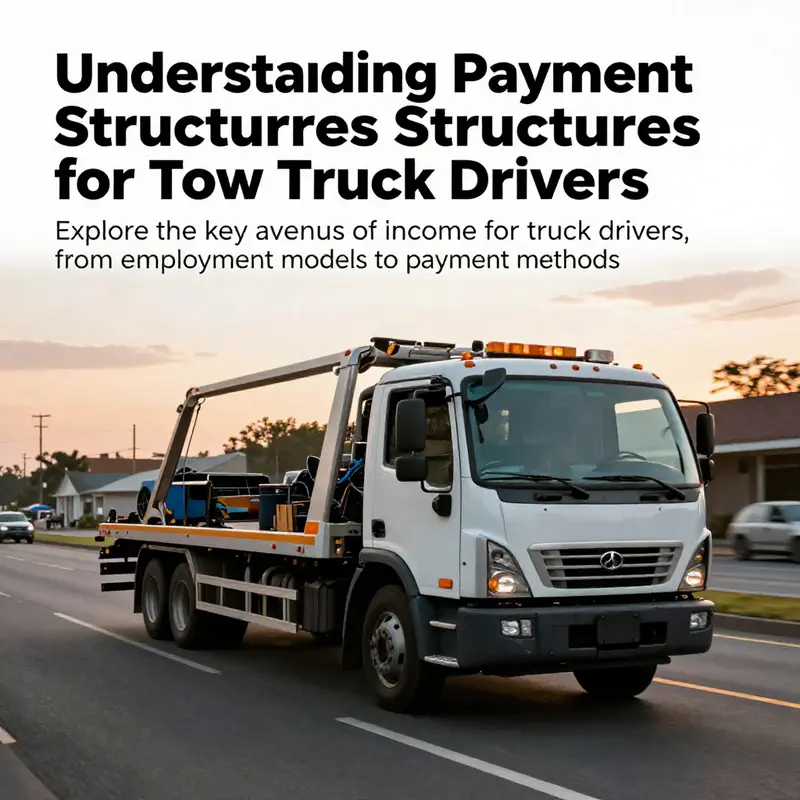
Tow truck drivers play a critical role in ensuring that vehicles are safely and efficiently towed, but understanding their payment structures is equally vital. This article delves into the financial landscape for these essential service providers, examining how they are compensated based on their employment status as either employed drivers or independent contractors. The discussion will also highlight the various payment methods used in the industry, providing insights that are particularly relevant for everyday drivers, property managers, truck owners, auto repair shops, and dealerships. By the end, you will have a comprehensive understanding of how tow truck drivers get paid and what factors influence their earnings.
Earning Steadily on the Road: Unpacking How Employed Tow Truck Drivers Get Paid
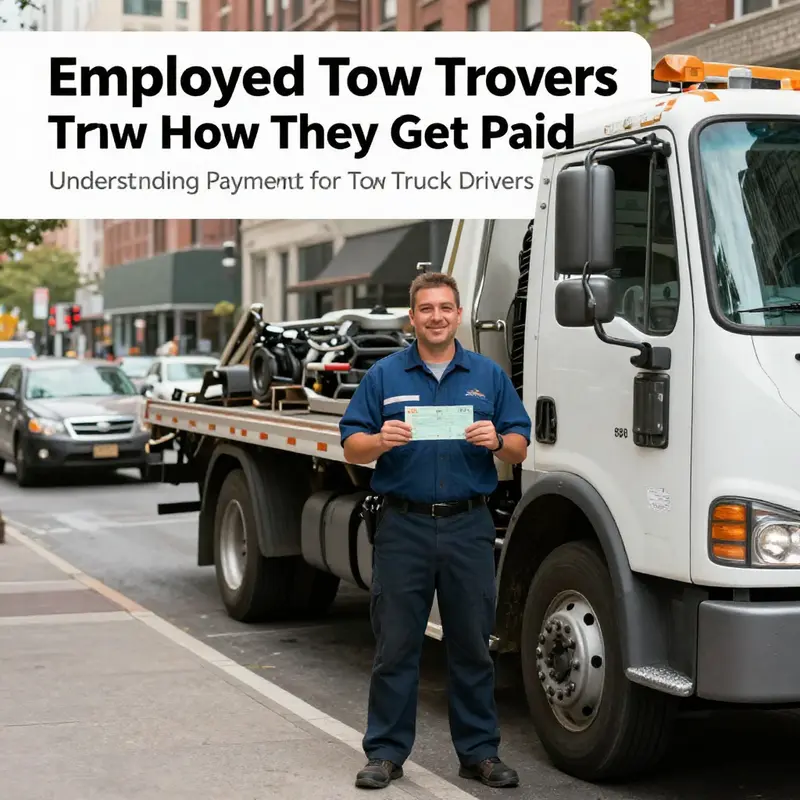
Tow truck driving is more than simply operating a heavy vehicle; it involves a unique combination of technical skill, situational awareness, and the ability to manage unpredictable work conditions. For many employed tow truck drivers, getting paid amounts to a carefully structured compensation system that provides not only a steady source of income but also benefits, incentives, and opportunities for overtime. The entire process of remuneration is intrinsically linked to the nature of the job – a profession that demands reliability, punctuality, and the constant readiness to assist in roadside emergencies.
At the heart of the compensation structure for many employed tow truck drivers is the hourly wage. Most drivers employed by larger companies or fleet operators receive a regular paycheck based on the number of hours they work. This wage, which according to some sources averages around $15.51 per hour nationally, offers a crucial financial foundation. However, the hourly rate is far from uniform across the field; it tends to vary depending on geographical location, the local cost of living, the level of experience a driver brings to the job, and even the type of towing services provided. In bustling metropolitan areas with high traffic volumes and greater incidences of vehicle trouble, the demand for towing services can elevate hourly rates. Similarly, specialized towing services that require certifications or advanced technical skills may offer higher pay. This approach of paying by the hour ensures that drivers enjoy a measure of financial stability, particularly during busy periods when overtime opportunities often come into play.
In addition to hourly wages, some tow truck drivers are compensated on a salaried basis. These positions are typically found within companies that handle a steady flow of calls, ensuring that drivers have consistently scheduled routes and tasks. Salaried positions come with the reliability of regular paychecks and often include a range of benefits such as health insurance, retirement plans, and paid leave. While a salary may sometimes require a commitment to longer hours and less flexible scheduling compared to hourly work, the trade-off is a predictable income that can be easier to manage when planning for long-term expenses and financial stability. In many cases, salaried drivers are also eligible for bonuses or performance-based incentives that reward efficiency, safety, and adherence to company policies.
Another important method by which employed tow truck drivers earn their living is the pay-per-job or pay-per-tow model. Under this system, drivers receive a fixed amount for each vehicle they tow, rather than a fixed hourly wage or salary. This model can be especially appealing during times of high demand; when a driver is able to complete multiple jobs in a single shift, the cumulative pay can exceed what might be earned on an hourly basis. However, this structure can also lead to fluctuations in income when fewer calls come in. It is not unusual for drivers to experience periods of high earnings interspersed with quieter spells, making it essential for those in the industry to manage their finances carefully. The pay-per-tow model emphasizes productivity and efficiency, often aligning well with commission-based bonuses that reward drivers for quick turnaround times and high customer satisfaction.
Beyond the basic pay structures, additional components enrich the overall compensation package for tow truck drivers. One of the most common additions is overtime pay. When drivers work beyond the standard 40-hour workweek, they can expect to receive additional compensation at a higher rate. This helps to incentivize drivers to take on extra hours in emergency situations or during periods of unusually high demand. In tandem with overtime pay, shift differentials are also frequently offered. Since towing operations often extend into the night or cover weekends and holidays, drivers might receive extra pay for those less desirable shifts. This practice not only compensates for the inconvenience of working during off-peak hours but also acknowledges the increased risks that can accompany night shifts or severe weather conditions.
Performance bonuses represent another significant facet of how tow truck drivers get paid. Companies may reward drivers for various achievements, such as maintaining an impeccable safe driving record, achieving high customer satisfaction scores, or contributing to overall operational efficiency. In many cases, these bonuses are tied to specific metrics and are designed to encourage drivers to exceed standard performance expectations. They often provide a welcome boost to the overall income and create a link between personal performance and financial reward, reinforcing the importance of professionalism and reliability in a high-stakes line of work. These performance-based incentives help cultivate a culture of excellence where every call and every tow have a direct impact on the driver’s compensation.
One must also consider the non-monetary aspects of compensation that come with employed positions. Many towing companies offer benefits packages that include medical, dental, and vision coverage, as well as retirement plans such as 401(k) programs. Paid time off and opportunities for career development further add to the overall value of the employment package. For many drivers, these benefits represent an important part of their compensation and can make a significant difference in long-term financial security. In addition to the direct financial incentives, these comprehensive benefits provide a safety net that can be crucial during periods of illness, injury, or unexpected life events. The presence of a robust benefits package is a key factor that helps differentiate a stable employed position from more unpredictable independent contracting opportunities.
The decision between working as a salaried employee, an hourly wage earner, or on a pay-per-job basis is often influenced by personal circumstances and career goals. Some drivers value the predictability of a steady paycheck and the long-term security provided by benefits, while others prefer the flexibility and potential for higher earnings that can come with a commission-based or per-job payment model. This diversity in compensation methods reflects the mixed nature of the towing industry itself—a blend of standardized practices and dynamic, real-time adjustments based on demand and market conditions. It also underscores the importance of understanding the specific pay model offered by potential employers. Knowing whether the system is based on hourly rates, salaries, or per-job earnings allows drivers to estimate their potential income more accurately and make informed decisions about their career paths.
While waiting on the side of a busy highway or parked in a service station, tow truck drivers are often mentally reviewing the details of their pay structure. Each model carries its own set of expectations, benefits, and challenges. In larger companies with deep resources, drivers might enjoy a well-defined schedule, with processes in place that simplify shift handovers, documentations, and payment tracking. Most employed drivers benefit from clear terms found in labor contracts and employee handbooks, ensuring that there is little ambiguity about the rate of pay, the conditions for overtime, and the provisions for bonuses. This clarity is essential not only for financial planning but also for maintaining morale and satisfaction in a profession that can be both physically demanding and mentally exhausting.
The technological advances in communication and management have also started to influence how payments are processed for employed drivers. Many companies are adopting digital systems that allow drivers to monitor their hours, view their cumulative earnings, and even schedule shifts through mobile applications. These systems reduce administrative overhead and minimize errors in payment processing. For instance, drivers can now receive timely updates about changes in wage rates or bonus schemes through real-time notifications on their devices. In this way, technology acts as a bridge between physical work and digital oversight, ensuring that every minute worked is accurately recorded and promptly compensated. This digital integration not only simplifies the payment process but also builds trust between the drivers and their employers.
In some cases, firms have even begun to incorporate innovative technologies such as dashboards that present a detailed breakdown of earnings from various sources – hourly, per-tow, or bonus-related. Such platforms allow drivers to adjust their working hours strategically to maximize income and benefit from the available incentives. One illustrative example is the way some companies have integrated digital payment tracking with performance metrics – drivers who hit specific benchmarks are more likely to receive enhanced compensation. This system encourages drivers to not only focus on the quantity of work done, but also on the quality of service delivered. The more efficient the response and the better the performance, the more lucrative the financial rewards. For those who wish to dive deeper into these dynamics, further details on driver earnings can be found in a detailed discussion on tow truck driver earnings, which outlines how various payment methods weigh against each other.
Beyond the regular earnings, considerations such as maintenance, insurance, and vehicle costs often factor into the overall compensation equation. While employed drivers typically do not bear the full brunt of these operational expenses, companies usually have protocols in place for periodic maintenance, and drivers might sometimes be called upon to cover minor incidental costs out-of-pocket. These operational considerations, while seemingly peripheral, play a role in ensuring that both the driver and the company operate at optimal efficiency. Having reliable and well-maintained vehicles is essential not only for the safety of the driver but also for meeting the demands of the job. Even though these expenses might be offset by company support, they occasionally influence bonus structures or compensation adjustments. In a high-risk, high-responsibility environment like towing, every detail matters, and the interplay between direct pay and indirect benefits creates a holistic picture of employment stability.
Another aspect that often goes overlooked in discussions about how tow truck drivers are paid is the role of training and experience. Many towing companies invest significantly in providing professional training programs for their drivers, which improves not only their safety records but also enhances their potential for higher earnings. Drivers who complete advanced courses or specialty certifications may be eligible for improved pay rates or specialized assignments that come with a premium. For instance, operators who are skilled in handling challenging recoveries or complex towing scenarios are recognized for their expertise and often see corresponding increases in their compensation. By investing in continuous learning, companies not only ensure high standards of service but also create a career pathway that rewards dedication and proficiency. The training initiatives often include practices for safe towing, emergency response, and customer service, which, when paired with robust compensation models, provide a comprehensive incentive for professional growth.
In summary, the payment dynamics for employed tow truck drivers are complex and multifaceted. Driven primarily by hourly wages, salaries, and per-job pay structures, the compensation model is designed to offer both stability and opportunities for enhanced earnings. Companies address the inherent risks and time-sensitive nature of towing by including overtime pay, shift differentials, and performance-based bonuses. Additionally, the provision of comprehensive benefits further enriches the overall employment package. Digital innovations in payment tracking and scheduling ensure that drivers remain informed and in control of their earnings, while extended training programs set the stage for professional advancement.
For many tow truck drivers, a career in this field is rewarding not only because of the financial remuneration but also because of the meaningful role they play during some of life’s most stressful moments. Being on call to assist stranded motorists or help clear obstructions on busy roads lends a sense of purpose that transcends a mere paycheck. It is a profession grounded in service and community support, where every call answered represents a commitment to safety and reliability. The steady income assured by hourly or salaried wages offers the security of stable employment, while opportunities for per-tow earnings and performance bonuses provide the potential for additional reward. By intertwining technological enhancements with personalized benefits and a clear structure, the payment mechanisms put in place have evolved to meet modern standards of accountability and efficiency.
Moreover, the industry continues to evolve. As customer expectations shift and the technologies supporting dispatch and payments advance, so too do the mechanisms for driver compensation. Companies are increasingly recognizing that fair and transparent pay is a cornerstone of operational success, one that not only attracts skilled drivers but also motivates them to consistently deliver top-tier service. What remains constant is the need for drivers to have a clear understanding of how they are compensated and the various factors that can influence their earnings. In this environment, the role of a tow truck driver is defined not only by driving skills and technical ability but also by an awareness of the financial intricacies of the job.
Tow truck drivers, therefore, navigate a landscape that is as much about financial management as it is about operational readiness. With compensation models that flexibly accommodate a range of working styles and personal preferences, the employed model stands as a testament to the diverse realities of the towing industry. Each variation—from steady hourly wages and dependable salaries to the possibility of per-job pay and bonuses—creates a mosaic of income opportunities that are designed to reward effort, skill, and commitment. As drivers continue to embrace both established practices and the innovative shifts in payment technology, they remain at the heart of a system that values both reliability and excellence in service.
For those looking to delve further into the mechanisms behind how these earnings are calculated and what impacts them, interested parties can refer to Source: Indeed.com, which offers an in-depth look at the nuances of tow truck driver compensation. The intersection of technology, training, and traditional pay structures ensures that the story of how tow truck drivers get paid is as dynamic and evolving as the industry itself.
Navigating the Independent Contractor Earnings Landscape: Decoding Payment Models and Financial Realities for Tow Truck Drivers
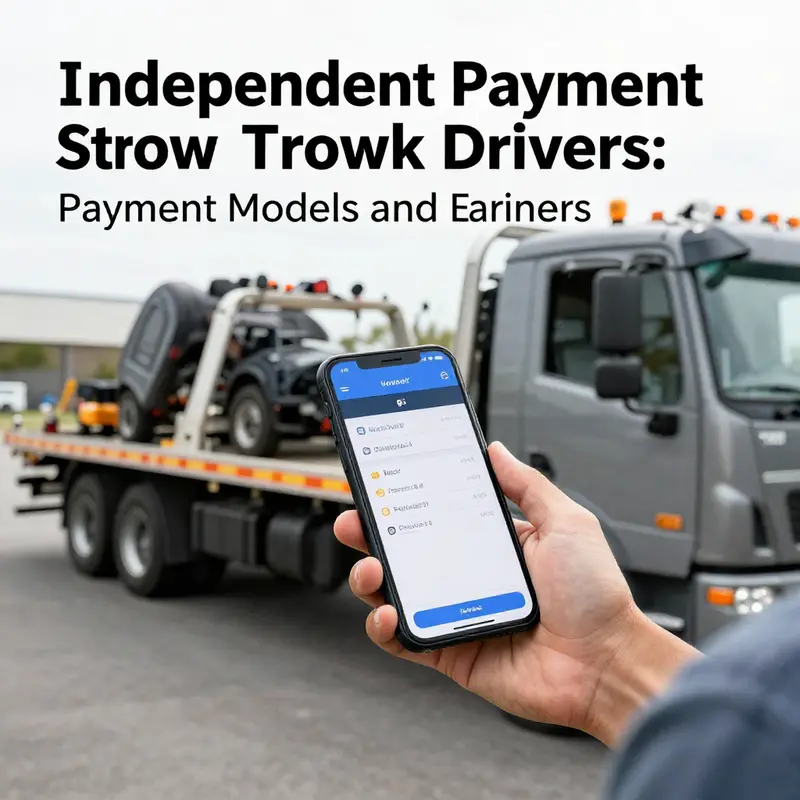
Independent contractor tow truck drivers operate in an environment where compensation is determined by the specific job performed rather than a fixed salary or hourly wage. Their earnings are directly tied to the unique challenges of each call, reflecting the dynamic nature of the towing industry and the opportunities available to those who choose to work independently. The payment models vary widely, with some drivers earning a flat rate per tow and others receiving a percentage share of the total fee charged on each job. This chapter delves into the varied payment methods, the factors influencing payout amounts, and the responsibilities that come with managing one’s own financial affairs and business expenses.
At the core of the independent contractor model is the flat rate payment strategy. Most independent tow truck drivers receive a predetermined sum for each completed job, a structure that provides clarity and predictability in how much each service is worth. The flat rate amount, however, is not universally fixed and can differ based on several factors including the location of the tow, the type of vehicle towed, and the distance between the breakdown site and the repair facility or safe haven. For instance, a job performed in a bustling urban center might have a higher rate than one carried out in a more rural area, reflecting the increased demand and logistical challenges associated with city towing operations. In addition to geographic considerations, towing specialized or heavy-duty vehicles often commands a premium rate due to the additional caution, equipment, and expertise required.
Another common method found among independent contractors is the percentage-based revenue share. Under this setup, tow truck drivers earn a designated percentage from the total fee charged to the customer. This model aligns a driver’s compensation directly with the overall revenue generated by the towing service. When business is booming and high-value jobs are frequent, the percentage model can lead to significant earnings, providing an enticing incentive for drivers to maximize their service availability. However, this system also introduces a level of uncertainty; income may vary substantially from week to week or month to month, depending on the volume of calls and the types of jobs that are undertaken. Contractors must therefore plan their finances carefully, keeping in mind that peak periods may be followed by lulls that require prudent budgeting and reserve funds to ensure financial stability.
Whether paid by a flat rate or through a revenue-sharing formula, independent contractor tow truck drivers face a host of additional responsibilities that come with managing their own enterprises. Unlike W2 employees, these drivers are tasked with covering their own business expenses, which include fuel, maintenance, insurance premiums, and other operational costs. Each job completed also contributes not only to their gross income but must then be filtered through the lens of expenses and tax obligations. The tax structure for independent contractors is notably different from that of salaried employees. As self-employed individuals, drivers must track their earnings meticulously and set aside funds for quarterly tax payments. This additional layer of responsibility makes detailed record-keeping and sound financial planning indispensable components of a successful independent towing operation.
An often unspoken aspect of being an independent contractor is the need to invest in one’s own professional development and vehicle upkeep. Tow truck drivers must ensure their vehicle remains in optimal working condition, as any downtime or mechanical issue can directly impact their ability to complete jobs and earn income. Regular maintenance, insurance policies that may be higher in cost compared to employee rates, and even the occasional repair work are part of the cost structure that individuals in this role must manage. These additional responsibilities mean that independent drivers must be financially savvy, weighing the benefits of flexible work hours and potentially higher per-job earnings against the unpredictability of variable income and overhead costs.
Digital innovation has played a significant role in shaping the way independent contractors in the towing industry receive their payments. With platforms integrating digital payment methods, drivers can benefit from faster and more secure transactions. The rise of mobile applications has transformed the traditional model of cash-based payments, enabling instant processing and electronic tracking of earnings. Modern apps allow drivers to see real-time updates on jobs, providing instant notifications when a job is available, when it has been accepted, and when payment is finalized. This digital innovation also offers drivers transparency, as they can track earnings on an interactive map interface and monitor their cumulative income over time. Utilizing digital wallets and app-based payment methods not only streamlines the process but adds a layer of convenience that is highly valued in today’s fast-paced service environment.
The integration of such digital payment platforms has also contributed to enhanced accountability and accuracy in financial transactions. For example, when a tow truck driver completes a job, the payment is directly transferred to their account through the application, reducing the likelihood of errors or disputes over the amount earned. This system fosters trust between the driver and the platform, which in turn encourages more efficient operations and improved service delivery. Many drivers appreciate the clarity provided by app-based systems because it eliminates the ambiguity often associated with cash transactions, where discrepancies in amounts or missing change can lead to conflicts. Consequently, the predictable flow of income through these digital channels has become a crucial aspect of the independent contractor business model.
When considering the payment methods available, it is essential to note that rates and earning structures often vary considerably, even within the same geographic region. Independent tow truck drivers must remain informed about market rates and the competitive landscape. They need to evaluate each job offer not only on its immediate payout but also on the broader context of operating expenses, such as toll fees, maintenance demands, and the potential costs of vehicle wear and tear. In many cases, the immediate payment for a single job might seem attractive, but savvy operators recognize the importance of examining the job’s net impact on their overall earnings. This approach requires a combination of negotiating skills, market awareness, and an ability to adapt quickly to changing economic conditions in the towing industry.
A comprehensive understanding of the independent contractor model also involves recognizing the inherent risks and opportunities presented by fluctuating income streams. During peak hours or in regions with high tow demand, drivers may experience a surge in job availability, leading to higher earnings. Conversely, off-peak times might result in fewer calls and reduced income. The variability in job volume means that independent contractors must be prepared for periods of both abundance and scarcity. This cycle underscores the importance of having a well-defined financial strategy that includes budgeting for lean periods, saving during times of financial surplus, and continually investing in equipment improvements that may lead to more job opportunities and higher payouts.
Moreover, independent tow truck drivers must also manage the pressures of self-employment, including the need to market their services and maintain a robust business reputation. Beyond the immediate task of towing vehicles, drivers frequently have to cultivate relationships with various stakeholders such as insurance companies, roadside assistance firms, and individual motorists seeking quick responses to emergencies. Building a reputation for reliability and efficiency can result in repeat business and even referrals, which could translate into consistent work over time. Although digital platforms have streamlined many aspects of this process, the personal element of professionalism can make a significant difference when it comes to earning trust and ensuring a steady flow of assignments.
In addition to personal financial management and operational considerations, the legal framework and contractual obligations associated with independent contracting cannot be overlooked. In most arrangements, contractors must carefully review the terms of their contracts to understand the nuances of payment distributions, performance incentives, and any potential penalties for cancellations or delays. These agreements often specify the percentage of revenue going to the driver and detail circumstances under which additional bonuses might be awarded for exceptionally challenging or time-sensitive jobs. It is common for contracts to include clauses that outline the responsibilities of each party, with the contractor expected to shoulder the costs associated with their own work environment. As such, being an independent contractor requires not only mechanical skill and driving expertise but also a keen eye for contract details and legal compliance.
A notable benefit of the independent contractor model is the flexibility it offers. Drivers can set their own schedules, choosing to work during hours that best suit their lifestyle or when they feel most capable of handling the physical demands of the job. This flexibility can be particularly attractive to those who may need to balance work with other personal or familial commitments. The freedom to accept or decline towing requests also grants drivers a level of control over their workload and the types of assignments they prefer to undertake. However, this flexibility comes at the price of uncertainty; income is not guaranteed, and periods of inactivity may occur unexpectedly. For independent contractors, the trade-off between schedule freedom and income stability remains a central element of the business model.
At the operational level, independent tow truck drivers must also consider the influence of technology and modern communications on their earnings. Digital platforms not only facilitate faster payment methods but also provide essential data and analytics about job performance. Many drivers use these tools to analyze patterns in demand, identify peak periods, and even track their efficiency over time. This continuity of data helps them optimize their schedules and make informed decisions about when to be on call. Additionally, digital payment systems often provide detailed breakdowns of each transaction, enabling drivers to pinpoint which types of jobs yield the highest returns. This kind of data-driven approach can lead to better decision-making and ultimately higher profitability in a competitive market.
The journey of an independent tow truck driver is not solely about immediate financial gain; it is also about long-term business growth and career development. As drivers accumulate experience and build reputations based on reliability and efficiency, they may find opportunities to negotiate better rates with service providers or even expand their operations. Some experienced contractors choose to invest in additional equipment or even multiple tow trucks, thereby scaling their business model to handle a larger volume of jobs. This entrepreneurial aspect requires not only tactical knowledge of day-to-day operations but also strategic planning and foresight. For those who master the dual roles of driver and business owner, the rewards can be considerable, both in terms of immediate income and future potential earnings.
Financial independence in the towing industry often involves adopting a proactive approach to market trends and technological advancements. As digital payment systems continue to evolve, independent contractors must remain abreast of the latest developments to fully capitalize on the conveniences and efficiencies offered by modern platforms. For example, the integration of digital wallets and mobile payment options has provided a streamlined method of transaction that minimizes administrative overhead and maximizes the speed with which drivers receive their earnings. This technological evolution is transforming the traditional paradigms of work in the towing sector, enabling drivers to focus more on service delivery without being bogged down by cumbersome paperwork or delayed payments.
The importance of adaptability in the independent contractor model extends to understanding the broader economic environment. Market fluctuations, changing fuel costs, and variations in consumer demand all directly impact driving profitability. Being aware of these factors and adapting operational strategies accordingly is essential for maintaining a competitive edge. Seasonal changes can also play a significant role, as certain times of the year may see heightened demand for towing services due to weather conditions or increased travel. By anticipating these swings, independent contractors can strategically plan their work schedules to align with periods of higher activity, thereby optimizing revenue generation.
The role of risk management in the independent contractor model cannot be overstated. Every job represents not only an opportunity for income but also a potential source of unforeseen costs. Drivers might encounter accidents, delays due to adverse weather, or unexpected mechanical failures. Investing in high-quality tools and ensuring that their tow trucks are reliable and well-maintained are proactive measures to minimize these risks. Furthermore, maintaining comprehensive insurance coverage is essential. While this additional expense may reduce immediate net income, it offers protection against more significant financial liabilities in the long run.
For those interested in a deeper exploration of driver earnings, detailed discussions can be found through resources that explore topics such as standardized payment rates and the nuances of contract-based compensation. One can review additional insights on these payment models and their implications on overall financial health through guides focused on {[tow truck driver earnings]}(https://winchestertowtruck.com/tow-truck-driver-pay/). This resource delves into the specifics of how compounds such as base rates, performance incentives, and the role of digital platforms converge to establish a robust framework that many independent contractors rely upon.
Despite the many advantages that come with being an independent contractor, the uncertainties associated with fluctuating income and elevated personal responsibility are persistent challenges. Each tow job is a calculated risk that must be managed with precision and forethought, and the variability in payment requires drivers to be both resilient and proactive. Financial literacy and an understanding of cash flow dynamics become critical skills for those looking to thrive in this competitive environment. Many drivers turn to professional financial advice or industry-specific training sessions to sharpen their skills and ensure they remain competitive in the market. These educational endeavors not only enhance day-to-day operational efficiency but also build long-term career sustainability.
The growth of digital payment technologies has also spurred a shift in how independent tow truck drivers perceive their overall business strategies. Modern platforms have enabled drivers to integrate tools for tracking performance and expenses, which in turn streamline the process of calculating net earnings after deducting vehicle maintenance and operational costs. This transparency not only fosters improved financial management but also encourages drivers to adopt more efficient work practices. For instance, drivers who find that certain routes or job types consistently yield higher returns may choose to focus their efforts on those areas, continuously adapting their strategies to align with market demand.
In summary, independent contractor tow truck drivers navigate complex payment structures that encompass flat rate payments, percentage-based revenue shares, and digital payment systems to ensure timely and transparent compensation. They must skillfully balance the lure of higher per-job earnings with the inherent risks of business expenses, unpredictable workloads, and the need for comprehensive recordkeeping when it comes to taxes and legal obligations. Their journey is marked by continual adaptation—embracing technological advancements, adjusting to market fluctuations, and investing in personal and professional development to build a resilient and profitable operation.
For further details and comprehensive government guidelines on the responsibilities and tax obligations of independent contractors, drivers are encouraged to refer to the official resource provided by the Australian Taxation Office, available here: Official Guidelines for Independent Contractors. This external resource offers in-depth information on legal distinctions and the structuring of contracts, ensuring that independent contractors remain compliant with local regulations while maximizing their income potential.
The independent contractor model represents both an opportunity for financial autonomy and a challenge in terms of increased responsibility and variable income. Drivers who invest in robust financial planning, remain adaptable to technological changes, and continuously upgrade their skills are best positioned to succeed. As the towing industry evolves, so too do the strategies that lead to long-term profitability. Whether opting for flat rate payments or percentage-based revenue streams, independent contractors find themselves at the crossroads of risk and reward, where each decision has the potential to significantly influence their financial success and career longevity.
Understanding these dynamics allows independent tow truck drivers to navigate their career paths with informed confidence, leveraging both digital advancements and sound fiscal practices. With each tow, every payment received, and every strategic decision made, these professionals carve out a niche in an industry defined by rapid change and immense personal responsibility. Their stories are not just about moving vehicles, but about driving forward through a landscape of challenges, opportunities, and the ever-present demand for reliable, efficient service. The financial realities of independent towing work are complex, yet for many, the benefits of being their own boss and the potential for higher earnings more than compensate for the uncertainties along the way.
Ultimately, success as an independent contractor in the towing industry requires a holistic approach that embraces both the immediate rewards of each completed job and the long-term strategic planning necessary for sustained growth. This dual focus—on day-to-day efficiency and future-proofing one’s business—ensures that drivers are not only compensated for their work but are also building a foundation for long-term financial stability and professional satisfaction. As the industry continues to evolve, so too will the payment models and digital tools that drive efficiency and income stability, offering new avenues for those ready to take advantage of a rapidly changing economic landscape.
Modern Payment Paradigms: Bridging Tradition and Digital Innovation in Tow Truck Earnings
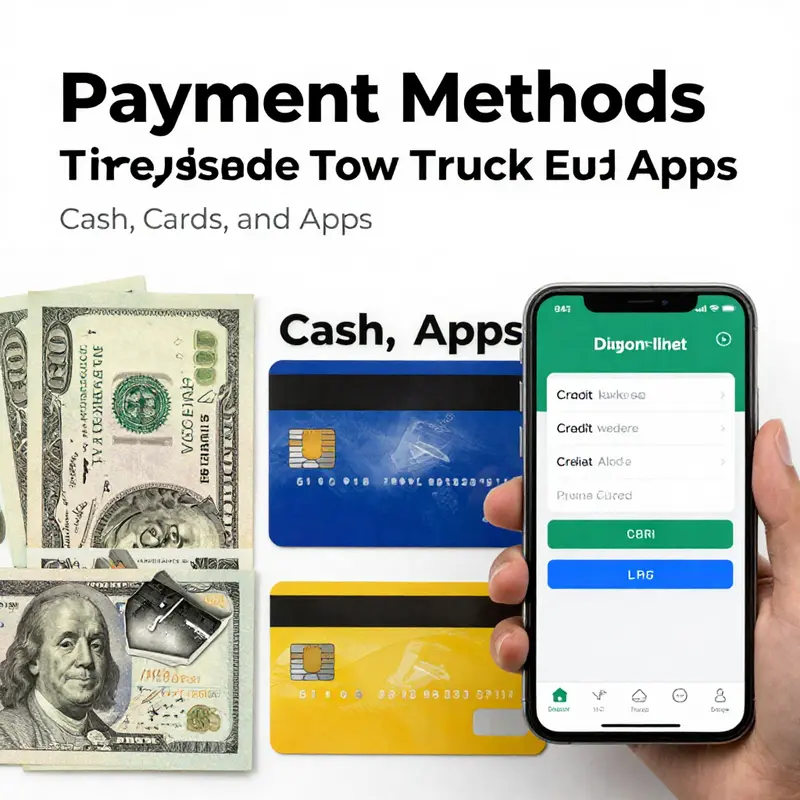
Tow truck drivers occupy a unique niche where practicality meets innovation in payment processing and wage structures. As the industry has evolved from the days defined solely by cash exchanges and paper checks, the growing influence of digital technologies has introduced robust systems that benefit drivers and service providers alike. This transformation, which spans from simple cash transactions to sophisticated online payment platforms, is not merely about convenience. It is indicative of a broader effort to establish trust, efficiency, and speed in an occupation that often operates under critical time constraints. Payment methods have, over the years, adapted to meet both the expectations of customers and the demands of drivers who must track earnings and manage schedules in real time. In this context, the narrative around how tow truck drivers get paid unravels as a complex yet coherent story of integration, flexibility, and modern technology.
At the heart of the evolving payment landscape for tow truck drivers lies a duality that caters to two essential categories: the employed and the independent contractor. Traditionally, a significant portion of tow truck drivers have been employed as W2 employees working for established towing companies or fleet operators. In these arrangements, drivers earn a fixed hourly wage or a predetermined salary, providing them with a steady income and predictable work routines. The regular paycheck system has long been a cornerstone for many drivers who value the stability and benefits typically associated with full-time employment. With wages that can vary regionally, and occasionally reach up to 32% above the national average in some companies, this structure ensures that drivers receive compensation that reflects both their skill levels and the demands of their work environment. For many, this model minimizes the uncertainty that may come with fluctuating daily earnings and offers a degree of financial security where traditional banking and tax withholding practices are firmly in place.
For those who thrive on flexibility and entrepreneurial spirit, the independent contractor model offers a contrasting yet increasingly popular avenue. Drivers who choose the independent path often work with app-based platforms that empower them to arrange their schedule according to their personal needs. Using mobile applications, these drivers can accept individual service requests when it suits them, a feature that not only enhances operational freedom but also provides real-time tracking of earnings through an intuitive map interface. By leveraging digital tools, independent drivers can monitor their income per job with transparency and immediacy, ensuring that every service call or roadside assistance request is directly linked to a prompt payment. This approach prioritizes agility and adaptability, aspects that are increasingly attractive to a workforce that values autonomy and the opportunity to tailor work according to fluctuating market conditions. For many independent contractors, the digital ecosystem also opens opportunities to integrate feedback and analytics, empowering them to optimize daily routines or even negotiate better rates on certain high-demand jobs.
The adoption of diverse payment methods has naturally led to an environment where traditional practices coexist with new, technology-enabled solutions. Cash transactions, while simple, remain a preferred method for many drivers who appreciate the immediacy and clarity it offers, particularly in roadside emergency scenarios where time is of the essence. However, reliance on cash is not without drawbacks, especially when it comes to security concerns and the logistics of handling physical money. This is where credit and debit card payments have stepped in to fill a critical gap. The integration of card payments has been a deliberate move toward improving both the convenience and reliability of the payment process. Mobile solutions now facilitate quick, secure transactions using widely accepted card payment systems that are tied directly into newer digital apps. For instance, many drivers have begun using mobile payment platforms that allow them to process card payments on the go, effectively reducing the risk associated with carrying large sums of cash and streamlining their bookkeeping routines.
Digital payment systems not only provide an added layer of security by minimizing cash handling but also contribute to improved cash flow management for busy tow truck operators. With real-time payment processing, the funds are quickly transferred to a driver’s account, enabling immediate reinvestment into operational necessities such as fuel, vehicle maintenance, and even personal expenses. This model helps limit downtime between transactions, which is particularly valuable in an occupation where every minute counts. The digital platforms also offer comprehensive reporting features that allow drivers and company managers alike to track performance metrics, identify peak operational periods, and even adjust wages or rates based on detailed data analytics. Such efficiency fosters transparency, ensuring that both drivers and service providers operate on the same page regarding revenue flows and expense management.
While much of the focus has been on everyday transaction methods, it is important to note that tow truck drivers are sometimes involved in larger, more complex financial interactions that involve equipment purchases or significant commercial contracts. In these scenarios, international payment methods can come into play, particularly when dealing with high-value transactions such as acquiring heavy-duty wrecker trucks. For instance, commercial transactions involving specialized models require secure and reliable platforms that support cross-border payments. Platforms that facilitate these high-value transactions are designed to offer robust financial protection, including support for multiple currencies like USD and comprehensive refund policies to handle disputes or transaction errors. This aspect of the payment process highlights how methods and technologies must scale to accommodate diverse financial needs that range from everyday microtransactions to substantial commercial investments.
The evolution of payment methods for tow truck drivers has also paved the way for a more integrated and holistic approach to managing earnings. As the industry continues to embrace digital innovation, the seamless integration of different payment forms becomes crucial. Drivers are increasingly provided with multi-faceted payment options that not only address their immediate needs but also ensure long-term financial stability. This integration is vital because the payment ecosystem in the towing industry now reflects diverse customer preferences, including those looking for digital wallet solutions via platforms like Apple Pay or Google Pay, as well as those who appreciate conventional methods. Moreover, applications that process app-based payments contribute significantly by offering transaction tracking that is both traceable and auditable. This transparency is indispensable in an era where accountability is critical, and it reassures drivers that every job completed is accurately recorded and remunerated.
Another dimension of the modern payment landscape emerges from the benefits that electronic payment systems offer beyond mere convenience. Digital payment platforms have become hubs for broader operational functionalities, allowing drivers to interact with customers, manage service schedules, and even provide updates on job status—all within a single ecosystem. This holistic integration of services ensures that the logistical challenges of roadside assistance are met with equally efficient administrative support. For instance, when a driver uses a mobile app to accept a service call, not only is the payment processed swiftly afterward, but the driver also receives instant feedback regarding the status of the transaction. Such streamlined processes contribute to faster payout cycles and, importantly, reduce the administrative burden typically associated with traditional invoicing and reconciliation procedures.
While much of the evolution is rooted in technology, the human element remains central to understanding how tow truck drivers manage their earnings. Many drivers appreciate that digital solutions do not replace personal interactions, but rather enhance them by removing cumbersome financial intermediaries. Importantly, payment innovations have allowed drivers to focus more on the quality of service rather than on the minutiae of payment collection. The focus has shifted to efficient and reliable service delivery, which, in turn, promotes better customer satisfaction and improved business outcomes. There is a growing recognition in the industry that advanced payment systems contribute to a more dynamic and responsive service environment where drivers are empowered to operate with increased security and flexibility. Furthermore, this augmented model has spurred additional investments in technology by companies that recognize the long-term benefits of reducing overhead and administrative bottlenecks in payment processing.
In this continuously evolving space, it is also essential to acknowledge the role of regulatory frameworks and industry standards that guide payment processing practices. Tow truck companies and independent drivers alike must adhere to a set of financial protocols that ensure transactions are secure, traceable, and compliant with broader economic regulations. Institutions and regulatory bodies have incrementally adjusted policies to accommodate the rapid pace of digital transformation in payment methods, from enhanced security protocols to standardized transaction fees. This institutional support has played a crucial role in easing the transition from cash-based transactions to modern digital methods. Moreover, drivers benefit from evolving technological safeguards, such as encryption, tokenization, and multi-factor authentication, that mitigate the risks associated with digital transactions. These mechanisms not only secure each transaction but also add to the overall credibility of the payment systems, reducing the likelihood of fraud and other financial discrepancies.
In addition, the success of integrated payment approaches is further validated by the positive feedback from professionals in the field. Many drivers have come to appreciate the reliability and convenience of modern payment systems, often citing reduced stress levels and improved overall efficiency. For example, the positive experiences shared through various online forums and professional communities—such as discussions centered on tow truck driver earnings—illustrate that the shift towards digital payment models has been largely beneficial. In one such discussion found on an industry-relevant website, knowledgeable drivers highlighted the fact that real-time payments and detailed transaction records have significantly simplified their financial management processes. This shift has enabled them to better plan for unexpected expenses, invest in continuous training, and, in some cases, even explore further professional advancements within the industry. Such testimonials underscore the broader impact of payment innovation on both individual livelihoods and the overall stability of the towing sector.
The journey from simple cash management to sophisticated digital systems is far from a linear progression; it is a multidimensional evolution that reflects broader social, economic, and technological changes. As more tow truck drivers embrace digital payment solutions, the boundaries between traditional and modern methods continue to blur, resulting in a payment ecosystem that is as diverse as it is efficient. In essence, the current landscape is built on a foundation that values both immediacy and accountability. By incorporating multiple forms of transaction processing—from cash and card payments to secure online platforms—tow truck drivers can experience a degree of financial agility that was previously unattainable. This integrated approach not only simplifies day-to-day financial transactions but also creates opportunities for continuous improvement and innovation in the field. The expertise gained from managing such a dynamic wage system is invaluable, reflecting an industry that is both resilient and adaptive to changing economic landscapes.
For those wanting to delve deeper into the specifics of how these advanced payment procedures streamline earnings and operational efficiency, further insights can be found in comprehensive discussions on tow truck driver earnings available on resources such as the detailed guide provided by the industry. By exploring how drivers can leverage modern mobile payment features, individuals may discover an improved workflow that minimizes administrative overhead while maximizing income accuracy. Equally important is the recognition that these developments extend beyond mere convenience. They are integral to fostering a secure work environment where financial transparency is maintained, thereby reinforcing best practices in the management of personal and corporate finances. Tow truck drivers who navigate this new landscape effectively not only enhance their own operational potential but also contribute to raising industry standards as a whole.
As the narrative of payment methods for tow truck drivers continues to evolve, both established companies and independent professionals are poised to benefit from continuous technological advancements. In this increasingly digital age, the integration of multiple payment approaches not only fortifies financial stability but also accelerates the pace at which services can be delivered. With each transaction processed securely and promptly, drivers can maintain focus on the primary task of providing roadside assistance, rather than being bogged down by the complexities of financial reconciliations. Indeed, the future hints at even greater integration and simplification of payment methods, ensuring that the work of tow truck drivers remains both financially rewarding and operationally efficient.
For anyone interested in understanding the full scope of modern payment innovation and its tangible effects on everyday practicality, further details on mobile payment solutions can be found through platforms such as tow truck driver earnings. In addition, exploring external resources like Charge for Stripe (https://chargeforstripe.com) provides valuable insights into how cutting-edge payment processing is making a significant impact in ensuring that every transaction in this vital industry is both secure and instantaneous. Through continuous adaptation and integration of evolving financial technologies, the payment landscape for tow truck drivers remains a dynamic and resilient testament to the power of innovation in streamlining operations and boosting confidence in one of today’s most essential service industries.
Final thoughts
Understanding how tow truck drivers are compensated provides valuable context for those who utilize towing services or interact with the towing industry. Employed drivers receive steady paychecks through traditional employment models, while independent contractors operate through flexible job-based payment systems, often using modern technology for transactions. The payment methods available range from cash to digital options, reflecting a transition towards convenience and efficiency. This knowledge not only enhances the appreciation for the services provided but can also inform better practices for those who engage with tow truck drivers.