
Towing a car long-distance requires more than just a robust vehicle and a sturdy connection; it demands a meticulous approach to safety and efficiency. Whether you’re a truck owner, an auto repair shop professional, or someone who regularly helps friends and family with towing, understanding the nuances of successful towing can save you headaches and ensure the well-being of all involved. This guide will break down the essential components: from pre-trip vehicle and equipment checks to choosing the right towing method, executing safe connection procedures, and adopting effective driving habits while towing. Each chapter will equip you with the knowledge you need to tow confidently, highlighting key considerations that will keep your journey safe and efficient.
Pre-Trip Readiness: Thorough Vehicle and Equipment Checks for Safe Long-Distance Tows with a Truck
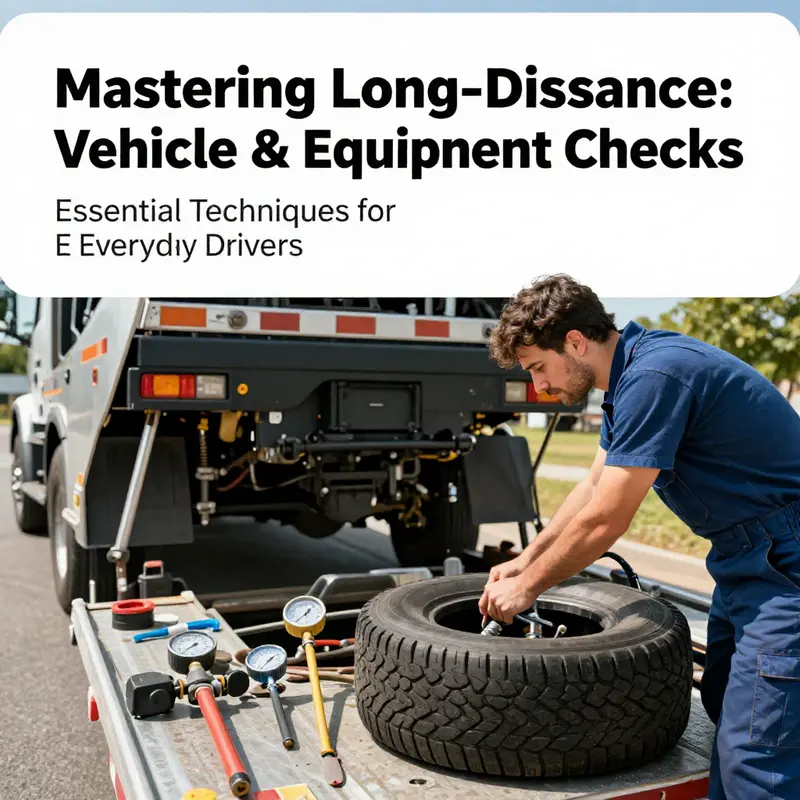
Preparing to tow a car long distances from the back of a sturdy truck is about more than crossing fingers and hoping for smooth roads. It is a discipline of meticulous checks, deliberate planning, and a clear understanding of how every component interacts during hours of steady travel. When you set out on a long haul, you are, in effect, test-driving safety, reliability, and control across a landscape that can shift with weather, traffic, and terrain. The pre-trip phase is your line of defense against breakdowns, unsafe handling, and collateral damage to a vehicle that might be carrying someone’s day-to-day life. The heart of this preparation lies in two closely linked domains: the condition of the towing vehicle itself and the integrity of the trailer equipment that will carry the towed car. The aim is simple but absolute—create a stable, predictable towing system that behaves as a single unit while remaining courteous to other road users.
Begin with a steady, methodical mindset. Long-distance towing amplifies small issues. A minor oil leak, a slightly underinflated tire, or a loose bolt on a hitch can become a much bigger problem once you are hours into a journey, far from help and mobile signals. The checks that follow are not mere ritual; they are a concise map of road readiness that reduces risk, extends equipment life, and minimizes the chance of costly delays. A comprehensive pre-trip routine centers on two pillars: the towing vehicle’s mechanical health and the trailer’s attachment integrity and electrical communications. Each pillar feeds the other. A well-maintained truck can tow a well-prepared trailer with steadier handling, while an ill-fitting hitch or frayed wiring can compromise even the most robust engine and brakes. For long runs, the stakes are higher, so the checks deserve the same attention you would give a first-responder vehicle before a critical call.
On the towing vehicle, the engine and fluid systems deserve the first attention. Begin with the engine oil: check both level and color. You want a clean, amber-toned oil at an appropriate pressure and viscosity as recommended by the manufacturer. If the oil appears gritty or unusually dark, plan a change before departure. Coolant levels should sit within the marked range with no evidence of leaks in hoses or the radiator. A subtle, persistent heat rise during a test drive can signal blocked passages or a simmering cooling system. Brakes are arguably the most critical safety system when you are hauling long distances. Inspect brake pads for wear and replace them if they are near the minimum safe thickness. Confirm that brake fluid is at the correct level and inspect lines for cracking or leakage. In a towing scenario, brakes work under heavier load, and any weakness can lead to longer stopping distances or overheating. Tires deserve equally careful scrutiny. Tread depth should not dip below a conservative minimum—4/32 of an inch is a common baseline, but always follow the vehicle manufacturer’s specification. Check tire inflation with a reliable gauge and adjust to the recommended PSI for the towing setup, accounting for load and any spare capacities. Look closely for signs of damage: cracks, bulges, embedded stones, or slow leaks can ruin a tire at highway speeds. Lights are non-negotiable on any highway operation, especially when there is a second vehicle behind you. Functional headlights, brake lights, turn signals, hazard lights, and even side markers should be verified before you move out. In poor visibility, you cannot over-illuminate the truth of your presence and intent on the road.
Beyond the engine and tires, there is a constellation of checks that ensures the towing configuration remains stable under varying conditions. The steering system must be responsive. If the towed vehicle’s suspension or alignment is off, the entire rig can feel loose or wander, increasing the risk of jackknifing or sudden pulls on braking. In automatic transmission vehicles, you will often tow with the transmission in neutral, but the landscape of long-distance towing demands more than a lever position. Confirm your vehicle’s stability under torque, and consider a test drive with the towed load in a controlled environment to sense any unusual behavior, such as drift, shimmy, or vibration. For manual transmissions, neutral gear is still required, but you must ensure that the handbrake is fully disengaged and any automatic parking pawl does not engage inadvertently during a test pull.
While the towing vehicle must carry its share of proactive checks, the trailer or tow setup itself carries equal weight in the safety equation. The hitch or tow bar is the backbone of the connection. Ensure the hitch ball is the correct size for your trailer’s coupler and that the connection is tight and free of corrosion. The coupler should lock securely and remain locked through a simple wiggle test that confirms there is no play in the joint. Safety chains are a critical redundancy; they should be crossed under the tongue and anchored with enough slack to allow full steering without tension but not so much that they drag on the ground or snag on uneven pavement. The electrical connection that powers tail lights, brake lights, and indicators is the lifeblood of visibility for other drivers. Inspect the wiring harness for moisture, fraying, or damage to the insulation. Test all lights with the vehicle running or using a battery-powered test method if needed. The trailer’s tires must mirror the condition checks on the towing vehicle: tread depth, inflation pressure, and signs of damage. Bearings and suspension components should be inspected for wear or looseness that could generate heat, noise, or instability.
The checks should culminate in a functional testing phase that moves from static inspection to cautious dynamic evaluation. After connecting the trailer, perform a hitch security test known to experienced operators as the wiggle test. It is designed to reveal looseness that could develop under vibration and load. Then take a very slow drive in a safe area to observe how the combination behaves when you brake, accelerate gradually, and steer. Listen for new or unusual noises and monitor for vibrations that might indicate a loose component, a misaligned ball mount, or bent frame members. If a weight-distributing hitch is part of the setup, verify that the distribution system is properly adjusted and functioning as designed across the range of expected speeds and loads. Cargo security within the trailer is not an afterthought; it is a safety-critical element of long-distance towing. Confirm that all items are securely fastened, that heavy loads are distributed evenly, and that the overall weight distribution aligns with the trailer manufacturer’s guidelines for safe operation.
The mood of preparation should emphasize deliberate pacing and thoroughness rather than speed. Build a mental checklist that you run through before every mile. This helps avoid the common temptation to rush through the review and miss a lighting fault, a loose pin, or a slight misalignment that could become a hazard. For long journeys, plan the route with contingencies for weather, road work, and potential detours. Review legal requirements in the jurisdictions you will traverse, such as permitted speed limits for towing, lighting requirements, and any seasonal restrictions. A practical mindset also includes contingency planning for breakdowns, including the availability of roadside assistance options, a spare tire, a basic toolkit, and extra fluids in case of minor leaks or overheating—the sort of backups that can keep a trip moving rather than ending it abruptly.
It is worth recognizing the practical wisdom behind choosing the right towing method for the journey. The available options—tow bars, tow ropes, and flatbed trailers—each carry distinct risk profiles and operational realities. For long distances, a rigid, stable connection using a proper tow bar or a flatbed trailer tends to offer the best control and protection for both vehicles. The recommendations here are not mere preferences but guidelines rooted in protecting the transmission in automatics, preventing damage to fragile components, and ensuring that the towed car rests on a secure, level platform rather than being dragged behind on a rope or in an unstable tow. As the journey lengthens, the difference in how the car and the tow vehicle respond to road irregularities becomes more pronounced. The minimum reliability threshold is the use of a sturdy tow method that minimizes friction, avoids pulling and twisting forces on the towed car, and maintains predictable handling for the driver behind the wheel of the truck. If the total distance or vehicle types dictate the need for a more specialized arrangement, such as a wheel-lift system or a flatbed trailer, commit to that choice and configure it with equal attention to securement and electrical integrity.
As you finalize the pre-trip ritual, remember to integrate the practical knowledge you already posses with the specific realities of the journey ahead. Long-distance towing introduces a broader spectrum of variables—from fluctuating temperatures that affect tire pressure to hills that demand controlled acceleration and careful braking. The aim is to cultivate a stable platform on which to operate, a system that you can trust under pressure and changeable conditions. A solid pre-trip routine will rarely be wasted time. It is, in effect, the fastest way to reduce risk, to protect both vehicles from preventable damage, and to safeguard the passengers who may be relying on that tow to deliver them safely to their destination. When you approach the road with this mindset, you begin the trip with a quiet confidence born from preparedness, not luck.
For a concise, practical guide to the mechanics of towing a car behind a truck, see the Tow Car and Truck Guide. This reference provides a grounded overview that complements the discipline of the checks described above and helps ensure that every connection and every measurement aligns with tested practices. While you should tailor your inspection to your specific vehicles and local regulations, the core principles—thorough inspection, secure connections, reliable lighting, stable weight distribution, and disciplined driving—remain universally applicable across long-distance towing scenarios. In the end, the goal is not merely to reach the destination, but to do so with confidence that the towing system behaved consistently and squarely with the high standards that safety demands. The pre-trip phase sets the tone for the entire journey, and when done diligently, it can transform a potentially risky endeavor into a controlled, predictable, and ultimately safer experience on roads that stretch far beyond the horizon.
External resource: For additional safety guidance on towing, consult the National Highway Traffic Safety Administration resources at https://www.nhtsa.gov.
Rig, Route, and Responsibility: Selecting the Right Long-Distance Towing Method for Cars Behind a Truck
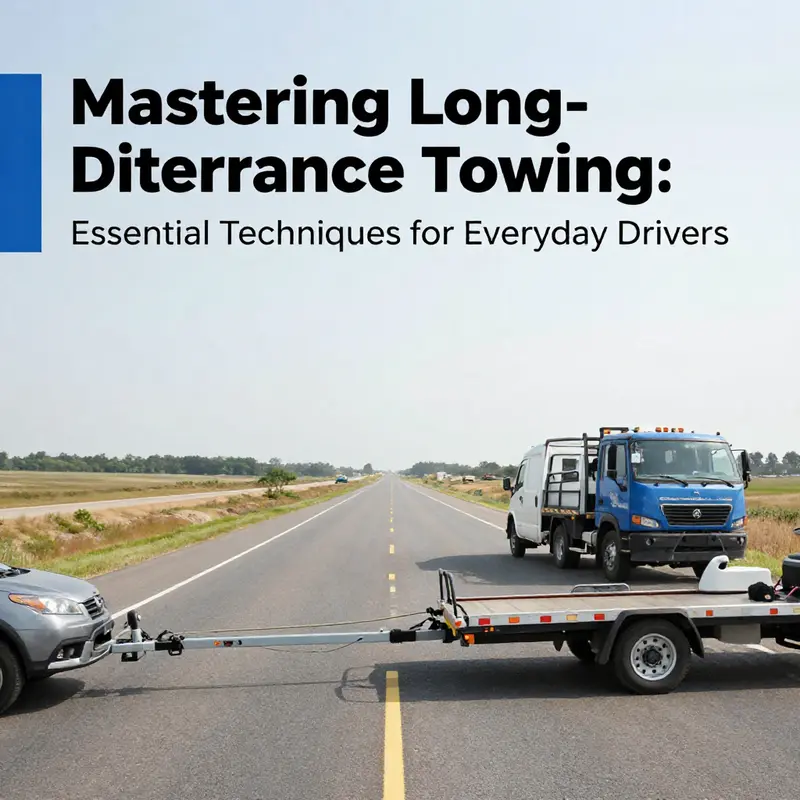
Choosing how to move a car long distance behind a truck is less about finding a single best tool and more about aligning the vehicle’s drivetrain, the journey’s length, and the available equipment with a method that protects both cars and people. The question isn’t merely “can I tow it?” but “which method will deliver the safest, most reliable result over hundreds or thousands of miles?” The core decision often narrows to three practical paths: a tow bar, a trailer, or, for the most distant or complex moves, a professional auto transport service. Each option has distinct implications for weight, drivetrain safety, and handling, and the choice should flow from a careful assessment of the towed car’s type and condition, the road ahead, and the level of risk you’re prepared to manage. When the road unrolls long enough, a disciplined approach to selecting the method becomes a form of risk management as much as a mechanical choice, and it sets the tone for the entire journey.
For many two-wheel-drive vehicles that are not damaged and that have a straightforward front- or rear-wheel-driven setup, a tow bar remains a practical, cost-efficient solution for long distances. A properly rated tow bar lifts the non-drive wheels off the ground, leaving the driveshaft and transmission no load while the vehicle is being moved. The result is reduced drivetrain wear and a simpler, more compact setup than a full trailer, particularly on routes with reasonable traffic, service stations, and highway access. Yet this approach presumes a vehicle in good mechanical health, with no hidden issues that could worsen if the drivetrain is momentarily unloaded. It also presumes that both the tow bar and the anchor points on the towed vehicle are secure, the electrical connections for brake and turn signals are sound, and the route avoids abrupt maneuvers that might stress the towed vehicle or the hitch. If those conditions exist, the tow bar offers a balanced mix of control and efficiency that suits many long hauls. For additional context on how to think about towing across different vehicle configurations, a concise, practical reference in the field can be found at the Tow-Car-Guide resource tow-car-truck-guide.
But the moment the towed vehicle becomes a four-wheel-drive or all-wheel-drive system, the calculus shifts dramatically. The research and practice accumulated in the field are clear: four-wheel-drive and all-wheel-drive vehicles should not be towed with all four wheels on the ground for long distances. The risk is not only to the transmission but to the transfer case and differentials, which can suffer catastrophic, costly damage if physically dragged along while the engine is not running and the drive is disengaged. In these cases, a trailer that keeps all four wheels off the ground—or, even more safely, a flatbed that carries the entire car—becomes the safe, recommended method for long-distance moves. A trailer allows the vehicle to be loaded so that no wheels are turning on the ground, effectively bypassing the drivetrain concerns that plague 4WD/AWD devices when they’re towed in the conventional sense. This approach is not simply about equipment; it is about safeguarding a vehicle’s core mechanical systems over long exposure to road conditions, heat, vibration, and the stress of long-distance travel. The principle is simple: if the drivetrain is mounted to be driven by the engine, don’t drag it behind a truck. When you need maximum protection for a high-value or mechanically complex car, the trailer—and especially a flatbed—delivers the safest, most controlled long-haul transport.
Guidance from professional practice and from established safety resources reinforces this hierarchy: use a trailer or flatbed for 4WD/AWD vehicles, and reserve the tow bar for sturdy, well-maintained two-wheel-drive units that are not compromised. In cases where a long-distance move involves a vehicle with significant mechanical issues, or where the destination involves rough terrain or limited maintenance access, engaging a professional auto transport service may be the wisest course. These providers bring specialized trailers, automation for tie-downs, and insurance coverage that reduces the owner’s exposure to risk. They handle loading, securing, transport, and often the unloading process, offering a level of reliability and protection that is hard to match with an improvised DIY setup. This is especially true for moves spanning hundreds of miles where even a minor drivetrain mishap can become a major complication. While the upfront cost of professional transport is higher, the security of consistent tie-downs, controlled speeds, and regulated routes often makes it a prudent investment for a long-distance relocation.
Regardless of the method chosen, a consistent thread runs through every successful long-distance tow: meticulous preparation, rigorous safety checks, and disciplined driving. The most decisive factor is pre-trip condition. Before any road is traveled, the towed vehicle should be in a state that minimizes risk. For automatics, the transmission should typically be neutral, and the towed vehicle’s battery should be charged enough to power any essential systems that the move might affect. Tire pressure and tread should be within normal specifications, tires should be free from structural damage, and the steering should be locked to prevent wandering. The towing equipment itself must be inspected with the same care. The tow bar or trailer hitch should be rated for the total weight of the vehicle being towed, connections should be secure, and all fasteners and safety pins should be tight and in good condition. If a tow rope is contemplated for any reason, it must be rated well beyond the towed vehicle’s weight, marked clearly, and inspected for wear or fraying—though for long-distance work, a tow rope is generally not the preferred solution. For lengthy journeys, many practitioners favor a flatbed or wheel-lift trailer, both of which are designed to keep the towed car off the ground and provide stable, even weight distribution that reduces the risk of tire and suspension damage.
Repair or maintenance checks must extend to the towing vehicle itself. The truck should carry out-of-service spares and tool kits, a robust battery, and functioning lights that clearly communicate braking and turning intent to other road users. The route must be planned with more care than a typical highway run. Long hauls demand fuel planning, contingency routes, rest opportunities, and a readiness to adjust the plan in the face of weather or road closures. In this context, the choice of method is inseparable from the chosen route. On urban stretches where traffic density and stopping distances are unpredictable, lower speeds and tighter control are essential, whereas on long, open stretches with steady pavement and clear sightlines, higher, but still conservative, speeds can be maintained without compromising safety. The working assumption in most professional guides is that the towing operation should be configured to maximize predictability for both vehicles, maintain steady propulsion forces, and minimize the risk of sudden loads during accelerations or braking.
The decision tree for selecting the right method will also be guided by the equipment available and the driver’s experience. A heavy-duty tow bar provides a rigid, simple link that works well for long hauls when the towed vehicle is in good condition and the driver can maintain a careful, steady pace. The tow bar setup requires precise alignment and secure pins, with careful attention paid to the connection points on both vehicles. A tow rope or chain, by contrast, introduces a dynamic element that can be useful in short moves or constrained spaces but becomes a liability over long distances and higher speeds due to the potential for elongation, shock loading, and irresistible wear. In the end, the most prudent principle is to match the method to the vehicle type and journey length, never compromising on equipment quality, and never underestimating the value of a plan that includes contingencies such as weather, route changes, or mechanical concerns.
Preparation also extends to communication and visibility. A towing operation over hundreds of miles is a two-person or more operation, with one driver in the towing vehicle and someone in sight of the towed car, especially if the towed car’s driver’s seat is occupied or the towed passenger can relay information about alignment, vibrations, or tires. Radio or cell-based communication helps with starting, stopping, turning, and emergency signaling. The presence of a visibly marked, bright signaling setup on the towed vehicle—such as a dedicated “TOWING” indicator and functioning hazard lights—helps other road users anticipate the movement and reduce the likelihood of unintended interactions. On the practical side, a few well-placed checklists before departure can prevent a cascade of issues. Confirm the hitch alignment is true, ensure the load is distributed evenly, test the braking and signal connections, and verify that the towed car’s wheels are free to rotate if it is not in contact with the ground. Finally, give a moment to plan for rest stops every couple of hours, to recheck the connections, tires, and security of the load.
The route planning aspect deserves emphasis. Long-haul towing demands more than a straight line from A to B. It requires selecting roads with the fewest sharp elevation changes, minimal heavy-vehicle congestion, and reliable services for inspections and fuel. In rolling terrain or if weather changes are likely, slow, steady acceleration and proactive brake checks help prevent overheating and maintain stable control. In mountain regions, using lower gears on downgrades is prudent, as it helps manage speed without repeatedly overheating brakes. When city driving is unavoidable, opt for routes that bypass peak hours and dense traffic if possible, allowing for smoother, more predictable towing. Night driving, if it must occur, requires extra vigilance: hazard lights on, side markers bright, and the towed vehicle clearly visible to other drivers.
Tow duration, distance, and vehicle condition should guide the final selection. A general rule of thumb is that trips beyond a few hundred kilometers—roughly the span of 124 miles or more—benefit from a trailer or flatbed approach for long distances, especially with automatics where drivetrain sensitivity is higher. A professional auto transport service emerges as the most conservative and protective option for moves that cross hundreds of miles, as these services bring specialized equipment, trained personnel, and higher levels of insurance coverage. They manage the entire operation from pickup to delivery, often offering standardized procedures for securing loads, controlling speeds, and handling unpredictable conditions. In practice, the choice is never just about the mechanics, but about the entire chain of safety, reliability, and accountability that accompanies a long-distance move.
As the journey begins, the towed vehicle should be prepared to contribute as little risk as possible. For automatics, the neutral setting helps limit drivetrain load, while manual transmissions should be in neutral with the parking brake disengaged to prevent binding. The towed car’s battery should be charged enough to power essential lighting and signals, the tires checked for proper inflation, and the steering wheel locked to ensure it cannot turn unexpectedly. Locking the steering is a small but meaningful step toward keeping the whole configuration stable. The towing equipment itself, whether a bar, a rope, or a trailer, must be free of defects: look for cracks, wear, or loose pins, and ensure all bolts are tight and secure. The goal is a robust, predictable setup that feels, not just looks, secure.
On the road, a deliberate, calm tempo is essential. The speed should be consciously moderated—neither a high-speed drag nor an abrupt crawl. Keeping a broader following distance than typical can absorb shock if the towed vehicle lurches or the towing system encounters a minor bump. Communications should be constant enough to coordinate actions without reliance on reflexes alone, and the signals for starting, stopping, turning, or braking should be prearranged and practiced. In emergency situations, both drivers should be able to articulate a safe contingency plan quickly. A well-lit, clearly visible system for signaling and brakes helps reduce uncertainty for other motorists and gives the rig a better chance of performing under stress.
The conclusion is not a single rule but a careful alignment of factors: vehicle type, distance, road conditions, available equipment, and the driver’s experience. For long hauls, a trailer or flatbed offers the greatest protection for 4WD/AWD vehicles and minimizes drivetrain risk, while a well-maintained tow bar remains a sensible option for compliant FWD or RWD vehicles that are in solid mechanical shape. When the journey requires the utmost caution or when the vehicle’s condition is uncertain, professional transport becomes a logical, prudent choice that can save time, money, and worry. The message across all these pathways is clear: prioritize safety, plan with care, and respect the vehicle being moved by treating it as a functioning part of a larger system—one that deserves protection as it travels long distances behind a truck.
For readers seeking a concise practical overview that unpacks the essentials of towing configurations, this chapter aligns with established guidance and expands on the same principles. The emphasis remains steady: match the method to the vehicle, protect the drivetrain, and maintain disciplined practices throughout the journey. If you want a quick reference that focuses on the differences between the methods and the conditions under which each is appropriate, consider the broader guide available in the linked resource. The emphasis on safety, preparation, and route planning here mirrors the core themes of professional towing practices and is designed to help you make an informed choice before you hit the road.
External resource: For a streamlined overview of long-distance towing considerations and to compare safety implications across methods, see https://www.autos.com.au/what-you-need-to-know-about-towing-a-car-long-distance.
Internal reference: For practical, embedded guidance on the nuances of towing with a car and truck, you can consult the detailed overview at tow-car-truck-guide.
The Secure Link: Mastering Safe Connections for Long-Distance Towing with a Truck
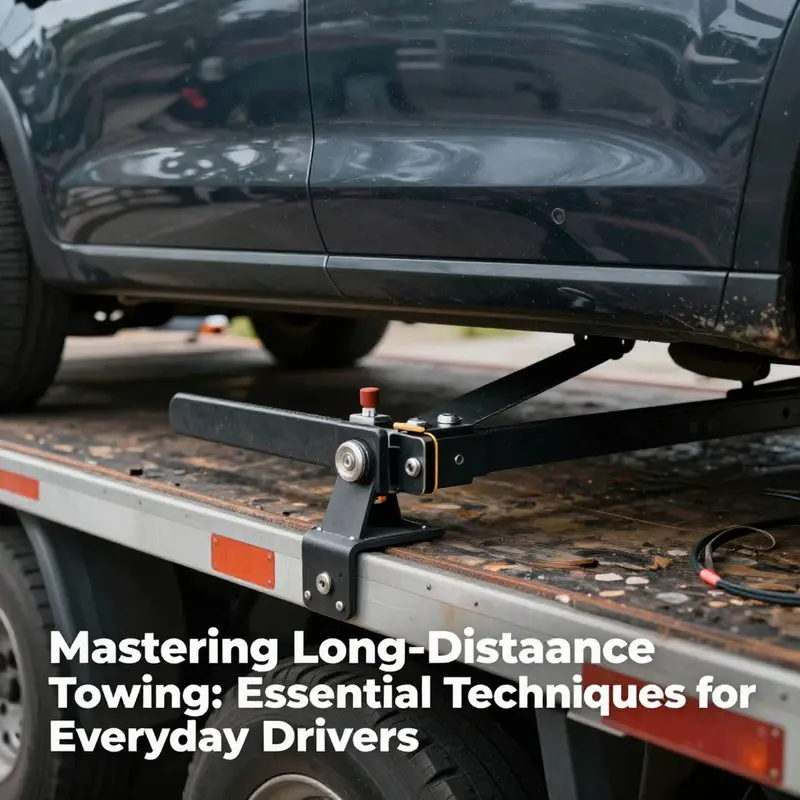
A long-distance tow with a truck places a premium on the integrity of the connection between the two vehicles. It is the quiet, often overlooked link that governs stability, control, and safety thousands of miles from the starting point. When you plan to move a car far from home, you don’t just need a capable truck and a loaded trailer; you need confidence that every bolt, every pin, and every attachment can resist the pull of momentum, the jolt of a whoosh past a semi, and the unpredictable shifts of road texture. Safe connection procedures are not a single checklist item but a living discipline that informs every stage of the journey. They begin long before you strap the towed car to the truck and continue until you roll the keys into the ignition at the final destination. The goal is simple in intent, but exacting in practice: keep the tow steady, predictable, and within the limits of the equipment, while ensuring that the towed vehicle remains an extension of the truck rather than a loose appendage.
To approach this with the seriousness it deserves, start with capacity and compatibility. The truck’s towing capacity is not a vague guideline but a hard boundary that defines what you may legally and safely pull. The first step is to verify that the combined weight of the towed car and any cargo does not exceed the towing capacity and does not push the vehicle into a gross combination weight range that compromises steering response, braking effectiveness, or drivetrain health. The Gross Combined Weight Rating (GCWR) is the mathematical line in the sand. Exceed it and the vehicle’s suspension, transmission, and axles carry a burden they were not designed to bear, and handling becomes dangerously unstable. A long-distance tow amplifies these risks because there is less margin to absorb unexpected weight shifts or terrain-induced stresses. Thinking through these numbers ahead of time is not pedantry; it is a practical forecast that helps you decide whether a heavy-duty hitch, a flatbed, or a tow dolly is the right tool for the job.
With capacity confirmed, the next layer of safety rests on the hitch system itself. A properly rated hitch and ball mount is non-negotiable when you plan to travel long distances. Mismatched components can fail under stress, creating an abrupt and dangerous disconnect that could endanger you and others on the road. A heavy-duty hitch that is correctly sized for the load, installed with attention to torque specs, and secured by competent hands provides the solid foundation that a long tow requires. Installation is not the moment to improvise; if the hitch or mount has any doubt about its compatibility or integrity, have it checked and correctly installed by a qualified technician. The time spent ensuring a proper hitch now pays dividends in smoother handling and reduced risk later on.
Beyond the hitch itself, the method used to attach the towed vehicle is equally critical. A reliable tow bar or dolly system that is designed for sustained travel and heavy use offers a predictable, rigid connection that supports straight-line tracking and minimizes the oscillations that a loose setup can introduce. If the choice is between a flatbed, a wheel-lift trailer, or a tow dolly, the long-distance reality often favors the flatbed or wheel-lift approach, particularly for automatic transmissions and high-value cars. Flatbeds prevent the transmission from bearing the load of the tow entirely, while a wheel-lift system can provide stable control with careful weight distribution. In contrast, a tow rope or a makeshift chain is never appropriate for long journeys with automation involved; such a setup introduces lash, sudden jerks, and inconsistent forces that the tires and drivetrain will struggle to absorb.
No discussion of secure connections is complete without addressing the critical step of securing the towed vehicle itself. When the towed car is connected via a tow bar or dolly, every attachment point matters. Tow bars rely on secure anchor points that are designed to bear the load without bending or slipping. Bolts and safety pins must be tightened to the correct torque, and the system should be double-checked after the initial connection and again after the first few miles. If a rope is used for any portion of the setup, it must be rated to handle at least one-and-a-half times the weight of the towed vehicle, show clear, unworn markings, and be free of fraying or heat damage. Even with a rigid connection, a small amount of slack is beneficial to absorb the minor shocks of acceleration and braking; too much slack, however, invites sway and misalignment. A careful eye on tension and geometry ensures the towed car follows the truck with minimal drama, reducing the likelihood of tire rub, frame contact, or misalignment that could cascade into a roadside emergency.
Transmission considerations must thread through every practical decision. For vehicles with automatic transmissions, the safest approach for long-distance towing is to avoid letting all four wheels rest on the ground. If the towed vehicle will travel on its own power, a dolly or a flatbed keeps the transmission safe from heat buildup and internal wear. Manual transmissions provide a bit more latitude, but the neutral gear and the parking brake discipline still require strict adherence. In both cases, the steering lock in the towed vehicle should be secured so that the wheels do not attempt to turn independently of the truck’s motion. This alignment is not decorative; it prevents the towed car from fighting the truck’s steering inputs, which could cause dangerous wheel lockups or tire scrubbing during a long haul. The interplay between how the car is attached and how the transmission is treated is the difference between a controlled trip and a nerve-wracking ordeal where every bump invites a new set of concerns.
The wiring and signaling system connect the two vehicles into a single, predictable road presence. A proper electrical connection ensures that brake lights, turn signals, and hazard indicators on the towed vehicle communicate clearly to drivers behind you. Lights that fail or misalign during a long journey can create confusion, leading to sudden braking or unsafe lane changes by following traffic. A thorough pre-trip test of all lighting is essential; verify that the taillights, brake lights, and turn signals illuminate in harmony with the truck’s indicators. Modern towed setups increasingly rely on integrated wiring that is shielded against moisture, vibration, and road grime, but even these systems require periodic inspection for loose connectors or corroded contacts. Inadequate signaling is not merely an inconvenience; it is a genuine safety hazard that affects every vehicle behind you on the highway.
Once the physical attachments are secured and the electrical system is sound, a comprehensive pre-trip inspection anchors the entire process. Tire pressures become a constant checkpoint, not a single pre-departure chore. Both the truck and the towed vehicle should have tire pressures checked to the manufacturer’s recommended values, and the tires must be free from cuts, bulges, or obvious wear that could become unsafe under sustained heat and road friction. Brakes deserve equal attention; the towed vehicle’s braking system should be tested in a controlled environment if possible, and the truck’s brakes must be in good order to manage the heavier load. Fluid levels—coolant, transmission fluid, brake fluid, and essential lubrication—should be within normal ranges, and all fasteners on the hitch, tow bar, and wheel lugs must be torqued to spec. A habit of stopping after the first hour or two of travel, then rechecking equipment, creates a practical feedback loop that catches loosening connections or shifting weight before it becomes a problem.
Driving across long distances with a secured tow demands particular attention to speed management and spacing. The recommended speeds for towing are modest, reflecting the added mass and the potential for sway. In most conditions, maintaining a controlled pace of 30–40 km/h (18–25 mph) helps the tow remain stable and predictable. In urban areas, or on steep grades and windy sections, reducing speed further is prudent. The following distance should be expanded; a margin of 5–10 meters (16–33 feet) gives you sufficient room for safe stopping if the towed vehicle or the truck requires a quick deceleration. Communication is a safety multiplier. Two-way radios or reliable mobile devices enable you to exchange clear signals for start, stop, turn, and emergencies. The driving techniques themselves evolve with the configuration: avoid abrupt accelerations or decelerations, and take turns with a wide radius to accommodate the extra length. When climbing hills, use lower gears to maintain engine momentum while keeping the brakes from overheating. In flatter stretches, the priority remains minimizing lateral forces that could destabilize the connection. In cities or heavy traffic, plan routes to minimize stop-and-go, which compounds the load’s sway and increases the chance of wheel or hitch movement.
Visibility is a shared responsibility between the two vehicles. If night travel or poor visibility is unavoidable, ensure the tow setup is as conspicuous as possible: hazard lights, side markers, and clearance lights should be active, and the entire setup should be discernible from a distance. This kind of visibility discipline reduces the chance of other road users misjudging the length or approaching too closely. While the law may set specific requirements, the practical benefit is real: drivers behind you respond more predictably, maintaining a safe lane position and ample space to react to an unexpected stop.
Traveling long distances with a secured tow also hinges on vigilant, routine monitoring. The road invites small changes that can become large problems if left unchecked. Schedule regular 1–2 hour stops or, more practically, every 100–150 km (62–93 miles), to inspect the entire configuration. Check for loose bolts, cracked or displaced connections, and any sign of slack that has grown tighter or more erratic since the last stop. Inspect tires for heat buildup or slow leaks, and verify that the towed vehicle remains aligned and that there is no dragging of wheels or scaffolding that could compromise steering. Battery health deserves particular attention because the towed car may rely on its own power to assist steering and braking in some scenarios. If the battery shows signs of strain, consider a quick recharge or a cautious return to a level of electrical usage that preserves critical systems for the next leg of the journey. These checks are not a one-time ritual but a rhythm of keep-fine-tuning that preserves safety and reduces the likelihood of mechanical failure on the road.
Unloading and arrival present their own set of delicate moments. When you reach the destination, the sequence should be deliberate and unhurried. Stop gradually, apply the handbrake on the towing truck first, and then carefully release or disconnect the tow bar or rope. Do not rush the ancient habit of reversing a long, loaded assembly into a tight space. With the vehicle secured on the ground, recheck all connections, lighting, and wheel alignment. Finally, inspect the towed vehicle itself—verify that the parking brake is released only after the tow connection is fully disengaged, and ensure that the car’s own tires and suspension have not suffered any unintended contact during transit. These steps are not mere formalities; they are the final trust you place in your planning and execution, confirming that the long journey did not compromise safety or control.
The practical world of long-distance towing often sits at the intersection of engineering capability and human judgment. Capacity calculations, proper hitch selection, secure attachment, and consistent monitoring create a chain of safety that keeps the journey predictable. When you combine these elements with disciplined driving, clear signaling, and thorough pre-trip checks, you set a standard for long-haul towing that respects both the vehicles involved and the road users around you. For a broader view of how such systems come together in professional practice and to situate these procedures within a larger framework of vehicle safety, see the discussion on tow-truck technology and safety. This resource offers deeper context on how safety features and engineering decisions interact to support reliable, long-distance towing without compromising control or comfort.
As you consider the road ahead, remember that the strongest safety system is a well-thought-out plan implemented with care. A tow that feels solid, listening to the subtle cues of load and motion, is one that can weather remote stretches, changing weather, and unexpected detours. The secure link is more than a physical connection; it is a shared commitment to responsible operation, consistent checks, and proactive decision-making. When that commitment is present, long-distance towing with a truck becomes less about bravado and more about precision, patience, and respect for the machinery and the road alike. For readers seeking a practical reference that connects these concepts to broader safety guidelines, the National Highway Traffic Safety Administration’s towing safety guidelines provide an external perspective rooted in research and regulatory context. When you weave these ideas into your planning, you create a towing approach that is as reliable as it is safe.
Internal link reference: For a broader context on how tow-truck technology and safety features integrate with these procedures, see tow-truck-technology-and-safety.
External resource: NHTSA’s towing safety guidelines offer additional guidance and are worth reviewing as you finalize your long-distance towing plan. https://www.nhtsa.gov/vehicle-safety/towing-safety
Steady, Safe, and Strong: Mastering Long-Distance Towing of a Car Behind a Truck
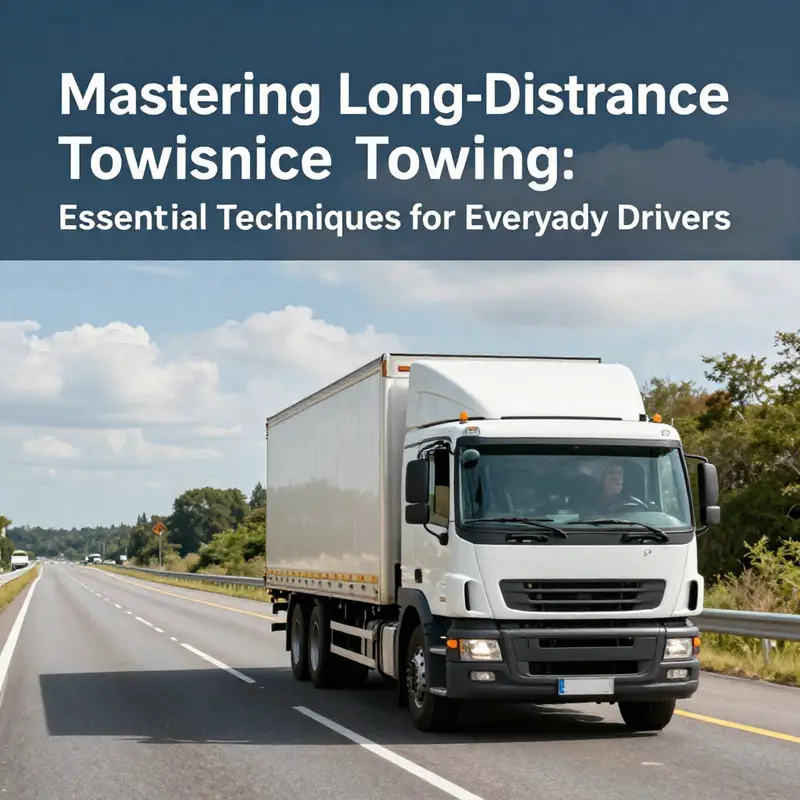
Long-distance towing of a car behind a truck demands more than just a powerful vehicle and a sturdy hitch. It asks for a blend of technical preparation, disciplined driving, and relentless attention to safety. When everything lines up—proper equipment, careful inspection, and well-timed rests—the journey becomes less about fear of failure and more about a practiced, steady progression toward a planned destination. In this chapter, the focus is on the continuous vigilance that keeps a long haul safe, predictable, and smooth, from the moment you head out onto the road to the moment you roll to a stop at the final destination. The core idea is simple: plan comprehensively, connect securely, drive with restraint, monitor constantly, and arrive with the same degree of care you would apply to a routine drive—only now the vehicle you are towing adds length, weight, and a dynamic sway that can amplify small mistakes into big consequences.
Preparation is where safety begins and risk is filtered out before you even leave home. The first consideration is hitch security. A hitch is not a passive link; it is the bridge between two moving masses that, under pressure, can fail if not properly secured. Make sure the hitch is installed correctly and that a quality hitch lock is in place to deter theft or accidental disconnection. This is more than a security measure. It is a reliability measure. If the system is not locked and checked, vibrations, wind, or a rough road can loosen connections in ways that are invisible until something fails. Alongside the hitch, wheel locks provide an additional layer of protection and immobilization for the towed vehicle when you park, a practical safeguard against rollaway on inclined lots or flat, windy stretches. While these preparations may seem obvious, they pay dividends during long drives where fatigue can dull attention and small vulnerabilities become serious concerns.
Safety on long journeys also hinges on where you stop and how you manage the towed vehicle at rest. Safe parking means choosing well-lit, secure areas, particularly for overnight stops. The guidance here is practical: plan stops in locations that offer clear visibility to you and to others who might approach the convoy. A GPS tracker mounted on the trailer or the towed vehicle provides real-time location information and a peace of mind that is especially valuable on unfamiliar routes or through areas with limited cell service. The tracker is not a substitute for routine checks, but it can be a crucial backup that helps you stay aware of the overall movement of the rig when you are off the sleeping schedule of a long journey.
Before you set off, a thorough vehicle inspection becomes mandatory. Start with the load itself: secure and evenly distribute cargo on the towed car so no single component bears disproportionate weight or shifts during braking or acceleration. The anchors and tie-downs should be tight and verified multiple times, with additional sets of hands if possible. Checking safety chains, lights, and brakes is essential. A failure in one of these systems can cascade into a critical situation when the rig is longer than normal and handling is already more demanding. You should also confirm that the towed vehicle’s lights are functioning in tandem with the truck’s signals and that the brake lights, turn signals, and hazard lights communicate clearly to the traffic behind you. This coordination is not just about compliance with regulations; it is about predictability on the road so following drivers can respond in time.
Understanding the towing capacity of your truck and the towed car matters as much as the equipment you choose. Never exceed the manufacturer’s limits. Exceeding rated capacities diminishes control, increases the risk of mechanical failure, and raises the likelihood of sway and brake fade. If the distance is long and the payload substantial, the advice is straightforward: consider a safe, more controlled method such as a flatbed or a wheel-lift trailer rather than a traditional tow bar or rope. The choice of method has a direct bearing on how the journey feels behind the wheel. A rigid, stable connection reduces the risk of dynamic changes that can destabilize the arrangement, especially on highways where wind gusts and traffic density can push the rig toward the edge of instability. The selection should always reflect the vehicle types involved and the length of the trip. In many long-haul scenarios, the extra investment in a flatbed or wheel-lift trailer translates into smoother handling and simpler unloading at the destination, reducing both stress and potential damage to critical drivetrain components.
A practical reminder emerges early: the vehicle you are towing, particularly if it has an automatic transmission, requires different handling than a standard vehicle you’d park in a driveway. For automatic transmissions, the towed car should be placed in neutral, and you must avoid exceeding moderate speeds or distances without proper equipment. The risk of transmission damage grows with distance if the towed vehicle’s drivetrain is not properly disengaged. Manual transmissions, for their part, demand neutral gear and disengagement of the handbrake. Battery charge is not merely a matter of comfort; it supports essential functions such as power steering and braking in the towed vehicle. Ensuring tires are inflated and undamaged helps maintain a stable tire footprint that can respond predictably to road conditions, and locking the steering wheel prevents wild wheel movement that could complicate alignment under tow. These checks and balances are not rituals but essential tools that preserve steering geometry and braking response under the added length and inertia of the combined rig.
With preparation well in hand, the question of how to connect the two vehicles becomes a matter of method and discipline. The traditional tow bar provides a rigid, stable connection that supports safer, more predictable dynamics over distance. Tow ropes or lighter connections, while common in certain situations, are not durable enough for long journeys or automatic transmissions and should be avoided for long trips. If the decision is to use a tow bar, ensure it is correctly aligned and locked, with safety pins properly secured. Connections must be checked repeatedly, at least during the first leg of the journey and then at subsequent stops. A slight amount of slack is beneficial to absorb small accelerations and decelerations and to dampen shock transfer, but too much slack defeats control. When using a tow rope, the rope must be rated for at least 1.5 times the weight of the towed vehicle and checked for wear and fraying. The points of attachment must be strong anchor points rather than weak bumper areas, which could tear or detach under load. The same vigilance applies to all anchor points and pins, and to the hooks or D-rings used to secure the bar. A routine, deliberate walk-around on flat, level ground before departure is time well spent to prevent creeping misalignment that can become a problem on the highway.
The driving regime itself is a study in restraint and anticipation. A typical long-distance tow should be conducted at modest speeds, with a recommended range of roughly 30 to 40 kilometers per hour (about 18 to 25 mph). In urban zones or challenging terrain such as mountains or windy corridors, the speed should be reduced further. The goal is not speed but stability. The longer the vehicle combination, the greater the stopping distance required. A conservative following distance—roughly 5 to 10 meters (16 to 33 feet)—gives your system enough time to react to the occasional sway, especially when gusts hit from the side or when a heavy braking event occurs ahead. Communication becomes a lifeline in long-distance towing. Two-way radios or mobile phones enable continuous contact and the establishment of clear signals for starting, stopping, turning, and emergency situations. Establishing a shared language reduces the chance of misinterpretation during critical moments when the road demands calm and precise actions.
The act of driving a tow rig is a continuous test of steering discipline. Sudden acceleration or braking should be avoided, and turns must be taken more gradually than typical. The increased length naturally enlarges the turning radius, so plan wider curves and permit ample space at entry and exit points. On hills, lower gears help maintain engine control and reduce the risk of brake overheating. In cities, avoid stop-and-go rhythm that can untangle the trailer’s momentum and promote sway. At night or in poor visibility, activating hazard lights and side markers ensures that the entire rig remains conspicuously visible to other road users, a simple but meaningful precaution when depth perception is altered by darkness or fog. A well-lit, well-marked rig communicates intention and position even when the weather adds glare to the windshield.
Despite rigorous preparation and careful driving, fatigue remains a real factor on long-distance tows. Regular breaks are non-negotiable. The plan should include stops every one to two hours or every 100 to 150 kilometers (roughly 62 to 93 miles), whichever comes first. At each stop, inspect the connections, recheck tire pressures and fluid levels, and verify that the towed vehicle remains aligned and not dragging. This is also a moment to confirm that the battery on the towed vehicle still has adequate charge to support braking assistance, steering assistance, and other critical systems. A proactive approach to maintenance during the journey pays dividends in reliability and safety. If the route includes tough weather, redesigning the schedule to accommodate more frequent checks can prevent overheating, sway, or unexpected failures. The mental demand of long-distance towing is nontrivial. Planning rest breaks is as much about keeping the driver alert as it is about preserving the mechanical integrity of the rig. A tired driver cannot respond with the precision a tow requires, especially when crosswinds or uneven pavement threaten the lengthened profile of the combination.
The moment you approach the destination is a phase of recovery rather than a rush. Arrival and unloading require calm, deliberate steps to avoid unsettling the towed vehicle. Come to a slow, controlled stop, apply the handbrake on the towing truck first, and then disengage the tow bar or untie the rope with care. A final, thorough inspection of the towed vehicle ensures nothing has shifted or loosened along the way. If you had to make adjustments in the field—tightening a strap, retying a chain, or rechecking a connection—perform those tasks before the vehicle is allowed to roll under its own power again. These closing actions, though small, are crucial to prevent post-trip surprises once the rig is separated and the towed car is left in the care of the owner or the destination facility.
All of this is not just a checklist but a disciplined habit that repeats with consistency. The long haul tests not only the mechanical robustness of people and machines but the mental acuity that keeps a convoy aligned with safety at its core. The practice of checking equipment, choosing appropriate towing methods, confirming secure connections, adopting restrained driving behavior, and scheduling rest becomes second nature through repetition and mindful attention. In a world where road conditions can change in an instant, this habit—built on preparation and patience—transforms a potentially perilous long-distance tow into a controlled, predictable operation that minimizes risk and protects both property and people on the road. It is a skill set accessible to any driver who values safety enough to plan ahead, stay vigilant, and respect the limits of the vehicle configuration they operate. For those who want to see how these principles translate into a broader framework, a reference point exists in the practical guidance that emphasizes the interconnectedness of equipment reliability, route planning, and continuous monitoring on long journeys.
As a practical integration of these ideas, you can explore further practical guidance such as the comprehensive overview found in the Tow Car Truck Guide, which consolidates many of the operational lessons into a cohesive approach to long-distance towing Tow Car Truck Guide. This resource echoes the emphasis on secure connections, load distribution, and the importance of matching equipment to the journey length and vehicle types involved. For the most authoritative external standard on towing safety, reference the UK’s DVSA guidelines, which offer robust, up-to-date recommendations on long-distance towing practices and the regulatory expectations that accompany them. The DVSA guidance provides a detailed baseline that complements the practical, on-the-ground considerations outlined here and reinforces that good towing practice is both a safety discipline and a technical proficiency.
External resource: Safe towing practices and driving with a trailer offer essential risk-reduction strategies and scenario-based tips that align with the responsible approach described here. See Safe Towing: Essential Tips for Driving with a Trailer for a well-rounded perspective on long-distance towing safety and best practices: https://www.osea.org/safe-towing-essential-tips-for-driving-with-a-trailer
Final thoughts
Successfully towing a car over long distances with a truck is a multifaceted process that hinges on preparation, technique, and safe driving habits. By following the outlined chapters, from rigorous vehicle checks to correct towing methods and safe driving practices, you equip yourself to tackle any towing task with confidence. Remember, attention to detail and proactive planning are keys to ensuring a successful towing experience, protecting both your vehicles and your peace of mind. No matter the journey or the vehicle, towing doesn’t have to be daunting. With this knowledge, you’re set to embrace the open road ahead safely.