
Facing a vehicle breakdown can be a daunting experience, but knowing how to effectively call for a tow truck can turn a stressful situation into a manageable one. Understanding the essential steps not only ensures your safety but also streamlines the process of getting your vehicle back on the road. This guide will navigate you through vital initial actions, how to assess your situation, the necessary information to gather, how to choose the right towing service, and what to expect during the call. Equipped with this knowledge, you’ll be better prepared to handle any roadside emergency with confidence.
Tow Truck Dispatch with Safety in Mind: A Practical, Safety-First Guide to Calling for Help
If your vehicle breaks down, the first priority is safety. Move the car to a safe area if possible, turn on hazard lights, and guide passengers to a secure spot away from traffic. Place a reflective warning triangle if you have one and follow local guidelines for distance from your vehicle. Stay clear of moving traffic and await oncoming vehicles behind a barrier or in a safe location. Call official channels, such as your national emergency number: in the United States and Canada dial 911, in the European Union and United Kingdom dial 112. On highways in other countries check the local service hotline. Describe your exact location, the nature of the problem, and any injuries or hazards clearly. If you have roadside assistance through your insurer or a membership program, activate towing through that service as well. Have your vehicle information ready, including the license plate, make and model, and any relevant policy numbers. If possible, decide on a destination in advance, such as a trusted repair shop or storage facility, and request a tow that minimizes risk to your vehicle, such as a flatbed when available. When the tow arrives, verify the driver and the vehicle, and obtain a final price estimate and a written receipt at the end of the service. Keep notes of contact names, times, providers, and costs in case you need to file a claim or seek reimbursement. Avoid unofficial operators: insist on identification, a written estimate, and a formal receipt before any work proceeds.
Assessing the Situation: When a Tow Truck Is the Right Move
The moment a vehicle grinds to a halt on a busy highway or a lonely back road, the mind races through a single, almost paradoxical question: should I call for a tow, or can I fix this myself and keep moving? The answer hinges less on panic and more on a clear assessment of what you can safely do, what the car will tolerate, and how quickly the situation could deteriorate if you push onward. A measured judgment in those first minutes saves time, money, and the risk of compounding damage. What follows is a framework for making that judgment with calm, practical steps that fit the ordinary driver, not the expert. You want to move from crisis to clarity without turning a routine breakdown into a catastrophe, and that starts with a sober evaluation of your car, your surroundings, and your options.
First, assess the vehicle itself. If the car is completely immobile—engine failure with no chance of restart, a blown tire that cannot be swapped safely, or damage from an accident that prevents controlled movement—towing is usually the prudent path. If you can observe smoke, leaking fluids, or odd noises that worsen when you attempt to maneuver, the safest choice is to stop and call for professional help. Likewise, if your location is hazardous—speeds approaching a ramp, a narrow shoulder, or a stretch with oncoming traffic—the risk of trying to drive out of trouble far outweighs the benefit of a faster fix. Substantial structural or undercarriage damage that could fail further the moment you roll a wheel is another clear sign that a tow is necessary, not optional.
Context matters as well. A blown tire at the edge of a highway is not the same as a flat in a parking lot; the latter could be addressed with a spare or roadside assistance without towing, while the former often requires professional movement of the entire vehicle to a safe location. In rainy seasons or flood-prone areas, there is also a strong motive to tow when water has reached the engine or critical components. Hydrolock, a condition where water invades the cylinders, is a particularly dramatic example of why you should not simply try to drive out of danger; the consequences can be far more expensive than a tow delivered at the right moment. The chapter’s logic applies not only to extreme cases. Even a stubborn no-start scenario with a dead battery may become more complex than anticipated if you attempt a roadside jump in traffic or on uneven terrain. When the risk of injury or further damage grows, a tow becomes the safer and smarter option.
Second, measure your ability to manage the situation without a tow. Some problems invite do-it-yourself solutions, and they can be surprisingly effective when handled with care and the right tools. If you can confirm a dead battery but have access to jumper cables—often found at gas stations or in a toolkit—you may be able to restore function long enough to reach a safer place or a shop. If the car is lightly stuck in mud or snow, a careful use of traction aids—rocks, branches, or sand kicked under the tires—can sometimes break free a vehicle without professional traction or a tow. This is not about heroic improvisation; it’s about a balanced calculation of risk and reward. If the roadway is clear and your vehicle can move even a little, a careful test drive with a plan to retreat if the problem repeats can be a viable option, but only if you have a safe exit and the engine’s behavior remains predictable. When the car cannot be moved at all, or attempting to move it would trap you or others in traffic, the decision to call a tow is straightforward.
As you weigh those options, gather a clear picture of the facts that the dispatcher will need. You should be able to provide your current location with as much precision as possible, including an address or a nearby landmark, and describe the vehicle’s make, model, and year. You’ll need a concise statement of the problem—whether the car won’t start, has a flat tire, or has sustained damage from an accident. You should also note whether the vehicle is obstructing traffic or blocking a lane, and whether it needs to be moved urgently. Finally, have a contact phone number ready so the dispatcher can reach you with updates or questions. This isn’t about formality; it’s about ensuring the tow can occur smoothly and without delay, especially if you’re stranded in a location where the nearest shop or storage facility is a substantial distance away.
When it comes to choosing a path for assistance, there are three practical avenues to consider. If you carry auto insurance, check whether your policy includes roadside assistance or if you have a membership with a service that offers towing. These providers often have dedicated emergency numbers and can arrange a tow at a favorable rate or even for free in certain circumstances. If insurance or membership isn’t available, a local towing company can be a reliable option. Look for providers with 24/7 service and solid reviews; a quick online search or a quick call can verify coverage, pricing, and response times in your area. Finally, there are situations where calling the police or traffic authorities is appropriate, particularly if the vehicle is creating a traffic hazard or if there has been an accident. They can coordinate towing and ensure the scene remains safe for you and other drivers while help arrives.
Once you’ve decided to call, the dispatcher will guide the process. They’ll ask for the specifics you’ve gathered, and it helps to be as clear as possible. A concise example might be, “I’m at the intersection of Main Street and Oak Avenue. My car has a flat tire and won’t start. I need a tow truck to take it to a nearby repair shop.” The wording matters because it helps the driver prioritize and plan. If you’re in a location where you can wait safely in your car, stay inside with the doors locked and the seat belt fastened, if possible. The common expectation is a tow truck arriving within a window that can range from thirty minutes to an hour or more, depending on distance, weather, traffic, and the availability of the dispatch center. While you wait, keep your hazard lights on, especially if the vehicle is on or near a roadway, and if you’re outside the vehicle or moving signals around, reflectors or a flashlight can improve visibility for approaching motorists and for the tow operator.
As the tow arrives, there’s one more practical moment to address: the details of the transport. If you were given a rough estimate or you didn’t receive one at the outset, politely confirm the cost and any potential additional fees before the driver starts loading the vehicle. Clarify where you want the car taken—whether to a preferred repair shop, to your home, or to a storage facility—and confirm any special instructions, like dropping the vehicle at a specific entrance or preventing the engine from starting during transport. This step isn’t merely procedural; it helps avoid misunderstandings and unexpected expenses after the fact. The more accurate your initial information, the smoother the handoff from roadside to repair, and the less friction there will be when you reach your destination.
Throughout this process, modern road-saving tools can help you stay informed. Apps that offer roadside assistance features or quick dispatch options can connect you to help with a few taps, sometimes without needing to talk to a dispatcher. They can also provide live updates on ETA and help you share your location with the tow operator. If you’re curious about broader price considerations, you can explore general guidelines on the typical range of costs and pricing for tow services. For a concise overview, see tow truck costs and pricing. While price should never be the sole determinant in choosing a service, understanding the landscape helps you prepare for the moment you call and reduces the chance of sticker shock when the bill arrives.
This chapter’s core aim is clarity: to help you move from uncertainty to informed action, to know when a tow is the right choice, and to manage the encounter with the dispatcher and the driver in a way that preserves safety, minimizes risk, and keeps costs in check. You don’t need to memorize a checklist to the letter; you need a calm mindset, situational awareness, and a willingness to defer to professional help when the risk of moving the vehicle is higher than the cost of a tow. In the end, it’s better to invest in a tow than to push a damaged car into an already dangerous situation or to end up stranded in an even more precarious place. As you advance through the article, you’ll see how the process builds on this assessment: from recognizing when towing is appropriate to selecting a reliable service and coordinating the transport with minimal disruption to your day. For now, carry this judgment forward: if the vehicle can be moved safely and with controlled risk, you may try small, cautious steps. If not, or if conditions worsen, a tow is not a setback but a sensible, protective choice that protects your safety, your wallet, and your timetable.
External resource: https://www.nhtsa.gov/road-safety
Tow in Time: Gathering the Essentials Before You Call for a Tow Truck
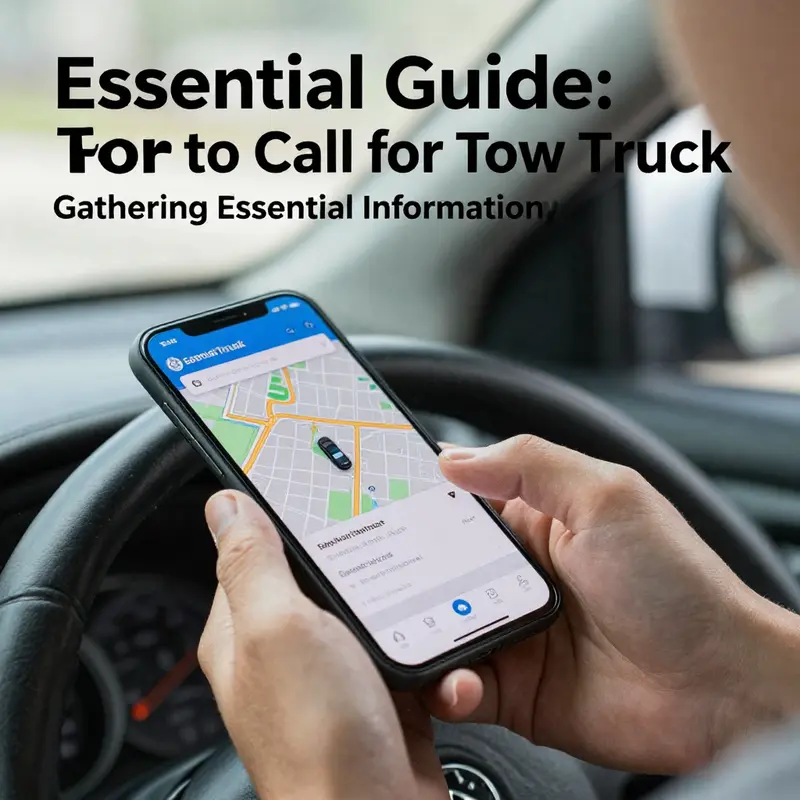
When your car grinds to a halt on a busy road or slips to a stop in a quiet cul-de-sac, the instinctive urge is to call for help and get moving again. Yet the speed and smoothness of the response hinge on something surprisingly simple: the information you gather and relay before you pick up the phone. This chapter explores how to assemble what you need, why each piece matters, and how that information translates into a sharper, safer dispatch. It is not about gadgets or slick apps alone, but about a disciplined, human approach to a stressful moment. If you keep the focus on precision and clarity, you reduce waiting time, minimize risk, and improve the odds that the tow arrives exactly where you need it, when you need it most. The goal is to turn anxiety into effective communication so the tow truck operator can do their job quickly and safely.
The location is the linchpin of a fast tow. You want to be as exact as possible, because dispatchers cannot rely on vague cues or memory alone. Start with the basics: the street name, the nearest intersection, and any landmark that a passerby would recognize. If you’re stranded on a highway, mention the lane you’re in, the direction of travel, and the mile marker if you can see one. In dense urban areas, a nearby transit hub, station, or well-known building can cut minutes from the response time. If you can, use GPS coordinates. Real-time location sharing is a powerful tool, and many modern dispatch systems can accept a coordinate string in addition to a spoken address. When you are in a country with specific hotlines for traffic or roadside assistance, note those numbers as a backup to your call. For example, in China the traffic emergency hotline 122 and the traffic service hotline 12122 are designed to dispatch certified tow trucks quickly for legally parked but immobile vehicles. Mentioning these numbers in your initial call can help the dispatcher route you to the fastest, legally compliant option if your vehicle cannot be moved or is obstructing traffic.
Next comes the vehicle itself. The dispatcher needs to know what kind of tow truck to send, and that is determined by the vehicle’s make, model, year, and license plate. A quick mental checklist helps: what is the car’s year, the exact model, and the color as a confirmation cue? If you have the license plate handy, read it aloud slowly and clearly. The more details you provide, the less likely a misidentification will slow things down. Each vehicle type has different towing requirements. An SUV or a truck with a higher ground clearance may require a flatbed; a sedan might be adequately handled with a wheel-lift or a two-wheel tow. If your car is a hybrid or an electric vehicle, or if it has specialty tires or a nonstandard wheel configuration, you should also mention that. The dispatcher can then relay the specifics to the driver, ensuring the right equipment arrives. The vehicle detail piece, though straightforward, is pivotal. It informs the operator about the necessary rig, the way the vehicle will be secured, and potential hazards during loading. The difference between a roll-on, roll-off approach and a flatbed setup is not cosmetic; it can affect safety, downstream transport, and even the cost.
The nature of the problem sits right beside the vehicle details in importance. You should be prepared to describe, succinctly, what happened and what your vehicle can or cannot do at that moment. Is the engine failing to start, the transmission slipping, or is there visible accident damage? Is the vehicle completely disabled, or is it simply in a situation that makes it unsafe to move—perhaps it’s stuck in snow or water? If you were in a collision, note whether there is fluid leakage, smoke, or unusual noises. If the vehicle is obstructing traffic, state that front-and-center so the dispatcher can prioritize your call accordingly. Even if the problem seems obvious to you, a clear description helps the technician anticipate the type of service and any risk mitigation steps they should take when approaching. If you’re in doubt about the severity, share what you observe and let the dispatcher guide you toward the appropriate tow option. The clarity in this moment protects you from a mismatch between expectation and service delivery and reduces back-and-forth calls, which can waste precious minutes.
Your contact information is the thread that keeps the whole process connected. A working phone number is essential, and you should confirm that the line is reachable with you at the scene. The dispatcher may need to call you for directions, to confirm a gate or building access, or to provide updates about ETA. If you have a preferred callback number or a momentary loss of service, inform them at once. In some cases, if you’re on a highway shoulder or a remote road, you may have limited reception. In those moments, you can also designate a safe nearby location where you can be reached or where a passerby could relay a message. The more reliable your contact, the less likely you are to miss a crucial update from the tow company. Keeping your phone charged, especially if you know you’ll be waiting longer than a few minutes, is a practical, almost reflexive step. It also helps to keep a small backup power bank in your glove compartment for just such contingencies.
With the essentials in hand, the process of selecting a service begins. Your choice should be guided by reliability, availability, and transparency, not only by price. A roadside assistance provider you already belong to, such as a policy or membership, often supplies priority dispatch and sometimes discounted or covered towing. If you have a membership with a national or local service, call their dedicated emergency number first. These organizations frequently offer a quick referral to a trusted local operator and can broker a service that aligns with your plan’s coverage. If you don’t have a roadside program, one or more local towing companies with solid reviews should be your next option. In many locales, reputable providers operate 24/7, and the dispatcher can provide an upfront estimate and the approximate arrival window. If you are involved in an accident or if your vehicle is blocking traffic, the police or traffic authority may be able to dispatch a tow truck directly. This is not a tactic to avoid, but a safety-forward step when the scene is complex or when the vehicle’s position poses an immediate hazard to other motorists. Keeping this in mind ensures you aren’t trapped in a no-man’s land of uncertainty while your car sits in a dangerous location.
When you make the call, you want to be crisp and precise. State your location, the vehicle details, and the nature of the problem in one continuous, straightforward line. A sample script can be as simple as: I’m at the intersection of Main Street and Oak Avenue, my car is a [make/model/year], license plate [XYZ 123], it has a flat tire and won’t start, and I need a tow to [a preferred repair shop or home]. If the vehicle is obstructing traffic or needs to be moved urgently, say so. If you can, add whether you’re in a parking lot, a highway shoulder, or another controlled area. The dispatcher will then ask clarifying questions and begin the process of dispatch. If you’re curious about the potential cost of the service, how-much-is-a-tow-truck will give you a rough sense of the range a tow operator might quote. This link is there to help you calibrate expectations and avoid sticker shock when the driver arrives. During the call, confirm the arrival window and whether the driver can provide a written estimate before loading the vehicle. If price matters, discuss payment options upfront and whether additional fees apply for distance, time, or special equipment. A straightforward exchange minimizes confusion and helps both parties stay aligned.
Waiting for the tow can feel interminable, but you can make it safer and more predictable. If you are alone and the location allows, stay inside the vehicle with the doors locked and keep a seatbelt fastened. If you must exit to move to a safer point, do so with caution, staying well off the roadway and away from traffic. Do not attempt to repair a major mechanical fault on the shoulder; that work should be left to the trained technician on site or at a designated repair facility. If your predicament requires you to step outside for a moment to assess surroundings, ensure you have your phone ready to confirm directions or respond to the dispatcher. In urban areas, a nearby lit storefront or service station can provide a sense of security while you wait. The ETA can vary based on availability, distance, and weather, but you’ll usually have a sense of the range—often thirty minutes to an hour in many regions. If the tow truck arrives earlier than expected, you’ll have had time to gather your bearings, communicate your destination, and confirm the route with the driver. The result is a smoother handoff and a quicker return to safety and normalcy.
When the tow arrives, a quick confirmation helps avoid misunderstandings. Politely confirm the destination and any specifics about where the vehicle should go. If you haven’t discussed the destination beforehand, provide the name and address of the repair shop or your preferred location. If there’s any special instruction—like moving a personal item from the car or ensuring the vehicle is loaded with a particular method—tell the driver at once. A written estimate of the cost at time of dispatch can be very reassuring if the driver offers one, and you should reiterate that you expect a transparent breakdown of charges. Transparent pricing is more common than you might expect, particularly among reputable operators who understand that fair, upfront quotes build trust and reduce post-service disputes.
In addition to traditional phone calls, practical shortcuts can help you summon help faster. Many smartphones offer integrated roadside assistance features within mapping apps. These tools can share your live location with a nearby service driver and provide turn-by-turn directions. If you are using a map app, verify that the service you select has a proven track record and available drivers in your area. If you are in a country with established road safety numbers or infrastructure, don’t overlook those resources. A dispatcher who can cross-check your information against a centralized traffic system often arrives with more guidance and fewer questions. And if you need a quicker digital option, a few well-established apps have integrated roadside features that can connect you to a tow provider with a single tap.
Across all of these steps, what truly speeds up the process is preparation ahead of time. Keeping a small, weatherproof notebook or a note on your phone with the essential fields—location, vehicle, problem, and contact details—can spare you from scrambling in a stressful moment. You can also store a favorite phrase that you tailor for calls: your current location, the vehicle description, and the problem. A calm, precise delivery makes for a fast, clear dispatch and reduces the chance that the driver arrives at the wrong place or with the wrong equipment. By treating gathering essential information not as a one-time chore but as a small, repeatable ritual, you shift from reacting to the situation to guiding it. That shift matters, especially when you’re dealing with high-speed traffic, inclement weather, or the anxiety of a breakdown. The moment you have your facts straight, you’re already speeding toward a safer, faster recovery.
External resource: For a broader overview of roadside assistance and how dispatch systems work across different regions, you can explore Roadside assistance overview. https://en.wikipedia.org/wiki/Roadside_assistance
Choosing the Right Tow Truck Service When You’re Stranded
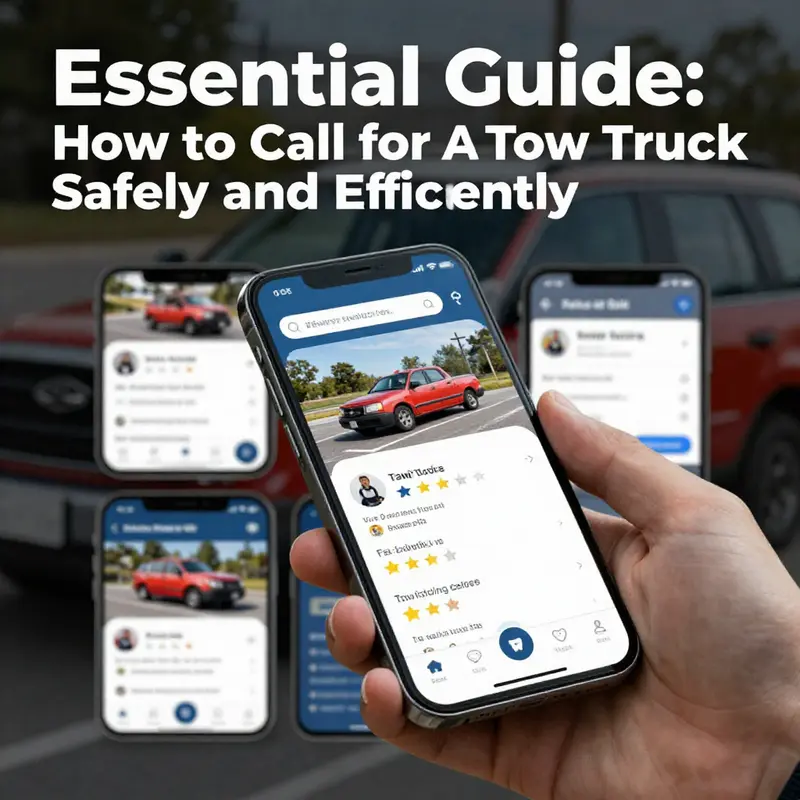
When your vehicle breaks down or is involved in an incident, choosing a tow service can feel overwhelming. This chapter focuses on the decision process that protects you, your vehicle, and your time. Start with safety: if you can do so safely, move to a shoulder or parking area, turn on hazard lights, and avoid standing in traffic. Next, decide who to call: a roadside assistance program, a local towing company, or authorities if the vehicle blocks traffic or is in an accident. Roadside programs often have pre arranged networks and clear pricing, but coverage varies by provider and plan. If you don’t have a plan, search for a reputable local tow service with 24/7 availability, good reviews, transparent pricing, and properly licensed equipment. Ask for a written estimate or a clear price breakdown before any work begins. Verify credentials, including licensing and insurance, and confirm the dispatcher’s ETA and the expected route. In an emergency, the priority is fast, safe, and appropriate handling of your vehicle, followed by transparent pricing and communication. Keep your location details ready, describe your vehicle accurately, and provide any access information such as gate codes or parking instructions. After the tow is arranged, stay inside if safe, observe the loading process, and confirm the destination and any additional costs before the tow starts. Digital tools can also help, with apps offering dispatch options and live updates, but always rely on a trusted contact channel. The goal isn’t to chase the cheapest price but to balance price with reliability, safety, and clear communication. If you want a quick reference on typical tow pricing, consider a general overview that outlines base fees, mileage, and surcharges so you can compare quotes confidently.
null
null
Final thoughts
Calling for a tow truck doesn’t have to be a nerve-wracking experience. By following the steps outlined in this guide—from ensuring your safety and assessing the situation to selecting a reputable service and making the call—you can navigate these unexpected challenges smoothly. Remember, preparation and knowledge are key to turning a stressful situation into a manageable one. Always prioritize your safety and stay informed about your options for roadside assistance.