
When it comes to owning a truck, especially a 1500 series, understanding the towing capacity is crucial for any driver looking to harness the full potential of their vehicle. Whether you’re a weekend warrior planning to haul a trailer for a camping trip, a contractor needing to transport heavy equipment, or a family looking to safely tow a boat for vacation, knowing how much weight your 1500 truck can tow can make all the difference.
In 2023, popular models like the Chevrolet Silverado 1500 offer towing capacities ranging from 9,000 to over 12,200 pounds, depending on the engine type and configuration. This level of versatility makes the 1500 trucks not just a stylish choice, but a practical one, catering to truck owners’ diverse needs. Understanding towing capacity ensures that you are aware of the maximum weight your truck can handle without compromising safety or performance. Additionally, neglecting this vital information might lead to serious mechanical issues, including brake failure or engine strain. For the everyday driver and truck owner, being informed can prevent mishaps and enhance overall driving experience.
For more insights on the importance of safety while towing, check out our article on understanding towing capacity.
| Truck Model | Maximum Towing Capacity | Engine Options |
|---|---|---|
| 2023 Ford F-150 | 13,500 pounds | 3.5L V6 PowerBoost Hybrid |
| 2023 Chevrolet Silverado 1500 | 13,300 pounds | 3.0L Turbo Diesel, 6.2L V8 |
| 2023 Ram 1500 | 14,000 pounds | 3.0L Turbocharged Hurricane |
| 2023 Toyota Tundra | 12,000 pounds | 3.5L V6 Twin-Turbo |
| 2023 Nissan Titan XD | 11,033 pounds | 5.6L V8 |
Factors Affecting Towing Capacity
When it comes to towing with a 1500 truck, several key factors determine how much weight you can safely pull. Understanding these elements can help drivers make informed decisions and ensure safety on the road.
1. Engine Type
The engine’s power significantly influences towing capacity. Generally, larger engines like V8s provide more horsepower and torque, allowing for greater towing potential. For instance, a V8 engine can tow more than its smaller counterparts, such as V6 engines, due to higher torque output at lower RPMs. This is critical when starting to move a heavy load, as it helps the vehicle accelerate smoothly without straining the engine.
2. Axle Ratio
Axle ratio refers to the number of rotations the driveshaft makes for each rotation of the wheels. A higher axle ratio (for example, 3.73 vs. 3.08) means improved towing capacity because it enhances the truck’s ability to pull heavier loads. This is especially noticeable when accelerating from a stop or climbing hills, where the added torque from a higher axle ratio allows for better performance under load. However, this may sacrifice some fuel efficiency when not towing as the engine works harder during normal driving conditions.
3. Cargo Weight
The weight of cargo within the truck itself plays a role in determining how much additional weight can be towed. Each truck has a Gross Vehicle Weight Rating (GVWR), which is the maximum safe weight of the truck, including its own weight and any cargo it carries. To calculate how much additional weight can be safely towed, you should track your current cargo weight and consider it when determining the vehicle’s towing capacity. Remember, exceeding the GVWR can lead to safety issues and increased wear-and-tear on your truck.
4. Trailer Weight
The type and weight of the trailer being towed are also critical. Each 1500 truck model has a specific towing capacity as defined by the manufacturer, which you can usually find in the owner’s manual. For instance, depending on the engine and configuration, a typical 1500 truck can tow between 6,000 to 12,000 pounds. Selecting a trailer that is within this limit is crucial for safe towing. If you’re uncertain about your vehicle’s specifications, consult resources like the how to calculate towing capacity of a truck for guidance.
Conclusion
By understanding these factors-engine type, axle ratio, cargo weight, and trailer weight-you can better gauge how much your 1500 truck can tow effectively and safely. Staying within the specified limits not only ensures safety but prolongs the life of your vehicle.

Safety Considerations When Towing Heavy Loads
Towing heavy loads is an integral function for many truck owners, but it comes with a set of safety considerations that are crucial to ensure both the operator’s safety and the integrity of the vehicle. Here’s a look at some key factors to consider when towing with a truck, particularly for everyday drivers and property managers.
Brake Performance
One of the most critical safety aspects of towing is brake performance. The weight of the load significantly impacts how quickly and efficiently a truck can stop. Truck owners should ensure that their vehicle’s braking system is in optimal condition, including the use of anti-lock brakes (ABS). It’s advisable to account for the added weight when calculating stopping distances, which increase with greater loads. Regular brake inspections and maintenance are essential to avoid accidents due to brake failure, particularly when frequently towing heavy loads.
Weight Distribution
Proper weight distribution plays a significant role in the stability and handling of the truck while towing. Uneven weight distribution can lead to trailer sway and increased difficulty in controlling the vehicle. The load should be placed so that 60% of its weight is in front of the trailer axle. Additionally, ensuring that the cargo is secured with appropriate load restraints is vital, as improperly secured loads can shift during transit, impairing control and increasing the risk of accidents. Consider consulting resources like the Towing Safety Checklist provided by the NHTSA for specific guidelines.
Using the Right Tow Hitch
It is crucial to use tow hitches that are rated for the specific weight of the load being towed. Underestimating the required hitch rating can lead to equipment failure and potentially hazardous situations. Make sure to check the truck’s owner’s manual for the maximum towing capacity, as this can vary significantly based on the truck model, engine type, and additional equipment. For instance, the 2024 Ford F-150 can tow up to 14,000 pounds when properly equipped (source). Conversely, failing to use a compatible hitch can result in catastrophic failures.
Conclusion
For truck owners, being mindful of these safety considerations is paramount when towing heavy loads. Routine inspections of the braking system, careful weight distribution, and the selection of properly rated towing equipment can significantly reduce the risks associated with towing. Employing these practices will not only help ensure safety on the road but also extend the life of the towing vehicle. Always stay informed about regulations and best practices circulating in the towing community, and consider seeking professional guidance when necessary.
For more information on managing heavy loads efficiently, check out our related article on how much weight a truck can tow.
User Experiences with Towing 1500 Trucks
Customer testimonials and experiences surrounding the towing capabilities of the Ram 1500 illustrate a real-world appreciation for this truck’s performance.
Real-World Performance
-
Effective Towing Capabilities: According to MotorTrend, owners of the 2024 Ram 1500 report strong towing performance with maximum capacities of up to 12,750 lbs in certain models. One owner stated, “The Ram 1500 made my 10,000-lb boat haul effortless, even on steep inclines.”
-
Reliability Under Load: In reports gathered by Truck Trend, users have consistently towed loads exceeding 9,000 lbs without any overheating issues. One frequent traveler noted, “I tow my 12,000-lb travel trailer across mountain passes every weekend, and the Ram 1500 handles it like a dream.”
-
User-Friendly Features: Owners appreciate advanced towing technology, such as the Uconnect Trailering App that enhances towing accuracy and safety. Consumer Reports mentions that the average towing experienced by owners was about 10,500 lbs, with no significant mechanical failures reported.
Conclusion
These testimonials highlight that the Ram 1500 not only excels in power but also provides a smooth driving experience while towing. Features like the integrated brake controller and trailer assistance tools elevate the driving experience, making the Ram 1500 a reliable choice for both everyday drivers and serious haulers.
Regulations and Legal Considerations for Towing
In the realm of towing, drivers must navigate a complex landscape of regulations and legal considerations that vary from state to state. Understanding these guidelines is essential not only to ensure compliance but also to maintain safety on the roads.
Weight Limits
Most states impose specific weight limits for towing to prevent accidents and ensure that vehicles are not overloaded. Typically, these limits range from 10,000 pounds to 26,000 pounds, depending on various factors:
- Total Gross Vehicle Weight Rating (GVWR): This is the maximum weight a vehicle is rated to safely carry.
- Gross Combination Weight Rating (GCWR): The total weight of the towing vehicle and the trailer.
For example, states like California enforce strict regulations on the weight and size of trailers, often limiting total lengths to between 40 and 65 feet and requiring a careful account of weight distribution source. Meanwhile, Texas may allow longer combinations, owing to its vast roads and less congested traffic.
Special Licenses
A critical aspect of towing regulations is the necessity of special licenses. A Commercial Driver’s License (CDL) is typically required when:
- The combined weight of the trailer and towing vehicle exceeds 26,000 pounds.
- The trailer alone weighs over 10,000 pounds.
State-specific requirements can differ significantly. For instance, in Florida and Washington, the limits may be higher or the criteria different, so it’s crucial for drivers to verify local laws to avoid penalties source.
Compliance Guidelines
To operate safely and legally, tow truck operators must adhere to several compliance guidelines:
- Safety Equipment: This includes functioning brake systems, lights, and secure connection devices for trailers. Many states require checks to ensure that all safety features are operational before towing begins.
- Regular Inspections: States often mandate that vehicles used for towing undergo regular inspections to validate their roadworthiness.
- Weight Checks: Keeping a log of the weights being towed may also be required, especially for commercial towing services.
- Insurance Requirements: Drivers should also ensure they have adequate towing insurance, which can be a legal requirement in some states.
Conclusion
Navigating the various regulations associated with towing can be a daunting task for truck owners and everyday drivers alike. Ensuring that you are aware of your state’s towing laws, weight limits, and license requirements can save you from legal repercussions and enhance road safety. It’s always prudent to stay informed and compliant by checking with local authorities or legal resources specific to your state. For instance, the Federal Motor Carrier Safety Administration (FMCSA) provides a comprehensive overview of CDL requirements that can help clarify many questions related to towing regulations.
In summary, being informed not only safeguards you legally but also promotes safer towing practices across the board.
Comparison of Towing Accessories for 1500 Trucks
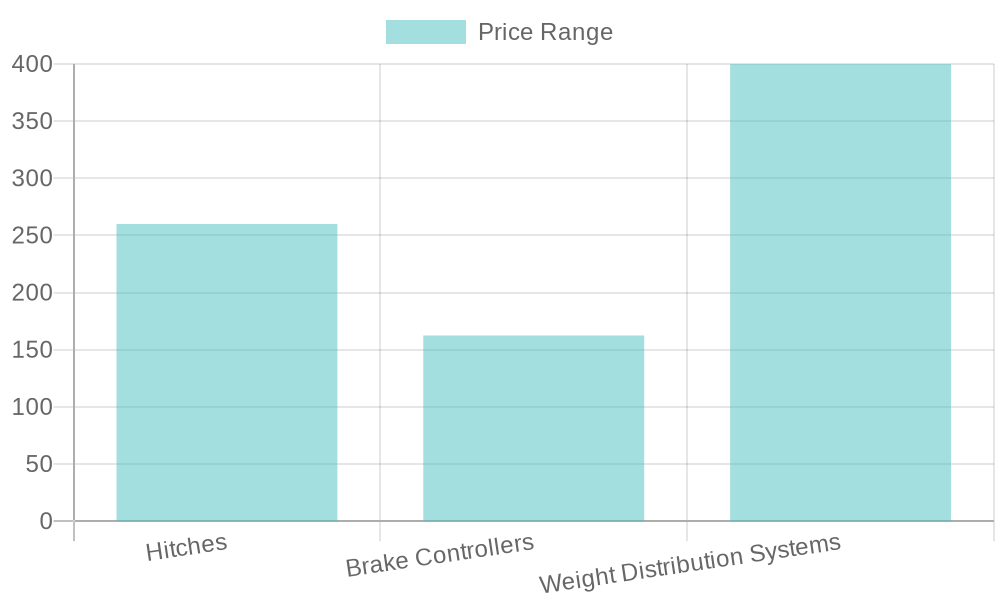
When it comes to towing with a 1500 truck, selecting the right accessories is crucial for safety and efficiency. Below is a chart that compares various towing accessories, highlighting their benefits and price ranges:
Summary of Towing Accessories:
| Category | Price Range | Key Benefits |
|---|---|---|
| Hitches | $120 – $400 | Enhances stability, ensures compatibility with 2-inch trailer hitches |
| Brake Controllers | $75 – $250 | Provides improved braking control, includes safety features like automatic adjustment and diagnostics |
| Weight Distribution Systems | $200 – $600 | Prevents trailer sagging, improves steering response, enhances braking performance and overall towing safety |
By using the right hitches, brake controllers, and weight distribution systems, you can enhance your towing capabilities significantly. For better safety and performance, consider investing in these towing accessories.
Essential Towing Tips for Truck Owners
Towing requires careful preparation to ensure safety and efficiency. Here are some essential towing tips every truck owner should consider:
- Know Your Vehicle’s Capacity: Before towing, confirm your truck’s maximum towing capacity. Exceeding this limit can lead to performance issues and accidents. Check your owner’s manual or the manufacturer’s specifications.
- Use the Right Equipment: Ensure you are utilizing the appropriate hitch and towing accessories. A misused hitch can compromise safety and stability.
- Check Your Trailer: Inspect the trailer, including lights, brakes, and tires, before every trip. A well-maintained trailer is crucial for safe towing.
- Distribute Weight Properly: Load your trailer so that the weight is evenly distributed. Improper loading can lead to swaying and loss of control.
- Adjust Your Driving: Allow for longer stopping distances and make wide turns. Towing changes your vehicle’s dynamics, so adapt your driving style accordingly.
- Practice Towing Maneuvers: If you’re new to towing, practice turning and backing up in a safe, open area before hitting the road.
- Use Mirrors: Install towing mirrors if necessary to provide better visibility of the trailer and surroundings.
- Stay Within Speed Limits: Adhere to speed limits, especially those designated for towing. Driving too fast can create dangerous situations.
- Learn Emergency Procedures: Familiarize yourself with how to handle a sway and how to safely disconnect the trailer in emergencies.
- Take a Towing Course: Consider enrolling in a towing safety course. This can enhance your skills and confidence on the road.
For additional guidance on roadside assistance, learn more about emergency response training. Remember, safe towing is key to avoiding accidents and ensuring a smooth journey.
In conclusion, understanding the towing capacity of your 1500 truck is essential for both safety and performance. This knowledge empowers you to make informed decisions when it comes to hauling loads, thereby ensuring that you don’t exceed the limits set by your vehicle’s manufacturer. By respecting these limits, you can enhance the longevity of your truck and reduce the chances of accidents caused by improper towing.
Moreover, equipping your truck with high-quality towing accessories can further augment your towing capabilities. Brands like Summit Fairings provide a range of products designed to facilitate safe and efficient towing. Investing in quality accessories not only transforms your towing experience but also adds value to your truck by improving its versatility and utility.
We encourage you to explore the various towing accessories available and consider how they might enhance your capability. Don’t settle for anything less than the best. Transform your rides with quality towing accessories from Summit Fairings and ensure that you always tow with confidence!