
Understanding how much tow truck drivers make is crucial, especially for everyday drivers, truck owners, and property managers who may find themselves in need of these essential services. Imagine this: you’re driving home after a long day when your vehicle suddenly breaks down in the middle of the road. The stress of the situation is palpable, and soon your mind shifts to how quickly help can arrive-and at what cost. Tow truck drivers play a vital role in this scenario, providing not just assistance but also a source of income for many. By grasping the financial dynamics of this profession, you can better appreciate their service and perhaps even consider tipping practices or service expectations. Curious about the earnings of tow truck drivers? Explore more to understand their financial landscape.
Understanding the Salary Range for Tow Truck Drivers
Tow truck drivers make varying salaries depending on several factors such as experience, location, and the type of towing they perform. According to the U.S. Bureau of Labor Statistics, the median annual salary for tow truck drivers in the United States is around $48,960. However, this figure can fluctuate significantly, reflecting regional economic conditions and the nature of the job.
Regional Variations in Salary
-
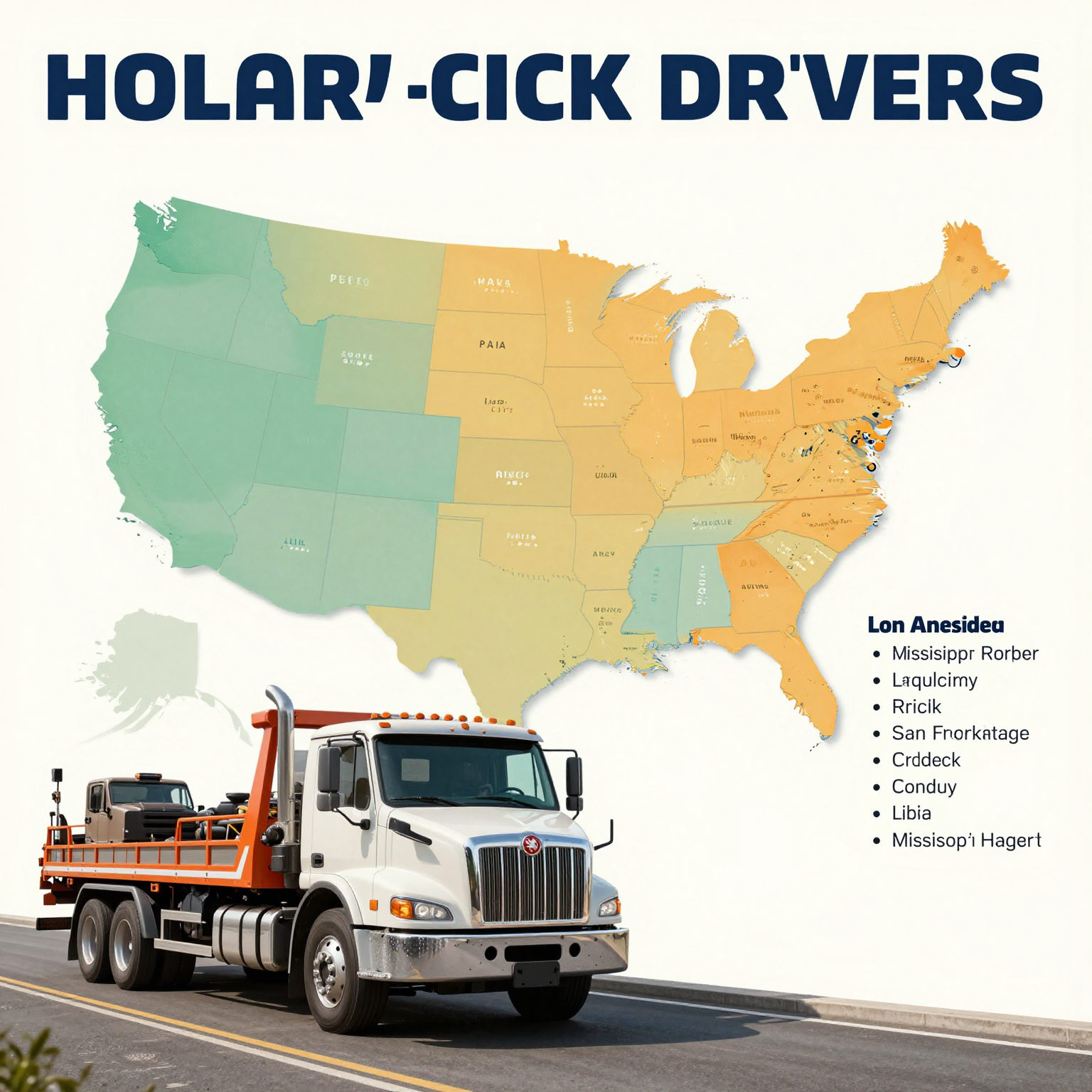
High-Cost Areas: In urban areas with a high cost of living, salaries can be considerably higher. For instance:
-
New York City: Average annual salary is approximately $62,500.
-
Los Angeles: Average annual salary is around $58,700.
-
San Francisco: Average salary reaches about $56,200.
-
Lower-Cost States: Conversely, states such as Mississippi and Arkansas report lower averages of $39,100 and $40,300, respectively.
Experience Matters
Experience plays a crucial role in determining how much tow truck drivers earn. Here’s a breakdown based on years of experience:
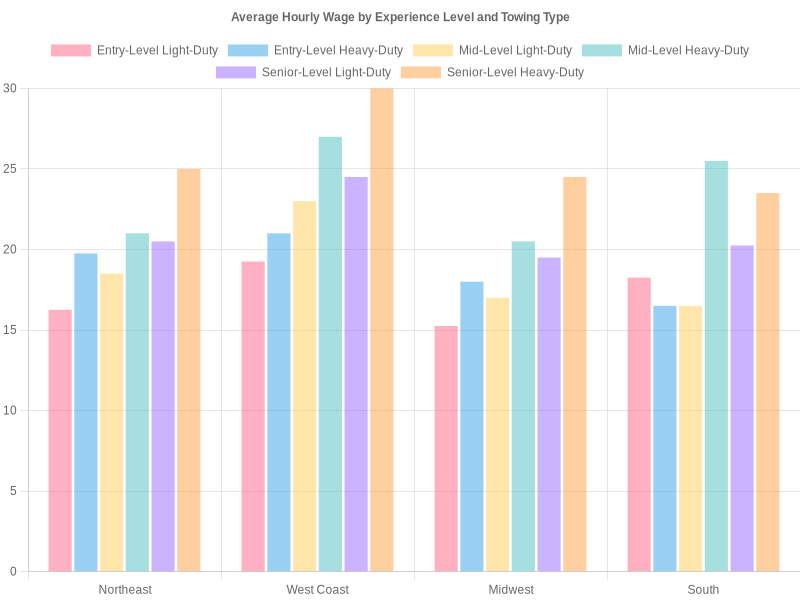
- Entry-Level (0-2 years): Annual salaries typically range from $35,000 to $42,000.
- Mid-Level (3-5 years): Salaries increase to about $47,000 to $55,000.
- Senior-Level (5+ years): Experienced drivers can earn between $60,000 and $85,000 depending on their specialty and the complexity of the tasks they manage.
Type of Towing
The type of towing also influences income:
- Light-Duty Towing: Drivers handling passenger cars and small SUVs generally make between $42,000 and $50,000 per year.
- Heavy-Duty Towing: Those who operate equipment for semi-trucks, buses, and large commercial vehicles can expect to earn between $55,000 and $75,000 annually. Heavy-duty drivers often command salaries that are 15-25% higher due to specialized skills and the risks involved in their work.
Summary
In conclusion, tow truck driver salaries are influenced by geographic location, experience, and the type of towing they specialize in. For more information on how to become a tow truck driver and the financial expectations of the career, learn more here.
Benefits and Incentives for Tow Truck Drivers
Tow truck drivers, essential to roadside assistance and vehicle recovery, often receive various benefits and incentives that enhance their overall compensation package. Understanding these benefits can help potential drivers appreciate the full scope of their career choices. Here’s a breakdown of what tow truck drivers typically receive:
Health Benefits
One of the primary incentives for tow truck drivers includes a comprehensive health benefits package. Most employers provide coverage in the form of:
- Medical insurance: This usually covers medical expenses for drivers and their families.
- Dental and vision insurance: These often come as part of the standard benefits package.
- Life insurance: Provides financial security for families in case of an unexpected event.
Retirement Plans
Tow truck companies frequently offer retirement plans like:
- 401(k) Plans: Employers may match employee contributions, allowing drivers to save for retirement.
- Pension Plans: Some companies offer pensions, providing a steady income after retirement based on years of service. This can be a significant draw for drivers seeking long-term stability.
Incentives and Bonuses
In addition to standard benefits, tow truck drivers may have access to various performance incentives, including:
- Commission-based pay: Some drivers earn commissions based on the number of jobs completed or the distance tows.
- Sign-on bonuses and retention bonuses: These can be offered to attract new drivers or retain experienced ones.
- Performance bonuses: Rewarding hard work and efficiency, these bonuses enhance earnings significantly.
As noted by Indeed, many tow truck drivers enjoy a robust compensation package that goes beyond hourly wages, ensuring their financial well-being and job satisfaction.
Tow Truck Driver Salaries Across Regions
When considering a career as a tow truck driver, it’s essential to understand the salary landscape, which varies significantly across different regions in the U.S. The average salary for tow truck drivers can be influenced by various factors, including demand, experience, benefits, and incentives.
Comparative Table of Tow Truck Driver Salaries
| Region/Category | Average Annual Salary (USD) | Monthly Equivalent | Key Benefits & Incentives | Source |
|---|---|---|---|---|
| National Average (All Truck Drivers) | $59,428 (2023) | ~$4,952 | Varies by employer; includes health insurance, retirement plans, paid time off | U.S. Bureau of Labor Statistics |
| California (Average) | ~$53,000-$73,220 | ~$4,400-$6,100 | Higher cost-of-living adjustments; union support; overtime pay | [NetEase Hao, 2023] |
| Alaska / Washington D.C. | Higher than national average | Not specified | Premium pay due to remote locations and high living costs | [Reddit / Forum Discussion, 2025] |
| UPS Full-Time Drivers (Senior) | Up to $175,000 | ~$14,583 | Health care, pension, paid vacation, guaranteed hours | [UPS Contract, 2023] |
| Private Carrier / Independent Contractors | $186,016 (annual revenue) | ~$15,500 | Profit potential; must cover operational costs | [2024 Data, 2024-09-21] |
| Long-Haul (Tractor-Trailer) | $76,420 | ~$6,368 | Per-mile pay, loading/unloading bonuses | [2023 Data, 2024-09-21] |
| LTL Local (Linehaul) | $80,680 | ~$6,723 | Fixed route schedules; regular hours; possible shift differentials | [2023 Data, 2024-09-21] |
| Fuel or Hazardous Materials Transport | $100,000-$150,000 | $8,333-$12,500 | Specialized training pay; hazard pay; safety bonuses | [2025 Data, 2025-05-03] |
⚠️ Note:
- Salaries for tow truck operators typically exceed those of standard freight drivers due to emergency response duties, risk exposure, and specialized equipment operation.
- Benefits such as health insurance, retirement contributions, and paid leave are common in unionized or large-company roles.
- Independent tow truck operators may earn more but bear all operational costs.
For additional insights into how salaries are formed, read our comprehensive overview of tow truck driver earnings and the impact of location and demand on pay.
Hours Worked by Tow Truck Drivers
Tow truck drivers typically work a demanding schedule, often ranging from 40 to 60 hours per week. However, the exact number of hours can vary significantly based on factors such as location, time of year, and the specific demands of their job.
On-Call Duties
On-call duties are a standard part of the job for many tow truck drivers. They may be required to be available either during busy periods, such as winter months with inclement weather, or in urban areas with high traffic. During peak times, drivers can expect to be on standby for 8 to 12 hours a day. This means they might not be actively towing vehicles but need to be ready to respond to calls whenever they come in. Moreover, in places with severe winter conditions, the demand for immediate assistance increases, leading to longer shifts and more on-call hours.
Overtime Work
Overtime work is another critical component of a tow truck driver’s income, often extending their workweek to over 55 hours especially during peak seasons like snowstorms. Under the Fair Labor Standards Act (FLSA), tow truck drivers are entitled to receive overtime pay for any hours worked over 40 in a week, at a rate of 1.5 times their regular hourly wage. This additional pay can have a significant impact on their total earnings. For example, it’s reported that drivers can earn an additional 20-30% of their total annual income through overtime, which could mean several thousand dollars added to their yearly salary.
Annual Earnings
The combination of standard hours worked, on-call duties, and overtime can lead to a wide range of annual earnings for tow truck drivers. According to the National Private Truck Council (NPTC), experienced drivers can earn an impressive $60,000 to $80,000 annually when factoring in base pay and overtime. For instance, a driver with a base salary of $50,000 could see their income increase significantly, with overtime adding anywhere from $12,000 to $15,000 during especially busy periods such as winter storms. Furthermore, the average tow truck driver in the U.S. makes approximately $44,350 annually, with plenty of room for growth based on hours worked and overtime opportunities.
Conclusion
In summary, the hours that tow truck drivers work are characterized by a mix of regular shifts, on-call obligations, and overtime that significantly influences how much tow truck drivers make. This dynamic nature of their work plays a crucial role in determining their earnings, making it essential for anyone considering a career in this field to be prepared for an unpredictable work schedule.

Job Outlook for Tow Truck Drivers
The job outlook for tow truck drivers is promising, showing a projected growth rate of 6% from 2023 to 2033, which aligns with the average growth rate for all occupations. This expansion can primarily be attributed to several key factors:
Key Factors Driving Demand
- Increasing Vehicle Ownership: As vehicle sales continue to rise, there will be a corresponding increase in roadside incidents such as breakdowns and accidents, leading to greater demand for tow truck services.
- Urbanization Trends: The rapid urbanization in metropolitan areas has escalated traffic volumes, necessitating more roadside assistance resources. Cities often experience higher instances of accidents due to congested streets, thereby requiring reliable towing services.
- Expansion of Logistics and Transportation: More companies rely on fleet vehicles for logistics, increasing the need for maintenance and recovery services that tow truck drivers provide. As businesses grow, so do their fleets, which may require towing and roadside assistance.
- Technological Advancements: Innovations in tow truck design-such as lightweight materials and enhanced technology for towing-have improved the efficiency of towing operations. These advancements not only boost the operations but also help assess and manage roadside situations more effectively.
Technological Impact
Technology is reshaping the tow truck industry significantly. According to the U.S. Bureau of Labor Statistics, while automation trends are prevalent in many transport sectors, the need for skilled drivers remains critical in towing due to onsite decision-making processes in unpredictable environments. Key advancements include:
- GPS Tracking and Real-Time Dispatch: These technologies ensure efficient routing and quicker response times, allowing for better service delivery.
- Mobile Communication Apps: Such apps facilitate smoother customer interactions and service requests, ensuring that clients can summon help easily.
- AI-Enhanced Routing Tools: Some companies are testing AI tools that analyze real-time data from incidents, which can optimize route planning for tow trucks.
Salary Expectations
The salary landscape for tow truck drivers varies based on factors such as location, experience, and employer type. As of late 2024, the average base pay for tow truck drivers is around $58,500 per year, with hourly rates ranging between $25 to $35. Pay tends to be higher in large metropolitan areas such as New York and Los Angeles. Furthermore, overtime and on-call bonuses can enhance total compensation significantly. The outlook for 2025 indicates continued recruitment and potential salary increases, especially for certified drivers, with top earners exceeding $70,000 annually in high-demand locations.
Conclusion
In summary, the future job outlook for tow truck drivers is looking robust. With steady demand propelled by increasing vehicle ownership and urban traffic complexities combined with technological enhancements improving operational efficiency, the roles and responsibilities of tow truck drivers will continue to evolve, presenting growing opportunities for those in the industry.
Tow Truck Driver Salary Trends (2013-2023)
| Year | Median Annual Salary ($) |
|---|---|
| 2013 | 48,200 |
| 2014 | 48,900 |
| 2015 | 49,700 |
| 2016 | 50,200 |
| 2017 | 50,500 |
| 2018 | 51,800 |
| 2019 | 52,500 |
| 2020 | 53,200 |
| 2021 | 53,800 |
| 2022 | 54,300 |
| 2023 | 54,800 |
Source: U.S. Bureau of Labor Statistics (BLS), Occupational Employment and Wage Estimates (OEWS), 2013-2023 data.

This chart illustrates the median annual salary of tow truck drivers in the U.S. over the past decade, showcasing modest salary growth despite fluctuations in demand.
Essential Tow Truck Driver Skills
To become a successful tow truck driver, certain skills and qualities are indispensable. Here’s a bulleted list of the top skills and qualities required:
- Strong Communication Skills: Effectively interact with customers, emergency services, and dispatchers to understand the towing needs and provide assistance during emergencies.
- Technical Proficiency: Possess mechanical knowledge to diagnose, repair, and operate various towing equipment and vehicles, ensuring efficient towing operations.
- Physical Fitness: Maintain physical endurance and strength for lifting heavy equipment, maneuvering vehicles, and performing demanding tasks in various weather conditions.
- Attention to Detail: Ensure proper handling of vehicles, compliance with safety regulations, and accurate documentation of towing incidents.
- Problem-Solving Skills: Quickly assess situations and provide solutions effectively during emergency scenarios, often requiring quick decision-making.
- Reliability and Responsibility: Demonstrate a commitment to following safety protocols, completing timely service calls, and managing vehicles responsibly.
- Calmness Under Pressure: Maintain composure in high-stress situations, such as accidents or breakdowns, while providing excellent customer service.
For more insights on how to thrive in this profession, check out this guide on becoming a tow truck driver and what key skills are needed.
In conclusion, the insights gathered about tow truck driver salaries highlight a competitive landscape within the transportation sector, with median annual earnings reported around $47,970 to $52,000. This salary range positions tow truck drivers favorably compared to many other professions, showcasing the job’s importance, especially in emergency scenarios. For everyday drivers, understanding these nuances can foster appreciation for the dedication and skill tow truck drivers bring, especially during roadside emergencies. If you’re contemplating a career shift or simply want to better engage with professionals in this field, consider the avenues Summit Fairings offers, ensuring your towing needs are met with quality and support. Whether you’re a truck owner or just an everyday commuter, embracing the expertise from Summit Fairings not only enhances your experience but also aids in supporting this crucial workforce. Learn more about tow truck driver earnings to fully appreciate their role in keeping our roads safe.