
Towing a truck can often lead to unexpected expenses, particularly for everyday drivers, truck owners, property managers, and auto repair services. The costs vary based on several factors — from truck size to the specific conditions surrounding the tow. By navigating through this guide, readers will gain insight into the comprehensive breakdown of towing costs across small, medium, and large trucks. The subsequent chapters will delve deeper into the influences of distance and necessary equipment on rates, as well as provide a comparative analysis to help estimate costs accurately before seeking assistance.
Breaking Down Tow Bills: What Small, Medium and Large Truck Tows Actually Cost
Towing Cost Breakdown: Small, Medium, Large — and Why Prices Vary
Towing a truck does not come with a single fixed price. Costs shift with size, weight, distance, complexity, time, and local market conditions. This chapter walks through realistic price ranges for small, medium, and large trucks. It also explains the hidden drivers behind every line on the invoice, so drivers and fleet managers can estimate better and avoid surprise charges.
Small trucks—typically light pickups and compact single-cab work trucks—are the least expensive to move. For short local tows under roughly 20 miles, expect modest rates. Many providers charge between $75 and $150 for a simple hook-and-go job. Those prices assume the truck is empty, accessible, and can be carried on a standard flatbed or by a wheel-lift rig without complex recovery. Where costs rise is when distance increases, the truck is disabled in a tricky spot, or traffic and access restraints slow the operator down. In urban centers, base fees may already be higher, and hourly labor or per-mile charges quickly add up.
Medium trucks cover larger pickups and light commercial vans. These vehicles weigh more and often require sturdier gear and more labor. Typical charges for medium trucks range from about $125 to $250 for routine recoveries and short hauls. If the tow crosses city limits, moves onto highways, or exceeds 20 miles, expect per-mile rates to apply and push totals higher. A medium truck that is loaded or carrying awkward cargo will command a premium, because securing the load and using heavier anchoring takes time and skill.
Large trucks are the steepest category. These include heavy-duty pickups, larger box trucks, and small commercial tractors. Costs typically start higher and scale rapidly with weight and size. Routine tows for large trucks commonly range from $300 to $600 or more, depending on distance and conditions. When a truck is oversized, laden, or requires specialized towing rigs, rates climb into the high hundreds or even beyond—the result of equipment wear, operator training, permits, and often a second crew on scene.
Those ranges give a quick sense of what to expect, but numbers alone leave out important qualifiers. Operators typically combine a base fee with per-mile charges. In many urban markets, base fees for light trucks begin around a low three-figure number. On highways and for longer hauls, companies often switch to kilometer- or mile-based pricing. For example, shorter local jobs may sit inside a base price, while highway moves might be billed at incremental rates that vary by whether the truck is empty or loaded. An empty vehicle is cheaper to haul than one carrying freight.
Time of day also matters. Towing during late night hours, early morning, or holidays often triggers an after-hours surcharge. Typical increases range from 20% to 50% above daytime rates. Emergency response work that interrupts a company’s normal schedule commands more. Weather and road conditions are further multipliers. Snow, ice, or active hazards make recovery slower and riskier, so companies reflect that in their quotes.
Specialized equipment and complex recoveries create the biggest escalations in price. A locked-up axle, severely damaged steering, or a truck stuck off-road may need winching, a crane, or a heavy wrecker with outriggers. Those pieces of equipment represent high capital cost and maintenance expense for the towing company. Heavy wreckers and recovery cranes can cost tens of thousands to over a hundred thousand dollars to buy and outfit. When these units are required, expect significant line-item charges for both equipment and extra crew time.
Distance and long-haul logistics also shape the final bill. Local moves generally remain predictable. Long-distance or interstate tows introduce fuel surcharges, driver time, mileage rates, and sometimes overnight lodging or staging fees. If a tow requires the truck to remain at a storage facility, daily storage fees can add up. When planning long moves, ask whether the quote includes fuel, permits, tolls, and any layover costs. A low per-mile rate can still produce a high total after incidentals accumulate.
Permits and legal limitations matter when a load exceeds weight or dimension limits. Oversized trucks need permits and sometimes an escort vehicle. Permit costs vary by jurisdiction and may be included or billed separately. Even when permits are not technically required, local traffic control or lane closures for a complex recovery can add fees.
What goes into an accurate estimate? The towing company needs certain details. Provide the truck’s gross vehicle weight rating (GVWR) or approximate loaded weight. Describe location specifics: driveway, highway shoulder, median, or off-road. Say whether the truck is carrying cargo and whether wheels roll. Send photos if possible. Tell the company if the truck sits on an incline or behind obstructions. The more accurate the information, the closer the initial quote will be to the final bill.
Understanding common billing components demystifies invoices. Most tow bills include a base or hookup fee. That covers dispatch, travel to the scene, and the initial hookup labor. Then a per-mile or per-kilometer charge applies if the destination is beyond the base radius. Additional line items may list winching, flatbed use, specialized equipment, storage, after-hours surcharge, environmental cleanup, and administrative fees. A separate towing company may charge a release or storage fee when vehicles are held at an impound yard. Ask for itemized estimates to avoid confusion.
Insurance and roadside assistance affect out-of-pocket cost too. Many insurance policies and roadside membership plans cover towing up to a set distance. If coverage applies, the provider may have preferred vendors and negotiated rates. Even so, if the selected tow exceeds covered limits, you will owe the balance. If a towing company handles the billing directly with your insurer, verify whether you might be charged upfront and reimbursed later.
There are ways to manage and sometimes reduce towing costs. A few practical tips help minimize surprises. First, call for quotes from multiple providers before committing to a long move. For on-scene emergencies, prioritize safety and accessibility, but still ask for a ballpark price. Second, when possible, avoid after-hours scheduling. Waiting until daytime can lower rates. Third, remove heavy cargo from the truck if you can do so safely; lighter vehicles are cheaper to tow. Fourth, verify whether a local company can handle the job. Local operators often have lower travel time and may be more flexible on pricing. Finally, understand the implications of towing to a dealer versus a private shop. Tow-to-dealer requests sometimes include added handling or diagnostic fees.
Fleet managers benefit from proactive planning. Establish relationships with reputable local providers and negotiate standby or contract rates. Volume or retainer agreements can lock in better pricing than ad hoc calls. Consider investing in training for drivers so minor on-site issues can be resolved without a tow. When replacement trucks are available, minimize downtime and the urgency that drives emergency premiums.
Transparency in communication reduces disputes. When a tow truck arrives, confirm the estimated price and what conditions could change that price. If the operator finds unforeseen complications, they should explain the cause and the new expected cost. Get a written estimate when possible. Keep any receipts and take photos of the vehicle’s condition to support insurance claims.
Market variations are real. Urban areas with higher labor costs and higher demand often show elevated base fees. Rural regions may charge higher per-mile rates because of the distance required to reach a wreck. Highway towing services sometimes price differently, reflecting both the speed and hazards of highway recovery. Compare quoted per-mile rates for empty and loaded conditions. In many markets, hauling a loaded truck on major roads can cost several times the per-mile rate for an empty vehicle.
Another driver of cost is operator expertise. Recovering a truck that is lodged on a steep embankment or in soft ground requires experience and caution. Those jobs take longer and increase liability for the towing company. To cover that liability, companies charge additional recovery fees. For incidents involving accidents or hazardous materials, expect specialized teams and equipment, plus coordination with emergency responders. Those services increase the invoice substantially.
Finally, expect administrative and storage costs if a vehicle must stay in a yard. Storage fees commonly apply per day, and release processes may include paperwork charges. If a tow results from an accident, the owner might face added fees for police reports, evidence preservation, and transfer to an approved repair facility. Discuss storage timeframes and associated costs before approving the tow destination.
For detailed, real-world pricing on heavy towing equipment and to see the capital costs that influence service rates, review current equipment market listings. They give insight into why heavy recovery is costly. External reference: https://www.alibaba.com/product-detail/Right-Hand-Drive-Tow-Truck-8X4-Wheel-Lift_1600475581373.html?src=1600475581373&from=search&searchResult=1&spm=a2700.galleryofferlist.0.0.5f3c7d5bDwTjZU&isPaging=true&pageNum=1&pageSize=10
When you want a quick refresher about how towing costs are calculated, or want to explore related pricing considerations, a helpful internal resource explains broader towing pricing structures. See the article on how much does towing truck cost for a deeper dive: https://winchestertowtruck.com/how-much-does-towing-truck-cost/
Armed with these details, you can judge quotes more accurately. Know the size and condition of the truck, request itemized estimates, and compare local options. Understand when extra equipment or permits are necessary. That knowledge helps avoid unexpected charges and keeps recovery operations under budget.
null
null
Towing by the Ton: How Truck Size, Distance and Situation Shape the Final Bill
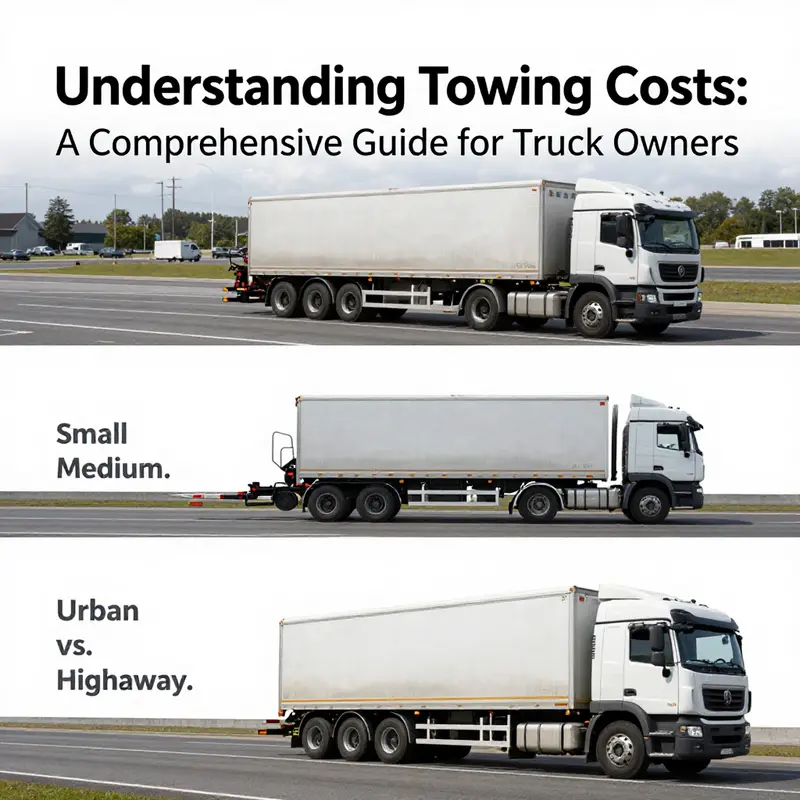
Towing a truck is rarely a simple line item. The final bill reflects a chain of practical realities: the truck’s weight and dimensions, whether it is loaded or empty, how far it must travel, the terrain and access at the pickup site, and the time and specialty equipment required. These variables stack, interact, and sometimes multiply one another. Understanding how each element contributes helps you estimate costs more realistically and avoid surprises when a tow operator hands over an invoice.
Start with size. A small pickup behaves very differently from a heavy flatbed or an 18-wheeler. Smaller trucks typically require less powerful rigs and simpler rigging, so their base towing rates are lower. In many urban areas, small trucks and light commercial pickups attract a base fee that might fall in a modest range. That base covers the operator’s travel to the scene, hook-up, basic safety checks, and a short haul within city limits. For larger trucks, the story changes. Medium and heavy trucks demand more robust tow vehicles, experienced operators, and sometimes multiple crew members. Their base fees start higher and rise steeply with added complexity.
Distance is the clearest multiplier. Tow companies use two main pricing models for distance: a per-kilometer (or per-mile) rate and staged pricing that combines a base hookup fee with distance charges. For an empty light truck, a per-kilometer rate may be relatively low. But the same distance for a loaded or heavy truck can cost several times more per kilometer. For example, empty light trucks might be charged at a modest per-kilometer rate, while a loaded medium truck may be billed at a higher per-kilometer rate to reflect increased fuel consumption, labor intensity, and wear on towing equipment.
The loaded-versus-empty distinction matters more than many people realize. A loaded truck is heavier, often less stable, and can affect braking and maneuvering. It may require a more powerful tow unit, additional tie-downs, and extra safety measures. Those needs translate directly into higher per-kilometer and base charges. Operators may also limit tow speed and routing for loaded vehicles. That can lengthen travel time and increase labor charges.
Location and accessibility are another major influence. Urban tows often benefit from short hauls, high availability of trucks, and easy access. But city towing has its own cost drivers. Congestion, parking restrictions, and wait times can increase labor hours. Towing from a narrow street, a construction site, a steep embankment, or a remote rural road has higher risk and takes more time. Remote pickups often incur travel fees before the actual tow begins. In some regions, operators charge a minimum travel fee to cover the round trip to the scene. Those fees can be significant when the nearest capable tow truck is miles away.
Time of service can add 20% to 50% to the bill. Night shifts, holiday calls, and weekend service attract premiums. These surcharges compensate operators for after-hours labor and the added risks of operating in reduced visibility or during busy emergency periods. If your truck breaks down late at night, expect a higher rate than an identical tow performed at midday. Some companies publish their off-hour surcharge; others provide quotes only when you call. Asking for exact surcharge percentages before committing keeps surprises low.
The towing method influences cost and safety. Wheel-lift towing is quicker and cheaper. It lifts two wheels and tows the vehicle on the other two. That method is suited to lighter trucks in good condition and on short distances. Flatbed towing carries the whole vehicle and is more secure. It is required for trucks with drivetrain damage or when transporting expensive equipment. Flatbeds for larger trucks need specialized heavy-duty carriers, which raise the cost. A flatbed tow for a light pickup is one price; the same method for a medium or heavy truck is much higher.
Specialized equipment and recovery challenges can be where costs spike. If a truck is off-road, rolled, or wedged under obstacles, a standard tow truck might not suffice. Cranes, winches with high pulling capacity, and recovery vehicles with stabilization equipment may be necessary. Each additional piece of equipment increases labor, coordination needs, and insurance exposure for the tow operator. Operators may also bill separately for the time the equipment is used, not just for the tow itself. Long recoveries with cranes or multi-vehicle lifts can add hundreds to thousands to the base fee.
Local regulation and permitting can also change a quote. Some municipalities require permits for moving oversized loads, towing from certain sites, or operating heavy recovery equipment. Those permits often carry fees and require scheduling with local authorities. In places with strict safety codes or environmental regulations, tow companies may need to meet extra compliance standards. Those costs are passed on to the customer. Always ask whether permits are required, especially for long hauls or tows involving large or over-dimension vehicles.
Insurance and liability play roles, too. When a tow involves high-value cargo, hazardous materials, or difficult maneuvers, a company may charge more to cover increased liability. Operators with higher insurance limits sometimes charge higher rates, but those rates reflect greater protection. Conversely, using roadside assistance through an insurer or membership plan may reduce out-of-pocket costs. Yet these programs sometimes limit which tow companies you can use. If you prefer a specific reputable operator, compare expected out-of-pocket costs with what a membership will cover.
Examples help translate these factors into realistic figures. For small trucks in cities, you might see a base rate that runs from moderate to modest. For medium trucks, base fees climb, especially when highways or heavy load conditions are involved. For large and heavy trucks, expect a substantial base fee plus steep per-kilometer charges on highways. Rates for very heavy or specialized trucks can be highest of all, with per-kilometer pricing that reflects the need for specialized heavy-haul equipment and crews. These examples show why a single flat estimate rarely holds up in practice.
Beyond the tow itself, ancillary charges can matter. Storage fees may begin after a certain period if your truck is taken to a yard. If the operator must wait on site longer than initially estimated, wait-time fees apply. Fuel surcharges are common for long-distance tows. If an overnight haul requires crew accommodations or staging, those costs may be added. Ask about these extras when requesting a quote.
There are practical ways to limit costs without sacrificing safety. First, provide accurate details when you call for a quote. Operator pricing depends on the truck’s weight, whether it’s loaded, and exact location. Be precise about obstacles like tight driveways, low overhangs, or soft shoulders. Second, ask for an itemized estimate that lists the base fee, per-kilometer charge, surcharges, and any potential extras. Third, consider timing. If the tow can wait until normal business hours, you may avoid night or holiday premiums. Fourth, if you belong to an auto club or a roadside assistance program, check their coverage limits and preferred providers. Often, those networks negotiate lower standard rates.
If you manage a fleet, you have additional levers to control costs. Establish relationships with local providers willing to set fleet rates. Negotiate volume discounts and clearly define service expectations in a written agreement. Include requirements for equipment, response times, and documentation. Regularly review invoices to ensure surcharges are legitimate. For frequent long-haul moves, consider contracts that bundle routine tows at locked-in rates. Those arrangements reduce uncertainty and can lower average cost per tow.
When comparing quotes, pay attention to three details. One: does the operator have experience with your truck type? Towing a specialized vehicle requires familiarity and proper gear. Two: are estimates binding, or are they approximations subject to change? A binding estimate offers protection. Three: what liability coverage and damage protection does the operator carry? Lower rates mean little if a mishap leaves you uninsured for damages.
Disputes over invoices are common but avoidable. Document the initial condition of the vehicle with photos before the tow, if it is safe to do so. Request a written receipt that details labor time, per-kilometer charges, equipment used, and storage. If you suspect improper charges, raise the issue immediately. Reputable firms will provide a clear explanation or adjust billing if errors occurred. If a resolution fails, local regulators or consumer protection agencies can mediate. Keeping clear records and asking for written agreements at the start reduces friction.
Finally, realistic expectations matter. Towing a heavy truck across a long highway route, at night, with a load and in poor access conditions can be costly. Each layer of complexity adds labor, equipment, and risk to the operation. By contrast, short urban tows of light pickups are usually straightforward and economical. The difference between these scenarios explains why pricing varies so much.
If you want a closer look at standard practices and classifications that affect towing charges, the American Association of Motor Vehicle Administrators provides useful state-by-state guidelines and classification data. For practical, local guidance about tow prices and common industry charges, consult resources that explain typical operator pricing and common add-ons, such as the tow truck costs and pricing guide available online.
Every towing situation is unique. Size, distance, load status, access, timing, equipment needs, regulation, and liability considerations all interplay. Knowing how each factor drives cost helps you make informed choices, request clearer quotes, and plan for the most economical and safe outcome. Whether you call a single operator, use a membership service, or negotiate fleet agreements, clarity about these drivers keeps your towing costs predictable and fair.
External resource: https://www.aamva.org/
Final thoughts
Understanding the costs associated with towing a truck is crucial for truck owners, auto repair shops, and property managers alike. By recognizing the base fees and additional charges affected by circumstances like distance, time, and special equipment requirements, stakeholders can make well-informed decisions when faced with a towing need. Always remember to reach out to local towing services to gather the best quotes tailored to your specific situation.