
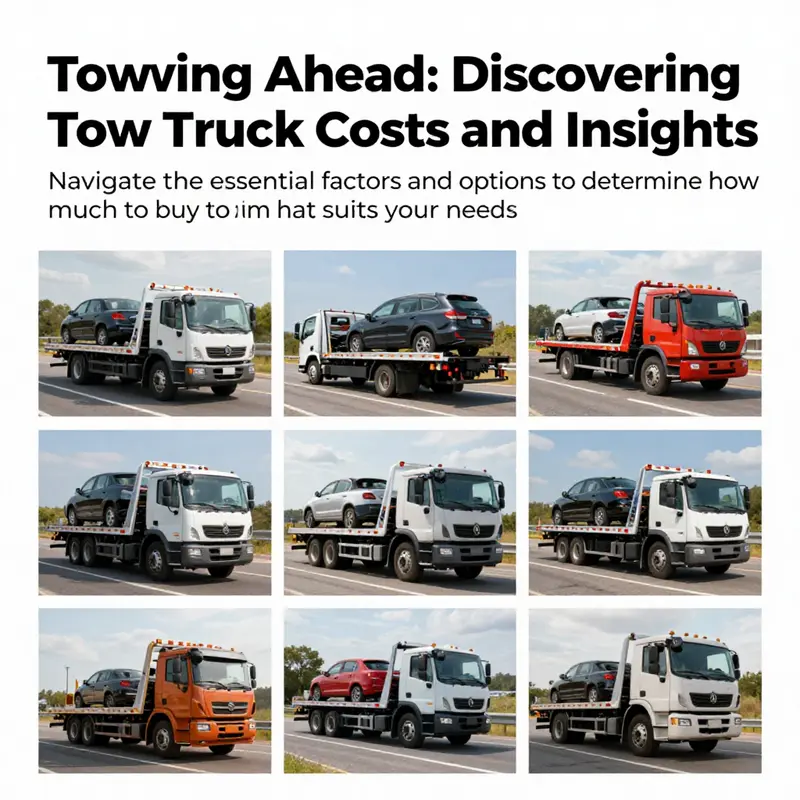
Understanding the cost of purchasing a tow truck is essential for various stakeholders, from auto repair shops to property managers. Prices can fluctuate significantly based on various factors, such as the truck’s brand, model, and capacity. It’s crucial to dissect these elements to prepare for this substantial investment. The following chapters will unveil the intricacies around tow truck pricing, compare new and used options, explore significant specifications, and guide you towards the best market resources to secure a favorable deal.
Beyond the Sticker: Unpacking the True Cost of Buying a Tow Truck
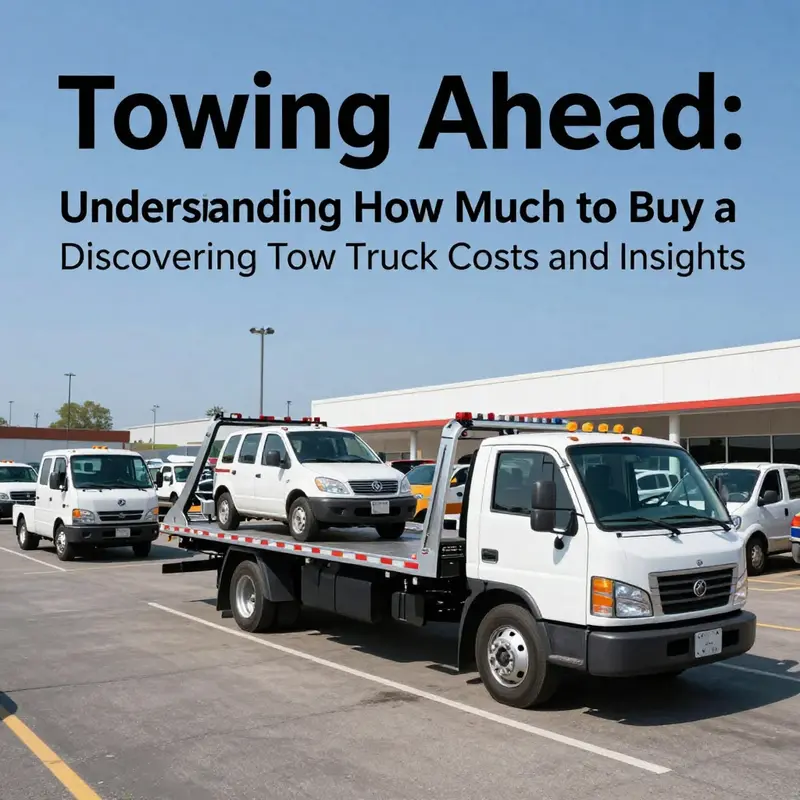
Core Determinants of Tow Truck Purchase Price
When budgeting for the purchase of a tow truck, the sticker price provides only the starting point. A complex interplay of design, capacity, and capabilities informs the final tag you’ll see on your invoice. Early in your research, you’ll notice dramatic price swings between models. Some of this variability stems from the towing mechanism itself: advanced systems deliver greater lifting power and flexibility, but they also demand steeper investments.
Rotator trucks occupy the top tier of pricing. Equipped with a 360-degree rotating boom that can extend, tilt, and lift heavy loads from virtually any angle, these units handle the toughest recovery jobs. Industrial sites, highway incidents involving overturned semis, and mountainous terrain rescues all call for the unparalleled strength of a rotator. You should expect prices to start around $150,000 for basic configurations, with fully outfitted versions climbing well above $300,000. Beyond the upfront cost, operators face higher fuel consumption, increased maintenance requirements, and specialized training expenses to run these machines safely and effectively.
More modest budgets often turn to flatbed tow trucks. Their straightforward design features a hydraulically operated, tilting bed for loading and transporting vehicles without ground contact. This approach minimizes risk of damage to low-clearance or all-wheel-drive cars, making flatbeds popular among automotive shops and repossession services. They also require less routine service than complex booms or wheel lifts. Standard models generally range from $75,000 to $150,000, with the lower end representing compact chassis and the higher end incorporating stronger hydraulics, enhanced winch packages, and reinforced frames.
Between rotators and flatbeds, hook and roll or boom-equipped trucks strike a middle ground. These systems integrate a hydraulic boom and wheel lift into a versatile package that balances lifting power with a smaller footprint. Urban recovery companies and municipal fleets frequently favor these units for accident clearances and routine tows. Depending on engine horsepower, chassis brand, and optional features like remote controls or multiple winch speeds, prices usually fall within the $75,000 to $150,000 window.
Beyond the towing mechanism, vehicle specifications exert a strong pull on purchase price. Engine output, drivetrain configuration, and overall axle rating shape both performance and cost. A two-axle, rear-wheel-drive chassis with a standard diesel engine will land at a lower price than a six-by-four configuration boasting over 400 horsepower. Heavy-duty chassis designed for 50-ton recovery operations require extra structural bracing, heavier axles, and reinforced suspensions. Each of these engineering upgrades adds thousands of dollars to the baseline model.
Another critical factor is new versus used. New tow trucks guarantee factory warranties, freshly installed components, and the latest safety features. Those advantages, however, come at premium prices starting at around $60,000 for entry-level flatbeds and escalating with capacity and complexity. By contrast, a well-maintained used unit can fall well below the new market range. Yet the condition of the hydraulic system, reported mileage, and any history of frame repairs or major overhauls become key variables in assessing value. Buyers often engage third-party inspectors or leverage maintenance records to verify equipment health before sealing a used-vehicle deal.
Branded chassis and established manufacturers usually command higher prices. A proven reputation for reliability and a broad dealer network translates into smoother service experiences, but it also passes higher upfront costs to buyers. Lesser-known brands may offer aggressive pricing to gain market share, though prospective owners must weigh potential trade-offs in parts availability and resale value.
Local market conditions and shipping logistics also shape sticker prices. If demand rises sharply in a region, suppliers may mark up rates. Conversely, manufacturers around major production hubs or overseas ports may offer seasonal discounts or more competitive quotes, though shipping fees and import duties will influence the bottom line. Investing time in requests for quotes from multiple sources, including both domestic dealers and international platforms, can reveal opportunities to save.
Aligning Purchase Decisions with Operational and Long-Term Costs
Selecting the right tow truck extends beyond a one-time purchase price. Operational needs, expected workload, and long-term cost of ownership must guide your choice. A heavy-duty rotator excels at highway recoveries but carries higher fuel consumption and specialized insurance premiums. By contrast, a flatbed or hook and roll unit may offer greater efficiency during daily passenger-vehicle tows in urban zones.
Estimate your annual mileage and typical load weights to calculate fuel budgets. Larger diesel engines deliver the torque needed for heavy lifts but sip fuel at a faster rate. Likewise, maintenance intervals for hydraulics, chassis components, and engine systems impact downtime and service expenses. Factor in scheduled oil changes, filter replacements, calibration checks for booms and winches, and the cost of replacing high-wear parts such as tires and brake pads on heavy-duty axles.
Insurance and licensing requirements vary by tow-truck class and regional regulations. Rotators and industrial recovery vehicles often require higher liability coverage, emergency lighting permits, and additional endorsements for operators. Training programs to certify drivers on complex hydraulic and crane systems represent one-time investments, but they yield safer operations and lower liability risk in the long run. Exploring specialized operator training—drawing on best practices outlined in advanced emergency response courses—can reduce accident rates and equipment damage.
When evaluating a used tow truck, pay close attention to the service history. Any major hydraulic rebuilds, frame welds, or previous accident damage can foreshadow future repair bills. A transparent maintenance log is worth its weight in gold—look for consistent record-keeping, authorized service center receipts, and documentation of part replacements. Models with fewer miles but poor service records may pose greater risk than high-mileage units with documented upkeep.
Resale value also factors into your total cost analysis. Tow trucks tend to depreciate faster than other commercial vehicles due to specialized equipment wear. Choose configurations and chassis brands known for strong secondary markets. Standard axle ratings and widely adopted hydraulic systems often fetch higher prices when you decide to upgrade or replace your fleet.
Finally, leverage resources to benchmark pricing strategies and anticipate future market shifts. For an in-depth look at current models, feature sets, and price breakdowns, see this overview. Internally, you can compare quotes and financing terms by reviewing how much do tow trucks cost on our cost guide. By integrating all these considerations—purchase price, operational demands, training investments, and long-term maintenance—you’ll arrive at a comprehensive projection of the true cost of owning a tow truck.
New or Used Tow Trucks: Weighing Price, Value, and the Road to Profit
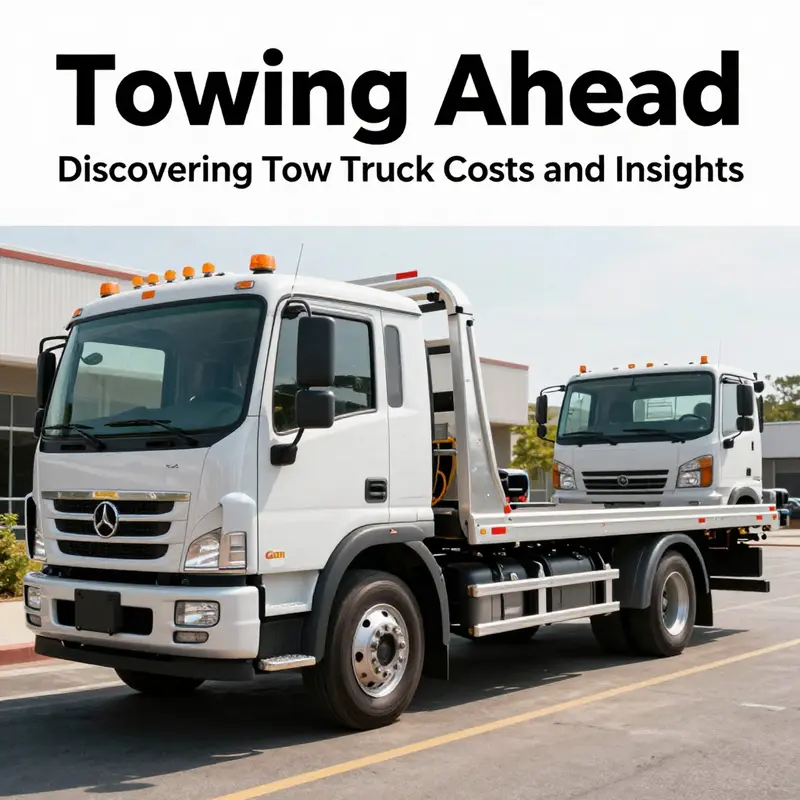
Buying a tow truck is rarely a single-number decision. It is a multifaceted choice that sits at the intersection of upfront price, operating costs, and the pace at which a business can convert vehicle performance into revenue. The core question—how much to pay for a tow truck—carries with it a cascade of implications: what you get for that price, how long you can expect it to serve your fleet, and how its reliability or lack thereof will shape your daily workflow. In practice, the equation blends market reality with your specific needs, from the capacity you require to the level of tech and safety features that will keep drivers efficient and compliant. The decision between a new truck and a used one is not merely a matter of budget but of risk tolerance, growth plans, and the time horizon over which you expect to recoup your investment. If you want a quick snapshot of current price ranges, consider the general market signals: new tow trucks begin at a base that can hover around sixty thousand dollars for lean, entry-level configurations, while heavier, more powerful, or technologically advanced models push well beyond that baseline. Used trucks, by contrast, offer a lower entry price but come with a different set of calculations about upkeep, downtime, and the risk of hidden issues. For a concise view of how prices differ across options, you can explore the general landscape in the industry literature and from supplier listings that provide snapshots of both new and used offerings. If you’re evaluating options, you may find it helpful to start with a simple reference point: How much is a tow truck? How much is a tow truck?.
The cost story starts with the sticker price, but the real economics unfold in the total cost of ownership (TCO) over the life of the vehicle. A brand-new tow truck is designed to minimize upfront maintenance and maximize reliability in the early years, which translates into lower unexpected downtime and tighter control of operating costs when the months stack up. Yet the initial cash outlay can be substantial, and there are questions about depreciation, financing, insurance, and taxes that shape the long-term financial picture. A new HOWO 4X2 flatbed wrecker, for instance, represents the kind of base price that signals a robust, capable machine with modern engine technology and safety features. It also hints at a customization latitude that can affect final cost in ways that matter for fleet planning. If you’re shopping with a specific use case in mind—urban recovery, highway incidents, or rural escort duties—the balance of features, fuel economy, and drivetrain robustness will tilt the decision toward one end of the spectrum or the other.
Used tow trucks present a different calculus. The initial price tag is lower, which can be attractive for operators with tighter budgets or those who want to seed a fleet quickly. But the trade-offs are real. Older trucks carry higher maintenance costs, more frequent repairs, and the risk of downtime that disrupts service and erodes income. Emissions standards, safety tech, and diagnostic capabilities may lag behind newer models, potentially complicating compliance or future resale value. A used model such as a Sinotruck/Sinotruk/Sino HOWO 6X4 371HP heavy-duty tractor or a similar configuration may offer a comfortable entry point, yet buyers must vet work histories, current condition, and remaining useful life with care. The decision hinges not only on the price today but on the quality of the componentry and the credibility of the seller, as well as the long arc of maintenance needs and resale expectations.
To make the decision more concrete, it helps to frame the pricing in terms of what you anticipate your operation will consume. New trucks come with manufacturer warranties that cover repairs and maintenance for a defined period, reducing the risk of surprise costs in the early years. This warranty shield is a form of financial certainty that can simplify cash-flow management and budgeting. New trucks also sport the latest technology—improved safety systems, more efficient engines, and advanced telematics—that can translate into lower fuel costs and enhanced driver productivity. In many cases, the initial maintenance burden is lower in the first few years, which can offset part of the higher upfront price. The flip side is that the opportunity cost of tying up more capital in a single vehicle is higher, and financing terms for new trucks can be stricter because the lender’s risk assessment weighs heavily on the vehicle’s newness and resale value.
The used-truck route lowers the upfront barrier and keeps cash available for other growth moves, but it demands a more deliberate approach to risk management. A careful assessment of the vehicle’s history, mileage, and service records is essential. Buyers should seek complete documentation—maintenance logs, accident history, and any warranty transfers that might still be in effect. A well-documented history can significantly reduce the likelihood of unpleasant surprises, while a spotty record raises red flags about reliability and ongoing maintenance costs. When evaluating a used tow truck, you’re not simply assessing a price tag; you’re weighing the probability of reliability against the possibility of expensive downtime and costly repairs that can stretch into months or even years.
Beyond the sticker price, several financial levers influence the overall cost of ownership. Financing terms determine how much you pay over time and the shape of your cash flows. A longer loan term typically lowers monthly payments but increases total interest and can extend the period of depreciation exposure on your balance sheet. A shorter term reduces total interest and accelerates depreciation but requires higher monthly cash outlays. Insurance premiums rise with the vehicle’s age, its value, and the risk profile associated with the truck’s application. A newer truck often carries lower insurance costs because of its safety features and lower likelihood of mechanical failure, while an older truck could demand higher premiums or more restrictive terms from insurers who see greater risk.
Depreciation is another pivotal element. A tow truck’s value declines over time, and the rate of depreciation is shaped by how intensively the vehicle is used, the terrain it covers, and the maintenance discipline of the operator. A new truck begins with a clean depreciation curve; the first few years usually see a steady drop in resale value, but the shape of that curve depends on how well the truck is cared for and how well it holds up against the wear and tear of daily service. A well-maintained used truck might retain its value better than a poorly documented or poorly repaired one and thus could offer a more favorable resale scenario than its price tag would suggest.
In planning a purchase, most operators consider a few practical benchmarks. First, how many tows do you anticipate per week or month, and what is the average revenue per tow? A truck’s economic success rests on turning capacity into cash without excessive downtime. If your demand is consistent and your driving conditions are predictable, you may find a newer, better-equipped model pays back more quickly through improved reliability and lower maintenance costs. If your volume is variable or seasonal, a used truck may offer a safer compromise, especially if you secure a reliable history and spare parts access that keeps maintenance predictable.
Second, what about the payload and structural capability you require? Tow trucks come in a range of configurations—from light-duty flatbeds to heavy-duty wreckers with formidable lifting capacities. The more capacity you need, the higher the base price and the more important it becomes to verify the underlying drivetrain and hydraulic systems. A 50-ton or near-50-ton recovery vehicle, for example, represents a substantial capital investment but can unlock revenue opportunities in sectors that require heavy-duty recovery work. If your operation’s core work involves smaller vehicles, a leaner, more fuel-efficient model may deliver a stronger return on investment with less financial exposure.
Third, consider the technology stack. Modern tow trucks often feature integrated safety systems, backup cameras, precision wheel-lift controls, and telematics packages that optimize routing, maintenance planning, and fuel use. The upfront cost of these features adds to the sticker price, but the long-term savings in downtime, fuel, and maintenance can be material. On the other hand, a minimalist build without advanced tech may cost less upfront but could impose higher ongoing costs if it lacks the reliability or efficiency of a more modern platform. The timing of feature adoption is also relevant: if you are expanding a fleet or entering a new service area, you may want to future-proof a portion of your investment by incorporating the latest compliance and safety standards.
One often-underappreciated factor is the risk environment in which the truck will operate. In heavy traffic corridors or on high-speed highways, the cost of downtime is more acute because each incident can cascade into scheduling disruptions and customer dissatisfaction. In such contexts, the value of reliability and predictable maintenance becomes more pronounced, which can tilt the balance toward a higher-quality, potentially newer truck despite the higher upfront cost. Conversely, in markets with a steadier workload and more predictable incident patterns, a well-chosen used vehicle with a solid maintenance history may deliver an optimal balance of cost and performance.
As you map your options, it is useful to adopt a disciplined decision framework. Start by articulating your expected utilization, including weekly tow counts, typical distances, and the average service time per tow. Translate that into a rough maintenance budget that accounts for routine service, parts, and occasional major repairs. Then project the cash flow: estimate down payment, monthly payments, insurance, fuel, and anticipated maintenance. Compare two scenarios—one centered on a new truck and another on a certified used model with a comprehensive service history. The goal is not simply to minimize upfront expense but to maximize reliability, minimize downtime, and maintain a favorable total cost of ownership over the life of the asset.
The literature and market data suggest that there is no one-size-fits-all answer. Some operators will find that a new model, with its warranty and modern efficiency, aligns best with aggressive growth plans and a high utilization rate. Others will discover that a carefully chosen used vehicle, with solid records and a well-structured maintenance program, offers a lower-cost path to scale. Either route benefits from due diligence: a meticulous vehicle inspection, a thorough review of service histories, a clear understanding of the remaining service life, and a plan for preventative maintenance that anticipates parts availability and technician expertise. In practice, engage with reputable dealers or fleets that can provide transparency about the truck’s history and its expected remaining life, and consider involving a fleet-management advisor who can translate the numbers into a robust budgeting and procurement strategy.
As you continue your evaluation, remember that the purchasing decision is a precursor to a broader operational strategy. A tow truck is not just a tool; it is a catalyst for service reliability, customer satisfaction, and the agility of your response network. If you invest in a model that meets your capacity and reliability targets, you enable your drivers to perform more efficiently, reduce the risk of breakdowns in the field, and maintain a professional image that reinforces trust with clients and partners. Conversely, a vehicle that underperforms or fails prematurely can ripple through dispatch, scheduling, and revenue generation in ways that are hard to recover from over a busy season. The goal is to align the instrument (the tow truck) with the business cadence, ensuring that the vehicle supports, rather than constrains, growth.
In summary, the decision to buy new or used hinges on a blend of price, risk tolerance, and strategic objectives. A new truck may demand a higher upfront investment but offers warranty protection, the latest technology, and lower initial maintenance demands. A used truck reduces initial expenditure but requires careful vetting, a disciplined maintenance program, and a readiness to absorb higher ongoing costs. Either path can be financially sound if approached with a clear forecast of usage, maintenance planning, and a thoughtful view of depreciation and resale value. The best practice is to compare scenarios, quantify the expected downtime and maintenance costs, and align the choice with your business model and growth trajectory. For many operators, a staged approach—starting with a solid used platform to prove demand, then upgrading to newer, more capable equipment as revenue stabilizes—can be a prudent way to balance risk and reward while keeping your fleet competitive and compliant. The road from price tag to profitability is navigable, but it requires an honest assessment of what you need now, what you expect to need soon, and how you will sustain the asset over its useful life. External considerations, such as financing terms and regulatory requirements, will always accompany this decision, but the core remains straightforward: choose the option that best translates your capital into reliable service, on-time dispatch, and a predictable path to profitability.
External resource: https://www.alibaba.com/product-detail/Howo-New-4X2-Flatbed-Wrecker-Tow-Truck_1600629465248.html?spm=a2700.183351.0.0.2e1c4b4aZmJHnL
Specs That Pay: How Lifting Power, Type, and Build Shape Tow Truck Prices
Every tow operation is a negotiation between capability and cost. This chapter explains how lifting capacity, chassis, and equipment choices drive price, and how to balance upfront cost with long-term reliability. Lifting capacity is the first dial; heavier tonnage requires bigger hydraulic systems, stronger frames, and tougher components, which pushes price upward. Flatbeds tend to be more expensive than basic recovery units because of the bed, hydraulic controls, and safety systems.
Conversely, highly specialized vehicles with advanced diagnostics or remote operation can command premium prices. The backbone, the chassis and engine, defines durability, fuel use, and maintenance costs over the life of the truck. Features such as telemetry, integrated safety systems, and extended warranties add cost but can lower total cost of ownership by reducing downtime and repairs. The bottom line is to match tonnage and rig type to actual work, then optimize for reliability and long-term value.
Unlocking the Best Deals on Tow Trucks: Top Market Sources Explained
Finding the right tow truck at the best price requires more than scrolling through a few ads. It involves understanding the variety of marketplaces, negotiating with suppliers, and matching capacity with operational needs. Whether you plan to purchase a 4X2 flatbed wrecker for urban roadside assistance or a heavy-duty six-axle recovery vehicle for highway emergencies, the channels you tap into will shape both cost and value. Some buyers turn to direct manufacturers for factory pricing and customization options, while others rely on online marketplaces that aggregate inventory from around the world. Meanwhile, specialized industry guides and technical bulletins offer insight into material grades, engine performance and total cost of ownership. In this chapter, we explore the primary sources available to anyone wondering how much to buy a tow truck and pinpoint where you can find the most competitive deals. We examine the benefits and potential drawbacks of each channel, weigh factors like warranty coverage, minimum order requirements and shipping logistics, and share strategic tips on timing and negotiation. By the end, you’ll know exactly where to look when you decide it’s time to invest in your next towing rig.
Direct relationships with manufacturers can unlock significant savings and customization potential. Platforms that connect buyers to the factory gate allow you to cut out middlemen, inspect detailed specifications and negotiate directly on price, engine power and drivetrain configuration. For instance, a HOWO 6×4 10-wheeler with 420 HP offers robust capacity for heavy recovery, but its price can vary greatly depending on optional features and bulk orders. Factories often set a minimum order quantity, which can range from a single unit to multiple vehicles, and they typically provide secure payment options and refund guarantees to build buyer confidence. Shipping terms and lead times should be clarified in advance—some manufacturers include inland transport to port, while others may quote ex-works pricing only. For specific high-capacity models, you can review detailed listings like the Sinotruk HOWO 50t Road Recovery Vehicle to compare base costs, customization add-ons and warranty terms.
Negotiating factory-direct deals often hinges on order size, payment structure and timing. If you can commit to a larger purchase or a repeat order, suppliers may offer tiered discounts or favorable financing arrangements. Discussing partial deposits, staged deliveries and performance benchmarks can mitigate risk on both sides. It’s also wise to verify after-sales support, as some manufacturers include a one-year warranty or coverage up to 60,000 kilometers, while others require extended maintenance contracts. Quality audits, third-party inspections and sample approvals can ensure that the finished vehicles meet technical standards before shipping. Allocating a small budget for pre‐shipment factory inspections can save thousands by catching weld defects, paint flaws or incorrect component installations early.
Online marketplaces provide unparalleled access to global inventories and allow buyers to compare prices across dozens of vendors in minutes. Sites with auction features, like eBay, often include free shipping offers and detailed seller ratings. Vendors list new and used units side by side, complete with mileage, age, condition reports and digital photos. You can filter by brand, model, capacity and even region to find a local dealer who can handle title transfer and registration. Marketplaces also let you track price history, see competing bids and set alerts for new listings that match your criteria. While you may not get the same level of customization as a factory order, marketplaces can be a fast way to secure a tow truck at a fixed or auction price. Before bidding or buying, review seller feedback, verify return policies and confirm any import duties or taxes that may apply. For a general sense of pricing trends and expected rates, see guides like how much do tow trucks cost.
Industry-specific guides and reviews play a critical role in narrowing your options. Publications that rank the top rollback tow trucks, for example, often evaluate models based on build quality, hydraulic performance and ease of maintenance. Such guides aggregate customer feedback, laboratory test results and field performance data to provide a holistic picture of reliability and operational costs. They highlight common failure points, recommend preferred engine and transmission pairings, and identify cost-saving upgrades such as quick-detach winches or reinforced booms. Using these insights, you can weigh initial capital outlay against projected maintenance expenses and downtime. Accessing the latest editions or online updates ensures you’re evaluating prices in a current market context, rather than relying solely on static spec sheets. Well-researched guides can also point you toward emerging brands that offer modern features at lower price points, helping you get more capability for each dollar spent.
Specialized suppliers bridge the gap between mass producers and custom build shops. Companies that focus exclusively on tractor-truck conversions, for instance, often stock chassis from leading manufacturers and retrofit them with purpose-built towing modules. These vendors tend to include comprehensive after-sales support, training resources for operators and manufacturer warranties on key components. While their base prices might be slightly higher than factory-direct quotes, the added convenience of one-stop procurement, installation and service can offset that premium. If uptime is critical to your operation, working with a supplier who offers preventive maintenance plans, remote diagnostics and priority parts delivery might deliver better long-term value than cutting corners on the purchase price.
Technical standards and performance resources can demystify specifications and help you avoid overbuying. Detailed white papers on chassis load ratings, PTO torque curves and hydraulic system efficiency explain why a higher-rated boom or a more powerful engine can sometimes reduce service intervals and fuel consumption. Reviewing engineering guides on material properties, weld integrity and corrosion protection will help you spot suppliers that use premium steel alloys, robust coatings and advanced anti-corrosion treatments. Understanding these factors allows you to balance upfront cost against longevity and resale value. Investing slightly more in a grade-A hydraulic pump or a reinforced chassis rail can pay dividends by extending vehicle life and maintaining higher resale prices when you decide to upgrade.
Tracking market trends and purchasing strategies is crucial for timing your investment. Tow truck pricing often fluctuates with steel costs, currency exchange rates and regional demand cycles. Fall and winter can bring discounts as manufacturers clear inventory ahead of new year model ramp-ups. Conversely, emergency response budgets may free up in spring and early summer, driving demand for heavy-duty units. Regularly consulting buyer’s guides, industry reports and trade publications can alert you to upcoming price shifts or incentive programs. In some cases, suppliers will bundle financing promotions or equipment packages—such as discounted winches, lighting systems or training courses—that effectively reduce the overall purchase price. Staying connected to trade associations and attending equipment expos can also unlock exclusive deals or allow on-the-spot negotiations.
Beyond list prices, calculating the total cost of ownership should guide your final decision. Financing terms, insurance premiums, registration fees and projected maintenance spend all factor into the true cost per mile or hour of service. Some dealers and leasing companies offer structured programs that cover routine maintenance, roadside assistance and even replacement rigs during major overhauls. Others will provide warranty extensions or certified pre-owned programs that trade higher upfront costs for predictable service expenses. Comparing quotes on these packages can reveal hidden savings or highlight potential pitfalls if you rely solely on the sticker price. A comprehensive TCO analysis ensures you choose a purchase path that supports both your budget and your business goals.
By exploring these market channels—direct manufacturers, online marketplaces, industry guides and specialized suppliers—you’ll gain a nuanced view of pricing, sourcing and support options. Armed with performance insight, timing strategies and financial planning tools, you can approach negotiations confidently and secure a tow truck that meets your capacity, budget and reliability requirements. With the right blend of research and relationship-building, you can unlock the best deals and make a purchase that drives operational success for years to come.
Final thoughts
Investing in a tow truck requires thorough understanding and consideration of multiple factors that affect pricing. By exploring the variations between new and used vehicles and analyzing vital specifications, potential buyers can make informed financial decisions. Additionally, leveraging available market resources enables you to find the best deals that suit your operational needs. With the right knowledge, you’re well-equipped to navigate the towing vehicle market and secure a truck that delivers value for your investment.