

Flatbed tow trucks have become essential vehicles for many drivers, auto repair shops, and property managers, providing reliable ways to transport cars safely. As the demand for effective vehicle recovery solutions rises, understanding the costs associated with flatbed tow trucks is crucial for everyday drivers, truck owners, and automotive businesses alike. This article will guide you through the varying pricing structures based on capacity and features, the key factors that influence these costs, and insights into specialized flatbed models. Chapter one will dive into the price range for flatbed tow trucks and their variants, while chapter two will discuss the factors that contribute to their pricing. Finally, chapter three will explore specialized flatbed tow trucks, providing a clear understanding of their unique features and pricing insights.
Flatbed Tow Truck Price Bands: What Each Range Actually Buys You
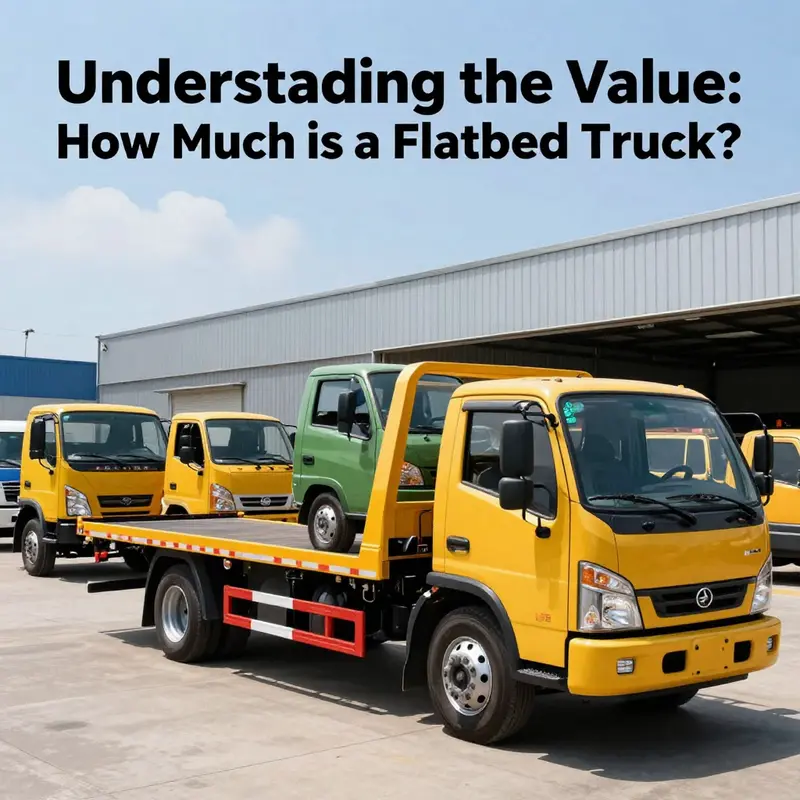
Understanding what a flatbed tow truck costs requires more than a single number. Prices span a very wide spectrum. That spread reflects capacity, equipment, build quality, regulatory compliance, and whether the unit is new or used. This chapter walks through realistic price bands and explains what each band typically includes. It also describes the hidden expenses that shape the true cost of ownership.
Light-duty and small rollback units form the most affordable end of the market. Pre-owned light rollbacks commonly list around $15,000 to $25,000. At that range you usually find compact chassis with modest payload ratings. These trucks suit local recovery work, small vehicle transport, and light roadside assistance. Typical features include a basic winch, manual tilt or hydraulic rollback bed, and a simple wheel-lift. Maintenance histories vary, so inspection matters. Mechanical wear, bed condition, and hydraulic performance determine reliability more than the sticker price.
New light-duty flatbeds start higher. Expect entry-level new units to begin near $20,000, with many basic new models closer to $50,000. New trucks justify their premium through warranties, newer engines, and modern safety equipment. They may also carry higher-rated winches and more refined control systems. For operators who rely on daily uptime, a new light-duty unit can reduce downtime and repair unpredictability. However, buyers should weigh that benefit against depreciation during the first three to five years.
Medium-capacity rollback tow trucks occupy a broad middle band. These units often cover 3 to 8 ton capacities and are priced from about $27,000 to $49,000, depending on options. In this band you will see stronger chassis, improved winch capacity, and more versatile bed lengths. Some medium units include wheel-lift integration, underlift systems, or small cranes. They can haul heavier passenger vehicles, light commercial vans, and some small utility equipment. For mixed-use operations, they often represent the best value-per-dollar option.
Moving into medium-heavy and heavy-duty territory, prices rise sharply. Trucks with 10 to 15 ton capacities typically range between $30,000 and $90,000, depending on configuration. These units require robust chassis, high-torque diesel engines, reinforced beds, and stronger hydraulic systems. They are used for large vehicle recovery, fleet repossessions, and towing medium commercial vehicles. Expect heavier axles, upgraded braking, and heavier winches. This class also introduces higher requirements for driver licensing in some jurisdictions.
At the top end, specialized heavy-duty flatbeds and wreckers can exceed $150,000. These are integrated systems built for demanding recovery tasks. High-capacity models may feature multi-ton cranes, long, reinforced beds, advanced remote controls, and complex hydraulic packages. They often meet stringent emissions and safety standards. Buyers in this band are agencies, large towing firms, or contractors that need to handle heavy equipment and industrial vehicles. The initial cost is substantial, but the enhanced capability and durability serve heavy workloads.
Specialty carriers and multi-car transporters form their own pricing niche. Two-car carriers, heavy ramp trucks for construction machinery, and multi-vehicle carriers can vary widely. Entry points for such units start around $15,500 for simple carrier conversions and climb past $50,000 for heavy-duty setups with winches and cranes. The width, bed length, and integrated lifting gear strongly determine price. Multi-car carriers used for commercial transport demand features such as secure tie-down systems, adjustable ramps, and sometimes dual winch setups to manage speed and safety during loading.
Custom builds and imported units can affect price unpredictably. Customization options include longer beds, reinforced frame sections, remote or wireless controls for winches, upgraded lights and scene management equipment, and specialist underlifts. Each customization pushes cost upward. Importing chassis or completed units may reduce sticker price, but add freight, tariffs, and compliance upgrades. That can nullify initial savings when the vehicle needs modifications to meet local regulations.
Used versus new presents a fundamental decision. A used unit saves money up front, but it can require more repairs and earlier replacement. New units eliminate many short-term maintenance worries and usually include a warranty. But depreciation is steep in the early years. For small fleets, a lightly used medium-capacity flatbed often balances cost and reliability. For high-utilization roles, a new heavy-duty truck may be more economical over time, thanks to lower unexpected downtime.
Beyond purchase price, operational costs shape the total expenditure. Fuel economy varies with engine size and vehicle weight. Heavy-duty diesel units consume significantly more fuel than light gasoline trucks. Maintenance intervals for hydraulics, axles, and winches matter. High-capacity winches and cranes require periodic inspection and load testing. Insurance costs are higher for larger capacity trucks and for units that carry third-party cargo. Licensing and regulatory compliance, including emissions retrofits or certifications, can add thousands of dollars to the upfront or ongoing budget.
Financing terms influence monthly cash flow. Leasing spreads cash out but often increases long-term cost. Purchasing outright ties up capital but reduces monthly overhead. Many dealers and manufacturers offer financing that bundles service contracts and warranties. Bulk purchases might secure discounts and quicker lead times, while single-unit purchases can come with higher per-unit pricing. Negotiation can succeed on options, extended service plans, or bundled accessories such as extra winches or lighting packages.
Resale and depreciation should inform purchase strategy. Flatbed tow trucks depreciate like other commercial vehicles, with the steepest decline in the first few years. Maintenance records and service history preserve resale value. Units with documented preventive maintenance and fewer structural repairs command higher prices on the used market. Conversely, trucks used heavily for recovery work often show more frame wear. Inspectors frequently check for frame bends, bed weld repairs, and hydraulic line integrity.
Regulatory compliance often adds cost but prevents future expense. Emissions standards, safety lights and warning systems, and forged towing anchor points can be required in various regions. Vehicles imported from other markets sometimes need engine recalibration or exhaust upgrades to meet local emissions rules. Ensuring compliance before purchase avoids fines and unscheduled upgrades.
Accessories change utility and price. A more powerful winch, for example, shifts a light-duty truck toward medium capability. Adding an underlift or wheel-lift increases versatility for non-flatbed jobs. Crane attachments expand rescue options but add weight, alter balance, and mandate reinforced mounts. Choosing modular accessories allows staged investment. Start with core towing capability and add devices as operations demand. That approach manages cash flow while adapting the fleet.
Operator training and safety are often overlooked. More powerful trucks require skilled operators. Investing in training reduces accident risk and equipment damage. Training also impacts insurance rates and can make a difference in workplace safety compliance. For specialized heavy wreckers, specific rigging and recovery certifications can be necessary. Factoring training into the ownership model prevents costly mistakes and protects the fleet’s long-term value.
Warranty and service coverage are part of the cost conversation. Extended warranties may be expensive but cover critical systems such as hydraulics, winch assemblies, and bed mechanisms. Serviceable parts availability varies with the manufacturer. In some regions, rapid access to spare parts dictates uptime. Service networks and authorized repair centers are more valuable than a slightly lower purchase price when a truck is expected to return to service quickly.
Sourcing options include direct factory purchase, dealer sales, auctions, and online marketplaces. Each source influences price expectations and risk. Auctions can provide bargains on fleet retirements and seized units. However, auction trucks often sell as-is with limited recourse. Dealers and factories deliver clearer histories, certified inspections, and supported warranties. Online marketplaces aggregate global offers, but buyers should factor in shipping, importer fees, and local modifications.
For companies planning fleet expansion, scaling purchases yields advantages. Bulk orders often trigger supplier discounts and priority production slots. Maintenance programs can be standardized across identical chassis, lowering spare parts inventory. Conversely, mixed fleets complicate repairs and increase the need for varied training. When buying multiple units, standardization of chassis, engine, and bed layout reduces complexity and total operating expenses.
Cost-saving strategies include buying late-model used trucks with verified service records. Another tactic is to buy a basic new chassis and install a quality aftermarket bed. That can optimize initial cost and allow later customization. Leasing with a maintenance package also preserves cash flow. For occasional heavy lifts, contract hourly services can be cheaper than purchasing a rare-use heavy land wrecker.
Ultimately, choosing a price bracket aligns with mission requirements. Simple roadside assistance and light vehicle recovery need not justify heavy-capacity wreckers. Conversely, municipal fleets and industrial operators benefit from stronger trucks with higher uptime. The purchase decision should start with a clear list of jobs the truck must handle routinely. From there, map features to price bands and calculate the total cost of ownership for each option.
To explore complementary cost considerations and pricing benchmarks across tow truck types, consult industry cost guides and comparative articles such as a general overview of tow truck pricing. That resource provides broader context on how flatbeds fit within total fleet costs and revenue models.
For manufacturers and suppliers listing current pricing and international shipping options, see the product listings and supplier details on the external marketplace cited earlier.
External source: https://www.alibaba.com/product-detail/Flatbed-Tow-Truck-Prices-Best-Wrecker-Value_1600444314765.html
Internal link: For a broader look at costs across tow truck models, see this guide on how much tow trucks cost: https://winchestertowtruck.com/how-much-do-tow-trucks-cost/
This chapter aimed to convert pricing ranges into practical expectations. Use these ranges as a starting point, then refine choices with inspections, test drives, and cost comparisons that include fuel, maintenance, insurance, and training. That combined approach ensures the selected flatbed tow truck meets operational needs and budget realities.
Price, Size, and Region: What Shapes Flatbed Tow Truck Costs
Pricing for flatbed tow trucks is a spectrum rather than a single figure. Size, capacity, and configuration drive the sticker price, but total ownership costs depend on maintenance, fuel, and usage. A compact 3- to 5-ton flatbed tends to be affordable upfront, while 10- to 15-ton units with underlift or crane capabilities carry higher price tags that justify the extra performance in heavier recoveries. In many markets you will see a typical base range for compact to mid-range units around $15,000 to $40,000, with higher-end configurations near $60,000 for heavy-duty, multi-vehicle setups. Regional differences matter: fuel prices, labor costs, and emission standards can push the overall cost of ownership up or down. Buyers should consider not only the upfront price but also installation, warranty, parts availability, insurance, and financing terms. When comparing quotes, demand itemized breakdowns for the bed, winch, lifting system, hydraulics, lighting, and compliance features. The goal is to map price to intended use: urban roadside service versus long-haul recoveries require different balance between cost and capability. Finally, external resources and guides can provide benchmarks and regional context to help interpret quotes and plan budgets over the truck’s life.
null
null
Final thoughts
The investment in a flatbed tow truck is significant but essential for various stakeholders, from everyday drivers to auto repair businesses. Understanding the pricing landscape is vital in making informed purchasing decisions that fit specific needs and budgets. By recognizing the differences across price ranges and being aware of the factors influencing these costs, along with the advantages of investing in specialized models, buyers can make smarter choices that ensure reliable vehicle transportation and recovery.