
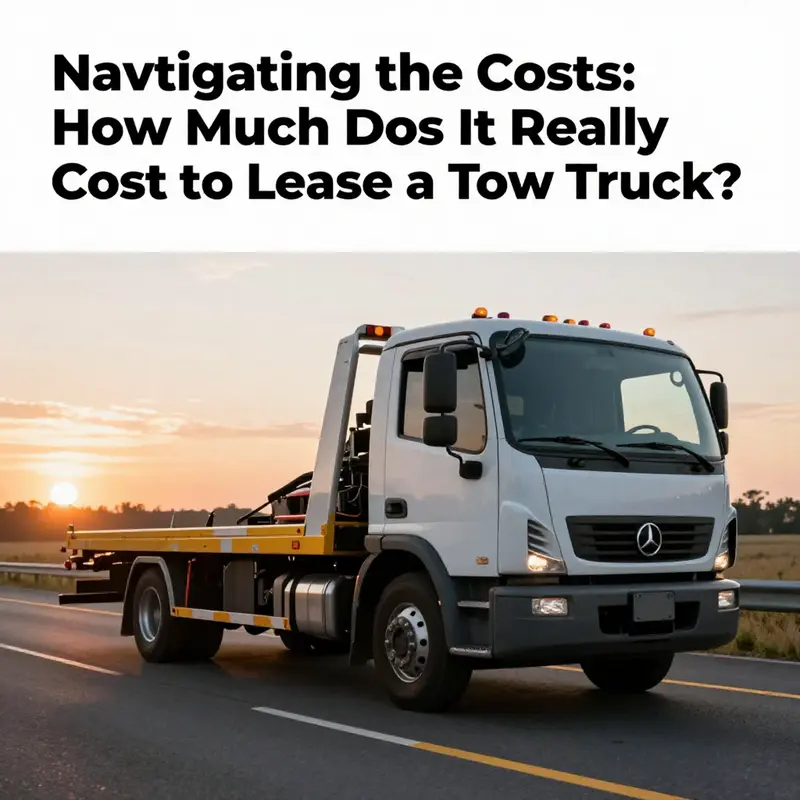
Leasing a tow truck can be a smart move for a variety of individuals and businesses—from everyday drivers facing roadside emergencies to auto repair shops needing reliable towing solutions. Understanding the costs involved is essential for making informed decisions. In this detailed exploration, we will uncover the daily rental rates based on truck types, additional fees that may apply, long-term rental options, and practical budgeting tips. Each chapter aims to provide critical insights for drivers, property managers, and businesses alike, ensuring that all readers can navigate the complexities of leasing a tow truck with confidence.
Leasing a Tow Truck: Navigating Daily Rates, Vehicle Types, and the Real Cost of Operation
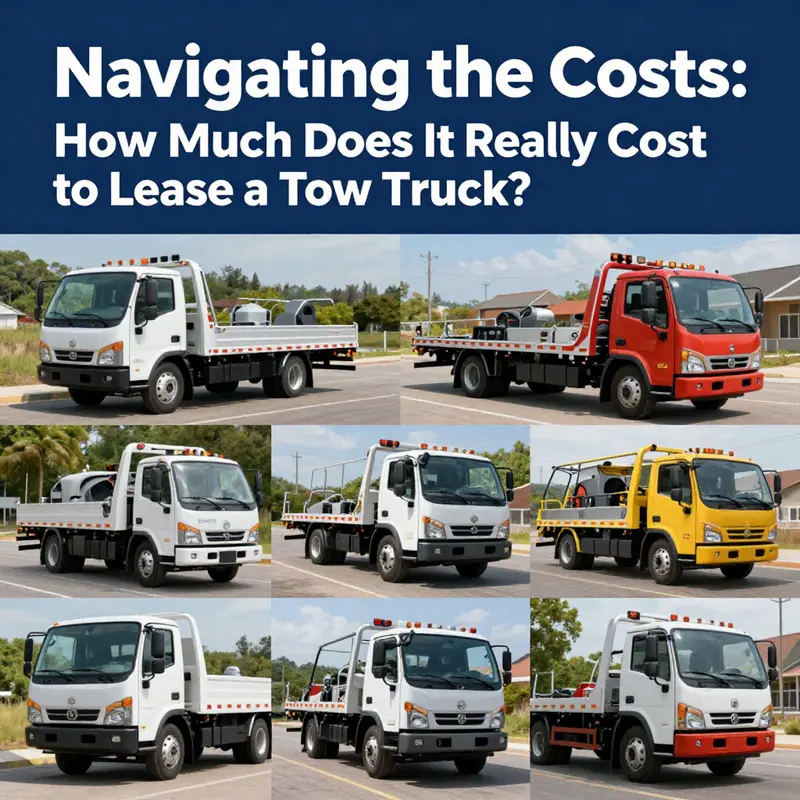
Leasing a tow truck is more than a price tag; it is a strategic decision that shapes how you respond to breakdowns, manage incidents on busy highways, and scale a service operation. The first impression is clear: the type of tow truck you need largely dictates daily costs, yet the duration of use, and the conditions of the lease, can tilt the balance dramatically. The same truck that handles a handful of cars a week on a local street may perform very differently in a high-demand operation with nationwide calls. The aim of this chapter is to map that relationship between vehicle type, rental duration, and the real costs you will face when you lease rather than buy.
Tow truck types form the backbone of the pricing conversation. Conventional tow trucks, rotators, and flatbeds each carry a distinct footprint in the market and a distinct cost profile. Conventional tow trucks offer a compact design with the towing mechanism built into the chassis. They typically deliver strong lifting capacity through hydraulic systems and can be fitted with booms, winches, or wheel-lifts to tackle a broad range of situations. If you are staging urban recoveries or routine repossessions, a conventional unit might be enough to handle most encounters without escalating complexity. In the purchase market, price ranges for these units are commonly cited in the neighborhood of roughly seventy-five thousand to one hundred and fifty thousand dollars, depending on configuration and accessories. Rotator tow trucks, by contrast, command a premium. Their rotating booms provide 360-degree movement, enabling recovery from nearly any angle and allowing responders to reach compromised positions on highways or off-ramps. In the rental market, you would expect the daily rate to reflect that added capability and the greater fuel use that these machines demand. On the purchase side, rotators often sit at the higher end—approximately one hundred fifty thousand to three hundred thousand dollars or more. Flatbeds occupy another niche. They enable safe loading by tilting a bed to drive or winch a vehicle onto the bed, which reduces contact with the ground and minimizes damage to sensitive drivetrains. For many shops, flatbeds strike a balance of cost and versatility, with typical new-unit prices in the seventy-five thousand to one hundred fifty thousand range, depending on bed length, capacity, and the sophistication of the winching system. When you are evaluating leasing options, these purchase price anchors offer context for the expected depreciation, maintenance costs, and capital preservation that lenders or leasing companies weigh in their quotes.
While purchase prices anchor the overall economics, the day-to-day reality of leasing comes down to what you pay per day and how long you keep the truck. The daily leasing rates you are likely to encounter span a broad band. Smaller, light-duty tow trucks designed for passenger vehicles can fetch daily rates in the mid-three hundreds to five hundred dollars per day, especially if the rental includes basic maintenance or roadside support. Larger, heavy-duty units capable of handling SUVs, trucks, or heavier commercial loads command a higher price—often six hundred dollars per day and up, reaching or exceeding a thousand dollars a day in markets with high demand or where advanced capabilities, like enhanced recovery features or integrated wheel-lift systems, are standard. The variability you will see from one provider to the next reflects several key factors: the age and condition of the fleet, the exact lifting or recovery equipment installed, the geographic location and local competition, and whether the rental includes on-site support or insurance. Even within a single category, the day rate can vary by season or by the length of the commitment you propose. In other words, a two-week rental may carry a lower per-day rate than a one-day whim, and a monthly arrangement can yield substantial savings if you can forecast your workload.
To illustrate how these numbers can play out, imagine a small operation testing the market with a light-duty unit for twenty days in a month over a three-month trial. If the mid-range daily rate is around $400, base rental costs would run about $8,000 for the three-month period. Add fuel and mileage projections—let’s say a modest 1,200 miles per month at about a $0.75 per-mile rate—equating to roughly $2,700. Insurance and driver costs can add another several hundred dollars per month, depending on coverage and risk. Maintenance and cleaning, though often minimized by the leasing agreement, could add a small buffer for wear. When you tally it, the period’s total could hover in the neighborhood of $11,000 to $12,000, depending on the exact terms and the included services. This hypothetical demonstrates how a seemingly straightforward daily rate dissolves into a broader cost tapestry once you account for distance, risk, and upkeep. In practice, a longer-term lease is frequently the smarter choice for operators who anticipate steady demand, as it can unlock lower daily rates and stabilize cash flow.
Beyond the sticker price per day, a handful of additional costs typically accompany tow-truck leases. Fuel and mileage fees are common, often charged per mile or per hour when the engine is running beyond a set baseline. Insurance is another ongoing consideration. Some rental outfits require you to provide your own coverage, while others offer insurance at an extra cost or at a bundled rate. Driver requirements also influence the bottom line; many operators insist that a licensed driver be present behind the wheel, and some leases impose surcharges if you do not provide an experienced operator. Maintenance and cleaning fees are the final pieces to watch. A returned unit that shows excessive wear or damage can trigger additional charges, including for routine lubrication, tire wear, or exterior detailing. Together, these costs can tilt a seemingly affordable daily rate into a heavier monthly burden if your utilization is high.
A practical way to picture the financials is to anchor price expectations to your own operational plan. If you anticipate using a light-duty truck for five days a month over a three-month window, multiplying the mid-range daily rate for that category by the number of days gives you a baseline. Then add fuel and mileage projections based on historical call volumes you have faced or expect to encounter. Don’t overlook insurance and driver costs, which can be fixed monthly premiums or variable depending on the policy and your risk profile. As you map this out, you’ll begin to see how long you need the vehicle, how intensively you will deploy it, and whether a short-term rental or a longer-term lease makes more financial sense. This planning becomes especially important when you consider that leasing is often carried out through specialized equipment rental companies or auto recovery service providers, not general car rental agencies. For a guide to current pricing patterns and practical figures, you can explore the general context at how much is a tow truck. The page offers a broad baseline that you can use as a reference point as you compare quotes from local operators.
The longer the term you commit to, the more you can typically lean on predictable costs. Short-term, day-by-day leases carry the flexibility to scale up or down with demand, but they can accumulate rapidly if the workload becomes persistent or if you add premium features on a whim. Weekly or monthly leases often come with discounted daily rates, which can bring the average cost per day down substantially. In practice, a fleet that runs near full utilization for several weeks or months can churn out a more favorable cost structure per hour or per mile as opposed to episodic usage. If your business is seasonal or subject to spikes in demand—such as during holidays, major events, or seasonal roadworks—building a lease plan around expected peaks can yield meaningful savings compared to ad hoc rentals. At the same time, such arrangements require careful forecasting and a willingness to absorb fixed commitments during quieter periods. The discipline of planning around usage is part of the art of leasing; it helps strip away the romance of a flashy unit and focus on the numbers that govern cash flow and profitability.
In any robust leasing decision, the choice of vehicle type should dovetail with the nature of the work you intend to perform. If your core operations revolve around quick urban recoveries and routine towing, a conventional setup may deliver the best balance of cost and capability. If you confront highway incidents, overturned vehicles, or complex terrains, a rotator provides workflow advantages that may justify the higher purchase baseline and the greater daily rate in a lease. If your emphasis is on protecting vehicles during transport—when damage risk is a critical concern—a flatbed might pay for itself through lower maintenance costs and reduced liability. The leasing decision is not only about the sticker price but about total cost of ownership over the period you hold the unit, the reliability of the equipment, and the consistency of your response times. When you assemble the numbers, it becomes clear that the best solution is not a single best truck but the best plan for your operation—one that aligns vehicle type with workload, maintenance expectations, and the cadence of service calls you can sustain.
To further flesh out the economic picture, it’s worth noting that daily rates and total cost of ownership hinge on your location and the specific terms of the lease. Some operators require you to absorb maintenance and basic servicing, while others offer maintenance-inclusive packages that spread those costs across the term of the lease. In markets with high competition and dense fleets, you may unlock more aggressive daily rates but with tighter service-level obligations. Conversely, in regions with fewer providers, the same truck could carry a premium due to limited supply. If you anticipate frequent returns or deliveries of high-value vehicles, a higher upfront investment in a well-maintained, newer model could reduce downtime and repair costs, helping to keep the overall cost of leasing within a predictable band. The calculus becomes a negotiation, where your forecasts, risk tolerance, and supply options converge to produce a package that feels affordable in the moment and sustainable over the term.
Finally, the guidance you will rely on in making a final decision rests on quotes from multiple providers. Pricing is not a fungible commodity; it is shaped by service packages, risk coverage, and the exact alignment of the truck’s capabilities with your operational needs. When you contact a prospective lessor, describe your typical call mix, the maximum weight you expect to tow, the miles you anticipate covering weekly, and any attachment or accessory requirements. Ask for a clear breakdown of all potential charges, from per-mile fees to insurance add-ons and cleaning penalties. If possible, request a sample lease that shows how the daily rate changes with length of commitment and how discounts are structured for extended terms. A thoughtful comparison across providers can reveal where the market sits, what trade-offs are acceptable, and how to optimize the mix of vehicle type and leasing duration for maximum return on investment.
Concluding this thread, leasing a tow truck remains a substantial but manageable expense when approached with a clear plan. The purchase price anchors in the background, but the daily rate, the intended use, and the terms of the lease dominate the practical cost. The most successful operators approach the decision like a long-term project: they quantify the workload, map it against expected utilization, and then translate that into an optimal combination of vehicle type, lease length, and service packages. The result is not merely a monthly or weekly bill; it is a cost structure that enables faster response times, more consistent service, and a business that can scale without tying up capital in a depreciating asset. Keeping the numbers close to reality—by tracking mileage, fuel use, downtime, and maintenance—ensures you stay within budget and avoid surprises when the next big incident comes along.
External resource note: For a broader external perspective on current price points and market supply, see the overview of new tow truck prices, which provides a benchmark against which lease quotes can be measured. https://www.towtrucks.com/new-tow-truck-prices-overview/
The Real Price of a Tow Truck Lease: Unpacking Hidden Fees and Ongoing Costs
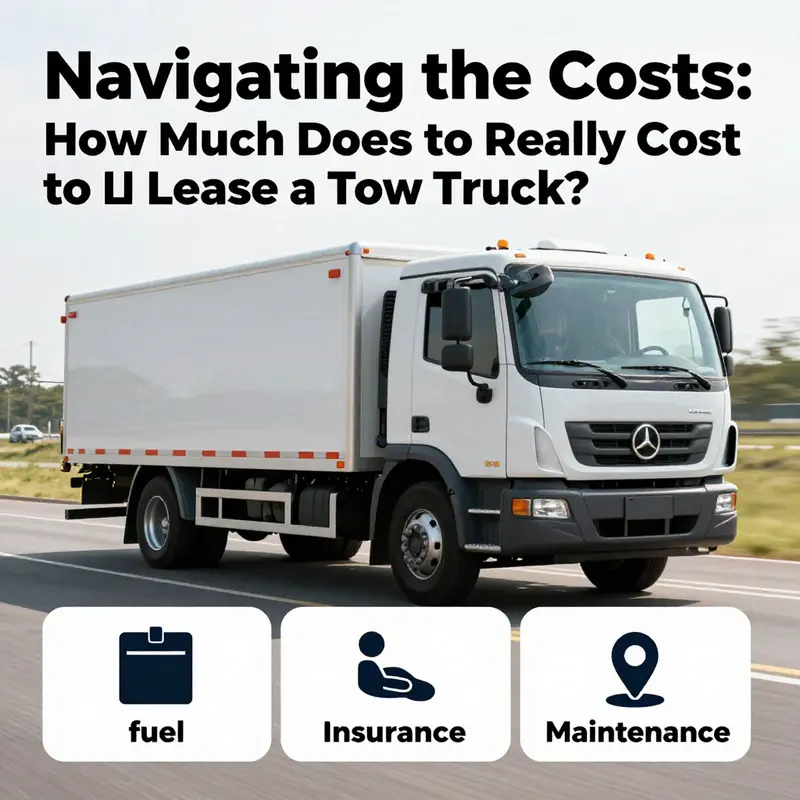
Leasing a tow truck is rarely a one-number decision. The sticker price or the daily rental rate tells only part of the story. Operators and service fleets quickly learn that the true monthly or annual cost is a mosaic of charges that accumulate from the moment the agreement starts and continue long after the key is handed over. The base lease or rental rate sits at the center of the equation, but it is surrounded by a cluster of variables that can swing the total cost by a substantial margin. In practice, the daily rate can vary widely depending on the truck’s size and capability. A light-duty model used for standard car recoveries carries a different price tag than a heavy-duty behemoth designed to haul commercial fleets. Long-term arrangements typically offer discounts on the daily rate, but those savings can be offset by other recurring expenses that are easy to overlook during the procurement phase. Understanding the full cost requires moving beyond headline numbers and examining the components that shape today’s leasing and operating budgets.
At the heart of any leasing decision is the base monthly payment. This is the fixed portion that appears on the statement and, in a lease, is intended to amortize the vehicle’s depreciation, financing costs, and the lessee’s expected term. The exact structure varies by lender and by whether you’re negotiating a true lease or a capital lease, but the principle remains the same: you are paying for the vehicle’s service life, not just its current use. The base payment is influenced by the truck’s age, mileage limits, residual value at the end of the term, and the term length. A newer model with generous mileage allowances will push the base payment higher, but it can be offset by a longer remaining useful life when it comes time to upgrade. A longer-term agreement, on the other hand, tends to lower the monthly burden but can stretch the total cost if the vehicle stays in service longer than anticipated. To gain a practical sense of the framework, examine the cost-pricing landscape for tow trucks and related recovery equipment, which helps illuminate how base payments interact with maintenance and risk factors over the life of a lease. tow-truck-costs-pricing.
Beyond the base payment, insurance emerges as a critical line item that can quietly alter cash flow. Tow trucks, by their nature, operate at the intersection of public roads, parked assets, and unpredictable roadside conditions. That exposure translates into higher premiums compared with ordinary passenger vehicles. When shopping for coverage, operators should consider a comprehensive package that includes liability, collision, cargo, and sometimes trailer or equipment insurance depending on how the truck is configured. The size and weight of the tow rig add to both the premium and the complexity of the risk assessment. A policy that seems affordable at first glance may exclude gaps that become costly in a claim scenario, so careful selection of coverage limits and deductibles matters as much as the quoted rate. Insurance cost planning should be treated as a monthly expense, not a one-off. It is common to budget a predictable monthly amount and then adjust for changes in risk exposure, such as the addition of equipment, new permits, or expanded operating areas. These figures are not merely bureaucratic burdens; they directly influence network reliability, uptime, and the ability to service clients without interruption.
Maintenance and repair costs form another major pillar in the total cost structure. Tow trucks are heavy-duty machines with moving parts that endure frequent stress. Regular servicing is essential, not optional, if the fleet is to meet uptime expectations and safety standards. The maintenance schedule will typically cover engine performance, brake systems, hydraulics, transmission, tires, and crucial towing components such as winches, wheel lifts, straps, towing dollies, and axle pads. As a rule, the more aggressively a truck is used—towing multiple times per shift, often in urban environments—the more rapid the wear and tear. That means budget reserves for predictable wear and the possibility of unplanned repairs. Over time, wear in the winch mechanism or in the undercarriage can create a cascade of downtime costs if the equipment fails during a critical recovery. Establishing a proactive maintenance reserve, expressed as a monthly allowance, helps balance the risk of sudden failures with the expectation of steady income from the fleet. An informed approach considers service frequency aligned with heavy-use scenarios, and it anticipates the cost of replacement parts that are more expensive in heavy-duty configurations than in standard passenger-car setups.
Licensing and registration fees are not merely bureaucratic footprints, but ongoing operational costs that can swing with jurisdictional changes. Commercial towing and recovery operations are subject to state and local regulations, which may require periodic renewals, elevated insurance minimums, and specific permits to operate on public roads or in certain corridors. Fees for licenses, permits, and vehicle registrations can vary widely by state, city, and county, and they may be indexed to vehicle weight or towing capacity. In some areas, commercial towing requires additional endorsements or credentials for drivers and operators. The cost visibility here is highly location-dependent, so a prudent operator maps out the regulatory calendar for each operating zone and budgets accordingly. This is another example of a recurring expense that, if underestimated, can erode margins during busy seasons when regulatory inspections or permit renewals cluster around the same timeframe.
Safety and compliance costs add another layer of ongoing obligations. Tow trucks must meet safety standards not only for the driver but for bystanders and other road users. That often means investing in lighting, signaling, load-securement systems, reflective markings, and robust communication capabilities. Some jurisdictions mandate specific safety equipment on recovery vehicles, and installation costs for these systems can be substantial. Even when not legally mandatory, best-practice safety investments reduce the likelihood of accidents and roadside incidents, protecting both personnel and equipment. The upfront installation price is only part of the equation; the ongoing maintenance of safety systems—replacing bulbs, repairing control panels, recalibrating load sensors—constitutes a regular operating expense. When calculating total cost, operators should treat safety infrastructure as an essential service, not an optional upgrade, because it directly influences compliance, insurance pricing, and the company’s reputation in an industry where reliability is a competitive differentiator.
Operational costs are the heartbeat of the day-to-day budget. Fuel costs are a direct function of usage and fuel efficiency, which vary by truck class and weight of towed loads. Heavier-duty units consume more fuel, and frequent call cycles with short trips can compound fuel usage and maintenance wear. Driver wages complete the labor picture, and in a service business, labor can be a dominant expense. A fleet manager must forecast payroll based on expected call volume, shift structure, and overtime potential, while also accounting for wage growth and benefits. Then there is downtime—the time a truck spends out of service due to routine maintenance, parts replacement, or unexpected repairs. Downtime translates into missed recoveries and lower utilization, which in turn pressures the lease’s apparent value. Careful capacity planning, proactive scheduling, and a buffer for equipment downtime help stabilize revenue and prevent cascading shortfalls.
A practical budgeting mindset treats these elements as interconnected. The most informative approach isn’t simply to tally each line item in isolation but to model a monthly cash flow that reflects utilization, maintenance cycles, and regulatory realities. Start with the base payment as the anchor, then layer in insurance premiums that align with the vehicle class and the operator’s risk profile. Add a maintenance reserve that anticipates wear and potential component replacement within the lease term, plus a licensing/registration line that anticipates permit renewals and any local surcharges. Incorporate a safety and compliance budget for installation and upkeep of required equipment. Finally, fold in operational costs: a realistic fuel budget, a standardized driver wage line, and a contingency for downtime. When viewed together, these costs illuminate whether a given leasing option offers real value or merely shifts risk from one line item to another. In this context, a careful comparison with other financing or leasing options—along with a clear forecast of demand and utilization—becomes the compass for decision-making.
For those who want a concise, structured view of how these numbers fit together, a practical starting point is to explore a dedicated cost-pricing guide for tow trucks, which distills the essential equations and typical ranges into a digestible framework. This resource helps ground initial estimates and supports negotiations with lenders or equipment providers, reminding readers that every vehicle choice carries a unique mix of costs and trade-offs.
The decision to lease or own, and the choice of lease structure, hinge on projected utilization, maintenance discipline, and risk tolerance. Heavy-use fleets that operate in unpredictable environments may favor leases with robust maintenance packages and favorable uptime guarantees, even if the base payment is a touch higher. Smaller operators with steadier routes may prefer tighter maintenance covenants and lower insurance thresholds to preserve margins. In every case, transparency about ongoing costs—not just the upfront rate—protects cash flow and ensures the business can respond to changing demand. This chapter has traced the map of those costs, illustrating how base payments interact with insurance, maintenance, licensing, safety, and daily operations to shape the true price of a tow truck lease. As you proceed, keep the focus on how utilization, service level, and regulatory compliance converge to deliver reliable, compliant service at an acceptable price point. For a broader perspective on ownership costs and budgeting beyond leasing alone, consider the external guidance linked here as a further reference: https://www.towtruckmag.com/understanding-tow-truck-ownership-costs-a-complete-guide-for-prospective-owners.
Tow Truck Leasing Demystified: Navigating Long-Term Rentals, Discounts, and Fleet Budgeting
Leasing a tow truck is rarely a single number you can memorize from a brochure. It’s a measured calculation that blends the truck’s class, the length of the contract, regional market dynamics, and the level of service packaged with the vehicle. For operators weighing a shift from outright purchase to leasing, the real question is not only the monthly price but the total cost of ownership over the life of the agreement. The pricing landscape mirrors the breadth of tasks a tow unit must perform, from simple roadside assistance to complex recoveries under demanding conditions. As a result, a smaller, light-duty tow truck designed for passenger vehicles typically carries a lower monthly obligation than a heavy-duty model designed for SUVs, commercial fleets, or multi-vehicle recoveries. When you factor in long-term arrangements, the range expands, and the decision becomes about what you gain in reliability, uptime, and lower upfront risk versus what you give up in ownership flexibility and potential long-term cost. In practical terms, the numbers reflect not just the hardware but the ecosystem around it—the service, maintenance, and insurance that keep a unit ready to deploy when a call comes in. Long-term leases for new tow trucks generally sit in a broad band, with monthly payments commonly cited between $1,500 and $4,000, depending on the model, features, and the inclusions that accompany the contract. At one end of the spectrum sits a capable flatbed that handles routine tows with efficiency; at the other end sits a rotator, a more sophisticated machine whose higher performance comes with a higher price tag. Rotators, valued from roughly $150,000 to beyond $300,000 when new, tend to command lease payments in the upper tier, typically around $3,500 to $4,000 per month or more. The leap in monthly cost is not merely a reflection of the sticker price; it embodies the added complexity of hydraulic systems, recovery capabilities, and the specialized maintenance those features require. A flatter, more traditional unit often carries lower monthly payments, especially when paired with a longer-term structure that spreads depreciation and service risk over several years. The term length itself is a pivotal lever. Most leases span 24 to 60 months, a window that helps you balance keeping equipment current with avoiding the heavy accounting impact of rapid depreciation if you were to own outright. A longer term can unlock a lower monthly rate, as the lessor’s risk over time decreases when the vehicle remains in service for a longer horizon. Yet locking in a longer term also means you’re committing to that price point during a period of potential market volatility. The decision thus becomes a balancing act: you trade some flexibility for predictable expenses and a clearer path to uptime. In many long-term contracts, maintenance, roadside assistance, and sometimes insurance are bundled into the monthly payment. This bundling can transform what looks like a larger monthly number into a more predictable, integrated cost. It also shifts some risk away from the lessee—less worry about unexpected repair bills or emergency service costs—while the provider assumes a greater share of ongoing maintenance obligations. Bundled packages can reduce administrative overhead as well, since you won’t be juggling separate invoices for maintenance, parts, and service calls. Still, it’s essential to read the agreement carefully. A bundled package might cover routine wear and tear, but it may exclude certain non-warranty items or impose caps on the extent of coverage. In practice, the total cost of leasing a tow truck is a composite of several interdependent factors: base monthly rate, term length, included services, geographic location, typical usage, and contract specifics like mileage allowances and maintenance caps. The location matters because market demand for heavy equipment, local labor costs, and even parts availability influence service pricing and the likelihood of timely maintenance. A deal that looks competitively priced in one city could be less favorable in another if the local service ecosystem adds risk or delay. For this reason, it’s prudent to treat regional pricing as a meaningful variable rather than a peripheral consideration. Another crucial consideration is the operator’s utilization pattern. If you anticipate heavy, long-distance utilization, you’ll want to scrutinize mileage or usage caps and negotiate terms that minimize per-mile surcharges or excess fees. Fuel costs, while not always included in the base rate, can add up quickly in a high-demand fleet. Some contracts anticipate fuel usage as part of the maintenance package, while others bill it directly based on actual consumption. If your business includes multiple units, there can be sizeable advantages to negotiating a multi-unit arrangement with a single lessor. Volume discounts, enhanced service coverage, and streamlined administration are common benefits of bundling several vehicles under one financing partner. The economics of scale also extend to the possibility of favorable terms on extended warranties, training, or faster access to parts and service—elements that translate into less downtime and higher uptime reliability for the fleet. On the other hand, leasing offers meaningful advantages over outright ownership for many operators. It substantially lowers upfront capital expenditure and often shifts some risk to the lessor through warranty-backed or maintenance-forward agreements. It also provides a predictable expense profile that aligns well with steady revenue streams and budgeting cycles. Yet leasing may not suit every operation. If you expect rapid fleet changes, a high degree of customization, or if you want to retain control over the vehicle’s residual value, other financing options or a shorter, flexible rental might be preferable. For those who prefer a quick, transparent reference point during quotes, a dedicated page that captures current pricing benchmarks for tow trucks can be a helpful anchor in the decision process. tow-truck costs pricing serves as a centralized reference point to compare baseline assumptions against formal quotes from lenders or dealers. But remember: quotes are rarely one-size-fits-all. The most accurate figures emerge from formal requests that detail expected unit count, body style, lift capacity, and any specialized features such as rotator capability or integrated communications systems. When you solicit proposals, be explicit about the intended use, the expected service life of the unit, and the preferred term length. The more precise your specification, the more accurate the quotes you receive. In evaluating proposals, don’t focus solely on the monthly payment. Consider the total cost of ownership across the contract period, including any included maintenance, insurance, or service options, and the potential for mileage overage or other surcharges. It’s also wise to assess the contractual flexibility you might need in the event of a fleet expansion or contraction. Some lessors offer tiered pricing for multiple units or incentives for bundling maintenance or training services. If you’re planning to grow your fleet, it’s worth negotiating multi-unit arrangements or including favorable options for expansion in a single contract, which can yield better overall economics than negotiating many individual leases. Tax considerations also factor into the equation. Depending on local tax law, lease payments may be treated as operating expenses, which can influence cash flow and tax liabilities. A professional tax or accounting advisor who understands fleet procurement can help you model the most advantageous structure for your business, ensuring you maximize any eligible deductions or credits while staying compliant with regulatory requirements. The budgeting exercise should also account for the end-of-term options, such as buyout possibilities, renewal terms, or unit return conditions. If you anticipate needing newer equipment sooner than the current lease ends, you’ll want to incorporate a renewal or refresh plan into your budgeting and negotiation strategy. This forward planning helps avoid a lull in service while you reassess options, or it can position you to take advantage of pricing shifts in a subsequent cycle. Ultimately, the decision to lease a tow truck hinges on aligning the contract’s terms with your operational reality and financial goals. The lease should support uptime, technician productivity, and rapid deployment in emergencies, while preserving the flexibility your business needs to respond to market dynamics. To make the process efficient, gather preliminary quotes from specialized equipment leasing companies or reputable tow-truck dealerships and prepare a succinct specification packet. Include your expected unit count, body style preferences, lift capacities, and any must-have features that influence performance and safety. When you compare offers, weigh not just the monthly rate but the package of services, the duration, and the long-term implications for your fleet’s reliability and budget. For a quick reference on pricing dynamics and to benchmark against broader market trends, you can consult the external industry context that informs these conversations. Industry-wide considerations, from advances in hydraulics to evolving regulatory requirements, shape both the monthly lease rate and the value you receive from a long-term commitment. As you evaluate offers, keep the focus on total cost of ownership and uptime potential, not only the surface price. The landscape of tow-truck leasing continues to evolve with technology and financing innovations, but a disciplined, well-specified quote process and a clear budgeting mindset will keep your fleet positioned for dependable performance in the years ahead. For a final external reference on industry trends, see https://www.equipmentleasing.org/industry-trends/lease-costs-tow-trucks-2025
Tow Truck Leasing Costs Unveiled: Budgeting, Planning, and Paying for Rentals
Leasing a tow truck is more than grabbing a daily rate off a price sheet. It is a dynamic financial decision that threads through every operating facet of a towing business. The base rental price is just the starting line. Real budgeting means charting a path that accounts for what happens before you drive off the lot, while you operate the vehicle, and long after you return it. In practice, the numbers you compare are not simply a single daily figure but a mosaic of costs that can shift with the truck type, its age, the rental period, and the specific terms offered by a lender. In this light, the question What does it cost to lease a tow truck becomes a conversation about proper planning, informed quotes, and ongoing cost management rather than a one time price tag.
When you begin to map out costs, the first factor to acknowledge is the broad spectrum of base rental rates. Light duty tow trucks, which are typically used for smaller vehicles and standard roadside situations, generally sit in a mid range for daily rates. A practical reality to keep in mind is that these smaller machines can be available around a few hundred dollars per day, while their larger counterparts that handle heavier tasks will push toward the upper end of the spectrum. A robust rule of thumb is that heavy duty units, capable of lifting SUVs, full size trucks, or even heavier commercial trailers, tend to run anywhere from the high hundreds to well over a thousand dollars per day depending on demand, location, and the specific configuration you need. The variance is not random; it reflects differences in lift capacity, wheelbase, winch power, and the overall complexity of the equipment. The timing of your rental also matters. Short-term, spur-of-the-moment needs often fetch higher daily rates because the supplier must set aside a niche asset just for you. Longer engagements, whether a week or a month, frequently unlock discounted daily rates. In other words, negotiating a longer rental can dramatically swing the arithmetic in your favor by reducing the daily amortization of the same asset over more days.
A key to budgeting with confidence is to recognize that the base rental price rarely stands alone. The actual cost of leasing a tow truck becomes meaningful only when you fold in ancillary charges that accompany most leases or rental agreements. Fuel and mileage fees are among the most common and potentially the most troublesome, because they scale with how much you drive. The per mile or per hour approach varies by supplier and region, and the exact rate may be influenced by whether you are in a high-demand urban market or a more rural area with lower traffic. Even small extra drives can accumulate, especially if you operate a business model that involves frequent go-backs and multi-stop calls throughout a shift. To maintain control over this facet of the budget, it is essential to obtain a clear quote that itemizes mileage and fuel charges and to discuss any caps or limitations that might apply during the rental period.
Beyond fuel and mileage, insurance represents a layer of protection that you must plan for. Some rental arrangements expect you to provide your own insurance policy or rider, while others may offer a bundled solution at an additional premium. Either way, you should treat insurance as a non-negotiable line item in your plan. The coverage level you select will influence your monthly cash flow and can also affect your risk exposure if a claim arises. If you are operating under a larger fleet with established risk management practices, you may already have a commercial policy that can be extended to cover the rental. If not, you will want quotes that clearly specify liability limits, collision, comprehensive coverage, and any deductible options. In the balance between risk and cost, the decision often comes down to risk tolerance and the potential cost of gaps in coverage. Negotiating terms that align with your crew’s experience and your service area can yield meaningful savings or better protection.
Another line item that deserves careful attention is driver requirements and the associated costs. Many tow truck rental providers require a licensed driver to handle the vehicle, and some may add a charge if you do not supply a driver or if the driver lacks the appropriate qualifications. For a business model that relies on rapid response or multi-vehicle calls, this can be a recurring expense that compounds over time. If you plan to staff a team, it makes sense to incorporate driver wages, training, and any certification renewals into the broader operating budget rather than treating them as a separate rental nuisance. Conversely, if you intend to use the truck with an existing crew, you can negotiate terms that reflect the fact that you are providing the labor rather than paying a third-party driver to operate the asset.
Maintenance and cleaning fees are another practical consideration. Some rental arrangements catch you with post-use cleaning charges or maintenance fees when the vehicle is returned in below-par condition. Even when maintenance is handled by the rental company, you should factor in your own expectations about tire wear, brake life, fluids, and general wear and tear. A leased unit that sits idle for a spell can still accrue costs through storage, seasonal inspection, and periodic safety checks. The more you know about the maintenance cadence of the equipment you are renting, the more accurate your cash flow projection becomes. In many fleets, preventive maintenance helps minimize expensive repairs down the road, but that benefit only materializes if you budget for the preventive tasks and any routine servicing that the contract requires of you as the lessee.
Safety gear and incidentals, while not glamorous, deserve to be treated as a recurring cost rather than a one-off procurement. A comprehensive set of safety items—cones, safety vests, warning flares, and appropriate lighting—forms part of the minimum compliance and operational safety framework for tow operations. A recent, comprehensive guide emphasizes that these items are not optional luxuries but essential assets that enable the crew to work safely and legally in a wide range of conditions. The cost of acquiring and replenishing these safety essentials should be factored into the ongoing monthly budget, not tucked away as a quarterly surprise. When you add up all the practical safety gear and its replenishment, the cost becomes a predictable line item that stabilizes your operating plan rather than unexpectedly puncturing it during a busy period.
To bring these threads together practically, think of leasing a tow truck as a two-part equation: the upfront engagement that secures the vehicle and the ongoing operations that sustain it. The upfront aspect includes the negotiated daily rate for the chosen truck, the length of the rental, and the terms that govern mileage and fuel allowances. The ongoing side covers insurance covenants, driver arrangements, routine maintenance, and any incidentals tied to the vehicle while it sits in your fleet or while it is actively in service. This dual focus helps you estimate a realistic monthly cash burn rather than counting on a single figure that might not reflect your day to day reality. A straightforward way to bring the numbers into focus is to compile a simple forecast that multiplies the expected daily rate by the number of rental days in a month, then applies the applicable surcharges, insurance costs, driver expenses, and maintenance allowances. In many cases, this becomes a disciplined budgeting exercise rather than a guessing game. If you want a pragmatic view of ongoing costs and how they stack up across different truck sizes, you can consult Tow truck costs and pricing, which offers a clear anchor for comparison as you explore options.
As you gather quotes, the practical art is in matching the vehicle to the job you anticipate. A light-duty unit can be more affordable per day, but if your service area or contract mix consistently demands heavy lifting or complex recoveries, a heavier truck could deliver better overall value by reducing call durations and enhancing the crew’s efficiency. The pricing picture is not a straight line; it bends with market dynamics, the fuel landscape, and the economics of the rental firm you choose to work with. This is why direct conversations with local equipment providers become indispensable. When you talk to a provider, bring a clear picture of your typical call volume, the average distance you cover per job, and the kinds of vehicles you most often encounter. That context helps the representative tailor a package that minimizes waste and maximizes uptime. It also sets a baseline for the negotiation that follows, enabling you to thread in favorable terms such as extended rental windows, bundled maintenance, or a capped mileage arrangement that aligns with your operational tempo.
In the purchasing and budgeting process, time spent on accuracy pays dividends. If you want a concise reference point that translates the experience of many operators into a digestible metric, consider the value of an external, centralized pricing perspective. For a thorough breakdown of ownership costs and the big picture of financial commitment, see a respected guide on tow truck ownership costs. The external resource provides deeper context on how to plan for depreciation, financing avenues, and the long horizon of cost recovery that accompanies any significant equipment investment. By pairing an internal quote with an external framework, you receive both practical, immediate guidance and a broader financial lens that can inform strategic decisions about fleet composition and service lines.
From a practical standpoint, the budgeting approach also benefits from understanding the variability in demand across markets. In some regions, daily rates may peak due to high competition or limited supply in peak seasons, while in others, the pool of available trucks is larger, which can compress prices. In addition, the operational model you intend to run—whether it is a 24/7 roadside rescue service, a scheduled carrier haul, or a subset of on-call recoveries—will tilt the cost structure toward certain equipment configurations and rental terms. Balancing flexibility with reliability is the core challenge here. You may decide that a slightly higher daily rate is acceptable if it comes with a more favorable maintenance package, a lower deductible in the event of a claim, or a broader lane of coverage that reduces the risk of service interruptions. Every decision links back to your service promises and the level of risk you are prepared to assume in pursuit of uptime.
To conclude the budgeting conversation, approach the process with a reliable method for capturing all strands of cost. Start by identifying the truck category you need and obtaining explicit daily rates for different rental durations. Then map out the expected mileage, fuel, insurance, driver costs, and maintenance. Subtract any long-term rental discounts you can secure for extended periods. Add the recurring safety and incidentals costs that keep your crew compliant and safe on every job. Finally, compare the total against your projected revenue and service commitments to determine which leasing option best preserves cash flow and sustains growth. The goal is a forecast that feels transparent and repeatable rather than speculative. As you refine your plan, remember that a single well-structured quote can unlock a pathway to more favorable terms, especially when you demonstrate that you understand your operational load and the equipment needs you anticipate on a monthly basis. For a practical reference point, a reliable overview of ongoing costs can be explored in Tow truck costs and pricing. This single source helps you compare the day to day realities of leasing across truck classes and service models, and it reinforces the idea that budgeting is an ongoing discipline rather than a one-time calculation.
In the end, the cost to lease a tow truck is a composite of the asset itself and the ecosystem that surrounds it. It is the daily rate, yes, but it is also the insurance, the fuel, the driver, the maintenance, and the safety infrastructure that turn a loaned vehicle into a productive part of your business. When you approach leasing with a budgeting mindset, you can build a resilient financial plan that supports reliable service, predictable payroll and fuel costs, and a fleet strategy that aligns with your growth ambitions. If you make time for precise quotes, guardrails around mileage and fuel, and a thoughtful approach to driver and safety costs, you position your operation to weather market fluctuations and seasonality without sacrificing the quality of service you promise to customers. For readers seeking a broader framework that includes ownership considerations and the long horizon of cost recovery, an external guide offers a more expansive exploration of the financial landscape surrounding tow truck ownership and leasing. It can serve as a valuable companion to the practical, day-to-day budgeting described here and help you translate a rental decision into a sustainable business investment.
Final thoughts
In conclusion, understanding the costs associated with leasing a tow truck is crucial for various stakeholders, from everyday drivers to property managers and auto shops. By exploring daily rates, additional charges, long-term rental options, and smart budgeting practices, you can make informed choices that align with your specific needs. Investing the time to understand these financial aspects not only saves money but also ensures that you are well-prepared when the need for towing arises. Knowledge truly is power in the towing industry.