
Tipping tow truck drivers sparks debate among motorists, with many uncertain whether gratuity is appropriate or expected. Understanding the practice behind tipping can enhance the relationship between drivers and tow truck services. Each chapter addresses critical aspects such as industry standards, the factors influencing tips, regional differences, and how exceptional service can motivate gratuity. These elements combine to equip drivers, vehicle owners, and service managers with a well-rounded view of when and how much to tip in this often-overlooked aspect of motorist assistance.
Beyond the Tow Fee: Reading Etiquette, Exceptions, and the Subtle Value of a Tow Driver’s Extra Mile
When you call for a tow, you are asking for a service that sits at the intersection of urgency, risk, and logistics. The road can be unforgiving, the car can be in an awkward position, and the driver must juggle safety, timing, and the practicalities of moving a vehicle from one place to another. In that moment, tipping tow truck drivers is not a universally expected gesture, and it isn’t baked into the price of service the way it might be with some other professions. Yet, like many moments of assistance that meet or exceed expectations, a small gratuity can carry meaning. It signals appreciation not for the basics you’re paying to have completed, but for a driver’s extra attention to your safety, the calm they bring under pressure, or the extra miles they go to keep people out of harm’s way. Understanding when and how to tip—without turning a routine service into a transactional performance—requires a practical reading of industry norms, a personal assessment of the encounter, and a respect for company policies that may limit gratuities for logistical or labor-related reasons.
There is no single, universal rule that governs tipping tow truck drivers, and that is not a flaw so much as a reflection of the service landscape. Towing spans emergencies and casual recoveries, urban highways and rural backroads, insured claims and out-of-pocket arrangements. The fee you pay is often determined by distance, weight, time, vehicle type, and the specifics of the tow. In some cases, an insurance claim or a roadside assistance plan covers the cost, and the documentation your insurer or provider requires may not anticipate a tip. In others, a driver may quote or finalize a price based on the going market rate and the complexity of the job. In either scenario, the driver’s base compensation is typically designed to reflect professional labor, equipment use, and liability—rather than a gratuity boost from the customer. Because of this, many drivers do not expect tips and some companies disallow them for policy or union reasons. The range of outcomes you encounter can be shaped by where you are, which company you’re dealing with, and the nature of the call.
That said, there are clear moments when tipping can feel appropriate and meaningful. If a tow is standard and straightforward, a tip may seem unnecessary. But if the driver arrives during a crisis, aligns with your safety needs, offers additional guidance, or goes beyond strict duties to facilitate a smoother process, a tip can feel like a token of gratitude for service that kept you out of a worse jam. Consider a scenario where you’re stranded after a fender bender, on a busy interstate shoulder, or in a location that requires careful maneuvering to seduce space for the tow rig to operate without risking further damage. In such moments, a driver who remains patient, communicates clearly about what they’re doing, explains steps you can take to stay safe, and locates a practical solution to get you moving again embodies the kind of service that deserves recognition. If you decide to tip, the common guidance leans toward modest, proportionate gestures rather than lavish sums, aligning with the pace and scale of the situation.
A practical framework helps you assess when a tip is appropriate without becoming a rulebook you must recite in the middle of a stressful moment. A guideline many people rely on is to consider tipping a portion of the total tow fee—roughly 10 to 15 percent when the service stands out. If the fee is $200, a tip in the range of $20 to $30 can feel proportional to the driver’s added value during a tense moment. For shorter, routine tows or when the service is straightforward, some people prefer a flat amount, such as $10 to $20. The exact number is less important than the gesture itself: a calm, respectful acknowledgment of effort that respects the time and risk the driver has absorbed to help you.
Even with these guidelines, the precise tipping decision should be tempered by practical and policy considerations. Some tow companies, and some unions within the industry, discourage or restrict tips. In those instances, tipping may be discouraged or prohibited to avoid conflicts of interest, to maintain uniform compensation structures, or to align with collective bargaining agreements. Before you reach for your wallet, it is wise to check whether the service has a policy on gratuities. If you’re unsure, a quick, courteous question at the outset can save awkward moments at the end of a stressful call. A driver or dispatcher can clarify whether tips are accepted and what forms are preferable. In this way you preserve the integrity of the transaction and avoid undermining policies that protect workers and the business.
The question of whether to tip also intersects with the broader dynamics of how we value emergency roadside assistance. The service is not a luxury, but a benevolent form of care that helps people through vulnerabilities—lost in the moment, overwhelmed by weather, or anxious about their safety. A tip, when given, functions as a personal note of appreciation for the extra mile taken to ensure that the person behind the wheel is not only doing a job but also assisting with one of life’s more disorienting moments. It’s a human gesture that recognizes the driver’s decision to respond quickly, to communicate with empathy, and to handle equipment in a way that minimizes further risk. Some drivers may voice gratitude or decline a tip themselves, in which case a sincere thank-you, a positive review to the company, or a simple word of endorsement can also carry weight.
If you decide to tip, consider how you present the gesture. Cash is often the most straightforward and practical method for a tow truck driver; it travels easily and is immediately usable. Cards and mobile payments are increasingly common, but not universal, and not every driver will have a point-of-sale option available in a roadside setting. The key is to give the tip after the service has been completed, when you’ve had a moment to assess the outcome and confirm that you are safe and secure. While some might worry that tipping in the midst of a crisis could seem opportunistic, the more meaningful consideration is the relief and appreciation conveyed once the immediate danger has abated and the vehicle is in good hands. Handling the tip directly to the driver, with a clear, respectful expression of thanks, ensures the gesture is received as intended rather than misinterpreted in the hectic environment of an emergency.
There is also room to reflect on other forms of appreciation if tipping is not appropriate or feasible. Many people choose to leave a positive review for the towing company, noting the driver’s professionalism, safety orientation, and ability to reassure anxious passengers. A written testimonial can help a business maintain a steady standard of service and protect the driver’s professional reputation. If you are comfortable with it, you can also pass along a personal note to the dispatcher or send a brief message to the company praising the driver’s conduct and effectiveness. This kind of feedback matters; it preserves a culture of accountability and excellence that benefits future customers who depend on the same technician in future emergencies. In addition, referrals within your network can be a powerful, non-monetary way to acknowledge quality service—calling attention to a dependable driver in your circles can be as valuable as a tip, especially when the industry relies on word-of-mouth to maintain high standards.
For those who want to understand more about the policy landscape and industry expectations surrounding tipping, practical guidance often points to a blend of personal judgment and policy awareness. In several regional markets, the norm has emerged that tipping is optional and situational rather than mandatory. Drivers recognize that some customers are conservative about tipping while others may not be able to afford it in urgent circumstances. This variability makes it essential to approach each encounter with a sense of fairness and discretion. If you feel unsure, err on the side of restraint and rely on your own assessment of the driver’s conduct and impact. That approach preserves respect for the driver’s professional duties while still allowing a modest show of gratitude when appropriate. You can also use the exchange to model good behavior for others, by de-escalating stress, showing patience, and treating the driver with courtesy—qualities that often matter more than the tip amount itself.
The broader context of industry standards also reminds us that tipping culture evolves. Some drivers are trained to emphasize safety and efficiency as part of their core responsibilities. In such cases, a tip may be less about compensating for a difficult maneuver and more about recognizing a moment when the driver’s judgment, technical skill, or problem-solving approach prevented a worse outcome. A driver who unblocked a difficult scenario—for example, by orchestrating a safe retrieval, advising on vehicle stability, or coordinating with other responders—might well deserve a tip that reflects that elevated level of service. Conversely, if the service is routine, with no complication, a tip could feel out of place simply because the task did not require extraordinary effort. This balance is personal, situational, and, at its heart, about honoring someone who has helped you in a moment of vulnerability.
A final consideration rests on practical guidance that can help you make a thoughtful choice without getting lost in the etiquette maze. If you want to explore broader perspectives or check policy nuances, you can consider resources that discuss tipping norms in the towing industry and public-facing guidance that reflects the realities faced by drivers and customers alike. For those inclined to read more about how professionals view tipping in similar service contexts, a reputable industry resource provides a broader lens on customer-service dynamics, compensation structures, and standards for professional conduct. This external perspective helps situate the tow-truck tipping conversation within a larger framework of service ethics and workforce respect. For a broader industry perspective, see National Towing Association. (External resource) https://www.nationaltowassociation.org
As you navigate tipping in towing, a key takeaway is that the decision is personal and contextual. It is shaped by the service’s complexity, the driver’s demeanor and competence, the safety outcomes achieved, and the policies of the employing company. When tipping is appropriate, a modest amount—whether a percentage of the total fee or a small flat sum—becomes a tangible acknowledgment of the driver’s responsible handling of an often stressful situation. When tipping isn’t appropriate or permissible, your best practice remains professional gratitude and constructive feedback. In all cases, the core aim is to treat the driver with respect, acknowledge their efforts, and support a service ecosystem that values safety, efficiency, and reliability. The tipping question, then, isn’t solely about money. It is about how we, as road users, recognize and reinforce positive professional behavior in moments that test our patience and require decisive action. It is about choosing to reward the right kind of care—care that helps you recover from a breakdown without compounding your stress, while also upholding a fair and sustainable system for the people who keep the roads moving.
If you want a concise summary to reference in the moment, remember this: tipping tow truck drivers is optional and situational. Consider the value of the service, the driver’s conduct, and the policies of the company. If you decide to tip, a range of roughly 10 to 15 percent of the tow fee, or a flat amount like $10 to $30 depending on the context, is a reasonable starting point. Above all, approach the situation with courtesy and clarity—and if you’re unsure, a quick check with the dispatcher about tipping policies can prevent misunderstandings and ensure that your gesture is received in the spirit in which it is intended. For those seeking further guidance on how to navigate tipping for tow services in a way that respects both customer needs and driver protections, there is a compact resource that discusses the nuances of tipping and etiquette in this specific service context. Do U Tip Tow Truck Drivers.
Internal link: Do U Tip Tow Truck Drivers
External resource for broader context: https://www.nationaltowassociation.org
Internal link reference to a relevant discussion page: Do U Tip Tow Truck Drivers
Gratitude on the Road: Balancing Courtesy, Circumstance, and Practicality When Tipping Tow Truck Drivers
When a tow truck pulls into view under the glare of highway lights or the dim glow of a stormy shoulder, the moment carries more than the strain of a broken-down vehicle. It carries a decision about gratitude. The fee you pay for towing is usually clear and predefined, often dictated by distance, weight, and the specifics of the load. Tipping, in this context, is not a universal expectation the way it might be for a waiter or a ride-share driver. Yet many people feel a simple impulse to offer a little extra when the service feels unusually difficult, careful, or supportive in a moment of risk. This tension between necessity and generosity sits at the heart of tipping tow truck drivers. It is a decision that blends practicality with human connection, a small gesture that can ease the stress of a difficult moment while acknowledging the skill and poise required to navigate a roadside crisis. In that sense, tipping becomes less about moral obligation and more about a tactile expression of appreciation for work done under pressure, often in conditions that make the job more dangerous, more complex, or more time-consuming than a standard tow might suggest.
To understand when a tip feels appropriate, it helps to separate the general practice from the situational realities that shape it. Most tow services in the United States rely on a transparent fee structure. The sticker price or the insurance claim dictates the core charge, and in many cases there is little room for negotiation. In such a framework, tipping is optional and personal, a discretionary reward rather than a required add-on. The research I’ve drawn on finds a consistent thread: tipping is most fitting when the service exceeds expectations, when the driver shows extra care, and when the driver helps to navigate a stressful or risky situation with calm expertise. A small token, typically within a modest range, can acknowledge a job done well and make the experience a touch more humane for everyone involved.
Common sense suggests a practical range, and a wide majority of people who do tip toward the upper end when the service has been notably helpful. The recommended range often cited—$10 to $20—aligns with the logic of proportionality. It reflects a meaningful gesture without turning tipping into a mandatory surcharge. In scenes where the driver goes beyond the call of duty—helping with heavy lifting, stabilizing a precarious situation on a busy road, or offering sound guidance in the moment—these amounts can be more comfortable for the tipper and more satisfying for the recipient when it is accepted. The gesture carries a social signal: it recognizes effort, risk, and expertise that are not always evident from the standard service description. It also reinforces a culture in which roadside workers feel seen and valued, which matters in a field where the hours can stretch into late nights, early mornings, and weather that would deter many.
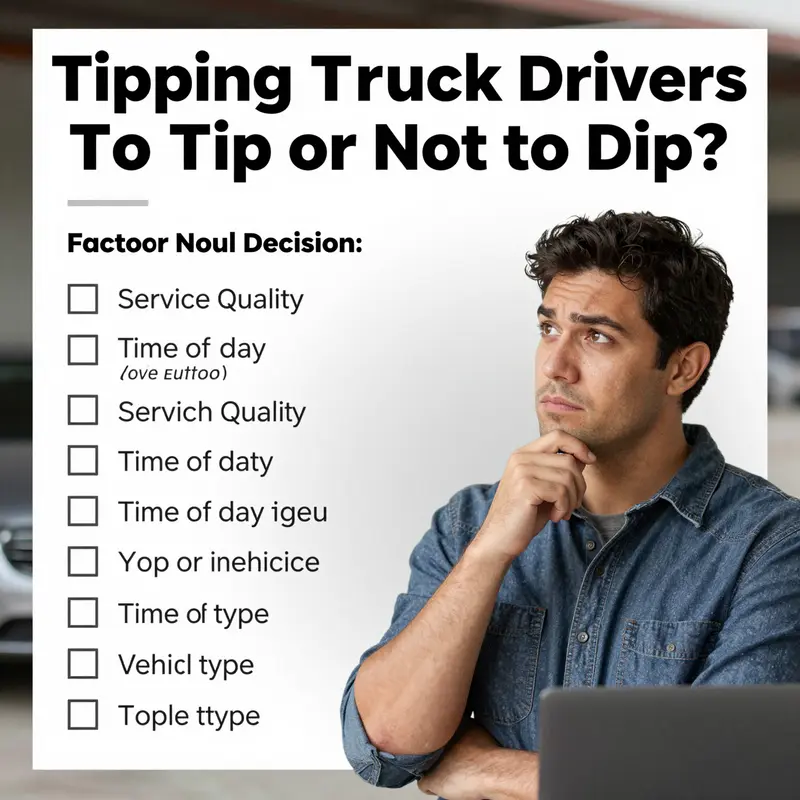
The practical question remains: how do you decide the exact sum? The answer is rarely a fixed formula but rather a blend of visible effort, the complexity of the job, and your own budget in the moment. First consider distance. If the driver traces a long arc to get you from a remote location to safety or to a repair facility, that extended travel time and fuel expenditure justify a larger tip. When the route is short yet the terrain is treacherous or awkward—finding a safe path through ice, mud, or a ditch—the additional challenge can justify a higher amount within the same tipping bracket. The time of day matters as well. A night emergency, a breakdown in the rain, or a situation that requires the driver to operate in hazardous light and traffic conditions adds risk and complexity. In such cases, a slightly larger tip can be a direct acknowledgment of the extra vigilance and effort.
Weather conditions, too, can shift the value of a tip. The driver may confront rain, snow, or wind that complicates hookups, chaining, or winching. In those moments, the same service can feel more demanding, and a tip in the range of the upper bracket becomes a symbol of respect for their willingness to persevere under adverse conditions. Even an abrupt, awkward situation—like a vehicle stuck in a tight spot or a car that won’t roll freely despite careful maneuvering—adds to the mental and physical load the driver carries. When you factor in the safety risks and the potential for damage to your own vehicle or the tow truck, the gesture of tipping becomes less about incentive and more about solidarity with someone whose job exposes them to daily hazards.
There is a social dimension to tipping that deserves attention. Tow truck operators work in a service role that often requires rapid decision-making, clear communication, and the ability to calm anxious clients. People stranded on the roadside, especially in bad weather or late at night, value information as much as they value the maneuver you’re paying for. A driver who explains the process, outlines what to expect next, and offers practical safety tips earns not only respect but also a natural basis for a tip. The decision to tip, then, is a kind of social courtesy that recognizes both the technical skill involved and the human moment—the stress relief, the reassurance, and the practical guidance provided during a disturbing episode.
In the absence of explicit policy from the service provider, you have to listen to your own experience of the encounter. If your driver arrives promptly, communicates clearly about the steps to take, and handles the heavy aspects of the job smoothly, you’re more likely to feel that a tip is warranted. If the driver remains professional but the service is straightforward, tipping remains optional and modest. The mental calculus in that moment is simple: ask yourself whether the driver’s actions felt above and beyond what you would reasonably expect, and whether you can afford to express gratitude in the moment without compromising your own financial needs.
One practical note that can help you approach this decision with confidence is the etiquette surrounding how to present the tip. People worry about whether to offer cash, a tip at all, or a card-based gesture when the provider’s payment system is involved. The general rule favors cash when the driver accepts tips and when the payment method allows for a straightforward exchange. Handing the tip directly to the driver, if offered, builds a personal connection and avoids any ambiguity about whether the gratuity is intended. On occasions when a driver declines cash or prefers not to accept a tip due to policy or personal preference, a sincere acknowledgment in words and a timely follow-through with a written review or a positive mention can also convey appreciation. If you want to explore the etiquette in more detail, you can read more on tow truck tipping etiquette from dedicated resources that discuss how to approach the moment with tact and respect.
The decision to tip is not a moral test but a reflection of your own values and the practical realities of the moment. It is entirely permissible to decide not to tip if you are operating under a tight budget, if the driver has merely fulfilled the basic expectations of the service, or if there is a company policy against accepting gratuities. Yet most people who choose to tip report a sense of satisfaction in acknowledging skilled labor that often goes unseen by the general public. They describe a sense of fairness: the tip seems to fit the risk, effort, and responsibility carried by someone who faced the unpredictable circumstances of a roadside incident. The range of $10 to $20 remains the most common reference point, but the upper and lower edges of that range are flexible. A tip might be lower when circumstances are modest, or higher when the scene is more demanding and the financial means of the tipper permit it.
Beyond the number, the manner of tipping matters. A tip should feel appropriate to the situation, not like a rigid obligation. It should be immediate, direct, and gracious. In a crisis, a tip given with gratitude can ease tension and reinforce a sense of partnership in overcoming a difficult moment. It acknowledges the driver’s readiness to help, the care with which they approach safety, and the practical steps they take to secure the vehicle and protect everyone involved. Some drivers will accept a tip and still stay available for questions, or offer a quick walkthrough of what happens next—information that can be invaluable when you are stressed and trying to make sense of a chaotic scene. The best tip is, ultimately, the one that aligns with your own impression of service quality and your ability to respond generously without creating personal financial strain.
As you weigh these considerations, it can be useful to imagine the situation from the driver’s perspective. They have likely driven in less-than-ideal conditions, navigated traffic hazards, and worked to keep both your vehicle and people safe as they performed a service that is physically demanding and technically precise. They may have to improvise a solution with tools on hand and adapt to a scene that changes by the minute. Acknowledging that effort with a tip can feel like a shared moment of relief—an exchange that recognizes the human effort behind a mechanical process. It is a rare opportunity to express appreciation without words, where a small amount of money signals a larger sentiment: that you are grateful for their skill, their patience, and their readiness to help when it matters most.
In the broader context of tipping etiquette, the decision to tip a tow truck driver sits alongside other service interactions that demand practice and discretion. The goal is to keep the gesture meaningful and proportional to the service received, while respecting the norms of the industry and the personal financial boundaries of the tipper. To readers seeking a quick reminder of the etiquette, the linked resource on tow truck tipping etiquette offers concise guidance on how to navigate the moment with tact and respect. It’s worth noting that the precise expectations can vary by region, company policy, and even the particular circumstances of a tow, so flexibility and a sense of discernment are valuable traits in this scenario.
For those who want to anchor their decision in a simple, memorable framework, think of tipping as compensation for extra effort, risk, or guidance you would not have received otherwise. If the driver simply connected you to a service, billed you for a standard haul, and left, the tipping decision can be minimal or even optional. If they did more—such as securing hazardous material, coordinating with a dispatch in a precarious setting, or escorting your vehicle through a challenging route—then a higher tip becomes not only fair but welcome. Whether you choose to leave a tip in cash, add a note of thanks, or share your positive experience online, the core principle remains intact: you are acknowledging the value of a service performed under pressure, with skill and care.
As you leave the scene and the highway quiet returns, you might carry with you a small sense of relief and a clear memory of the service you received. The amount you tipped is only one part of that memory. The broader takeaway is the cultivation of a tipping mindset that balances gratitude with practicality. Tipping tow truck drivers is not a universal rule, but it is a chance to support workers who often operate in demanding, time-sensitive conditions. It’s an opportunity to show that you recognize the human effort behind the roadside rescue, that you respect the expertise required to navigate dangerous or awkward circumstances, and that you value the driver’s commitment to safety and efficiency.
If you’re ever unsure about whether to tip in a given moment, a simple rule of thumb can help: consider whether the driver’s actions felt beyond the standard expectations of service, whether the conditions added risk or complexity, and whether you can afford the gesture without undue stress. In most cases, a modest tip in the familiar range of ten to twenty dollars will be both appropriate and appreciated, provided the driver has delivered service with professionalism and care. It is perfectly acceptable to lean toward the smaller amount when the encounter is routine, or toward the higher end when the mood, the moment, and the need align. The important thing is to approach the moment with honesty and discretion, making a choice that respects both your circumstances and the person who helped you back onto the road.
To explore further nuances and situational examples, you can consult resources that focus specifically on tipping etiquette for tow truck drivers. Such guidance can help you feel more confident during a moment that is often stressful and time-sensitive. For readers who prefer a quick, practical reference, the internal link to an article about tipping etiquette provides a concise framework to guide your decision in real time. While no rulebook can capture every scenario, a thoughtful approach to tipping—one that considers distance, time, weather, complexity, and risk—will generally serve you well and honor the effort of the professionals who keep roads safer and sooner return you to your plans.
In the end, tipping tow truck drivers is about human connection in the wake of a disruption. It is a small, tangible way to say that you notice the work they do, respect their competence, and value the relief they bring when the situation feels out of control. It is about the dignity that comes with acknowledging someone’s skill under pressure, and about supporting workers who often face unpredictable challenges with poise and steadiness. The number you choose matters less than the sincerity with which you deliver it, and the consideration you show for the person who has just helped you regain your footing on the road.
External resources can offer broader context and current trends, but the core idea endures: tipping is a discretionary act of appreciation tailored to the moment. If you want a succinct reference before you head out, remember this principle—tip when there is notable extra effort, risk, or guidance, and keep the amount within your means. The gesture itself is a modest act, but in its simplicity it can carry a meaningful message: your gratitude for service done well, under pressure, with care.
External resource: For a broader discussion of tipping practices, see The Spruce Crafts’ guide on how much to tip tow truck drivers at https://www.thespruce.com/tip-tow-truck-driver-4775936. And for a more targeted look at etiquette that might apply to your next roadside encounter, you can consult the internal resource on tow truck tipping etiquette, which covers how best to approach the moment with tact and respect: tow truck tipping etiquette.
Tow Tip Geography: Regional Habits and When a Small Gesture Matters
Tipping tow truck drivers sits at the crossroads of a practical service exchange and a social gesture. The fees for towing are typically set by the company and, in many situations, are paid through a roadside assistance plan, an insurance claim, or a direct bill that reflects labor, mileage, and equipment costs. Because of that, tipping is not a universal expectation. Yet the plain truth is that a small gratuity can convey gratitude and reinforce a driver’s commitment to quality service, especially when the situation is stressful, urgent, or unusually demanding. The decision to tip, and how much to give, is influenced by a tapestry of factors that stretch beyond a single city or state. It is shaped by regional norms, by the type of service requested, and by the grace with which the driver handles a scenario that might be chaotic for the person in distress. As such, the question how much do you tip tow truck drivers does not yield a single one-size-fits-all answer. It invites a thoughtful consideration of place, circumstance, and personal satisfaction with the service delivered.
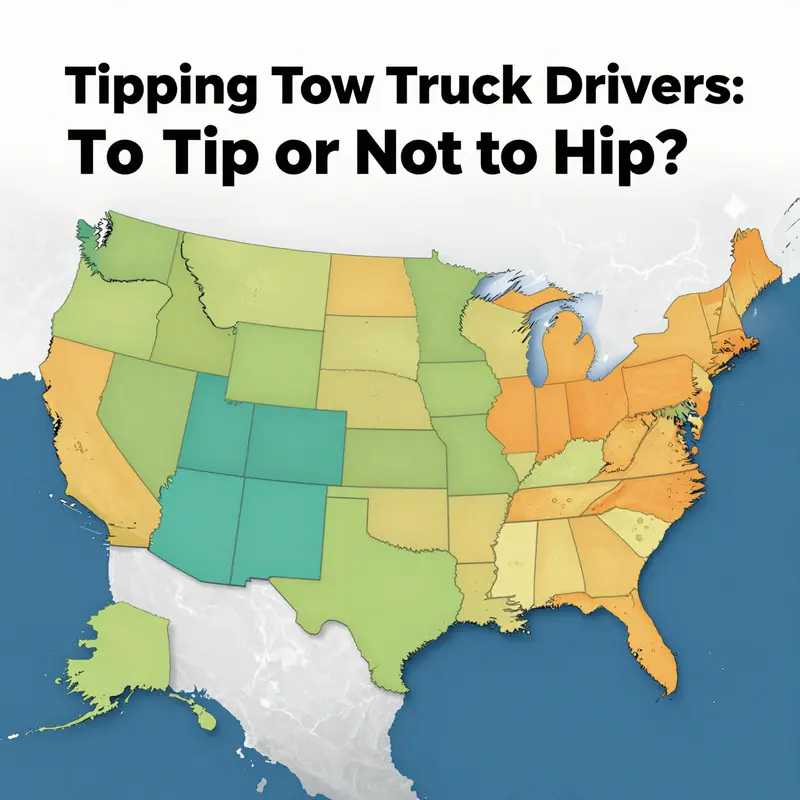
Regional variation is the most obvious axis of difference. In some parts of the country, tipping tow truck operators remains a fairly routine way to acknowledge good service; in others, it is less common and sometimes viewed as optional at best or unnecessary at worst. In practice, a person stranded on the side of the road in a tense moment may encounter a broad spectrum of expectations depending on where they are. The tipping dynamic aligns with broader regional attitudes toward service workers, personal exchanges, and the rhythms of road life. In big metropolitan centers, the density of driving incidents, the speed of response, and the complexity of the service can push tipping toward a more visible practice. In smaller towns or rural areas, drivers may be less accustomed to tips, and the standard fee structure often appears sufficient to cover the job. These patterns are not rigid, but they tend to cluster around certain urban hubs and cultural climates.
In major cities such as New York, Los Angeles, and Chicago, drivers frequently encounter high-pressure scenarios that demand rapid arrival, precise communication, and careful handling of delicate circumstances. When a tow is needed after a collision, during a tight time window, or in a location where the vehicle is hard to access, a driver’s ability to communicate clearly, to reassure the motorist, and to coordinate with other responders can transform a moment of fear into a manageable process. In these environments, tipping can be more common, especially when the driver goes beyond the call of duty. If a technician arrives promptly, keeps you informed about the steps they’re taking, helps you retrieve items from the vehicle, and handles the operation with calm professionalism, a tip may feel like a natural extension of the service. The size of that tip often reflects satisfaction with those extras rather than the base service itself. Acknowledging exceptional performance with a modest gesture is a simple, human way to recognize effort in a high-stakes context.
The regional differences extend beyond big-city dynamics. In some Southern and Western states, tipping tow truck operators has gained momentum as part of a broader culture of courtesy during time-sensitive or hazardous work. If a driver responds quickly in heavy traffic, adheres to safety protocols, and manages a tricky setup—such as winching a vehicle from a roadside ditch or maneuvering a car in adverse weather—the appreciation may be expressed with a tip that mirrors the level of effort. In these contexts, a tip is less about the standard service and more about acknowledging the extra risks, the skillful handling of equipment, and the patience shown under pressure. The barrier to tipping tends to be lower when the encounter is straightforward and the driver simply completes the tow with efficiency. When the conditions demand more care or when the driver exceeds expectations, a small gratuity becomes a natural extension of gratitude rather than an obligation.
One reason tipping practices diverge regionally is the structure of compensation. Tow truck operators are typically paid through fixed rates or hourly wages set by their employers, with fees that cover labor and equipment costs. This means that, unlike rideshare drivers who rely more heavily on tips as a component of income, tow operators often do not depend on gratuities to make ends meet. However, an earnest tip can still have meaningful impact on a driver’s day, reinforcing positive behavior and encouraging a continued standard of service. The economic calculus is not a simple ledger of dollars and cents; it is about signaling appreciation for professional conduct, problem-solving under stress, and care taken to secure personal property. When a driver saves you time, reduces your anxiety, or minimizes risk through careful handling, the gesture of a tip feels earned, not demanded.
Guidelines that circulate in conversations and informal advice often place tipping in a range from about 10% to 20% of the service charge, though this is not a hard rule. If the tow costs 150 dollars, a tip of 15 to 30 dollars is a reasonable ballpark for exceptional service. In practice, many people adjust the amount by considering the quality of service, the complexity of the job, and the driver’s demeanor. A simple rule of thumb is to tip more when the service has saved time, reduced stress, or involved extra steps that were not strictly required by the contract. For instance, if the driver retrieves personal items from a vehicle, explains the process in clear terms, or helps you navigate insurance paperwork, these are components that justify a higher tip within the 10% to 20% range or slightly beyond for standout performances. Conversely, if the service is routine, punctual, and competently delivered with minimal friction, a modest tip or sometimes no tip at all may be entirely appropriate.
The decision to tip also hinges on the emotional and practical relief a driver provides. The moment of breakdown can feel isolating, dangerous, or confusing. A driver who maintains a calm tone, explains what they are doing in plain language, and coordinates with you to protect belongings and preserve safety creates a rapport that can be worth a tangible gesture. A driver who actively assists with retrieving items from a trunk, locating registration documents, or offering practical advice about next steps in your insurance process demonstrates an extra layer of care that deserves consideration for a tip. In many cases, the most meaningful appreciation arises not from the size of the tip but from the thoughtfulness of the delivery—the driver receives the gratuity not as a faceless payment but as a personal acknowledgment of a job well done under pressure.
Timing and context matter as well. A tip given after a straightforward tow in dry conditions is different from a tip given after a difficult extraction in rain, ice, or heavy traffic. In challenging conditions, the driver may have risked safety, expended additional effort, or spent more time than anticipated. In such moments, tipping becomes a tangible form of recognition for going beyond the basics. It can also help reinforce a culture of accountability and courtesy within the service ecosystem. If you have had prior negative experiences with tow services, tipping becomes an opportunity to reset the interaction and encourage the driver to sustain courtesy and competence in future engagements. The social currency of tipping, in this sense, is less about the absolute amount and more about the message you send through your actions.
From a communication standpoint, how you present the tip matters. Many drivers appreciate a discreet, respectful exchange rather than a theatrical display of generosity. A simple handoff with a direct thank-you carries much of the same weight as a larger sum delivered in a fumbled or conspicuous moment. In some circumstances, cash remains the most practical method because it is immediate and universally accepted. In other situations, a driver may also accept digital tips if offered in a crisp, straightforward way and if the driver has clearly indicated that option. Regardless of method, ensure that your tip is aligned with your safety and comfort. If you are in a hazardous location or feel at risk, prioritizing your immediate safety over tipping is not only prudent but responsible.
Engagement with the driver after the tow can influence perceptions about tipping as well. A driver who follows up on questions, provides guidance on preventive measures, or shares general tips for future emergencies often earns a nod of appreciation that may take the form of a tip should the situation allow. The social dynamic is not a contract; it is a flexible exchange of goodwill. In parts of the country where service culture is highly valued, a short, sincere note of thanks or a small physical gesture—such as offering a bottle of water or a snack—can be meaningful without being a formal cash tip. While not a substitute for a monetary gratuity when warranted, these acts reinforce mutual respect and recognition that good service in the roadside context is a two-way street.
If you are navigating this topic on a broader platform or preparing to advise readers about tipping, it helps to acknowledge the variability and to encourage readers to trust their judgment. Acknowledge that tipping is optional and situational, and emphasize that the most important factor is satisfaction with service and the driver’s professionalism. Readers should feel empowered to tip or not tip based on concrete observations: punctual arrival, clear communication, careful handling of gear and items, and a calm, respectful demeanor. These qualities, more than any prescribed percentage, build goodwill and set a standard for how tow operators approach their work. As a guiding principle, keep a mental checklist: Was I kept informed? Was my property treated with care? Did the driver handle safety with diligence? If the answer to these questions is yes, a tip is a natural culmination of the encounter, even if it remains modest.
In the broader ecosystem of roadside assistance, a single tipping decision can ripple outward in subtle ways. When drivers feel appreciated, they may be more inclined to communicate effectively, take time to explain options, and maintain professional boundaries in the future. That human element matters, especially in high-stress moments where emotional energy is high and the stakes are personal. Regional norms aside, the underlying message remains universal: good service deserves recognition. Whether that recognition comes in the form of a cash tip, a token gesture, or a simple expression of gratitude, the aim is to acknowledge competence, courtesy, and care in what is often an unscripted moment on a busy highway.
For readers seeking a practical, region-sensitive read on how to approach tipping, it can be helpful to consult established guidance that takes into account variability across locales. While the core idea is straightforward—tip if the service exceeded expectations—regional nuance matters. In places where tipping is more common, readers might find themselves tipping at the higher end of the range when service quality is outstanding or when the driver goes beyond the expected duties. In other areas, a modest tip or no tip at all may be entirely appropriate if the service was standard and efficient. The essential balance is to honor the service you received and to respect the local culture surrounding these interactions.
To support readers who want more concrete reference points, you can review widely recognized guidance on towing tips produced by reputable associations. For a detailed, region-by-region perspective and broader context, the American Automobile Association offers resources that discuss towing tips and how to approach roadside assistance thoughtfully. This external reference can provide additional context to readers who want to calibrate their expectations to local norms and the specifics of their situation.
Internal reference for etiquette and context: tip-tow-truck-driver. It offers perspective on how to handle tipping etiquette in a practical, respectful way that aligns with professional standards without pressuring readers into a fixed rule.
In sum, tipping tow truck drivers is not a universal obligation, but it remains a meaningful choice in many regional contexts. The decision should be guided by the driver’s conduct, the complexity of the job, and the relief the service provides in a moment of vulnerability. Whether the tipping custom in your region is modest or more robust, the core aim endures: to acknowledge competence, courtesy, and care in one of the roadside’s most challenging moments. When done thoughtfully, tipping becomes a quiet signal of appreciation that reinforces professional standards and reinforces the essential human connection at the heart of every tow.
External resource: https://www.aaa.com/automotive/towing-tips
null

null
Final thoughts
Understanding the nuances of tipping tow truck drivers is essential for forming a respectful relationship between clients and service providers. While gratuity is not obligatory, recognizing exceptional service through tipping can reflect positive acknowledgment of a job well done. By embracing the recommended practices and appreciating the factors that influence tipping decisions, every driver can contribute to a culture of appreciation and support within the towing industry.