
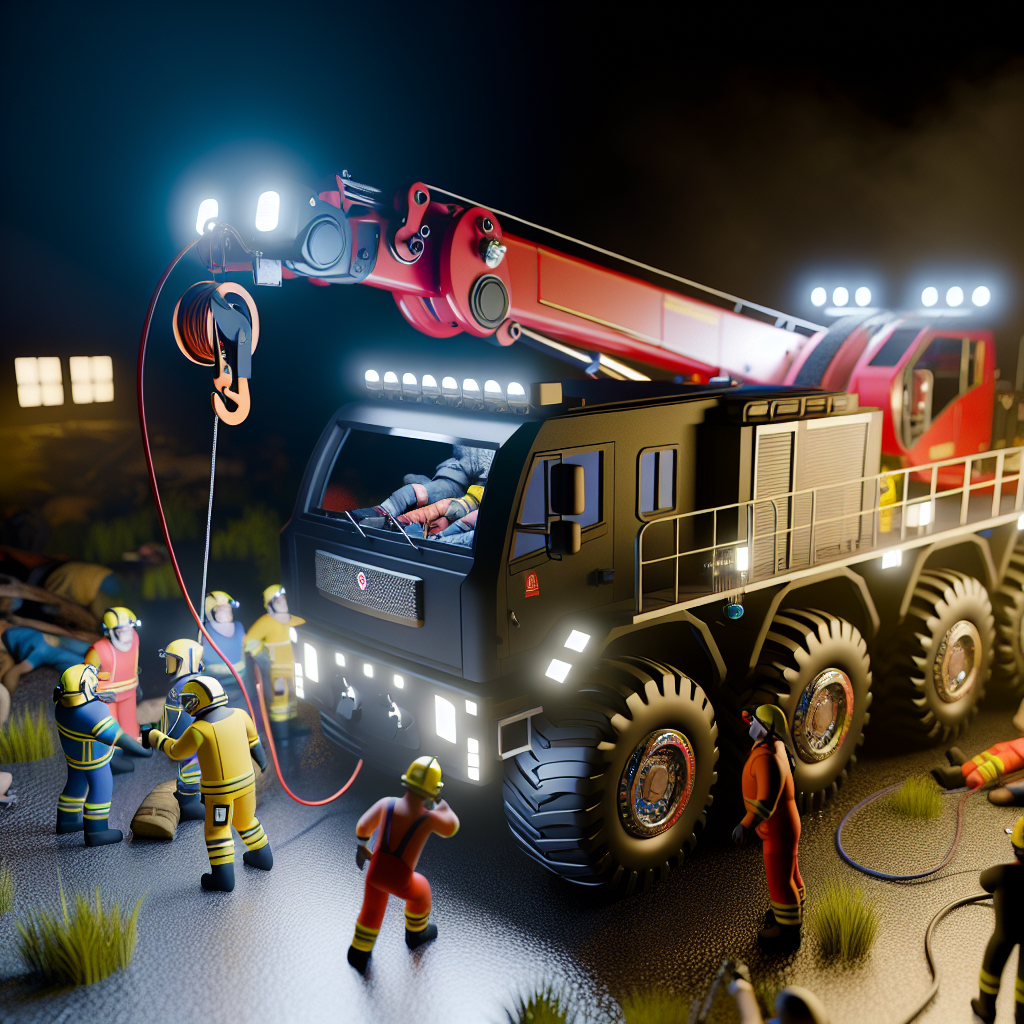
In the fast-paced world of emergency rescue operations, time is often the most critical factor in saving lives. Imagine a scenario where a fire rescue team arrives at an accident scene only to find that their equipment does not function seamlessly together. Such discrepancies can lead to delays in response time and, ultimately, compromise the safety of both rescuers and the individuals they aim to help.
This is where the topic of emergency equipment standardization comes into play. By ensuring that equipment, tools, and apparatuses meet standardized specifications, fire rescue teams can enhance their efficiency, coordination, and overall performance during critical moments. This not only improves their operational capabilities but also plays a pivotal role in maximizing the safety of the emergency responders who risk their lives for others.
As we dive deeper into the nuances of standardization in fire rescue apparatus, the profound impacts it has on the field become increasingly evident, underscoring its importance in modern emergency services. Furthermore, embracing standardization benefits not only promotes smoother interoperability of equipment for fire rescue teams but also helps streamline training protocols, ensuring that every member is fully prepared for real life situations.
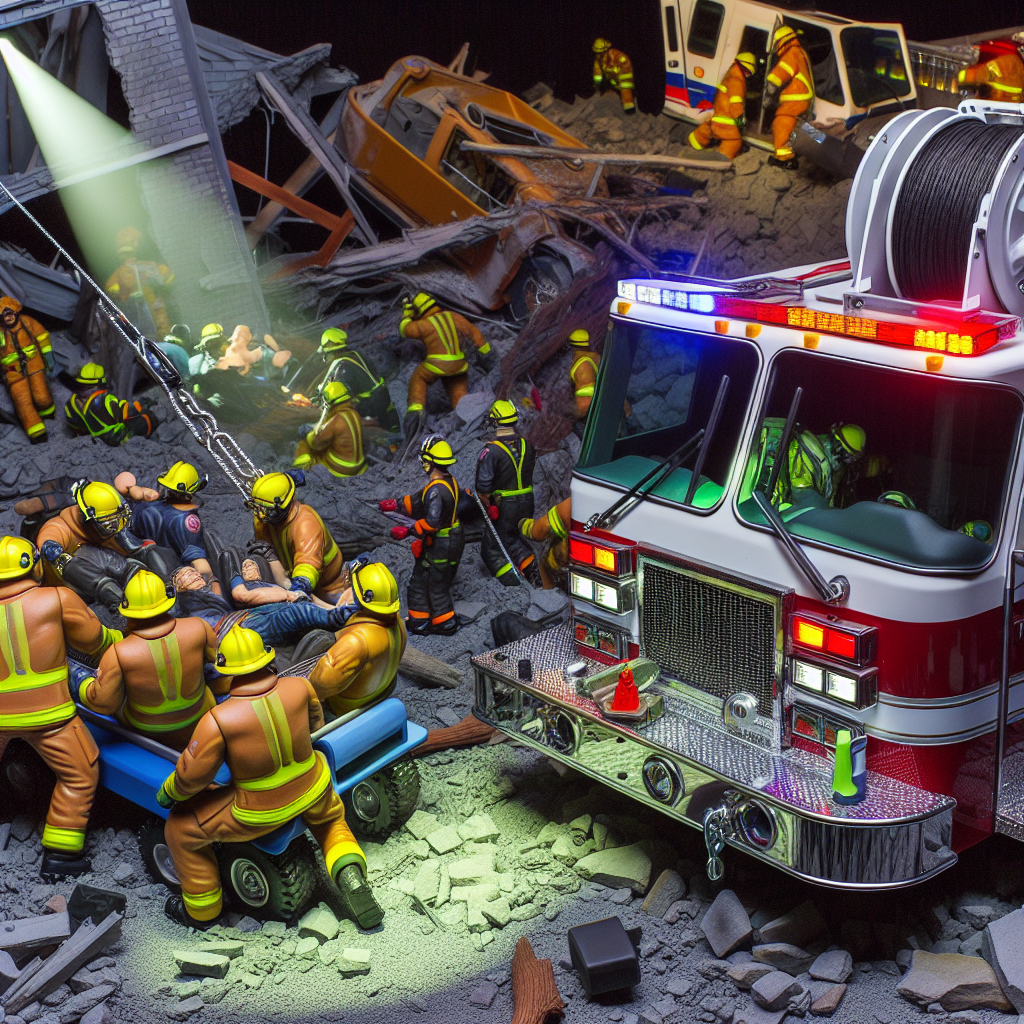
Features of Heavy-Duty Rescue Apparatus
Heavy-duty rescue apparatus represents the pinnacle of design and functionality in emergency rescue operations. These vehicles, specifically engineered for high-stakes environments, are equipped with innovative features that enhance their performance, reliability, and versatility.
Robust Design and Construction
Heavy-duty rescue apparatus is built to withstand the rigors of demanding rescue scenarios. The robust construction includes reinforced materials and a chassis designed to support a wide array of emergency response tools. Its durability ensures the apparatus remains operational even in extreme conditions, which is essential for maintaining the safety of emergency personnel and those they are rescuing.
Powerful Winching Systems
A standout feature of modern heavy-duty rescue apparatus is the inclusion of a robust 15,000-pound winch. This winch allows for effective lifting and moving of heavy objects during rescue operations, providing the necessary strength to overcome obstacles that may hinder successful rescues. This powerful winching capability is critical for tasks ranging from vehicle recovery to structural stabilization.
Advanced Lighting Systems
Another key aspect of these vehicles is their advanced lighting systems. Equipped with both 12-volt scene lights and generator-powered lighting, heavy-duty rescue apparatus ensures that every operation can be conducted under optimal visibility, regardless of the time or environmental conditions. This lighting capability aids rescue teams in performing tasks more efficiently and enhances overall scene safety by illuminating potential hazards.
Strategic Compartment Design
The compartment design of heavy-duty rescue apparatus is strategic, providing easy access to vital equipment. Traditional walk-in compartments allow for organized storage while protecting critical tools from the elements. This layout enables crews to carry more personnel and equipment, promoting efficiency when time is of the essence. Furthermore, the design allows for rapid deployment of tools, which can be as crucial as the equipment itself during emergencies.
Versatility in Operations
Finally, the versatility of heavy-duty rescue apparatus is unmatched. Whether for vehicle stabilization, swift water rescue, or structural collapse operations, these vehicles are equipped to handle various rescue challenges. This multifaceted approach makes them essential in many scenarios, maximizing their operational effectiveness in emergency services.
Case Study: Prince George’s County Fire/EMS Department’s Heavy-Duty Rescue Operations
Introduction
In the evolving landscape of emergency services, the Prince George’s County Fire/EMS Department has emerged as a leader through the strategic implementation of heavy-duty rescue apparatus. In 2024, they faced over 1,800 rescue responses in their coverage area, a testament to the complexity and urgency of the rescues they regularly conduct. Driven by the need for efficiency and effectiveness in high-stakes situations, the department has embraced equipment standardization as a pivotal strategy to enhance their rescue capabilities.
Implementation of Heavy-Duty Rescue Apparatus
Faced with the increasing challenges of rescue operations, the department introduced a new line of heavy-duty rescue apparatus, spearheaded by the Rescue Squad No. 820. This squad is equipped with a 15,000-pound winch, enabling crews to lift and maneuver heavy objects with precision. The apparatus also features 12-volt scene lights and generator-powered lighting systems to enhance visibility in various operating environments, ensuring that crews can perform their duties safely and effectively regardless of conditions.
Richard Riley, Fire Apparatus Manager, emphasizes the importance of equipment standardization, stating, “Start by evaluating manufacturers’ capabilities and past projects, then involve both engineers and frontline firefighters early in the specification process. Working with Pierce Manufacturing meant we were able to tailor our apparatus to match equipment needs, safety goals, and real-world response demands.”
Operational Scenarios
In practice, the standardized heavy-duty rescue apparatus has enabled the Prince George’s County Fire/EMS Department to respond more effectively to a variety of emergencies. For example, during a recent structural collapse incident, the Rescue Squad No. 820’s equipment and training allowed rapid extrication of trapped individuals, significantly reducing rescue time.
Under this framework, the department regularly engages in technical rescue activities, including vehicle extrication, trench rescue, and swift water rescues. With approximately 15-20 technical rescue incidents monthly, they rely heavily on their heavy-duty apparatus to maintain operational efficiency. Riley added, “The traditional walk-in compartment design has proven its effectiveness over decades. Protecting critical equipment combined with the ability to carry more crew made it the right choice for our department.”
Impact of Equipment Standardization
The introduction of standardized equipment has brought extensive benefits to the department. According to internal analyses, standardization led to a 45% reduction in maintenance downtime and a 25% decrease in parts inventory costs. This efficiency not only contributes to cost management but enhances safety and readiness across all units. The firefighters can seamlessly operate any rescue apparatus due to uniform configurations of control panels and safety systems. This level of consistency allows for optimal performance during joint operations with other agencies during major incidents.
Conclusion
The Prince George’s County Fire/EMS Department serves as an exemplary model for the successful implementation of heavy-duty rescue apparatus alongside equipment standardization. Their proactive approach in equipping and training personnel ensures that they meet the complex demands of emergency rescue operations while maximizing the safety and effectiveness of their response efforts. As they continue to adapt and enhance their operations, they reaffirm the vital role of standardized equipment in modern emergency services.
Richard Riley, Fire Apparatus Manager, emphasizes the value of standardization in rescue operations, stating, “The traditional walk-in compartment design has proven its effectiveness over decades of rescue operations. For our department, protecting critical equipment combined with the ability to carry more crew made it the right choice.” This highlights how effective configurations not only safeguard essential tools but also enable teams to function more effectively in critical situations, underscoring the broader benefits of standardization in emergency response.
Challenges Faced Without Equipment Standardization in Fire Rescue Operations
In fire rescue operations, equipment standardization is key to efficiency, training, and safety. Without it, fire departments face myriad challenges, particularly in the realm of training and response effectiveness. When equipment is not standardized, departments often find themselves grappling with a lack of uniformity among tools and apparatuses. This absence of consistency complicates training processes, as crews must adapt to varying equipment, which can prolong training durations and create potential safety risks.
For example, when a fire department needs to respond collectively with other agencies during large-scale incidents, there is a chance that some tools may not be compatible with neighboring departments’ apparatuses. If one team’s tools do not fit with the standard issued by another department, incidents that require swift action can be compromised, leading to delays that may jeopardize lives.
The variability in equipment introduces confusion, especially in high-stress situations where every second counts. When firefighters are unsure if a tool functions the same way across different apparatuses, their ability to execute effective response techniques can be hindered. In practical scenarios, these discrepancies mean that precious moments, when immediate action can save a life, can be wasted figuring out how to operate unfamiliar tools.
Furthermore, maintenance of a non-standardized fleet becomes a logistical nightmare. With various tools requiring unique parts and servicing protocols, resource allocation becomes inefficient. The risk of equipment malfunctions rises when departments cannot rely on a set lineup of apparatuses. This unpredictability not only increases operational costs but also detracts from critical funding that could be utilized in other areas—be it training, personnel, or additional equipment.
In summary, the challenges faced by fire departments without equipment standardization highlight the vital importance of cohesive systems in emergency response. In order to enhance effectiveness, safety, and collaboration across various emergency services, there is a pressing need for standardized equipment that allows for seamless operation and training.
Summary of User Adoption Data from Rescue Squad No.820
In 2024, Rescue Squad No.820 became a critical asset to the Prince George’s County Fire/EMS Department, accounting for over 1,800 responses across its coverage area. The squad’s advanced features, including a powerful 15,000-pound winch and a sophisticated lighting system comprising 12-volt scene lights and generator-powered illumination, significantly enhance its operational capacity. This apparatus ensures rapid and effective responses in emergencies, making it instrumental in various rescue scenarios. The integration of standardized equipment has streamlined operations, allowing teams to engage in approximately 15 to 20 technical rescue incidents monthly. By investing in Rescue Squad No.820, the department has not only improved response times but also elevated the safety and preparedness of its firefighters during high-intensity rescue operations.
This data illustrates how effective apparatuses can transform emergency response capabilities, making the case for ongoing standardization in fire rescue equipment and operations.
Conclusion
The Prince George’s County Fire/EMS Department serves as an exemplary model for the successful implementation of heavy-duty rescue apparatus alongside equipment standardization. Their proactive approach in equipping and training personnel ensures that they meet the complex demands of emergency rescue operations while maximizing the safety and effectiveness of their response efforts. As they continue to adapt and enhance their operations, they reaffirm the vital role of standardized equipment in modern emergency services.
Richard Riley, Fire Apparatus Manager, emphasizes the value of standardization in rescue operations, stating, “The traditional walk-in compartment design has proven its effectiveness over decades of rescue operations. For our department, protecting critical equipment combined with the ability to carry more crew made it the right choice.” This highlights how effective configurations not only safeguard essential tools but also enable teams to function more effectively in critical situations, underscoring the broader benefits of standardization in emergency response.
Recommendations
The significance of equipment standardization in emergency rescue operations cannot be overstated. As demonstrated by the Prince George’s County Fire/EMS Department, adopting a standardized approach to emergency apparatus not only enhances operational efficiency but also maximizes the safety of both responders and victims during critical situations. By streamlining training and ensuring compatibility among various tools and platforms, rescue teams can respond to emergencies with greater speed and precision.
Looking to the future, advancements in rescue technology promise exciting developments. Innovations such as automated systems, improved materials, and integrated communication tools are set to further enhance the functionality of heavy-duty rescue apparatus. Additionally, the continued collaboration among manufacturers, emergency services, and technology developers will likely yield new standards that cater to evolving rescue challenges.
As the landscape of emergency operations evolves, the commitment to standardization will play a vital role in shaping responsive, effective, and safe rescue practices. Embracing this philosophy ensures that fire rescue teams are not merely reacting to incidents, but are strategically equipped to save lives swiftly and efficiently.
Best Practices for Selecting Rescue Apparatus
Selecting the right heavy-duty rescue apparatus is critical for maximizing operational effectiveness and ensuring firefighter safety. Below are best practices that fire departments should consider during the selection process:
Collaborative Evaluation and Insight Collection
Collaboration is at the heart of selecting effective rescue apparatus. Fire departments should engage closely with manufacturers, engineers, and frontline firefighters to gather diverse insights. According to Richard Riley, Fire Apparatus Manager at Prince George’s County Fire/EMS Department, “Start by evaluating manufacturers’ capabilities and past projects, then involve both engineers and frontline firefighters early in the specification process.” This holistic approach helps ensure that the selected apparatus meets the operational needs and safety goals of the department.
Involving Frontline Firefighters
Frontline firefighters, who intimately understand the challenges of rescue operations, can provide invaluable feedback on apparatus functionalities. Their experiences reveal what works effectively in real-world scenarios and what features can make a significant difference during emergencies. Collaboration bridges the gap between technical specifications and practical application, resulting in apparatus that not only looks good on paper but performs exceptionally in the field.
Testing and Prototyping
Before finalizing an apparatus purchase, conducting tests and utilizing prototypes can offer insight into its performance and compatibility with existing equipment. Doing so allows departments to evaluate essential features such as winching capacities, lighting systems, and compartment designs, ensuring they align with operational demands.
Regular Updates and Continuous Improvement
Lastly, ongoing evaluation and adaptation are essential. Fire departments should periodically review their equipment and solicit feedback after operational uses to refine their selection process for future apparatus purchases. Incorporating lessons learned helps adapt to evolving rescue challenges and promote innovation within emergency services.
By adopting these best practices, fire departments can enhance their selection process for heavy-duty rescue apparatus, leading to improved performance, safety, and overall effectiveness in rescue operations.
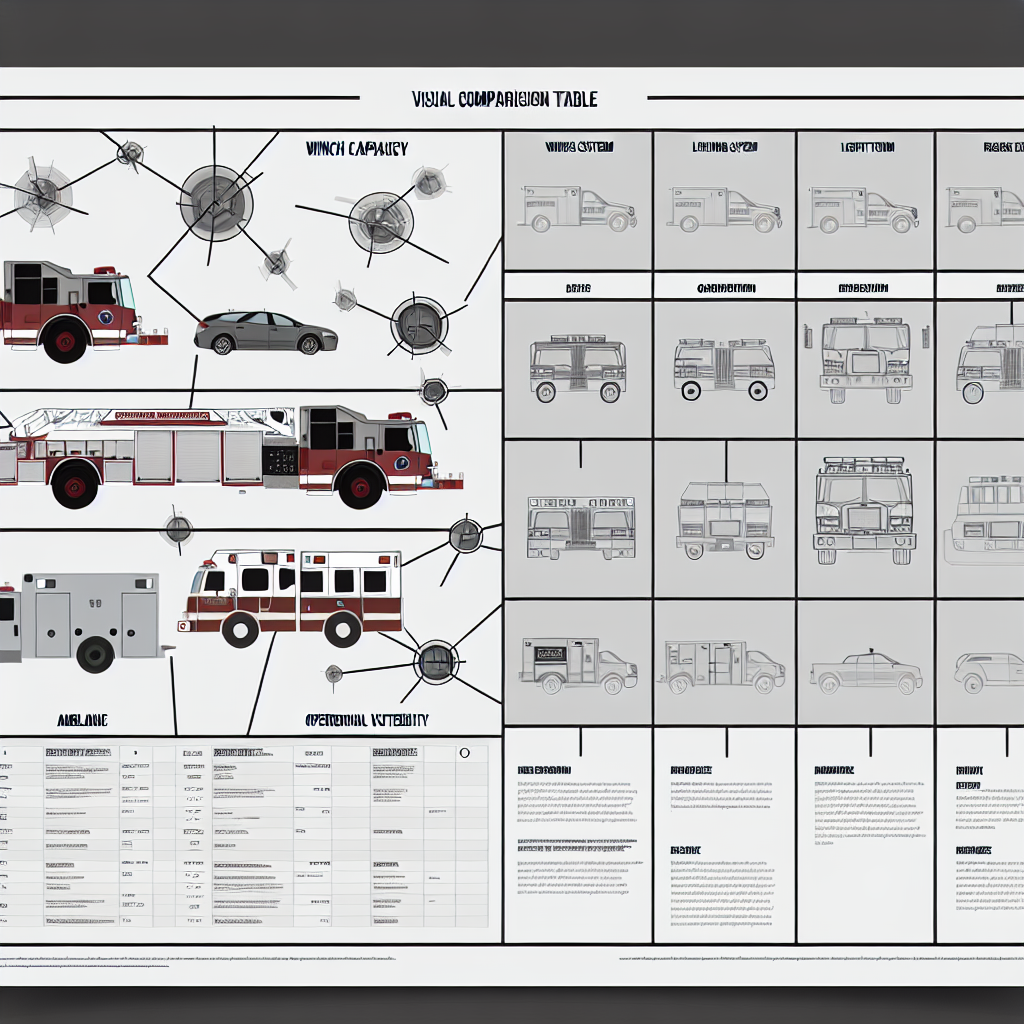
| Feature | Rescue Squad No.820 | Competitor Model A | Competitor Model B |
|---|---|---|---|
| Winch Capacity | 15,000 pounds | 12,000 pounds | 14,000 pounds |
| Lighting System | 12-volt & generator | LED only | 12-volt only |
| Compartment Design | Walk-in | Standard | Walk-in |
| Operational Versatility | High | Medium | High |
| Equipment Storage | Improved | Basic | Standard |
| Year Introduced | 2024 | 2023 | 2022 |
