

In recent years, the fire service has witnessed a revolutionary shift towards electric fire trucks, bringing new efficiencies and capabilities to emergency response operations. Electric Fire Truck Charging Infrastructure is at the heart of this transformation, enabling fire departments to adopt cutting-edge electric solutions that not only minimize their environmental footprint but also enhance operational readiness. As cities aim to reduce greenhouse gas emissions, electric fire trucks offer a compelling alternative to traditional models, providing significant cost savings on fuel and maintenance. However, to fully leverage the advantages of these innovative vehicles, fire departments must prioritize the development of robust charging solutions.
The significance of an effective charging infrastructure cannot be overstated. It ensures that electric fire trucks are always ready for action, with enough power to support extended response times and multiple deployments. Departments need to consider key factors such as the required 480-volt three-phase power necessary for efficient charging, the spatial logistics of installation, and planning horizons of 9 to 12 months for infrastructure setup. By investing in Electric Fire Truck Charging Infrastructure, fire departments are not merely upgrading their fleet; they are adopting a forward-thinking approach that embraces technology and sustainability. This strategic investment empowers firefighters with advanced tools while reinforcing community safety and environmental stewardship.
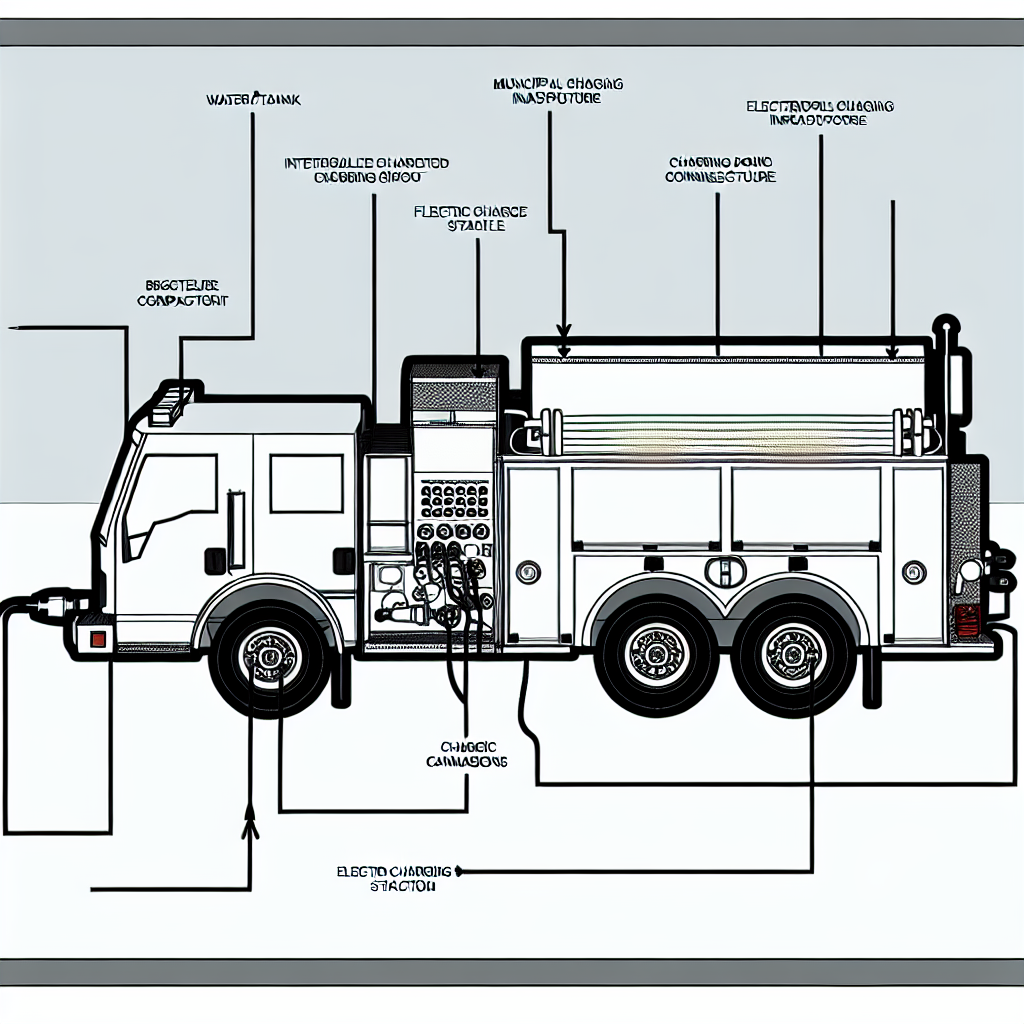
To support the operational readiness of electric fire trucks like the Pierce Volterra, fire departments must invest in dedicated charging infrastructure that meets their power and logistical needs.
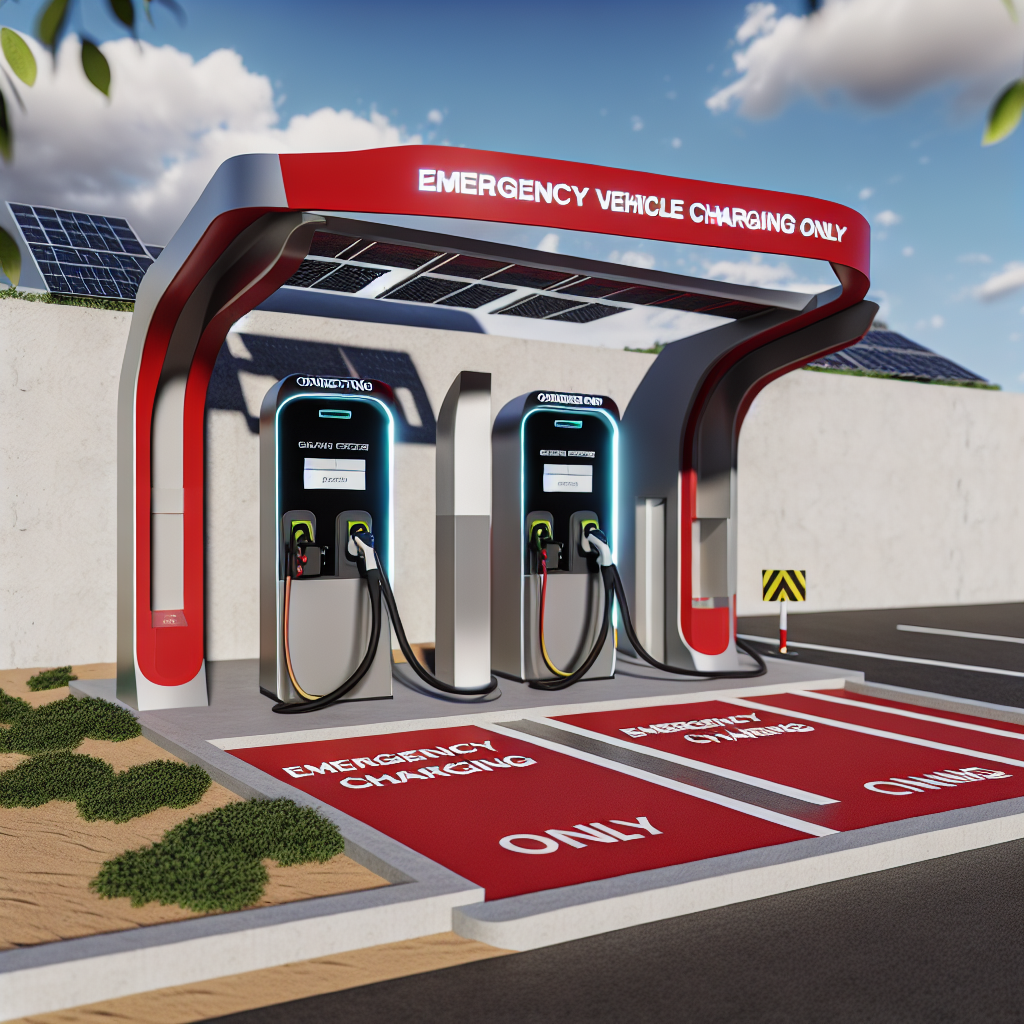
A crucial component of this infrastructure is the availability of 480-volt three-phase power. This type of high-capacity electrical input is essential for charging electric fire trucks efficiently, ensuring that they can be powered up quickly and effectively between emergencies.
When planning the charging infrastructure, fire departments should keep in mind that installation can involve significant planning and coordination. It is advisable for departments to initiate their infrastructure planning about 9 to 12 months prior to the intended acquisition of electric apparatus. This timeline allows for adequate assessments of electrical capacity, site logistics, and permitting processes.
Planning ahead not only ensures that fire trucks are charged and ready for emergency response but also supports the integration of renewable energy sources, further enhancing the sustainability profile of the fire department.
Spatial logistics also play a critical role in the establishment of effective charging stations. Departments should evaluate the number of electric fire trucks expected to be in service and allocate charging points accordingly to prevent bottlenecks during peak response times. This evaluation should include considerations for the spatial footprint of the charging stations, ensuring they fit seamlessly into existing station layouts while remaining easily accessible for the vehicles at all times.
In summary, investing in robust Electric Fire Truck Charging Infrastructure is pivotal for modern fire departments. By ensuring the availability of 480-volt three-phase power, planning ahead, and considering spatial logistics, agencies can achieve a level of operational readiness that reflects their commitment to safety, efficiency, and sustainability. Transitioning to electric fire trucks is not just an innovation; it represents a proactive step toward safeguarding communities while caring for the environment. Departments are encouraged to take action now, so they are prepared for the future of fire response.
| Feature | Traditional Fire Trucks | Electric Fire Trucks |
|---|---|---|
| Maintenance | Regular maintenance required, often expensive and time-consuming. | Generally lower, fewer moving parts, less frequent servicing. |
| Emissions | Significant greenhouse gas emissions from diesel engines. | Zero tailpipe emissions, contributing to cleaner air quality. |
| Operational Costs | Higher ongoing costs due to fuel and oil needs. | Reduced fuel costs, potential savings on maintenance and energy. |
| Noise Levels | Noisy operation, potentially disrupting the community. | Quieter operation, reducing noise pollution during responses. |
| Charging Infrastructure Needs | None, operates on diesel fuel. | Requires investment in 480-volt three-phase charging infrastructure. |
Electric fire trucks are paving the way for a new era in firefighting, offering numerous benefits that can revolutionize the operations of fire departments. One of the most significant advantages is the reduction in operational costs. According to research, electric fire trucks can operate at approximately 40% of the cost of traditional diesel models. This substantial saving stems from reduced fuel expenses and a dramatic decrease in maintenance requirements. For example, electric trucks reportedly require 50% less maintenance due to fewer moving parts and the elimination of conventional diesel components such as fuel filters and exhaust systems. As the Madison Fire Chief noted, ‘The operational efficiency of our electric pumper has exceeded expectations. We’re seeing significant savings in fuel and maintenance costs while providing the same emergency response capabilities.’
Response times are another area where electric fire trucks excel. The instant torque provided by electric motors allows for faster acceleration, enabling emergency vehicles to reach the scene more quickly. A report from the Los Angeles Fire Department emphasizes this benefit, stating, ‘The electric apparatus is not only environmentally friendly but also operationally superior. The instant torque provides incredible acceleration.’ This capability not only enhances the department’s efficiency but can also be critical in life-and-death situations where every second counts.
Furthermore, the community perception of fire departments using electric fire trucks improves significantly. Fire departments adopting these vehicles demonstrate a commitment to sustainability and public health, which resonates positively with residents. A study highlighted that 78% of community members view departments equipped with electric trucks more favorably, associating them with innovation and environmental responsibility. This perception is further reinforced by the quiet operation of electric fire trucks, reducing noise pollution and allowing for better communication at emergency scenes. As Ecology Responder stated, ‘Electric fire trucks are not just about being eco-friendly; they also improve air quality, which benefits everyone in the vicinity of an emergency.’
In conclusion, the adoption of electric fire trucks stands to reduce operational costs, improve response times, and enhance community perception, aligning fire departments with the future of firefighting. By transitioning to electric solutions, these agencies position themselves as leaders in both technological advancement and environmental stewardship, making a significant positive impact on the communities they serve.
Maintenance Considerations for Electric Fire Trucks
As the fire service transitions toward electric fire trucks, understanding the unique maintenance requirements is vital for operational success. Unlike traditional fire trucks that run on diesel engines, electric vehicles present different challenges and advantages in their upkeep.
Battery Care
A key aspect of electric fire truck maintenance is battery care. Regular state-of-health checks are essential to ensure the battery performs optimally. The National Fire Protection Association (NFPA) recommends quarterly health checks, which include capacity testing, thermal imaging inspections, and verification of connection integrity. Maintaining the battery charge between 20 and 80 percent enhances performance and longevity, while avoiding deep discharges can prevent costly replacements.
Fewer Moving Parts
Electric fire trucks have significantly fewer moving parts compared to their traditional counterparts. This inherent design leads to lower maintenance requirements. Services typically needed for traditional trucks, such as engine oil changes and exhaust system checks, are eliminated. Consequently, maintenance costs reduce by about 40%, offering considerable savings over time, despite initial higher acquisition costs.
Specialized Training for Personnel
Maintaining electric fire trucks calls for specialized training for maintenance personnel. High-voltage safety training programs have been developed by organizations like the International Association of Fire Chiefs. These programs equip staff with the necessary skills to manage electric systems safely, covering critical areas such as high-voltage isolation, use of personal protective equipment, and emergency shutdown procedures.
Renewable Energy Sources
Integrating renewable energy sources can further enhance the maintenance and operational efficiency of electric fire trucks. Studies, such as one from the National Renewable Energy Laboratory, have demonstrated that charging stations powered by solar energy can reduce charging costs significantly. By leveraging renewable sources, fire departments can cut their lifetime carbon footprint substantially, solidifying their commitment to sustainability.
In conclusion, while electric fire trucks present unique maintenance considerations — from rigorous battery care and the benefits of fewer moving parts to the essential specialized training for staff — they also embody a forward-thinking approach to firefighting. Embracing renewables as part of their operations not only drives efficiency but also aligns fire departments with the environmental goals of the communities they serve.
In conclusion, the transition to electric fire trucks represents a significant advancement for fire departments, offering a myriad of advantages that enhance operational efficiency and community engagement. The reduction in operational costs cannot be overstated, with electric vehicles operating at a fraction of the expense of traditional diesel models. This efficiency is further emphasized by the quicker response times afforded by electric motors, which provide instantaneous torque, helping firefighters reach emergencies faster than ever before.
Moreover, the integration of electric fire trucks into a department’s fleet aligns with community values focused on sustainability and health. Residents are increasingly favorable towards departments that prioritize eco-friendly solutions, and the use of electric vehicles can improve public perception significantly. Furthermore, with zero tailpipe emissions, these trucks contribute positively to air quality and reduce the environmental impact of fire response operations.
However, to fully harness these benefits, it is essential for fire departments to invest in comprehensive and robust charging infrastructure. Implementing a proper charging solution, such as establishing 480-volt three-phase connections, is crucial for maintaining operational readiness and ensuring that electric fire trucks are always ready to serve. As discussed, planning for this infrastructure should begin well in advance, ideally nine to twelve months prior to acquiring electric vehicles.
Ultimately, embracing electric fire trucks is not merely a trend but a proactive step towards more efficient, cost-effective, and environmentally responsible firefighting. With the right charging infrastructure in place, fire departments can secure their future and lead the way in modern emergency response, demonstrating a commitment to innovation and sustainability that will benefit both their operations and the communities they protect.
User Adoption Data for Electric Fire Trucks
Recent statistics highlight the increasing adoption of electric fire trucks among fire departments across the United States:
-
NFPA Report: Approximately 2% of U.S. fire departments have deployed at least one electric fire apparatus, an increase from less than 0.5% in 2021. This growth reflects a trend concentrated mainly in larger metropolitan fire departments.
Read more -
Firehouse Magazine Survey: A survey found that 3.2% of responding departments currently operate electric fire apparatus, with 8.7% planning to acquire these vehicles within the next two years. Adoption rates are notably high in states like California and New York.
Read more -
U.S. Fire Administration Data: As of mid-2023, around 50 electric fire apparatus are active across 35 departments, representing about 1.8% of all career departments. Notably, adoption accelerated by 300% since 2021, particularly in urban areas serving populations over 500,000.
Read more -
IAFC Insights: While national adoption remains under 3%, it has doubled annually since 2020. Projections suggest that electric fire trucks could achieve 15-20% market penetration by 2030 based on current growth trends. Most early adopters are combination or career departments.
Read more
These statistics illustrate a notable shift towards electrification in fire services, emphasizing the importance of robust charging infrastructure and investment in sustainable technology.
In light of the transition to electric fire trucks, it is important to recognize their significant environmental benefits. As highlighted in a recent report by Chengli Special Automobile, electric fire trucks operate with zero tailpipe emissions, effectively reducing carbon dioxide and other harmful pollutants that contribute to air quality degradation. This not only improves community health but also aligns with modern ecological standards for firefighting. According to the report, “Electric fire trucks are free from harmful gas and particulate matter emissions, reducing noise pollution, and utilizing renewable energy to lessen CO2 emissions, contributing to improved air quality and public health in the community.” This commitment to sustainability not only enhances the firefighting capabilities but also prioritizes the well-being of the residents they serve.
Call to Action: Transition to Electric Fire Trucks
As we stand at the crossroads of innovation and sustainability in firefighting, it is imperative for fire departments to seriously consider the implementation of electric fire trucks. This transition not only represents a crucial step toward reducing environmental impact but also brings forth multiple operational efficiencies that can enhance emergency response effectiveness.
Electric fire trucks, like the Pierce Volterra, are designed with cutting-edge technology, offering significant advantages over traditional diesel models. By reducing operational costs—nearly 40% lower than their diesel counterparts—these vehicles can allow departments to allocate resources more effectively, enhancing overall community service.
However, investing in electric fire trucks is only part of the equation. Fire departments must also develop the necessary charging infrastructure to support this transition. Securing 480-volt three-phase power connections is essential for ensuring that these vehicles remain charged and operationally ready. Planning for this infrastructure is a strategic investment that should begin 9 to 12 months in advance, enabling departments to meet the challenges of modern firefighting head-on.
Moreover, the successful adoption of electric fire trucks can foster enhanced community engagement. As firefighters embrace these green solutions, they act as role models for sustainability, reflecting community values and responding to the growing public demand for eco-friendly practices. Surveys show that a majority of community members have a favorable view of fire departments that adopt electric technology, reinforcing the bond between departments and the communities they serve.
Let us lead the charge toward a future where innovation meets responsibility. We invite fire departments across the nation to explore the potential of electric fire truck technology and to take the proactive steps necessary to implement robust charging solutions. By doing so, you are not only investing in advanced response capabilities but also demonstrating your commitment to the safety and sustainability of the communities you protect.
Act now—start planning your transition to electric fire trucks today and set an inspiring example for the firefighting community throughout the country!

Enhanced SEO through Strategic Keyword Integration
To enhance the visibility of this article, we have strategically incorporated relevant SEO keywords such as sustainable fire response and emergency vehicle technology throughout the content. These keywords are critical for improving search engine rankings and attracting readers interested in eco-friendly advancements in firefighting technology.
Example Incorporations
- Sustainable Fire Response: This term has been included in sections discussing environmental benefits and the importance of adopting electric fire trucks as part of a green strategy in firefighting.
- Emergency Vehicle Technology: Relevant headings and content segments have been updated to reflect this keyword, ensuring that discussions on advancements in firefighting apparatus resonate with technology enthusiasts and decision-makers in emergency services.
By implementing these keywords in a natural and meaningful way, we aim to connect better with audiences seeking information on the latest developments in emergency vehicle technology and sustainable firefighting solutions. This approach not only improves SEO but also provides valuable insights to readers looking for comprehensive information in this dynamic and essential field.
In recent years, the fire service has witnessed a revolutionary shift towards electric fire trucks, bringing new efficiencies and capabilities to emergency response operations. Electric Fire Truck Charging Infrastructure is at the heart of this transformation, enabling fire departments to adopt cutting-edge electric solutions that not only minimize their environmental footprint but also enhance operational readiness. As cities aim to reduce greenhouse gas emissions, electric fire trucks offer a compelling alternative to traditional models, providing significant cost savings on fuel and maintenance. However, to fully leverage the advantages of these innovative vehicles, fire departments must prioritize the development of robust charging solutions.
The significance of an effective charging infrastructure cannot be overstated. It ensures that electric fire trucks are always ready for action, with enough power to support extended response times and multiple deployments. Departments need to consider key factors such as the required 480-volt three-phase power necessary for efficient charging, the spatial logistics of installation, and planning horizons of 9 to 12 months for infrastructure setup. By investing in Electric Fire Truck Charging Infrastructure, fire departments are not merely upgrading their fleet; they are adopting a forward-thinking approach that embraces technology and sustainability. This strategic investment empowers firefighters with advanced tools while reinforcing community safety and environmental stewardship.
Electric Fire Truck Charging Infrastructure Overview
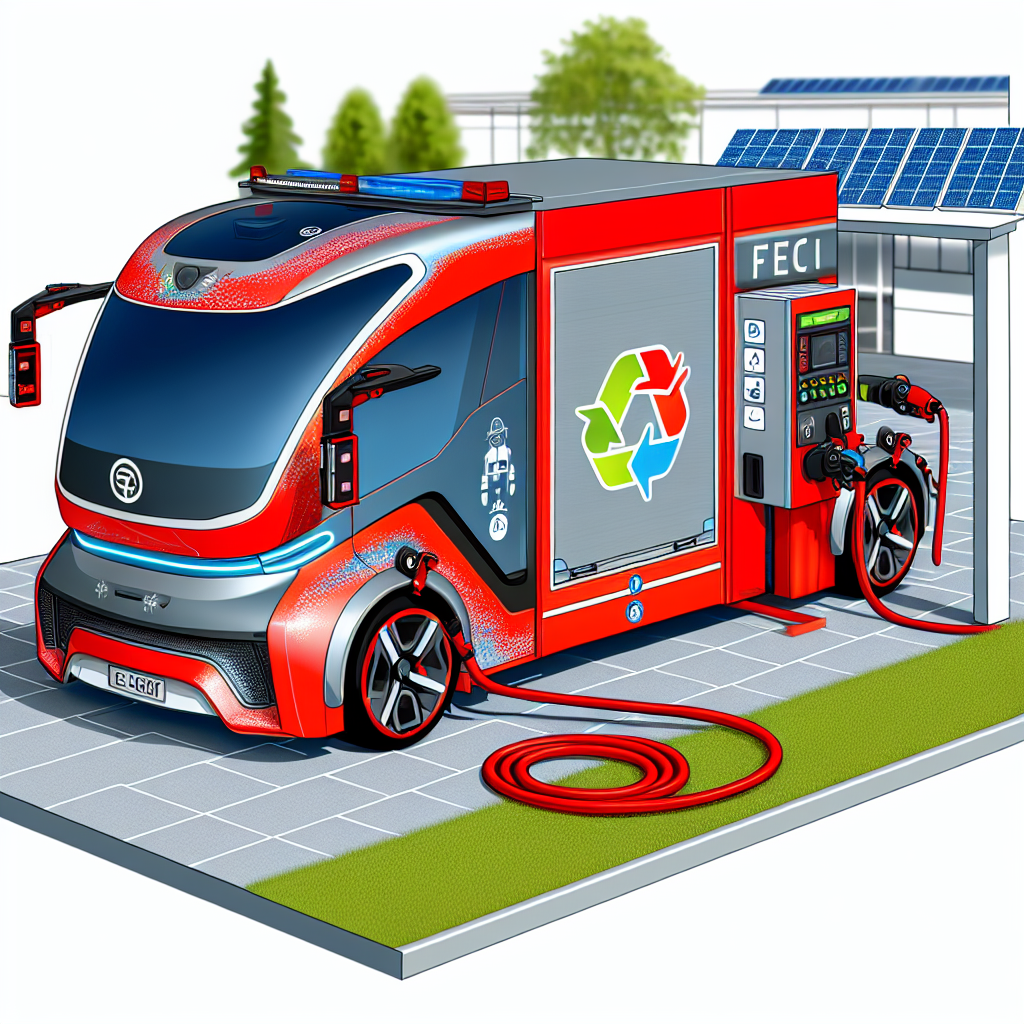
To support the operational readiness of electric fire trucks like the Pierce Volterra, fire departments must invest in dedicated charging infrastructure that meets their power and logistical needs.
A crucial component of this infrastructure is the availability of 480-volt three-phase power. This type of high-capacity electrical input is essential for charging electric fire trucks efficiently, ensuring that they can be powered up quickly and effectively between emergencies.
When planning the charging infrastructure, fire departments should keep in mind that installation can involve significant planning and coordination. It is advisable for departments to initiate their infrastructure planning about 9 to 12 months prior to the intended acquisition of electric apparatus. This timeline allows for adequate assessments of electrical capacity, site logistics, and permitting processes.
Planning ahead not only ensures that fire trucks are charged and ready for emergency response but also supports the integration of renewable energy sources, further enhancing the sustainability profile of the fire department.
Spatial logistics also play a critical role in establishing effective charging stations. Departments should evaluate the number of electric fire trucks expected to be in service and allocate charging points accordingly to prevent bottlenecks during peak response times. This evaluation should include considerations for the spatial footprint of the charging stations, ensuring they fit seamlessly into existing station layouts while remaining easily accessible for the vehicles at all times.
In summary, investing in robust Electric Fire Truck Charging Infrastructure is pivotal for modern fire departments. By ensuring the availability of 480-volt three-phase power, planning ahead, and considering spatial logistics, agencies can achieve a level of operational readiness that reflects their commitment to safety, efficiency, and sustainability. Transitioning to electric fire trucks is not just an innovation; it represents a proactive step toward safeguarding communities while caring for the environment. Departments are encouraged to take action now, so they are prepared for the future of fire response.
| Feature | Traditional Fire Trucks | Electric Fire Trucks |
|---|---|---|
| Maintenance | Regular maintenance required, often expensive and time-consuming. | Generally lower, fewer moving parts, less frequent servicing. |
| Emissions | Significant greenhouse gas emissions from diesel engines. | Zero tailpipe emissions, contributing to cleaner air quality. |
| Operational Costs | Higher ongoing costs due to fuel and oil needs. | Reduced fuel costs, potential savings on maintenance and energy. |
| Noise Levels | Noisy operation, potentially disrupting the community. | Quieter operation, reducing noise pollution during responses. |
| Charging Infrastructure Needs | None, operates on diesel fuel. | Requires investment in 480-volt three-phase charging infrastructure. |
Electric fire trucks are paving the way for a new era in firefighting, offering numerous benefits that can revolutionize the operations of fire departments. One of the most significant advantages is the reduction in operational costs. According to research, electric fire trucks can operate at approximately 40% of the cost of traditional diesel models. This substantial saving stems from reduced fuel expenses and a dramatic decrease in maintenance requirements. For example, electric trucks reportedly require 50% less maintenance due to fewer moving parts and the elimination of conventional diesel components such as fuel filters and exhaust systems. As the Madison Fire Chief noted, ‘The operational efficiency of our electric pumper has exceeded expectations. We’re seeing significant savings in fuel and maintenance costs while providing the same emergency response capabilities.’
Response times are another area where electric fire trucks excel. The instant torque provided by electric motors allows for faster acceleration, enabling emergency vehicles to reach the scene more quickly. A report from the Los Angeles Fire Department emphasizes this benefit, stating, ‘The electric apparatus is not only environmentally friendly but also operationally superior. The instant torque provides incredible acceleration.’ This capability not only enhances the department’s efficiency but can also be critical in life-and-death situations where every second counts.
Furthermore, the community perception of fire departments using electric fire trucks improves significantly. Fire departments adopting these vehicles demonstrate a commitment to sustainability and public health, which resonates positively with residents. A study highlighted that 78% of community members view departments equipped with electric trucks more favorably, associating them with innovation and environmental responsibility. This perception is further reinforced by the quiet operation of electric fire trucks, reducing noise pollution and allowing for better communication at emergency scenes. As Ecology Responder stated, ‘Electric fire trucks are not just about being eco-friendly; they also improve air quality, which benefits everyone in the vicinity of an emergency.’
In conclusion, the adoption of electric fire trucks stands to reduce operational costs, improve response times, and enhance community perception, aligning fire departments with the future of firefighting. By transitioning to electric solutions, these agencies position themselves as leaders in both technological advancement and environmental stewardship, making a significant positive impact on the communities they serve.
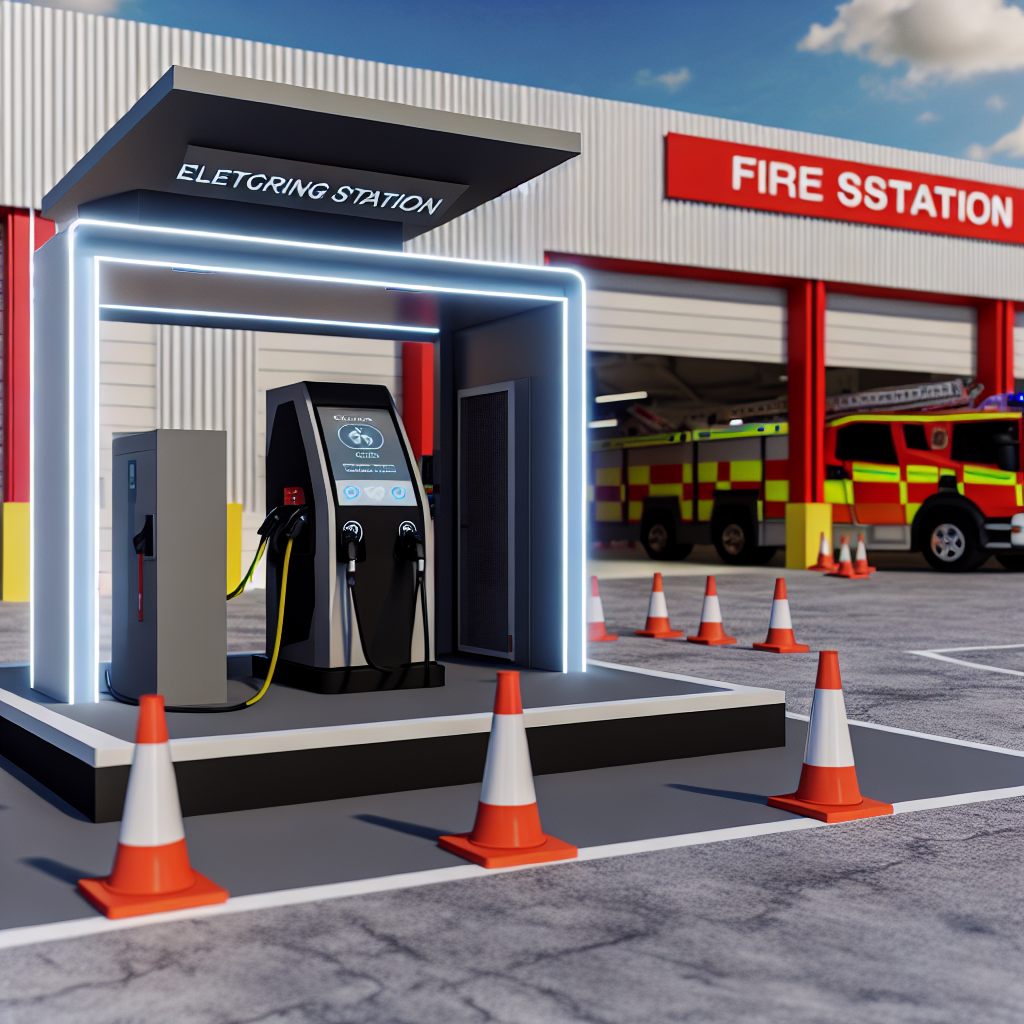
Maintenance Considerations for Electric Fire Trucks
As the fire service transitions toward electric fire trucks, understanding the unique maintenance requirements is vital for operational success. Unlike traditional fire trucks that run on diesel engines, electric vehicles present different challenges and advantages in their upkeep.
Battery Care
A key aspect of electric fire truck maintenance is battery care. Regular state-of-health checks are essential to ensure the battery performs optimally. The National Fire Protection Association (NFPA) recommends quarterly health checks, which include capacity testing, thermal imaging inspections, and verification of connection integrity. Maintaining the battery charge between 20 and 80 percent enhances performance and longevity, while avoiding deep discharges can prevent costly replacements.
Fewer Moving Parts
Electric fire trucks have significantly fewer moving parts compared to their traditional counterparts. This inherent design leads to lower maintenance requirements. Services typically needed for traditional trucks, such as engine oil changes and exhaust system checks, are eliminated. Consequently, maintenance costs reduce by about 40%, offering considerable savings over time, despite initial higher acquisition costs.
Specialized Training for Personnel
Maintaining electric fire trucks calls for specialized training for maintenance personnel. High-voltage safety training programs have been developed by organizations like the International Association of Fire Chiefs. These programs equip staff with the necessary skills to manage electric systems safely, covering critical areas such as high-voltage isolation, use of personal protective equipment, and emergency shutdown procedures.
Renewable Energy Sources
Integrating renewable energy sources can further enhance the maintenance and operational efficiency of electric fire trucks. Studies, such as one from the National Renewable Energy Laboratory, have demonstrated that charging stations powered by solar energy can reduce charging costs significantly. By leveraging renewable sources, fire departments can cut their lifetime carbon footprint substantially, solidifying their commitment to sustainability.
In conclusion, while electric fire trucks present unique maintenance considerations — from rigorous battery care and the benefits of fewer moving parts to the essential specialized training for staff — they also embody a forward-thinking approach to firefighting. Embracing renewables as part of their operations not only drives efficiency but also aligns fire departments with the environmental goals of the communities they serve.
In conclusion, the transition to electric fire trucks represents a significant advancement for fire departments, offering a myriad of advantages that enhance operational efficiency and community engagement. The reduction in operational costs cannot be overstated, with electric vehicles operating at a fraction of the expense of traditional diesel models. This efficiency is further emphasized by the quicker response times afforded by electric motors, which provide instantaneous torque, helping firefighters reach emergencies faster than ever before.
Moreover, the integration of electric fire trucks into a department’s fleet aligns with community values focused on sustainability and health. Residents are increasingly favorable towards departments that prioritize eco-friendly solutions, and the use of electric vehicles can improve public perception significantly. Furthermore, with zero tailpipe emissions, these trucks contribute positively to air quality and reduce the environmental impact of fire response operations.
However, to fully harness these benefits, it is essential for fire departments to invest in comprehensive and robust charging infrastructure. Implementing a proper charging solution, such as establishing 480-volt three-phase connections, is crucial for maintaining operational readiness and ensuring that electric fire trucks are always ready to serve. As discussed, planning for this infrastructure should begin well in advance, ideally nine to twelve months prior to acquiring electric vehicles.
Ultimately, embracing electric fire trucks is not merely a trend but a proactive step towards more efficient, cost-effective, and environmentally responsible firefighting. With the right charging infrastructure in place, fire departments can secure their future and lead the way in modern emergency response, demonstrating a commitment to innovation and sustainability that will benefit both their operations and the communities they protect.