
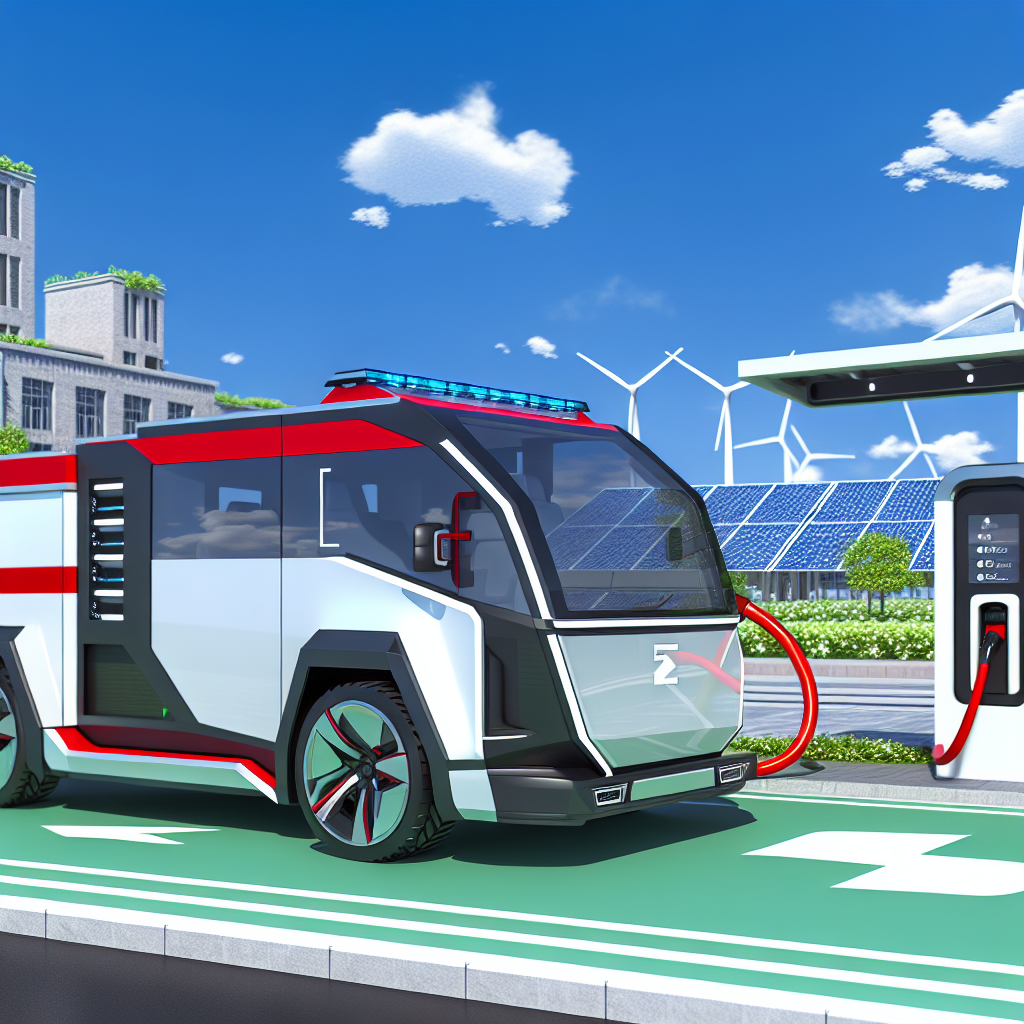
In the face of growing environmental concerns and technological advancements, the fire service is on the brink of a revolutionary shift—one that embraces the promise of electric fire trucks. As fire departments seek to enhance their operational capabilities while reducing their carbon footprints, the need for modern innovations in fire truck design has never been clearer. Electric fire trucks present an exciting opportunity: they not only serve the critical role of protecting lives and property, but they also align with sustainability goals that are becoming increasingly important to communities.
However, the transition to electric vehicles requires careful planning, especially regarding the necessary charging infrastructure. Understanding these innovations is essential for fire departments looking to modernize their fleets and embrace a future where both efficiency and environmental responsibility go hand in hand.
Key Innovations in Fire Truck Design
- Electric Drive Systems: Utilizing electric motors for propulsion to enhance efficiency and reduce emissions.
- Battery Technology: Advanced lithium-ion batteries increasing range and reducing the need for frequent charging.
- Charging Infrastructure: Development of scalable charging stations specifically designed for electric fire trucks, ensuring readiness for emergency response.
- Sustainable Materials: Use of lighter, recyclable materials in construction to improve fuel efficiency and reduce environmental impact.
- Energy Management Systems: Integrated systems to optimize energy consumption and battery performance during operations.
- Hybrid Models: Combining traditional combustion engines with electric features for better fuel efficiency and lower emissions.
Adding to these innovations is a strong endorsement from industry experts: “Rest assured, the process of integrating an electric fire truck into your department can run as seamlessly as adding any other type of fire apparatus.” This sentiment underscores the commitment and support available from manufacturers as departments make this significant transition.
Importance of Charging Infrastructure
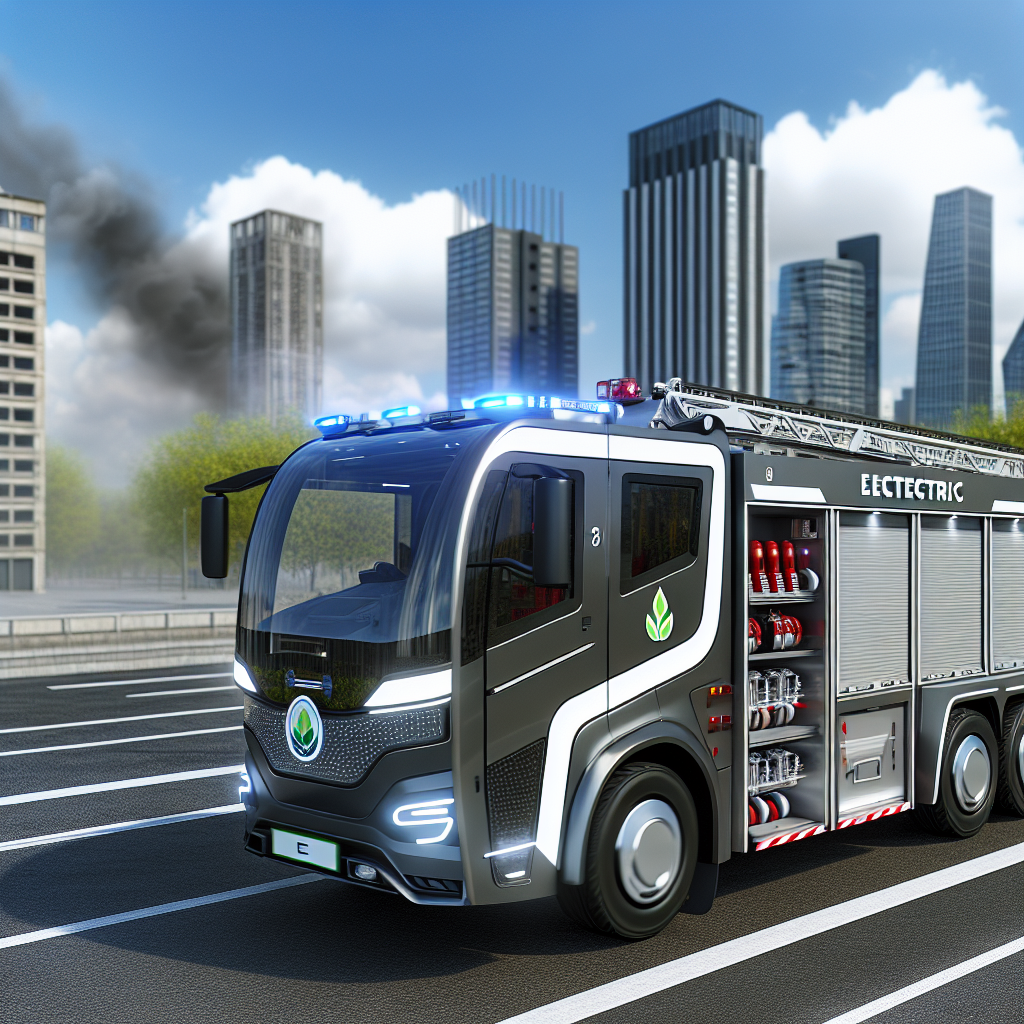
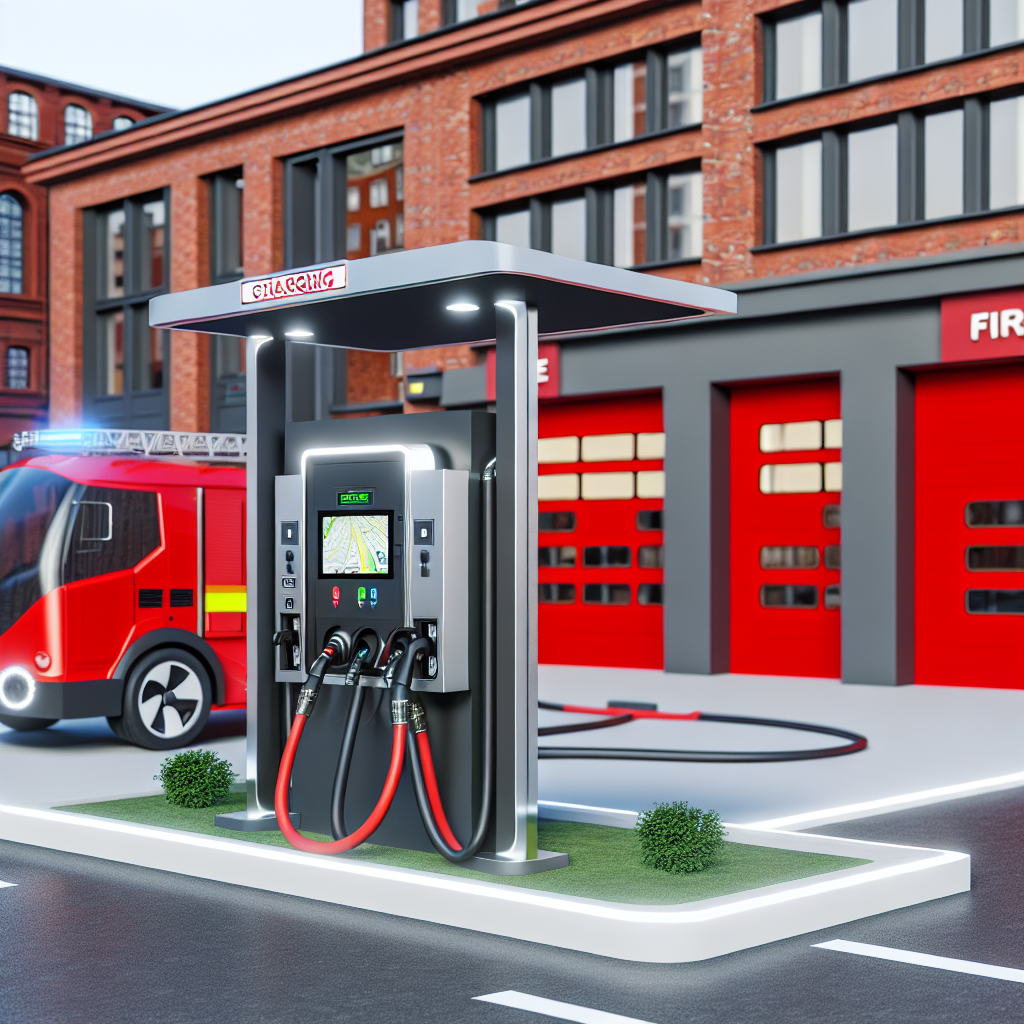
The deployment of electric fire trucks represents a significant advancement in firefighting technology. However, it necessitates an equally robust charging infrastructure to ensure their effectiveness and operational readiness. Proper charging infrastructure is crucial for enabling electric fire trucks to perform optimally during emergency situations.
Fire departments must plan for this infrastructure about 9 to 12 months in advance. This preparation timeline allows for the necessary assessments, procurement of equipment, and installation processes to take place without impacting the department’s readiness for emergencies.
Additionally, the charging infrastructure requires a substantial power supply, specifically 480-volt three-phase power. This is essential for the efficient operation of electric fire trucks. This requirement guarantees faster charging times, enabling vehicles to be quickly returned to service while also supporting the higher energy demands of modern electric emergency vehicles.
By investing in adequate charging facilities, fire departments can ensure that their electric fire trucks are always ready to respond. This enhances their firefighting capabilities while also contributing to sustainability goals within the community.
Expert Opinions on Charging Infrastructure for Electric Fire Trucks
As electric fire trucks begin to revolutionize the firefighting industry, charging infrastructure is becoming a critical aspect of successful implementation. Here, we summarize expert insights and recommendations on the readiness of fire departments for this transition:
- Comprehensive Assessment: It is vital for fire departments to conduct thorough assessments of their current electrical capacity and the space available for new charging installations. These evaluations should be done at least 9 to 12 months prior to the expected deployment of electric fire trucks to ensure that all necessary preparations can be completed without hampering emergency readiness.
- Cost Implications: The costs associated with implementing charging infrastructure can significantly vary. Estimates indicate that the price of charging stations can range from approximately $6,000 to over $80,000, depending on whether departments opt for Level 2 or DC fast charging systems. Additional studies, such as those from the Los Angeles Fire Department, reveal that initial setup costs—including necessary electrical upgrades and facility modifications—can exceed $300,000.
- Electrical Upgrades: Many fire departments may need to upgrade their electrical services dramatically, often requiring installations of 400-amp or higher capacities. Such upgrades necessitate coordination with utility companies to ensure there is a sufficient power supply for these new high-capacity charging systems.
- Maintenance Requirements: Experts note that maintenance demands for electric charging systems can be 20% to 30% greater than for traditional fuel systems. Departments must prepare accordingly by establishing maintenance agreements, as well as providing training for personnel on the proper upkeep and operation of the charging systems to maintain readiness for emergency responses.
- Implementation Phases: A gradual, phased implementation is heavily recommended. Departments should start by introducing electric support vehicles, as this allows for a smoother transition into adopting electric technology before moving on to electric frontline apparatus.
- Backup Systems and Redundancy: Planning for backup charging systems is essential to safeguard against potential downtime due to system failures or maintenance. Moreover, multiple personnel should be trained to operate and troubleshoot charging systems, a crucial step in ensuring that operational disruptions are minimized during emergency situations.
These expert insights highlight the necessity for fire departments to approach the transition to electric fire trucks with thorough planning and readiness, ensuring that infrastructure is not merely an afterthought but a cornerstone of a sustainable firefighting future.
| Electric Fire Truck Model | Battery Capacity (kWh) | Range (Miles) | Charging Time (DC Fast) | Unique Features |
|---|---|---|---|---|
| Pierce Volterra | 600 | 300 | 1-2 hours | Enhanced safety features, built on a proven chassis. |
| Oshkosh Striker Electric | 450 | 250 | 1.5-3 hours | All-wheel drive, compact design for urban use. |
| Rosenbauer Panther 3.0 | 540 | 280 | 1-2 hours | Specially designed for airport firefighting, advanced navigation. |
| E-ONE Cyclone II Electric | 500 | 250 | 2-4 hours | Modular design, easy integration with existing fleets. |
| LaFrance Firebolt Electric | 400 | 200 | 3-5 hours | Lightweight construction, effective braking system. |
Integration Process for Electric Fire Trucks
As fire departments consider integrating electric fire trucks into their fleets, a well-structured approach is vital to ensure a smooth transition. Here are essential steps and considerations to facilitate this integration:
- Conduct Feasibility Studies: Assess current infrastructure and operational needs. Evaluating power capabilities, space for charging stations, and sustainability goals is crucial.
- Infrastructure Planning: Planning for charging infrastructure, including environmentally sustainable options, should begin at least 9 to 12 months ahead of deployment to ensure readiness.
- Collaborate with Utility Companies: Engage with local utility providers early for assistance in upgrading electrical infrastructure to meet the power demands of electric fire trucks.
- Training and Preparation: Specialized programs for personnel to operate and maintain electric fire trucks effectively are essential, ensuring alignment with sustainability and community service goals.
By following these steps, fire departments can successfully integrate electric vehicles, enhance operational efficiency, and support broader sustainability initiatives within their communities.
Conclusion: Embracing the Future with Electric Fire Trucks
As fire departments worldwide navigate the complexities of modern firefighting, the adoption of electric fire trucks presents a transformative opportunity that aligns operational efficiency with environmental stewardship. Electric fire trucks promise reduced emissions, quieter operations, and lower fuel and maintenance costs—all vital benefits that can enhance community trust and support. However, the shift to electric vehicles is not merely about replacing older models; it involves a strategic commitment to planning and infrastructure development.
Planning for electric fire truck charging infrastructure should be a top priority for fire departments ready to embrace this innovative technology. By investing the necessary time—approximately 9 to 12 months prior to deployment—departments can ensure optimal setups that meet power requirements and operational demands. Skipping this vital planning phase can lead to inadequate charging capabilities, which directly affects response readiness in emergency situations. Therefore, engaging with utility companies early on and assessing power needs are crucial steps in this process.
In conclusion, adopting electric fire trucks is not just a logistical decision; it is a pledge towards sustainability and improved service to the community. As highlighted by the National Renewable Energy Laboratory, electric fire trucks reduce operational emissions by 100% during use and save approximately 35 tons of CO2 annually while cutting down particulate matter emissions by over 90%. Fire departments are encouraged to recognize this investment as part of a comprehensive strategy not just to modernize their fleets but to become trailblazers in the firefighting industry. Let us join hands in reshaping the future of firefighting by prioritizing electric solutions and championing the necessary infrastructure for a green and effective emergency response.