
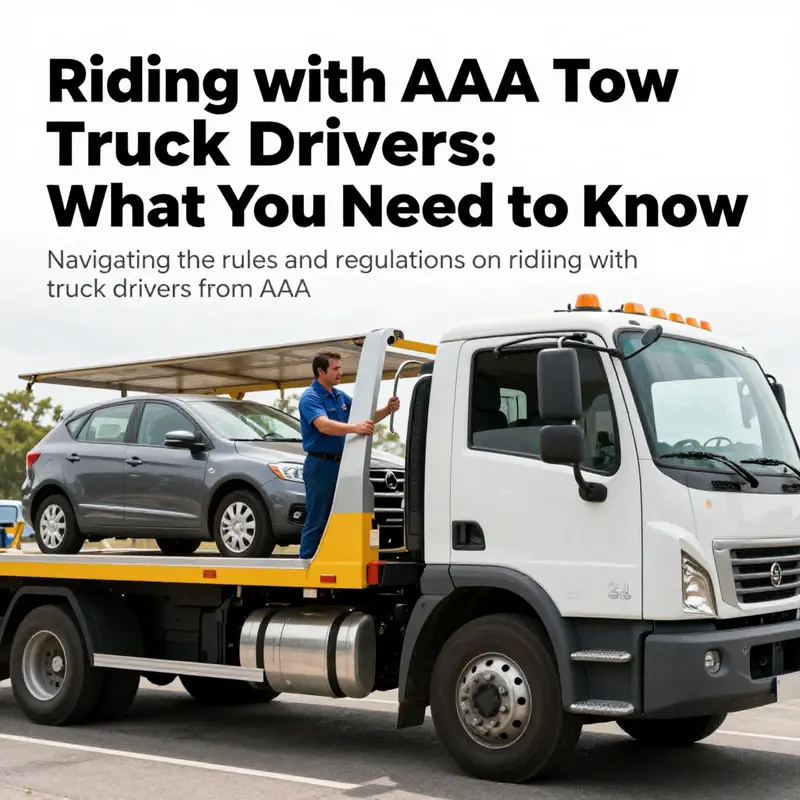
Many drivers find themselves needing roadside assistance at some point, sparking questions about the logistics and regulations surrounding tow truck services. A common inquiry revolves around whether you can accompany a tow truck driver while your vehicle is in transit. This article seeks to clarify this important aspect of towing services for everyday drivers, truck owners, property managers, and auto repair professionals. By delving into the specifics of riding with AAA tow truck drivers, the accompanying safety regulations, local laws, and AAA’s own policies, we aim to provide a comprehensive understanding of the subject. Additionally, we explore real-life scenarios that illustrate these points, ensuring that you are equipped with the knowledge to navigate your towing experience smoothly.
Riding with the Tow Truck: Navigating AAA’s Tow Policy, Safety, and Real-World Steps
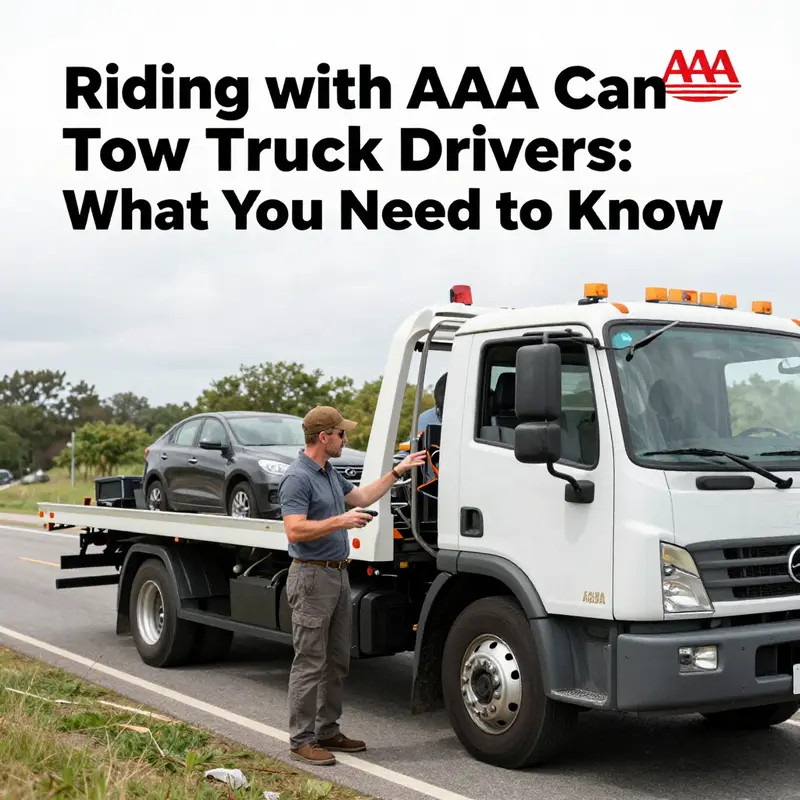
On a quiet stretch of highway, a roadside crisis hits your plans instead of your windshield. The car stalls, the battery sighs, or the gas gauge finally gives up. In these moments, your first instinct might be relief that help has arrived in the form of a tow truck. The question that often follows is simple but surprisingly nuanced: can I ride with the tow truck driver while my vehicle is being towed, especially when AAA is the service provider? The quick, honest answer is not a blanket yes. The landscape is shaped by safety concerns, company policy, dispatcher guidance, and the particular circumstances at the scene. AAA members frequently call for roadside assistance, and they may wonder if they are allowed to ride along in the tow truck’s passenger area. The policy isn’t universal, and it isn’t guaranteed. It hinges on several factors: the safety of everyone involved, the feasibility of the ride under the given conditions, and the authority of the driver on site to approve or deny such a request. In official terms, you may ride with the tow truck driver if it is safe and practical to do so, but that doesn’t translate into a universal permission for every tow, every time. This is why a direct check with the local AAA office or the service provider is essential before you count on a ride that feels like a small comfort in a stressful moment. Safety and liability sit at the core of this policy framework, and they shape what happens next on the roadside.
In practice, the majority of tow operators, including those affiliated with AAA networks, do not routinely allow passengers to ride inside the tow truck during the towing operation. The reasons are straightforward and compelling. First, safety is paramount. Tow operations involve heavy equipment, movement through traffic, sudden stops, and the potential for mechanical failure. An extra person in the cab increases the risk to both the driver and any passenger. Second, operational efficiency matters. A driver must concentrate on securing the vehicle, navigating, and communicating with dispatch. Additional people can become distractions at critical moments, complicating the process and possibly extending the time on the roadside. Third, company policy and liability considerations come into play. Tow-truck operators carry a spectrum of risk, and most policy frameworks discourage or prohibit passengers to minimize exposure to potential claims. This triad of safety, efficiency, and policy drives a cautious stance across the industry and explains why the default answer tends toward “no” in many scenarios.
Yet there are certain scenarios where accompanying the driver might be possible, though not common. One such scenario is when you drive your own vehicle behind the tow truck to the destination, rather than riding inside the tow truck itself. This arrangement is familiar to many drivers who want to ensure they can monitor the progress and be present for the handover at the repair shop or service facility. It preserves the driver’s focus during towing while still letting you stay connected to the process by following in your own vehicle. Another potential pathway, albeit rare and contingent on advance coordination, is explicit pre-approval from the service representative and the driver on scene. If there is a compelling reason—such as medical needs, a language barrier requiring assistance, or a previously agreed plan with the dispatcher—it might be possible to arrange a controlled, safe ride. But such exceptions are the exception rather than the rule, and they require clear, proactive communication with the dispatcher and the tow-truck operator before the tow begins.
If you find yourself in this position, practical steps help you navigate the situation with safety and clarity. Start by confirming policy before or at the moment the tow is requested. Ask the dispatcher about whether riding in the cab is allowed given the specific location, traffic conditions, and the type of tow. If you’re told that it’s not permitted, accept the decision and focus on the alternatives. If a ride might be possible, be prepared to follow the driver’s instructions precisely. Buckle up, keep hands inside the vehicle, and avoid leaning on doors or windows that could jam or rattle during transit. If the driver approves a ride, respect the driver’s judgment at all times. They are coordinating the vehicle, the equipment, and the safety of everyone involved. The on-scene reality can change in seconds—road conditions, weather shifts, or equipment adjustments can alter whether the ride remains safe or practical. In such moments, flexibility and deference to professional oversight reinforce everyone’s safety.
Beyond the immediate decision about riding, there is value in understanding the broader context of towing services. The question of whether you ride along touches on the economics and logistics of roadside assistance. Tow equipment, maintenance, insurance, and labor all factor into the cost and availability of services. If you are curious about the economics behind these services and the equipment used, consider reading about the tow-truck-cost-to-own. This resource can illuminate how operators plan for downtime, maintenance, and the feasibility of different service arrangements, which in turn informs policy decisions about whether to allow passengers in specific circumstances. While this exploration isn’t a substitute for speaking with your local AAA office or service provider, it provides a grounded picture of the practical realities that shape on-the-ground decisions during a tow.
For most people, the simplest and most reliable path remains straightforward: call AAA, listen to the dispatcher, and follow the driver’s guidance. The dispatcher’s role is to coordinate safety, route planning, and compliance with state or local regulations. They can offer the procedural reality of your area, such as whether passenger riding is permitted under certain conditions or whether an alternate arrangement is recommended. The driver, armed with the specifics of the scene, makes the final call on whether a ride is safe. The emphasis across the board is clear: safety first, liability second, and practicality third. It’s not about denying help or diminishing the value of assistance; it’s about preserving the integrity of the towing operation for everyone involved. If you do not get a ride, you can still stay connected by following in your own vehicle to the destination, or by arranging transportation once your vehicle has reached the repair facility. Either way, you are safeguarding yourself from the unpredictable variables of a roadside scene while ensuring the tow operation proceeds with minimal risk to all parties.
Ultimately, the question of riding with a tow-truck driver within an AAA-provided service comes down to a precise mix of policy, safety, and context. It is a reminder that even well-meaning requests can conflict with the actual practices that keep roadside assistance reliable and secure. As you plan for the moment you might need help, it can be empowering to know what to ask, what to expect, and what alternatives exist. The next time a tow is called, you’ll be better prepared to navigate the conversation with calm, clarity, and a clear sense of the safest possible outcome for you, your vehicle, and the driver.
External resource: https://www.aaa.com/
Riding Along Safely: What AAA Members Need to Know About Sharing a Tow Truck Ride
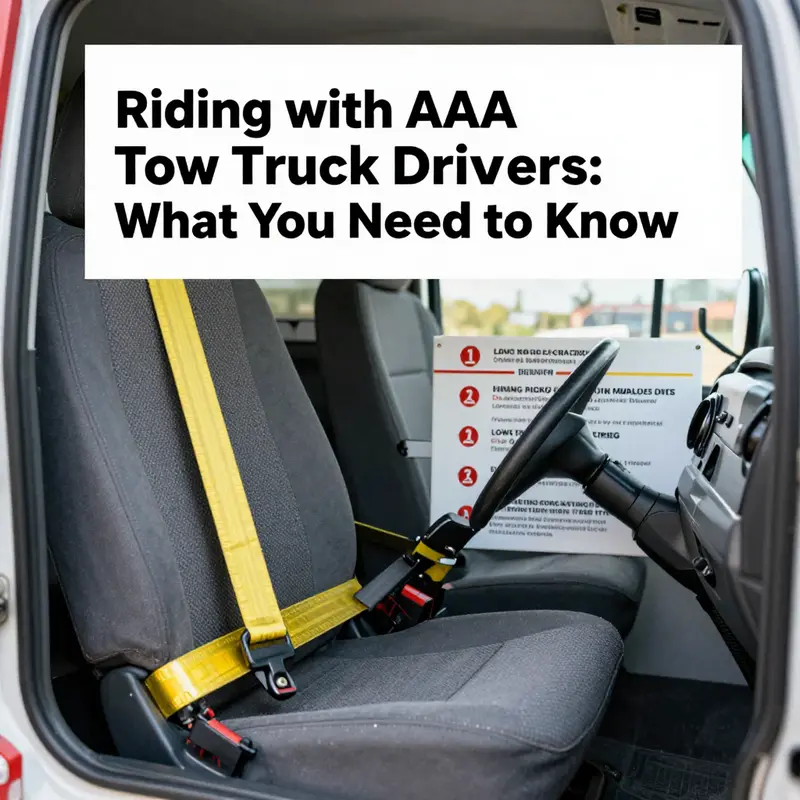
Riding with a tow truck driver is sometimes possible, but it is not an automatic or universal option. Policies vary by company, state law, and the situation at hand. There is no single national rule that says you can always hop into a tow truck when your car is towed. Instead, safety rules, equipment limits, and liability concerns shape whether a driver will allow a passenger. Understanding those constraints helps you make smart choices at the roadside and communicate clearly with dispatch.
Most tow truck cabs are built for one occupant. The driver’s workspace includes controls for the truck and towing equipment. Extra passengers can interfere with access to those controls and introduce distractions. For that reason, many companies and drivers decline extra riders while the vehicle is being loaded or transported. Even if the cab physically fits more people, local rules or company policy may prohibit carrying passengers during an active tow. In short, a driver’s willingness to let you ride depends on safety, regulation, and judgment.
Equipment and connection standards influence whether a vehicle is safe to tow, and these same standards matter when considering a passenger. Many state regulations require proper coupling hardware like spacer bars and safety chains to keep a towed vehicle secure. Safety chains should be crossed and attached to prevent separation if a hitch fails. A well-installed hitch, locked tow bar, and appropriate braking system work together to keep both trucks and towed vehicles stable. Those engineering safeguards reduce the risk of a towing incident, but they do not remove the extra risk of carrying a passenger in the tow truck.
Liability and insurance are crucial. If a driver permits a passenger, the insurance implications differ by company and jurisdiction. A carrier may have coverage that allows short passenger transport, such as moving the vehicle owner to a repair shop. Other carriers exclude non-employees from coverage when the truck is in service. Drivers often choose to err on the side of caution and ask passengers to arrange alternate transport when practical. When a passenger ride is permitted, the driver may insist on seatbelt use and will typically limit riding to the passenger compartment only. Riding on the towing apparatus, in the bed, or in an unsecured area is unacceptable and dangerous.
Certain situations make passenger transport more likely. If you are injured, frightened, or stranded in an unsafe location, a driver may agree to transport you to a nearby safe area, hospital, or repair facility. Likewise, in low-speed, short-distance transfers—such as moving a disabled vehicle across a lot or to a nearby garage—drivers sometimes accept a passenger. However, these allowances are case-by-case and depend on driver discretion and company policy. If you are a member of a roadside assistance organization, ask the dispatcher when you call. They can tell you if a rider is allowed in your area and under your membership plan.
Practical safety steps are simple and effective. First, follow the driver’s instructions at the scene. They are trained to handle anchoring, winching, and loading. Stay clear of tensioned cables and chains; they can snap with dangerous force. Stand upwind and away from the flow of traffic when possible. If you must wait outside the vehicle, choose a flat, visible area away from lanes. Use hazard lights and reflective gear if available. Do not attempt to assist with anchoring or operating equipment unless the driver explicitly asks for help.
Ask three clear questions when you request a tow: (1) Will the tow truck allow me to ride? (2) If yes, where will I sit and what are the seatbelt rules? (3) Will riding affect my insurance or liability? Getting answers before the truck arrives sets expectations. If the dispatcher says it is allowed, confirm the driver’s final call on arrival. Many drivers will repeat the policy and explain any safety precautions you must follow.
If a ride is denied, know your alternatives. Ask the tow operator to call a taxi, a friend, or a ride-hailing service. Most roadside assistance plans include reimbursement or help arranging transportation in some cases. Another option is to request that the driver drop you at a safe, designated spot rather than leaving you on a busy shoulder. Avoid getting into other towing compartments or the back of a flatbed; those areas are not designed for passengers and can be unsafe.
Keep documentation for peace of mind. If you are allowed to ride, note the time, the driver’s name, and the company. A brief photo of the tow truck and license plate can help if a dispute arises later. If you had to wait for another ride, keep receipts you may need to file a reimbursement or insurance claim.
Training and technology also reduce risk. Professional drivers complete training on secure towing techniques and accident avoidance. Advances in vehicle restraint technology and towing equipment make operations safer. If you want more background on how technology and safety practices impact towing, consider this resource on tow truck technology and safety for a deeper look: tow truck technology and safety. That piece explains equipment upgrades and operational procedures that directly affect whether a passenger can be carried safely.
Regulations differ by state. Some jurisdictions set explicit equipment and procedure standards for towing companies. These rules often govern the design and maintenance of towing rigs, the use of safety chains, and how to secure towed vehicles. For specific technical standards and legal requirements, refer to authoritative state resources. For example, regulations that require proper spacer bars and safety chains are detailed by some state transportation departments. An official state guidance page is a good place to confirm local requirements and to learn what a tow operator should legally maintain: https://www.dol.wa.gov/programs/towtruckrequirements.html
If you are an AAA member, the same principles apply. Membership gives access to roadside assistance, but it does not create a blanket rule that you may ride in every towed truck. Always check with your local dispatch when you call. Ask about rider policy, confirm the driver’s authority, and follow safety directions at the scene. When you prepare for a possible tow, plan alternate transportation and keep essential information handy. Doing so reduces stress, keeps you safe, and ensures a clear outcome whether you ride or wait for another option.
null
null
Can You Ride with an AAA Tow Truck Driver? Practical Rules, Risks, and What to Ask
When your vehicle needs towing, the immediate question is often simple: can I go with the tow truck driver? The short, practical answer is: sometimes, but not usually. There is no single nationwide rule that allows or forbids passengers in tow trucks. Instead, the decision depends on safety, insurance, local regulations, and the operator’s policies. Understanding how those factors interact will help you ask the right questions when you call for assistance and avoid surprises at the roadside.
Tow operations are focused on moving a vehicle safely. Tow trucks are designed for equipment and cargo, not for carrying extra passengers. Many towing companies and their contract partners limit passengers for several clear reasons. First, safety: towing often involves heavy loads, unfamiliar routes, and road conditions that require the driver’s full attention. Having a passenger can increase distraction and complicate emergency responses. Second, insurance and liability: if someone other than the driver is injured during transport, claims and legal exposure can become complex. Third, space and equipment: a tow truck’s cab is compact and often lacks a comfortable, secure passenger seat for long rides. These realities mean that a technician will often decline to provide a lift unless special circumstances apply.
That said, AAA’s roadside assistance model is built to prioritize member safety and convenience. When you call, staff will evaluate the situation and dispatch the appropriate service. In many cases, the technician will tow your vehicle to a nearby repair facility or a location you designate. The official guidance emphasizes transporting the vehicle, not carrying passengers, but it also recognizes practical exceptions. If riding along is safe and practical, some technicians may agree to let you ride in the cab or follow the truck to a nearby location. This is not a guaranteed service, however, and it varies by region and the contracted towing provider assigned to your call.
Practical exceptions are important to know. If you have a medical condition, mobility limitation, or are stranded in a dangerous area, explain that when you call. Customer service can note the need and possibly assign a technician who can offer a short, safe ride. Similarly, if the tow is local and short, a driver may agree to drop you at a safe nearby spot after loading your vehicle. These accommodations are discretionary. Always request them explicitly and confirm whether the dispatched tow provider can honor them.
Insurance and legal considerations drive many denials of passenger rides. A tow company’s insurance policy may not cover additional passengers, especially if the passenger is not an employee. If a tow truck is involved in an accident while carrying an unauthorized passenger, both the passenger and the company could face difficulty recovering damages. For this reason, many operators have a written rule against non-employee passengers. If the tow driver allows a ride, they may require the passenger to sign a waiver or agree to specific conditions. Asking about insurance coverage and potential paperwork before getting in is wise.
Local laws and municipal rules also matter. Some jurisdictions regulate what a tow truck may carry and where passengers can be transported. Police-scene tows, accident recovery, or large-haul situations often follow stricter protocols that prohibit passengers altogether. If you are being towed from an accident scene, expect emergency services or law enforcement to set the ground rules. When in doubt, ask the AAA dispatcher whether local rules affect passenger transport for your call.
Knowing what to say and do when you call will improve the chances of a helpful outcome. Describe your physical needs and location clearly. If you would prefer to ride with the driver, say so early in the call. Use specific language: for example, “I need a tow and I cannot drive or get a ride home. Is it possible for the technician to transport me to my home or a nearby safe location?” If special medical considerations exist, mention them. Request any anticipated paperwork, and ask whether a short passenger ride is allowed under the policy and insurance coverage.
If riding with the tow driver is not possible, plan alternatives before or during the tow. AAA can often help arrange a second vehicle pickup, a taxi or ride app, or a ride through friends or family. Ask the dispatcher to note your preferred option if the driver cannot accommodate you. For members who carry additional coverage or benefits, confirm whether a courtesy transport is included. Knowing your alternatives will prevent being stranded once your vehicle is secure.
At the scene, follow basic safety. Stay off the road and in a safe zone while the technician works. Keep children and pets away from the work area. If the driver agrees to let you ride, get clear instructions on where to sit and what to expect. Tow cabs vary. Some have one passenger seat, others are single-cab work trucks with limited room. Do not climb into the back or stand in any unsecured area. If the ride will involve highway travel, ask whether seatbelts and seating meet safety standards.
There are also etiquette and practical considerations. Be ready to pay the tow or provide member information when asked. A brief, polite offer of a tip for extra help is common, but confirm first whether the service allows it. If the driver gives you a lift, keep conversations to a minimum and avoid distracting them during operation. Remember that accepting a lift is a courtesy, and the technician may have time or policy constraints.
For those interested in the technical side of why tow trucks are limited for passengers, there is useful information on industry safety and equipment. Reading about tow truck safety and equipment design can clarify why operators restrict passengers. For a more technical view of how truck design affects safety, see this piece on tow truck technology and safety: tow-truck-technology-and-safety.
In short, you can sometimes ride with a tow truck driver, but it is not standard. The best approach is to explain your situation clearly when you call for assistance. Ask explicitly about passenger transport, insurance, and any paperwork. Expect the technician’s judgment and local rules to influence the outcome. If a ride is not possible, request help arranging an alternative and follow safety guidance at the scene. Clear communication and realistic expectations will make a difficult roadside moment far more manageable.
For official service descriptions and to confirm local policies, check the membership roadside assistance page, which outlines how vehicle transport is handled and what to expect from dispatched technicians: https://www.aaa.com/roadside-assistance/
null
null
Final thoughts
Understanding whether you can ride with an AAA tow truck driver is essential for drivers needing roadside assistance. While specific conditions apply, familiarizing yourself with safety regulations, local laws, and AAA’s policies can enhance your overall experience. With this knowledge, drivers can feel confident and better prepared in the event of needing assistance on the road. Always remember safety is paramount when considering a ride with a tow truck driver.