
Renting a tow truck can be a lifeline for everyday drivers, truck owners, and businesses alike when facing vehicle breakdowns or transportation needs. The process might seem daunting, but understanding the mechanics behind it can empower you to make informed decisions. This article explores the essential aspects of tow truck rentals, breaking it into three insightful chapters. First, we’ll delve into the rental process, so you’ll know exactly what to expect. Next, we’ll highlight critical considerations to keep in mind before making a rental decision. Finally, we’ll guide you through the various options and availability in your area, ensuring you find the best service suited to your needs. With this knowledge, you can approach the rental experience with confidence and assurance.
The Complete Roadmap to Renting the Right Tow Truck
When you face a situation that demands heavy hauling or vehicle recovery, renting a tow truck can be the most practical solution. Whether you are an auto dealer needing to move inventory, a small business managing equipment transport, or an individual handling an unexpected breakdown, the process is more accessible than ever. Modern rental platforms and specialized providers have streamlined every step, from selecting the right vehicle to scheduling delivery and ensuring regulatory compliance.
The journey begins by defining your exact requirements. Are you transporting a low‐clearance sports car, pulling a disabled vehicle off a shoulder, or shifting industrial machinery across a site? Each scenario calls for a specific configuration. Flatbed rollback units protect luxury undercarriages, while 20‐ton wreckers deliver the brute force needed for extractions and accident response. Mini tow systems handle light‐duty tasks without the footprint of a full‐size truck. A clear grasp of your load type, weight, and distance ensures you select equipment that matches your challenge without overspending.
Once your needs are clear, explore both local and digital rental options. Local firms often provide flexible pick-up times, on-site support, and tailored service packages. Online platforms enable quick comparisons of availability, rates, and customer reviews. Many of these platforms even offer dedicated mobile applications, putting tow truck booking in the palm of your hand. You can find a highly rated tow truck rental app in the App Store here: tow truck rental app. These tools let you filter by truck type, rental period, and geographic area, while offering instant quotes and secure payment portals.
Matching Tow Truck Types to Your Task
Selecting the right tow truck is critical to a smooth operation. A flatbed or rollback truck is perfect for vehicles with low ground clearance, exotic finishes, or front-wheel-drive systems. It keeps the entire vehicle off the road surface, eliminating stress on suspension and driveline components. For heavy rescue and off-road recovery, a 20-ton wrecker with a rotating boom and powerful winch is indispensable. These units can manage accident scenes, dig vehicles out of ditches, and tow large trucks or buses.
If you need to move multiple light vehicles or small machinery on a tight budget, consider mini tow systems. These tow dollies or small rollbacks can handle cars and light SUVs without the cost of a full-size rig. Many rental providers group mini systems into affordable bundles, offering short-term and long-term deals to suit business or personal budgets.
Navigating Rental Agreements and Compliance
With the right truck type identified, attention turns to rental agreements. Review mileage allowances, fuel policies, insurance coverage, and any deposit requirements. Some companies include unlimited mileage within a defined radius, while others charge per mile. Confirm whether fuel is full-to-full or billed at return, and weigh this against local fuel prices to avoid hidden fees.
Insurance is another cornerstone. Most rental contracts require you to carry liability and collision protection that meets or exceeds local standards. Confirm that the tow truck provider’s fleet adheres to up-to-date mechanical and safety inspections. You can learn more about industry technological and safety standards in this detailed overview of tow truck regulations: technological and safety standards.
Operator qualifications are equally important. Advanced systems like hydraulic rollbacks and high-capacity wreckers demand trained drivers. If you lack a certified operator, ask the provider whether they supply an experienced driver with the vehicle. This service can save time and reduce liability, especially in high-risk or emergency scenarios.
Seamless Booking and Delivery
After finalizing your truck type and agreement, you can usually book online or by phone. Online platforms confirm availability instantly and secure your reservation with a few clicks. Phone bookings offer personalized guidance, helping you tailor add-ons like towing straps, winch extensions, or debris cleanup tools.
Delivery options vary. Some providers allow you to pick up at a convenient depot, while others deliver directly to your site. When delivery is included, inspect the vehicle upon arrival. Check brake function, lighting systems, winch operation, and emergency equipment. A brief walkthrough ensures the truck matches the reserved specifications.
Maximizing Efficiency and Costs
Cost management goes beyond comparing daily rates. Consider the efficiency advantages of choosing the exact truck size. An oversized wrecker on a simple flatbed job may cost more per hour and consume extra fuel. Conversely, underpowered equipment can lead to delays, additional rentals, or even safety incidents.
Long-term rentals often unlock volume discounts. If you have ongoing towing needs—such as a fleet support contract or seasonal equipment moves—negotiating a monthly rate can yield significant savings. Many providers also waive delivery fees for longer commitments.
Return procedures should be clear. Return the truck in the same condition to avoid cleaning charges. Ensure fuel levels match the agreed policy and remove all personal tools. A smooth return process recovers your deposit faster and sets the stage for future rentals.
In practice, renting a tow truck has evolved into a user-friendly, scalable solution for businesses and individuals alike. By pinpointing your hauling needs, selecting the proper equipment, and navigating rental agreements carefully, you can turn a stressful scenario into a controlled operation. Technology now puts entire fleets at your fingertips, backed by transparent pricing and reliable support. With this roadmap, you are equipped to secure the right tow truck on your schedule, at a competitive rate, and with the confidence that every regulatory box is checked.
Tow-Proofing Your Plan: A Cohesive Guide to Renting a Tow Truck with Safety, Savvy, and Sense
When a roadside setback happens, the first impulse is often to call for help. The instinct to get back on the road quickly is understandable, but there are moments when renting a tow truck becomes a practical, even strategic choice. A rental can offer speed, control, and flexibility, allowing you to move a vehicle, recover gear, or reposition assets without waiting for a service provider to arrive. Yet the decision to rent a tow truck is not a simple one. It comes with responsibilities that extend beyond payment and pickup. It demands a thoughtful assessment of weight, equipment, and policy, a readiness to adapt to road conditions, and a respect for safety that keeps everyone on the scene out of harm’s way. The chapters that follow are not a catalog of do this and do not do that. They are a narrative about how to approach a tow truck rental as a practical, safety minded process that fits the specifics of your situation. The aim is to translate a potentially stressful moment into a well controlled operation, where the right vehicle, the right setup, and the right mindset converge to keep people safe and the work efficient.
To begin, think of a tow truck rental not as a single tool but as a small system that includes the vehicle you’ll drive, the hitching and securing methods you’ll employ, and the phasing of the operation from planning to return. A central question anchors the planning: what am I pulling, and how far is the pull? That question leads to a cascade of considerations that guide every subsequent choice. You are not simply choosing a ride; you are configuring a mobile platform that must perform at a level of reliability appropriate to the load and the environment. In practical terms, this means translating weight estimates into a capacity check, confirming the right hitch and electrical connections, and aligning the rental terms with the realities of your task. You may find that the budget you set early on hinges on a few subtle but critical decisions, including whether you need a wheel lift or an integrated unit, and whether you will be operating on highways, rural roads, or both. Budgeting thus starts with clarity about task scope and ends with a value proposition that makes sense for your needs and your timeline.
Capacity is the first axis of sound planning. Tow trucks are built to move things, but they do so within limits. The key is to verify that the machine you rent can safely handle the weight of the vehicle or load you intend to tow. This is not a matter of approximate judgment. It requires weighing or accurately estimating the vehicle’s weight, including any ballast from gear or cargo you may be towing. The capacity rating on the tow truck is a hard ceiling, and exceeding it can lead to failure of the drivetrain, brakes, or suspension, and at worst a loss of control on the road. The practical implication is simple: you must compare the truck’s stated capacity to the weight of the load you plan to tow, leaving a comfortable margin for dynamic forces during travel. If you are unsure about the weight, consult the vehicle documentation or seek guidance from the rental provider. A careful approach eliminates a host of problems before they begin, and it keeps you from discovering a mismatch only after you have committed to a route with accelerating traffic and variable weather.
Beyond raw weight, you must attend to the hitch type and the equipment that attaches the vehicle to the tow system. The world of towing is not one-size-fits-all. Different vehicle configurations, different trailers, and different recovery scenarios call for different couplers, ball mounts, or fifth wheel arrangements. The critical question is whether the hitch type and the accompanying hardware on the rental unit are compatible with the car you intend to move and with the method you plan to use to secure it. The securing process is not a cosmetic step; it is a fundamental safety protocol. Insufficient or mismatched equipment can result in a loosening connection, shifting weight during braking, or a trailer that behaves unpredictably as you steer. A calm, deliberate check of the hardware—pins seated, couplers locked, safety chains engaged, and load properly balanced—transforms a potential risk into a routine operation. The rental choice should reflect not only the type of tow truck but also the type of load and the terrain you expect to encounter.
Another essential axis is the brake controller. If you intend to tow a trailer with electric brakes, the vehicle must communicate with the trailer’s braking system to distribute braking force proportionally. The presence and compatibility of a brake controller can dramatically affect stopping distance, steering control, and overall handling in traffic. When you are renting, ensure the unit has a functioning brake controller, or make arrangements to rent with the appropriate add ons. The difference between a confident stop and a late, abrupt deceleration is not a matter of preference but of safe operation. For those who plan longer moves or visits to changing terrain, a properly set up brake controller is an indispensable part of the safety envelope. If you are uncertain about how to verify or adjust the controller, seek a quick training or a hands-on walkthrough from the rental staff. It is common for drivers to underestimate the complexity of this feature until they confront a routine stop that requires precise control across varying road conditions.
Rental policies are not an afterthought. They define the boundaries of the rental relationship, including what you can tow, where you can use the truck, how many miles you can travel before fees apply, and what insurance coverage is in place. It is typical for providers to impose restrictions or additional fees for towing activities, especially when the operation involves heavier equipment or urban routes with dense traffic. You should read the policy with the same care you bring to the load calculation. Understand what liability coverage is included, whether there are extra charges for towing, and what applies if you exceed mileage or time limits. The goal is to avoid surprises that could undermine a successful operation or create a financial burden after the fact. A transparent, upfront discussion about policy expectations helps both sides prepare for contingencies that may arise, such as delays caused by weather or road closures, or the need to reposition the vehicle during the rental window.
The type of tow truck you choose is the practical hinge that connects planning to execution. A wheel-lift tow truck is often ideal for short-distance urban towing or for recovering disabled vehicles on highways. Its compact design allows rapid deployment and straightforward loading. The integrated tow truck, which combines a flatbed with wheel-lift functions, offers versatility in recovery scenarios that involve damaged or low-clearance vehicles, or where the terrain demands a more adaptable approach. The decision between these types should flow from the weight and geometry of the load, the road environment, and the degree of maneuverability you need. If you anticipate limited space, tight turns, or a high degree of vehicle variability, the integrated option may be worth the extra consideration. If your aim is quick, simple, and reliable short moves, a wheel-lift model could be the more efficient fit. This is not a matter of prestige or preference but of matching capability to the task at hand. It is worth noting that the rental provider can be a valuable advisor here, given their familiarity with the specific vehicles and the kinds of recoveries their fleet routinely handles. Their input can help you avoid mismatches that would otherwise lead to delays or compromised safety.
As you build the plan, remember that the operation is not just about the mechanics of towing. It also hinges on stewardship of safety and compliance. Before you even start the engine, you should be mentally prepared to manage a dynamic worksite. This means clear communication with any other drivers or bystanders, appropriate placement of warning devices, and a quick risk assessment for the moment you begin to tow. On a busy street, the plan will differ from a rural back road or a steep grade. A tow is a coordinated exercise that requires attention to weight distribution, braking behavior, steering input, and the vehicle’s overall stability. If you are operating near crowds or in high-traffic conditions, extra caution becomes essential. In some environments, a second pair of eyes can be invaluable for monitoring the load and the rig as a whole. The mental discipline to slow down, verify connections, and observe the system as it comes under load often pays dividends in reduced risk and smoother execution.
The economics of renting a tow truck also deserves careful thought, because the numbers are rarely as simple as the sticker price. The total cost is a function of the rental rate, the duration of the rental, the distance traveled, and any add-on charges for insurance, equipment, or specialized towing. In the planning phase, quantify these factors and attach them to the likelihood of return trips, time on site, or the need to haul extra gear. The result should be a clear, defendable budget that aligns with the scope of the task and with the time window you have to complete it. A well-structured budget reduces stress on the scene and improves the likelihood that you will be able to manage contingencies without compromising on safety. You may discover that a slightly longer rental period with a modest daily rate offers a smoother workflow and fewer risks than a rushed, shorter window that ends with hurried, suboptimal decisions. The balance between cost and reliability is not a mere accounting choice; it is a strategic decision that affects safety, efficiency, and your ability to maintain control over the situation.
In addition to the physical and financial considerations, there is a practical matter of readiness and competence. The rental experience is enhanced when you have baseline familiarity with the equipment and a plan for how you will operate it. If you already have experience with towing operations, you can translate that knowledge directly into a safer, more efficient rental. If your experience is limited, consider a brief orientation with the rental staff, or arrange for a trusted operator to accompany you on the first trips. The goal is not to prove you can wing it but to ensure you can function competently and safely in a real-world scenario. This mindset, more than anything, differentiates a routine rental from a hazardous improvisation. It also helps you avoid the temptation to take shortcuts that could threaten the integrity of the load or the safety of the people around you.
The decision to rent a tow truck should be grounded in a careful synthesis of these factors. Capacity, hitching hardware, brake control, rental policies, and the choice between wheel-lift and integrated configurations all inform the plan. The conversation you have with the rental provider is not a ceremonial formality but a substantive step toward aligning the vehicle, the equipment, and the operation with the demands of the task. In practical terms, you should walk away from the conversation with a clear statement of the load you intend to tow, the route you will take, the expected duration of the rental, and the conditions that will govern use. You should also have agreement on insurance coverage, liability, and incident reporting. This clarity creates a shared understanding that reduces the chance of disputes after the fact and ensures that both parties share a common goal: to move the load safely and efficiently.
As you reflect on the full arc of renting a tow truck, you may find that the process reveals more questions than answers at first glance. That is normal. The more you learn, the better you become at steering through the complexities. You may even realize that some tasks are better left to professional operators with specialized equipment and trained crews, especially when the load is heavy, the route is complicated, or the consequences of error are high. The value of a rental lies not only in the vehicle you drive but also in the discipline you bring to the task. A disciplined approach yields predictable outcomes, reduces the risk of damage to the vehicle or the road, and protects the people who share the space with you. The goal is not simply to complete a tow. It is to complete it with a level of safety, control, and efficiency that makes subsequent steps—whether that means delivering a vehicle to a shop, returning the equipment on time, or continuing your journey—significantly more straightforward.
In the end, renting a tow truck is a pragmatic option for many professional and private users. It can provide rapid access to the right tool for the job, enhance your control over the operation, and reduce the stress that often accompanies vehicle recovery or repositioning tasks. But it is not a cure-all. It requires careful preparation, precise matching of equipment to load, and a commitment to safety that remains constant from the moment you plan to pick up the truck to the moment you return it. The more you engage with the process as a system rather than as a single vehicle, the more reliably you will succeed. And if you keep the guiding questions in view—what am I towing, what is the weight, what are the road conditions, what are the rental terms, and what is the safest way to execute the move?—you will lay a foundation that supports safe, efficient, and budget-conscious towing operations whenever the need arises.
For readers seeking a deeper dive into the cost dynamics of tow trucks and related equipment, a practical perspective on pricing and budgeting can be found at the resource that examines the broader question of how much a tow truck costs. This exploration provides a framework for evaluating rental options, comparing day rates, mileage fees, and insurance considerations in a way that complements the planning discussed here. As you consider the financial side of the decision, integrating this cost awareness with the technical and safety considerations already outlined will help you approach a tow truck rental with both confidence and caution. How much is a tow truck is a question that deserves a thoughtful answer, and anchoring your plan to that answer helps ensure you are ready when the moment arrives.
An additional point to consider relates to the bigger picture of readiness and emergency planning. If you anticipate frequent needs for vehicle movement, you may want to weave tow truck readiness into your broader operations policy. This could involve standard checklists for equipment, routine maintenance schedules for the rental unit, or even the creation of a simple, field-friendly guide for drivers who will operate the unit. The aim is not to replace professional training but to create a baseline level of fluency that reduces hesitation and fosters smoother execution. In high-stakes situations, even small improvements in preparation and communication can translate into meaningful gains in safety and efficiency. The chapter you are reading aims to embed these lessons in a seamless, narrative flow, guiding you through the process of selecting, preparing, and using a tow truck rental as a practical solution for a range of towing needs. It is a reminder that approach matters as much as hardware, and that thoughtful preparation multiplies the value of every minute spent on the scene.
For those who crave a concrete path to action, the following approach tends to work well in real-world scenarios. Start with a clear load assessment: determine the weight and balance of the vehicle or cargo you intend to tow. Then confirm the capacity and equipment on the rental unit, including hitch type and brake controller readiness. Review the rental policy for restrictions, insurance, and fees. Decide on the tow truck type based on the load and the road environment. Establish a safety plan that covers site control, warning devices, and secure connections. Finally, create a budget that accounts for the rental rate, possible mileage, insurance, and contingency costs. By walking through these steps in a deliberate, unrushed manner, you position yourself to complete the job with minimal risk and maximum efficiency.
If you are curious about how long such operations typically take and how to structure the move for efficiency, consider the broader context of professional operational planning. While this chapter focuses on the rental decision itself, the underlying principles mirror those used in more complex field operations. Clear objectives, accurate data on load and distance, and disciplined execution are universal signals of effective planning. With that mindset, renting a tow truck can become not a stress point but a strategic tool that helps you manage a challenging moment with composure, skill, and accountability. As you move from planning to execution, remember that safety is never negotiable. It is the quiet discipline that underpins every successful tow operation, and it is the bedrock upon which a rental plan earns its true value.
External resource for broader guidance: A Practical Guide to Renting a Pickup Truck to Tow a Trailer. https://www.aaacarrentals.com/blog/how-to-rent-a-pickup-truck-to-tow-a-trailer/
Finding Your Local Tow Truck Rental: Navigating Availability, Options, and Essentials
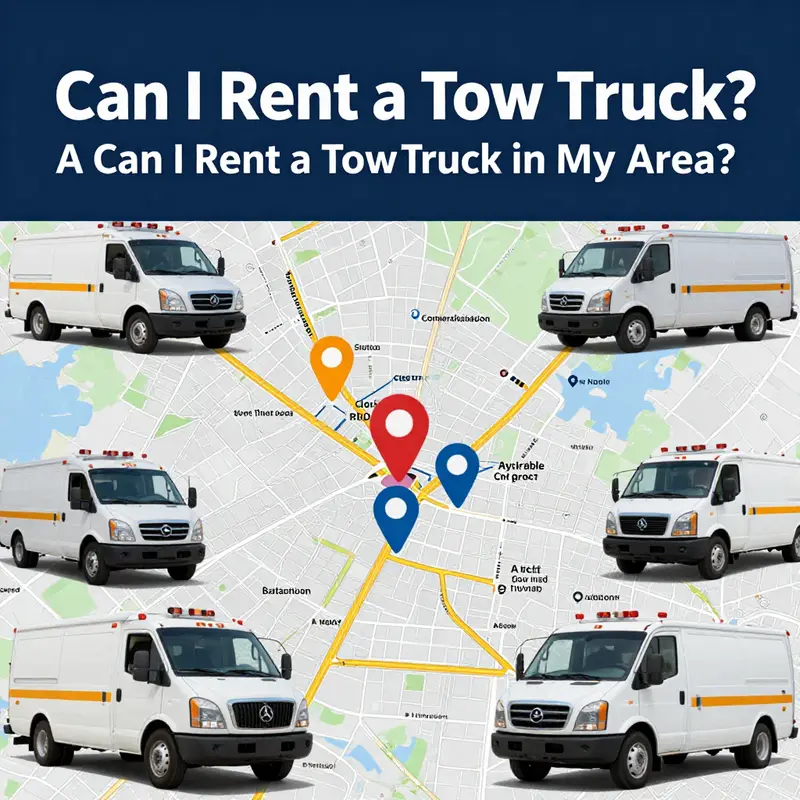
When you’re stranded on the side of the road or need to move a disabled vehicle, knowing how to rent a tow truck in your area can save you time, stress, and money. Availability is driven by geography, demand and the nature of your hauling needs. In dense urban centers and industrial districts, you’ll find a range of rental outlets ready to serve both personal and commercial requirements. In more remote or rural settings, options may be limited to regional providers or specialized heavy-equipment firms. Understanding how to locate, evaluate and book the right tow truck for your situation involves a few key steps and considerations.
From flatbeds to wheel-lift carriers, the types of tow trucks available for rent span light-duty models for everyday use to heavy-duty rigs designed for large vehicles or equipment. Before you dial a local towing company, take stock of your vehicle’s weight and dimensions, the distance you plan to travel and the surface conditions at pickup and drop-off points. A compact wheel-lift truck might suffice for towing a small sedan around town, but a flatbed rig could be the safer choice if you’re hauling a low-clearance sports car or a damaged SUV. For commercial hauls or multiple vehicles, integrated carriers and rollback tow trucks offer greater capacity and faster loading.
Location is the first factor in availability. Metropolitan areas often host multiple rental outlets, including national chains, local tow yards and specialty equipment firms. These businesses maintain fleets that can be reserved by phone or through an online portal. In small towns or less populated counties, you may need to contact the nearest regional distributor of construction and heavy-equipment rentals. These providers sometimes list tow trucks alongside backhoes, forklifts and other commercial vehicles. Browsing an equipment-rental platform can reveal options you might not discover through a simple map search.
When availability is tight, ask about standby or on-call tow trucks. Some operators keep vehicles ready for emergency dispatch, allowing you to rent with minimal notice. If your need is less urgent, booking a tow truck a day or two in advance gives suppliers time to allocate resources and may unlock off-peak pricing. Discuss your pickup and drop-off addresses in detail, especially if you’re in a gated community, remote farm access road or a location with restricted hours. Clear directions ensure the driver arrives on time and avoids additional mileage fees.
Beyond availability, the purpose of your rental shapes your choice. Personal use generally calls for light-duty or medium-duty trucks, which handle passenger cars, small vans and light pickups. Small business owners—such as auto shops or mobile mechanics—often rent flatbed rollbacks that can safely transport customer vehicles without further damage. Commercial operators requiring frequent hauls may enter into weekly or monthly rental contracts, securing a designated truck and driver for multiple dispatches. In each scenario, confirm whether you’ll be driving the tow truck yourself or if the rental includes a certified operator. Driving a commercial tow rig typically requires a specific license class and additional training on load securement.
Specialized needs occasionally lead hobbyists and collectors to seek out remote-controlled (RC) tow trucks. These scale models come in configurations that mirror full-size rigs, complete with winches, rotating lights and functional dollies. Although they serve a niche market, they illustrate the versatility of rental options when you know where to look. Whether you’re recovering a model car from a diorama track or simply adding to your collection, RC tow truck rentals are offered by hobby shops and event organizers rather than traditional tow yards.
Finding the right provider often starts with an online search, but it extends to phone calls, emails and site visits. While mainstream car-rental comparison sites excel at passenger vehicles, they rarely list tow trucks. Instead, turn to equipment-rental directories or local towing associations. Check for business listings under “commercial truck rental,” “heavy-equipment rental,” or “vehicle recovery services.” When you encounter promising leads, evaluate each company’s reputation by reading customer reviews, verifying years in operation and ensuring compliance with local regulations. A licensed tow-truck operator must carry proper insurance coverage—both liability and cargo—so that you aren’t held responsible for accidents or damage during transport.
Rates vary widely based on truck type, rental period and mileage. Light-duty trucks generally command hourly rates starting in the mid-hundreds, with daily caps that may offer cost savings for longer hauls. Medium and heavy-duty rigs cost more, reflecting their greater power and specialized gear. Remember to ask about overtime fees, mileage allowances and fuel charges. Some companies require you to refill the tank to the same level as pickup, while others bill you at a premium rate per gallon. A refundable deposit is common, held against potential damage or late return.
To simplify budgeting, consult a dedicated tow truck pricing guide. It breaks down typical fees, surcharges for equipment like winches or dollies, and additional costs for services such as vehicle storage or winch-out recovery. By comparing quotes from multiple providers, you can lock in the best rate that aligns with your timeline and risk tolerance. When you receive an estimate, ask for an itemized breakdown so there are no surprises on the final invoice. If a rate seems unusually low, confirm that it includes all essential services and licensed operators.
Once you’ve selected a provider, secure your reservation with a deposit or credit card hold. Provide clear contact information and any access instructions. On the day of your rental, inspect the tow truck for signs of wear or damage. Check the condition of the deck, the integrity of straps and chains, and test the winch mechanism if possible. A quick walk-around helps you note any pre-existing dents or scratches—detail these in the rental agreement to avoid disputes later.
During the tow, keep communication lines open with the driver. Most modern tow trucks are equipped with GPS tracking, enabling you to monitor progress and estimated arrival times. For long-distance moves, ask for regular status updates, especially if road or weather conditions could cause delays. If you’re transporting a valuable or sensitive load, consider adding specialized insurance coverage to your policy for peace of mind.
At drop-off, walk through the unloading process. Ensure that the vehicle or equipment is placed on stable, level ground. If the provider charged by the hour, coordinate an efficient unloading to avoid extra minutes or hours. After the job is complete, review the final invoice against the original estimate. Confirm that mileage, labor and fuel charges match what was agreed upon. Once everything checks out, request a receipt or digital confirmation of the completed rental.
In some regions, you may find a streamlined experience through a mobile rental platform. These apps connect renters with local tow trucks in real time, offering instant quotes, driver ratings and in-app payment. While these services can expedite the process, always verify that the provider meets local licensing and insurance standards before dispatch. To explore one such platform, visit the App Store. (Source: https://apps.apple.com/app/rent-autotransporter-app/id1542378069)
By understanding geographic constraints, matching truck types to your needs, and following best practices for booking and inspection, you can secure a tow truck rental that fits your schedule and budget. Whether you’re a private motorist, small-business owner or hobbyist, the key lies in thorough research, clear communication and a detailed rental agreement. With the right approach, renting a tow truck in your area is not just possible—it’s predictable, transparent and stress-free.
Further Reading:
For an in-depth look at typical rates and cost structures, see our tow truck pricing guide.
Final thoughts
Renting a tow truck offers a practical solution for vehicle breakdowns or transportation of goods, especially for everyday drivers, car dealerships, and truck owners. With a clearer understanding of the rental process, vital considerations, and local availability, you are now equipped to make informed decisions when the need arises. This knowledge not only fosters confidence but also simplifies navigating the often-overwhelming world of vehicle assistance services. Remember to assess your specific needs and always communicate clearly with rental providers to ensure a smooth experience. Mild surprises can occur, but with appropriate information and preparation, you can become a savvy choice maker for your vehicle rental needs.