

Do Tow Trucks Have Cameras? An Insight into Modern Towing Technology
In an age where technology permeates every aspect of our daily lives, the towing industry is no exception. The question of whether tow trucks have cameras is increasingly relevant for everyday drivers, truck owners, and property managers. As urban areas become more congested and parking restrictions tighten, the need for transparency and accountability in towing practices grows. Cameras on tow trucks not only serve as a deterrent against wrongful towing but also provide crucial evidence for disputes between tow operators and vehicle owners. Additionally, these advancements in towing technology can help property managers ensure that their parking facilities are being used appropriately. As we delve into the topic, we’ll explore the implications of camera systems in tow trucks and how they contribute to better service, safety, and satisfaction for all stakeholders involved. Learn more about towing services here.
The Purpose of Cameras in Tow Trucks
Cameras in tow trucks serve multiple essential purposes that enhance safety, documentation, and security. As technology evolves, the integration of camera systems in towing operations is becoming more common, providing significant advantages for drivers, property managers, and customers alike.
Safety Improvements
One of the primary roles of cameras in tow trucks is to enhance safety. By installing cameras both inside and outside the vehicle, tow truck operators can monitor their surroundings in real-time, ensuring a safer working environment. This is particularly crucial during night operations or inclement weather conditions when visibility is impaired. Cameras help in:
- Monitoring blind spots: Cameras provide a wider field of view, helping drivers navigate tight spaces or crowded areas safely.
- Accident documentation: In the event of an incident, having a record of what occurred can protect drivers from wrongful claims.
According to a report from CNS Insurers, integrating driver-facing cameras can lead to a decrease in accidents and potential insurance premiums due to improved incident documentation. Moreover, safety improvements can also lead to the enhanced wellbeing of all road users, as responsible towing operations contribute to overall road safety.
Documentation and Liability Management
Cameras play a critical role in documenting towing operations. This documentation is essential for:
- Providing evidence during disputes: If a towing dispute arises, recorded video footage can provide clarity and evidence of the events that transpired.
- Improving service quality: Cameras allow property managers to review towing activities, ensuring that protocols are followed, and services are rendered appropriately.
A feature highlighted in a Safety Track article discusses how cameras extend beyond mere operational needs to improve customer service, providing peace of mind for vehicle owners who may be concerned about the handling of their vehicles during towing.
Security Enhancements
Cameras also contribute significantly to the security aspect of tow truck operations. By integrating security cameras, tow truck companies can:
- Deter theft and vandalism: Visible cameras act as a deterrent against crimes that may affect parked vehicles, ensuring enhanced security at towing sites.
- Monitor towing activities: Property managers can keep an eye on tow trucks to ensure that vehicles are being managed correctly and legally, preventing unauthorized towing practices from occurring.
Enhancing the Towing Experience
Cameras not only enhance safety and documentation but also significantly improve the overall towing experience for both drivers and property managers. For instance, by utilizing smart sensors alongside cameras, companies can optimize vehicle management, detect illegal parking, and enhance compliance with towing needs (American Towing Group).
For drivers, having additional visibility ensures that they can operate safely and complete their jobs more effectively. The combination of technology and training discussed in various sources, including etrailer, signifies a promising future in towing effectiveness and safety.
In conclusion, the integration of cameras in tow trucks serves multiple integral roles that contribute to safer, more efficient, and more secure towing operations. Whether it’s for enhancing safety, improving documentation, or bolstering security, these systems are rapidly becoming indispensable tools in the towing industry. To learn more about how technology is revolutionizing towing operations, check out this guide on towing enhancements.
Types of Cameras Commonly Found in Tow Trucks
Tow trucks often feature advanced camera systems to enhance safety and operational efficiency. Below are the different types of cameras commonly used:
- Dash Cameras: Installed at the front of the truck, these cameras record road and traffic conditions, providing evidence in case of accidents.
- Rearview Cameras: Essential for reverse driving, these cameras help the driver to see what is behind the truck, reducing blind spots and potential collisions.
- Side Cameras: These cameras monitor the truck’s sides, improving visibility when making turns and during lane changes.
- 360-Degree Cameras: Offering a bird’s-eye view of the truck’s surroundings, this system helps drivers navigate tight spaces and enhance safety around pedestrians and other vehicles.
- Load Cameras: Positioned to monitor the vehicle being towed, these cameras ensure that the load is secure and provide footage for documentation during transport.
- Night Vision Cameras: Useful for nighttime operations, these cameras enhance visibility in low-light conditions, ensuring safe towing regardless of the time of day.
These cameras not only assist the driver in navigating complex environments but also provide valuable documentation for owners and operators. For more on the importance of safety in towing, check out this article on enhancing safety with camera systems.
| Brand | Resolution | Night Vision | Price Range |
|---|---|---|---|
| YUWEI | Front: 1080P, Rear: 720P | Starlight and Infrared | $300 – $500 |
| Luview | High-resolution options | Yes | $200 – $400 |
| Vestige Group | Wireless system | Yes | $250 – $450 |
| skEYEvue | 360° cameras | Yes | $350 – $550 |
Sources
Legal Implications of Using Cameras in Towing Operations and Property Management
Overview
The integration of cameras in tow trucks and properties has gained traction due to advancements in technology and increasing public safety concerns. However, the utilization of these cameras comes with a web of legal implications that tow truck operators and property managers must navigate to avoid potential pitfalls.
Privacy Laws
One of the foremost legal considerations involves privacy laws. In the United States, federal and state laws regulate the use of surveillance cameras. Generally, the expectation of privacy significantly influences where operators can legally place cameras.
- Public Spaces: Cameras installed in public areas, such as streets or parking lots, are generally permissible. However, operators must ensure they’re not infringing on individual privacy rights, such as recording inside private vehicles.
- Consent: In many jurisdictions, audio recording requires the consent of all parties involved. This could pose a risk for tow truck operators and property managers if they aren’t aware of local laws regarding recording.
- Notification: Clear signage indicating camera presence is often required. Not complying with these regulations can lead to legal repercussions and potential lawsuits.
Insurance Impacts
The implementation of camera systems can significantly influence insurance policies and claims management for tow truck operators and property managers.
- Lower Premiums: Many insurance companies offer reduced premiums for businesses that can provide video evidence of incidents, thereby decreasing the likelihood of fraudulent insurance claims. This can be seen in policies that provide Comprehensive Coverage specifically for towing services. For detailed options, check out this resource on insurance offerings for tow trucks.
- Claim Validity: Video footage can serve as concrete evidence during disputes or claims processing, which can enhance the validity of the information presented and streamline the claims process. This is especially crucial given the high incident rate among tow truck drivers, as highlighted in multiple studies regarding driver safety. The implications are further discussed here.
- Risk Management: Surveillance footage can assist in understanding incidents leading to damage or accidents, thereby allowing property managers to take preventive measures moving forward.
Conclusion
In conclusion, while the use of cameras in tow trucks and property management offers significant benefits-such as increased safety, fraud prevention, and claims validation-it also presents notable legal implications that demand careful consideration. From understanding privacy laws to managing insurance impacts, stakeholders must remain informed and compliant to utilize camera technology effectively and responsibly.
For tow truck operators and property managers, staying informed about local laws and garnering expertise in navigating these complex areas is crucial for optimizing safety and operational integrity.
The Effectiveness of Cameras in Tow Trucks
Cameras installed in tow trucks provide numerous benefits, contributing significantly to safety and operational efficiency. Recent studies and reports reveal crucial statistics that highlight their effectiveness:
- Accident Reduction: Tow trucks equipped with camera systems have demonstrated a 70% reduction in accident rates. This significant decrease is attributed to better visibility and driver awareness facilitated by these cameras.
- Enhanced Driver Training: Cameras are not only useful for safety but also play a vital role in improving driver training. By providing clear visual data, they allow operators to review their driving behavior, enhancing safety protocols and helping to reduce errors on the road.
- Operational Efficiency: The implementation of cameras has led to a 20% improvement in operational efficiency. This is largely due to enhanced maneuverability and situational awareness, particularly in tight urban environments where visibility can be compromised.
- Documentation and Evidence: In cases of disputes regarding towing practices, cameras serve as impartial witnesses, providing reliable footage that can clarify circumstances surrounding towing incidents.
The following table summarizes key aspects of camera effectiveness in tow trucks:
| Category | Detail |
|---|---|
| Camera Systems | Utilized for accident prevention and enhancing visibility in tow trucks. |
| Accident Reduction | Evidence suggests reduced accident rates with installed camera systems (up to 70% reduction). |
| Driver Training | Cameras used for better training insights and monitoring driver behavior. |
| Safety Measures | Enhanced safety protocols implemented due to data from camera footage. |
| Year | 2021 – 2023: Notable improvements observed in safety statistics related to use of camera technology. |
In conclusion, the integration of camera technology in tow trucks significantly enhances operational procedures, fostering greater safety for both drivers and the general public. As the industry continues to evolve, these advancements will likely result in even further enhancements in safety standards.
For an in-depth exploration of how technology affects towing operations, learn more about tow truck technology and safety.
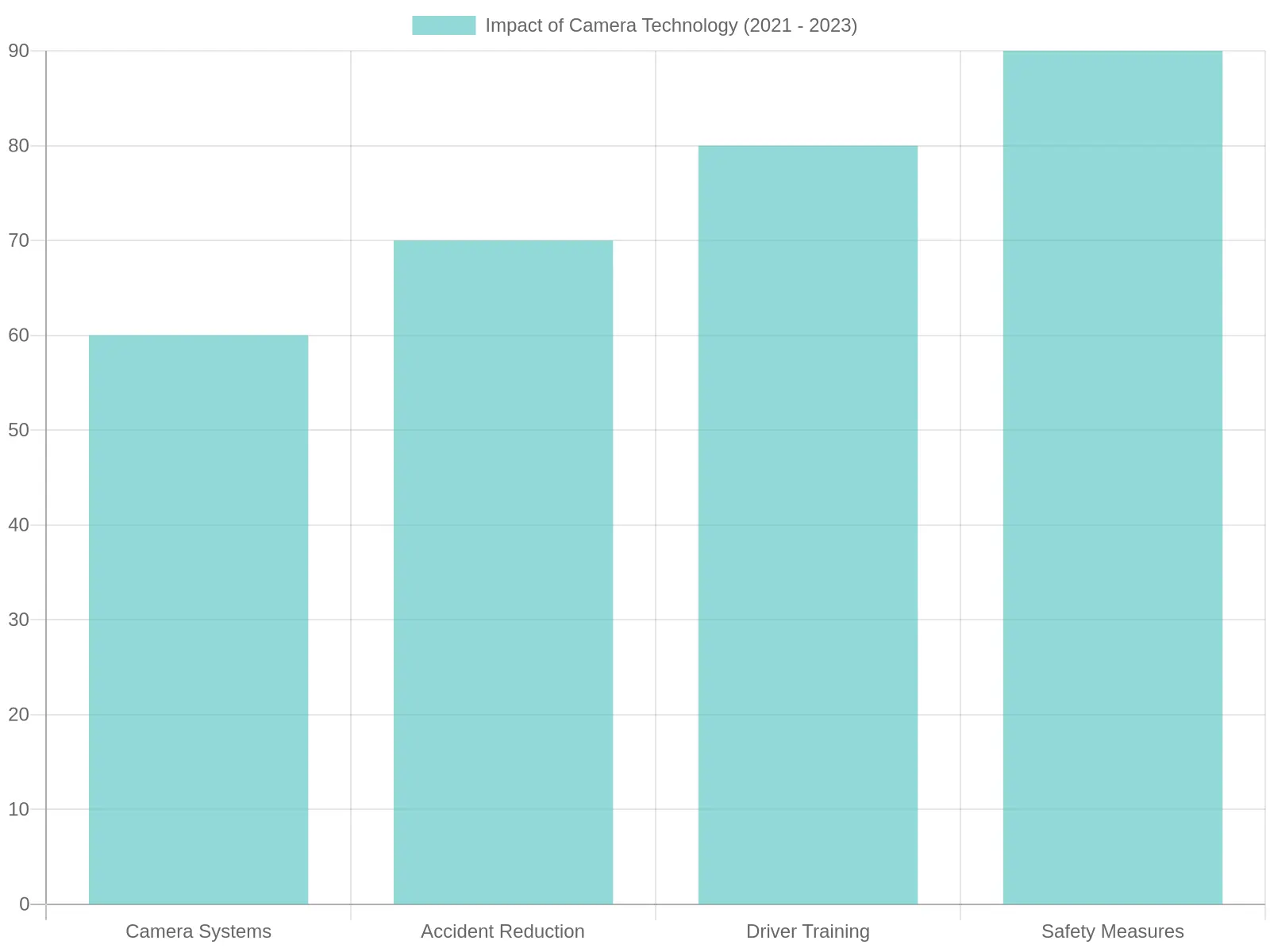
Impact of Camera Technologies related to Tow Truck Operations
Sources
- For further details on how cameras enhance vehicle safety and operations, refer to Luview – Tow Truck Camera System
- Check out the effectiveness statistics in this overview from Guardian Integrated Security.
Future Trends in Towing Technology: The Era of Advanced Systems
The towing industry is on the cusp of a technological revolution. With the integration of advanced systems such as cameras, GPS tracking, and automated features, we are witnessing a significant transformation that not only enhances the efficiency of tow truck operators but also improves safety for drivers and property managers alike.
Role of Advanced Camera Systems
The adoption of advanced camera systems presents a monumental shift in how towing operations are conducted. These systems can include:
- 360-degree views that enhance visibility for operators during towing.
- Dash cameras that provide documentation of incidents, helping to resolve disputes and ensuring accountability.
According to a recent article, integrated camera systems are becoming standard in many tow trucks, providing critical real-time feedback to drivers on their surroundings. This technology significantly enhances driver awareness, potentially reducing the risk of accidents during towing operations.
GPS Tracking and Route Optimization
GPS technology is another critical asset that towing companies are increasingly relying on. Key benefits include:
- Real-time tracking, enabling efficient routing and minimizing response times to emergencies. This is especially important for managing fleets in urban settings where traffic congestion can be a challenge.
- Route optimization algorithms that help in selecting the best paths for each tow, considerably reducing fuel consumption and enhancing service efficiency.
Automation and Efficiency Innovations
The ongoing trend toward automation in towing services is set to change the landscape of the industry. Significant advancements include:
- Automated winching systems that minimize human error during vehicle recovery, improving safety for both operators and vehicles alike.
- Automated dispatch systems, which enhance operational efficiency and improve the accuracy of estimated arrival times for customers.
As mentioned in a report on innovations in towing technology, the implementation of artificial intelligence (AI) in towing operations is expected to streamline dispatch procedures further and predict maintenance needs before they become issues.
Impact on Drivers and Property Management
The shift toward advanced towing technologies brings multiple advantages:
- For Drivers and Everyday Users: Enhanced safety features and the availability of live tracking ensure better communication between towing companies and those needing assistance. The transparency offered through cameras and GPS data helps build trust in the towing process.
- For Property Managers: Better tracking and automated systems allow for more effective management of parked vehicles, ensuring compliance with parking regulations and reducing unauthorized towing situations. This not only safeguards property but also enhances relations with residents who may have concerns regarding towing practices.
Conclusion
The future of towing technology is poised to make the experience safer, more efficient, and more transparent than ever before. As advancements in camera systems, GPS, and automation continue to evolve, they promise an operational shift beneficial for drivers, towing companies, and property managers alike.
Market Trends and Adoption Rates
Here’s a glimpse at market growth and adoption rates for these technologies:
| Year | Market Growth (%) | GPS Tracking Adoption (%) | Camera Technology Adoption (%) |
|---|---|---|---|
| 2018 | 5.0 | 20 | 15 |
| 2019 | 6.0 | 25 | 20 |
| 2020 | 8.0 | 30 | 25 |
| 2021 | 10.0 | 40 | 35 |
| 2022 | 12.0 | 50 | 45 |
| 2023 | 15.0 | 60 | 55 |
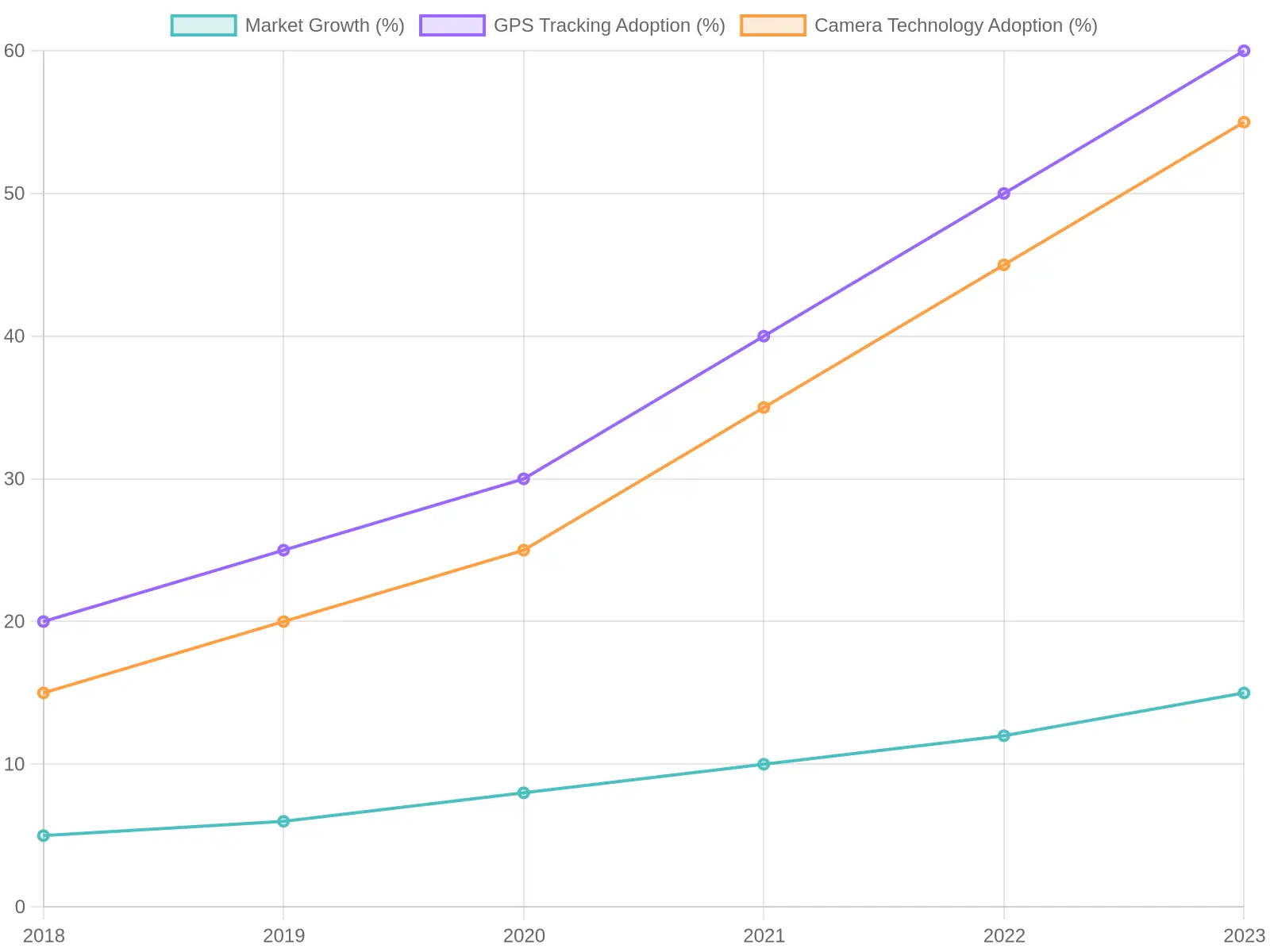
As we embrace these cutting-edge technologies, the towing industry will not only enhance its service quality but also ensure a safer environment for all road users.
Cameras have become an integral part of modern towing operations, enhancing safety and accountability. According to an expert quoted in a recent article from Mobile Audio Concepts, “Advanced camera technologies significantly improve towing precision and safety, helping operators navigate more effectively.” This technology serves not only to protect the towing companies from potential liabilities but also ensures the safety of drivers and the vehicles being towed. For everyday drivers and truck owners, the presence of cameras in tow trucks signifies a commitment to safety and improved operational standards in the towing business.
For more details on the importance of modern technologies in towing, you can learn more about towing technology here.
Additionally, find out how safety is enhanced through emergency operations by visiting this page.
Conclusion
In conclusion, the integration of advanced technologies in the towing industry has not only elevated towing operations, but also significantly enhanced the overall driving experience. Features like GPS tracking, automated dispatch systems, and self-loading tow trucks exemplify how innovation has streamlined processes, leading to improved efficiency and safety for users. These advancements minimize wait times and enhance service quality, ensuring that drivers feel secure in any towing situation. As technology continues to evolve, it will play an increasingly critical role in how towing services operate and can adapt to consumer needs.
At Summit Fairings, we are committed to harnessing these technological advancements, not just in towing but in enhancing your riding experience as well. We encourage you to explore how innovative products can elevate your journeys.
For a deeper dive into the impacts of these technologies, read more about our innovative towing solutions. Your safe travels matter, and we’re here to ensure they are nothing short of exceptional!