
Introduction
When planning an adventurous getaway or a weekend camping trip, many people consider using rental trucks to tow their campers. But is towing a camper with a rental truck just as straightforward as it sounds? The choice to rent a truck for this purpose isn’t just about convenience; it’s also about ensuring safety, understanding limitations, and adhering to rental company policies.
This article will explore the essential guidelines for towing a camper with a rental truck, including the types of trucks best suited for towing, important considerations for weight limits, and rental agreements that can impact your experience. Whether you’re an everyday driver seeking to transport a camper for the first time or a seasoned traveler aiming to maximize your camping experience, understanding the nuances of towing with a rental truck is crucial for a hassle-free journey. Let’s dive into the details and ensure your next adventure is both memorable and safe!
Learn more about the compatibility of rental trucks and towing options as you prepare for your trip.
For expert advice on towing practices, check out our comprehensive guide on towing essentials.
Key Considerations When Renting a Truck for Towing a Camper
When planning to tow a camper with a rental truck, it’s vital to keep certain considerations in mind to ensure a smooth experience. Here are five key points to note:
-
Towing Capacity: Confirm that the truck’s towing capacity exceeds your camper’s weight. Check the specifications of various truck models to find adequate options for your needs.
-
Hitch Compatibility: Ensure that the rental truck has the necessary hitch and that it’s compatible with your camper. Different hitches serve different weight capacities and types of trailers.
-
Insurance Coverage: Verify your insurance options. Some rental companies offer insurance packages that cover towing; ensure you understand the coverage limits and any potential liabilities.
-
Driving Experience: Consider your comfort driving a larger vehicle. If you’re not familiar with operating bigger trucks, take the time to practice, especially when turning and braking while loaded.
-
Local Regulations: Be aware of any local regulations regarding towing. This can include towing speed limits, specific equipment requirements, and applicable road restrictions. For more on local regulations, check this resource.
Understanding the Limitations of Truck Rentals for Towing
When considering a truck rental for towing purposes, it’s crucial to understand the limitations that often accompany rental vehicles. These limitations can significantly affect your towing experience, especially for everyday drivers and truck owners.
Towing Capacity
Towing capacity refers to the maximum weight a vehicle can safely pull, and rental trucks come with varying towing capacities depending on their make and model. Here are some common figures:
- U-Haul 10’ Truck: Up to 6,000 lbs.
- Penske 16’ Truck: Approximately 8,000 lbs.
- Budget 24’ Truck: Can tow around 10,000 lbs when equipped correctly.
It’s imperative to check the specific towing capability of the truck you are renting, as configurations can differ widely. Always review guidelines provided by the rental company to ensure safe towing practices.
Weight Distribution
Weight distribution is another critical aspect of towing. It’s essential to distribute the weight of your load evenly across the trailer and the rental truck. Improper weight distribution can lead to:
- Difficulty in handling: Unbalanced loads can affect steering and braking effectiveness, which poses a safety risk.
- Increased wear on the vehicle: Uneven weight can lead to undue stress on certain parts of the rental truck, which may lead to mechanical failures.
Rental Contracts and Policies
Always check the rental agreement for any clauses related to towing. Most rental companies have specific stipulations regarding:
- What can be towed: Some companies may have restrictions on the types of items that can be towed (e.g., trailers vs. boats).
- Additional fees: There may be extra charges for towing that you should be aware of.
Important Considerations for Everyday Drivers and Truck Owners
- Proper Equipment: Ensure that you have the correct equipment (like a compatible hitch) for towing your trailer or camper.
- Insurance Coverage: Verify that your coverage extends to towing with a rental vehicle. Some personal auto policies may not cover rental trucks when towing.
In summary, while renting a truck can be a convenient option for towing, understanding capacity limitations and ensuring proper weight distribution is crucial to ensure safety and avoid mishaps. For more on emergency response and towing operations, check out emergency response training best practices and how to tow with a rental truck.
By keeping these limitations in mind, everyday drivers and truck owners can make informed decisions when renting a truck for towing purposes, ensuring a safer and more effective towing experience.
Comparison of Rental Truck Options
| Truck Model | Towing Capacity | Price Range |
|---|---|---|
| Ford F-150 | Up to 13,000 lbs | $90 – $150/day |
| Chevrolet Silverado | Up to 12,500 lbs | $85 – $145/day |
| Ram 1500 | Up to 12,750 lbs | $80 – $140/day |
| GMC Sierra | Up to 12,200 lbs | $85 – $150/day |
| Nissan Titan | Up to 9,300 lbs | $70 – $130/day |
Notes:
- Price Range: These prices can vary based on the rental company, location, season, and additional insurance or fees.
- Towing Capacities: The capacities noted above are approximate maximums and may differ based on specific truck configurations.
For additional details on which truck might suit your towing needs best, you can also learn more about rental trucks and their specific uses.
Feel free to reach out if you need more specific information or guidance on this topic!
Safety Tips for Towing with a Rental Truck
Towing a camper with a rental truck is a common practice, but it is crucial to adhere to safety guidelines to ensure a safe journey. Here are seven essential safety tips for everyday drivers and property managers looking to rent a truck for towing purposes.
1. Inspect the Truck and Hitch
Before heading out, conduct a thorough inspection of the rental truck. Ensure the truck’s towing capacity meets or exceeds the weight of the camper. Additionally, check the hitch and connections to confirm they are secure and compatible with the camper’s fixture.
Tip: Consult with the rental staff to confirm the truck’s specifications, as exceeding towing capacity can lead to loss of control.
2. Properly Load the Camper
Load the camper evenly to distribute weight evenly. Ensure all cargo is properly secured within the camper. Uneven loads can lead to swaying, making it difficult to control the rig while driving.
For more about safe loading techniques, learn more here.
3. Use a Weight Distribution Hitch
A weight distribution hitch helps manage heavier loads by distributing weight across the axles of the truck and camper. This can improve vehicle handling and reduce wear on the truck’s suspension.
Check with the rental company if they provide weight distribution hitches for rent.
4. Familiarize with Vehicle Behavior
Before embarking on your journey, practice driving with the camper attached in a safe, open area. Getting a feel for the added weight and length is vital for mastering turns and stops.
Remember, stopping distances will be longer, so plan your movements accordingly.
5. Drive Defensively
Always be aware of your surroundings and anticipate the actions of other drivers. Maintain a safe following distance, allowing yourself more time to react, especially when traveling downhill or in windy conditions.
6. Adhere to Legal Limitations
Check for local laws regarding towing and ensure compliance with speed limits and any additional regulations. Different states may have varying towing laws, particularly for trailer brakes and safety chains.
7. Have a Safety Plan
Prepare for emergencies by having a roadside assistance plan. Ensure you have the necessary equipment, such as a spare tire for the camper, tools, and first-aid kits available in the truck.
A good plan can alleviate stress in case unexpected situations arise during your trip.
By following these vital safety tips, you can enjoy a smooth towing experience with a rental truck. For comprehensive insights on emergency protocols while towing, visit this link.
Always ensure that you clarify any uncertainties regarding towing policies with the rental company before your journey begins.
Weight Distribution Guidelines for Towing Campers
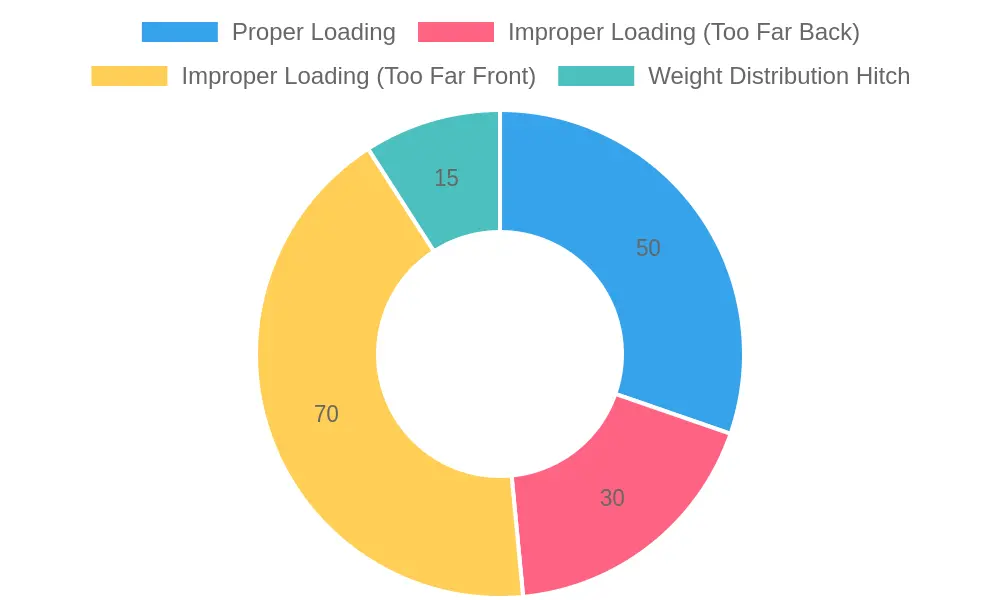
When towing a camper, understanding weight distribution is crucial for safety and stability on the road. Improper loading can lead to significant driving issues, including swaying, difficulty steering, and increased wear on the vehicle. Below is a chart illustrating the best practices for weight distribution when towing.
Key Points from the Chart:
| Weight Distribution Guidelines | Description | Example | Note |
|---|---|---|---|
| Proper Loading | Weight centered over axles | Example: 50/50 load | Ensures stability while towing |
| Improper Loading (Too Far Back) | Weight shifted to the rear of the camper | Example: 30/70 load | Could lead to swaying of the truck |
| Improper Loading (Too Far Front) | Weight shifted to the front of the camper | Example: 70/30 load | May cause front axle to lift |
| Weight Distribution Hitch | Use a weight distribution hitch for balance | Example: 5-15% of total | Helps distribute weight evenly |
Using these guidelines will provide a safer and more balanced towing experience. For more detailed vehicle specifications and towing capabilities, refer to our comprehensive resources on how much you can tow and the best practices for towing.
Importance of Towing Capacities
Renting a truck for towing can be a convenient solution for various needs, but understanding the towing capacities of the vehicle is crucial for safety and compliance.
“It is essential for vehicle owners to understand their towing capacity, as exceeding it may lead to accidents and legal repercussions. Safety practices like ensuring proper load distribution and maintaining braking efficiency are critical steps in safe towing.” – Auto Safety Expert
When renting a truck, always consult the vehicle’s specifications and guidelines provided by the rental company. This ensures not just safety but also the longevity of the vehicle. For a more in-depth understanding of what you can tow, consider checking this resource on towing with rental trucks.
Conclusion
Understanding the capacity when towing a camper with a rental truck is essential for a safe and enjoyable journey. Whether you are planning a weekend getaway or a cross-country adventure, ensuring that your rental truck can handle the weight of your camper is crucial. Improperly matching your truck and camper can lead to dangerous situations on the road, from braking issues to increased wear and tear on the vehicle. Therefore, it is imperative to check your truck’s towing capacity, understand the weight of your camper, and load it properly.
If you’re tackling this task, don’t overlook the importance of custom-fit solutions for your towing needs. At Winchester Tow Truck, we offer innovative and custom-fit fairings that can enhance your towing experience and improve safety. Visit our website to explore our range of solutions that are tailored to meet your specific requirements. Your adventure awaits, but make sure you’re equipped for the journey!