
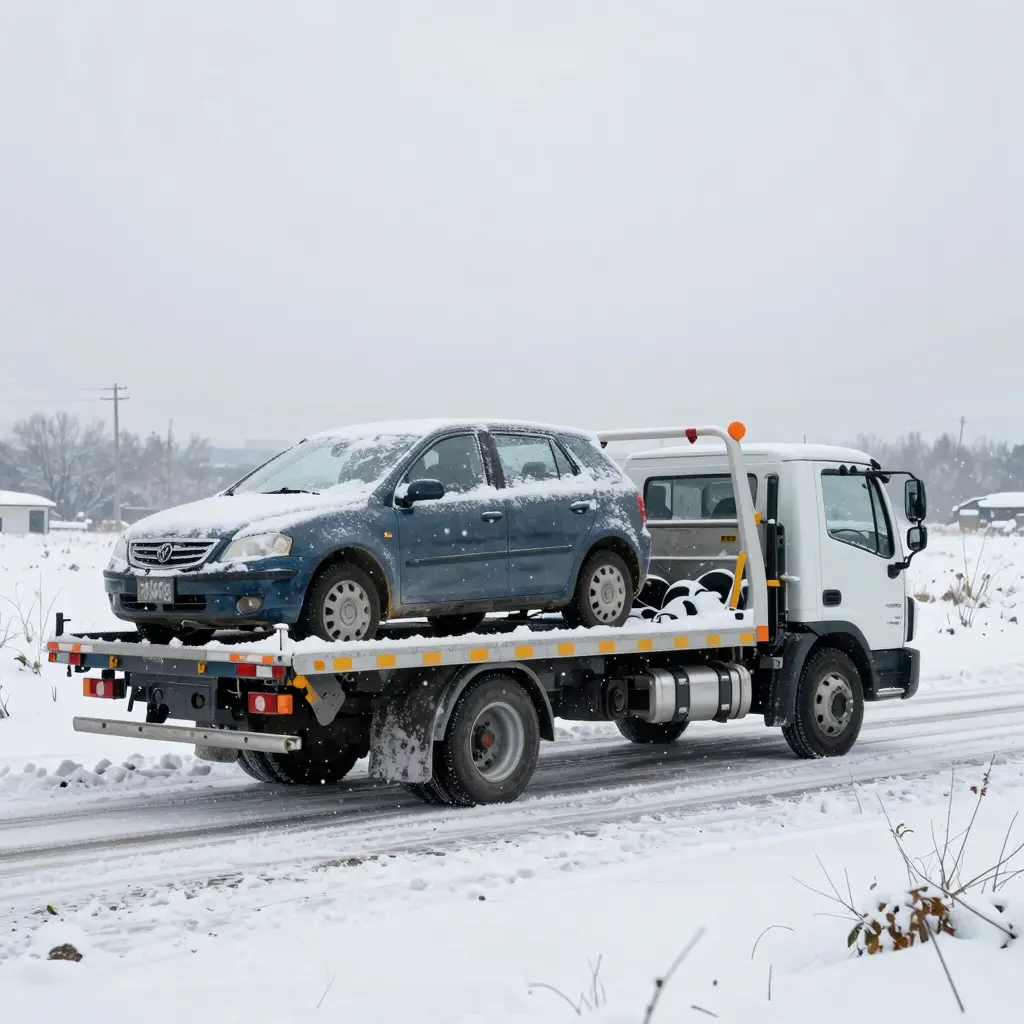
As winter approaches, the need for towing services skyrockets-especially in regions prone to icy conditions. Everyday drivers, residents, commuters, and truck owners often face treacherous roads that can lead to vehicle complications, such as getting stuck in snow or, worse, accidents. This growing demand for reliable towing services introduces an essential topic: towing ice vehicles. Whether it’s a family car that has succumbed to a winter storm or a commercial truck requiring urgent attention, understanding how towing ice vehicles operates is critical for keeping our roads safe. This information is particularly relevant for auto repair shops, dealerships, and property managers who may frequently encounter stranded motorists needing assistance. Knowing when and how to seek towing services can save time, money, and, most importantly, lives. Explore how towing operations adapt to these harsh conditions to ensure that everyone arrives at their destination safely.
Types of Ice Vehicles Requiring Towing Services
When we think of winter sports and activities, various ice vehicles come into play, each with distinct uses and towing needs. Understanding these types of vehicles is essential for effective towing services, especially in challenging winter conditions where tow trucks may be called upon for assistance.
1. Snowmobiles
Snowmobiles are a popular choice for traversing snowy landscapes and are often used for recreational purposes. These vehicles can face challenges during use, especially if they become stuck or break down. Towing services are frequently required for:
- Recovery from Difficult Terrain: Snowmobiles can get stuck in deep snow or experience mechanical failures, requiring towing to get them back to safety.
- Accidents: Given the high speeds involved, accidents can occur, leading to the need for snowmobile towing services. Read more about towing challenges in winter conditions.
2. Ice Boats
Ice boats are fascinating vehicles designed for speed on frozen lakes. While they are built to glide over the ice, they can sometimes encounter mishaps or mechanical issues that necessitate towing.
- Breakdowns: Mechanical failures can leave ice boats stranded. Towing services are crucial for returning them to shore or the nearest landing area.
- Accidental Grounding: If an ice boat veers off course or encounters thin ice, towing is needed to help avert further damage. Understanding towing regulations is also essential for compliance with safety guidelines. Learn about ice towing regulations.
3. ATVs on Ice
All-Terrain Vehicles (ATVs) have versatile applications and are sometimes used on ice, particularly for ice fishing or recreational travel. However, ATVs can be particularly vulnerable when the ice conditions are unstable.
- Falling Through Ice: There have been instances of ATVs breaking through soft ice, making towing an immediate necessity for safety and recovery. In fact, there was a record number of such incidents reported in regions like Upstate New York in previous winters. For a discussion on this, check out.
- Stuck in Snow or Slush: Similar to snowmobiles, ATVs can also become stuck in snow or slushy conditions, leading to scenarios where towing services expedite recovery.
Conclusion
In summary, the importance of towing services for various ice vehicles cannot be overstated. Snowmobiles, ice boats, and ATVs all present unique challenges that require the expertise of towing professionals, especially in hazardous winter conditions. Proper knowledge and response can ensure that these recreational vehicles are safely retrieved and returned for future adventures.
Reasons for Towing Ice Vehicles
Driving in icy conditions presents unique challenges that can lead to a variety of situations necessitating the towing of vehicles. Here are some common reasons:
-
Breakdowns: Winter weather can exacerbate existing mechanical issues. Common breakdown causes include:
-
Battery Failures: Cold temperatures can significantly reduce battery performance, leading to unexpected failures.
-
Fluid Issues: Oil and coolant can thicken in colder temperatures, resulting in engine problems that render a vehicle inoperable.
-
Tire Problems: Under-inflated or worn tires can lose traction on ice, leading to breakdowns.
-
Accidents: Icy roads dramatically increase the risk of accidents. Data reports indicate numerous incidents due to loss of control, such as:
-
Multiple Vehicle Pileups: Significant accidents often occur when vehicles cannot maintain traction, as seen in numerous incidents across states like Pennsylvania.
-
Traffic Disruptions: Hundreds of accidents were reported in places like Germany due to icy conditions, highlighting the dangers of winter travel.
-
Getting Stuck: Vehicles can become immobilized by snow or ice, requiring towing to extricate them safely. This is especially common in deeper snow during winter storms or blizzards.
For more information on how to handle emergencies during harsh weather, you can learn more about airport emergency rescue operations and the importance of training for winter conditions.
Towing Regulations for Ice Vehicles
When towing in icy conditions, it’s essential to understand the relevant regulations to ensure safety and compliance. Here are some key towing regulations that should be observed:
-
Vehicle Type and Equipment: Use appropriate vehicles such as snowmobiles or ATVs specifically designed for ice towing operations. Ensure that the towing equipment is rated for the load being transported and that all safety protocols are followed, including rigid attachment methods to prevent accidents. (source)
-
Weight Limits: Adhere to the specified weight limits for towing. The ability of the ice to support weight diminishes with temperature changes, and exceeding limits can result in dangerous situations.
-
Permits: In certain areas, towing on ice may require specific permits. Always check local regulations to ensure compliance before initiating operations.
-
Safety Equipment: Carry required safety equipment such as flotation devices, ice picks, and communication devices. This is crucial for emergency situations. (source)
-
Weather Conditions: Monitor weather forecasts and ice conditions regularly. Towing operations should be stopped if conditions worsen.
By following these towing regulations, drivers can enhance safety during operations in icy conditions.
| Towing Service | Services Offered | Average Tow Price | Service Fee | Response Time (minutes) |
|---|---|---|---|---|
| Towing Company Seattle WA | Towing, Roadside Assistance | $75 – $150 | $50 | 30 |
| Tow Pros Towing & Recovery | Towing, Recovery, Roadside Assistance | $100 – $200 | $60 | 25 |
| A1 Auto Transport | Towing, Interstate Transport | $100 – $300 | $70 | 30-60 |
Sources:
Safety Tips for Towing Ice Vehicles
When towing vehicles in icy conditions, safety should be your top priority. Here are some essential tips to ensure a safe and smooth towing experience.
Preparation Matters
Before hitting the road, prepare both towing and towed vehicles. Ensure that they are in optimal condition. This includes checking tire pressure, tread depth, and fluid levels to enhance stability and control on ice. Don’t forget to have tire traction chains ready, as they can provide necessary grip on slippery surfaces.
Essential Equipment
Utilizing the right equipment is crucial.
- Specialized dollies can assist with heavy loads, while cold-weather gear is a must for the driver. Items like gloves, warm jackets, and blankets will ensure you stay safe if stranded.
- Winter-grade equipment, designed for extreme cold, is also advisable for safe towing operations. This includes reliable couplings and high-quality tow ropes.
Driving Techniques
Driving in icy conditions requires caution. Here are some techniques to follow:
- Increase your stopping distance, as stopping on ice can take significantly longer than on dry roads. A distance of at least five to six seconds is recommended between vehicles to provide ample reaction time.
- Reduce your speed. Driving too fast can lead to loss of control. Ensure that you drive slowly, particularly in areas with visible icy patches.
- Check your following distance regularly and maintain a safe buffer.
Emergency Preparedness
Finally, always be prepared for emergencies. Keep emergency supplies in your vehicle, and if you get stranded during a storm, stay inside your vehicle unless help is on the way. Avoid sudden movements that can lead to skidding or losing control.
For more expert guidance, towing tips for winter conditions are available for safe practices.
Expert Advice:
“When towing vehicles in ice-covered areas, safety must be the top priority. Ensuring proper vehicle inspections, using appropriate towing equipment, and having experienced professionals handle the towing are critical steps to prevent accidents and maintain control on slippery surfaces.”
- Expert from AAA Towing Service
For more detailed insights on towing safety, you can also learn about towing technology and safety at Winchester Tow Truck.
Towing Frequency Trends for Ice Vehicles
The chart below illustrates the frequency of towing ice vehicles over the past five years, highlighting the seasonal trends during winter months. As depicted, the demand for towing services peaks during the winter, particularly from December to March. This data is crucial for understanding the patterns in towing needs among drivers in regions that experience icy conditions.

Figure: Monthly towing frequency for ice vehicles from 2019 to 2023.
The observed trends indicate a steady increase in the demand for towing services, particularly during peak winter months where incidents of ice-related tows are notably higher. Understanding these trends is essential for both tow truck operators and property managers overseeing areas where icy conditions are prevalent.
For more information on effective emergency response during such conditions, you can learn more about airport emergency rescue operations.
Additionally, it’s important for drivers and vehicle owners to be aware of towing etiquette to ensure a smoother experience when needing towing assistance.
Conclusion and Call to Action
In conclusion, understanding the intricacies of towing ice vehicles is essential for ensuring safety and efficiency on the road. The challenges posed by icy conditions necessitate specialized equipment and knowledgeable techniques. Tow truck drivers must be equipped with the right tools, such as heavy-duty winches, and adhere to safety protocols to manage these precarious situations effectively. Key safety tips include maintaining a lower speed, utilizing effective communication, and being aware of the unique risks associated with winter towing.
For drivers, property managers, and auto repair shops, staying informed about proper towing practices can not only protect vehicles but also help in mitigating risk during colder months. If you’re involved in towing activities, consider investing in reliable and customized solutions which enhance performance. Custom-fit fairings from Summit Fairings are designed to improve the aerodynamic efficiency of tow trucks, making transports smoother and more efficient.
Embrace the necessary tools and strategies for safe towing in icy conditions, ensuring both driver and vehicle safety at all times!