
Introduction
In the world of everyday driving, tow trucks play a critical yet often overlooked role. Whether you’re cruising down a busy highway, stuck on the side of the road, or witness a breakdown, understanding the classification of tow trucks as emergency vehicles can significantly impact your safety and response strategies. Tow trucks are not just vehicles for transporting disabled cars; they provide essential roadside assistance that can alleviate stressful situations. Recognizing their role as emergency vehicles can help motorists make informed decisions and accommodate their presence on the road.
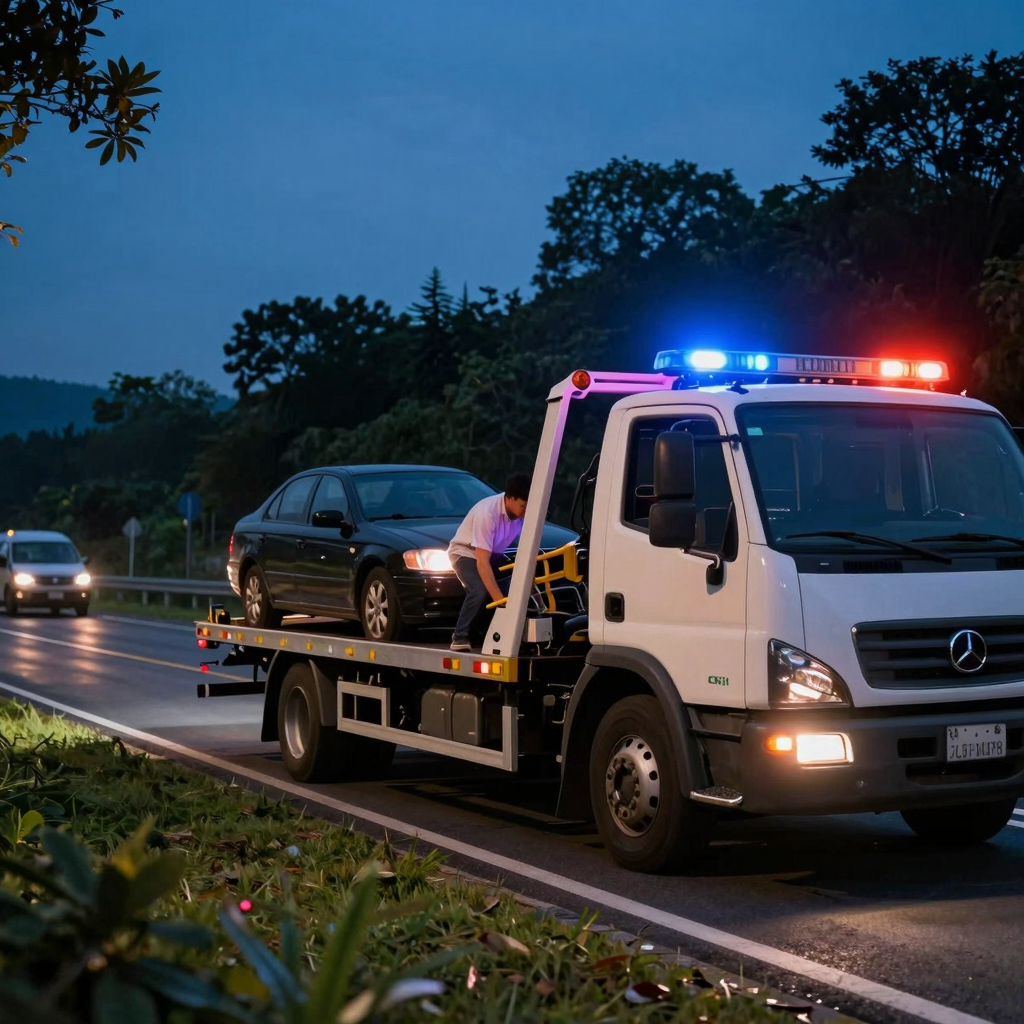
Imagine you’re driving late at night, and you encounter a tow truck helping a stranded motorist. Knowing that this vehicle is classified as an emergency vehicle gives you the context to adjust your driving behavior-slowing down, merging safely, and providing space for the tow truck to operate effectively. As road users, it’s crucial to understand these dynamics, especially in emergencies where every second counts. In this article, we’ll explore the classifications surrounding tow trucks, why they are considered emergency vehicles, and how this knowledge enhances safety for everyone on the road.
For further insights into roadside operations, you can learn more about airport emergency rescue operations and visit our comprehensive training framework to understand the protocols involved in these critical scenarios.
What Constitutes an Emergency Vehicle?
An emergency vehicle is typically defined as any vehicle employed by emergency services that is equipped with sirens and flashing lights intended for use in urgent situations. This classification generally includes police cars, ambulances, and fire trucks. The overarching goal of emergency vehicles is to respond promptly to emergencies, be it medical, law enforcement, or fire-related incidents.
Regulations and Definitions
According to the National Highway Traffic Safety Administration (NHTSA), emergency vehicles in the United States include vehicles operated by law enforcement agencies, fire departments, and emergency medical services (EMS). These vehicles are granted special privileges such as:
- The ability to exceed speed limits
- The permission to disregard traffic signals while actively responding to emergencies
Emergency vehicles are equipped with specific warning devices such as lights and sirens, which are governed by stringent regulations to ensure both safety and clarity for civilian drivers. For example, different jurisdictions have guidelines outlining the types of lights and sirens that must be used, ensuring that they can effectively signal their presence and urgency on the road.
Emergency Vehicle Privileges
In many cases, especially during emergency responses, these vehicles are allowed to bypass typical traffic laws, provided that their emergency lights and sirens are activated. However, this privilege is not to be taken lightly, as misuse can result in severe legal consequences. Emergency vehicle drivers are trained to maintain a balance between speed and safety, always prioritizing the protection of civilians, even in urgent situations.
Tow Trucks: An Interesting Case
Considering whether tow trucks are classified as emergency vehicles can be complex. According to recent guidelines from the NHTSA, tow trucks are not universally classified as emergency vehicles. However, certain tow trucks engaged in emergency roadside assistance-like recovering disabled vehicles from highways-can receive specific emergency vehicle privileges, including the right of way when their lights are active. This designation can differ between states, as summarized in resources from the American Automobile Association, indicating variability based on local regulations and laws.
Tow trucks must adhere to the legal definitions set forth by their respective states; in instances where they are responding to emergencies (e.g., traffic collisions or hazardous spills), they may be given temporary emergency vehicle status during that incident. It’s crucial for drivers and tow truck operators to familiarize themselves with their local regulations to understand when these emergency designations are applicable.
In summary, while the classification of tow trucks as emergency vehicles can vary widely, the core definition of emergency vehicles revolves around their role and readiness to respond quickly to unforeseen situations, ensuring safety and support for the community.
The Role of Tow Trucks During Emergencies
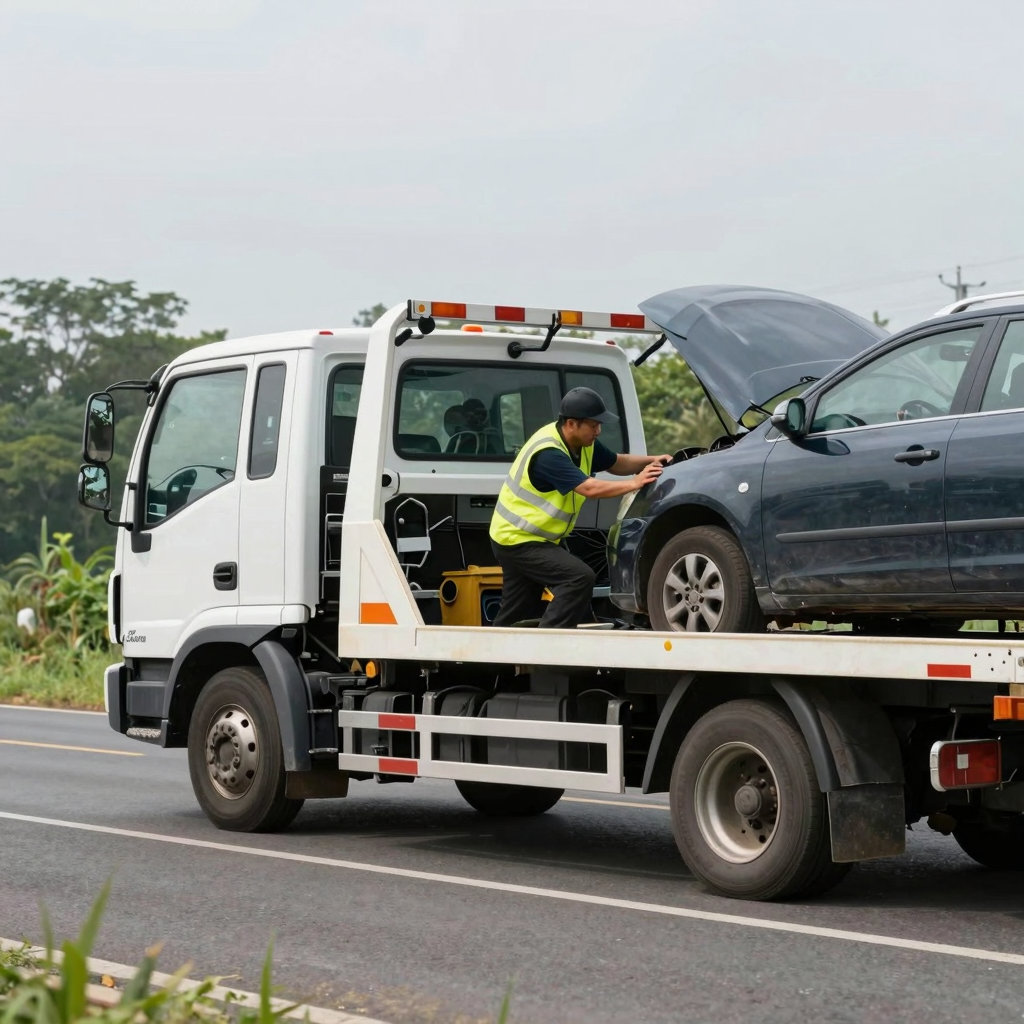
Tow trucks play a critical role during emergencies, particularly in situations like car accidents and breakdowns. They not only assist in vehicle recovery but also significantly contribute to overall road safety. Their importance cannot be overstated, especially when considering the myriad of situations where immediate action can prevent further accidents or hazards on the road.
Functions of Tow Trucks in Emergencies
-
Accident Recovery: In the event of a car accident, tow trucks quickly remove vehicles from the roadway, which helps to prevent secondary collisions. According to a report from the NHTSA, timely towing can significantly reduce the chances of further accidents by clearing the area for emergency responders and enabling a safer environment for all road users.
-
Assistance for Broken Down Vehicles: Many drivers experience vehicle malfunctions that leave them stranded. Tow trucks provide essential services by transporting these vehicles to repair shops, ensuring that the drivers can return safely home. It’s noteworthy that response times for tow trucks are remarkably efficient; for instance, studies indicate that over 35% of tow trucks arrive to assist within 30 minutes of a call during emergencies.
-
Road Safety Enhancement: Tow trucks often work alongside police and emergency services. Their quick presence at the scene aids in crowd control and enhances the safety of law enforcement officers and other responders. The collaborative efforts improve the overall effectiveness of emergency response, particularly during high-stress situations like nighttime accidents or in adverse weather conditions.
-
Additional Safety Measures: Tow truck drivers perform more than just towing; they often ensure that road safety protocols are followed during their operations, such as setting up warning signs and utilizing flashing lights to alert oncoming traffic. This proactive approach helps minimize risks to both emergency personnel and motorists.
Conclusion
In summary, tow trucks are indispensable in emergency situations. They facilitate quick recovery, enhance road safety, and help mitigate further incidents. Whether responding to a vehicle breakdown or a major accident, their role is vital in maintaining safe road conditions. Therefore, understanding the significance of this emergency vehicle can promote appreciation for the contributions they make to public safety and swift recovery efforts.
| Vehicle Type | Legal Classification | Examples |
|---|---|---|
| Ambulance | Emergency Vehicle | Standard Ambulance, B-type Intensive Care Ambulance |
| Police Vehicle | Emergency Vehicle | Patrol Car, SWAT Vehicle |
| Fire Truck | Emergency Vehicle | Pumper Fire Truck, Aerial Ladder Truck |
| Tow Truck | Non-Emergency Vehicle | Flatbed Tow Truck, Hook and Chain Tow Truck |
Is a Tow Truck an Emergency Vehicle? Understanding Legal Classification
The classification of tow trucks as emergency vehicles varies significantly across different states in the U.S. This classification can affect their operational regulations, usage of emergency lights and sirens, and other essential aspects impacting drivers and towing companies. Below is a summary of the legal criteria for classifying tow trucks as emergency vehicles in several states, based on recent legislation and regulations.
Key Legal Criteria for Emergency Vehicle Classification
According to research conducted by various institutions, three main criteria outline how tow trucks can be classified as emergency vehicles:
- Official Authorization: Tow trucks must be authorized by a governmental authority (e.g., local police or transportation department) to operate as emergency vehicles.
- Equipment Standards: They must adhere to specific equipment regulations, including having emergency lights, sirens, or other markings to distinguish them as emergency vehicles.
- Operational Purpose: The tow truck must be engaged in operations related to public safety, such as responding to traffic accidents or managing hazardous situations.
State-Specific Overview
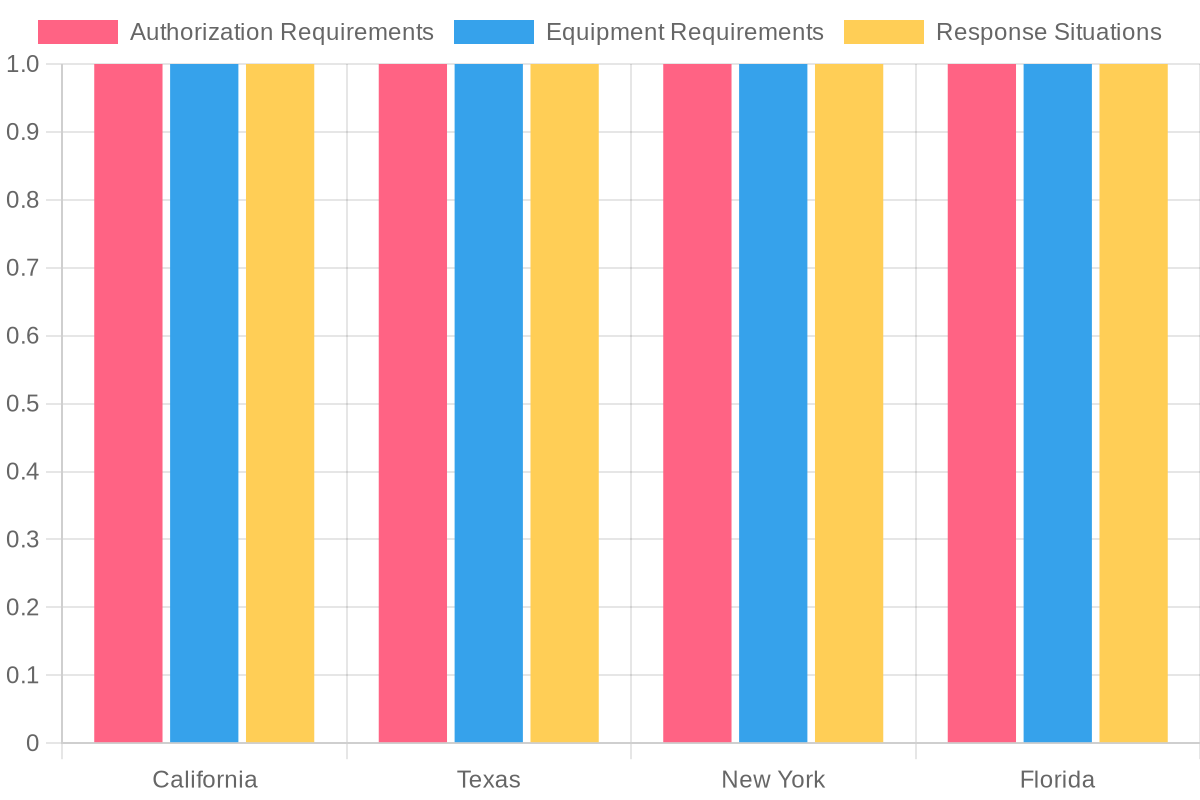
Here’s a closer look at the legal criteria for tow truck classification across selected states:
| State | Authorization Requirements | Equipment Requirements | Response Situations | Notes |
|---|---|---|---|---|
| California | Authorized by local agencies or Caltrans. | Must have red and/or blue lights, sirens, and emergency markings. | Traffic accidents, clearing obstacles, assisting in hazardous situations. | Only approved companies can operate as emergency tow providers. |
| Texas | Requires a contract with local government agency. | Must have flashing lights and sirens. | Traffic accidents, disabled vehicles, storm emergencies. | Classification varies by location; not statewide. |
| New York | Must comply with New York State Vehicle Laws and be authorized. | Dual-color emergency lights, audible warnings. | Multi-vehicle accidents, roadway obstructions, coordination with emergency services. | Certification and authorization renewal required. |
| Florida | Local municipalities or county governments grant authority. | Red and blue lights, sirens, and other visible markings. | Major traffic incidents, responding in high-risk areas, natural disasters. | Local criteria can vary widely. |
Sources:
- California Department of Transportation
- Texas Department of Transportation
- New York State DMV
- Florida Department of Highway Safety
Conclusion
Understanding whether a tow truck is classified as an emergency vehicle is crucial for all stakeholders-from everyday drivers to towing companies. This classification not only influences operational guidelines but also ensures compliance with state laws. As regulations can change, it’s recommended for towing professionals to stay updated on their respective states’ laws regarding emergency vehicle classifications. For more insights into emergency response practices, learn more here.
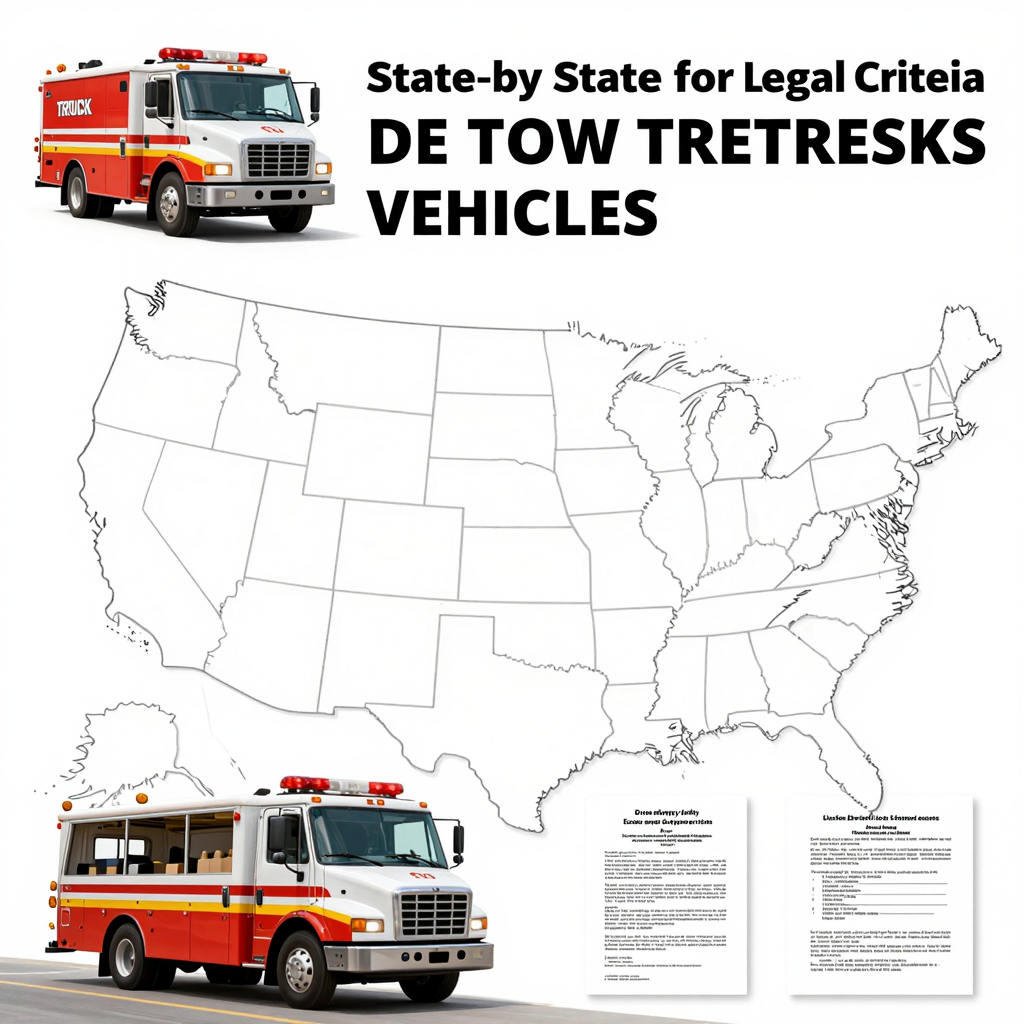
Chart: Emergency Tow Services Requirements by State
Legal Perspectives on Tow Trucks as Emergency Vehicles
Tow trucks occupy a unique position in the realm of emergency response vehicles. According to a legal expert from the National Motor Vehicle Safety Coalition:
“While tow trucks do not have the same legal status as police, fire, or ambulance vehicles, their ability to clear roadblocks quickly justifies temporary access to emergency lanes when responding to breakdowns or accidents. This is regulated at the state level.”
This insight highlights that although tow trucks may not be classified as traditional emergency vehicles under federal law, they are accorded certain privileges during emergency operations. This classification can vary significantly by jurisdiction but often allows tow trucks to employ flashing lights and sirens when responding to emergencies.
For more about how tow trucks operate in emergencies, you can learn more about airport emergency rescue operations or explore our best practices for emergency response training.
Understanding the legal implications regarding the status of tow trucks can benefit drivers, property managers, and auto repair shops alike.
Implications of Tow Truck Classification for Everyday Drivers and Property Managers
Understanding the classification of tow trucks is crucial for both everyday drivers and property managers. Tow trucks are categorized primarily based on their weight capacity and intended usage, which directly influences towing regulations and responsibilities for all users involved.
Classification Overview
Tow trucks can be classified into the following categories:
- Light-Duty: Up to 5,000 lbs – Used for personal vehicle recovery and minor accidents.
- Medium-Duty: 5,001 – 10,000 lbs – Tows larger vehicles and is common in commercial settings.
- Heavy-Duty: 10,001 – 20,000 lbs – Often used for large trucks and buses in emergencies.
- Super Heavy-Duty: Over 20,000 lbs – Required for large-scale recovery operations.
See our chart for a detailed breakdown of these classifications.
Impact on Property Managers
For property managers, employing a properly classified tow truck means adhering to legal requirements that can help minimize liability. For instance:
- Insurance and Licensing: Different tow truck classes may necessitate specific insurance levels and driver qualifications.
- Regulations Compliance: Ensuring that the chosen tow truck meets state regulations protects property managers from potential legal repercussions.
- Operational Efficiency: Using the correct type of tow truck ensures that operations like vehicle removal from private property can be executed safely and lawfully.
Impact on Everyday Drivers
Everyday drivers need to be aware of tow truck classifications as they:
- Understand Towing Regulations: Recognizing that only licensed operators can tow specific vehicles under certain conditions.
- Know Potential Fees: Towing costs vary based on the type of tow truck used, which can influence fees during vehicle recovery or if your vehicle is towed.
By navigating the implications of tow truck classifications, both drivers and property managers can ensure compliance, safety, and efficiency in towing operations.
Average Response Times of Emergency Vehicles
Understanding the average response times of various emergency vehicles is crucial in recognizing their roles in emergency situations. This comparison highlights the significant differences in the response times of tow trucks versus other emergency services.
| Emergency Vehicle | Average Response Time |
|---|---|
| Tow Trucks | 45 minutes |
| Ambulances | 9.2 minutes |
| Fire Trucks | 6.7 minutes |

This data illustrates tow trucks’ longer average response time (45 minutes) compared to ambulances (9.2 minutes) and fire trucks (6.7 minutes). The differences underscore the tow truck’s role as a non-essential emergency vehicle, primarily serving commercial needs, rather than immediate public safety.
Conclusion
Understanding the classifications of tow trucks is crucial for everyone, from everyday drivers to auto repair shops. Each type of tow truck serves a specific purpose, and knowing which truck is needed for certain situations can greatly enhance safety and efficiency on the road. For instance, light-duty tow trucks are perfect for regular vehicles, while heavy-duty trucks are essential for larger vehicles, ensuring that they are towed properly without causing damage. This knowledge can also impact compliance with regulations and ensure that drivers are well-prepared for emergencies.
Moreover, having the right equipment available can significantly mitigate risks associated with towing, such as accidents or vehicle damage. By staying informed about the different classifications and their appropriate uses, you can make better decisions and contribute to safer driving environments for everyone.
If you’re looking to transform your ride and elevate your motorcycle’s performance, consider Summit Fairings. Their range of high-quality motorcycle fairing kits provides enhanced aerodynamics and comfort, making your rides smooth and stylish. Explore their offerings today and discover how you can take your motorcycle experience to the next level!