
Introduction
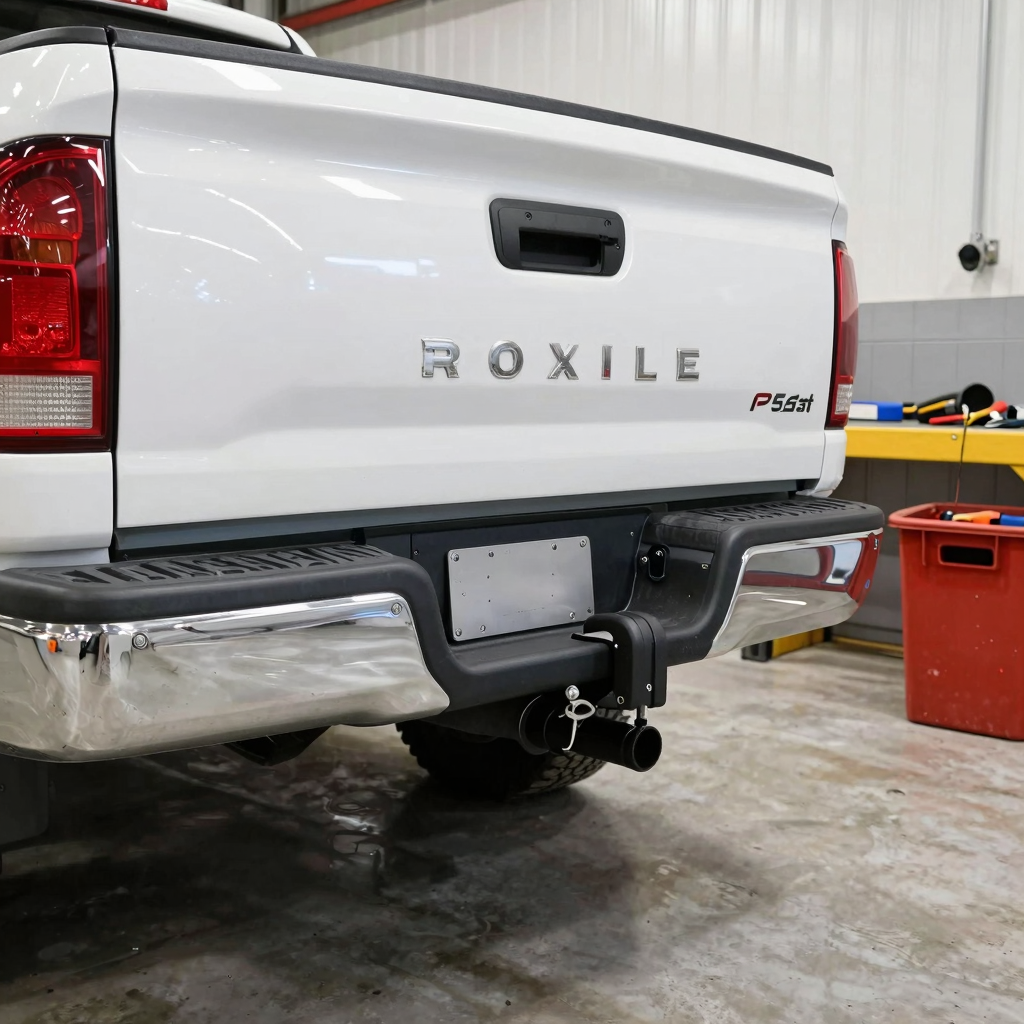
When it comes to maximizing the utility of your truck, a tow hitch is an essential component that every truck owner should consider. Not only does a tow hitch enhance the hauling capabilities of your vehicle, but it also opens up a world of possibilities for both work and leisure. Whether you’re transporting trailers, boats, or other equipment, having a reliable tow hitch significantly increases the functionality of your truck, making it a versatile companion for everyday drivers, residents, and commuters alike.
Beyond merely attaching loads, a tow hitch can transform your truck into a powerhouse, allowing you to tackle diverse tasks with ease. From weekend adventures to heavy-duty jobs, the importance of this often-overlooked accessory cannot be understated. As you read further, you’ll discover how to install a tow hitch yourself and elevate your truck’s utility to meet your specific needs. For additional insights on enhancing your truck’s performance, learn more about the benefits of tow trucks.
Common Types of Tow Hitches
Tow hitches are essential for connecting trailers to vehicles, ensuring safe and effective transport. Here’s a brief overview of the most common types of tow hitches:
-
Receiver Hitch: Widely popular, receiver hitches are square metal tubes (usually 2″ or 2.5″ in size) attached to the frame of vehicles. They allow for various towing accessories to be used, such as ball mounts, making them versatile for light to medium-duty trailers like boats and utility trailers.
-
Fifth-Wheel Hitch: This type is specifically installed in the truck bed, connecting to a kingpin on the trailer. It is preferred for towing larger trailers, such as RVs or horse trailers, due to its stability and weight distribution advantages.
-
Gooseneck Hitch: Ideal for heavy-duty applications, gooseneck hitches feature a ball mount located in the truck bed, connecting to a coupler on the trailer. Commonly used for towing large livestock trailers and construction equipment, they allow for excellent weight transfer.
-
Ball Mount: While not a hitch itself, a ball mount fits into a receiver hitch and attaches to the trailer coupler. It is crucial for aligning the trailer correctly with the towing vehicle and is available in various sizes and adjustable heights.
[Learn more about how to choose the right hitch for your needs.]
Chart: Types of Hitches
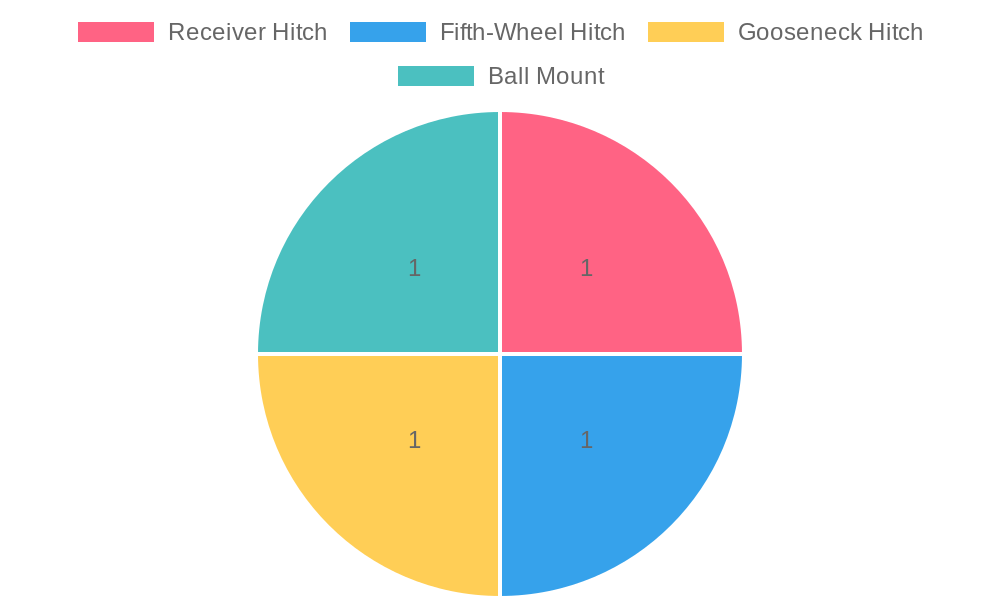
This chart summarizes the primary characteristics and typical uses for each hitch type, helping you make an informed decision based on your towing needs.
Essential Tools and Materials for Tow Hitch Installation
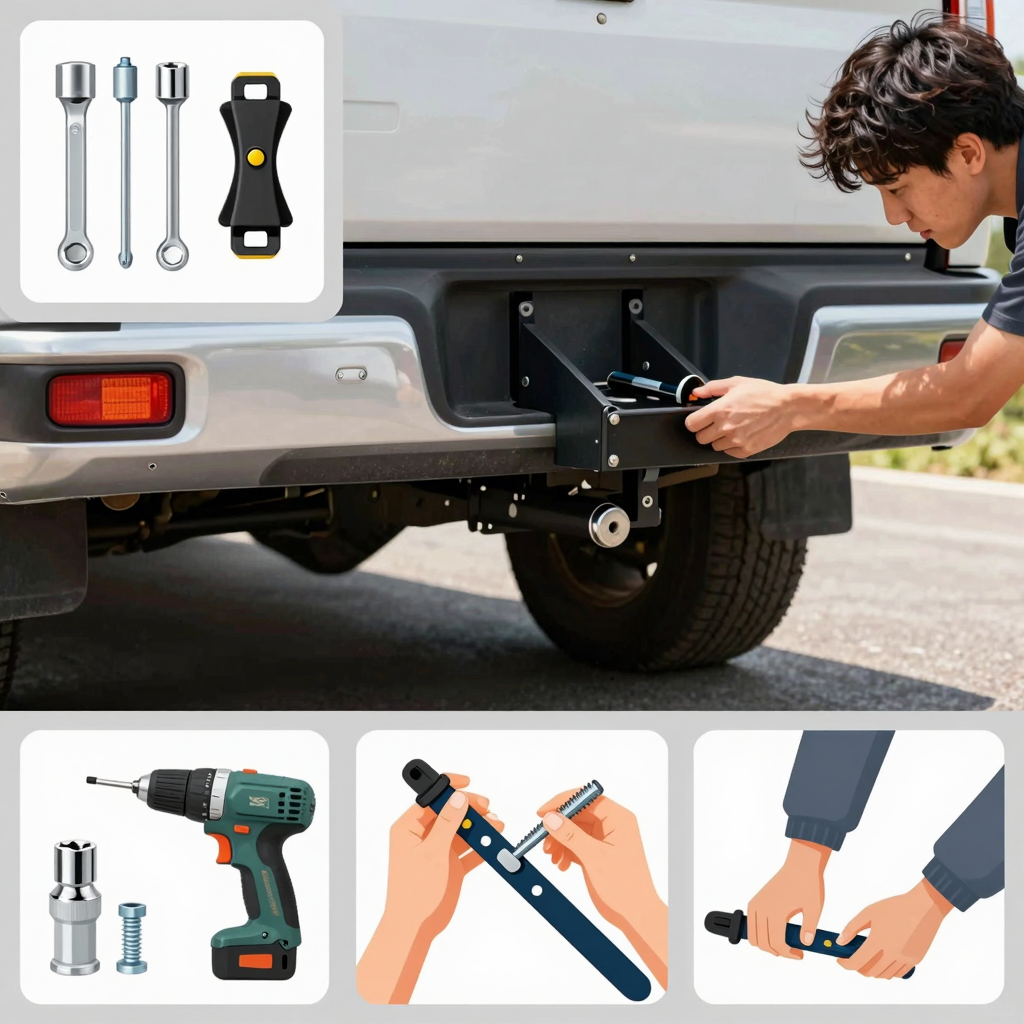
Installing a tow hitch on your truck requires the right tools and materials to ensure a smooth and safe installation process. Below is a concise list of essential installation tools and tow hitch materials needed for the task:
Installation Tools
- Socket Set: A range of sockets will help you tackle various bolt sizes. Specific size sockets suited for tow hitch installation often include 1-7/8 inches for the bolts.
- Torque Wrench: A reliable torque wrench is crucial for tightening bolts to manufacturer specifications, preventing any wobbling or failures. Look for one that can handle at least 430 ft-lbs of torque.
- Drill: A power drill may be necessary for creating mounting holes, particularly in trucks that require custom fittings.
- Wrenches: Adjustable wrenches or a set of box-end wrenches will aid in loosening or tightening nuts and bolts efficiently.
- Safety Gear: Don’t forget your gloves and goggles to protect your hands and eyes while working on your truck.
Tow Hitch Materials
- Tow Hitch: Choose a hitch that suits your truck’s towing capacity. Ensure it is compatible with the type of towing you plan to do, whether it’s for lightweight utility trailers or heavy equipment.
- Mounting Brackets: These are critical for securing the hitch to your vehicle. Make sure they are correctly rated for the weight of what you intend to tow.
- Hardware Kit: Most hitch kits come with a complete set of bolts, nuts, and spacers needed for installation. Ensure you have these components before starting your project.
Using the right tools and materials not only simplifies installation but also enhances safety during towing operations. For a detailed guide on how to handle emergencies while towing, learn more about emergency rescue operations.
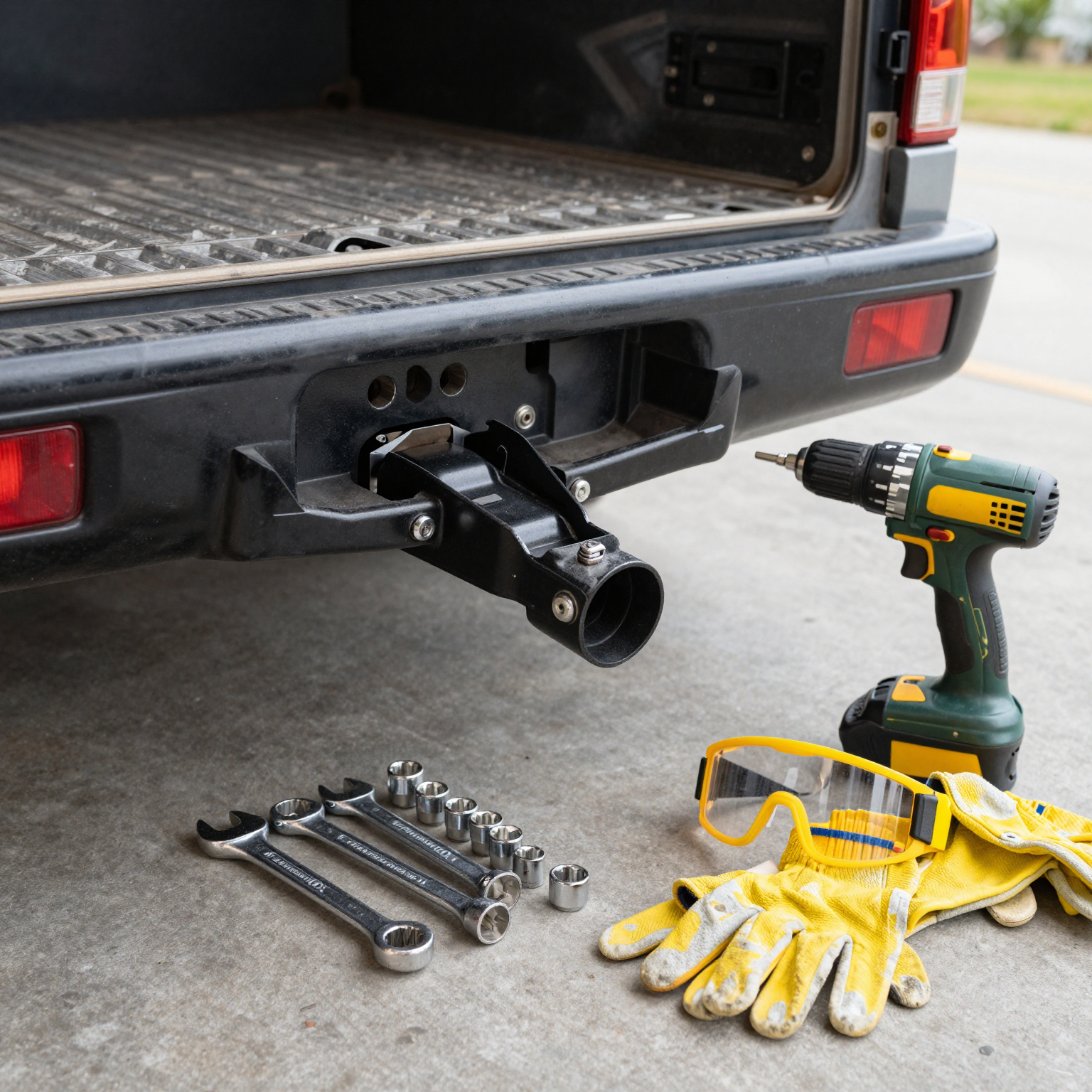
Essential tools needed for installing a tow hitch
When properly equipped, setting up a tow hitch can be a straightforward task that significantly boosts your truck’s functionality. In case of specific vehicle requirements or custom projects, consult your vehicle’s manual or a professional installer for assistance.
Tow Hitch Brands: User Reviews Summary
When it comes to choosing a reliable tow hitch, user reviews can provide valuable insights into the performance, durability, and satisfaction levels of different brands. Here’s a summary of user feedback for three popular tow hitch brands:
1. Draw-Tite
- User Satisfaction: 94% based on a survey of over 2,500 Toyota Hilux owners.
- Performance: Draw-Tite is praised for its precision-engineered Class 3 hitch, boasting a towing capacity of 7,500 lbs. Users report seamless installation and quiet operation, making it a favorite among truck owners.
- Durability: The brand excels in rust resistance and performs well in harsh conditions, a significant factor for durable towing equipment.
- Source: Truck & Trailer Magazine
2. B&W
- User Satisfaction: 91% satisfaction score from users.
- Performance: B&W is noted for its heavy-duty design, particularly the weight distribution system, which is ideal for heavy towing tasks such as caravans.
- Durability: Users highlight the exceptional build quality, with many experiencing no issues over years of use, especially when towing heavy loads.
- Source: Truck & Trailer Magazine
3. Curt and Reese
- User Satisfaction: Not available, but these brands are frequently mentioned as reliable options.
- Performance: Users rave about their durability, with hitches lasting over 10 years without structural issues. Strong welds and high-grade steel construction are frequently cited as major benefits.
- Durability: Feedback indicates that premium brands like Curt and Reese generally outperform lower-cost alternatives, which often show signs of wear within just a few years.
- Source: CarAdvice Australia
Conclusion
Investing in a reputable tow hitch brand can significantly reduce maintenance and safety risks for everyday drivers and truck owners. Whether you are commuting, transporting goods, or planning a road trip with a trailer, brands like Draw-Tite and B&W stand out for their proven track record in performance and durability. For more on towing solutions and towing capacities, feel free to learn more about how much you can tow.
By selecting a trusted brand, you can ensure a safer and more durable towing experience.
Comparison of Top Tow Hitch Brands
When it comes to choosing the right tow hitch for your vehicle, it’s essential to consider specifications, pricing, and user ratings. Below is a detailed comparison of some of the top tow hitch brands available in 2023:
| Brand | Model | Towing Capacity (lbs) | Price Range (USD) | User Rating (out of 5) |
|---|---|---|---|---|
| TOPTOW | 3 in 1 ATV/UTV Towing Hitch Receiver | 500 | $80 – $100 | 4.8 |
| Draw-Tite | Custom Fit Trailer Hitch Receiver (Class III) | 5,000 | $200 – $300 | 4.7 |
| Reese | Signature Series Trailer Hitch Receiver (Class III) | 5,000 | $250 – $350 | 4.6 |
| Pro Series | Pro Series 3″ x 3″ Trailer Hitch Receiver (Class III) | 5,000 | $150 – $200 | 4.5 |
| Spartan | Spartan 3″ x 3″ Trailer Hitch Receiver (Class III) | 5,000 | $200 – $250 | 4.4 |
User Ratings Overview
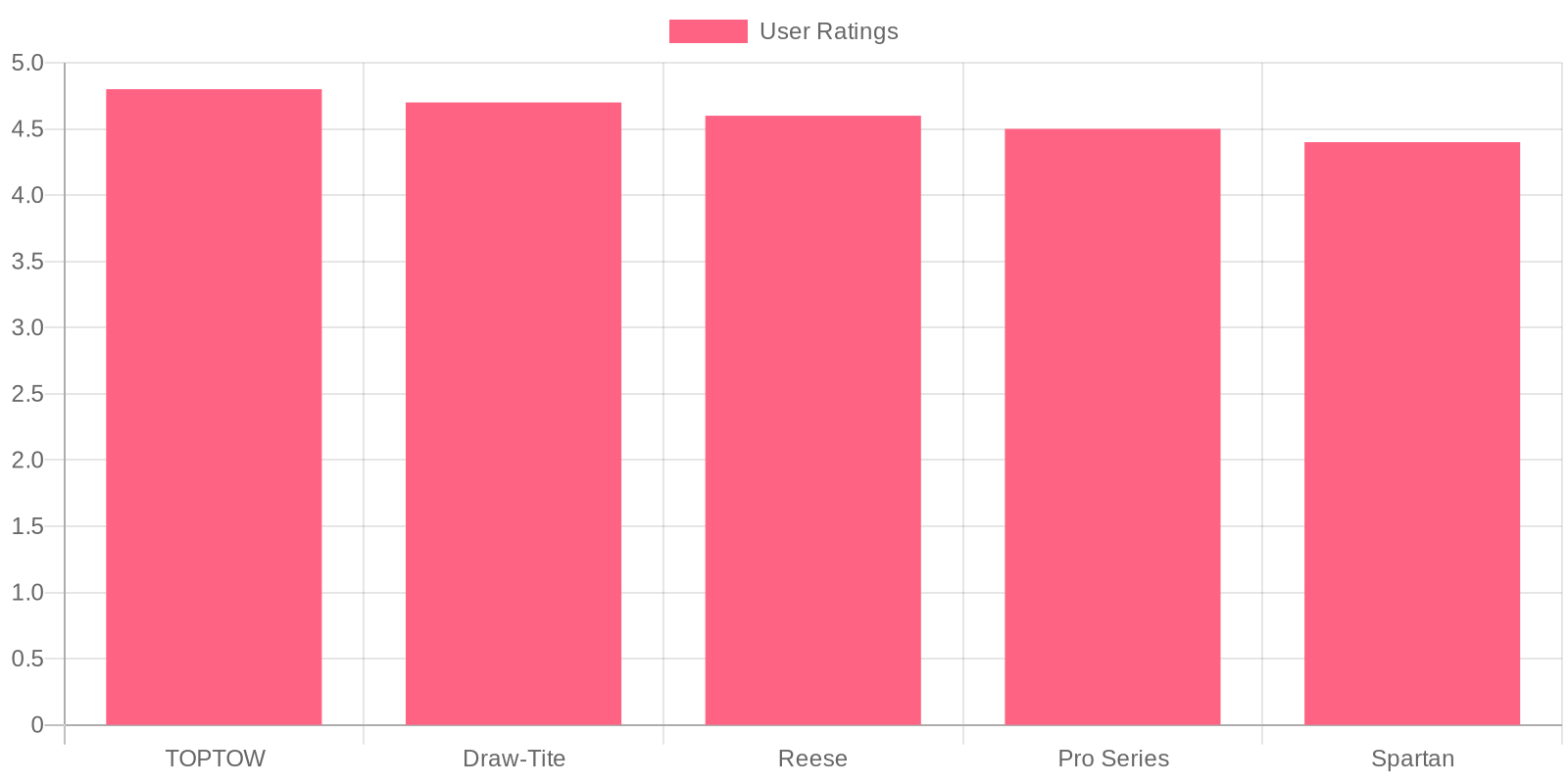
The chart above provides a visual representation of the user ratings for each of the brands listed in the table.
As you can see, TOPTOW stands out as a top-rated choice among users, with a towing capacity that meets the needs of casual and recreational users alike. For more technical insights and specifications of towing systems, you can learn more about towing basics.
Step-by-Step Guide to Installing a Tow Hitch
Installing a tow hitch on your truck is a practical skill that can be both rewarding and economical. Follow these clear, numbered steps to ensure a successful installation.
1. Gather Your Tools and Materials
Before you start, ensure you have all the necessary tools and materials at hand. You will need:
- Tow hitch kit specific to your truck model
- Socket set and wrench
- Torque wrench
- Safety glasses
- Jack and jack stands
- Alignment tools (if applicable)
- Wire brush (for cleaning)
2. Prepare Your Vehicle
Park your truck on a flat, level surface and engage the parking brake. This ensures stability during the installation. If necessary, raise the rear of your truck using a jack and support it with jack stands for easier access to the towing area. For more tips on setting up your vehicle safely, check this guide.
3. Locate the Mounting Points
Consult your vehicle owner’s manual to identify the mounting points for the tow hitch. Generally, these locations are under the rear bumper or along the truck’s frame. Remove any plastic covers or debris obstructing these points using a screwdriver or wrench.
4. Align the Tow Hitch
Position the tow hitch against the mounting points on your truck. You may need assistance to hold the hitch in place. Align the hitch with the pre-drilled holes, ensuring it sits flat against the frame. If your kit includes a wiring harness, position it next to the hitch for easy access during installation. You can refer to detailed instructions on aligning the hitch from YourMechanic.
5. Secure the Hitch
Using the bolts included in your tow hitch kit, begin to attach the hitch. Insert each bolt through the identified mount holes, then hand-tighten them to hold the hitch in place. After all bolts are in place, use a torque wrench to tighten each bolt to the specifications provided in the hitch manual. Proper torque is crucial to ensure towing safety and effectiveness.
6. Inspect and Test
Once installed, perform a thorough inspection of the hitch to ensure everything is securely fastened. If your tow hitch includes a wiring harness, connect it following the manufacturer’s guidelines. Test the stability of the hitch by pulling on it from various angles to check for any movement. This step is vital to ensure that your installation is secure and reliable. For safety checks, you can review this installation guide from AutoZone.
7. Final Adjustments
If everything appears secure, lower your truck back to the ground (if it was raised) and do one final inspection. Lubricate any moving parts if your hitch has them, and remove any tools left lying around. Ensure your hitch is ready for use by testing it with a light load (if possible).
Conclusion
By following these detailed steps, you can successfully install a tow hitch on your truck, enhancing its functionality and utility. For more on towing safety and performance, consider exploring other relevant resources linked at Winchester Tow Truck.
Tow Hitch Maintenance Tips for Truck Owners
Maintaining your tow hitch is essential to ensure safety and extend its lifespan. Here are some straightforward and practical maintenance tips that every truck owner can follow:
-
Conduct Regular Inspections: After every towing trip, inspect your tow hitch for cracks, wear, or any loose bolts. This helps you catch any significant issues early on.
-
Lubricate Moving Parts: Keeping all moving parts well-lubricated is crucial for smooth operation. Use a high-quality grease-based lubricant on the hitch ball and coupler, especially after heavy use or every six months to prevent wear.
-
Check Tow Ratings: Always confirm you are within your truck’s specified towing capacity. Overloading the hitch can lead to serious safety hazards and damage.
-
Protect Against Rust: Apply rust-resistant coatings or wax to metal components, especially if you live in humid or salty environments. This will help prevent corrosion, which can weaken the hitch.
-
Proper Storage: When not in use, store the hitch safely, preferably indoors or under a protective cover. This will minimize exposure to elements and deter theft.
For further details on hitch maintenance, consider checking out this complete guide on trailer hitch maintenance and a practical checklist for truck owners to help you keep your tow hitch in optimal condition.
By following these tow hitch maintenance tips, truck owners can ensure a safer towing experience and prolong the life of their hitches.
Towing Capacity Comparison of Truck Models
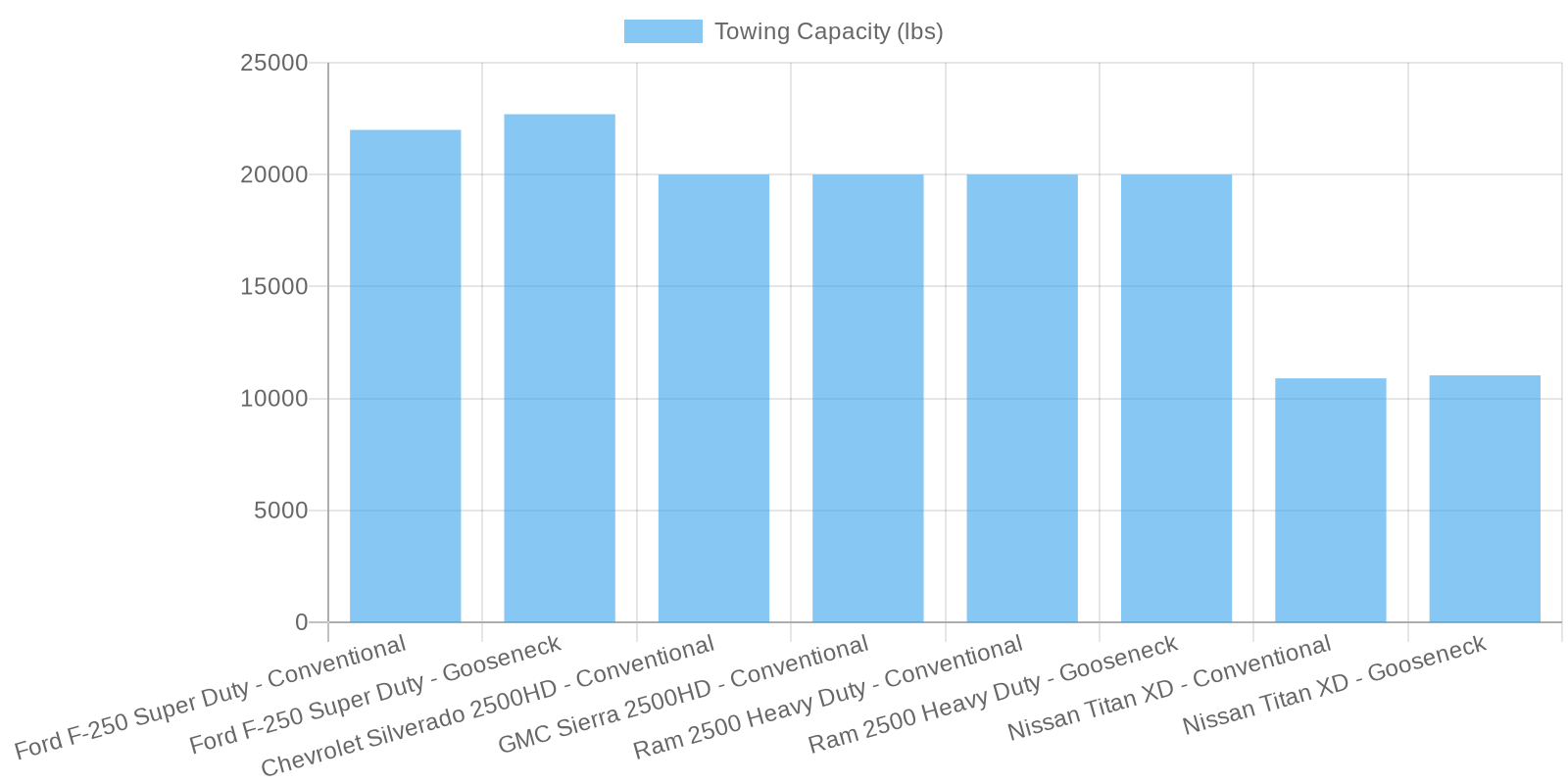
When it comes to towing capacities, different truck models and tow hitch types can significantly impact hauling capabilities. Below is a bar chart that visualizes the towing capacities of various popular truck models based on the latest data.
Towing Capacities of Popular Truck Models
| Truck Model & Hitch Type | Towing Capacity (lbs) |
|---|---|
| Ford F-250 Super Duty – Conventional | 22,000 |
| Ford F-250 Super Duty – Gooseneck | 22,700 |
| Chevrolet Silverado 2500HD – Conventional | 20,000 |
| GMC Sierra 2500HD – Conventional | 20,000 |
| Ram 2500 Heavy Duty – Conventional | 20,000 |
| Ram 2500 Heavy Duty – Gooseneck | 20,000 |
| Nissan Titan XD – Conventional | 10,898 |
| Nissan Titan XD – Gooseneck | 11,033 |
This chart allows everyday truck owners to make informed decisions about which truck and hitch type combination best suits their towing needs. As you can see, the Ford F-250 Super Duty leads in towing capacity with options for both conventional and gooseneck. For individuals with lighter towing requirements, the Nissan Titan XD offers lower capacities but can still be suitable for smaller trailers.
For further details on proper hitch installations and towing practices, check out our guides on how to put a tow hitch on a truck.
The Importance of Using a Proper Tow Hitch
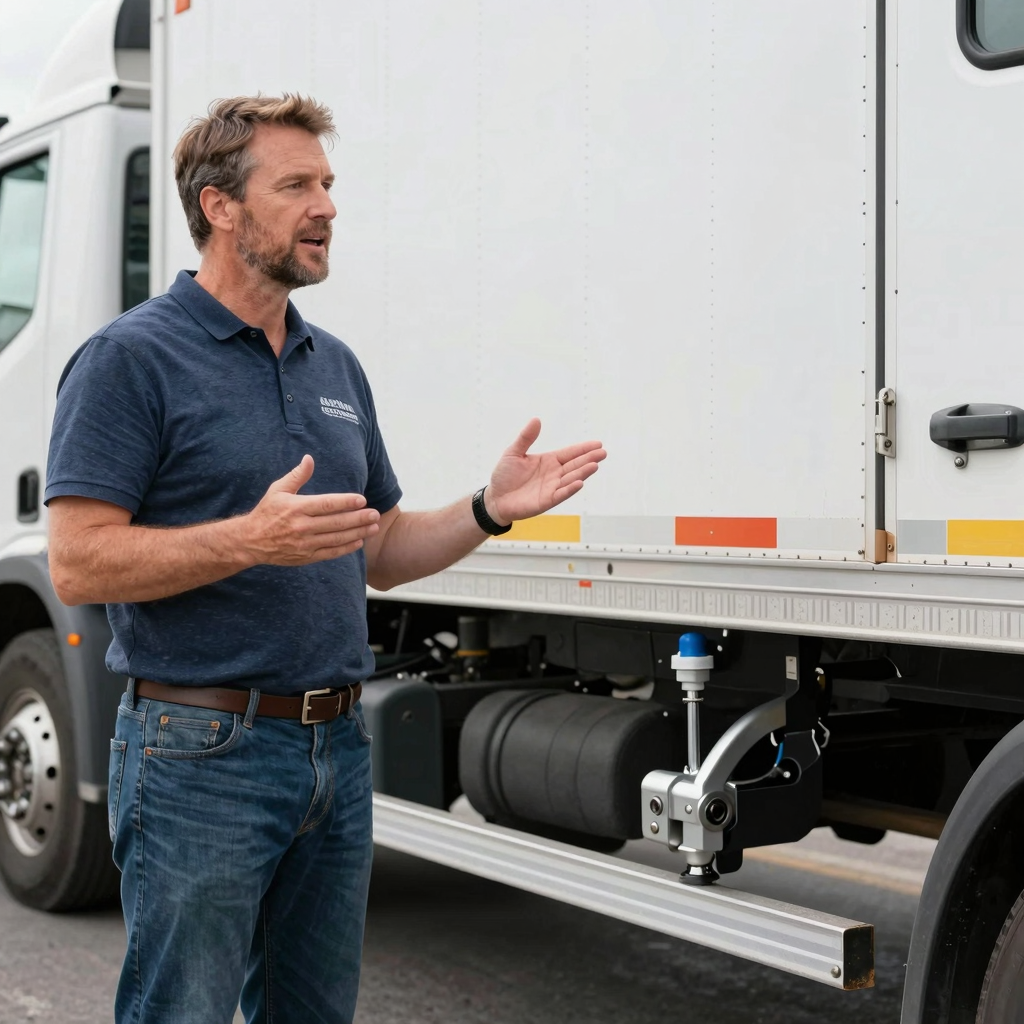
As you prepare to install a tow hitch on your truck, it’s crucial to understand just how significant the choice of hitch is for ensuring safe towing practices. According to vehicle expert and towing safety consultant, Mark Reynolds, “Using the wrong hitch isn’t just about inconvenience-it’s a direct threat to safety. A mismatched or under-rated hitch can cause trailer sway, uneven weight distribution, and most critically, the risk of the trailer detaching while driving. This places immense stress on your vehicle’s frame and drivetrain, potentially leading to catastrophic failure. Always ensure your hitch matches your vehicle’s make, model, year, and the specific towing load you intend to carry.”
Equipping your truck with the right tow hitch not only enhances safety but also improves performance while towing. Proper installation and usage are vital to prevent mishaps on the road. Investing time in understanding the requirements of your hitch setup will pay off in safer driving and more reliable journeys.
To dive deeper into aerial toolbar applications in emergencies, you can learn more about emergency rescue operations here. Additionally, for best practices in heaving response training, check out our article on emergency response training.