
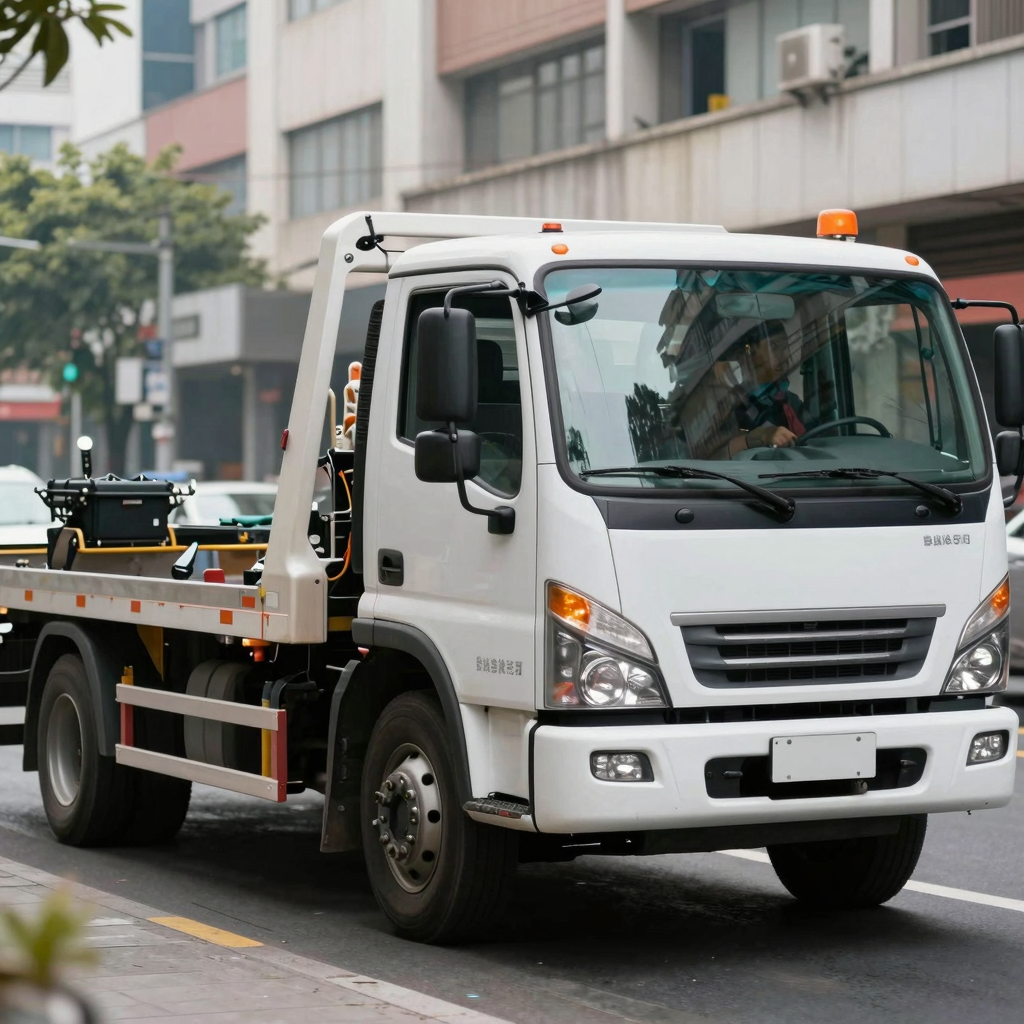
Understanding the Importance of Owning a Tow Truck
In the diverse world of transportation and logistics, owning a tow truck stands out as a vital asset for various audiences. Everyday drivers can find peace of mind knowing that help is just a call away during vehicle breakdowns, ensuring they are not stranded in inconvenient situations. For auto repair shops, having a tow truck is not just about convenience; it’s a critical component that allows for quick pick-up of customer vehicles, thus enhancing service efficiency and customer satisfaction. Property managers can significantly benefit as well by having reliable towing services at their disposal, ensuring that unauthorized vehicles are removed promptly from private lots, which maintains order and accessibility for tenants and guests alike. Investing in a tow truck not only serves these varied groups’ immediate needs but also opens the door to a range of business opportunities, making it a smart choice for those looking to enhance their operational capabilities and improve service delivery. Whether it’s for personal use or business endeavors, understanding how to own a tow truck can pave the way for greater reliability and efficiency in transportation management. To dive deeper into the specifics of owning a tow truck business, you can learn more about the towing industry and its challenges.
Understanding Tow Truck Ownership
Owning a tow truck can be a lucrative venture for many individuals or businesses. Whether you are a truck owner, an auto repair shop, or a property manager, it is essential to understand the responsibilities and financial considerations that come with this investment. To learn more about the costs associated with owning a tow truck, you can check our guide on how much does it cost to own a tow truck.
Types of Tow Trucks
There are various types of tow trucks tailored to different towing needs. Understanding these types can help you determine which vehicle is best suited for your towing business. From flatbed trucks to heavy-duty wreckers, each type comes with its unique specifications and uses.
Safety Regulations and Insurance
Before you start your towing business, it’s crucial to familiarize yourself with local regulations and safety requirements. Ensure you have the right insurance coverage to protect your investment and comply with state laws. Learn more about emergency response training best practices to ensure your operation meets safety standards.
Essential Equipment and Maintenance
Owning a tow truck isn’t just about the vehicle; it also involves having the right equipment and maintaining your truck properly. This section can provide insights on the essential tools and regular maintenance protocols you should follow to keep your truck in top condition.
Building a Customer Base
As a tow truck owner, establishing a reliable customer base is key to your success. Explore ways to market your services effectively and create lasting relationships with clients to ensure your business thrives.
Benefits of Owning a Tow Truck
-
Operational Flexibility for Auto Repair Shops:
-
Tow trucks allow repair shops to offer towing services to customers, enhancing client satisfaction and convenience.
-
Increase in customer retention by providing comprehensive service, which can be a significant competitive advantage.
-
Roadside Assistance for Everyday Drivers:
-
Immediate help in case of breakdowns or accidents, ensuring safety and reducing waiting times for assistance.
-
Peace of mind knowing that a reliable towing option is available in emergencies.
-
Revenue Generation for Property Managers:
-
Enables property managers to enforce parking regulations by towing unauthorized vehicles, maintaining order within properties.
-
Can also be a revenue source by offering towing services to residents or contractors.
-
Support for Truck Owners:
-
Enables truck owners to transport their own vehicle in case of breakdown, ensuring minimal disruption to their work.
-
Offers flexibility in hauling other vehicles or equipment, expanding business opportunities.
-
Versatility for Small Businesses:
-
Ideal for businesses like roadside assistance companies, enabling them to lower costs by having their own towing vehicle.
-
Supports various activities from transportation to equipment hauling, enhancing service offerings.
-
Enhanced Community Services:
-
Local businesses can use tow trucks for community service initiatives, such as helping during emergencies (e.g., storms or vehicle accidents).
-
Can facilitate clearance of roads during community events, ensuring smooth operations.
Owning a tow truck supports diverse functionality and caters to various audiences, enhancing the overall service portfolio while promoting operational efficiency.
Feel free to explore more about how owning equipment like tow trucks can revolutionize business operations on our website, specifically in areas such as towing services for different needs and roadside assistance technologies.
Types of Tow Trucks
Tow trucks are essential vehicles in the automotive service industry, designed to transport vehicles that are unable to drive under their own power. Here’s an overview of the major types of tow trucks, including their specific use cases and advantages.
1. Flatbed Tow Trucks
Flatbed tow trucks feature a long, flat platform that can be inclined to ground level, allowing vehicles to be driven or winched onto it.
Advantages:
- Stability: Vehicles are secured on a flat surface, reducing the risk of damage during transport.
- Versatility: Can transport various vehicle types, including cars, trucks, and even heavy machinery.
Use Cases:
- Ideal for transporting luxury or vintage vehicles that require extra care.
- Frequently used for vehicles that are disabled or wrecked since winching can easily load them.
2. Hook-and-Chain Tow Trucks
Once a common type of tow truck, hook-and-chain models lift vehicles by the axle, using chains to secure the vehicle.
Advantages:
- Quick Load Time: Ideal for swift pick-ups, especially from accident sites.
- Cost-effective: Generally less expensive compared to newer tow truck models.
Use Cases:
- More suited for wrecked or abandoned vehicles.
- Not used as frequently for high-end vehicles due to potential for damage.
3. Wheel-Lift Tow Trucks
Wheel-lift tow trucks utilize a yoke to lift one pair of wheels off the ground, allowing the vehicle to be towed without dragging its tires.
Advantages:
- Non-Invasive: Less damaging to the towed vehicle compared to hook-and-chain systems.
- Efficiency: Can easily maneuver in tight spaces, making it effective in urban areas.
Use Cases:
- Excellent for towing cars in situations where access is limited.
- Frequently used in city towing operations for parked vehicles that are violating parking regulations.
Conclusion
Understanding the various types of tow trucks and their specific applications can help you make informed decisions if you are looking to own a tow truck. Each type has its unique advantages and is suited for particular scenarios. For further insights on how to operate a towing business, check out our article on how to own a tow truck company.
| Tow Truck Type | Features | Advantages | Estimated Cost |
|---|---|---|---|
| Flatbed | Flat surface for easy loading of vehicles | Versatile, can transport any vehicle | $25,000 – $60,000 |
| Hook and Chain | Uses hooks and chains to tow vehicles | Effective for quick tows, simple design | $10,000 – $35,000 |
| Wheel-Lift | Lifts the front or rear wheels of the vehicle | Less likely to cause damage to vehicles | $15,000 – $40,000 |
| Integrated | Built-in towing mechanisms | Ideal for heavy-duty towing | $35,000 – $80,000 |
| Heavy-Duty | Designed for large vehicles | Powerful towing capacity | $75,000 – $150,000 |
Conclusion
When choosing a tow truck, it’s essential for prospective owners or operators to consider their specific needs, including the types of vehicles they intend to tow and the typical environments they’ll be working in.
For more detailed insights, you might consider checking resources like how much is a tow truck or tow truck costs pricing.
Regulatory Requirements for Owning and Operating a Tow Truck
1. Licenses and Certifications
- Commercial Driver’s License (CDL): Most states require tow truck drivers to possess a CDL, particularly if the truck has a gross vehicle weight rating (GVWR) above 26,000 pounds. Additionally, drivers may need to pass tests that demonstrate their knowledge and ability to operate a heavy vehicle safely.
- Specialized Tow Truck Training: Training programs specific to tow truck operation may be beneficial or required in certain states. These programs typically cover vehicle recovery techniques, safety protocols, and customer service skills.
2. Insurance Requirements
- Liability Insurance: Tow truck operators generally need comprehensive liability insurance that covers any damage caused to vehicles while towing. The coverage amount can vary by state, but operators should ensure they meet or exceed the minimum requirements established by local laws.
- Cargo Insurance: This type of insurance covers damage to vehicles in transit, providing further protection for both the operator and their clients.
- Workers’ Compensation Insurance: If the operator hires additional staff, they are typically required to have workers’ compensation insurance. This insurance covers medical expenses and lost wages for employees injured on the job.
3. Additional Regulatory Considerations
- Local Business License: Operators may need a business license to legally operate within their city or county. This often includes a fee and an application process with local government.
- Vehicle Inspection and Permits: Tow trucks might be subject to periodic inspections by the state to ensure they are in safe operating condition. Operators must also ensure their trucks comply with local automotive regulations.
Conclusion
Understanding the regulatory landscape for operating a tow truck is crucial for compliance and success in the towing business. It is advisable for potential owners to consult with local DMV or transportation authorities to get detailed and specific information about the requirements in their area. Additionally, engaging with industry professionals can provide insights into best practices and potential challenges.
For more information on risks and responsibilities in towing operations, consider reviewing these emergency response training best practices.
“In the towing industry, prioritizing safety and compliance isn’t just about following regulations; it’s about ensuring the protection and trust of our community. Every tow reflects our commitment to these principles.” – Industry Expert
Maintenance Tips for Tow Trucks
Owning a tow truck is a significant investment, and ensuring its reliable operation is paramount for safety and efficiency. Implementing proactive maintenance practices can extend the lifespan of your truck and enhance its performance. Here are some practical maintenance tips:
1. Regular Inspections
- Daily Checks: Before dispatch, conduct a visual inspection of your tow truck. Look for any visible signs of wear, including leaks, damaged lights, or worn-out tires.
- Weekly Maintenance: Inspect the winch, cables, and other towing equipment to ensure they are in good condition and functioning correctly.
2. Fluid Levels
- Maintain proper fluid levels, including engine oil, transmission fluid, brake fluid, and coolant. Regularly check and replace fluids as necessary to avoid overheating and mechanical failure.
3. Tire Maintenance
- Ensure that tires are properly inflated and regularly rotated. Inspect for uneven wear and tread depth to guarantee safe towing and handling.
4. Brake System Checks
- Regularly examine the braking system, including the pads, rotors, and brake lines. Signs of wear or reduced braking efficiency should be addressed immediately to maintain safety.
5. Battery Maintenance
- Keep battery terminals clean and ensure a secure connection. Check the battery’s charge regularly, and replace it as needed to prevent starting issues.
6. Lights and Signals
- Ensure all lights, including headlights, taillights, and turn signals, are functioning. Replace burnt-out bulbs promptly to maintain visibility during nighttime operations.
7. Body and Chassis Care
- Regularly wash the exterior of your tow truck to prevent rust and corrosion. Pay attention to areas where debris can accumulate and ensure that all joints and hinges operate smoothly.
8. Keep Records
- Maintain a detailed maintenance log that includes service performed, parts replaced, and dates. This will help track performance and predict future maintenance needs.
9. Manufacturer Guidelines
- Follow the manufacturer’s recommendations for maintenance schedules in the owner’s manual. This helps you stay compliant with warranties and service requirements.
By embracing these tips, tow truck owners can ensure their vehicles operate safely and efficiently over their lifetime. For additional resources on emergency situations that may require extensive training, consider our emergency response training framework. Regularly scheduled maintenance not only protects your investment but also supports the safety and security of drivers and passengers on the road.
Owning a tow truck business presents unique opportunities and responsibilities. As we’ve explored, the benefits include the potential for significant earnings, the ability to provide essential roadside assistance to those in need, and the satisfaction that comes from helping others in difficult situations. However, it also involves considerable challenges, such as maintaining your vehicle, managing customer relationships, and navigating regulatory requirements.
To successfully run a tow truck business, it’s essential to prioritize training, offer reliable service, and invest in quality equipment. By taking these steps, you can ensure that your business not only meets but exceeds customer expectations in a competitive landscape.
If you’re considering starting your tow truck journey, we at Summit Fairings can help you with top-of-the-line customizations. Our specialized services ensure your tow truck is equipped to handle various situations while maintaining peak performance. Don’t hesitate-embrace the opportunity today and propel your tow truck business forward with the support you need!