

Understanding your truck’s towing capacity is crucial for both safety and efficiency on the road. Towing involves serious technical specifications; exceeding your vehicle’s limits can lead to significant risks, including reduced handling, increased stopping distances, and even catastrophic failures. This critical aspect of vehicle operation is not just a concern for professionals; everyday drivers, property managers, and truck owners alike must grasp the fundamental calculations that dictate how much weight their trucks can safely tow. Whether you’re pulling a trailer for a weekend getaway, hauling building materials for a job, or managing fleets of vehicles, comprehending towing capacity ensures you make informed decisions that protect your investment and enhance your driving experience. As you delve into the guidelines for calculating towing capacity, remember that responsible towing can not only safeguard your passengers and cargo but also contribute to smoother journeys and less wear and tear on your vehicle. Learn more about towing right and equip yourself for safer travels.
Understanding Towing Capacity
Towing capacity is a crucial concept for truck owners and everyday drivers, as it defines the maximum weight a vehicle can safely tow behind it, such as boats, trailers, or campers. This figure is provided by the vehicle manufacturer, based on rigorous testing and is crucial for ensuring the safety of the driver and others on the road. For instance, exceeding towing capacity can lead to mechanical failures that put everyone at risk, including damage to the vehicle, which could lead to costly repairs and dangerous driving conditions.
Factors Influencing Towing Capacity
Several factors determine a vehicle’s towing capacity:
- Engine Power: The strength of the engine plays a vital role. More power allows for heavier loads to be towed effectively.
- Transmission: The type of transmission affects how power is delivered to the wheels, impacting towing capability.
- Braking System: A robust braking system is essential to safely handle the increased load during towing.
- Suspension: The vehicle’s suspension must be capable of supporting the added weight, ensuring stability and control.
- Frame Strength: The vehicle’s frame needs to be strong enough to handle the stresses of towing.
These factors, compiled in the vehicle’s specifications, assist truck owners in deciding what they can tow safely. It’s also crucial to consider the Gross Combined Weight Rating (GCWR) when calculating towing limits, which encompasses the truck’s weight plus the load being towed.
Importance for Everyday Drivers
Understanding towing capacity is vital for everyday drivers and especially for truck owners. It not only informs safe towing practices but also helps avoid accidents and vehicle malfunctions, as highlighted in this guide on the importance of towing capacity. For those in the auto repair industry, recognizing the importance of adhering to towing limits is critical for advising clients and performing maintenance correctly.
Factors Affecting Towing Capacity
When calculating the towing capacity of a truck, it’s essential to understand the various factors that play a crucial role in determining how much weight your vehicle can safely tow. Here are the key factors:
- Engine Power and Torque: The size and power of the engine directly contribute to the towing capacity. A larger engine typically provides more torque, essential for moving heavy loads effectively. Engines with a displacement of 6L or more are often found in trucks designed for heavy towing.
- Transmission Efficiency: The transmission must be capable of handling high torque loads. An efficient transmission ensures that the power from the engine is effectively transferred to the wheels.
- Axle Ratio: This ratio determines how quickly the vehicle can accelerate under load. A higher axle ratio improves towing capabilities as it provides better torque multiplication to the wheels while towing.
- Vehicle Weight: The higher the weight of the truck itself, the more it can typically tow without becoming unstable. However, it’s crucial to maintain proper balance and distribution of weight to prevent safety hazards.
- Braking System: An efficient braking system is vital for safe towing. It must be able to handle the additional weight and provide sufficient stopping power. Dual-circuit air brakes are commonly used in heavy-duty trucks for this reason.
- Suspension System Quality: The suspension needs to support the weight of both the tow truck and the trailer. A robust suspension system helps maintain stability and ride height while towing heavy loads.
- Tire Ratings: Tires should be rated for the total combined weight of the truck and trailer. Improper tire ratings can lead to blowouts and decreased handling performance while towing.
Understanding these factors can help truck owners and operators ensure safe and effective towing. For more on how to calculate a tow truck’s towing capacity, check out this guide.
Another excellent resource is the article on important towing capacity variables for further information on maximizing your truck’s potential.
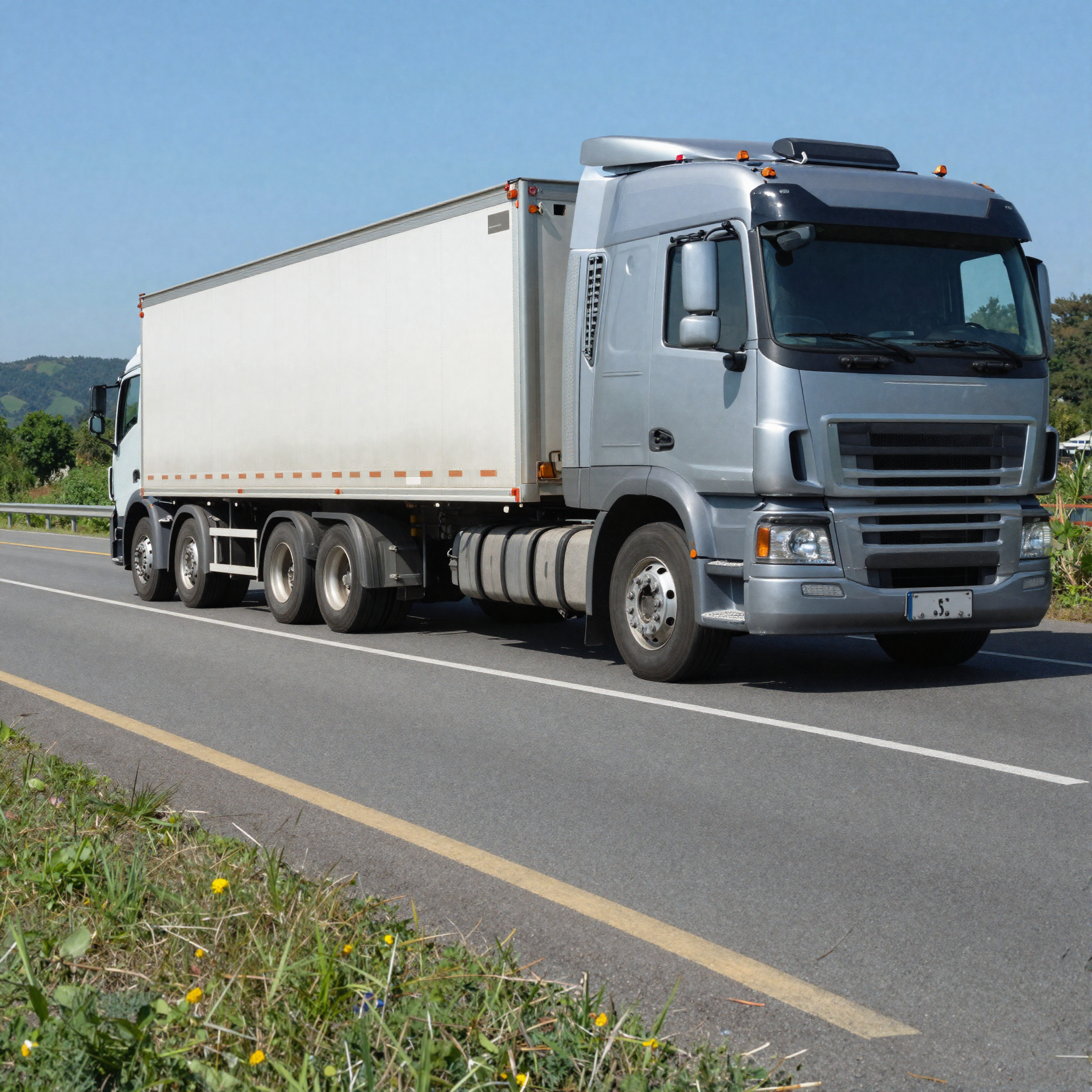
How to Calculate Towing Capacity of a Truck
Calculating the towing capacity of your truck is crucial for safe and efficient truck operation, particularly if you plan to tow trailers, boats, or heavy loads. Here’s a step-by-step guide to help you determine exactly how much your truck can safely tow.
1. Understand Key Terms
Before you start calculating, let’s clarify a few essential terms:
- Gross Combined Vehicle Weight Rating (GCVWR): This is the most weight your vehicle can safely handle, including its own weight and any attached trailer.
- Curb Weight: The weight of your vehicle when it’s empty, including all fluids but not loaded with cargo or passengers.
- Payload: The maximum weight your truck can carry, including passengers and cargo.
2. Gather Necessary Information
To perform the calculation, you’ll need the following:
- GCVWR: This is typically found on the vehicle’s compliance label (often located on the driver’s side door jamb) or in the owner’s manual. For example, a typical GCVWR might be 16,000 lbs.
- Curb Weight: Weigh your truck at a weighing station or find the manufacturer’s specification. For example, let’s say your truck has a curb weight of 5,000 lbs.
- Payload: Weigh your passengers and cargo or estimate it if only a few people are in the vehicle. Assume the payload is 1,000 lbs.
3. Calculate Towing Capacity
Use the following formula to calculate the towing capacity:
Towing Capacity = GCVWR – (Curb Weight + Payload)
Insert the values into the formula:
Towing Capacity = 16,000 lbs – (5,000 lbs + 1,000 lbs)
Towing Capacity = 16,000 lbs – 6,000 lbs = 10,000 lbs
This means your truck can safely tow up to 10,000 lbs.
4. Consider Additional Factors
While this calculation provides a baseline, consider the following factors that may affect your actual towing capacity:
- Hitch Type: Ensure your hitch is rated for the weight you plan to tow.
- Engine and Transmission: Different engine types or transmission setups can affect towing performance.
- Climate and Terrain: Heavy loads may handle differently on steep grades or in adverse weather conditions.
5. Practical Example
Let’s take a practical example using a well-known vehicle, such as the 2025 Shacman F3000 tractor truck:
- GCVWR: 60,000 lbs (based on manufacturer specifications)
- Curb Weight: 30,000 lbs
- Payload: 10,000 lbs (estimated)
Using our formula:
Towing Capacity = GCVWR – (Curb Weight + Payload)
Towing Capacity = 60,000 lbs – (30,000 lbs + 10,000 lbs)
Towing Capacity = 60,000 lbs – 40,000 lbs = 20,000 lbs
Thus, the Shacman F3000 can tow up to 20,000 lbs under optimal conditions.
Conclusion
Understanding and calculating your truck’s towing capacity is vital for safety and performance. Always refer to your vehicle’s manual for specific ratings and adjustments. If you frequently tow heavy loads, consider getting a truck with higher tow ratings or consult professionals to ensure your setup is suitable for your needs.
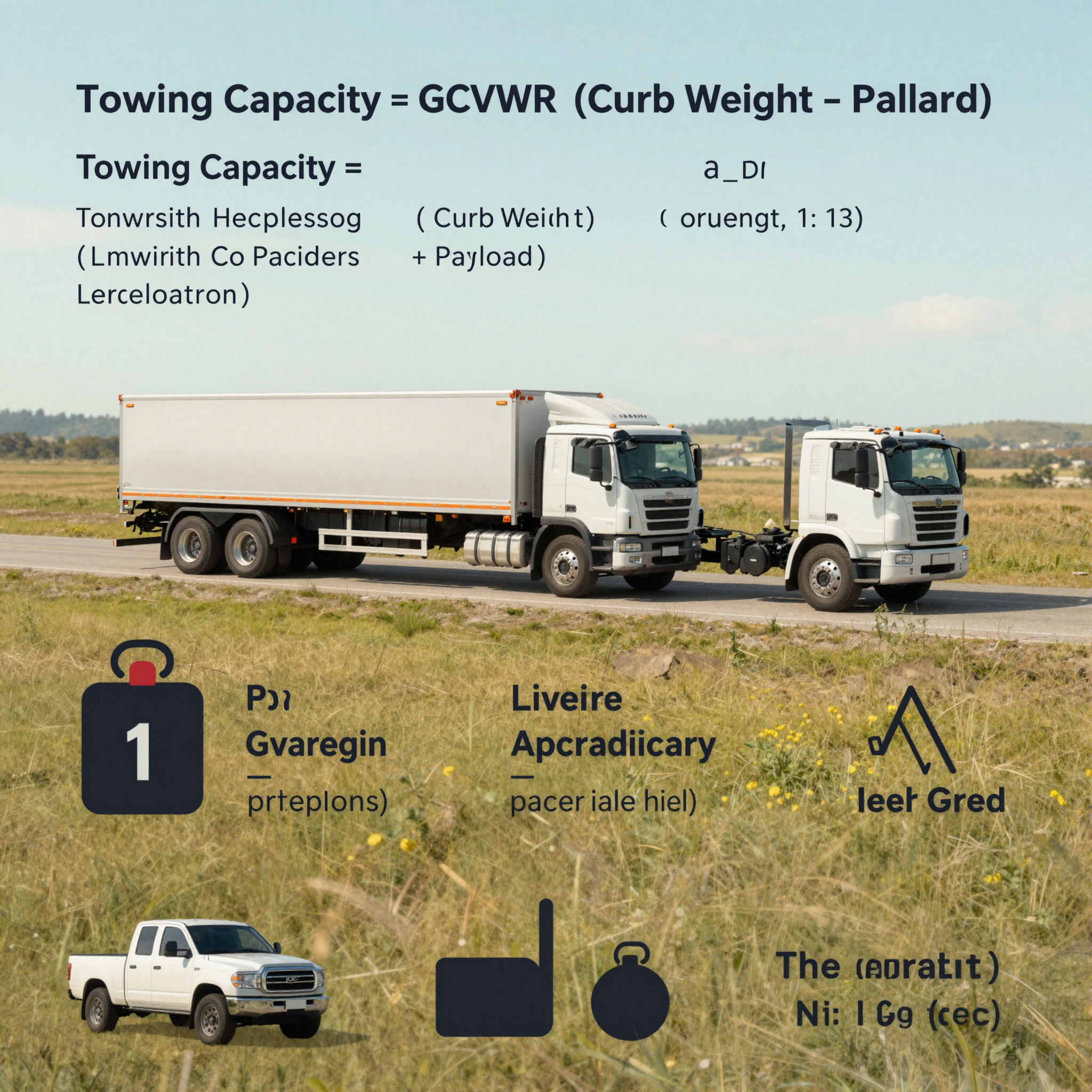
For further guidance on what to consider when towing, visit Consumer Reports.
| Truck Model | Towing Capacity (lbs) | Source |
|---|---|---|
| Ford F-250 Super Duty | 22,000 | Truck Home |
| Chevrolet Silverado 2500HD | 20,000 | Car Review |
| Toyota Tundra | 12,000 | Car and Driver |
| Nissan Titan | 11,033 | Motor Trend |
| Ram 2500 | 19,980 | Cars.com |
This table presents a comprehensive comparison of the towing capacities for various popular truck models as of 2023. Each truck differs significantly in its towing capacity, making it crucial for potential buyers to choose a model that fits their specific towing needs. If you’re interested in learning more about calculating the towing capacity of your truck, you can check out our detailed guide here.
Common Mistakes to Avoid When Estimating Towing Capacity
Estimating towing capacity can be tricky for everyday drivers, and several common mistakes can lead to dangerous scenarios on the road. Here are some of those missteps and tips on how to avoid them:
1. Relying Solely on Manufacturer Ratings
Many drivers make the mistake of depending exclusively on their vehicle’s manufacturer-rated towing capacity without considering the actual weight of the trailer and its cargo. To avoid this:
- Check the Gross Combined Vehicle Weight Rating (GCVWR): Ensure your vehicle and trailer combined weight is under this limit.
- Consider the Gross Vehicle Weight Rating (GVWR): Know both your tow vehicle’s and the trailer’s ratings and adjust your load accordingly.
Learn more about safe towing capacities here.
2. Ignoring Payload Capacity
A common error is confusing payload capacity with towing capacity. Payload is the weight the vehicle can carry in its cabin or bed, while towing capacity denotes how much it can pull. To avoid this:
- Read Your Owner’s Manual: Consult your vehicle’s guidelines to understand these distinctions.
3. Overloading
Drivers often exceed their vehicles’ towing capacity by not accounting for the full weight of the trailer, including fuel, water, and gear. To prevent overloading:
- Use a Certified Scale: Weigh the trailer before towing to ensure compliance with the GCVWR.
- Secure Hitch Properly: Always check that your hitch can handle the load and that safety chains are secure.
For further guidance on towing safely, refer to this NHTSA resource.
In conclusion, understanding how to calculate your truck’s towing capacity is essential for the safety and efficiency of your hauling tasks. The key takeaway is that towing capacity is determined primarily by the Gross Combined Vehicle Weight Rating (GCVWR) minus the truck’s curb weight. This simple yet crucial equation ensures that you are towing within safe limits, which can positively impact your vehicle’s performance and longevity. Additionally, it’s vital to consider factors such as payload and the specific characteristics of your vehicle, which may affect the overall towing capacity. By applying this knowledge, truck owners and everyday drivers alike can make informed decisions that cater to their unique towing needs. Always refer to your vehicle’s specifications, found either in the owner’s manual or on the placard located on the driver’s side door frame for the most accurate information. For additional insights on effective towing strategies and safety practices, feel free to check out this comprehensive guide on understanding towing capacity.
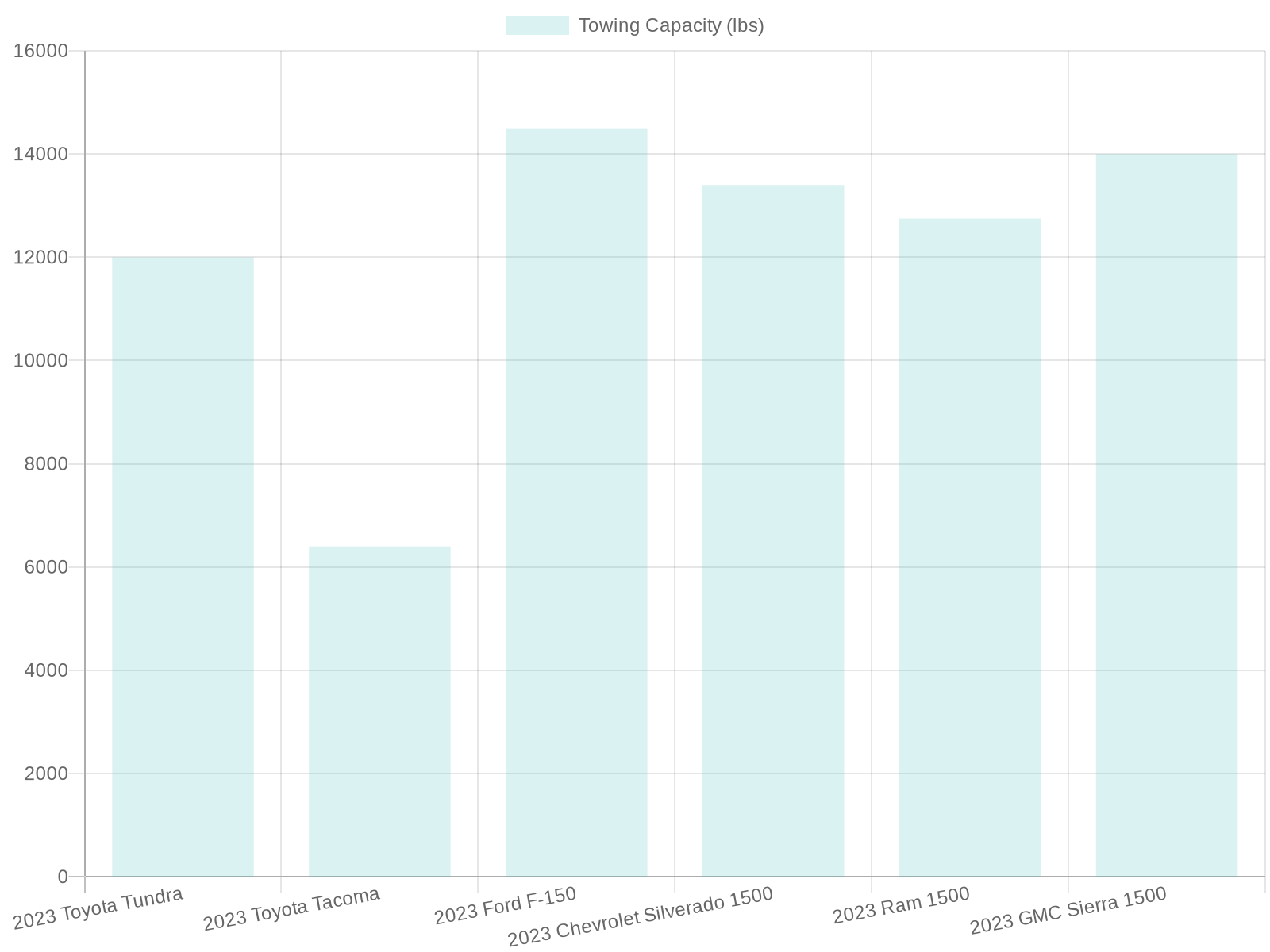
| Truck Model | Towing Capacity (lbs) |
|---|---|
| 2023 Toyota Tundra | 12,000 |
| 2023 Toyota Tacoma | 6,400 |
| 2023 Ford F-150 | 14,500 |
| 2023 Chevrolet Silverado 1500 | 13,400 |
| 2023 Ram 1500 | 12,750 |
| 2023 GMC Sierra 1500 | 14,000 |
Source URLs:
- Toyota Tundra Towing Capacity
- Toyota Tacoma Towing Capacity
- Ford F-150 Towing Capacity
- Chevrolet Silverado 1500 Towing Capacity
- Ram 1500 Towing Capacity
- GMC Sierra 1500 Towing Capacity
Take Action Today!
As a truck owner, you understand the importance of maximizing your vehicle’s performance and reliability. Whether you’re towing a trailer, carrying heavy loads, or embarking on a weekend adventure, having the right accessories can make all the difference. That’s where Summit Fairings comes in.
Summit Fairings is committed to providing high-quality truck accessories designed to enhance your driving experience and ensure you’re well-equipped for any challenge on the road. With a variety of products that improve aerodynamics, increase fuel efficiency, and offer protection against the elements, you can trust that your investment is safe and sound.
Don’t wait until you’re in a pinch-equip your truck with the best accessories today! Visit our website to explore our extensive range of products and discover how to enhance your truck’s performance. Elevate your driving and ensure your truck can handle whatever you throw at it. Act now and give your truck the upgrade it deserves for tomorrow’s adventures!
Summit Fairings: Quality, Performance, and Reliability for Every Truck Owner. Order now and experience the difference!