Introduction
Buying a tow truck is an essential investment for a diverse audience that includes everyday drivers, property managers, and auto repair shops. Whether you are managing a fleet of vehicles, looking to enhance your roadside assistance offerings, or simply preparing for those unexpected breakdowns, understanding the right tow truck for your needs is crucial. Not only can a tow truck provide peace of mind, but it also serves as a vital tool in ensuring safety on the roads. In this guide, we will walk you through the necessary considerations to make an informed purchase, highlighting the benefits and features that cater to your requirements. Expect to learn about the different types of tow trucks, the cost implications, and essential tips to enhance your towing operations. Dive in to unlock the potential of owning a tow truck that not only aids in rescue operations but also promises efficiency and reliability for various scenarios, making your driving experience smoother and safer.
When considering purchasing a tow truck, there are several key factors to keep in mind to ensure you make the right decision:
- Towing Capacity: Assess how much weight you need to tow. Tow trucks come with various towing capacities, so choose one that meets your requirements.
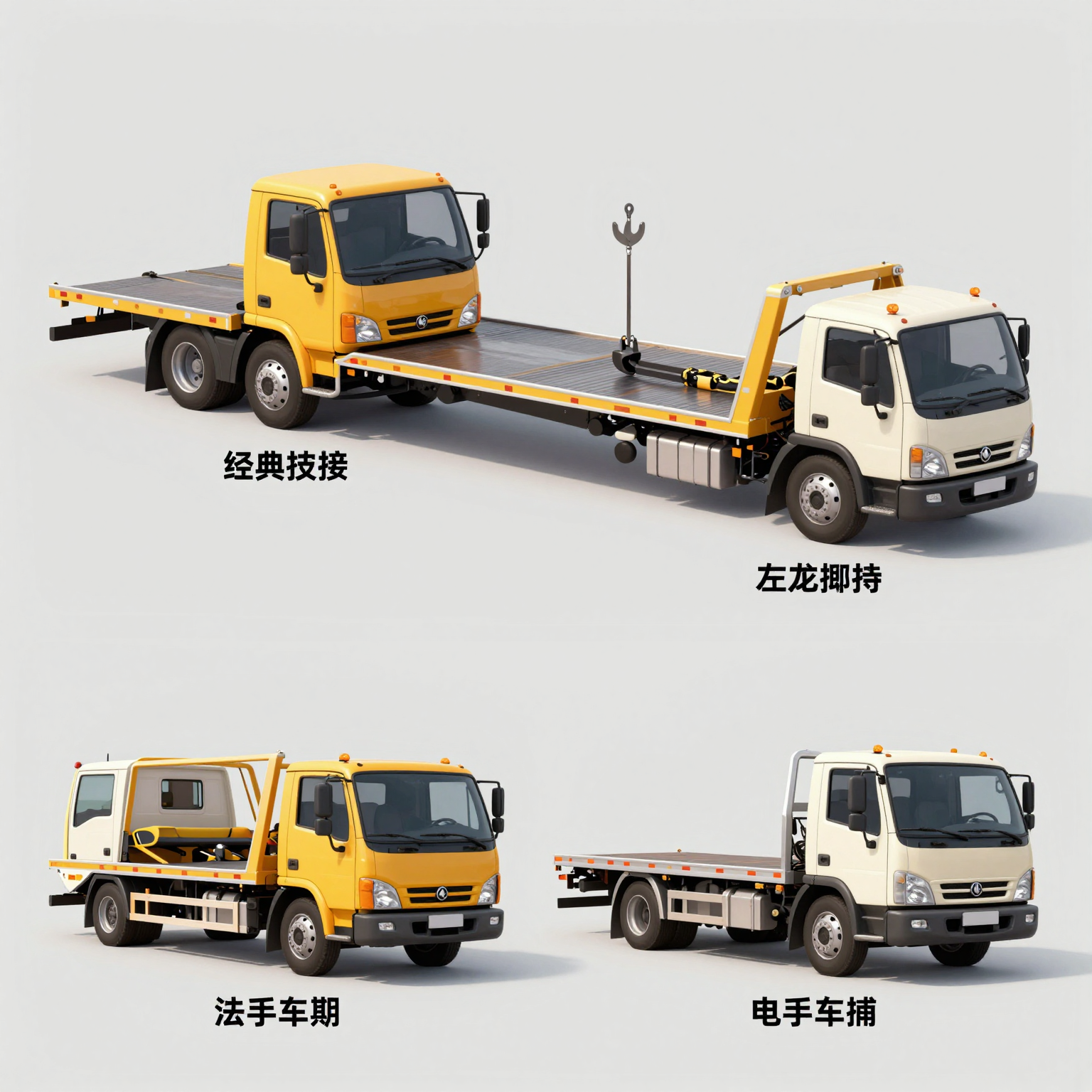
- Type of Truck: Decide between flatbed, wheel-lift, or rotator trucks based on your typical towing needs. Each type offers different advantages for specific scenarios.
- Cost: Determine your budget as tow trucks can range significantly in price based on their type, features, and whether they are new or used. For pricing insights, check this guide.
- New vs. Used: Weigh the pros and cons of buying new versus used to fit your budget and reliability needs.
- Necessary Features: Look for safety features, hydraulic systems, and other enhancements that can improve efficiency and safety while operating.
Consider these factors to refine your selection and ensure you get a tow truck that meets your operational needs.
Importance of Towing Capacity
When purchasing a tow truck, understanding towing capacity is crucial for ensuring safety and functionality. Towing capacity refers to the maximum weight that a vehicle can safely tow, and it is a critical specification that directly impacts the efficiency of operations and the safety of both the tow truck operator and other road users.
For instance, a study highlighted that exceeding a tow truck’s rated capacity can lead to severe accidents, including structural failures such as brake malfunctions and even tipping over. An example from recent industry reports notes a case where a tow truck rated to tow 75,000 pounds was used to lift a larger vehicle, resulting in catastrophic failure due to overloading, which endangered both operators and nearby pedestrians. This incident underscores the importance of staying within defined limits for safety.
Moreover, modern tow trucks like Rotator tow trucks provide advanced features but must adhere strictly to their towing capacity for safe operation. Thus, understanding towing capacity is not just a technical requirement-it’s fundamental to operational safety.
To better understand the stakes involved, consider reviewing the NHTSA guidelines on towing capacity and the impact of towing on safety.
Financing Options for Purchasing a Tow Truck
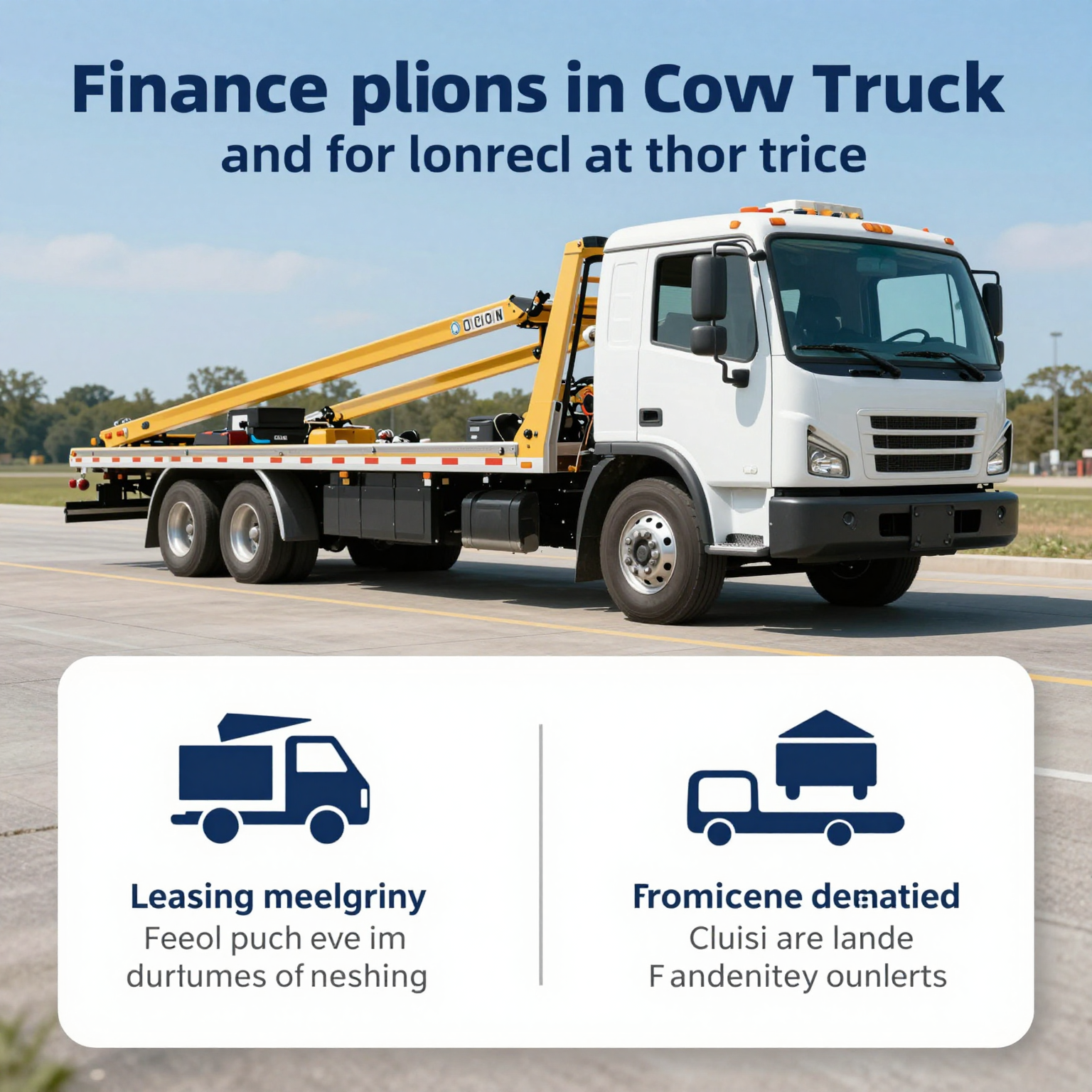
When considering the purchase of a tow truck, exploring various financing options is essential to ensure a manageable investment. Here are the main avenues to consider:
1. Loans
- Traditional Bank Loans: Typically, these loans come with terms ranging from 3 to 5 years and interest rates between 6% to 9%. Borrowers require a good credit history and may need collateral.
- Specialized Equipment Financing: Institutions like Wells Fargo and Capital One offer tailored financing specifically for commercial vehicles, often simplifying the application process.
- SBA Loans: The Small Business Administration (SBA) provides loan programs that help small businesses secure financing with favorable terms, such as interest rates below prime and amounts up to $5 million. These loans are backed by the SBA, lowering risk for lenders, which may make approval easier for qualifying applicants.
2. Leasing
- Operating vs. Finance Leases: Leasing options can provide lower upfront costs but often include restrictions on mileage and no ownership at the lease’s end. Finance leases can lead to ownership over time but require a commitment to the vehicle beyond a typical lease term.
- Manufacturer Financing Programs: Direct financing from manufacturers like Freightliner and Ford Commercial often offers competitive rates and flexible terms for new vehicles.
3. Industry-Specific Financial Advice
- Before finalizing any financing option, assess the total cost of ownership, which includes maintenance, fuel, insurance, and licensing expenses, to confirm affordability. Consulting with a financial advisor experienced in commercial vehicle operations can significantly aid in making informed decisions.
For more details about purchasing considerations, check out this guide.
| Brand | Pros | Cons | Price Range | Unique Selling Points |
|---|---|---|---|---|
| Haulmark | Durable construction | Higher initial cost | $85,000 – $120,000 | Integrated rollback beds with advanced safety features |
| WreckerWorks | Excellent for heavy-duty recovery | More complex maintenance | $90,000 – $140,000 | Reliable hydraulic systems |
| Titan Recovery | High performance for longer distance towing | Heavier weight affects fuel economy | $75,000 – $130,000 | Multi-position locking systems for secure transport |
| BME | Zero ground contact for damaged vehicles | Less maneuverable in tight spaces | $90,000 – $150,000 | Hydraulic deck leveling systems |
| Pacer | Compact design, efficient for urban towing | Not suitable for AWD/4WD vehicles | $55,000 – $95,000 | Dual-function models combining flatbed and wheel-lift |
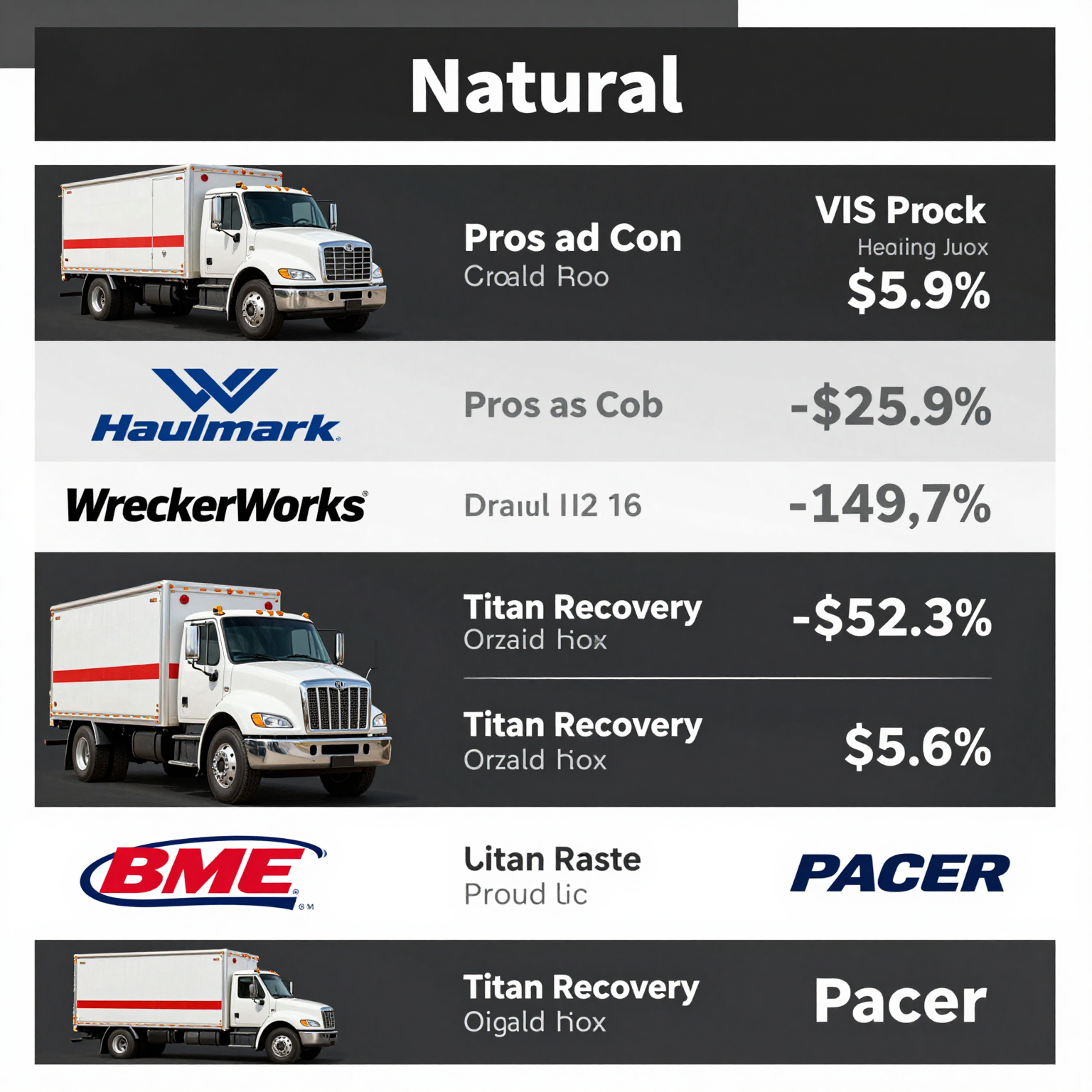
This comparison provides a clear visual reference for everyday drivers and auto repair shops to evaluate their options when considering a tow truck. For further information, visit how much is a tow truck or tow truck costs pricing.
Maintenance and Ownership Costs of a Tow Truck
Owning a tow truck entails a significant financial commitment, with various ongoing maintenance and ownership costs that can impact your overall budget. Here, we break down the central components of these costs, including insurance, fuel, routine upkeep, and repairs.
1. Insurance Costs
Insurance is a crucial investment for tow truck operators, providing protection against potential damages, liabilities, and accidents. In 2023, the average insurance cost for a tow truck service is approximately $12,000 per year. This figure can vary based on the type of coverage you choose and your specific business operations. High-risk vehicles or transport zones may lead to higher premiums. For more details on insurance considerations, you can refer to these guidelines.
2. Fuel Expenses
Fuel is another significant expense that can substantially affect your operating costs. Tow trucks, especially larger models, consume a considerable amount of fuel. In 2023, estimated fuel costs for a standard tow truck are around $27,300 annually. This aligns with the average annual fuel consumption, which can reach up to 12,000 gallons depending on your operational scale and distance traveled.
3. Routine Maintenance
Regular maintenance is vital for maintaining the truck’s performance and ensuring its reliability. In 2023, routine maintenance costs-including oil changes, tire rotations, and inspections-are estimated to be about $18,000 per year. Neglecting regular maintenance can lead to more severe issues and higher repair costs down the line.
4. Potential Repairs
Despite regular maintenance, repairs are an inevitable part of tow truck ownership. On average, repair costs are projected to be $16,000 annually. These costs may involve anything from minor repairs to significant overhauls, depending on the age and usage of the vehicle.
Cost Overview
Here’s a breakdown of the estimated annual costs associated with owning a tow truck:
| 项目 | 年度成本(美元) |
|---|---|
| 保险 | $12,000 |
| 燃油 | $27,300 |
| 常规维护 | $18,000 |
| 修理费用 | $16,000 |
Source: Tow Truck Operating Cost Overview
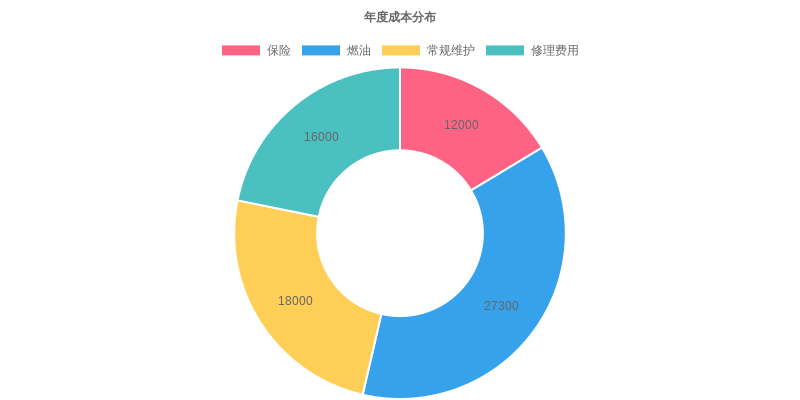
Understanding these costs is essential for anyone considering purchasing or operating a tow truck. By keeping a careful eye on these ongoing expenses, operators can better manage their finances and ensure the sustainable operation of their tow truck business.
Tow Truck Buying Tips
When purchasing a tow truck, informed decisions are crucial. As Derek Monroe, Fleet Manager at Nationwide Towing Solutions, states:
“Investing in a premium rollback unit pays off in reduced maintenance costs and higher job completion rates.”
This highlights the importance of considering various factors:
- Gross Vehicle Weight Rating (GVWR): Make sure the truck’s capacity suits your needs.
- Driver’s License Class: Ensure your driver’s license matches the vehicle’s classification to avoid legal issues.
- Durable Chassis: Look for renowned manufacturers like Ford, International, or Hino.
- Advanced Hydraulics: Seek models with effective hydraulic systems to ensure efficient operations.
- Anti-skid Decks and LED Lighting: These features enhance safety and functionality.
- Service Network: A strong service network is essential for long-term reliability and maintenance support.
Taking the time to research these aspects can lead to a successful towing operation and a worthwhile investment. For more insights on operational strategies, feel free to check out our article on how to own a tow truck company.
Conclusion and Call to Action
In conclusion, purchasing a tow truck is a significant decision that requires careful consideration of various factors, including the type of truck, its intended use, and overall costs. Key takeaways include assessing your current and future towing needs, evaluating different models and their capabilities, and factoring in maintenance costs. Understanding the various financial implications will empower you to make an informed choice that aligns with your personal or business objectives.
As you weigh your options, consider the benefits of custom-fit tow trucks. They not only enhance efficiency and safety but also offer significant long-term cost benefits due to optimized design and tailored functionalities. Interested in a custom-fit solution? Summit Fairings provides high-quality customizable products designed specifically for your needs, ensuring durability and functionality at competitive prices. Explore your options and elevate your towing experience today!
Frequently Asked Questions about Towing and Tow Trucks
1. What type of tow truck do I need for my business?
Choosing the right tow truck depends on your specific needs. For general towing, a flatbed tow truck is often recommended due to its versatility and ease of use. However, if you’re frequently handling heavier vehicles, consider a heavy-duty wrecker. For more detailed insights, you can explore this guide on tow truck types.
2. How much does a tow truck cost?
The cost of a tow truck can vary widely based on factors like type, condition, and additional features. On average, new tow trucks range from $30,000 to $150,000. For more specifics on expenses, check this comprehensive article.
3. What are the legal requirements for towing?
Owning a tow truck comes with legal responsibilities. It’s essential to understand your state’s towing laws, which can include regulations around licensing and insurance coverage. For a detailed understanding of these regulations, visit the NHTSA.
4. How do I maintain my tow truck?
Regular maintenance is crucial to extend the lifespan of your truck. This includes:
- Checking fluid levels frequently, particularly brake and engine oil.
- Conducting inspections of the towing equipment at least once every few months.
- Making sure tires are properly inflated and free of wear.
For more tips, refer to the National Towing Association’s best practices guide.
5. What should I do if my vehicle breaks down on the road?
If your vehicle experiences a breakdown, your safety is the priority! Move the vehicle to a safe location, turn on hazard lights, and contact a tow truck service. Remember to have emergency tools, such as a cellphone or a roadside emergency kit, ready! For further guidance on emergency breakdowns, check out these towing tips.
6. Is it common to tip tow truck drivers?
While not mandatory, tipping tow truck drivers is appreciated, especially if they provide above-and-beyond service. A typical tip can range from 10% to 20% of the total service cost. If you’re curious about the etiquette around tipping, read more here.