
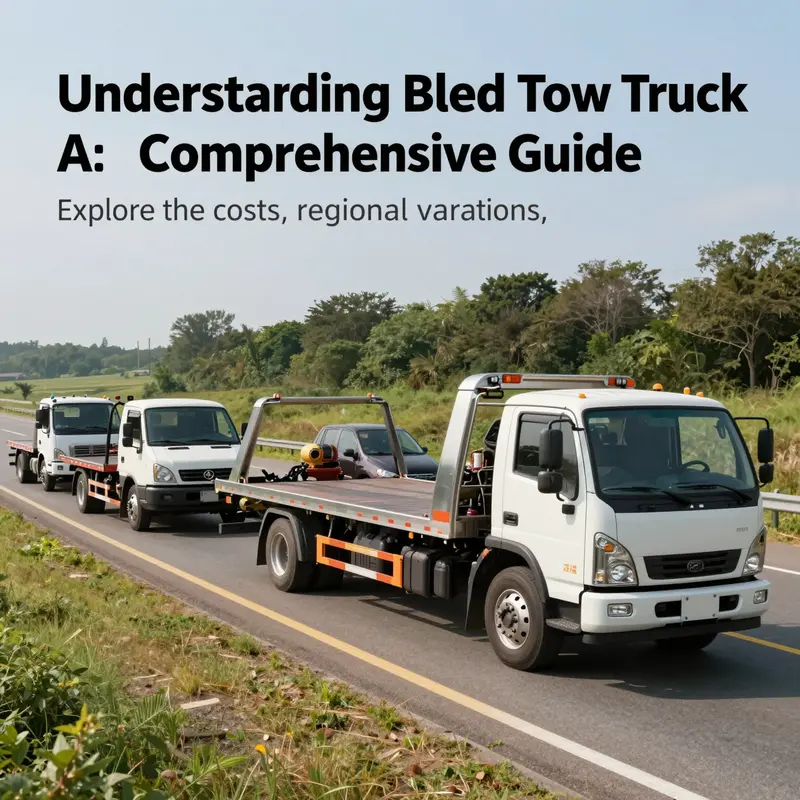
Flatbed tow trucks are essential vehicles for transporting disabled or damaged vehicles, and their prices can be a significant investment for everyday drivers, truck owners, auto repair shops, and property managers. With a range of factors influencing cost—such as capacity, technical features, brand, and regional market conditions—it is crucial to understand how much a flatbed tow truck truly costs. This guide will delve into the cost breakdown, market variances, technical features, brand comparisons, and the differences in value between used and new models, providing a comprehensive overview to empower potential buyers in making informed decisions.
Price in Perspective: A Practical Guide to Flatbed Tow Truck Costs
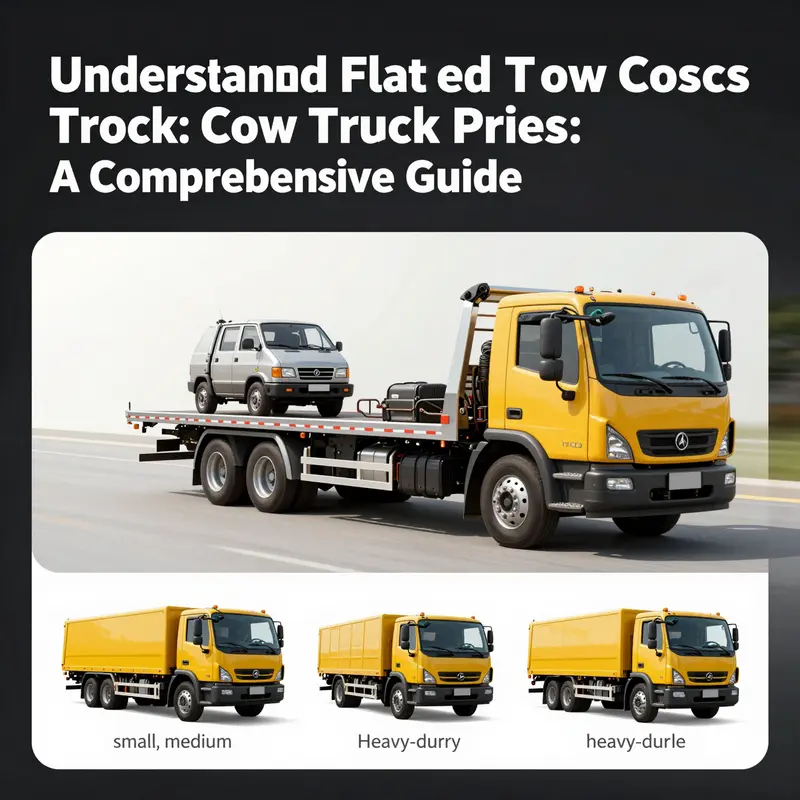
Choosing a flatbed tow truck starts with more than a sticker price. Across markets, a truck’s cost reflects its capacity, build quality, features, and whether it is fresh from the factory or a used base with miles. In early 2026 data, the price bands are clear but not rigid, and the numbers shift with region and configuration. For a small operation that mainly tows cars, the sticker price for a compact flatbed can be a fraction of the cost of a larger, heavier machine. Yet even within a single tier, the spread can be wide. The key is to understand what you need the truck to do, how often you will deploy it, and what kind of return you expect from it over its service life. The simplest way to frame the discussion is to think in capacity brackets and then layer in the value of options, warranty, and after sales support. A practical view starts with three tiers and a set of commonly encountered cost drivers, while recognizing that regional pricing, financing terms, and supplier incentives can bend the numbers in either direction.
At the lower end of the spectrum, flatbeds designed for light to medium duty tend to be priced most aggressively when new. In typical new-unit pricing, a 3 to 5 ton flatbed is often quoted in the mid to upper teens of thousands of dollars, with figures clustering around the teens and creeping toward the upper twenties as the configuration grows more capable or includes extras like a wheel lift, an integrated crane, or a longer platform. This tier is popular for urban recovery, dealership work, and fleets that regularly tow sedans and small SUVs. The appeal here is not just the upfront price but the proportional value of a compact, maneuverable unit that can navigate tight spaces and service smaller vehicles efficiently. On the other side of the same tier, the cost can rise as you add reliability-enhancing options, stronger hydraulics, or better warranty terms, and as parts and labor costs in certain regions push up the overall price.
Moving up, the heavy-duty 8 to 10 ton rollback variants occupy a middle field where capacity and versatility are dialed up for larger vehicles and more demanding salvage tasks. These units frequently command higher price tags because they are expected to perform under tougher conditions, handle heavier payloads, and often incorporate more sophisticated lifting gear, stronger chassis, and longer service life expectations. The price band for these machines typically spans from the low twenty thousands to the upper forties or even just under fifty thousand dollars for fully equipped configurations with extended warranties and robust maintenance packages. The decision to invest in this level of capability often hinges on the mix of vehicles a shop encounters, the geographic scope of work, and the willingness to pay for reduced downtime and faster turnaround on complex recoveries.
For operators with ambitious needs, high-capacity or specialized flatbed models push into the 15 ton range and beyond. These are built to transport heavy machinery, awkwardly sized equipment, or unusually long platforms. The sticker price for new units in this category can range from around thirty-five thousand dollars up to seventy thousand or more, depending on chassis selection, platform length, crane options, and the level of after-sales support included in the package. It is common for fleets that regularly handle heavy salvage, construction equipment, or multi-axle trucks to value the extra reach, stability, and service coverage that come with premium configurations. While the upfront cost is the most visible element, the immediate cost story should also account for depreciation, insurance, inspection regimes, and the potential for cost-efficient maintenance plans that extend the vehicle’s usable life.
Beyond the headline figures, the market presents a broader spectrum that reflects regional supply chains and the diversity of builder offerings. A broader snapshot shows that the same capacity band can be priced quite differently depending on the included features and how a unit is certified for road use in a particular country. In some listings, a basic new unit in the 3 to 5 ton range can surface at prices closer to the mid five figures, especially when there is strong competition among vendors. In other markets, a more modest setup might still demand a price in the high teens or low twenties to cover factory build quality and local compliance. Conversely, a highly capable unit with a crane, reinforced platform, and extended warranty can push the same capacity into the upper price bands. The spread is not only about the raw weight rating but about how much lift force the crane delivers, how the hydraulic system performs under load, how long the platform is, and how the vehicle’s electrical and control systems are integrated for fast, reliable operation.
A detailed view of the cost landscape, drawn from recent market results, helps anchor expectations. For compact flatbeds, the price span seen in practice ranges from roughly five thousand five hundred dollars to twenty-six thousand dollars per unit, depending on the exact capacity, build quality, and whether the listing represents a starter specification or a more complete package. When the conversation shifts to a dedicated heavy-duty rollback with reinforced components and more robust duty cycles, figures commonly fall in a wide band—from about seventeen thousand dollars up to fifty-eight thousand dollars, with the higher end typically reflecting extra customization, warranties, and after-sales service. For the multi-purpose classes that combine towing with lifting capabilities—vehicles used by professional operators in salvage and breakdown roles—the price band starts around fifteen thousand five hundred dollars and can reach up to twenty-nine thousand dollars for certain configurations, especially when units are sold in sets or as part of fleet purchases. These numbers illustrate how a single capacity category can produce very different price outcomes based on design choices, fasteners, chassis ratings, and the level of support bundled with the purchase.
If you are budgeting for a purchase, it is essential to separate the sticker price from the total cost of ownership. Shipping and freight, not included in many price quotes, can add a meaningful sum, especially for buyers located far from the manufacturer or distributor network. Customization options—such as a longer platform, upgraded winches, or a crane with higher lift capacity—can add tens of thousands of dollars to the final price. After-sales service, extended warranties, and maintenance packages typically change the annual cost of ownership by a few hundred to a few thousand dollars, depending on coverage and response times. Payment terms, including deposits, delivery milestones, and the currency of payment, can also influence the effective price, particularly for buyers who must manage exchange rate risk or incur borrowing costs. In fleet contexts, the price per unit often improves with volume, while individual operators may negotiate favorable terms for cradle-to-grave service agreements that cover inspections, parts, and technician visits for a fixed period.
For a practical map of pricing and what to expect, consult our guide on tow-truck costs and pricing. This resource walks through how to compare bids, interpret line-item quotes, and weigh the value of features against the needs of a given operation. The choice between a light, nimble unit and a heavier, feature-rich machine is rarely about a single criterion. It is a balancing act among performance, reliability, maintenance cost, and the breadth of tasks you expect to perform. A compact unit may excel at quick recoveries in a dense urban core, but a larger platform with a crane might yield faster turnarounds on commercial fleet calls and heavier salvage work. Your decision should reflect not just the current job mix but a realistic projection of how that mix could evolve in the life of the asset.
In all cases, one practical approach is to begin with a clear job profile. List the typical vehicle types, average weight, and common recovery scenarios you expect to encounter in your service area. Then map those requirements to the capacity envelope, preferred features, and warranty expectations. Compare quotes not only on the upfront price but on what each package includes in terms maintenance, parts availability, and service responsiveness. The numbers above are a guide, not a rule; regional markets, supplier incentives, and evolving technology can produce meaningful deviations. The right choice is the one that best aligns with your operation’s workload, risk tolerance, and long-term financial plan.
External resource for broader market context: https://www.alibaba.com/product-detail/Flatbed-Type-3000kg-4000kg-5000kg-Wrecker_1600584795526.html
Riding the Exchange: How Regional Markets Shape Flatbed Tow Truck Prices

Riding the regional map of wheels and warranties, pricing for a flatbed tow truck is less about a single sticker price and more about where the buyer stands on a global supply chain. Manufacturers cluster in regions with heavy industrial demand, logistics links, and favorable exchange rates, and every tariff, tax, and freight surcharge nudges the final number. Buyers in different continents must balance upfront cost against long-term maintenance, parts availability, and the ability to service the machine locally. The result is a spectrum that can look almost bewildering until you map the drivers behind it: capacity, configuration, and the economics of scale, all tempered by the reality of regional markets and procurement channels. Price is not a fixed line; it is a moving target shaped by region, policy, and the practical needs of fleets operating in particular terrains and regulations. North America sits at the high end of many equipment markets, and the same is true for flatbed tow trucks. Typical new-unit price ranges run from roughly 15,500 to 70,000 U.S. dollars. The spread is not random. It reflects capacity choices from compact 3–5 ton configurations to heavy 8–10 ton frames and value-added features like wheel lift integration or a rollback mechanism. Even within these bands, you will see brand variance, differing control systems, hydraulic capacity, and crane options for recovery work. The cost of compliance with local safety standards, emission requirements, and the relative strength of service networks also inflates the price in some cases. In markets with robust dealer footprints and ready-to-ship inventory, buyers may experience faster delivery but at a premium that covers after-sales support and extended warranties. In Southeast Asia and Eastern Europe, the same basic platform can cost notably less, often cited in the 9,900 to 28,000 dollar range for similar capacities. Why the delta? Several practical reasons converge here. Local manufacturing and regional assembly reduce shipping costs and currency risks. Competitive pricing is sustained by a higher-volume, price-conscious market, where buyers frequently negotiate package deals that bundle options like crane attachments or wheel-lift with baseline platforms. Labor costs, supplier competition, and the presence of manufacturers who focus on export-ready configurations further compress sticker prices. Buyers in these zones may also encounter more flexible payment terms or bundled financing, which can tilt the total cost of ownership toward affordability over the life of the truck. Yet lower upfront price can come with trade-offs in residual value, parts availability, or the speed and breadth of after-sales service outside the home market. These dynamics invite careful cross-regional comparison rather than a simple price scan. China and export markets expand the conversation further, where pricing dynamics mix aggressive cost advantages with the potential for premium features in higher-end configurations. New models for these markets can start around 9,900 dollars and scale up to around 38,000 dollars, with variability driven by specifications like engine power, lifting capacity, chassis design, and whether the unit is built for on-road or off-road duty. The export story is highly contingent on factory economics, minimum order quantities, and logistics. When buyers specify additional equipment—cranes, extended platforms, or reinforced frames—the price can climb quickly, especially if a vendor packages the unit with guaranteed export compliance, testing, and documentation. It is common for international buyers to weigh the cost savings of direct-from-manufacturer purchases against the reliability and speed of established regional distributors who offer warehousing, local language support, and easier returns in case of defects. The broader trade environment adds another layer of complexity. Tariffs, shipping fees, insurance, and currency fluctuations can swing the final delivered price by a meaningful margin. For example, a robust U.S. dollar against local currencies can stretch purchasing power in import-heavy regions, while a weaker currency can make domestic builds more attractive. Even when the base price seems attractive, the true cost of ownership may be amplified by import duties, brokerage fees, and compliance testing. Buyers who source internationally should request detailed quotes that itemize shipping, customs clearance, and warranty transfer procedures. It is also prudent to compare similar configurations across regions to ensure you are not misled by apparent price parity that hides feature gaps or service differences. From a procurement standpoint, comparing apples to apples becomes essential. The base price is just the starting line; the race runs through options, warranties, and the quality of the after-sales network. A buyer should assess the availability of spare parts and trained technicians within reasonable driving distance, the ease of obtaining crane rebuilds or hydraulic components, and the lead times for delivery given regional production cycles. Where possible, asking for a side-by-side feature matrix can illuminate whether a lower regional price is offset by restricted options or a longer wait time for essential components. It is also wise to factor in the total cost of ownership over the first five years: recurring maintenance, fuel efficiency of the chosen engine and drivetrain, insurance premiums guided by local risk profiles, and potential downtime during repairs. The decision is rarely about the sticker price alone; it is about how well a given truck will integrate into a fleet’s operating rhythm and maintenance ecosystem. For readers budgeting a purchase, one practical path is to seek quotes from multiple regional suppliers while remaining mindful of regional service ecosystems. It is important to translate what looks like a lower price into the real value delivered by the dealer: whether the unit comes with a comprehensive warranty, what the terms cover, and how readily spare parts can be obtained. If you want a concise comparison framework, see a resource that focuses on the economics of tow-truck purchases and pricing. This internal reference can help you standardize how you assess quotes and what questions you should ask about warranties, training, and post-sale support. This link provides guidance on how to navigate pricing: Tow truck costs and pricing. While the exact numbers will shift, the method of inquiry remains constant: confirm the scope of the chassis, verify the wheel-lift or rollback configuration, and map out the service plan for the first year of operation and the reliability of the crane if included. Beyond the numeric ranges, the cultural and regulatory landscape of a region shapes how fleets will configure and operate flatbed tow trucks. In markets with stringent anti-pollution standards, you might see more investment in modern diesel engines or even alternative powertrains, which can elevate upfront costs but reduce lifetime expenses through higher reliability and lower maintenance. In regions with a dense urban footprint, the demand for precise maneuverability and quick hook-and-recover capabilities can push buyers toward compact, high-turndial models with specialized hydraulics. Conversely, rural or resource-rich environments may favor longer, higher-capacity platforms designed for heavier recoveries and longer duty cycles, even if the initial price sits at the higher end of the local spectrum. The regional matrix thus is not merely about price but about aligning the machine’s capabilities with the fleet’s operating realities. As buyers navigate these layers of regional pricing, the path toward a sound decision becomes less about chasing the lowest number and more about harmonizing budget, risk tolerance, and service certainty. If a region offers a aggressively low price but limited access to spare parts or technicians, the savings may evaporate quickly through outages or extended downtime. In contrast, a higher regional price that includes strong after-sales coverage, rapid parts availability, and a robust training program can translate into lower lifecycle costs and steadier uptime. The balancing act sits at the intersection of economic efficiency and practical reliability. For fleets that perform on the edge of reliability—where downtime translates into missed service windows, stranded vehicles, or delayed recoveries—the choice often rests with the provider that guarantees not only a chassis but a dependable recovery system backed by a responsive service network. In short, price still matters, but regionally informed support and total-cost-of-ownership considerations define the smarter buy. External snapshot and further reading can broaden the perspective. For a practical market snapshot on regional pricing and supplier offers, see a recent industry reference that compiles regional price ranges for flatbed wrecker tow trucks. https://www.made-in-china.com/products/1642749513-1328571261/Wholesale-9tons-Versatile-Flatbed-Wrecker-Tow-Truck-for-Road-Rescue-with-Factory-Price.html
Behind the Price Tag: How Technical Features Shape Flat Bed Tow Truck Costs
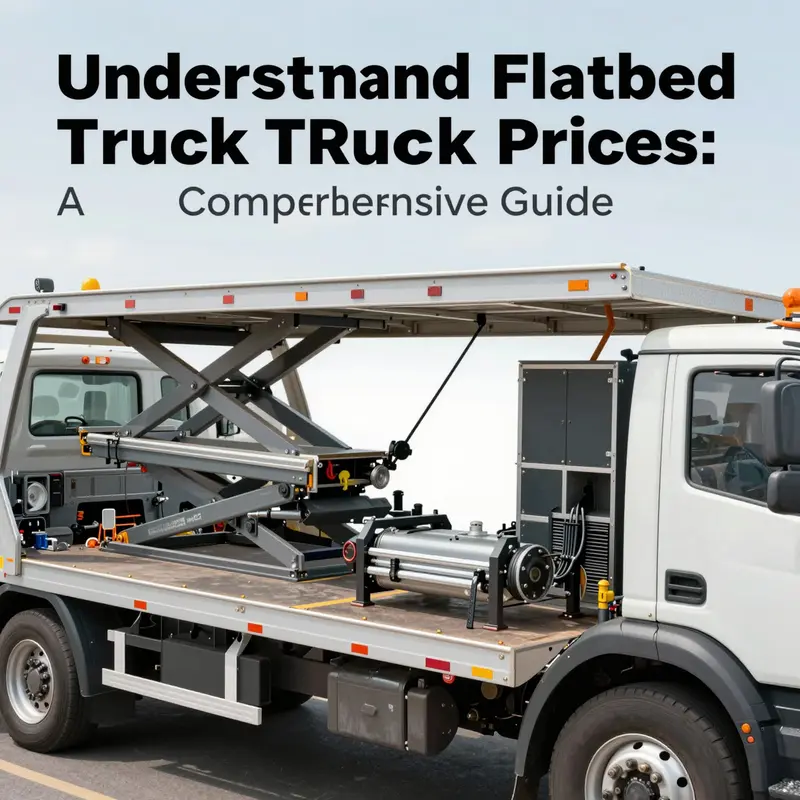
The sticker price on a flat bed tow truck tells only part of the story. Buyers quickly learn that the real value—and the real cost—rests in a network of technical choices that influence performance, reliability, and maintenance over the truck’s lifetime. In markets as of early 2026, new units span a broad spectrum, reflecting the scale and complexity of their design. Small to medium capacity models that often serve light wrecker duties can land anywhere in the mid-teens to low-30 thousands, while heavier, longer beds with higher load ratings routinely push well beyond 20 thousand and can climb toward 40 or 50 thousand depending on configuration. High-capacity or specialized setups capable of hauling machinery or oversized vehicles may range from the upper end of the 30s to the 70k zone. Those numbers are not merely list prices; they represent a synthesis of systems whose quality and sophistication determine not just the initial outlay but the long arc of ownership costs.
At the core of cost is the hydraulic system. A flat bed’s ability to tilt and lower smoothly and precisely is essential for safe loading, especially when dealing with low-clearance cars or awkward cargo. A high-capacity, multi-stage hydraulic assembly often enables independent front and rear tilt, allowing technicians to stage loading with minimal effort and risk. This kind of precision comes at a price. Simpler or older hydraulic configurations might reduce upfront costs yet threaten reliability and increase maintenance expenses over time. When a truck needs to perform frequent load shifts, quick recoveries, or delicate positioning, the hydraulic system becomes not just a feature but a working lifeline; buyers often weigh the trade-off between initial savings and ongoing downtime risk.
Material choice and bed construction likewise push or pull the price needle. Flat beds built from high-strength alloys like aluminum or reinforced steel offer notable advantages: higher load-bearing capacity for a given weight, better corrosion resistance, and reduced overall vehicle weight, which translates into better fuel efficiency and quicker response times in the field. But these materials carry higher unit costs than mild steel. Add to that thicker plating, reinforced rails, and anti-slip surfaces, and the bed becomes a foundational element of both safety and performance. The bed’s durability is not merely about resisting wear; it also governs the precision of wheel-to-bed contact during loading and securing operations. In the end, bed construction quality often correlates with the bed’s lifecycle costs, influencing maintenance intervals and part replacements years down the road.
The capacity and the bed size themselves are major accelerants of cost. A 3-ton flat bed is inherently simpler and lighter than a model designed to move heavier loads, which requires a stronger chassis, larger tires, and a more powerful, often more expensive drivetrain. As capacity climbs toward 8–10 tons, the engineering demands escalate quickly: reinforced suspensions, higher torque engines, and more robust steering and braking systems to maintain stability under load. Push into 15 tons and beyond, and the platform becomes a platform for machinery, with extended beds, more complex winch and recovery packages, and additional safety redundancies. The price curve thus reflects not only the raw capacity but the engineering headroom that underpins safer operation under demanding conditions.
Transmission choice adds another layer of cost. Automatic transmissions are favored in urban tow operations for their ease of use and fuel efficiency, reducing driver fatigue and enabling smoother, more predictable loading workflows. Manual transmissions, while cheaper upfront and sometimes easier to repair, can incur higher operating costs in busy environments where constant shifting and stop-and-go conditions accelerate wear. For buyers who rely on round-the-clock availability, the long-term cost of ownership often tilts toward automatics, even if the initial purchase price is higher. The decision touches on the driver pool, the typical job profile, and the geography of the service area. A fleet serving dense cities may justify the premium for automatics because the cumulative savings in time and driver health add up over thousands of tows.
Integrated safety and recovery features complete the picture of cost and capability. Modern flat beds increasingly incorporate built-in winches, multiple tie-down anchors, robust LED lighting, and onboard diagnostics. Some configurations blend flat bed functionality with wheel-lift capabilities or other recovery technologies, expanding versatility but adding engineering complexity and price. Each added feature can improve response times, reduce the risk of damage during loading and securing, and extend the truck’s usable life in challenging environments. Yet the more gadgets and systems packed into a single chassis, the more there is to maintain, calibrate, and potentially repair after field use. For buyers, the question becomes whether the added safety margins and operational flexibility justify the incremental price, especially when budgets are tight or when the fleet’s service window is narrow.
Other factors contribute to the final number as well. New versus used status, available warranties, bundled after-sales support, and even shipping costs can tilt overall cost. Dealers may present options that guarantee payment protections or extended service terms, which matter when a unit is expected to stay in service with minimal downtime. Shipping is commonly excluded from the quoted price and must be confirmed with the supplier, as this can be non-trivial for heavier chassis or models produced offshore. In practice, thoughtful buyers map out not only the purchase price but the full cost of ownership over the vehicle’s expected life, including maintenance, parts, and insurance considerations.
For a quick baseline to anchor expectations, many readers find it useful to consult a straightforward overview of towing equipment economics. See how-much-is-a-tow-truck for a general framework on the price spectrum and the factors that influence it. While the specifics differ for flat bed configurations, the principle remains: the more capability and reliability you demand, the higher the initial price and the potentially lower the long-term downtime and repair costs.
Even with a clear framework, the market remains diverse. The numbers reflect not just what is under the hood but how buyers intend to use the vehicle. A small, light-duty flat bed may suffice for occasional car-to-car relocations, while a heavy-duty platform with a high-load rating and a heavy reinforcement plan is essential for payloads that include construction equipment or industrial vehicles. Different fleets will prioritize different features—some valuing fuel efficiency and ride comfort, others prioritizing sheer lifting and hauling power. In that sense, the cost of a flat bed tow truck is less a single figure and more a carefully negotiated balance between performance, durability, and total cost of ownership over time.
For further technical detail, prospective buyers can turn to dedicated specifications and case studies that illustrate how specific hydraulic arrangements, bed materials, and chassis dimensions translate into real-world performance. A representative set of specifications, including load ratings and bed dimensions, helps illuminate how the price scales with capability. This lens on design clarifies why two units with the same advertised load capacity can diverge significantly in price based on the exact materials, hydraulics, and recovery options chosen. The broader takeaway is that price is best understood not in isolation but as a reflection of how a given flat bed tow truck is engineered to meet the practical demands of its intended service territory. For deeper specifications, see Madison Hill’s tow truck 3 ton flatbed specifications and related resources.
External reference: Madison Hill tow truck 3 ton flatbed specifications. https://www.madisonhill.com/tow-truck-3ton-flatbed-specifications/
Pricing Across Makers: How Flatbed Tow Truck Costs Vary with Capacity, Features, and Configuration
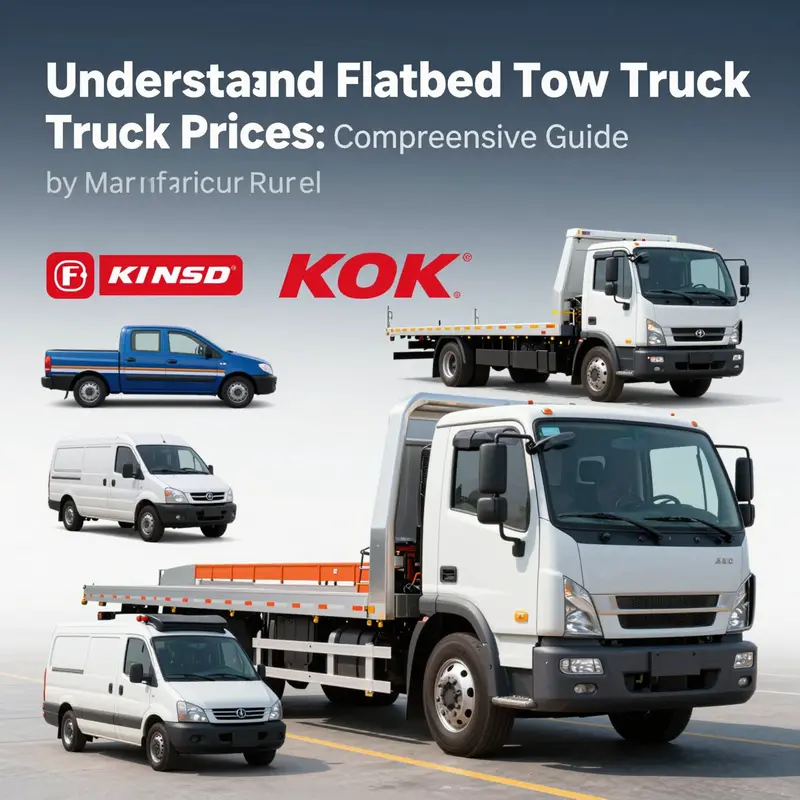
Understanding what a flatbed tow truck costs starts with recognizing that price is driven by four main levers: capacity, drivetrain and platform design, added features, and the level of new versus used status. When a fleet owner asks, “How much is a flat bed tow truck?” they are really asking about a spectrum. At one end lies compact, light-duty units built to move smaller cars with a smooth tilt bed and basic wheel-lift mechanics. At the other end are heavy-duty or specialty platforms designed to haul excavators, large trucks, or machinery with extended platforms and cranes. Because the market offers a range of configurations, you will see substantial variation in sticker price even among units that look similar on the surface. As a starting point, price bands published by suppliers in early 2026 place the cost of new, small-to-mid capacity flatbeds roughly between fifteen and thirty thousand dollars per unit. These models typically handle about three to five tons and may include wheel-lift or rollback capabilities, which influence both function and price. A few configurations add hydraulic tilt beds and optional ramps, and these options can nudge the price upward within that band.
Moving up in capacity to the medium-to-heavy range—roughly eight to ten tons—the price band shifts upward noticeably. For larger flatbed rollback trucks capable of handling bigger vehicles or heavier loads, prices commonly fall in the range of about twenty-two thousand to thirty-eight thousand eight hundred dollars, depending on whether the configuration includes a crane, the choice of engine, and the drivetrain. The crane itself is a meaningful price driver. A model with a mid-range hydraulic crane and an extended platform often sits toward the higher end of this band, while a simpler setup without a crane can sit closer to the lower end. In practical terms, if your operations involve mid-size pickups and SUVs, a lean 8–10 ton flatbed with basic equipment will be more affordable than a model designed to carry excavators or sizable fleet vehicles.
Beyond the eight-to-ten-ton class, the high-capacity or specialized machines—designed for heavy machinery transport or extended platforms—enter a broader price range. These units commonly range from roughly thirty-five thousand to seventy thousand dollars. The upper reaches of this band reflect extended platforms, heavier-duty winches or cranes, reinforced frames, and advanced hydraulic systems. For buyers envisioning frequent transport of substantial equipment, this tier often becomes a cost of doing business rather than a simple purchase decision. It is also where fleet buyers may consider bulk or fleet pricing, long-term service contracts, and extended warranties, all of which can tilt the per-unit price when evaluated against total lifecycle cost.
Across these bands, the specific brand or maker is less a rigid predictor of price than the configuration and added features. A compact tilt-bed flatbed with a four-ton rating and four-wheel drive can sit in the mid-to-upper teens or high teens in dollars, depending on the engine option and the presence of value-added features such as a tilt tray, wheel-lift, or ramps. A four-by-two or four-by-four drivetrain choice, the bed length, and the presence or absence of a hydraulic crane will push the price up or down within the same capacity class. In practice, buyers often see a price spread that reflects not just the engine and transmission choice, but also the quality of components, longevity of the tilt mechanism, and the supplier’s after-sales support.
While the base figures provide a framework, the price story grows more nuanced when subtle differences matter. Some buyers highlight the benefit of a robust, factory-installed tilt bed combined with a smoothly integrated wheel-lift system. Others favor models with extra-long platforms for larger payloads or with enhanced stabilizers for better on-site stability during loading and unloading. Another common factor is the engine choice. A heavy-duty diesel or a high-torque powerplant can improve performance under load but adds to the purchase price. The drivetrain configuration—whether a 4×2 or 4×4—also shifts both capability and cost, particularly for operations in challenging terrain or remote locations where all-wheel drive is essential.
From a procurement standpoint, it is crucial to remember that the figures cited above are typically listed for new units. Shipping is rarely included in the base price and should be confirmed directly with the supplier. Warranty terms, financing options, and post-purchase support can also affect the overall cost of ownership. For fleet buyers, the economics extend beyond the sticker price to include depreciation, maintenance schedules, fuel efficiency, and the cost of any required downtime while vehicles are being serviced or upgraded. In many markets, agile procurement strategies—such as bundling multiple units, negotiating extended warranty coverage, or securing favorable financing terms—can alter the effective price per unit when viewed over the life of the fleet.
The data underpinning these ranges originate from supplier markets that regularly publish price bands for new flatbed tow trucks. In practice, buyers frequently encounter a mix of models within a single capacity group, each with its own mix of features. A tilt-bed mechanism, a crane, and an extended platform can push small models toward the higher end of their category, while choosing a simpler, compact setup without a crane may position a unit toward the opposite end. The variability underscores a core point: the total cost of ownership is as much about matching the right configuration to the job as it is about chasing the lowest upfront price. This is where a careful assessment of operational needs—payload, terrain, turnaround times, and service commitments—becomes as important as the price tag itself.
For readers seeking a direct comparison beyond the numbers, consider how small and mid-size fleets balance flexibility with reliability. The most economical path often involves selecting a model that meets daily demand without overengineering the platform. Conversely, if your work regularly involves heavy machinery, long transports, or inclement sites, investing in a high-capacity unit with crane capabilities and a robust tilt bed could deliver greater uptime and lower long-term costs, even if the upfront price is higher. Importantly, any decision should be accompanied by a clear understanding of delivery timelines, eligibility for after-sales support, and the potential impact of import duties or regional certification requirements if procurement spans borders.
If you want a quick orientation on how these price points fit into a broader towing budget, you can explore a general pricing overview here: how-much-is-a-tow-truck. This kind of resource helps align expectations about what you might pay for a new flatbed in your market and how different configurations translate into performance and reliability on the road.
When comparing makers, keep in mind that the price bands reflect typical configurations rather than one definitive catalog. Different manufacturers may emphasize different value propositions—some focus on economy and rapid delivery, others on long-term service networks and customization options. The practical takeaway is straightforward: identify the essential capabilities for your operation, map them to a realistic capacity class, and then weigh the incremental cost of added features against the incremental value those features bring in terms of uptime, safety, and efficiency. A careful, needs-driven approach will illuminate whether you are paying a premium for brand prestige or for substantive capability that directly supports your dispatch and service outcomes.
External resource: https://www.alibaba.com/product-detail/Sinotruk-HOWO-4X4-Actory-4t-Road-Flat_1600702677172.html
Worth the Weight: Decoding the Value of Flatbed Tow Trucks Across New and Used Realities
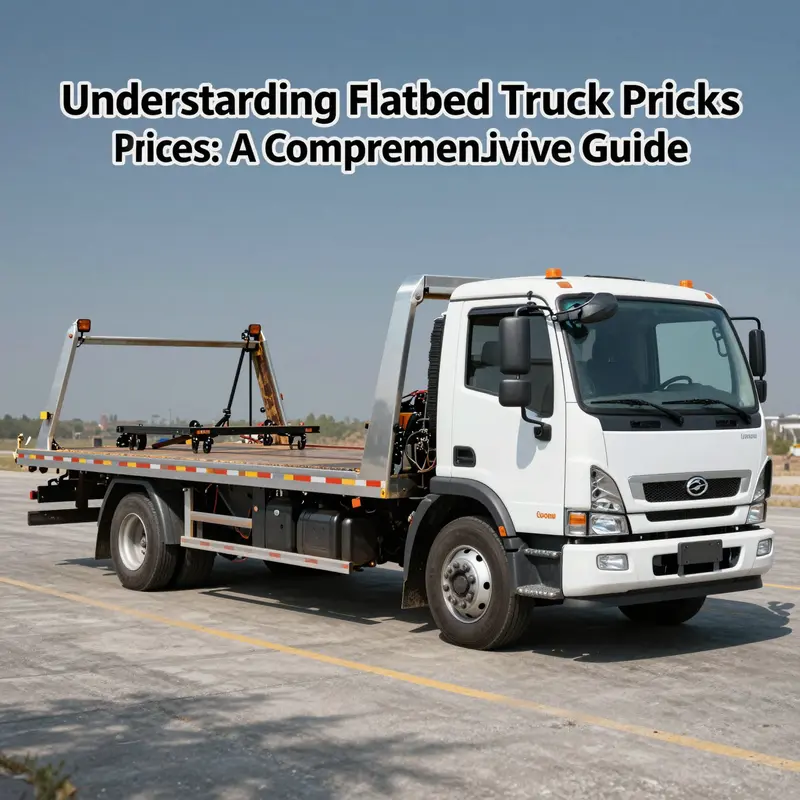
Value in the market for flatbed tow trucks is less about a single price tag than a careful read of condition, capacity, and how the vehicle will fit a fleet’s needs. When operators ask how much a flatbed tow truck costs, they are really asking about the tradeoffs between uptime, reliability, upfront investment, and long term maintenance. The numbers are real and they move with demand, but the underlying story remains constant: a new unit brings warranty and predictable performance, while a used unit promises immediate cash flow relief at the risk of higher maintenance and downtime. In the terrain between these two poles, price bands begin to form, guided by capacity and the inclusion of optional equipment. A typical small to mid capacity flatbed, designed for light to midrange towing duties, often sits in a range that makes it feasible for a first-time fleet or a small operator upgrading from a single-service setup. These are the machines that carry cars, mini-tractors, or light construction vehicles on a daily basis, and their price bands reflect both scale and the strength of the service networks behind them. The market commonly shows a spread from roughly fifteen thousand five hundred to twenty nine thousand dollars per unit for new entries in this capacity. This spread captures a mix of configurations, wheel-lift options, and rolling gear that might appear in a compact, more maneuverable package. It also signals a threshold beyond which buyers expect modern hydraulic systems, standardized service intervals, and the assurance that comes with a brand-new chassis and a factory warranty. To the eye of a fleet manager, these features translate into lower operational risk and easier budgeting over the first several years of ownership. When the capacity climbs to the mid-to-heavy range, say eight to ten tons, the price curve moves upward in a more pronounced way. The higher the lifting capacity and the more robust the truck’s framework, the more expensive the core platform becomes. In this bracket, new units commonly range from about twenty two thousand to thirty eight thousand eight hundred dollars, with the potential addition of a crane or other lifting accessories that push the total higher. Buyers in this tier frequently weigh the value of on-board cranes or winches against the need for speed on job sites and the desire for faster recovery capabilities in urban settings where every hour of downtime costs money. Large flatbeds, those built to handle heavy machinery or extended platforms, shift the cost narrative again. For high-capacity or specialized models, the price can span roughly thirty five thousand to seventy thousand dollars. The delta here is driven not only by the sheer mass of the platform but by the options that accompany it—extended decks, reinforced frames, heavier duty hydraulic systems, and the possibility of modular add-ons tailored to particular fleets. In short, capacity and features are the primary price engines at work, with newness adding a premium through warranty, new part availability, and baseline reliability. Beyond the raw price, the exact configuration matters. When a buyer asks about new versus used, the conversation expands into maintenance history, engine and transmission choices, chassis integrity, and expected resale value. The condition of a used unit becomes the single strongest determinant of cost. A well-documented maintenance history can keep depreciation in check, while a record of irregular service may herald expensive surprises. Mileage becomes a practical proxy for wear on the hydraulic lift, winch systems, and structural components. A used chassis might still deliver solid service if the frame remains sound, seals are intact, and there is little evidence of rust or fatigue around critical joints. Yet the same unit could command much less value if the hydraulic components show leaks, the lift cylinder is pitted, or the deck shows signs of recurring stress. Another variable is the engine and drive train. In a used flatbed, an earlier owner’s maintenance discipline often echoes in predictable performance. A well-documented service schedule, clean compression tests, and a history of timely fluid changes can convert a used purchase into a solid long-term investment. In contrast, a fleet relying on frequent, heavy-duty tows may want to factor in higher ongoing maintenance costs, even for a seemingly affordable used platform. The choice between new and used ultimately reflects a balance of cash flow, uptime targets, and the operator’s tolerance for risk. New units offer a cleaner slate: a warranty, modern components, and escape from the uncertainty that accompanies aging hydraulics or worn-wheel assemblies. The long-term cost of ownership tends to be lower in some cases when downtime costs are factored in, and the resale value tends to hold stronger. Used units, conversely, deliver immediate affordability and quicker deployment, but they demand more careful due diligence. The inspection checklist is not merely a formality; it is a practical framework for separating a bargain from a potential money pit. Prospective buyers often look at the hydraulic lift’s responsiveness, the winch’s efficiency, and the structural integrity of the bed. They test the chassis for signs of fatigue, inspect tires for even wear, check for leaks around the hydraulic seals, and verify that the truck’s lights, gauges, and steering respond crisply. Financing considerations also shape the decision. A new unit may align well with depreciation schedules and favorable financing terms, helping a fleet spread the cost over several years with predictable payments. A used unit may require an upfront reserve for immediate repairs, but it can free working capital to invest in additional equipment or service capacity if the fleet needs to scale quickly. In the end, the value of a flatbed tow truck is not just a function of its sticker price. It is a reflection of how well the unit fits into an operation’s workflows, how reliably it performs under typical duty cycles, and how the owning company plans for maintenance, training, and spare parts. For readers seeking a practical starting point, a broad market view shows that new entries in smaller capacity bands cluster between fifteen and thirty thousand dollars, while mid-range capacity often sits between twenty two and forty thousand dollars. High-capacity platforms push toward the upper end of the spectrum, with new units sometimes surpassing fifty thousand dollars when heavy-duty configurations and cranes are included. Buyers should recognize that these ranges are snapshots of a market that shifts with demand, currency fluctuations, and supply chains. They are not guarantees, and the most accurate pricing occurs when a reader engages directly with suppliers who can quote exact configurations and current stock. The decision process benefits from applying a simple framework: define required capacity, list must-have features, assess the fleet’s downtime tolerance, and estimate total cost of ownership over a five-year horizon. This method helps translate sticker price into real-world performance and value. For additional context on current pricing guidance and broader market insights, readers can explore a general overview here: how-much-is-a-tow-truck. This link anchors concepts about cost variability across new and used options while keeping the discussion grounded in practical fleet planning. While market data provide direction, the true value of a flatbed tow truck emerges when the vehicle is matched to the fleet’s operating profile and the operator’s ability to manage maintenance, training, and logistics. The right balance—between upfront investment, ongoing costs, and uptime—defines whether a purchase acts as a reliable backbone for a city-based recovery operation, a regional towing service, or a dealer-facing transport asset. Fleet owners who approach the market with a clear view of required capacity, expected duty cycles, and a disciplined maintenance plan are better positioned to translate the sticker price into dependable service life. For those in the field, this means preparing a readiness checklist, calibrating expectations about future maintenance, and building a procurement plan that prioritizes uptime over the allure of the lowest bid. External reference for further market snapshots: https://www.alibaba.com/product-detail/Used-Flatbed-Tow-Truck-Sale-999--New1600585835558.html?src=shop
Final thoughts
Understanding how much a flatbed tow truck costs involves evaluating various factors, including the type, regional market conditions, and technical specifications. By examining cost breakdowns and brand differences, buyers can make an informed purchase tailored to their needs. Whether opting for new or used, knowledge of these elements will ensure you invest wisely in a vehicle that can reliably serve your transport and recovery needs for years to come.