

The role of tow truck drivers is critical in roadside assistance and vehicle recovery, making their compensation an important topic for everyday drivers, truck owners, and businesses. This article delves into the income landscape for tow truck drivers by examining key regions like Canada, the United States, and Australia. Each chapter highlights how location, job responsibilities, and market demand influence their earnings, ultimately determining whether tow truck driving is a lucrative option. Whether you are a resident, property manager, or part of the automotive industry, understanding these dynamics can provide valuable insights into the viability and profitability of this profession.
Pay by Place: Navigating Canada’s Geography of Tow Truck Earnings
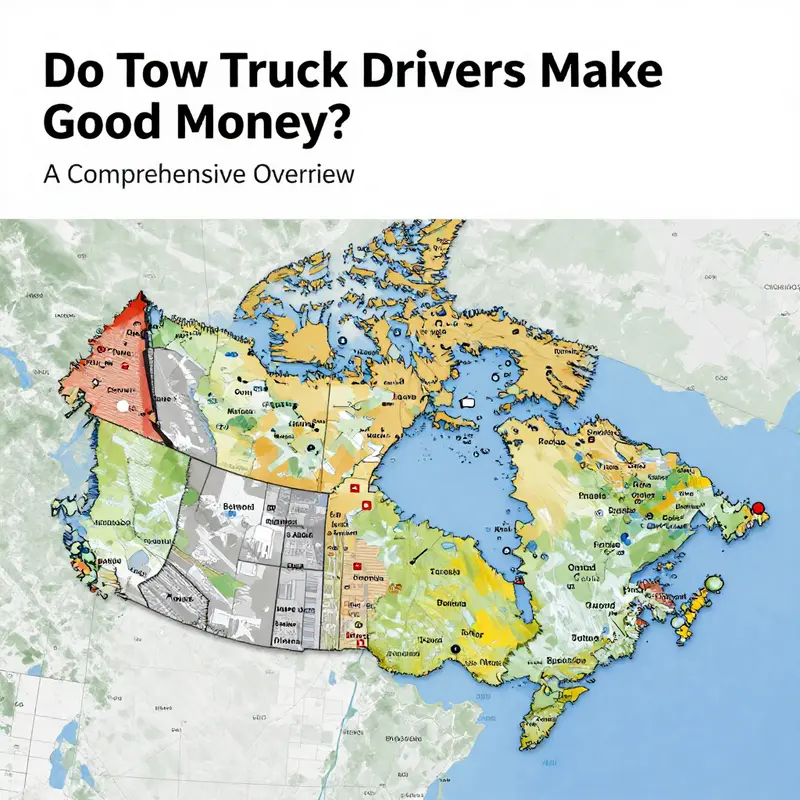
The question of whether tow truck drivers make good money cannot be answered with a single number. In Canada, earnings hinge on where you work, who you work for, and how you structure your hours. The national snapshot is modest by some standards: an average wage around $17.75 per hour, which translates to about $37,000 to $40,000 annually for full-time drivers. Yet numbers at the city level tell a different story. In a country as large and varied as Canada, the money isn’t distributed evenly, and geography matters just as much as skill and drive. This chapter peels back the regional layers that shape a tow truck driver’s pay, showing how location, demand, and job type combine to create a mosaic of earnings that can look very different from one city to the next. When people ask whether the job pays well, they are often thinking about the places they would like to work and the kinds of shifts they would be willing to take. The data reinforce that paying conditions are not a uniform plateau but a landscape with peaks and valleys carved by urban density, industrial hubs, and the coverage area of local fleets. In the end, the affordability of living in a given city, the availability of overtime, and the presence of specialized services like flatbed towing or emergency response can tilt the balance toward a comfortable income, even if the base wage remains near the national average.
The regional picture in Canada is nuanced. Take the province level perspective: British Columbia’s average hovers close to the national mean, with a provincial benchmark around $17.85 per hour. That convergence, however, hides pockets where drivers command far more per hour. In Richmond, for instance, the typical hourly rate climbs to roughly $24.06, a figure that sits about 36% above the national average and signals a willingness among local employers to pay premium wages to meet high demand and the higher cost of living in dense coastal markets. Across the country, other urban centers show similarly elevated figures: Thunder Bay in Ontario around $26.53 per hour, and Edmonton in Alberta near $24.05 per hour. These city-specific numbers illuminate a central dynamic: where demand is concentrated, there is more competition for dependable on-call coverage and a greater willingness to reward the flexibility and readiness that tow truck work requires. Then there are outliers that captivate the imagination of prospective drivers. In Surrey, British Columbia, some postings advertise rates as high as $39.50 per hour, underscoring how specialized fleets or high-volume urban corridors can translate into standout earnings for individuals prepared to stake time in demanding shifts.
Even when a driver’s hourly rate is strong, the financial picture can be complicated by a company’s internal compensation structure. A case in point is the Regional Towing model, where the reported average annual pay for a tow truck driver sits around $41,402. On the surface, that number reads as a solid salary, but it is explicitly noted as 34% below the national average for the occupation. This juxtaposition exposes a critical reality: pay is not solely a function of a single rate, but of how a company packages compensation. A fleet might offer a robust hourly rate but couple it with more limited overtime opportunities, a lean on-call schedule, or fewer incentives. Conversely, another employer might post a lower base rate but compensate with generous overtime, performance bonuses, or profit-sharing. The regional picture thus becomes a multi-threaded story where base wages, call volume, shift availability, and incentive programs together determine the true annual take-home. For drivers choosing a path, this means that wandering into a high-demand urban area with a willingness to work nights, weekends, and on-call rotations can dramatically alter the earnings trajectory, even if the headline wage looks modest.
That complexity is worth unpacking because the life of a tow truck driver is rarely a straight paycheck from nine to five. Overtime is a primary driver of earnings in Canada, where many drivers pick up extra hours during busy seasons, peak traffic periods, or after accidents that leave fleets scrambling to clear roads. Shift differentials are another tangible factor; night shifts and weekend coverage often carry premium rates, reflecting the added inconvenience and the need to maintain 24/7 service. Experience also matters. Longer tenure can unlock higher wages as drivers gain reliability, familiarity with difficult towing scenarios, and the capacity to handle specialized operations that demand careful handling and precise expertise. Across the board, incentives—whether tied to performance, on-time response, or safety metrics—can push annual compensation above what a simple hourly wage would imply. Taken together, these elements help explain how a career that starts near the national average can evolve into a financially rewarding path for those who are willing to be flexible and strategic about where and when they work.
The urban-rural divide further illuminates the regional pay dynamics. In major metropolitan zones like Toronto, Vancouver, and Calgary, the volume of calls tends to be higher, which can translate into more steady opportunities for overtime and on-call assignments. In these centers, drivers who choose to be available around the clock can lock in a level of income that supports a livable standard and, in some neighborhoods, a comfortable one. Rural or less densely populated regions, by contrast, may offer the benefit of less traffic and potentially steadier hours in off-peak times, but the base rate and the overtime potential may be lower. The economics align with the common-sense notion that higher demand and denser road networks create more work and hence more ability to earn. Yet the flip side is that drivers in these areas may face longer wait times between calls or irregular call patterns, which can dampen average earnings if overtime must be chased rather than naturally accrued. The bottom line remains clear: geography is not mere backdrop; it is an active determinant of the money a tow truck driver can make, shaping the rhythm of a workweek as much as the size of a paycheck.
To speak frankly about what this means for someone weighing a career in towing, one must consider both the stability of full-time employment and the volatility that can accompany a shift-driven industry. The data suggest that the base wage, hovering around the national average, can still yield a solid income when paired with overtime and the right shift mix. If a driver can secure a route in a high-demand city or region—where rates or call volume are above average—the financial upside becomes tangible. On the other hand, a driver who relocates to a market with lower demand or who accepts a schedule with fewer peak-hour incentives may find that earnings lag behind the national median, even if the job remains steady and local costs of living are reasonable. In this context, prospective drivers are well served by researching local fleets, reading current job postings, and talking to current employees about overtime opportunities and shift structures. Job listings and salary information are dynamic, and the landscape can shift with changes in population, industry activity, and municipal road work that alters the frequency and timing of tow calls.
The broader takeaway is that the Canadian tow-truck profession can deliver a respectable, workable income in regions where demand, hours, and incentives align. It is not a uniform ceiling but a mosaic that rewards those who adapt their schedules to the realities of regional demand. For many, this means embracing a path that emphasizes flexibility, skill development, and strategic selection of employers and shifts. The career can be financially rewarding—especially for those who can move from a basic hourly rate toward a compensation package that includes overtime, premium shifts, and performance-based incentives. It also makes a compelling case for individuals who prefer steady, on-the-ground work with clear, tangible results in helping people and communities during breakdowns, accidents, and other roadside emergencies. In sum, the money is real—it’s highly regional, but it’s there for the drivers who plan for it, stay adaptable, and seize the opportunities that come with being available when the roads are most in need.
For readers who want a quick practical takeaway, the clear implication is this: if you’re choosing a path in towing, place your bets where demand is strongest and where employers value reliability and urgent response. If you want to maximize earning potential, prioritize urban centers with high call volume, seek out fleets that offer overtime and incentives, and be prepared to work nights and weekends. If you’re weighing a move, examine the local pay spectrum—start with city-level data and then compare shifts, overtime policies, and potential for career progression within a fleet. The bottom line is pragmatic: while the base wage may sit near the national average, the total compensation ecosystem—the overtime, the incentives, and the availability of high-demand shifts—can push earnings well beyond that baseline in the right market. The better you understand the geography of paying power, the more effectively you can plan a career that not only pays the bills but also rewards the commitment and flexibility required to keep roads clear and motorists safe.
To connect this discussion with practical, real-world data, readers can explore the broader salary landscape through industry resources that aggregate regional trends and current postings. For those interested in a direct anchor to the subject of earnings, the external data source provides additional context and validation of what regional differences look like in practice: https://www.indeed.ca/cmp/Regional-Towing/salary/tow-truck-driver-salary.
Internal reference: a comprehensive look at the range of earnings across the profession can be found in the detailed analysis of Tow Truck Driver Earnings, which delves into how rates, overtime, and incentives shape annual income across Canada. This resource offers further insight into how a driver can move from a base wage near the national average to a total compensation package that reflects location, experience, and career goals. Tow Truck Driver Earnings: https://winchestertowtruck.com/tow-truck-driver-earnings/.
On the Clock, On the Pay: A Real-World Look at Tow Truck Driver Wages in the United States
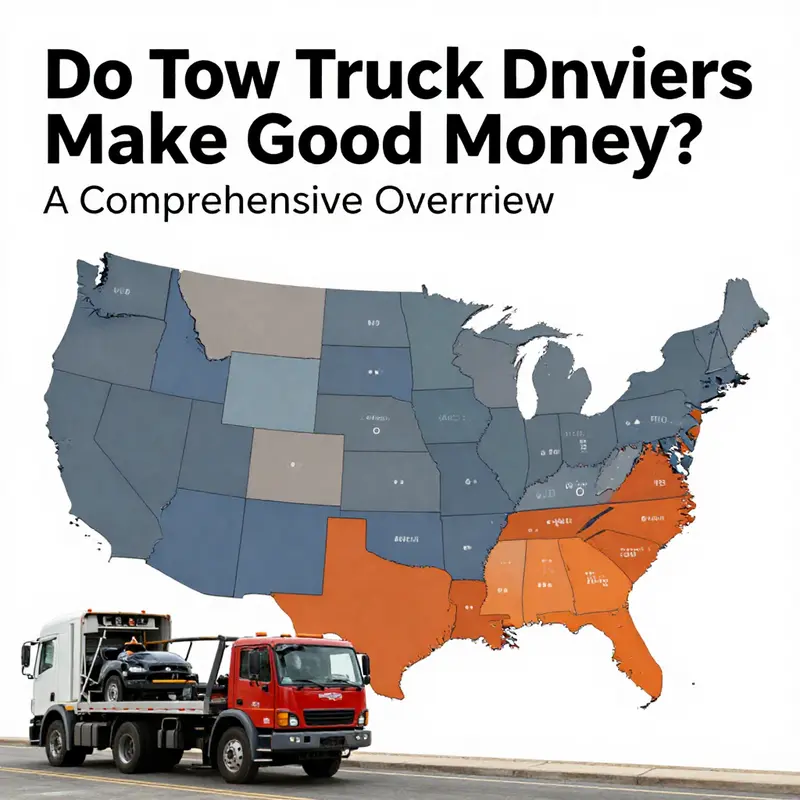
When people ask whether tow truck drivers make good money, the first instinct is to pull a single figure from a chart and call it a day. Yet pay in this field behaves more like a landscape than a line item. It shifts with geography, with the kind of work done, with who employs you, and with how much overtime or call duty you’re willing to shoulder. The United States presents a particularly instructive case because it combines broad income possibilities with real constraints—irregular hours, on-call demands, and varying licensing or certification requirements. What the data show is a consistent core story: tow truck driving can provide a solid middle-class income for many, but the upper end of the pay scale is most accessible in the right places and through the right combinations of work, time, and specialization.
The most immediate indicator people rely on is the hourly wage. Across the United States, the typical data point lands in the low to mid twenties per hour, but with important caveats. Large, nationwide job aggregators show an average hovering around the $21 per hour mark. For example, one widely cited dataset places the average at roughly $21.26 per hour, derived from thousands of postings over multiple years. A nearby estimate, drawn from a slightly different sample, sits at about $21.46 per hour, suggesting a narrow band but with noticeable dispersion when you look closer. This kind of consistency across samples matters: it signals a real, observable baseline rather than a random blip. The hourly norm is not a ceiling, though—it’s a floor for many, with opportunities to rise above it through locale, overtime, and specialty tasks.
If you widen the lens to annual compensation, the picture broadens markedly. A comprehensive salary analysis conducted in recent years maps a wide range of annual earnings—from roughly $24,800 on the low end to well over $220,000 for the most experienced or specialized roles. The mean in that range lands around the low to mid fifty thousand dollars per year on average. The numbers from 2025 data sets push the middle a bit higher, with average annual pay reported near $56,000 to $56,000-something and the entry point for newcomers climbing toward the $41,000 mark. The range exists for a reason: many drivers work in routine, city-suitable towing, while others move into high-demand niches such as heavy-duty or flatbed towing, or into emergency response roles that justify higher pay due to risk, after-hours demand, or the need for specialized equipment and training. Each rung on the ladder adds a layer of value—and a corresponding bump in pay.
What does this translate to in real life? It’s essential to connect the numbers to the day-to-day realities of the job. The base rate is just the starting point. Extra shifts, overtime pay, tips, bonuses for after-hours availability, and premiums for specialized towing can all materially lift take-home pay. For many drivers, earnings boost as they accrue experience and expand their service profile. A driver who becomes proficient with flatbed operations, heavy-duty tow gear, or rapid-response dispatch can command premium rates, especially in markets with heavy congestion, more incident-driven demand, or fewer qualified drivers on the road. The structure of compensation also matters. In the United States, private towing companies that operate around the clock frequently rely on overtime, on-call differentials, and incentive pay. Municipal or state contracts may use more standardized pay scales, which can cap the upside but provide predictability and stability in hours and benefits. In short, a driver’s income is a function not only of what they earn per hour but also of how many hours they can reasonably and legally work, and how they leverage the broader portfolio of duties they accept.
Regionally, geography plays a decisive role. Urban centers with intense traffic and dense road networks produce higher demand for towing services, which tends to push pay upward. In these markets, the combination of higher call volumes and tighter labor markets often translates into higher hourly rates and more frequent opportunities for overtime or premium shifts. Conversely, rural or lower-demand areas may offer steadier, more modest pay with fewer opportunities for overtime, though some operators in these regions still offer competitive rates to attract and retain skilled drivers in a tight labor market. The variability across states and metropolitan areas helps explain why the income story in tow truck driving looks so different from one neighborhood to the next. The same chassis and the same tow rig can deliver far different weekly take-home depending on where you park your truck each night.
Another layer to consider is the employer type and the size and scale of the company. Large private fleets that service busy metropolitan corridors often have more dynamic dispatch systems and a wider array of call types—from accident scene relief to roadside assistance—that can keep hours robust. A larger fleet may be more likely to offer structured overtime, comprehensive benefits, and formal training programs that help a driver amass years of experience more quickly. Smaller operators, by contrast, may offer more flexible schedules and closer-knit crews but with less consistency in guaranteed hours or complex pay structures. Public or municipal towing contracts can stabilize income in some regions but may also cap earnings due to controlled wage scales. The practical takeaway is that the same job title can carry widely different financial implications depending on the business model and the operational tempo of the employer.
Experience, skills, and the lines of work a driver chooses to specialize in compound this effect. A driver fresh to the field may begin near the entry-level salary range, but as they add certifications, broaden their on-call exposure, and tackle more demanding tasks, they typically rise toward the higher end of the spectrum. Specialization matters. A tow driver who can safely handle heavy-duty or flatbed tows, or who can operate in high-risk environments such as accident recovery or emergency roadside response, can demand premium rates. When emergencies strike, the most versatile responders—those with the right mix of equipment and training—are frequently in the driver’s seat, both literally and financially.
To put it in even more concrete terms, the pay narrative in the United States is not a straight line but a taxicab ride through a city with multiple neighborhoods. You begin on a baseline wage that is broadly consistent across the country. You then turn a corner into a higher-wage district when you find yourself in a market with persistent, high incident volume and a labor pool that values experienced, reliable service. You climb further when you take on overtime or specialty rounds, and you ascend to your personal ceiling when you pair geography with a propensity for long hours and a willingness to work flexible shifts or on call. For readers weighing whether this field is a viable long-term option, the signal is clear: money is real, but it’s unevenly distributed. The strongest earnings stories belong to those who align their location, their employer, and their skillset in ways that maximize demand for their particular services.
In the larger economic context, comparing the United States to other countries helps illuminate how pay here stacks up. In Canada, for instance, the average hourly wage for tow truck drivers sits around the mid-teens, with notable regional outliers where rates exceed the national average by a substantial margin. The contrast underscores how local economies, cost of living, and labor market dynamics shape compensation, even within the same broad industry. Another international snapshot shows a competitive hourly rate in Australia’s New South Wales region, where drivers can earn around $31.60 per hour when translated from weekly earnings. These cross-border points matter not as a direct apples-to-apples comparison, but as a reminder that the U.S. pay story is part of a larger, competitive labor market for skilled roadside assistance professionals.
For readers who want to ground these observations in accessible data, it helps to consider a practical takeaway: the average U.S. tow truck driver can expect to earn a solid, middle-range income, with the potential to push into higher earnings through careful job selection, continuous skills development, and willingness to work in high-demand environments. The numbers reflect a market that rewards reliability and versatility. If you’re evaluating whether to enter the field, the decision often rests on where you’ll work and which doors you’re prepared to open—whether that means mastering a broader set of tow skills, committing to a company with robust overtime opportunities, or seeking out markets where the demand for towing services is chronically high.
To connect these insights with practical planning, consider looking at current postings and the compensation structures they reflect. A useful starting point is the internal resource that aggregates current earnings data for tow truck drivers. It provides a concise snapshot of what drivers are earning in different settings and serves as a practical benchmark when evaluating job offers or planning a career trajectory. For a concise view of earnings data from the source, you can explore the page linked here: tow-truck-driver-earnings.
Together, the data from major employment platforms, the broader analyses of earnings by company size and region, and the cross-country context all converge on a central conclusion. Tow truck driving can be a good money option in the United States, but that good money is earned through deliberate choices. Location matters profoundly, as do the kinds of duties you take on and the hours you’re willing to work. Overtime and specialized towing—whether it’s flatbed practice, heavy-duty recovery, or rapid-response incident support—can push pay well above the baseline. For many drivers, this is not a short-term gig but a sustained career that pays more as expertise and reliability accumulate. As with any field that combines skill with shift work, the best earnings stories are those built on a steady cadence of paid hours, a willingness to tackle demanding assignments, and strategic choices about where and how to apply one’s skills.
External resource: For a broader reference point on wage data and trends, see Indeed’s Tow Truck Driver salary listings, which provide up-to-date figures across different regions and timeframes: https://www.indeed.com/salaries/tow-truck-driver-salary
Tow Truck Earnings in Australia: Is the Pay Worth It?
On average, tow truck work in Australia pays a solid wage that sits within the transport and logistics sector. The typical annual earnings hover around AU$77,000, a figure that signals a respectable income for tradespeople in many parts of the economy. This baseline is not fixed; it shifts with geography, experience, and the demands of different towing roles. In Western Australia, the landscape supports higher pay due to long distances and remote operations, with regional averages around AU$83,000 per year. In metropolitan areas, earnings depend more on specialization and efficiency, with premium rates available for complex recoveries or handling high-value vehicles. The economics of pay also hinge on how a driver structures their week, with many drivers earning more through after-hours shifts, on-call rosters, and overtime governed by awards or agreements. Some choose to supplement wages through freelance or contract work, which can raise the effective hourly rate but requires business acumen, reliable insurance, and a steady stream of clients. The broader compensation package, including superannuation and retirement planning, adds value beyond the weekly take-home. Experience is the strongest lever for lifting earnings over time; skilled drivers tend to win more complex tasks and longer tows, and with licensing and safety qualifications they become the go-to people for higher-value assignments. The practical path to maximizing earnings is straightforward: obtain the necessary licenses, complete safety and rescue training, master the equipment, and seek opportunities in regions with high call volumes or fleets that prize reliability and speed. Cultivating a specialty—such as premium recovery, heavy-duty work, or rapid response in emergencies—can justify higher rates. Build relationships with workshops, insurers, and local authorities to secure priority calls when a high-value tow is needed, and consider balancing full-time roles with freelance work to strategically stack shifts during peak demand. In short, tow truck driving in Australia can be financially rewarding, especially for those who lean into regional demand, specialization, and ongoing professional development, while enjoying the flexibility the job often offers to manage hours and pursue higher-value opportunities.
Tow Truck Paychecks: How Experience, Demand, and Local Markets Shape Earning Potential
Do tow truck drivers make good money? The short answer is nuanced. Pay comes in fits and starts, shaped as much by geography and workload as by the badge of experience. Regional data show a spectrum: base pay, overtime, on call rotations, and specialized tasks all influence annual earnings. In the right markets, drivers can earn solid incomes; in others, pay may feel modest. The real question is not only the hourly rate but the full calculus of where you work, what you do, and how you manage hours and expenses.
Geographic differences matter. In Canada, baseline hourly wages often sit in the mid teens to low twenties, with regional spread. National averages hover around 17 to 18 CAD per hour, with cities like Richmond BC around 24 per hour, Thunder Bay around 26, and Edmonton near 24. Some postings indicate higher rates for on call work or flatbed specialization. Across the border, the United States shows a different scale; national averages cited around 21 USD per hour, with stronger baselines in busy metro regions. Other markets like Australia also show elevated rates in skilled trades contexts.
The base wage is only part of the story. Overtime, on-call stipends, shift differentials, and premium pay for special tasks can lift annual income significantly. Experienced drivers who handle complex recoveries, heavy equipment, or emergency response can command premium pricing, and experience compounds through reliability and efficiency.
Demand cycles matter. When accidents spike in urban cores, wages can rise as firms compete for dependable drivers. Conversely, in slower markets the same roles may offer modest pay but more predictable hours. Compensation packages often include benefits, insurance, and retirement plans that add value beyond hourly wages. Taxes, fuel, maintenance, and wear and tear reduce take home pay, so net income equals gross pay minus recurring costs.
For a practical view, consider earnings over a typical month or year, not just the headline hourly rate. In high demand locales, efficient scheduling and specialized tasks can push annual earnings into a comfortable range, especially with overtime and premium assignments. In slower markets, progression within the employer or relocation to a higher demand market may be the lever for growth.
If you want more detail, look at the structure of earnings beyond base rate. Overtime pay, on-call stipends, and task-based premiums can accumulate meaningfully. A driver who grows in skill and manages risk well earns not only higher pay but also more steady opportunities and a stronger professional reputation.
In sum, tow truck driving can be a solid career for those who pursue high demand markets and invest in marketable skills. For others, steady hours in slower markets may keep earnings modest but respectable relative to many entry level trades. The key is to view compensation holistically: consider gross pay, business costs, shift stability, and long term opportunities to build seniority and reliability.
Practical takeaway: see compensation as a portfolio. Base pay plus overtime, on-call opportunities, and specialized work create the upside. If you are weighing a jump into this field, review local wage data, employer expectations, and the realities of on road work to find a fair and rewarding income. For deeper context, some readers explore earnings resources and official salary pages to calibrate expectations against local realities.
Final thoughts
In summary, tow truck drivers can indeed earn a good income, but it varies significantly based on geographic location, the complexity of tasks, and the driver’s experience level. In high-demand areas or through specialized services, earnings can be substantial, making this profession attractive for many. As the automotive industry evolves and the demand for roadside assistance grows, understanding these dynamics will be essential for both drivers and the businesses that rely on their services.