
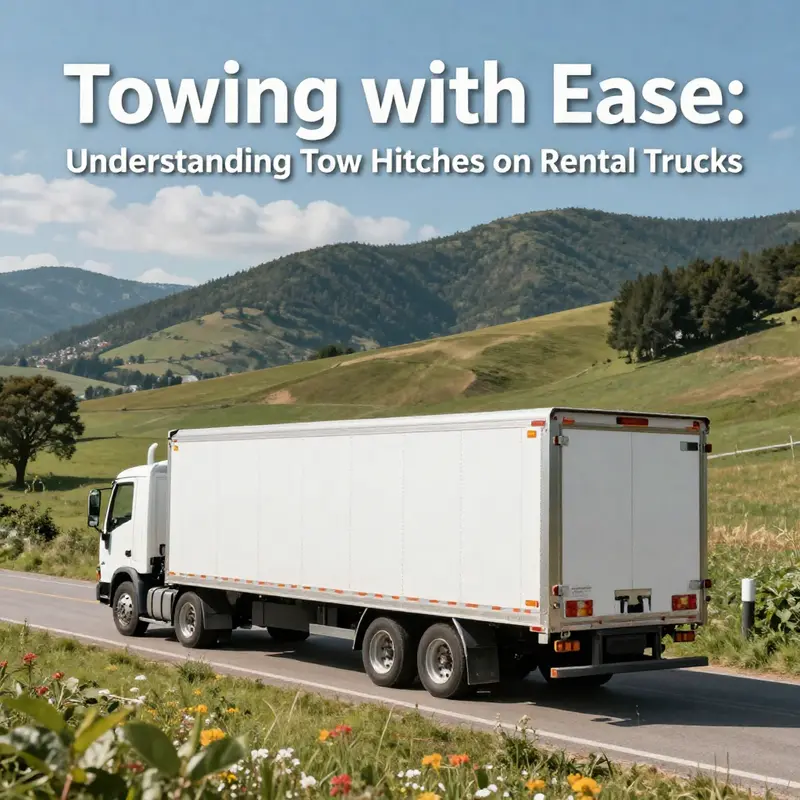
Exploring the availability of tow hitches on rental trucks is crucial for those who rely on these vehicles for both personal and professional use. Many diverse groups, including everyday drivers, truck owners, and property managers, may find themselves needing to haul trailers or equipment. However, not every rental truck comes equipped with a tow hitch, which can lead to unexpected challenges. This guide will delve into the availability of tow hitches as standard equipment across major rental companies, the factors influencing their installation on trucks, and how to confirm specifications before booking. Each chapter contributes to understanding whether you can count on your rental truck to help you tow with confidence.
The Hidden Towing Advantage: Exploring Tow Hitch Availability in Rental Trucks
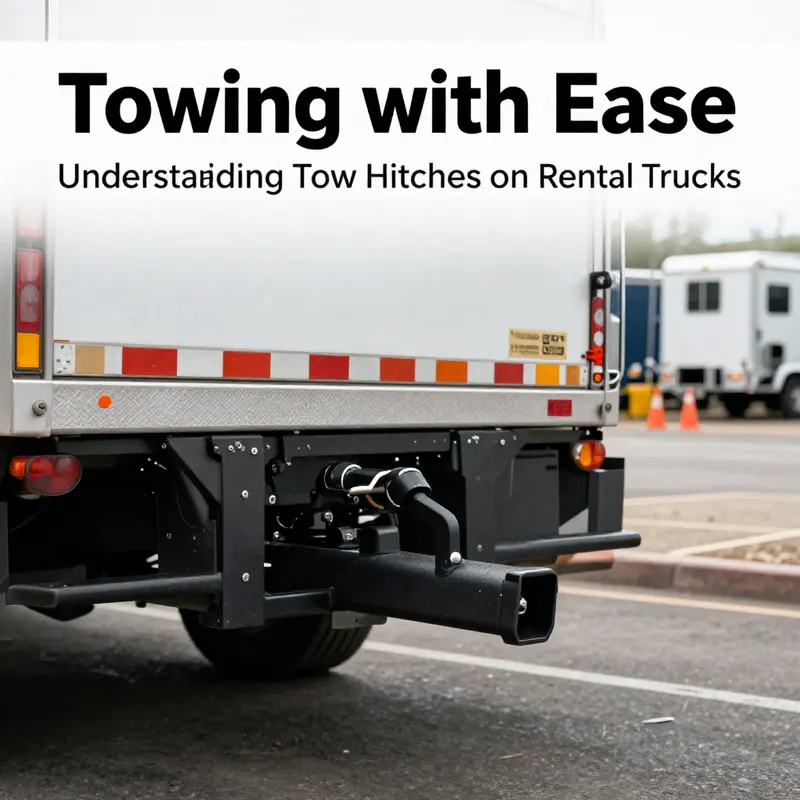
Rental trucks can be surprisingly versatile vehicles, and one aspect that customers often wonder about is whether these trucks are equipped with tow hitches. The answer is not a simple yes or no; rather, it is a matter of understanding the diverse range of vehicles available, the specific policies of different rental companies, and the subtle differences in equipment that can generally be found on rental trucks. When evaluating a rental truck for towing needs, one must consider the type of truck being rented, the standard features provided by the rental provider, and whether additional equipment or fees may be necessary to ensure that the tow hitch meets one’s unique requirements.
Many rental agencies offer a wide selection of trucks, from standard pickups to larger cargo vans and specialized utility trucks. Among these options, standard pickup trucks are by far the most common when it comes to providing tow hitches as part of their standard equipment. Rental companies that focus on versatile moving solutions understand that many customers use rented trucks not only for transporting goods but also for towing trailers, campers, or even boats. In such cases, customers benefit from a pre-installed tow hitch that is designed to handle a range of towing tasks. The hitches on these vehicles typically fall into Class I or Class II, which are engineered for light to moderate towing tasks. As a result, when a rental agency includes a tow hitch, it is often optimized for towing smaller and less heavy loads. The availability of such towing features is a key selling point for many customers who require both cargo space and the ability to tow additional equipment.
However, the reality is that not every rental truck comes with a tow hitch installed. Some vehicles, especially those tailored for urban deliveries or short-distance hauling, may be designed solely to transport freight rather than to perform towing functions. These trucks might lack a tow hitch altogether, or the hitch might not be robust enough for safe towing of recreational trailers or utility equipment. Thus, confirmation from the rental provider is essential, as the presence of a tow hitch in one leading fleet does not mean that every truck in the category will have this feature. Over time, rental companies continuously update and expand their fleets, which may include vehicles with newly added safety features, modern towing equipment, and improved compatibility with additional towing accessories.
When it comes to renting a truck for towing purposes, it is not enough to merely assume that a truck will come equipped with a tow hitch. Instead, potential renters should carefully inquire about the specifications of the vehicle they plan to reserve. A proactive approach includes checking the rental company’s website, calling the local rental branch, or asking for detailed information about the vehicle’s features at the time of booking. In many cases, the exact model of the truck – whether it is a full-sized pickup or a mid-sized box truck – along with its assigned equipment, will be clearly described in the rental listing. Detailed listings often include not just the presence of a tow hitch, but also specify the hitch class, potential towing capacities, and whether the hitch installation meets particular safety requirements.
Beyond the standard commissioning of a tow hitch, some rental companies offer additional towing accessories to better suit the varied needs of users. These additional accessories can include trailer wiring harnesses, weight-distributing hitches, and even special locking systems to secure trailers during transportation. Often, these accessories are available at an extra cost, and renters have the option to add them to their reservation if their towing needs exceed what the standard hitch provides. This kind of customization means that while many vehicles roll off the lot with a basic towing package, there is room to tailor the rental experience to specific requirements. Customers planning extensive towing can therefore not only rely on the base offerings but also upgrade the vehicle with supplementary equipment to ensure optimal performance and safety.
A significant factor in the decision-making process for many renters is the clear communication of what has been included in the rental fee and what additional costs might occur. Several rental companies have adopted transparent pricing models, where any extra fees for the installation or use of towing equipment are clearly described at the time of booking. This transparency helps to manage expectations and ensures that customers are not faced with unexpected charges after they have already secured a vehicle. For instance, when a rental truck does not include a tow hitch as a standard feature, a clear note will typically indicate that the hitch must be added at an extra cost or that the particular model is not intended for towing. Such specificity is important not only for user satisfaction but also for maintaining safety standards. Knowing the exact towing capacity of a truck is critical for avoiding risks associated with overloading or towing beyond the manufacturer’s recommendations.
Safety is an especially important aspect when discussing rental trucks and tow hitches. The suitability of a tow hitch for specific towing tasks is directly linked to both the design of the truck and the quality of the hitch equipment. Properly engineered hitches are designed to distribute the weight evenly, minimize stress on the truck’s chassis, and ensure that the trailer remains securely attached even under challenging driving conditions. When a tow hitch is used for towing, it becomes imperative that it is installed, maintained, and used in a way that does not compromise the structural integrity of the vehicle. Rental companies that cater to customers with towing requirements are increasingly aware of these concerns, and many work closely with manufacturers as well as third-party inspection services to certify that their vehicles meet specific towing standards.
Moreover, regulations governing towing capacity and safety standards are continuously evolving, reflecting improvements in technology and heightened consumer expectations. As a result, rental companies must stay informed of the latest standards and adjust their fleet offerings accordingly. In such a dynamic environment, it is common for rental providers to offer periodic training sessions and updates to their staff so that they can advise customers. This approach not only ensures that customers are getting safe equipment but also helps build trust between the rental provider and the renter. Customers are often encouraged to review safety protocols and to ask detailed questions about the truck’s towing capabilities, making it clear that adherence to safety and operational guidelines is a top priority.
Beyond the technical aspects, the overall experience of renting a truck for towing purposes is influenced by the broader efficiency of the rental process. One of the most well-regarded aspects of modern truck rental is the flexibility it affords users in planning their moves or trips. Whether a customer is a small business owner needing to transport equipment or a family preparing for a weekend adventure, the availability of a tow hitch in a rental truck adds significant value to the rental experience. This flexibility is particularly appealing to those who do not own a dedicated towing vehicle but require the occasional use of a truck that can be configured for towing. In this way, rental trucks fill a unique niche in the market, bridging the gap between personal vehicle ownership and the need for specialized towing capability.
The intricacies of the rental process also extend to customer support and the advisory services provided by rental companies. Many rental providers operate robust customer service frameworks that include knowledgeable personnel capable of guiding customers through the decision-making process. This guidance includes helping customers determine if they require a truck with a tow hitch, what type of hitch would be suitable for their needs, and how to select the right truck based on the load size and terrain. In some cases, rental companies even provide detailed user manuals that highlight safe towing practices and maintenance suggestions, which can be invaluable for individuals who are new to using a towing vehicle. To this end, renters are frequently advised to take the time to fully understand the capabilities and limitations of the truck they are about to rent. Such informed decision-making reduces the risk of accidents, mechanical failures, and other issues that can arise when towing expectations are not met.
Another layer of complexity is added by the variability in rental vehicle configurations across different geographic locations and fleet compositions. Some branches of a national rental chain may have recently updated vehicles with state-of-the-art towing options, while others with older fleets might not have modern safety features or towing accessories. This means that even if a customer has had a positive experience with a tow hitch-equipped truck at one location, there is no guarantee that the same will be true for a branch in another region. As such, it becomes increasingly important for renters to verify the specific details of their rental at the local level. This practice of double-checking is considered good business by many rental companies, who often encourage customers to review the vehicle’s specifications online or through direct communication with local staff.
It is also worthwhile to consider the uses and benefits of towing equipment in a broader context. Over the years, towing has become not only a necessary function for many individuals but also a point of pride for those who enjoy outdoor activities or who need to transport large equipment. The ability to tow safely and reliably offers a sense of independence and confidence, whether it is moving house, setting up a temporary work site, or embarking on a recreational journey. In scenarios where the rental truck’s tow hitch meets these demands, the renter can focus on the logistics of the journey rather than worrying about equipment limitations. The environmental pressures of modern life often include the need to be highly mobile and adaptable, and rental trucks that are equipped with robust towing capabilities fit neatly into this paradigm.
In practice, the decision to rent a truck with a tow hitch may be influenced by factors beyond functionality. For many customers, it is the reassurance that comes with knowing that additional equipment is available when needed. For instance, those who plan to move furniture, equipment, or recreational vehicles understand that a tow hitch is not a luxury but a necessity. This practical need drives many customers to research extensively, looking up details on towing capacities, hitch classes, and other related features before arriving at a decision. By doing so, customers empower themselves with the knowledge required to avoid costly mistakes and ensure that their rental experience goes smoothly. The simple act of confirming if a truck includes a tow hitch can transform an uncertain situation into a well-informed decision, paving the way for smoother and safer transport operations.
There is also an ongoing conversation about the future of towing capabilities in rental trucks. As vehicle technology progresses, manufacturers are developing smarter, more integrated towing systems that can automatically adjust to different loads, terrains, and speeds. These innovations are slowly making their way into rental fleets, implying that future rental trucks may offer even more advanced towing features as standard. Rental companies that invest in modernizing their fleets are likely to see benefits in customer satisfaction and operational efficiency. Such innovations might include electronic monitoring systems that alert the driver when the hitch is under excessive strain, or adaptive systems that help balance the load between the truck and the trailer. In turn, these features will help minimize the risks associated with towing and extend the lifespan of both the truck and the hitch.
It is important to note that the discussion of tow hitches in rental trucks is not simply a niche conversation about a single accessory – it is emblematic of a larger trend towards greater vehicle functionality and user-centered design in the rental industry. As the needs of consumers evolve, rental companies are compelled to expand and adapt their offerings to meet these changing demands. This evolution is also reflected in the broader transportation market, where the boundaries between personal transport, commercial hauling, and recreational use are becoming increasingly blurred. The versatility that a tow hitch provides is a microcosm of this trend, highlighting the need for vehicles that can adapt to multiple roles without compromising on safety or efficiency.
For those interested in exploring more about the towing capabilities of various vehicles and the practical considerations of using a rental truck for towing, there is a detailed discussion available on this topic in an informative article about can you tow with a rental truck. This resource offers additional insights into the technical and practical aspects of towing with rental vehicles, providing guidance for those who want to make an informed decision when selecting a truck for their specific needs.
Ultimately, renting a truck with a tow hitch requires a nuanced approach that blends research, clear communication, and an awareness of both current and emerging technologies. Customers must be prepared to ask detailed questions about the equipment provided, to verify the specifications of the vehicle in question, and to be mindful of any extra costs or optional accessories that may be required. It is not enough to simply assume that all rental trucks are created equal when it comes to towing; rather, a careful evaluation of the vehicle’s features, its maintenance history, and the rental company’s policies is essential.
In the realm of rental trucks, the incorporation of tow hitches speaks to a broader commitment to functionality and service. Whether you are a business owner looking to expand your moving capacity or an individual planning a recreational trip that involves towing, the availability of a tow hitch can make all the difference. Modern rental companies invest considerable effort in ensuring that the trucks in their fleets not only meet but exceed the basic requirements for safe towing. They strive to offer vehicles that are both reliable and adaptable, equipped to manage everyday transport as well as special towing tasks that demand additional strength and precision.
The conversation around tow hitches in rental trucks is an evolving one, influenced by customer feedback, technological advancements, and regulatory changes. As safety standards become stricter and as users become more well-informed, rental companies must continually refine and update their vehicle options to maintain a competitive edge. In this environment, the humble tow hitch is far more than a mere accessory—it is a critical component of a comprehensive transportation solution. By integrating advanced towing features with dependable rental practices, rental companies are paving the way for a future where every truck can serve multiple purposes without compromise.
For additional technical information on standard equipment and towing specifics, one external resource available is the official page from U-Haul Truck Rental, which provides detailed specifications and guidelines for towing capabilities. This external guide serves as a valuable supplement to the practical insights discussed here and helps renters appreciate the importance of verifying hitch features prior to making a decision.
In summary, the hidden towing advantage found in many rental trucks is a testament to the industry’s commitment to meeting the diverse needs of today’s mobile citizens. With careful consideration given to safety, functionality, and customer service, a rented truck equipped with a tow hitch can significantly enhance the overall rental experience. Not only does it offer the convenience of towing without the need for a dedicated heavy-duty vehicle, but it also reinforces the reliability of rental services in adapting to a wide range of practical scenarios. The next time you are considering a rental truck, remember to inquire specifically about tow hitch availability, ask for details regarding the hitch class and towing capacity, and explore any additional options that might further optimize your towing experience. Through diligent research and clear communication with the rental provider, you can secure a vehicle that not only meets your transport needs but also provides a safe and efficient towing solution.
Embracing the potential of rental trucks and their integrated towing capabilities is a smart move in today’s versatile transportation landscape. Whether it is for commercial, personal, or recreational use, the added capability of towing can prove indispensable in overcoming logistical challenges. By keeping abreast of the latest advancements and verifying equipment details, you ensure that every journey undertaken in a rental truck is supported by the robust, reliable features that modern transportation demands. Enjoy the freedom of mobility and the assurance of safety, knowing that a well-equipped rental truck may very well include the tow hitch you need to get the job done.
Rethinking Tow Hitch Availability in Rental Trucks: Policies, Safety Concerns, and Alternatives
When considering a rental truck for your moving or hauling needs, one of the most common questions raised is whether these vehicles have tow hitches available. At first glance, many assume that a truck built for towing would naturally include a hitch and support trailer use. However, a closer look at the policies of major rental truck companies reveals a more nuanced reality. Rental companies like Enterprise, Hertz, Avis, and Budget may outfit some trucks with hitch receivers as part of the vehicle design, but they intentionally exclude the hitch—along with its usage for towing—from the rental package due to safety, liability, and maintenance concerns. This chapter explores the rationale behind these policies, the underlying safety concerns, and the alternatives available for customers who require towing capabilities.
It is important to understand that while some rental trucks physically display a hitch receiver, the presence of such an element does not inherently mean that customers are provided with a fully operational tow hitch or that the truck’s towing capabilities can be legally exploited. Rental companies design their fleet with precise usage guidelines in mind. For many major companies, even if a truck model such as a Ford F-150 or Ram 1500 comes with a visible receiver, the hitch device itself is not provided for customer use. Rather, the equipment might be installed as a permanent part of the truck’s construction to support its structure and to indicate a certain level of capability. However, legally attaching and utilizing a trailer hitch for towing is explicitly prohibited by the rental agreement. This restriction intends to protect both the renter and the rental company from potential accidents, vehicular damage, or unforeseen mechanical complications that can arise when towing with equipment not specifically designed or maintained for that purpose.
Examining the policies of these major rental companies reveals that even the presence of a hitch receiver is deliberately managed to minimize risk. For example, companies such as Enterprise often list their popular trucks with hitch capabilities on their lot, but every rental contract clearly stipulates that the attachment of any towing accessory, whether a hitch assembly or trailer, will breach the rental agreement. These guidelines exist because towing introduces variables that could compromise the safety of the vehicle and increase the chance of mechanical failure. Even with careful maintenance and routine inspections, the dynamic forces involved in towing can cause undue stress on the vehicle’s framework. Liability issues become a substantial concern, as rental companies must account for any additional damage that could occur while towing. As a result, policies foreclose the option of towing entirely.
Beyond the initial safety and liability issues, the process of maintaining a rental fleet poses another logistical challenge. Rental companies manage large fleets of vehicles, each subject to a range of driving conditions and operational procedures. Integrating the use of tow hitches into this controlled environment means introducing additional risk. Extreme variations in load, road conditions, and driver expertise must be considered. If customers were allowed to attach trailers or other heavy equipment to a rental truck, the cost and complexity of ensuring every vehicle remains in top condition would be prohibitive. For insurance purposes and to minimize the chance of a claim, rental companies enforce strict rules against such modifications or unapproved uses. The avoidance of towing with rental trucks is, therefore, both a protective measure for the company’s fleet and a preventative step to safeguard the renter’s safety on the road.
The policy that excludes hitch usage is not an arbitrary decision but rather the culmination of careful cost-benefit analysis. Rental companies understand that the presence of a hitch receiver may suggest one thing to the untrained eye, but in reality, it signals only that the vehicle is built to certain specifications. Companies that have attempted to allow towing often face the dilemma of increased maintenance costs, higher insurance premiums, and a notable risk of miscommunication with customers who may assume they have more flexibility than the rental contract permits. With these factors in mind, the decision to restrict towing is sensible. Manufacturers design these trucks with the capacity to tow as an engineered strength, but rental companies are risk-averse when it comes to authorizing customers to engage in towing activities that require additional safety checks and precautions.
In practical terms, if you are planning to rent a truck for a move or for hauling large objects, it is crucial to clarify your towing needs with the rental agency before finalizing your booking. While a truck might technically be capable of towing based on its physical build, the rental company’s policy is final and non-negotiable. Even if a customer inspects the vehicle in person and sees a hitch receiver, it is important to recall that the hitch as a functional component is not included for towing purposes. The rental agreement is a contract designed to protect both parties, and any deviation from its terms—such as attempting to tow with a rental truck—could lead to significant legal and financial repercussions. In light of this, a cautious and informed approach is necessary when dealing with any assumptions about towing capabilities in rental vehicles.
A further complication arises from the general misconception that visibility of towing equipment necessarily signifies the availability of that equipment for rental purposes. On the road, you might notice vehicles like SUVs or trucks that appear to be outfitted with hitches. However, a closer examination reveals that these vehicles often belong to personal or commercial fleets, and they operate under different regulations compared to rental counterparts. The industry distinguishes between vehicles designed and maintained for towing, such as those used by professional transport businesses, and rental trucks, which are intended for short-term use under tightly regulated conditions. The specific demands of the rental market require that companies refrain from offering what is essentially a customizable vehicle feature. Rather than providing towing equipment, these companies encourage customers to explore alternative solutions that adhere to the strict safety and maintenance guidelines laid out in their policies.
For those who absolutely require towing capabilities, there are alternative methods to consider. One common recommendation from industry experts is to seek out specialized rental services that cater explicitly to towing needs. Instead of relying on standard rental truck fleets, customers can rent dedicated towing vehicles or trailers from companies that are legally approved to offer such services. This method ensures that the equipment has been designed, maintained, and insured specifically for towing purposes. It also reduces the risk of accidents or mechanical breakdowns that might occur if an unsanctioned tow hitch were used on a standard rental truck.
Another practical approach is to rent a trailer separately and make arrangements to use it with a truck that you own or that is specifically designed for towing. In some cases, customers might have the option to rent the truck from one company and the trailer from another party that specializes in towing equipment. This separation of services allows each company to cater to their area of expertise without overlapping risks. However, it requires customers to have a clear understanding of the limits of their own vehicle’s towing capacity and to ensure that every component of the towing chain is compatible and safe for use. Choosing the right trailer, verifying connection points, and understanding the weight distribution are all critical factors that need to be carefully reviewed. This complexity reinforces why rental companies avoid incorporating towing into their service offerings—by delegating the process to specialized providers, each business can maintain a high standard of safety and reliability.
It is not uncommon for individuals to feel frustrated by these limitations upon discovering that the rental truck they were considering does not support towing. Nonetheless, these restrictions are not arbitrary punishments but are grounded in methodical assessments of risk and responsibility. The rental market is inherently one of controlled risk management. While the engineering behind a truck’s towing capability may be robust, its application in a rental scenario, where user behavior is less predictable, necessitates a rigorous framework of limitations. From a broader perspective, this approach aligns with industry trends in vehicle management and road safety standards. Ensuring that every rental experience remains within a controlled environment protects not only the integrity of the vehicle and the financial interests of the company but also the physical well-being of the driver and other road users.
In some instances, enthusiasts and professionals in the towing community might share stories of encountering rental trucks that look promising for towing but result in unexpected complications when customers try to use the hitch for trailer hookup. These anecdotes often serve as cautionary tales that reinforce the need for clear communication and adherence to rental guidelines. Instead of attempting to repurpose a standard truck for heavy-duty towing, many experts advise that customers consider their overall requirements carefully. Evaluating the type of load, distance to be traveled, and local regulations regarding towing standards is essential. By understanding these factors and aligning them with the policies of rental companies, customers can avoid potential pitfalls and ensure that their towing plans are executed safely and legally.
Moreover, an emerging trend in the rental market is the integration of technology to help manage vehicle usage, including towing. Companies are increasingly employing advanced telematics systems to monitor vehicle performance, driver behavior, and usage metrics. These systems can flag any unauthorized use of towing equipment and alert both the driver and the company if the vehicle is being used outside the stipulated guidelines. In essence, these technological safeguards are an additional layer of protection that reinforces the prohibition of towing with a rental truck. For instance, if a customer were to attempt to hook up a trailer, the system might trigger a notification that could potentially disrupt the rental service. This digital oversight complements the legal and contractual frameworks that rental companies have meticulously developed.
Understanding these systems and the underlying reasons for the prohibition of towing is paramount for any renter. It also sheds light on why many rental companies have explicit clauses in their contracts that warn against unauthorized modifications or uses of the vehicle. The legal language used in these contracts may seem strict, but it reflects a careful balance between providing a service and mitigating the risks associated with complex mechanical operations like towing. In many ways, this approach is comparable to the strict safety protocols seen in other areas of transportation and logistics. Whether it is the regulation of commercial driving hours or the use of specialized equipment, the rental industry consistently prioritizes safety and reliability over the flexibility that might seem appealing at first glance.
For those who are still curious and wish to explore the possibility of towing with a rented vehicle, it is advisable to consult additional resources and detailed guides that explain the technical specifications and safety considerations surrounding towing. Articles such as those that delve into the technical aspects of towing equipment—covering topics like load limits, hitch types, and safety protocols—can provide valuable insights into the limits of what a truck can safely handle. Readers who wish to delve deeper into these technical subtleties can refer to this comprehensive guide on towing specifications and equipment. Although this guide is not specifically about rental trucks, it covers the mechanical and safety elements that underpin the rationale behind the policies imposed by rental companies.
It is also beneficial to note that rental truck policies can vary slightly between different companies and locations. While the general consensus among big names in the industry is a prohibition on towing, smaller or regional rental companies might operate under different guidelines. However, these exceptions are rare, and customers should always verify directly with the rental office before making any assumptions about a vehicle’s towing capabilities. Some local operators may have vehicles specially outfitted for local hauling needs, but even these exceptions come with strict limitations. The overall trend, nevertheless, reinforces the idea that if you need to tow, renting a vehicle explicitly designed for that purpose—or combining a standard rental truck with a separately rented trailer from a specialized provider—is the safest and most reliable option.
While the desire for towing capabilities in a rental truck is understandable, especially for those with specific moving or hauling needs, the industry’s commitment to safety, reliability, and legal clarity ultimately takes precedence. By separating the feature of having a hitch receiver from the actual permission to tow, rental companies create an environment where every truck is used within clearly defined parameters. This policy serves to protect both the renter and the corporate assets, ensuring that vehicles are returned in optimal condition and that accidents related to unauthorized towing are minimized. The rigorous enforcement of these policies underscores a broader commitment to road safety and responsible vehicle use across all sectors of the transport industry.
In this complex landscape, customers are encouraged to weigh their options carefully. Investigating the specifics of a rental agreement, inquiring about any potential modifications, and clearly communicating your requirements can help avoid misunderstandings. Additionally, if your needs extend into the realm of towing, seeking out dedicated towing services or equipment rental services might be the most viable option. For more nuanced advice on whether it is feasible to tow with a rental truck, you might find detailed insights in articles that address related questions, such as those discussing the nuances of using a rental truck for towing purposes. One such resource, which delves into the practical realities of the situation, is available through this informative discussion on towing with rental trucks. Although it presents a similar conclusion to what is detailed here—namely, that towing is generally not permitted—it illuminates the reasoning behind such stringent policies.
Ultimately, the policies that govern rental truck towing are not designed to limit your options arbitrarily. Instead, they reflect a careful balancing act between providing convenient transportation solutions and ensuring that every vehicle operates within parameters that protect everyone on the road. Rental companies have learned from past experiences that the risks associated with unauthorized towing far outweigh the benefits of offering such flexibility. The resulting framework is one that is strict, yet justifiable, given the potential consequences of allowing a hitch-equipped truck to be used as a towing vehicle without proper safeguards. As a renter, it is within your best interest to align with these safety-driven policies and explore alternative solutions if towing is an absolute necessity.
In summary, while many rental trucks display the physical capacity for towing through the presence of a hitch receiver, the overarching policies of the major rental companies unequivocally prohibit the use of these hitches for attaching trailers or other towing equipment. The rationale behind these measures is multifaceted, incorporating concerns over vehicle damage, safety, liability, and the broader implications of fleet maintenance. Rather than acting as a flexible, user-operated feature, the hitch is a structural element designed to denote capability without conferring permission. For renters who may be tempted to use these features, the recommended course of action is to contact the rental location directly, confirm any details about towing, and consider specialized alternatives if towing is required. By doing so, you ensure compliance with rental agreements and maintain the highest possible standards of road safety.
For anyone looking to understand more about towing specifications and the technical aspects that inform these restrictions, the external resource provided at the end of this chapter is an excellent starting point to further explore the detailed engineering and safety considerations behind towing equipment. In an industry where every detail matters, having a solid grasp of these technical parameters can only enhance your overall experience with any vehicle rental.
By thoroughly examining the policies and safety constraints of rental truck companies, customers are empowered to make better decisions based on their unique requirements. The clear emphasis on safety, combined with strict adherence to policy, ensures that rental trucks remain reliable transport options for everyday use while still acknowledging the advanced engineering that goes into their design. Whether you ultimately choose to forgo towing altogether or opt for a specialized service that meets your specific needs, understanding these underlying principles will prepare you to navigate the complexities of vehicle rentals with confidence and clarity.
Navigating the Tow Hitch Terrain: How Truck Size, Policy, and Demand Shape Rental Truck Towing Options
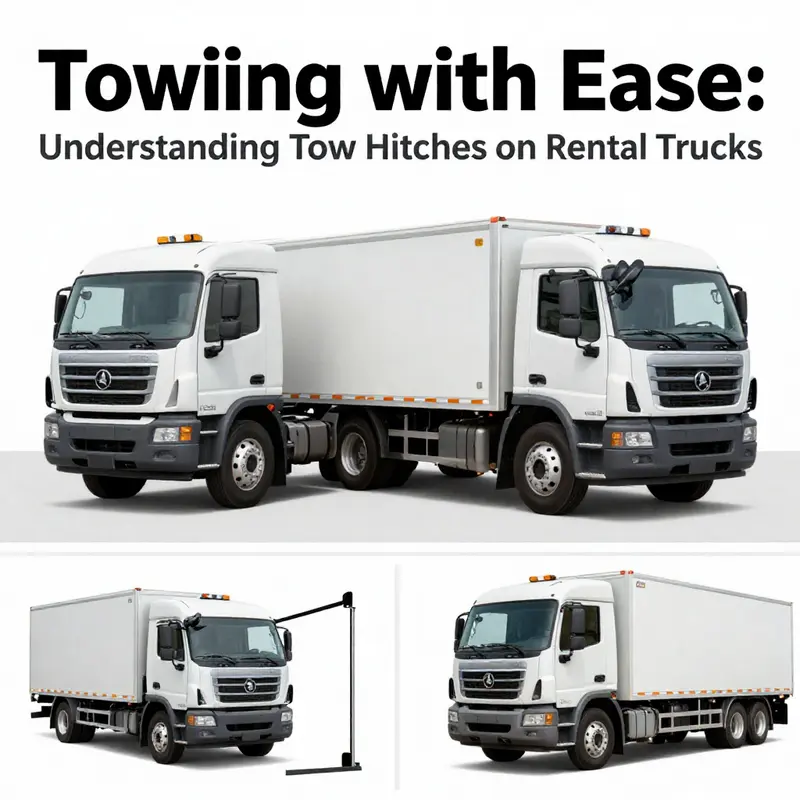
Rental trucks offer a versatile solution for transporting cargo, equipment, and even trailers under various circumstances. As the demand for trucks that can haul additional loads increases, many renters have begun to explore the availability of tow hitches in rental fleets. When considering whether a rental truck comes equipped with a tow hitch, it is important to understand that the answer is not a simple yes or no. Instead, a variety of factors—including the size and type of truck, rental company policies, the kind of hitch installed, local customer demand, and even insurance considerations—play significant roles in determining if a hitch is part of the package. Rental companies stock a diverse array of vehicles, from smaller compact pickups and cargo vans to larger heavy-duty pickups and box trucks. Each of these vehicle types has a distinct design purpose, and their towing capabilities vary accordingly. The tangible presence of a tow hitch may be a given for trucks engineered for heavier tasks, but it can be an added accessory for those designed more for urban deliveries or light hauling. With so many factors affecting towing readiness, potential renters must thoroughly research before making a reservation.
A key factor in hitch availability is the physical size and classification of the truck. Larger trucks, such as heavy-duty pickup trucks and 25-foot box trucks, are more frequently built for robust towing capacities. These vehicles often come with a hitch as a standard feature because their design is meant to handle substantial weights. For example, trucks in the heavy-duty category are frequently seen hauling trailers, utility equipment, or even recreational vehicles, and a tow hitch enhances their functionality by ensuring safe and effective towing. Smaller cargo vans or compact trucks, on the other hand, are usually not built for towing large trailers and may not have a hitch installed. Moreover, even within the heavier truck models, the hitch installation might differ among vehicle variants. In many cases, the inclusion of a tow hitch is influenced by whether the truck is primarily used for general transport or for specialized needs, which underscores the necessity for renters to look closely at a vehicle’s capabilities and specifications.
Another significant influence on the presence of tow hitches in rental trucks is the rental company’s internal policy. Many companies set different standards based on their fleet management strategies, market demand, and regional operating conditions. Some rental companies include tow hitches as standard equipment on select vehicle models while others offer the hitch as an optional accessory for an additional fee. This means that even if the truck model is capable of towing, the hitch functionality may not be activated unless specifically requested and confirmed by the rental agent. Policies might also vary depending on the rental location; branches that serve areas with high outdoor recreational activities, for instance, might be more inclined to offer trucks with towing packages readily available. In some cases, rental agreements may include clauses regarding the use of the hitch, requiring renters to adhere to specific instructions or verify that they have the appropriate additional insurance coverage for towing activities.
The type of hitch installed on a rental truck is another crucial detail that can significantly impact a renter’s decision-making process. When available, the most common hitch types on rental trucks are fixed fifth wheel hitches or standard ball mount receiver hitches, which are engineered to meet general towing needs. Fixed hitches provide a strong and stable connection for hauling trailers, while ball mount hitches offer versatility when towing trailers of varying sizes and weights. More complex systems, such as sliding fifth wheel hitches, are generally reserved for specialized or heavy-duty applications and are less frequently seen in the rental market. The choice between hitch types is not arbitrary; it is based on the inherent design of the truck bed, the balance of the vehicle, and the specific towing requirements that a renter might have. As a result, understanding the subtle differences between the hitch options, and how they affect towing dynamics, is vital for ensuring that the chosen vehicle meets the customer’s needs without compromising safety or performance.
Geographical location and customer demand further shape the presence of tow hitches in rental trucks. In regions that are popular for outdoor recreation, such as areas near lakes, coastal towns, or rural regions with abundant recreational trails, rental companies recognize the prevalence of towing needs. In such areas, trucks equipped with tow hitches are in higher demand because they enable customers to tow travel trailers, boats, or recreational vehicles with ease. Conversely, in urban centers where space is at a premium and towing large trailers is less common, rental trucks with towing capabilities may be far less prominent. Rental agencies in these high-demand areas may even tailor their fleet composition to include more vehicles with towing packages, thereby supporting the local market dynamics. Thus, the geographical location of the rental outlet can serve as a reliable indicator of whether rental trucks are more likely to be outfitted with tow hitches.
Despite the many benefits of having a tow hitch available on a rental truck, there are additional considerations that renters should keep in mind. One of the most significant is the potential for additional costs. In many cases, even if a truck is physically capable of towing, the hitch may come with an extra fee. This fee is often reflective of maintenance costs, increased liability, and the additional wear and tear associated with towing. Moreover, some rental agreements may require renters to obtain extra insurance coverage when using the tow hitch, as towing can introduce variables that conventional insurance policies do not cover. It is essential for renters to read the fine print and confirm both the existence of the hitch and any associated financial implications before agreeing to the rental terms. By doing so, they can avoid unforeseen expenses and ensure that the equipment is properly covered by insurance. The process of verifying these details often involves direct communication with the rental agent and even a hands-on inspection of the vehicle prior to finalization of the contract.
Beyond policy and cost considerations, the practical usage of a tow hitch in a rental truck also depends on the renter’s individual needs and level of experience. Towing a trailer requires not only the mechanical capability of the vehicle but also a thorough understanding of how to safely connect and operate with a load in tow. For first-time users or beginners, even a well-equipped truck with the correct hitch might not be an adequate substitute for professional advice. Being well-informed about the vehicle’s towing capacity, the type of hitch in use, and the correct procedures for safe towing is absolutely essential to avoid accidents or undue strain on the rental vehicle. Many experienced renters recommend that individuals planning to tow a significant load consult additional resources or even undergo practical training, which can often be found through guides such as those available in detailed industry overviews. This level of preparedness helps to ensure that all aspects of towing—from hitch connection to weight distribution and braking—are handled with the utmost care.
It is also worthwhile to examine practical cases and real-world experiences when deciding whether to rent a truck with a tow hitch. Many renters have shared their insights, noting that the decision to prioritize a hitch-equipped vehicle often stems from a clear understanding of what is required for the job at hand. For example, a contractor needing to transport heavy building materials might repeatedly choose a heavy-duty pickup truck equipped with a fixed hitch because it meets the specific demands of construction job sites. Similarly, recreation enthusiasts who plan to tow a travel trailer or boat may opt for a truck that is marketed with towing capabilities, knowing that the type of hitch provided is designed for their expected load. Such experiences highlight the importance of aligning vehicle attributes with practical towing needs and underscore the necessity of clarifying these details prior to rental. For those looking to delve deeper into the nuances of towing with rental trucks, resources are available that offer detailed insights on truck towing configurations and advice on best practices. Readers interested in further understanding how rental truck towing works can explore rental truck towing details for more comprehensive guidance.
In the broader context of vehicle rental and towing, a careful review of all these factors paints a clear picture: while many rental trucks do indeed come with tow hitches, the specifics are highly dependent on several interrelated elements. From the basic design and size of the truck to the nuanced policies and additional costs associated with hitch installation, every detail matters. The selection process should be comprehensive and deliberate, ensuring that the rented vehicle not only meets the mechanical requirements of towing but also aligns with the renter’s operational needs and budget constraints. Whether you are a seasoned contractor or a casual user planning a weekend getaway with a trailer in tow, ensuring that the vehicle’s hitch system is compatible with your planned use is essential. This evaluation process includes a review of the vehicle’s towing capacity, confirmation of the hitch configuration, and a clear understanding of any additional fees or insurance requirements that might apply. Renters are always advised to take their time with this process, asking detailed questions and verifying equipment both in person and through official documentation.
In conclusion, the question of whether rental trucks have tow hitches is best answered by looking at the broader landscape of modern rental vehicle practices. It emerges that while many trucks—especially those designed for heavy-duty applications—do come equipped with tow hitches, the final decision is influenced by an array of factors, including truck size, rental company policies, the specific type of hitch available, local market demands, and the financial implications tied to insurance and extra fees. By understanding these multiple layers, renters can make more informed choices that cater specifically to their towing requirements. Whether you are gearing up for a major construction project or planning a recreational road trip, evaluating the towing options available in rental trucks is a critical step that helps ensure safety and efficiency on the road. For additional insights into how hitch configurations impact overall rental truck performance, you might also consider visiting an external resource at Offshoreonly, which provides historical context and technical details that further illuminate the evolution of towing equipment in rental fleets.
Each rental decision is ultimately a balance of cost, capability, and convenience. By taking the time to research and confirm the presence of a tow hitch and understanding the specifications of that hitch, renters can avoid unexpected issues and ensure a smoother, more productive towing experience. This careful approach is especially vital in situations where the towing requirements are high and the potential risks of not having the right equipment are significant. With a well-informed perspective, the process of renting a truck becomes not just a transaction, but a strategic decision-making exercise that ultimately leads to safer and more efficient travel or transport operations. The factors discussed throughout this chapter are essential for anyone looking to maximize the utility of their rental vehicle, ensuring that all aspects—from policy to performance—align with the intended towing use. In this way, navigating the tow hitch terrain is as much about understanding the industry as it is about meeting your personal or professional goals in transportation.
Tow Hitch Assurance: A Comprehensive Guide to Confirming Your Rental Truck’s Towing Capability
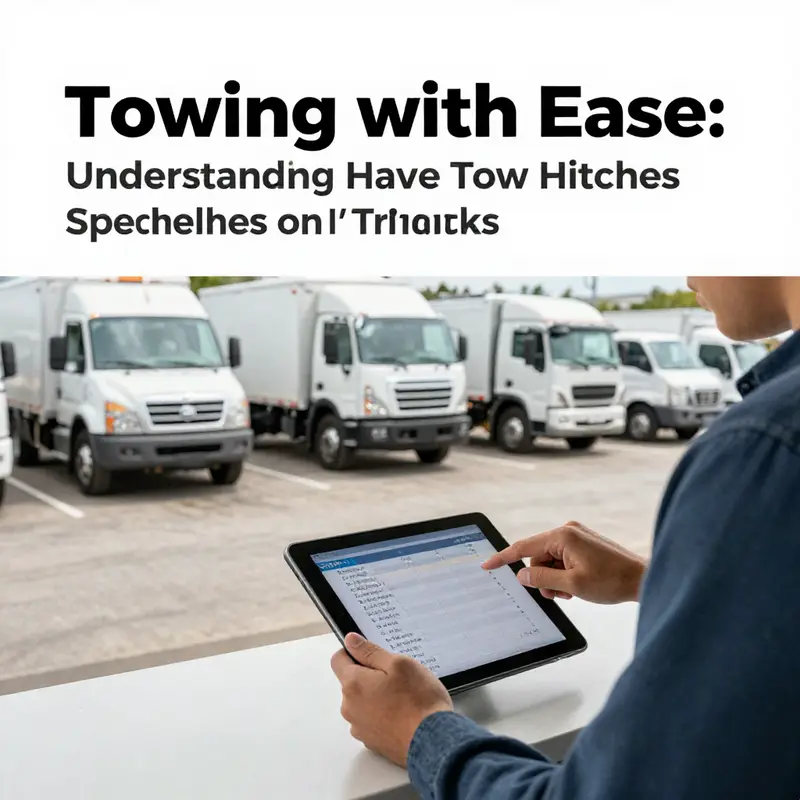
Rental trucks are a popular choice for those who require both the flexibility of a mobile workspace and the power to tow additional equipment. When planning to rent a truck, one of the most critical questions to address is whether the truck includes a tow hitch and if it meets your towing requirements. This chapter offers a detailed discussion on rental truck tow hitches, the factors that dictate their specifications, and the steps one must take to confirm that the rental unit is ideally suited for towing tasks.
The presence of a tow hitch in a rental truck is not a guarantee across all fleets and companies. Different rental companies stock various truck models, and specific models may or may not come equipped with towing capabilities by default. Although many popular models such as those resembling the Ford F-150 or Ram 1500 are often favored for their towing capacities, the hitch details vary by model and rental location. The hitch installed in your rental truck could be an integral part of the vehicle’s design or may be added as an accessory, sometimes involving an extra fee. As a customer, you should be proactive in contacting the rental company to verify the hitch’s availability, the type and class of hitch provided, and the overall tow rating before entering into a rental agreement.
A tow hitch is typically classified into several categories based on its capacity and application. Most rental trucks use receiver hitches, which can range from Class I, designed for small trailers and light-duty towing, to Class III hitches, which are built for medium-duty tasks. These classifications are closely tied to the truck’s overall design and the expected loads. For instance, a Class III hitch might be rated for a gross trailer weight (GTW) of up to 5,000 pounds with a tongue weight capacity that could approach 500 pounds. It is important to note that even within the same hitch class, there may be variations in capacity depending on the truck’s overall build. Ensuring that the hitch’s capacity matches or exceeds your towing needs is essential for both safety and performance, and this is why verifying the exact specifications during the reservation process is indispensable.
The process of confirming whether your rental truck has the appropriate tow hitch starts with thorough research on the rental company’s official website. Rental companies generally provide detailed breakdowns of their fleet specifications, including whether a tow hitch is standard on specific truck models or an optional add-on. Additionally, the rental agreement documentation often includes critical information such as hitch class, maximum GTW, and any specific conditions regarding towing. It is beneficial to call customer service directly if the website information is ambiguous. By speaking with a representative, you can obtain clarifications about towing restrictions, confirm the permanence of the hitch installation, and ask about necessary safety measures to comply with local towing laws.
When considering a rental truck for towing purposes, it is also a good idea to assess the overall condition of the tow hitch system in the vehicle. A well-maintained hitch system not only includes a properly mounted receiver but also integrates safety features such as secure locking mechanisms and clear weight limits. Even if the hitch is permanently installed, additional towing accessories might be needed for specific towing tasks, such as adapters or hitch covers. The functionality of the hitch needs to be verified during the vehicle inspection process. This hands-on approach ensures that the vehicle you are renting is genuinely fit for the towing job you require. Prospective renters should inspect the equipment at the rental location to verify that no damage or wear may undermine the hitch’s reliability. In some cases, the visual and tactile inspection might reveal that the hitch mount has been modified or that there are visible signs of excessive wear from previous heavy use.
It is equally important to consider the overall capabilities of the rental truck and how they align with your towing needs. Beyond the hitch, the truck’s engine power, transmission, and suspension play significant roles in determining the safe towing capacity. Even a truck with a robust hitch system might not perform well if its engine or transmission is not designed to handle heavy loads. This holistic approach to analyzing a rental truck’s suitability for towing includes evaluating the vehicle’s payload capacity, braking system, and even tire quality. Each of these factors plays a role in ensuring that your towing experience is safe and stress-free. When a truck is employed for both hauling cargo and towing a trailer, balancing these roles requires careful attention to manufacturer recommendations as well as any guidelines provided in the rental agreement.
The significance of confirming the specifications of your rental truck’s tow hitch extends to your overall safety on the road. Towing introduces additional dimensions of risk, including the possibility of trailer sway, increased stopping distances, and the need for precise maneuvering during turns. Misunderstanding the tow rating can lead to dangerous driving conditions that threaten both the driver and other road users. Moreover, in many jurisdictions, legal regulations dictate that the hitch and trailer must conform to strict safety standards. By double-checking the hitch’s capabilities and understanding its proper use, you can avoid costly fines and reduce the risk of accidents. Such preemptive measures not only protect you but also uphold the reputation of the rental company by ensuring that each truck is used in accordance with safety practices.
In addition to verifying the mechanical and technical aspects of the hitch, it is useful to educate yourself on best practices for towing. Many online resources and expert articles provide insights into safe towing techniques, proper hitch coupling, and effective load distribution strategies. For example, some guides explain that the towing setup should incorporate a properly fitted safety chain and that the trailer’s braking system should be synchronized with the truck’s brakes. A well-informed renter who understands these principles is better equipped to handle unexpected challenges on the road. You may wish to explore more detailed discussions on towing guidelines by visiting resources such as this detailed exploration of rental truck towing practices. Such resources can offer additional advice on how to adjust your driving style and manage the dynamics of towing, ensuring that you comply with industry standards as well as local regulations.
It is also essential to consider the potential financial implications related to renting a truck with a tow hitch. In some cases, the inclusion of a tow hitch in the rental truck is part of the base package. In other instances, renting a vehicle with a hitch may incur additional charges. These extra fees can vary widely depending on factors like the company, location, and the specific terms of the rental agreement. Awareness of any additional costs upfront will prevent surprises during the billing process and allow you to budget accordingly. Reading the fine print of your rental agreement can uncover details about insurance coverage for towing and liability clauses that might be relevant should an incident occur during your rental period. In this way, proper documentation and proactive inquiry help ensure that your towing needs and your financial expectations align.
Another critical aspect lies in the evolving nature of vehicle design and technology. Rental fleets are periodically updated with the latest innovations in both engine performance and auxiliary equipment like tow hitches. These improvements may include features like enhanced corrosion resistance, improved hitch locking systems, and advanced integration with the vehicle’s onboard diagnostics. Newer systems may also provide digital readouts that offer real-time feedback on the towing load, which can be instrumental in avoiding overload. In many cases, modern rental trucks are designed with adaptability in mind, allowing them to accommodate a wider range of towing applications. The incorporation of technological advancements means that even if a particular truck model originally did not focus on high-capacity towing, later upgrades may have made it more versatile.
The thorough verification of a rental truck’s towing equipment is a multi-step process that ultimately safeguards both your investment and your safety. This verification involves reviewing both the technical specifications and the condition of the hitch, as well as confirming that the overall vehicle is appropriately rated to handle the intended towing load. Additionally, by understanding the nuances of hitch classifications and towing capacities, you mitigate the risk of encountering unexpected limitations on your journey. With rental agreements varying from one location to another, it remains vital to engage directly with rental company representatives for the most current and applicable information. Maintaining an open line of communication with the rental company can ensure that you receive clear answers to questions such as: Is the tow hitch permanently integrated with the truck’s design? What are the weight capacities associated with the hitch? And what additional equipment might be required to safely tow a trailer?
Finally, the act of preparing for a rental that includes the use of a tow hitch speaks to a broader commitment to responsible vehicle use and proactive safety planning. Rental trucks are employed by a diverse group of people, from contractors moving heavy machinery to families relocating during a move. Given this diversity of use, the standards for tow hitch installation and maintenance have become more rigorous over time. Adequate preparation involves not only verifying that the hitch meets your needs but also familiarizing yourself with the proper techniques for towing. As you plan your journey, ensure that you have reviewed all documentation provided by the rental company and that you have conducted a brief personal inspection of the vehicle prior to departure. This precaution supports a safer towing experience and contributes to the overall reliability of the rental industry. For those seeking additional guidance on selecting and understanding trailer hitches, a comprehensive resource is available in the Complete Guide to Selecting a Trailer Hitch.
Through diligent preparation and a clear understanding of towing requirements, you can have confidence in your rental truck’s ability to handle extra weight without compromising performance. By confirming specifications in advance, you avoid issues that may arise from a mismatch between your towing needs and the truck’s capabilities. The emphasis on thoroughness and attention to detail ensures that all aspects of the towing process are addressed, from the hitch’s class and installation to the truck’s engine power and overall structural integrity. Each precautionary step you take ensures that your towing task is executed smoothly, safely, and in full compliance with both legal standards and best practices.
In summary, confirming the presence and specifications of a tow hitch on a rental truck is a multifaceted endeavor that combines technical assessment, direct communication with rental providers, and personal responsibility. This unified approach minimizes the risk of encountering the unexpected and reinforces safety on the road. Whether your need is to transport heavy equipment, tow a recreational trailer, or simply have the extra capability for unforeseen circumstances, being well-informed is your best defense. By investing time in verifying the hitch, familiarizing yourself with towing best practices, and understanding the nuances of vehicle capabilities, you set the stage for a secure and efficient towing experience. This integrated process not only streamlines your rental experience but also supports the ongoing evolution of rental fleets to better accommodate a variety of towing needs.
Ultimately, approaching your rental truck with a comprehensive checklist and an analytical mindset pays dividends in both safety and performance. The steps you take today to ensure that your rental meets all recommended standards will contribute to a smoother, more reliable towing operation. Every detail, from the type of hitch to the specific load ratings, has a significant impact on how effectively your rental truck performs when under increased stress. The careful planning you adopt exemplifies responsible vehicle use and underscores the importance of aligning every component of a rental truck with your task expectations. Such an approach transforms the task of renting a truck into an informed decision-making process that empowers you with the confidence needed to meet any towing challenge.
This chapter serves as a comprehensive guide to recognizing and verifying the towing capabilities of rental trucks. By incorporating expert advice, systematic verification steps, and a deep understanding of industry practices, renters are well-equipped to navigate the complexities of towing. Whether you are a first-time renter or a seasoned operator, the knowledge shared here helps you secure a vehicle that not only meets your explicit towing requirements but also contributes to a safer overall driving experience. Remember that every rental truck and tow hitch setup is unique, so diligence in verifying and confirming specifications remains essential each time you rent. With thoughtful planning and careful communication, you ensure that your rental truck is a reliable partner for all your towing tasks.
Final thoughts
Understanding the availability of tow hitches on rental trucks is essential for making informed rental choices. With careful consideration of the major companies’ offerings and their policies, combined with the factors that influence hitch installation, customers can ensure that their rental trucks fit their towing needs. Always confirming specifications before booking can save time and inconvenience. The right preparation leads to successful towing, whether for personal use, property management, or business purposes.