
Whether you’re moving across town or need to transport equipment, knowing where to rent a truck that can tow a trailer is essential for everyday drivers, residents, and business owners alike. A reliable towing vehicle can streamline your loading process and provide the power needed for various tasks. This guide will explore highly reputable truck rental companies such as U-Haul, alternative service providers like Ryder and Enterprise, local rental businesses, and essential tips for ensuring a successful experience. Each chapter will detail the offerings from these companies, making it easier for you to make an informed decision that meets your towing needs.
Renting a Truck to Tow a Trailer: Navigating Major Rental Companies and Practical Steps
Renting a truck to tow a trailer is a practical solution for moves, equipment transport, or temporary hauling. It combines the flexibility of a rental with the control of driving a vehicle you’re comfortable with. Yet the process can feel overwhelming if you don’t know what to ask, what to reserve, and what to verify before you drive away. This chapter unpacks the landscape of major rental companies and the pragmatic steps that turn a potential headache into a straightforward rental experience. Across North America, several providers dominate the scene, and each brings a slightly different approach to trucks, trailers, and towing accessories, all designed to fit different uses and budgets. The core idea is simple: you want a truck strong enough to pull your trailer, equipped with the right hitch and wiring, and supported by a network where you can pick up, drop off, and get help if you need it.
A leading network of moving-truck and trailer rentals emerges as the most common option for people planning a move or a temporary haul. This largest provider in North America offers a broad spectrum of trucks configured for towing, from compact cargo vans to large box trucks designed to handle heavier loads. They also rent a variety of trailers, including utility, open, and enclosed models, and stock essential towing hardware such as hitch kits, ball mounts, and wiring adapters. Because this network operates with a dense footprint of locations, many renters can reserve a truck and trailer in the same place, either online or at a nearby center. For someone pressed for time or unsure of exact needs, the appeal is clear: a one-stop shop for vehicle, trailer, and the necessary connections, plus roadside or customer support if something goes wrong.
Beyond the largest network, other national brands provide similar reliability but with different strengths. A major car-and-truck rental company offers a broad fleet that includes larger pickups and box trucks suitable for towing. These brands are known for newer model options and a large geographic footprint, which can be helpful for multi-city plans or complex itineraries. Another prominent brand delivers a range of trucks with towing capability and is recognized for consistent maintenance and service. A group that operates multiple brands adds flexibility through loyalty programs and a wider set of rental terms, often balancing convenience with price. Then there are budget-focused truck rental brands that emphasize straightforward booking and practical vehicle options that pair well with trailers when available. A cautionary note with these brands is that they do not always rent trailers at every location, so you may need to arrange a trailer from a partner or a local equipment rental outlet in tandem with your vehicle rental. In regions where commercial and everyday towing needs intersect, a national commercial rental company and regional outfits can be especially relevant, offering varying levels of support and inventory.
Choosing the right equipment starts with clarity about what you’ll tow. Confirm the truck’s tow rating, payload, and the hitch type installed or available for use. Trailer tongues come in several sizes, and the ball mounts must match the trailer coupler. A light-duty trailer might use a 1-7/8 inch ball, a typical utility trailer often uses a 2-inch ball, and heavier trailers may require a 2-5/16 inch ball. If you’re unsure about compatibility, ask for a hands-on walkthrough or request a printed spec sheet. Tow calms the road only when the braking, steering, and acceleration demands are properly managed; some trucks have factory or aftermarket brake controllers, electronic stability features, and wiring harnesses that power trailer lights and brakes. Ensure the rental includes a functional hitch and a wiring harness, and check whether you can rent or borrow additional items like a brake controller or a car hauler if your load requires it. If you’ve never driven with a trailer, practice in a spacious lot before heading into traffic or onto longer routes. Confirm whether the rental includes basic towing accessories—chains, straps, wheel chocks—and whether you can add items such as a brake controller or car-hauler attachments if needed.
A critical part of the planning is understanding driver requirements and insurance. Most major brands require drivers to be at least 21, with some locations enforcing higher minimums for certain vehicle classes or charging extra for younger drivers. A valid license appropriate for the vehicle class is essential, and some trailers may require additional endorsements when crossing state or provincial lines. Insurance coverage varies by company and policy, and you may encounter daily premiums or the option to rely on your own auto policy via a rental rider. It is prudent to read the terms about liability, cargo, and damage waivers before you sign, and to know what happens if the trailer, hitch, or load is damaged or if roadside assistance is needed during a tow. This is one area where clarity saves both money and stress later on.
Booking the right rental is as much about timing as it is about equipment. Availability fluctuates with demand, seasonality, and the scope of the tow. Booking a few days in advance is wise for longer moves or heavier hauling tasks, and if possible, you’ll want to arrange pickup from a location that offers both a truck and trailer in the same inventory. When you reserve, double-check hitch compatibility with your trailer and confirm whether you must bring or rent the wiring harness, brake controller, or other attachments. It’s also helpful to verify the return policy, fuel requirements, and whether mileage terms include the one-way option. One-way rentals can be convenient for moving across town or to a new region, but they often carry higher fees or different terms that affect total cost.
The practical realities of towing should influence both selection and planning. A trailer increases the vehicle’s length and weight, which translates into longer stopping distances, wider turning radii, and greater care to maintain lane discipline. Plan routes to accommodate slower speeds on grades, easier handling on windy days, and challenging urban corridor maneuvers. Before departure, walk around the trailer to verify lights, reflectors, and wheel security, and ensure loads are distributed to minimize sway. If the trailer is tall or heavy, a more cautious approach to speed, following distance, and braking is essential. A conservative mindset about load securement—checking straps, chains, and ties—goes a long way toward preventing mishaps on the road.
Ultimately, the big brands offer a practical pathway to reliable truck-and-trailer combinations, with the caveat that you should adapt to local availability, policies, and the specifics of your tow. If your task is straightforward and you value network scale and simplicity, a large national provider can deliver a dependable, one-stop solution. If you require more flexibility, regional outfits and commercial rental partners may tailor terms to your schedule and budget. Either way, the key is to align the vehicle’s capabilities with the trailer’s weight and purpose, and to lock in the necessary accessories, insurance, and route planning before you hit the road.
For additional context and safety around towing with trucks and trailers, you can consult this guide: Can you tow with a rental truck?.
External resource: For a broader safety overview on towing a trailer, consider independent consumer guidance that covers hitch selection, weight ratings, and braking considerations: https://www.consumerreports.org/cars/how-to-tow-a-trailer/.
null
null
Renting a Truck to Tow a Trailer: National Chains, Local Providers, and How to Choose the Best Fit
Finding the right place to rent a truck for towing a trailer depends on more than just availability. It requires matching towing capacity with trailer type, ensuring the right hitch and accessories, confirming insurance and permits, and picking a rental agreement that fits your schedule. There are two practical avenues: large national rental networks that offer predictable fleets and broad support, and local or regional equipment providers that often offer more specialized trailers and hands-on service. Understanding the trade-offs helps you make a confident choice and reduces last‑minute surprises.
National rental networks typically maintain a wide selection of trucks. These fleets include light pickups, heavy‑duty pickups, and box trucks with reinforced frames. A major advantage is consistency: vehicle condition, basic towing equipment, and rental procedures are fairly uniform across locations. That standardization simplifies planning. You can usually reserve a specific class of truck online, add towing accessories during checkout, and rely on nationwide customer support if something goes wrong on the road. The same networks often provide flexible rental lengths, from a single day to several weeks, which helps whether you’re moving, hauling equipment, or transporting a recreational vehicle.
Local equipment rental companies and regional truck providers offer a different set of benefits. These businesses often carry a wider variety of trailer types, including flatbeds, enclosed trailers, and specialized utility trailers sized for local needs. Staff at smaller shops tend to be familiar with the local roads, weight restrictions, and permit requirements. They can advise on the best trailer-truck combination for your load, and sometimes will assemble custom hitching setups. If your tow involves unusual cargo, tricky loading, or tight urban routes, a local provider’s hands-on approach can be invaluable. Pricing can be competitive, especially for short-term rentals or odd-sized trailers not commonly stocked by national fleets.
Choosing between national chains and local shops starts with the load. First, know the gross trailer weight and tongue weight. Compare those numbers to the truck’s towing capacity and the hitch rating. Renting a truck with insufficient capacity is unsafe and often prohibited by rental agreements. The truck’s payload rating matters too; it affects how much weight the truck itself can carry when the trailer is loaded. Always ask the rental agent to confirm the rating and to provide a written specification for the vehicle you’re reserving.
Next, consider towing accessories. Ball mounts, hitch receivers, weight distribution systems, and sway control devices are common additions you may need. Large rental networks often stock standard hitch kits and can install them for you. Local providers may offer more specialized gear or custom solutions. If you need to haul specialty loads—motorcycles, ATVs, or heavy machinery—confirm that appropriate tie‑downs, ramps, and protective equipment are available. Ask if the rental includes or optionally provides breakaway cables, safety chains, and electrical adapters for trailer lights and brakes.
Insurance and liability are frequent sticking points. Rental contracts vary in how they handle damage to the truck, the trailer, and third‑party liabilities while towing. Ask for clear documentation on what is covered by the base rental. If you have personal auto insurance, call your insurer to verify whether rental truck towing is included. Credit card protections sometimes extend to rental vehicles but often exclude trailers or towing. If your trip involves commercial loads or third‑party deliveries, you may need supplemental insurance or to provide proof of commercial coverage. Clarify these requirements before you sign anything.
Permits and legal requirements are easy to overlook. Some jurisdictions require permits for oversized or overweight trailers, and certain roads restrict trailer lengths. If you’re crossing state lines, check each state’s towing laws and weight limits. Local rental agents, especially at regional shops, can often advise on permits and route planning. If the load requires an escort vehicle or special signage, factor these into the rental plan. Failure to obtain proper permits can lead to fines or trip interruption.
Timing and logistics matter. Reserve early, especially during peak moving seasons and holiday weekends. Pickups at major rental locations are usually convenient, with standardized inspection sheets and fast checkout. Smaller providers may need more lead time to prepare specific trailer setups. When picking up the truck, do a joint walkaround with the agent. Photograph any existing damage to both the truck and trailer and confirm that all required documents are included. Ask the agent to show how the hitch and electrical connections work. If you feel unsure about coupling or distributing the load, request a brief demonstration.
Safety while towing rests on three pillars: the right equipment, proper load distribution, and safe driving practices. Keep the trailer tongue weight between 10 and 15 percent of the total loaded trailer weight for stable towing. Place heavier items low and forward on the trailer, and secure them to prevent shifting. Use weight distribution and sway control devices when towing heavy trailers. During the drive, allow longer following distance, make wider turns, and brake earlier than normal. Inspect the trailer lights, brakes, and tire pressure at the start and at regular stops.
If you’re unsure whether a given rental truck can tow your trailer, consult a resource that addresses towing with rented vehicles and clarifies common limitations and legal considerations. This guidance can help you decide whether a rental truck is a safe, compliant option for your haul: Can you tow with a rental truck?.
Pricing and rental terms often influence the final choice. National networks may offer predictable daily rates and mileage policies. Local shops sometimes provide hourly or half‑day rates and may be more flexible on return times. Ask about fuel policies, late fees, mileage caps, and cleaning charges. If your trip is long, explore long‑term discounts. For commercial needs, compare corporate rates and whether the rental agreement permits commercial loads.
Finally, plan for contingencies. Confirm roadside assistance coverage, and carry a basic towing toolkit: extra hitch pins, safety chains, spare fuses for trailer lights, an electrical adapter, and a tire repair kit. Note the rental company’s breakdown and accident procedures. Keep copies of the rental agreement, vehicle specs, and insurance contacts in both physical and digital form.
Choosing where to rent a truck to tow a trailer is a practical decision. Match the truck’s capacity to your trailer and load. Verify towing equipment and insurance. Consider the benefits of standardized fleets versus local expertise. With the right questions and a careful inspection at pickup, you can avoid common pitfalls and make your towing experience smooth and secure.
For detailed fleet options, online availability, and reservation tools, consult this truck rental resource: https://www.enterprise.com/en/truck-rental.html
Finding a Truck That Can Tow: National Chains, Local Rental Shops, and Peer-to-Peer Picks
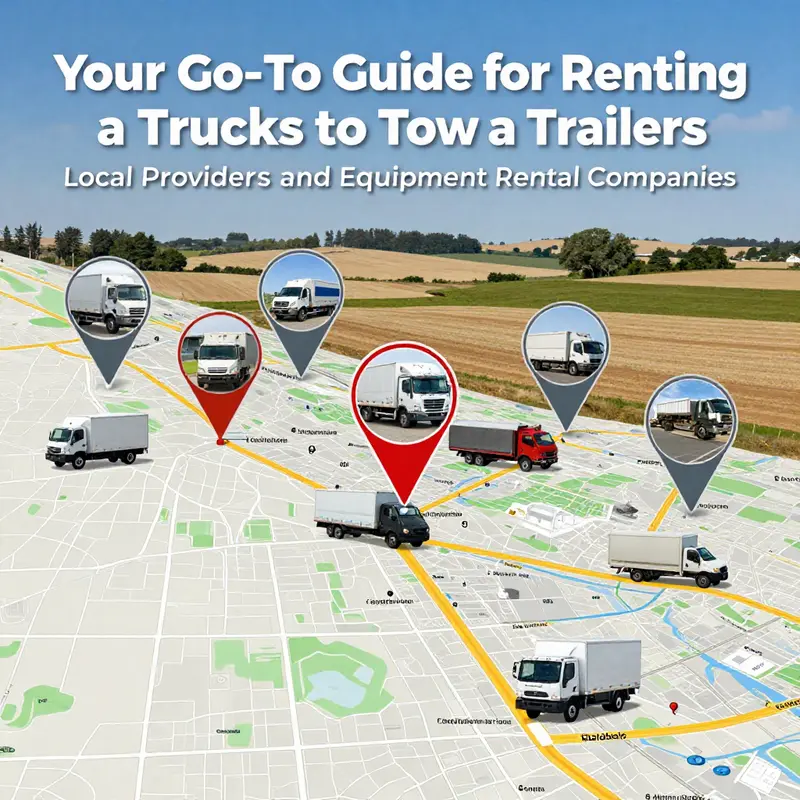
Where to find a tow-ready truck and what to ask when you rent one
When you need a truck to tow a trailer, the decision is more than which location to visit. It is about matching vehicle capability, available equipment, rental policies, and support. Broad categories of providers will cover most needs. National car rental locations often list pickups and larger SUVs. Equipment-focused rental services supply trucks and trailers designed for moves and heavy loads. Local and regional shops can offer specialized trucks and more flexible terms. Peer-to-peer platforms connect you directly with individual owners who may have higher-capacity rigs or unique configurations. Each option has trade-offs in price, availability, and service.
Start by thinking about the trailer you will tow. Know the trailer’s gross vehicle weight rating and the tongue weight. These numbers determine the minimum towing capacity and payload your truck must have. Then consider how often you will drive with the trailer attached, and whether you need extras like trailer brakes or a weight-distributing hitch. Many rental providers will ask for these details. Provide them with accurate weights to avoid being offered an unsuitable vehicle.
National car rental locations are convenient for short-term needs and for renters traveling through urban centers. They typically maintain a fleet of trucks and large SUVs with factory tow packages. Reservation systems are robust, and storefronts are easy to find. If time matters, national firms can be the quickest route to a pickup. However, they may restrict towing in their contract or require additional documentation. Ask about trailer policies, towing add-ons, and any limits on trailer size or weight before you complete a reservation.
Equipment-focused rental companies are an attractive choice when your trailer is large or heavy. These providers specialize in moves and haul jobs. They rent trucks, trailers, and towing accessories together. That package approach simplifies logistics. They tend to stock heavier-duty pickups and box trucks built with towing in mind. When choosing such a provider, confirm the availability of hitches, wiring adapters, and brake controllers. Also check for roadside assistance and damage waivers that specifically cover towing situations.
Local and regional rental shops are often overlooked, yet they can be ideal in the right circumstances. Small companies compete on price, flexibility, and personal service. They may have trucks with nonstandard modifications, diesel engines, or older models with proven towing track records. These shops can also be more willing to negotiate rental periods or to supply custom towing hardware. The risk is uneven availability and variable service quality, so read recent reviews and call ahead to describe your trailer and route.
Peer-to-peer car sharing has emerged as a real alternative. It lets you rent trucks directly from private owners. On these platforms, you can search for models, powertrains, and towing packages that match your needs. Some owners allow heavy towing, while others limit how their vehicles can be used. Peer platforms usually include insurance options and support for claims. If you take this path, verify the truck’s tow rating, inspect the hitch, and confirm wiring and brake systems. Ask the owner for a short test hookup on site before you drive away.
Regardless of provider type, certain checks and questions are essential. First, confirm the truck’s maximum towing capacity on paper. Do not rely on casual estimates. Then verify the hitch class and tongue weight rating. A mismatch here can overload the hitch and damage the vehicle. Ask whether the truck has a factory-equipped brake controller or if a portable controller is included. Trailer brakes are critical for heavier trailers. If your trailer requires a brake controller and the truck lacks one, negotiate an included install or look elsewhere.
Wiring compatibility is another frequent issue. Even when a truck can tow the trailer’s weight, wiring shapes and pinouts may differ. Request the correct wiring adapter or verify that the provider will supply one. Confirm whether the truck includes a tow package that integrates wiring, cooling upgrades, and suspension reinforcements. These extras matter on long trips and in hilly terrain.
Insurance and liability deserve clear attention. Rental contracts vary widely on what they permit while towing. Some companies exclude towing entirely. Others allow towing but exclude damage caused by overloaded trailers. Ask about damage waivers, supplemental liability coverage, and how claims are handled when a trailer is attached. For peer-to-peer rentals, review platform insurance limits and the owner’s requirements. Keep a copy of any towing permissions in the rental agreement.
Inspection at pickup saves disputes later. Walk the truck with a checklist. Photograph all exterior panels and the hitch area. Test the trailer lights, turn signals, and brake lights while someone manipulates the controls. If available, test the brake controller function with a trailer. Confirm the presence and condition of safety chains, hitch pins, and a breakaway switch if required. Note any pre-existing damage on the rental paperwork.
Practical items make trips easier. Ask about the included mileage allowance and fuel policy. Some companies charge steep fees for excess mileage. Confirm permitted travel areas if you plan to cross state lines. Verify overnight parking rules for a truck that may be larger than a standard rental car. If you need a specific hitch or adapter, ask whether it can be installed prior to pickup. For longer hauls, roadside assistance that covers towing and trailer-related failures is beneficial.
Age and licensing rules vary. Some providers impose minimum ages or add surcharges for younger drivers. Heavy trailers might push the combined vehicle weight into categories requiring special endorsements. Clarify this before you reserve. If your trailer is unusually tall or long, verify that the rental location can accommodate it at pickup and returns.
When booking, prepare measurements and documentation. Know the trailer’s length, height, gross weight, and tongue weight. Keep weight distribution specs handy. Provide these to the rental agent and request a vehicle that comfortably exceeds your requirements. Reserve early if you need a diesel truck, higher towing class, or specific hitch. High demand seasons and holiday weekends deplete the best options quickly.
If you want detailed guidance about towing with a rental vehicle, consult this resource on whether rental trucks allow towing: can you tow with a rental truck?. It outlines common rental policies and practical tips.
For one-stop reference on vehicle and trailer combinations, the official truck rental site provides specifications and rental options. Review their capacities and recommended pairings here: https://www.uhaul.com/Truck-Rentals/
Following these steps will help you secure a truck that can tow safely and legally. Clear communication with the rental provider, thorough inspections, and correct equipment reduce risk. A well-matched truck, with the right hitch and braking systems, makes towing straightforward and reliable.
Finding and Preparing the Right Rental Truck to Tow Your Trailer
When you need to rent a truck to tow a trailer, the search is more than locating a vehicle. It’s a process of matching capacity, equipment, and legal requirements to the load you plan to move. Start by widening the field: national truck rental networks, commercial truck providers, and local equipment shops all rent trucks with towing capability. Some offer a one-stop package with trailer rentals and towing accessories. Others supply only the tow vehicle and expect you to source the trailer or hitch separately. Understanding these differences will save time and reduce surprises on the road.
Choosing the right truck begins with a simple rule: know what you need to tow. Identify the gross vehicle weight rating (GVWR) and the gross trailer weight (GTW) of your load. These numbers tell you whether a pickup with a standard towing package will suffice or whether you need a heavier-duty chassis. Confirm the truck’s towing capacity in writing before you commit. A verbal assurance is useful, but a spec sheet or rental agreement that lists towing limits protects you and the rental company. Ask about engine options, axle ratios, and transmission types when towing heavier loads. These details affect performance and, importantly, braking and heat management on long hauls.
Hitch compatibility is the next critical concern. There are multiple hitch classes and ball sizes in common use. Inspect the hitch type on the rental truck and compare it to your trailer’s coupler. If the rental includes a hitch, verify that the correct ball and mount are provided. If it does not, ask whether the rental outlet can supply or rent a compatible hitch kit. Many locations can add a hitch for a fee, but availability varies. Also confirm the presence of a weight-distributing hitch or sway control if your trailer needs it; these devices are essential for stability when towing larger loads.
Equally important is the truck’s electrical connection. Trailer lights, turn signals, and brake lights must work reliably. Rental trucks often offer standard wiring plugs, but some trailers need adapters. Bring your trailer’s plug and any adapters you own to the pickup. If adapters are missing, verify that the rental outlet carries them. Test all lights during the pickup inspection and request that any wiring issues be resolved before you leave the lot.
A methodical pre-trip inspection cannot be overstated. Walk the truck with a checklist: tires, brakes, fluid levels, and the hitch area. Tires should have adequate tread and correct pressures. Brakes must feel firm and responsive during a slow test drive. Check engine oil, coolant, and transmission fluid. If the truck has integrated trailer brakes, verify the controller is present and functional. Document any existing damage in writing and with photos to avoid disputes when you return the vehicle.
Weight distribution and cargo placement matter as much as raw capacity. Load trailers so about 10 to 15 percent of the trailer weight rests on the tow ball for standard utility trailers. For larger trailers, follow manufacturer guidance on tongue weight. Stacking heavy items over axles improves stability. Secure cargo to prevent shifting that could upset the trailer’s balance. If the rental truck offers a truck bed extender or tie-down points, use them. Also confirm the trailer’s gross axle weight rating is not exceeded; overloading axles causes tire failure and compromised handling.
Insurance and liability deserve early attention. Rental agreements vary on who bears responsibility for damage to the truck, trailer, or third parties. Ask about the rental company’s damage waiver options, collision and liability coverage, and whether your personal auto policy or credit card coverage extends to rental trucks. For commercial moves, consider short-term supplemental insurance that covers cargo loss and third-party liability. Get clear answers in writing before leaving the lot.
Timing and reservations can influence availability and cost. Peak moving seasons and weekends drive higher demand for trucks and trailers. Reserve early and confirm the reservation the day before pickup. If you need specialized equipment, such as a gooseneck hitch or a heavy-duty dual-rear-wheel truck, allow extra lead time. When you pick up the truck, bring the trailer’s registration and proof of insurance. Many rental counters will refuse a trailer hookup without proper documentation.
Driving a rented truck with a trailer requires adjustments to routine habits. Allow longer following distances and plan turns with extra room. Accelerate gently to avoid jackknifing and use lower gears on long descents to help braking. Practice backing up in an open lot before heading into traffic. Mirrors on rental trucks may offer extended-view options; set and test them for a clear view of trailer sides. If the truck is heavier than what you usually drive, expect slower responses and wider turning circles.
Return logistics deserve equal planning. Clean the truck and trailer as required by your contract. Refill fuel and top off fluids if the agreement demands it. Inspect the vehicle with the rental agent present and note any damage. Keep a copy of the final inspection report. Late returns and unreported damage can lead to steep charges. If unexpected issues arise during the rental, contact the provider immediately for guidance rather than attempting repairs yourself.
Finally, don’t overlook local rules and safety standards. Many jurisdictions impose weight limits, lane restrictions, and special requirements for lighting or signage. Some roads bar vehicles towing trailers above certain widths or weights. Research route restrictions and bridge clearances when transporting oversized loads. For authoritative safety guidance and regulatory information, consult the national traffic safety authority’s resources.
If you need more specific guidance about towing with a rented vehicle, read this detailed discussion about towing with rental trucks for practical tips and common policies: Can you tow with a rental truck?. For official safety recommendations and legal information, see the National Highway Traffic Safety Administration: https://www.nhtsa.gov
Final thoughts
Renting a truck capable of towing a trailer doesn’t have to be a daunting task. By examining well-known rental companies like U-Haul, considering alternatives such as Ryder and Enterprise, and exploring local equipment rental businesses, you can find the right vehicle tailored to your specific needs. Furthermore, incorporating the tips discussed will maximize your rental experience and ensure safe towing practices whether you’re moving to a new home or handling logistics for a business. With this guide, you’re equipped to make the best decision in renting a truck to tow a trailer with confidence.