
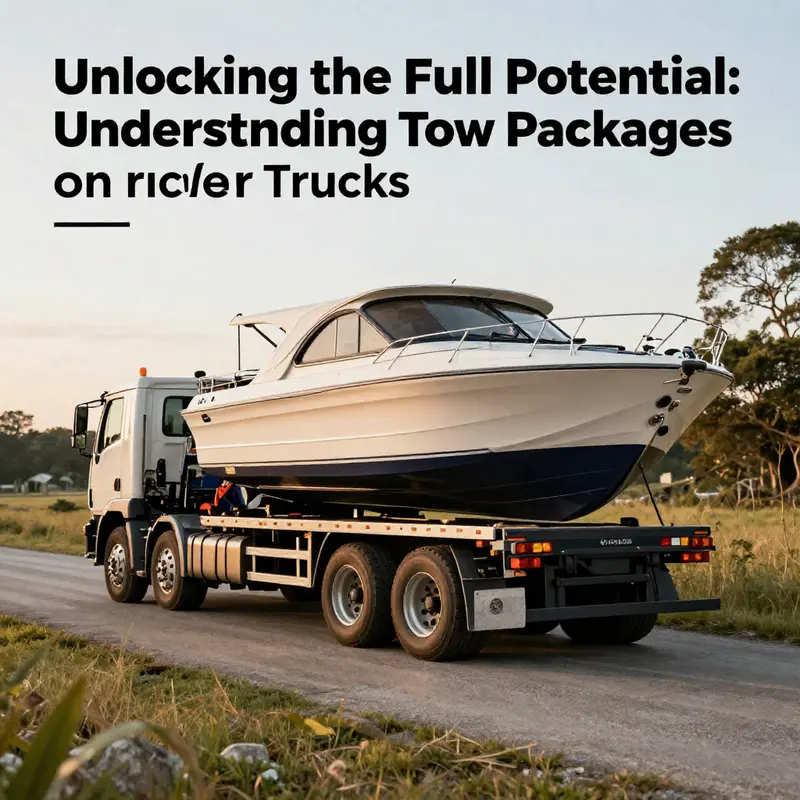
For truck owners and enthusiasts alike, understanding the components and benefits of a tow package is crucial in optimizing towing capacities and ensuring reliability while transporting heavy loads. Whether you commute daily, manage properties, or are an auto repair expert, towing is a common necessity that requires specialized equipment. Each chapter will delve deep into the specific elements that make up a tow package, its advantages, how towing capacity is linked to these features, and how to select the right package for your specific needs. By the end, readers will have a comprehensive understanding of how tow packages enhance vehicle performance, safety, and efficiency.
Tow Packages Demystified: The Hidden Hardware that Turns a Truck Into a True Towing Machine
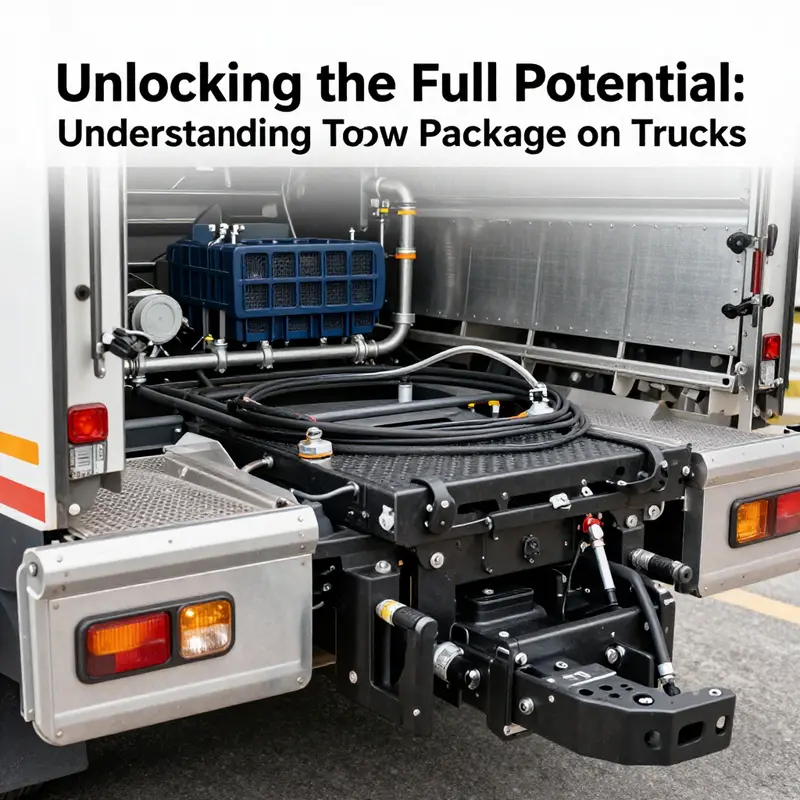
A tow package on a truck is more than a single item tucked into a brochure. It is a coordinated system, a carefully calibrated suite of components designed to help a vehicle carry heavy loads with confidence, even when the road or weather adds stress to the journey. When a buyer sees the words “tow package” on a window sticker or in a chassis spec sheet, the instinct is to think of a bigger hitch. Yet the reality runs deeper. A factory tow package coordinates power, cooling, steering, braking, and electrical systems so that the truck and trailer behave as a single unit rather than two separate machines fighting each other. This orchestration matters because towing is not simply about pulling a weight. It is about controlling stability, heat, and fatigue over the hours or miles of a demanding task. When the package is well matched to the vehicle’s chassis and engine, the experience changes from a potential ordeal into a predictable, manageable operation.
At the core of any tow package lies the tow hitch, the central attachment point that bears the tongue weight and provides the conduit for the trailer to follow the truck. Hitches come in different classes, from light-duty to heavy-duty, with inherent limits that reflect the balance between the vehicle’s frame strength and its suspension geometry. The factory-installed hitch in a tow package is not an afterthought; it is a reinforced component designed to integrate with the frame, bumper geometry, and the electrical system. This receiver hitch serves as the anchor for a wheelbase-aligned connection that must carry not just the weight, but the dynamic forces that occur as the trailer is started, braked, and swayed by wind, road texture, or the momentum of curves.
Yet the hitch is only the most visible part of the system. A complete tow package includes a well-tuned wiring harness that ensures every light and signal on the trailer operates in harmony with the truck’s lights. The importance of proper trailer wiring cannot be overstated. Lights and brakes are critical safety signals, informing surrounding drivers of intent and status. From the perspective of the truck, the harness must endure weather, vibration, and the occasional rough road without losing continuity. A factory harness is typically pre-installed, integrated with the truck’s electrical architecture so it remains protected from the elements and less prone to accidental damage during daily use. It is how the trailer’s brake lights, turn signals, and running lights communicate reliably with every mile traveled.
For trailers that incorporate electric brakes, the included or optional trailer brake controller is a crucial component. Instead of relying solely on the truck’s brakes, the system syncs trailer braking with the vehicle’s deceleration. This synchronization reduces the risk of trailer-induced instability, especially on downhill stretches or in emergency braking scenarios. In many modern trucks, the brake controller is built into the dashboard or mounted as a compact module that the driver can adjust while assessing the load and grade. The result is a more predictable deceleration pattern that translates into reduced wear on the tow vehicle’s brakes and tires, not to mention a safer experience for passengers and surrounding traffic.
A key, sometimes underappreciated, facet of towing is how the vehicle’s suspension and frame cope with extra weight. Reinforced suspension components are a standout feature of many heavy-duty tow packages. When a truck is tasked with carrying a loaded trailer, the forces at the rear axle shift, momentarily increasing the demand on springs and dampers. Stronger springs and stiffer shocks help resist squat and maintain ride height, which in turn preserves steering geometry and tire contact patches. The goal is not to stiffen the ride into a rigid stance but to create a controlled platform that keeps the trailer aligned with the truck through acceleration, deceleration, and cornering. The result is improved stability, reduced sway, and a smoother transfer of energy from the engine, through the drivetrain, and into the wheels that actually grip the road.
Keeping the powertrain cool is another critical purpose of the tow package. Tugging a heavy load generates heat, especially in the engine, transmission, and the cooling system as a whole. To counter this, many factory tow packages include an enhanced cooling system. A larger radiator, a dedicated transmission cooler, and sometimes an auxiliary fan system are installed or upgraded to handle sustained towing. The transmission cooler acts like a dedicated radiator for the transmission fluid, absorbing heat that would otherwise raise the transmission temperature and accelerate wear. A hotter transmission is not just uncomfortable; it can erode the fluid’s lubricating properties and shorten the life of the gearbox. Likewise, a more robust cooling loop for the engine helps maintain performance and protects other critical components during longer pulls uphill or through stop-and-go traffic where the engine must operate near its thermal limits.
In some configurations, a tow package will extend beyond the radiator and cooler tubes to include an upgraded electrical system. A higher-capacity alternator and battery serve to feed the trailer’s lights, brakes, and other electrical demands without draining the truck’s own systems. When you consider a trailer with multiple electronics or a high-demand brake controller, the electrical upgrade becomes essential. It prevents sudden drops in voltage—from the truck alone or the trailer—that could dim lights, hamper trailer brakes, or cause dashboard warning indicators to illuminate. The electrical backbone must be resilient, capable of delivering steady current while the truck shares life with the trailer’s systems.
Connected to power and signaling is a set of gauges and monitoring features designed specifically for towing. Some packages integrate towing-specific gauges that monitor transmission temperature, engine coolant temperature, and even fuel economy under load. These tools give the driver real-time insight into how the vehicle is handling the added duty and when a pause might be prudent to allow temperatures to stabilize. In practical terms, they transform towing from a test of nerves into a data-informed activity. The driver can foresee a potential overheating episode, adjust gear selection on an incline, or modulate accelerator input to keep the engine and transmission within optimal ranges. The goal is to avoid surprises that could translate into mechanical stress or reduced control.
Beyond the core mechanical and electrical elements, certain tow packages address the heavy duties at the axle and differential. In high-capacity setups, reinforced differentials and axles may be included to accommodate the torque delivered through the drivetrain when a heavy trailer is attached. Strengthened axles minimize the risk of twisting or warping under sustained towing. The differential gears themselves are chosen to balance torque distribution and efficiency so that a loaded trailer pulls smoothly from a standstill without causing wheel-hop or tire scrubbing. While these components may not be visible to the casual observer, they are essential to the vehicle’s ability to manage heavy loads without compromising longevity or safety.
All these pieces—hitch, wiring, brake controller, suspension, cooling, electrical system, and drivetrain hardening—are designed to function in concert. Without this orchestration, a truck with a high towing rating on paper could underperform when faced with a long pull or a hot day. The tow package, then, ensures that perceived capability translates into real-world reliability. It reduces the need for improvisation, such as jury-rigged cooling or ad hoc wiring solutions, which can jeopardize safety and void warranties. Instead, the package provides a standardized, tested, and manufacturer-approved framework that treats towing as a controlled operation rather than a gamble.
For anyone considering whether their vehicle already has a tow package or what to look for when shopping, the question often boils down to context. A hitch alone does not guarantee a successful tow. The tongue weight the hitch can carry, the gross trailer weight the system can manage, and the dynamic behavior of the entire vehicle-trailer combination are all critical. The factory approach considers these limits in aggregate, aligning the chassis rigidity, the engine and transmission’s cooling needs, the suspension’s load tolerance, and the electrical system’s capability to maintain safe, visible signaling and brake performance. In other words, the package is about system compatibility as much as it is about raw strength.
When the discussion turns to real-world realities, most operators recognize that tow packages influence more than the maximum numbers on a spec sheet. They influence how a trailer feels on the road, how easy it is to stabilize during gusts, and how much residual capacity remains for everyday driving. A truck that tows confidently may still handle daily commuting with the same composure, simply because the engineering behind the package preserves a balanced ride height, predictable steering, and reliable braking, even when the trailer is present. The key is to match the package to the load profile. A light camping trailer might be well served by a mid-range tow package that optimizes for fuel economy and ride comfort, while a large flatbed or gooseneck configuration may require the most robust combination of frame reinforcement, cooling capacity, and braking support. Either way, the aim remains consistent: to create a towing experience that feels less like a forced burden and more like an integrated capability.
Tow-Ready Power: How a Factory Tow Package Transforms a Truck into a True Hauler
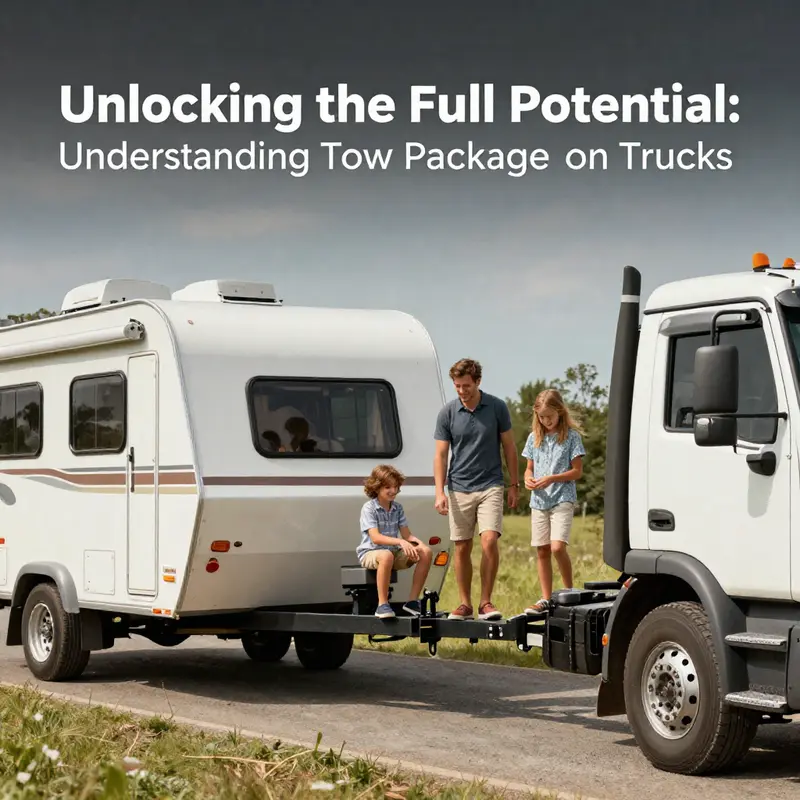
A tow package is more than a single upgrade tucked under the hood or bolted to the bumper. It is a coordinated system built to endure the extra stress of pulling heavy loads over miles of road. When a truck is equipped with a factory tow package, the result is not simply a higher number in the brochure. It is a blend of cooling capacity, structural resilience, electrical readiness, and smart towing controls that work in concert to keep the entire drivetrain within safe limits while delivering predictable performance under load. This is the difference between a vehicle that merely hauls and a vehicle that truly travels with purpose when trailers, campers, or equipment sit in tow. The essence of a tow package lies in its integrated design, where each component anticipates the demands of towing and is calibrated to support both safety and reliability over thousands of miles of service.
The first and most visible pillar of a tow package is the heavy-duty cooling system. Towing places sustained stress on the engine and transmission. An upgraded radiator, an additional transmission cooler, and sometimes an oil cooler ensure heat does not accumulate to damaging levels during long pulls or in hot climates. Heat is the enemy of efficiency; it accelerates wear and can trigger performance throttling to protect parts. With a robust cooling loop, the engine and transmission maintain more stable temperatures. This steadiness translates into more consistent power delivery and a lower likelihood of overheating during climbs, long grade pulls, or repeated throttle inputs when navigating winding routes with a trailer in tow.
A reinforced frame and upgraded suspension form the second core element. Towed weight adds sag and dynamic loads that can alter handling. Stronger frame rails, beefier springs, and performance-tuned shock absorbers help maintain geometry and alignment under load. The chassis is the foundation that keeps the truck from becoming a catalyst for sway or fatigue when a trailer’s mass shifts with road irregularities. This structural backbone works behind the scenes, yet its effects are felt in steadier steering, more predictable tire contact, and a more controlled ride for both the driver and the payload.
Trailer wiring harnesses and connectors complete the practical side of the package. A pre-wired system ensures that trailer lights, brake signals, and, where applicable, electric brakes synchronize with the truck’s electrical system. Proper wiring is not a cosmetic feature—it is essential for visibility and signaling on the road. When lights and brakes respond reliably to the driver’s actions, the risk of miscommunication with surrounding traffic drops markedly. The wiring harness also lays the groundwork for advanced electronic features that many tow packages bring to the table.
A tow-rated hitch receiver is the physical link between truck and trailer. These hitches are built to withstand higher tongue weight and greater gross trailer weight, and they are integrated into the bumper or frame in a way that preserves approach angles and ground clearance. The hitch is not just a mounting point; it defines how smoothly a trailer will accelerate, brake, and brake-stow through turns and on variable terrain. The strength of this connection matters as much as the driver’s ability to control it.
Advancing the package further are the towing electronics that help the system manage stability and braking. Trailer sway control helps damp out oscillations that can develop when a trailer experiences crosswinds or sudden steering inputs. An integrated trailer brake controller coordinates the truck’s braking with the trailer’s brakes, distributing braking force to maintain control and reduce the chance of jackknifing. Onboard diagnostics for towing performance connect the truck’s computer with the trailer’s systems, giving the operator alarms and data that inform safer decisions. These electronic tools do not replace careful driving, but they provide a safety net that makes towing feel more deliberate and manageable.
The electrical system itself is redesigned to cope with the added electrical load from lights, brakes, and any trailer accessories. A higher-capacity alternator and battery ensure the truck’s power reserve remains dependable even when trailer systems draw current over long trips. This is a subtle but critical upgrade: without a robust electrical backbone, the brimming trailer lights, brake controllers, and other devices can sap energy from the truck, leading to degraded performance or unexpected shutdowns at the worst moments.
Towing-specific gauges complete the picture. Some packages add a transmission temperature gauge or a dedicated fuel economy monitor while towing. These instruments give the driver real-time feedback about how the drivetrain is handling the load, helping to avoid overheating, excessive slip, or inefficient engine behavior. It is not about micromanaging every mile, but about offering a quick, actionable readout that supports smarter decisions on the road.
These features are not identical in every model, but the philosophy behind them is consistent. A factory tow package is designed to be compatible with the chassis, powertrain, and brakes of the vehicle, woven into the factory assembly so that the components work in harmony rather than fighting to coexist. Optional or name-brand labels may differ, but the core idea remains: to provide a cohesive, tested, and safe platform for towing heavy loads. This is why manufacturers frequently present a tow or heavy-duty trailer tow package as a dedicated option, sometimes labeled as a towing package or as part of a heavy-duty packages lineup. The intent is to ensure that a truck’s claimed towing capacity is backed by actual, verifiable capability in the real world, rather than a theoretical ceiling that cannot be reliably met without the right hardware in place.
For many drivers, the practical reality of a tow package is most evident in the way it expands the truck’s usable range. A vehicle that can confidently handle a larger trailer without overheating, without excessive chassis flex, and with lighting and braking systems that stay in sync with the trailer’s demands offers a level of assurance that goes beyond raw numbers. It is this practical, day-to-day reliability that makes a tow package more than a checklist item. It becomes a core component of a vehicle’s mission when the road pulls away with a trailer in tow.
As with any specialized equipment, the value of a tow package is closely tied to how it aligns with the owner’s needs. A person who regularly hauls a heavy boat or a sizable camper on long highway drives will benefit from the added cooling and braking safeguards, while someone who occasionally tows a lighter load for shorter distances might find that a basic wiring harness and a sturdy hitch suffice. The key is to match the pack to the intended use, understanding that the towing rating is not a limitless invitation to load up at will, but a ceiling that should be respected given the configuration of the truck, the trailer, and the road conditions.
Practical guidance on how to plan around towing capabilities can be found in resources dedicated to vehicle-to-trailer compatibility and best practices for hitching and hauling. For practical guidance on pairing a tow-ready vehicle with trailers, consult the Tow Car and Truck Guide. This resource helps drivers translate a vehicle’s capability into real-world tactics, from selecting trailers that fit within the rating to protecting payload integrity during long trips. Keeping the dialogue open between the vehicle’s design and the operator’s responsibilities is how a tow package earns its keep on today’s roads.
The topic of heavy-duty towing is not purely about the truck’s hardware. It also invites a conversation about the trailer itself and how it interacts with the truck. Weight distribution, proper hitch height, tongue weight management, and the proportion of weight over the axles all influence how a tow package performs. Even the most capable system can be challenged by a poorly loaded trailer or by terrain that pushes the vehicle beyond its comfort zone. The takeaway is simple: a tow package creates a safer, more reliable baseline, but responsible operation remains essential. Knowing your gross trailer weight, your tongue weight, and the terrain you’ll encounter ensures you stay within safe margins while leveraging the full benefits of the factory configuration. In the end, a tow package is about turning the act of towing from a potentially tense undertaking into a controlled and predictable procedure, with engineering safeguards that support the driver through the miles ahead.
For readers who want to explore more about heavy-duty towing systems in broader terms, there is helpful context in related discussions about specialized hitching and load management. While the details vary by application, the overall logic remains consistent: stronger cooling, tighter chassis control, robust electrical readiness, and smart, integrated trailer management all combine to deliver a more confident, capable towing experience. The result is not merely a higher number on a spec sheet, but a coherent, tested, and dependable platform that aligns with the realities of real-world hauling. By recognizing this, drivers can better assess whether a tow package matches their needs and how to use it safely and effectively on the road ahead.
External reference for deeper technical exploration on heavy-duty towing systems and hitching concepts can be found here: https://www.trucktough.com/5-essential-benefits-of-installing-a-gooseneck-hitch-on-your-truck/
Tow Packages: How They Expand Capacity and Safeguard Heavy Hauling
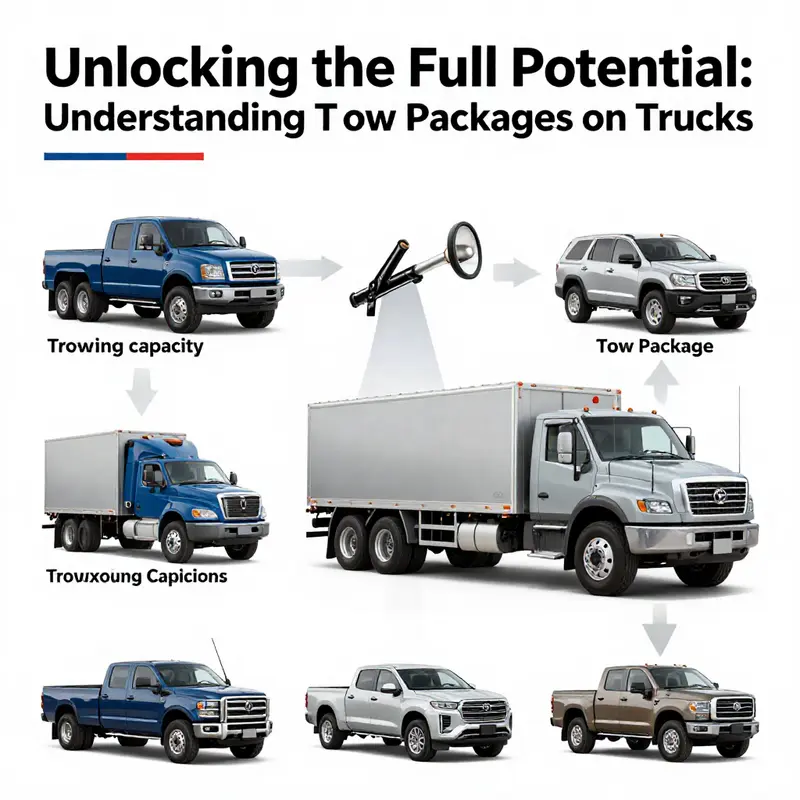
Tow packages are not just a single accessory; they are a coordinated set of upgrades that tailor a pickup for towing tasks. They typically upgrade cooling systems, reinforce the frame and suspension, and add a tow-rated hitch and wiring harness. Enhanced cooling helps prevent engine and transmission heat buildup during long pulls, while stronger suspension preserves tire contact and steering feel as trailer weight increases. Wiring harnesses and a tow-rated hitch ensure reliable trailer lighting and braking, and integrated trailer brake controllers and sway control keep the vehicle and load behaving predictably. Towing electronics, higher-capacity alternators, and sometimes auxiliary power options support the trailer’s power demands. Understanding towing capacity means looking at engine power, transmission, axle ratio, and chassis; the numbers are important, but so is how the truck behaves under load—how it heats up, how stable the ride is, and how easily the brakes respond on grades. A well-chosen tow package provides a safe margin for realistic loads and helps drivers plan trips with confidence, making heavy hauling safer and more predictable.
Tow Package Mastery: How the Right Tow System Gives Your Truck Real-World Confidence on the Road
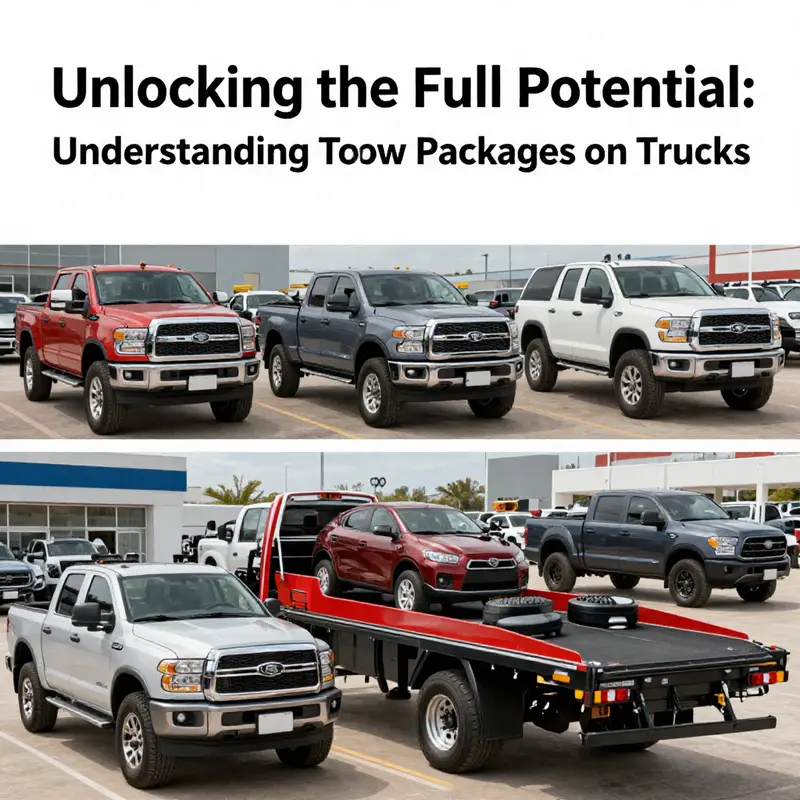
A tow package on a pickup is more than a single accessory or a single upgrade. It is a cohesive, factory-aligned system designed to keep a heavy trailer, boat, or equipment move safe and predictable over long distances and varied terrain. When a truck leaves the showroom with a tow package, it leaves with a carefully matched set of capabilities that address the stresses created by pulling weight. The goal is not to push a vehicle beyond its base limits, but to create harmony between the truck and the load, so the journey is controlled, predictable, and durable. This is why the difference between a standard configuration and a properly equipped tow setup matters. It is not only about how much weight the truck can pull, but how it handles that weight in a way that protects engine longevity, braking performance, stability, and the integrity of the drive system over time. In that sense, the tow package represents a design philosophy: adding capacity without compromising safety or reliability.
At the heart of this philosophy are a handful of core components that work in concert. A heavy-duty cooling system stands out as one of the most practical upgrades. When you tow, the engine works harder, and the transmission endures extra strain, especially on climbs or long pulls at highway speed. An upgraded radiator, a properly sized transmission cooler, and sometimes an oil cooler work together to keep temperatures within a safe band. Without this cooling redundancy, towing accelerates heat buildup, which can trigger protective shutoffs or shift harshness that wears components faster. The cooling system is, in effect, a thermal shield for the towing heartbeat of the truck. Pair that with an enhanced frame and suspension, and the vehicle gains structural resilience. Reinforced frame rails and heavier springs and shocks reduce flex and distribute the load more evenly, so the suspension doesn’t have to compensate for the extra weight with increasingly aggressive rebound and cornering dynamics. The result is a more controlled ride that translates into steadier steering feel, reduced body roll, and less fatigue on the operator—especially on long hauls where comfort and precision matter almost as much as raw capability.
Another essential pillar is the trailer wiring harness and connectors. The ability to reliably power trailer lights, signals, and brakes is not a luxury; it’s a safety requirement driven by state regulations and the need for other road users to anticipate your movement. A pre-wired system that integrates with the truck’s electrical architecture ensures that the trailer’s lights synchronize with the truck’s lighting scheme and that brake and turn signals perform in harmony with the vehicle’s systems. This integration keeps communication clear on the road and minimizes the chance of misfires or electrical faults that can escalate into more costly problems under tow. Then there is the tow-rated hitch receiver—the robust, bumper-mounted hitch that is designed to handle significant tongue weight and gross trailer weight. The class designation (III, IV, or V in common setups) indicates the load path and the capacity guardrails that the vehicle manufacturer has validated for that configuration. It’s one thing to own a hitch; it’s another to have the confidence that the hitch, the receiver, and the frame are working as a single, certified unit under heavy load.
Beyond the physical links, tow packages bring forward advanced towing electronics that make mogul-like maneuvers and long stretches of highway feel more secure. Trailer sway control, when present, helps to dampen side-to-side oscillations that can occur in gusty winds or when overtaking large vehicles. An integrated trailer brake controller provides the ability to modulate trailer braking through the truck’s pedal, offering a smoother, more stable deceleration beyond what the truck’s own brakes could achieve alone. Onboard diagnostics dedicated to towing performance bring critical information into view. Transmission and engine data, cooling system status, and even wheel electrical load can be monitored to anticipate issues before they become critical. These electronic features convert towing from a guessing game into a data-informed operation, allowing drivers to respond with knowledge rather than reflex.
The electrical side of a tow package also extends to the electrical system within the truck itself. There is an emphasis on a higher-capacity alternator and battery that can sustain the extra electrical draw of towing equipment—lights on the trailer, trailer brakes, and any cooling fans or auxiliary systems mounted on the trailer. The electrical architecture is redesigned to avoid draining the battery or stressing the alternator during a long tow. On a practical level, this translates to fewer dead batteries after long runs and less risk of electrical faults that can cause trailer lights to fail mid-journey.
Tow packages often come with gauges tailored to towing tasks. Transmission temperature gauges and fuel economy monitors when towing are common. They serve a dual purpose: they provide real-time data to support safe operation and they function as early warning signals. If the transmission is warming too quickly or if fuel economy drops unexpectedly during a tow, the driver can adjust speed, route, or load distribution before the situation worsens. The sum of these gauges, harnesses, and upgraded components is a comprehensive system that informs the operator and guards against the black-and-blue realities of heavy towing—overheating, brake fade, or chain-reaction mechanical failures.
The value of a tow package extends beyond raw numbers and into the realm of planning and responsibility. A properly equipped truck respects its own limits and the limits of the trailer it is asked to move. It does not merely have a higher stated towing rating; it operates in a way that keeps critical components within safe operating envelopes. That distinction matters when you consider the risk of towing with a vehicle that does not have the right cooling, braking, or suspension support. Even with a high towing rating, a truck without a stone-cold-sound tow package may struggle to sustain performance over the miles, and it can wear out faster under repeated or heavy-duty use. The take-away is that the right tow package reduces risk and increases reliability, letting drivers focus on the task at hand rather than fighting against hardware that was not designed to handle it.
To understand what choosing the right tow package entails in practice, think first about your maximum towing capacity as defined by the manufacturer. This figure is not a single number to chase; it is a boundary registered by engine torque, transmission type, axle ratios, braking capacity, and whether the vehicle ships with a factory tow package. Full-size pickups configured for towing typically offer a broad range of capacities, often extending from eight thousand pounds to well over twelve thousand pounds when the accompanying package is correctly matched. Mid-size trucks, by contrast, present a smaller yet still meaningful range, generally from roughly three thousand five hundred to seven thousand pounds. These figures are not universal rules; they are conditional on engine choices, drivetrains, and the specific tow package options installed. The lesson is simple: start with the manufacturer’s stated capacity for your configuration, and then map that to the actual use you have planned.
In framing your use case, consider the load type and length of trips. A weekend camper run differs markedly from a long-haul trailer trip for work. The towing scenario will influence which features produce the most value. A trailer with electric brakes benefits from an integrated brake controller and a stable sway profile. A long-distance journey benefits from a heavy-duty cooling package and a robust transmission cooler, which reduce the likelihood of overheating during sustained pulling. The decisions about what features to prioritize should align with both the weight and the duration of towing. A lighter, short trailer may be adequately managed with a more modest package, while reliable, high-mileage towing might justify upgrading to a heavier-duty setup that brings better heat management, stronger chassis support, and more sophisticated electrical integration.
Retrofitting a tow package after purchase is possible in some cases, but it can be technically complex and costly. Retrofitting often requires software calibration, reconfiguration of the electrical system, and sometimes structural or suspension modifications to preserve safety margins. For buyers of used trucks, it is prudent to verify whether the factory tow package is already installed. This can be done via a VIN check, service history, or the owner’s manual. The goal is to avoid a mismatch between the vehicle’s documented capabilities and the actual hardware installed. If a retrofit is pursued, it should be guided by a qualified technician who can integrate the new components with the truck’s onboard computers and sensors to ensure proper operation—particularly for electronics like trailer brake controllers and sway control systems.
There is also an element of practical fit when considering alternatives. For some buyers, budget or use-case constraints push them toward non-traditional choices or different vehicle classes. In general, mid-range towing capability can be found outside the traditional full-size pickup class, but those options typically emphasize lighter loads and shorter distances. They can be suitable for utility trailers, small boats, or hobby equipment but are not designed for sustained heavy-duty towing. When choosing such an option, the trade-offs include slower acceleration, enhanced braking demands from the trailer, and a different set of wear patterns on the powertrain. The decision should be grounded in real-world expectations—how often will you tow, what will you tow, and for how long—and balanced against the overall ownership costs.
For readers who want to connect the theory with practical limits, consider a quick reference point about real-world feasibility: it’s not only about whether your truck can pull a given weight, but how it manages that weight in daily driving. Trailers alter braking distances, steering feel, cornering stability, and even tire wear. The tow package is designed to support these changes, reducing risk by providing stable, predictable handling and clear indicators when a load approaches unsafe territory. When you approach the load with the right system and the right habits, towing becomes less a test of brute strength and more a test of control and foresight. The driver becomes a partner with the vehicle, not a passenger along for the ride. If you’re curious about your own truck’s practical limits, you can explore the question of towing capacity in more depth through resource guides that translate the manufacturer’s numbers into real-world expectations, like this helpful reference: How Much Can My Truck Tow.
A final note on nuance. A tow package should be viewed as a holistic upgrade rather than a checklist of parts. The value lies in the integration—how the upgraded radiator and cooler talk to the transmission and engine management, how the beefed-up frame supports the suspension under load, and how the trailer harness communicates with the truck’s lighting and braking systems. This integration makes towing safer on grades, through wind, and in varying traffic patterns. It makes long trips less stressful and even allows for better fuel economy in some configurations because the system can operate within an optimal range when well cooled and well monitored. The result is more than more capability; it is more confidence. The driver can plan routes with longer climbs and fewer stops, knowing the truck’s cooling, braking, and electrical systems are prepared to handle the demand without compromise.
In conclusion, choosing the right tow package is a decision in which capacity, safety, durability, and driving experience are tightly interwoven. It is about aligning the truck’s built-in strengths with the load you intend to move and the miles you plan to travel. It is about recognizing that towing is not a one-time event but a ongoing engagement with heat, stress, and balance. If you are contemplating a purchase or a retrofit, start with the manufacturer’s towing specifications for your exact configuration, weigh the need for additional cooling and braking support, and assess the reliability of the entire electrical and structural system. With a properly matched tow package, a truck becomes a purpose-built tool—capable, predictable, and resilient enough to accompany you on the journeys you plan rather than merely waiting for the next challenge to test it. For more structured guidance on matching capabilities to needs, you can consult industry resources that break down how to gauge practical limits and plan around them, including practical comparisons and scenarios that mirror real-world towing experiences.
External resource for further reading: https://www.ford.com/trucks/towing/understanding-tow-packages/
Final thoughts
Understanding tow packages on trucks is vital for any driver looking to maximize their vehicle’s potential. The comprehensive features included in a tow package not only ensure safe towing but also enhance overall vehicle performance. By familiarizing yourself with the components, benefits, and towing capacities, you will be better equipped to choose the right tow package tailored to your specific needs. Adopt these insights, whether you’re an everyday driver or a professional involved in automotive services, and elevate your towing experience to new heights.