
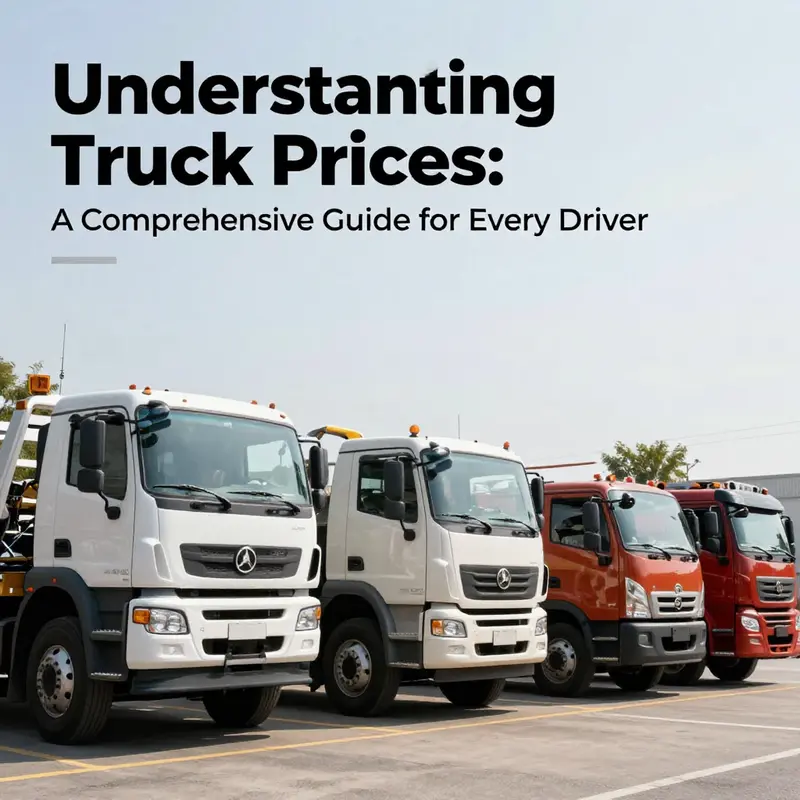
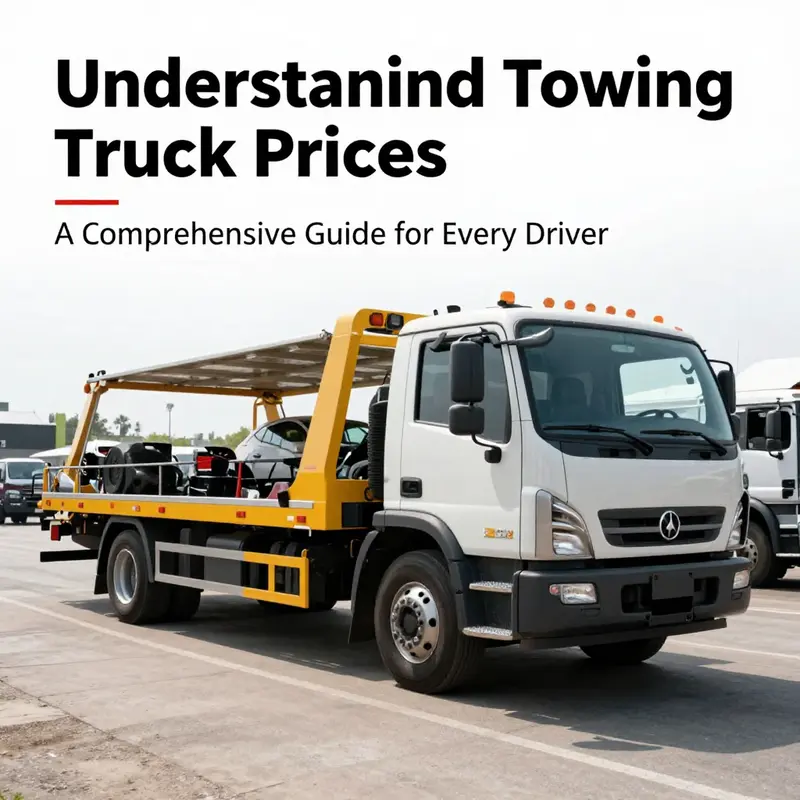
Towing trucks serve as a vital solution for vehicle recovery, whether it’s for everyday driving needs or specialized commercial operations. As demands for different types of towing services grow, understanding the cost of towing trucks becomes increasingly important for everyday drivers, vehicle owners, auto repair shops, property managers, and others involved in transportation. From light-duty trucks for standard recoveries to heavy-duty models designed for commercial use, this guide offers detailed insights into current pricing trends, helping you make informed decisions based on your needs. Each chapter distinctly addresses various towing truck categories, providing clarity on pricing ranges while setting the stage for understanding how these vehicles align with specific operational demands.
Light-Duty Tow Trucks for Standard Recovery: Navigating Price Ranges, Choices, and Practical Buying Insights
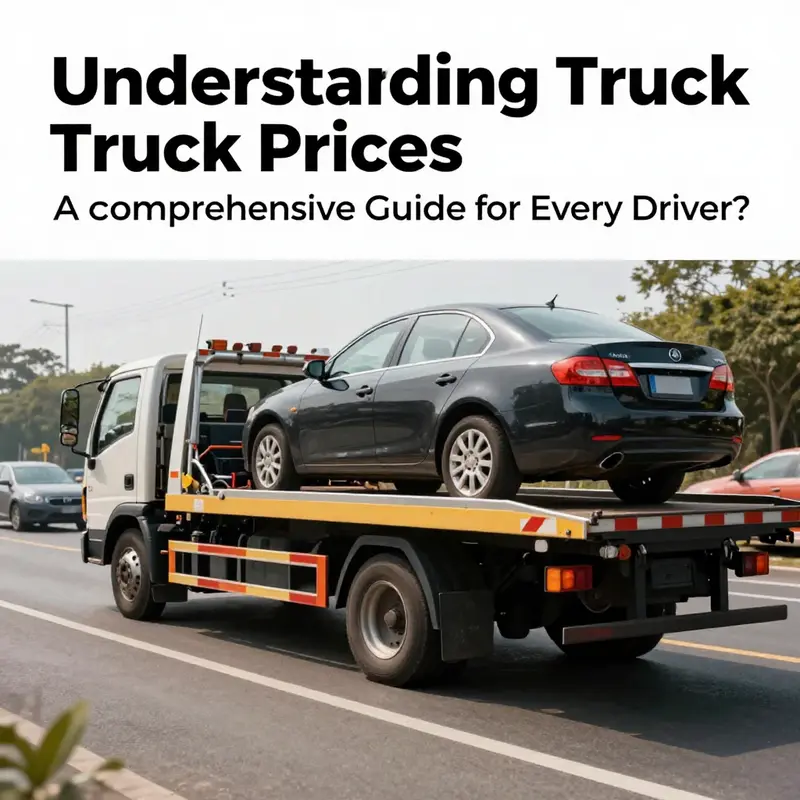
When people ask, “how much is towing truck?” they are often surprised to learn that the answer isn’t a single number. Light-duty tow trucks—the compact workhorses used for everyday roadside assistance, accident clearing, and short-distance vehicle recovery—sit at the intersection of affordability, capability, and long-term reliability. The market as of early 2026 shows a broad spectrum of prices that can be confounding unless you read the landscape with care. On the one hand, there are older, smaller, or used units that can be acquired for a modest sum. On the other hand, modern flatbeds and rotary rotators—the two most common light-duty configurations for versatile recovery work—can command significant investment when new, or even higher prices when equipped with advanced safety features, robust hydraulics, and specialized crane or winch systems. This range isn’t just a trivia question about sticker prices. It shapes decisions about service scope, uptime, and how a towing operation scales to meet demand across city streets, rural routes, and evolving emergency-response expectations.
To frame the conversation clearly, it helps to distinguish the core types that dominate light-duty operations. A flatbed tow truck, also known as a rollback, relies on a hydraulically operated platform that tilts and lowers toward ground level, allowing a vehicle to be rolled or winched onto the bed with the entire drivetrainast in play. This design is celebrated for safety and compatibility with modern drivetrains, including all-wheel-drive and electronic systems, because it minimizes tire scrubbing and grounds the towed vehicle entirely off the surface. In terms of price, flatbeds can fall anywhere along a wide arc. In practical terms, buyers frequently encounter two contrasting bands: older or smaller flatbeds that may still perform standard recoveries at relatively modest cost, and newer or feature-rich flatbeds with higher payloads, integrated safety systems, and longer service life that push the price toward the higher end of the spectrum.
Rotator tow trucks—the more capable, more versatile, and more complex option—embody the upper end of light-duty pricing. They mount a rotating and articulating boom that can reach and lift vehicles even when they are overturned, jammed in tight spaces, or resting in obstacles where a traditional flatbed would struggle. The rotator’s capability comes with a steeper price tag: not only the initial purchase, but ongoing maintenance, specialized training for operators, and the need for skilled handling during complex recoveries. In markets with high demand for rapid, multifaceted recoveries, rotators find a ready audience, but their price bands reflect the advanced engineering that enables them to respond to the most challenging scenarios.
With those distinctions in mind, the market presents two broad price currents for light-duty configurations. A commonly cited range for adjacent segments suggests that traditional light-duty equipment—used or older models—may be available in the mid-to-low range, around the tens of thousands. In contrast, new or well-equipped flatbeds tend to cluster in the mid to upper six figures, and rotators often stretch into well over that range as a result of their specialized capabilities and the complexity of their hydraulics and control systems. This juxtaposition mirrors the real-world tension between budget constraints and the operational demands that a modern towing service must meet on a daily basis. The numbers from early 2026 reflect those dynamics: while some operators pay relatively modest sums to refresh a fleet with older, simpler units, others invest in modern, high-capability machines intended to minimize downtime and maximize recovery success across a wide variety of scenarios.
To ground this in practical terms, it is useful to consider what drives prices in these categories. A few critical levers include: the age and condition of the chassis, the structural integrity of the frame rails and mounting points, the quality and capacity of the hydraulic system, the size and power of the winch, the presence of a full-wheel or all-wheel-drive chassis, and the complexity of the bed or bedless design. A standard flatbed might include features such as an adjustable bed, power fold-out ramps, wheel-lift capabilities, and anti-slip bed surfaces. Each of these features adds to the upfront cost but also contributes to safer, faster, and more reliable recoveries. Rotators bring even more variables into the mix: hydraulic booms with longer reach, multiple stabilization legs, rotation capacity, and precision control interfaces. All these components affect not only the purchase price but the total cost of ownership over the vehicle’s life.
The price range landscape for light-duty tow trucks reflects these engineering decisions and the broader market dynamics. Based on the most recent market observations, two distinct pricing stories emerge. For flatbed tow trucks in standard configurations, a broad, practical range starts well into the mid to high five figures and extends into six figures, depending on whether the unit is new or used, the powertrain’s capability, and the sophistication of the bed assembly. In many cases, buyers encounter a meaningful premium when adding features intended to protect modern drivetrains from the hazards of roadside recovery, such as high-load capacity, advanced hydraulic stabilization, and integrated safety monitoring systems. For rotators, the premium is even more pronounced. The combination of rotating capability, lifting capacity, and on-board systems for complex operations pushes these machines into the six-figure territory and beyond. The juxtaposition is stark: where a basic, serviceable flatbed might suffice for routine calls, a rotator becomes a strategic asset for high-stakes recoveries and time-critical incidents, and its price tag reflects that strategic value.
What about the lower end of the market? Several factors can pull prices downward, particularly if a buyer is open to a used or older platform, a smaller engine displacement, or a simpler deployment model. In those cases, a light-duty unit can be purchased at a fraction of the price of a brand-new machine and given a careful refurbishment. The cost savings can be appealing for a shop expanding its fleet without locking into heavy debt, or for a municipal department aiming to refresh a maintenance pool with a pragmatic budget. Even within these lower-cost options, it is essential to scrutinize the condition of critical components: the integrity of the boom, the reliability of the winch, the efficiency of the hydraulics, and the history of any structural repairs that could compromise safety or uptime. In this context, the price tells a story about risk, future maintenance, and the likelihood of uninterrupted service in the field. The decision is rarely about the sticker price alone; it hinges on a careful assessment of expected annual operating hours, maintenance cycles, and the anticipated return on investment as the fleet supports more calls without excessive downtime.
The pricing conversation also benefits from an awareness of how the broader market moves. As with many commercial vehicle categories, price signals respond to supply chain conditions, labor costs, and currency dynamics. In early 2026, buyers should anticipate that new equipment—particularly flatbeds with modern safety features and rotators with high lifting capacity—will carry premium pricing in line with the segments’ reputations for reliability and versatility. For buyers who seek to balance upfront cost with long-term serviceability, evaluating total cost of ownership becomes essential. What the sticker price hides is the value of warranties, the predictability of maintenance costs, and the availability of service networks that minimize downtime when parts or skilled technicians are needed. A unit purchased with a solid service plan and local support can yield lower life-cycle costs even if the initial price is higher, compared with a cheaper unit that incurs frequent repairs and extended downtime.
From a purchasing perspective, the decision often hinges on the intended use. For standard recovery tasks in urban settings or short-haul operations, a well-maintained flatbed with a robust bed system can deliver reliable performance at a price that remains within a manageable budget, especially if the unit is sourced from a reputable dealer who offers a warranty and reasonable after-sales support. In contrast, for fleets that face frequent challenging recoveries—think tight spaces, vehicle rollovers, or incidents that require precise crane work—investing in a rotator makes strategic sense, even if the upfront cost is substantially higher. The rotator’s ability to reach, stabilize, and lift in complex environments can translate into faster incident clearance, improved safety margins, and a reduction in secondary damage to vehicles, by allowing controlled, deliberate handling rather than improvised, high-risk maneuvers. Such advantages, while not always immediately measurable in dollars, accumulate over a fleet’s operating life as crews gain efficiency, reductions in repeat calls, and a diminished risk profile for workers on the road.
Prices aren’t static, either. The specific configuration, warranty terms, and location can tilt any given price, sometimes by tens of thousands of dollars in either direction. Buyers should also factor in shipping or transportation costs if the truck is sourced from distant suppliers, as well as any import duties, which can affect total landed cost for buyers outside a producer’s domestic market. The practical upshot for decision-makers is clarity about what they’re buying beyond the price tag: the degree of uptime the machine promises, the level of operator safety features included, and the anticipated life cycle of the unit given the operating environment it will serve. Even within the same category, two flatbeds can feel very different once they are put to work, simply because one brings extra bed length, a higher payload, or a more intuitive control system, while the other prioritizes compactness and ease of maneuverability in congested spaces.
To connect the pricing logic to a practical decision, consider how a service operation might balance investment with expected returns. If the aim is to cover a modest daily call load in a mid-sized city, a durable, mid-range flatbed on the used market can deliver dependable performance with predictable maintenance costs. If the service area includes frequent multi-vehicle recoveries at awkward angles or in restricted terrains, the enhanced reach, stability, and selective lifting capabilities of a rotator could justify the higher price by enabling quicker resolutions and reducing the resources required for each incident. The math isn’t purely about upfront cost. It’s about how the truck participates in the daily rhythm of roadside work: how many calls it can handle in a shift, how often it remains in service rather than in the shop, and how well it protects both responders and customers from harm during the recovery process.
As you weigh options, a mindful approach can help navigate the wide price bands without sacrificing essential capability. Begin with a realistic assessment of the fleet’s typical workload: the average distance of calls, the typical vehicle weight you expect to tow, and the spaces you must access. Then map those needs onto the two core shapes in light-duty towing: flatbed and rotator. If your work is dominated by standard recoveries, a well-maintained flatbed can deliver a strong return on investment through reliability and fleet flexibility. If your mission profile frequently includes difficult recoveries, the rotator’s additional cost may be justified by the operational agility it provides. Finally, remember that price is only one piece of the picture. Warranty terms, service coverage, spare parts availability, and the strength of a dealer’s support network will determine how smoothly a truck stays on the road after purchase. In the end, the true cost of a light-duty tow truck is the cumulative investment required to keep it productive, safe, and ready for the next call.
For readers who want a concise primer on how these pricing dynamics play out across the broader towing-truck landscape, a quick reference is available in an article focusing specifically on tow-truck pricing trends. It offers a broader context while remaining anchored to the same essential question about valuation, capability, and life-cycle costs. As a practical starting point, you can explore a straightforward overview of tow-truck pricing here: How much is a tow truck?. This resource helps frame expectations before delving into the specifics of light-duty configurations and then comparing them with mid-range and heavy-duty options in subsequent sections of the broader article.
Of course, any pricing narrative benefits from external benchmarks. A comprehensive external reference space aggregates and analyzes new-tow-truck price trends across manufacturers and configurations, highlighting how features like wheel-lift systems, bed length, and hydraulic strength contribute to the sticker price. This broader industry snapshot reinforces the principle that price is a function not only of the vehicle’s mechanical power but also of the recovery ecosystem surrounding it—the safety systems, service network, and the capacity to keep the unit operational when it matters most. For readers who want to widen their understanding beyond the immediate market, an external resource provides a structured overview of new tow-truck prices and the factors that influence them, offering a useful backdrop for the more granular discussion of light-duty choices.
In sum, the journey from inquiry to purchase when asking, “how much is towing truck?” reveals a landscape where two primary light-duty configurations—flatbeds and rotators—occupy distinct price bands shaped by age, configuration, and intended use. The mid-range financial reality often lies in a carefully chosen flatbed with dependable performance and adequate safety features, while the rotator represents the premium tier reserved for complex recoveries where speed and precision are paramount. The smart buyer assesses not only the immediate price but the total cost of ownership, the expected call-load, and the value of service continuity. The result is a fleet that stays productive, protects its operators, and remains capable of meeting the demands of today’s roads, no matter what incidents come its way. To navigate this terrain with confidence, readers can start from the core question of the chapter and progress toward a decision that aligns price with performance, risk with reliability, and investment with impact on everyday roadside resilience.
External reference: TowTruck pricing insights provide a broader market view of how new tow-truck prices trend across configurations and features, helping buyers gauge where light-duty machines fit within the wider spectrum of recovery-capable vehicles. See: https://www.towtruck.com/new-tow-truck-prices-overview
What Medium‑Duty Towing Trucks Cost and Why: pricing guide for larger-vehicle recovery
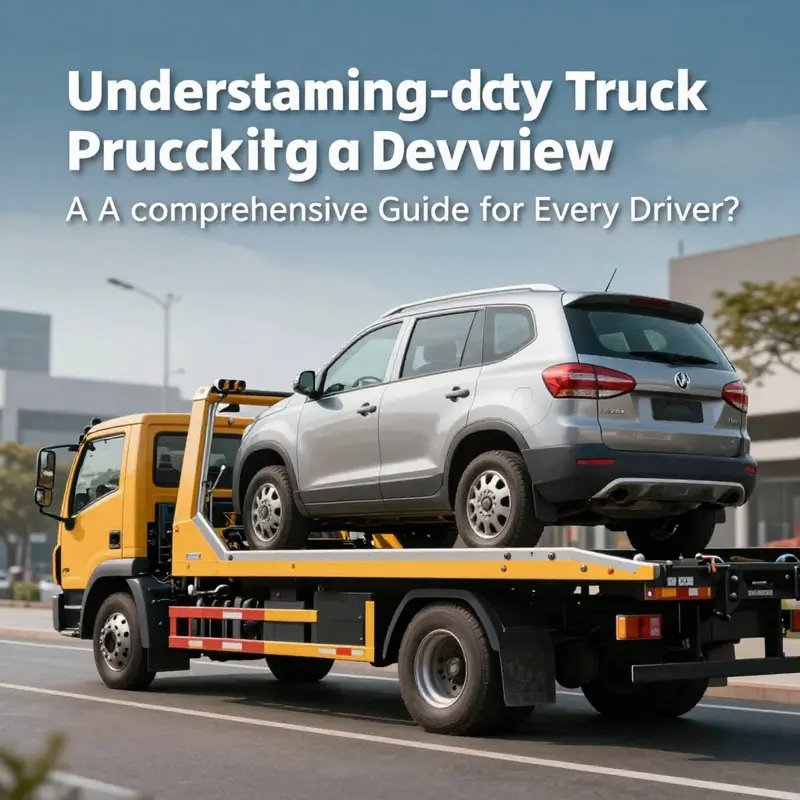
Medium‑duty towing trucks occupy a middle ground between light recovery units and heavy commercial wreckers. They are the workhorses for towing larger passenger vehicles, SUVs, light commercial vans, and some medium‑duty trucks. As such, their price reflects a careful balance of chassis capability, integrated recovery gear, and build quality. Understanding why costs vary helps operators and buyers make smarter purchasing decisions.
A clear starting point is the typical new‑unit price band. For medium‑duty models equipped to handle larger vehicles, expect market prices to cluster between roughly $30,000 and $50,000 as of early 2026. Lower‑end offerings that use simpler chassis packages and basic recovery equipment sit nearer the bottom of that range. Higher‑end medium‑duty units feature stronger engines, heavier axles, more capable hydraulic systems, and better quality control. They command prices closer to the top of the range.
Price alone, however, tells only part of the story. Medium‑duty tow trucks differ in configuration and intended use. Common configurations include integrated boom‑and‑winch wreckers, wheel‑lift units with hydraulic systems, and flatbed rollback bodies mounted on medium‑duty chassis. Each configuration has tradeoffs in cost, capability, and day‑to‑day operating expense.
Integrated wrecker bodies that combine a boom, winch, and wheel‑lift into a single installation tend to be more expensive. Integration requires precise engineering to preserve chassis integrity and ensure stability during lifts. The labor and materials to mount and reinforce these systems add to the unit price. But integration delivers a compact, maneuverable package—useful in urban and mixed environments—making it a worthy investment for operators who need versatility.
Flatbed or rollback bodies often appear at the higher end of medium‑duty pricing. Their hydraulic systems, sliding or tilting beds, and complex controls require more materials and more skilled assembly. That complexity raises purchase cost and training needs for operators. Still, flatbeds offer superior vehicle protection and reduce towing damage risk, which can lower liability and repair costs over time. For companies that transport high‑value cars or perform frequent long‑distance tows, the premium can pay off quickly.
Engine and chassis specifications are major price drivers. Medium‑duty tow trucks designed for heavy or long‑haul work normally use more powerful engines and reinforced drivetrains. Bigger engines, higher‑capacity transmissions, and stronger axles increase base cost. Buyers also often opt for upgrades such as air brakes, heavier suspension, and longer service intervals. Those options add up but extend capability and reduce downtime.
Hydraulic and recovery equipment quality matters. Winches, hydraulic pumps, booms, and remote controls come in graded levels. Higher‑spec winches with greater line pull or faster recovery speeds cost more. Likewise, booms with greater reach or multi‑position articulation raise the price. When buyers choose higher‑rated equipment, they pay up front but gain improved performance and durability under heavy use.
Safety and compliance features influence cost, too. Medium‑duty tow trucks destined for highway recovery or municipal fleets often require lighting packages, reflective markings, and certified tie‑down systems. Meeting industry standards and local regulations can mean additional components and certification fees. Some suppliers include these items in base builds, while others list them as add‑ons. Compare carefully when getting quotes.
Customization and optional features form the most variable part of the final price. Buyers can tailor floor plans, install auxiliary fuel tanks, add storage, fit winch accessories, or integrate smart telematics. Custom paint and corrosion protection are also common choices for fleets operating in harsh climates. Each customization changes the cost and delivery timeline. Custom builds demand closer project management and may require longer lead times.
Used medium‑duty tow trucks offer lower entry prices but carry different risks. Preowned units can be sourced for significantly less than new models. A well‑maintained used truck may deliver years of reliable service at a fraction of new cost. But used vehicles require careful inspection of structural mounts, hydraulic systems, and winches. History of heavy recoveries, accidents, or inadequate maintenance may lead to expensive repairs later. A rigorous inspection and a clear service history are essential to gauge the real value.
Financing and ownership models also affect the purchase calculus. Many suppliers and dealers offer structured financing that spreads cost over years. Leasing is another option for operators who prefer predictable monthly payments and easier upgrades at lease end. When comparing monthly payments against cash purchase, include interest, residual value, and maintenance obligations. Often a slightly higher purchase price with a longer warranty and solid after‑sales support brings lower total cost of ownership.
Total cost of ownership (TCO) extends beyond the sticker price. Fuel consumption, servicing, parts availability, operator training, insurance, and downtime all add to operational cost. Medium‑duty trucks with more powerful engines can use more fuel but may complete jobs faster. Conversely, more efficient engines reduce running costs. Parts commonality with other fleet vehicles lowers stocking costs. Warranty length and service network reach influence repair costs and uptime.
Shipping, import duties, and local customization can add a significant sum when buying from overseas manufacturers. Freight costs, port handling, import taxes, and local homologation or conversions often push the delivered price above the factory quote. Buyers should account for these logistics costs early in budgeting to avoid unpleasant surprises at delivery.
Warranty and after‑sales support are vital considerations. A solid warranty on chassis and recovery equipment adds direct monetary value. Equally important is the supplier’s reputation for spare parts availability and technical support. A lower‑priced truck with poor after‑sales support may cost more over five years than a better‑supported, slightly pricier unit. Factor service response times, remote troubleshooting capability, and training options into any comparison.
When budgeting, consider expected utilization. High‑usage operations need machines built for daily heavy loads. These units justify higher initial investment because they reduce long‑term repair and replacement costs. Low‑use fleets or seasonal operators can often economize with lighter configurations or used units and redirect savings to maintenance and operator training.
Negotiation matters. Suppliers often build room into quotes for options and upgrades. Bundling accessories or agreeing to multi‑unit purchases can yield discounts. Ask for transparent pricing on core components, labor, and optional extras. Request a breakdown that separates chassis cost, recovery body, and accessories. This makes it easier to compare competing offers on an apples‑to‑apples basis.
Operator training reduces risk and operating cost. Medium‑duty tow trucks often incorporate hydraulic systems and controls that demand careful handling. Investing in training pays off through fewer accidents and less equipment wear. Some providers include training packages in their offers. If not, factor training cost into the purchase plan.
Finally, test and inspect before purchase. Request on‑site demonstrations of hydraulic functions and recovery procedures. If buying used, commission an independent inspection focusing on structural mounts, winch integrity, and hydraulic leak points. Documentation of prior service and any crash repairs is invaluable information. Buying with eyes open avoids regret.
If you’re assessing whether a medium‑duty tow truck fits your needs, an in‑depth supplier consultation is the best next step. Direct quotes reflect current options, lead times, and shipping costs. For reference on a typical medium‑duty tow truck specification and listing, review the manufacturer product detail here: https://www.alibaba.com/product-detail/China-HOWO-4-10tons-Medium-Duty-Removal_1601097852725.html
For more general context on average tow truck prices and how they compare with other classes, see this practical guide on how much a tow truck costs. It helps place medium‑duty pricing into the broader market picture: https://winchestertowtruck.com/how-much-is-a-tow-truck/
Understanding the true cost of a medium‑duty towing truck requires looking beyond the base price. Consider configuration, recovery gear quality, chassis options, customization, shipping, warranty, and operational needs. When those factors are matched to usage patterns, the right balance between purchase price and long‑term value becomes clear.
Pricing the Heavy-Duty Tow: What Commercial Operators Really Pay
Pricing the Heavy-Duty Tow: What Commercial Operators Really Pay
Buying a heavy-duty towing truck for commercial use is more than reading a price tag. The number a supplier quotes is only one part of a broader equation. Capacity, configuration, optional equipment, ordering volume, shipping, and after-sales support can move that headline figure by tens of thousands. This chapter maps the real costs and the trade-offs that determine what commercial operators ultimately pay.
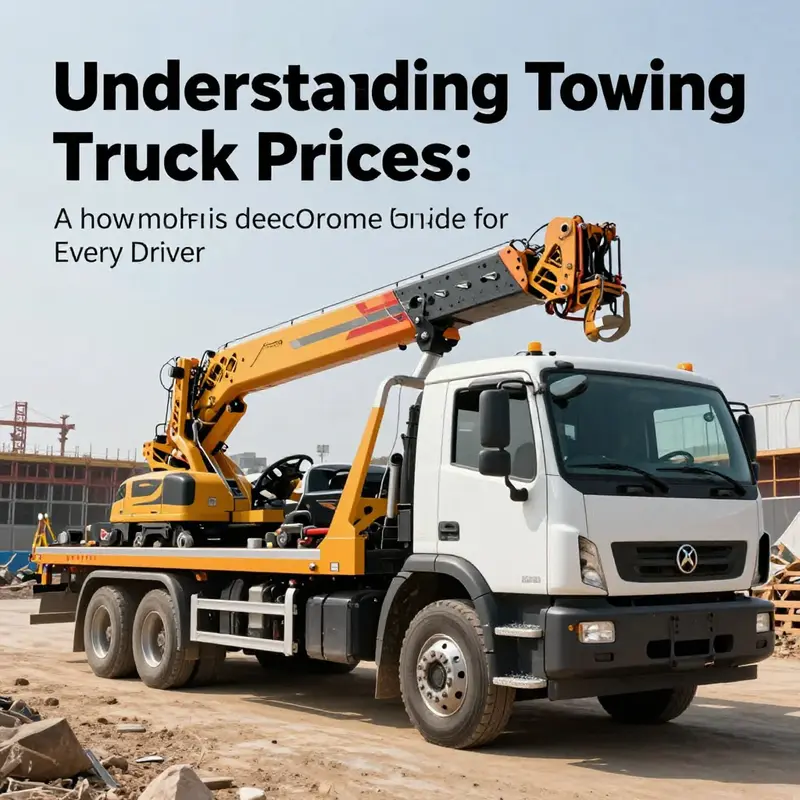
Start with clear capacity needs. Heavy-duty units serve a wide set of roles: highway recovery, moving disabled tractor-trailers, hauling heavy machinery, and supporting emergency fleets. Price bands follow those roles. Basic recovery vehicles intended for lighter commercial work often start in the low thousands per unit when ordered in bulk. Standard heavy-duty trucks configured as tractors or rollback flatbeds typically occupy the mid-range. Full-scale recovery rigs and multi-function units with high-capacity winches, cranes, or integrated lowering decks can climb into five figures or beyond. Buyers must match vehicle ability to the job to avoid overspending on unused capability or underspending on risky underperformance.
Several factors drive the price and should be evaluated in combination rather than isolation. First, gross vehicle weight rating (GVWR) and axle configuration strongly affect cost. A two-axle heavy tow truck built for lighter commercial tractors will cost less than a three- or four-axle unit engineered for 30–50 ton recoveries. Second, the recovery system itself—winch size, boom strength, integrated crane, and hydraulic lift—represents a major portion of the equipment cost. A basic winch and boom capable of standard recoveries is affordable. Upgrading to high-capacity winches, telescopic booms, or integrated cranes designed for construction equipment increases the price sharply.
Chassis and powertrain specification matter. Engines with higher horsepower and torque, reinforced frames, heavy-duty transmissions, and upgraded suspension come at a premium. These components also affect operating costs, such as fuel and maintenance. Commercial buyers often balance a higher purchase price against longer service life and reduced downtime. Choosing a heavier duty chassis makes sense when daily cycles, heavy loads, or rugged service conditions justify greater durability.
Body type and bed design make a difference. Flatbeds, tilt-bed rollbacks, and integrated low-loaders cater to different cargo profiles. A flatbed designed to haul excavators or other machinery typically includes heavy-duty reinforcements and may feature a low-profile deck and a rear loading system. Such custom engineering raises cost compared with standard rollbacks. Multi-function recovery vehicles that combine a flatbed, boom, and wheel-lift offer versatility but demand more complex hydraulics and control systems, which increases price and maintenance complexity.
Customization and optional features add up fast. Hydraulic control consoles, remote winch operation, multiple winch setups, heavy-duty outriggers, auxiliary power units, lighting packages, and electronic control modules can each add thousands. Commercial buyers who need specialized attachments for fast roadside recovery or for towing heavy machinery often invest in tailored equipment. When estimating cost, build a list of must-haves and nice-to-haves. Prioritize items that save time, increase safety, or expand revenue opportunities.
Order volume and purchasing terms change the math. Suppliers routinely offer volume discounts for fleet purchases. A bulk order can reduce per-unit cost dramatically when the manufacturer amortizes setup expenses and offers favorable MOQ pricing. Conversely, single-unit purchases often carry higher per-unit pricing. Lead times also impact total project cost. Longer lead times may allow competitive bidding; shorter timelines can push buyers toward available stock at a premium.
New versus used is a critical decision for cost-sensitive buyers. New heavy-duty trucks deliver warranty protection, tailored configuration, and the latest safety and telematics systems. Used trucks cost less up front but may need refurbishment, carry unknown repair histories, and have reduced resale value. For operators who depend on uptime and predictable maintenance costs, new trucks can be a better long-term investment despite higher initial outlay.
Total cost of ownership (TCO) completes the picture. TCO includes purchase price, shipping and import duties if applicable, taxes, registration, insurance, and any installation or retrofitting work. Daily operating expenses matter too: fuel consumption, scheduled maintenance, replacement parts, and downtime for repairs. Warranties and local after-sales support influence TCO heavily. A lower purchase price from a distant supplier without nearby support can translate into higher maintenance and downtime costs over the vehicle’s life.
Regulatory compliance can add cost. Vehicles destined for regional or national fleets must meet emission standards, axle-load regulations, and safety codes. Modifications to meet these requirements—aftertreatment systems, specific lighting, or control modules—will change cost. Make compliance a part of the purchasing checklist to avoid unexpected retrofit expenses.
To translate the factors into realistic numbers, consider common pricing patterns. Entry-level commercial recovery trucks built for smaller heavy-duty tasks can be available from the low five-thousand-dollar range per unit under bulk purchase arrangements. Standard heavy-duty tractors and recovery units for single-purchase commercial use often fall in a mid-range price band, frequently between roughly eight thousand and fifteen thousand dollars, depending on configuration and supplier terms. For operators requiring higher lifting capacities and multi-function recovery capability, pricing moves into the tens of thousands. High-capacity rigs capable of moving very heavy machinery or handling complex incident recovery can range from mid-thirty thousand up to and beyond ninety thousand dollars when heavily customized.
These ranges are illustrative. Market listings show notable variation due to specification, supplier, and regional economics. For example, a basic heavy-duty tractor configured as a recovery unit will cost less than a flatbed carrying a crane and hydraulic winch system. Similarly, a heavy-duty wrecker built with a 40–50 ton recovery capacity, heavy-duty winch, and advanced hydraulics will command a high premium.
Financing options influence affordability. Leasing, hire purchase, and equipment loans are common for commercial buyers. Leasing can preserve capital and simplify fleet rotation, while finance purchases build equity. Interest rates, loan terms, and residual values vary by region and lender. Consider financing as part of the commercial plan and stress-test different payment schedules against projected revenue from towing and recovery work.
Resale and fleet flexibility are strategic considerations. Heavy-duty trucks with standard modular bodies and widely supported parts typically retain better resale value. Operators who expect to rotate vehicles or scale fleets find value in standard configurations with widely available components. Adding rare or highly customized equipment can limit future buyers and reduce resale value.
Negotiation and buying tactics help control price. Request itemized quotes that separate chassis, recovery body, optional equipment, and shipping costs. Compare quotes using consistent specifications. Ask for discounts on bundled services such as spare parts kits, technician training, or extended warranties. When possible, inspect demo units and ask for performance data on winches, booms, and hydraulic systems. Secure written commitments on lead time, delivery terms, and support obligations.
Inspection and pre-delivery checks reduce post-purchase surprises. Verify frame reinforcement, weld quality, hydraulic hose routing, and anchoring of recovery equipment. Confirm electrical systems and lighting meet legal requirements. Test the winch and boom operations under load. Validate documentation for emissions certification and roadworthiness. If importing, ensure all shipping, customs paperwork, and duties are documented.
Operational planning ties price to revenue. Calculate break-even based on estimated job mix, average tow distance, and rate per job. Higher-capacity vehicles will command higher service rates for heavy recoveries. If a fleet regularly handles large vehicles, the revenue potential often justifies the higher upfront cost. For operators focusing on light to medium recovery work, a less expensive heavy-duty unit configured for flexibility may offer a faster payback.
For those seeking immediate pricing or quotes, suppliers on major international trade platforms list a wide range of units and can provide tailored quotes. To explore current listings and compare specifications, consult major supplier platforms. For a deeper look at typical commercial pricing and purchase guidance, see this resource on how much towing trucks cost: how much does towing truck cost.
When sourcing internationally, plan for shipping logistics and import fees. Sea freight, port handling, inland transport, and customs clearance can add several thousand dollars per vehicle. Factor in local homologation costs and any modifications required to meet domestic regulations. For sourcing, browsing established trade platforms can show a range of options and help with supplier verification. A commonly used marketplace for suppliers and quotes is available here: https://www.alibaba.com
Choosing the right heavy-duty towing truck requires matching business need to configuration, pricing structure, and long-term support. By estimating total cost, prioritizing features, and negotiating on modular components, commercial operators can buy trucks that deliver predictable performance and profitable service life.
null
null
Final thoughts
Understanding the various types of towing trucks and their corresponding prices is essential for making informed decisions, whether you’re a casual driver, a vehicle owner, or a commercial operator. Each category—light-duty, medium-duty, heavy-duty, and specialized—serves its unique purpose, aligning with specific recovery needs. The investment in a towing truck should reflect both current and anticipated operational demands, ensuring that you have the right equipment for effective vehicle recovery whenever necessary.