
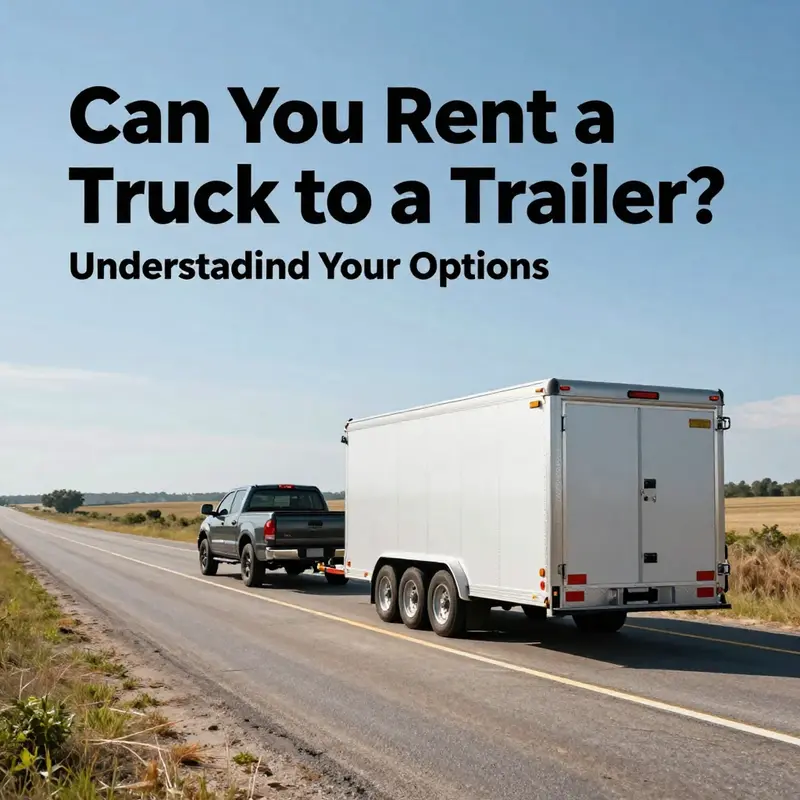
Whether you’re relocating, transporting goods, or embarking on an adventure, understanding how to rent a truck to tow a trailer is crucial for many everyday drivers, property managers, and truck owners. This guide will walk you through vital considerations like vehicle towing capacities and trailer compatibility, ensuring a smooth rental process. We’ll also cover the necessary equipment and safety features, as well as the potential costs and contracts involved in the rental process. By the end of this guide, you’ll be well-equipped to make informed choices about renting a truck for your towing needs.
null
null
Tow-Ready Journeys: How to Rent the Right Truck and Gear for Safe Trailer Hauling
If you’re planning a move, a project haul, or a weekend adventure that involves pulling a trailer, renting a truck can be a practical solution. Yet the act of towing isn’t as simple as tying a rope to a hitch and hitting the road. It hinges on choosing the right equipment, confirming compatibility between the truck and trailer, and understanding the responsibilities that come with driving a tow vehicle. The goal is safety, efficiency, and adherence to rental policies so the trip goes smoothly from start to finish. In practice, this means looking beyond the basic choice of whether to rent a truck at all and focusing on the details that determine how well the rental vehicle will perform under load. The right approach starts with a clear assessment of what you plan to tow, the weight involved, and the specific towing features the truck must have to handle that load with margin for safety.
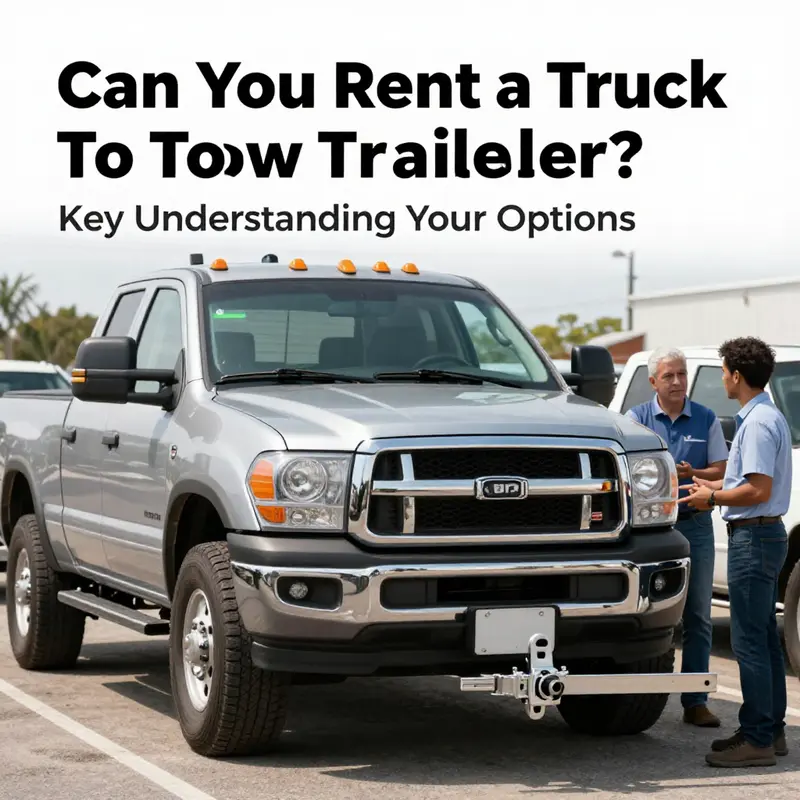
A solid place to start is verifying that the rental truck comes with a factory-installed towing package. This package is more than a label on the window; it represents a bundle of systems designed to manage heat, power, and electrical signals when a trailer is connected. A typical towing package includes a heavy‑duty radiator and, crucially, a transmission cooler to prevent heat buildup during extended pulls. It also includes a wiring harness that allows the trailer’s lights to operate in sync with the truck’s lighting system. These components work together to maintain performance and visibility, especially on hilly terrain or long stretches of highway. When you’re evaluating candidates at a rental counter, ask plainly whether the vehicle has a factory towing package and whether the wiring harness is included. If you find the package is missing or incomplete, continue the search. A truck without those features can still tow, but it will require additional aftermarket adaptations that may complicate the rental agreement and potentially void certain protections.
Weight management is the next critical pillar of compatibility. Every tow vehicle carries a set of ratings that define how much weight it can safely handle, both in terms of the load inside the truck and the trailer it pulls. The key figure here is the Gross Combined Weight Rating, or GCWR. This rating expresses the maximum allowable weight of the fully loaded truck plus the fully loaded trailer. The rule is simple: the GCWR must exceed the sum of the truck’s own weight and the trailer’s weight. If your trailer, cargo, and fuel push the combined load above that threshold, you’re in unsafe territory. Since certain trailers carry heavy gear, tools, or equipment, it’s wise to estimate conservatively and consider a vehicle with a GCWR well above the expected total. Alongside GCWR, you’ll encounter GVWR—the truck’s own gross vehicle weight rating—and the trailer’s gross vehicle weight rating. These figures matter because they govern how much payload the truck can safely carry and how much the trailer can be loaded before risking axle or frame damage. When you’re planning your load, sketch a simple ballast calculation: add the trailer’s weight (including any onboard fluid in the trailer’s tanks) to the truck’s curb weight and the anticipated cargo, then compare with GCWR. If there is any doubt, shift the load or select a heavier-duty truck.
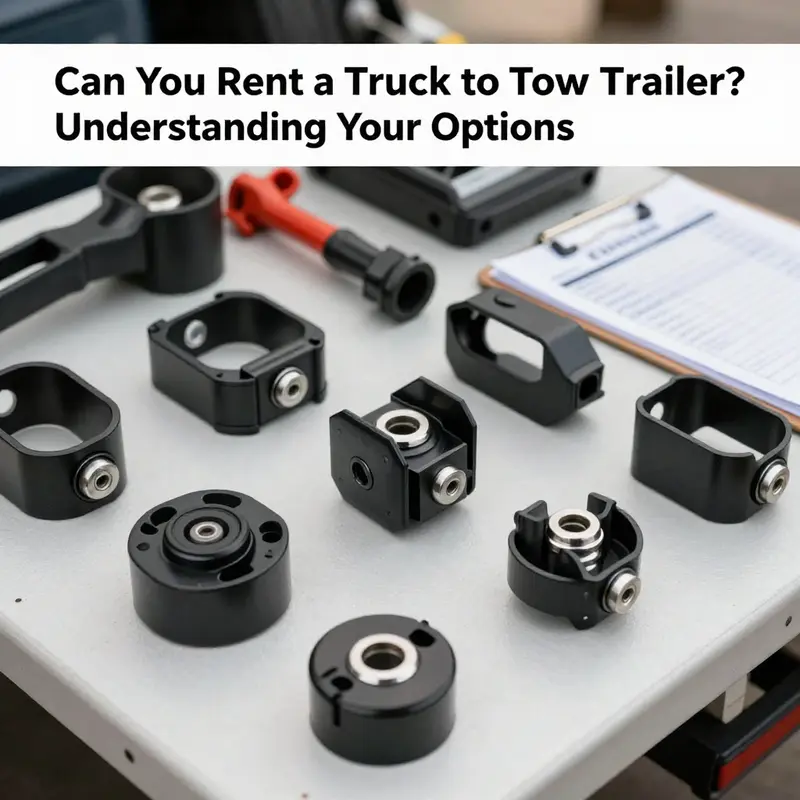
Attached to the weight discussion is the matter of hitch compatibility. Trailers connect to trucks through hitch systems and couplers, and the fit must be exact. The most common configuration uses a receiver hitch with a ball mount. Hitches come in different sizes, and the most typical ball sizes are 2 inches and 2 5/16 inches. Your trailer’s coupler will be sized to one of these, and using the wrong combination can create a dangerous connection where the trailer could uncouple or sway unexpectedly. Before you commit to a rental, confirm the hitch type on the truck and ensure it matches your trailer coupler. If you’re planning to use a distribution hitch or other towing aids, verify that the rental truck can accommodate them. Some trailers, especially heavier ones, benefit from additional equipment like a weight-distributing hitch, which helps spread the load across the truck’s frame and wheels, reducing rear-end squat and improving steering stability. If such gear is important for your haul, ask about it at the rental desk and confirm whether it can be added to the rental or requires a different vehicle.
Beyond the hitch, suspension and braking systems become more critical the moment you attach a trailer. The added mass behind the hitch changes the dynamics of the truck, affecting braking distance, steering feel, and stability. Inspect the truck’s suspension for signs of wear, including worn shocks or springs, which can amplify trailer sway or cause unpredictable handling on rough roads. Stronger shocks or a sway control system can significantly improve ride quality and control when towing. Brakes deserve special attention too. If you’re pulling a trailer with its own braking system, a trailer brake controller in the tow vehicle becomes essential. A properly functioning brake controller helps synchronize trailer braking with the truck’s braking, providing more predictable stopping performance and reducing the risk of trailer instability during deceleration. If the trailer relies solely on the truck’s brakes, be extra cautious about stopping distance, especially in traffic or on grades. When you test drive the rental truck with the trailer attached, pay close attention to how the vehicle slows, how the trailer reacts to sudden braking, and whether there is any unusual noise or sway as you maneuver.
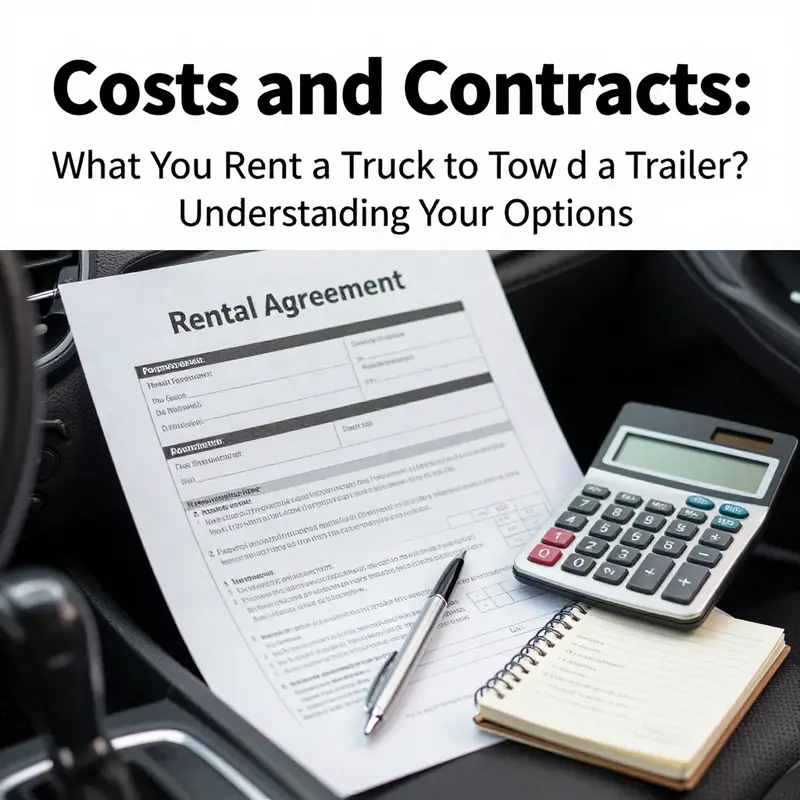
Rental options often include add-ons that can make towing safer and more convenient. Some rental providers offer optional towing components that can be added to the agreement, such as a trailer brake controller or a weight‑distributing hitch. These add-ons can be particularly valuable if you’re towing a larger or heavier trailer or if you’re not certain you’ll need the improvement most of the time. The cost of these add-ons varies, but the extra safety and stability they provide can justify the expense, especially for longer trips or unfamiliar routes. It’s worth noting that policies differ between rental companies, so a quick call or written confirmation before you pick up the vehicle can save back-and-forth later. In many cases, the rental agreement will spell out limits related to towing, including mileage, distance from the rental location, or time frames during which the vehicle may be used with a trailer attached. Understanding these limits in advance helps avoid surprise charges or violations that could affect insurance coverage.
As you prepare to book, consider the broader implications of towing a trailer with a rental truck. Insurance coverage is a common concern, and you’ll want to know what is and isn’t covered when a trailer is attached. Some policies require you to declare the trailer and its weight, while others might offer limited coverage that excludes certain kinds of damage or liability. A straightforward approach is to review the rental agreement for towing-specific limits and to confirm whether you need to add an umbrella policy or confirm your existing coverage extends to the trailer load. It’s also practical to assess local regulations about towing a trailer with a rental vehicle. Some jurisdictions impose additional licensing, equipment requirements, or restrictions on where you can drive with a trailer. Understanding these requirements before you set out prevents last-minute surprises at state or provincial borders and helps you plan rest stops, routes, and near-term maintenance.
The equipment questions tie neatly to the idea of compatibility: the trailer’s coupler must fit the truck’s hitch, the braking systems must synchronize to give you predictable control, and the suspension must support stable handling under load. The results of a meticulous review are simple: you avoid mechanical stress, you maintain better control in adverse conditions, and you stay within the rental agreement’s terms. When you’re confident that the truck can handle your trailer, a straight path to the open road emerges. A practical way to knit these thoughts into action is to consult a resource that consolidates tow-capable vehicle guidance. For a concise overview about towing capacity and the kinds of trucks that are typically prepared for towing tasks, consider this guide: How Much Can My Truck Tow. This page provides a focused lens on capacity limits and the relationships between truck weight, trailer weight, and available payload.
With the technical groundwork in place, you can approach the rental desk with clarity. Prepare a short checklist you can refer to during the pickup: confirm factory towing package and wiring harness, verify GCWR, confirm hitch compatibility and ball size, check the trailer’s electrical connectors and mirror requirements, and confirm any towing add-ons you want to use. If you’re moving forward with a heavier or longer trailer, request the option of a test-tow in a safe area so you can gauge handling, braking, and lane changes before you join traffic. The aim is not to rush but to validate that the combination of vehicle and trailer behaves as expected. Throughout this process, keep the door open to ask about alternative configurations if the chosen truck doesn’t perfectly meet your needs. A different truck within the same rental fleet might offer a more suitable GCWR, accessory set, or hitch arrangement that better aligns with the trailer you plan to pull.
Finally, the moment you hit the road, maintain a deliberate, patient driving mindset. Towing a trailer changes the geometry of braking, turning, and accelerating. Allow for longer stopping distances, take gradual turns to reduce trailer sway, and avoid abrupt maneuvers. If the trailer begins to sway, ease off the accelerator and use controlled, steady steering to regain stability rather than making sudden corrections. Regularly check the load’s integrity during long trips, especially if you’re traveling through varying weather conditions or uneven terrain. A careful, methodical approach to gear and load management makes the difference between a routine haul and a stressful, unsafe drive.
In sum, renting a tow-ready truck is a practical approach to moving or transporting a trailer, but it requires thoughtful preparation. The safest path is a balanced combination of the right towing package, a thorough understanding of weight ratings, careful hitch and trailer compatibility, and the right safety gear. The pages and resources tied to this topic are there to support you, from the path of capacity calculations to practical tips on how to connect and control a trailer on the road. If you’re curious about how your future rental scenarios stack up against the capacity of a tow-ready vehicle, you can explore guidance on towing capacity and vehicle compatibility via the internal resource linked above. For further external guidance, you can review industry-standard towing guidelines from a major rental provider, which outline the practical steps, requirements, and best practices for towing with a rental truck: https://www.hertz.com/rental-car-rental/towing-requirements
null
null
Final thoughts
Renting a truck to tow a trailer can be a straightforward process if you understand the key considerations regarding towing capacities, equipment compatibility, and costs involved. This guide has illuminated important aspects to help ensure you make informed decisions. Each chapter emphasized the necessary steps for a successful rental experience, ultimately allowing you to safely and effectively complete your towing tasks.