
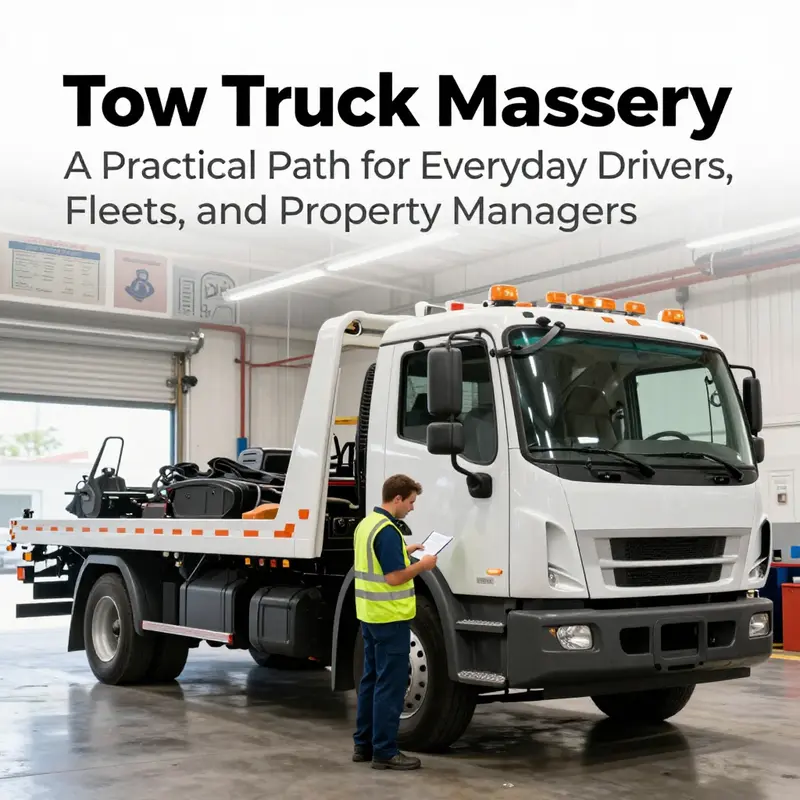
Tow trucks are the connective tissue of road mobility: they restore access after breakdowns, clear hazards from the travel lane, and support property managers who rely on reliable vehicle recovery. For Everyday Drivers, Residents & Commuters, Truck Owners, Auto Repair Shops & Dealerships, and Property Managers, understanding how to become a tow truck driver is not just about getting behind a tow reel. It’s about navigating licensing requirements, endorsements, and training while aligning with on-the-job safety, regulatory compliance, and practical career opportunities. This guide breaks down the essentials into four focused chapters that build from basic eligibility through licensing pathways, to training and certification, and finally to real-world career paths and safety practices. Expect clear, actionable steps, with reminders tailored to drivers who commute, fleet operators who rely on routine recoveries, repair shop managers who hire tow staff, and property managers who coordinate vehicle removals. Each chapter ties back to the core goal: empower you to confidently participate in the towing ecosystem, reduce downtime for vehicles, and maintain peak safety and compliance on every job.
null
null
From License Lines to Tow Lines: Navigating Driver’s Licenses, Endorsements, and CDL Pathways for Tow Truck Careers
Getting into the tow truck profession starts long before you’re seen guiding a recovery rig down a shoulder. It begins with a clear map of licensing, endorsements, and the practical realities of weight and responsibility. The arc is straightforward in theory: you must be legally eligible, possess a valid driver’s license, and meet a set of safety and knowledge standards that prove you can handle a heavy vehicle under pressure. Yet the specifics matter greatly from one state to the next, and even within a state they shift as authorities refine rules to reflect evolving road safety, vehicle technology, and fleet needs. What remains constant is the sequence: establish basic eligibility, secure the right license for the job you want, prove your reliability through a background check and screening, and then pursue the formal training and testing that open the door to official authorization. In New York and many other places, that doorway includes a Tow Truck endorsement on your license, and for larger or more specialized towing tasks, a Commercial Driver’s License with the appropriate endorsements. The process is not merely bureaucratic; it shapes the daily reality of work on the road, in tow yards, and when you’re called to a scene in the middle of the night.
At the heart of eligibility is age and the core credential: you must be of legal driving age and hold a valid standard driver’s license. In most jurisdictions, the minimum age to apply for a tow truck driver license clings to 18, and that age threshold is commonly the first milestone you’ll reach on the path to being behind the wheel of a recovery unit. Some categories—especially those involving commercial operations or hazardous materials—may set a higher minimum age, such as 21. Even if age is permissive, you cannot proceed with towing duties if your license is suspended or restricted, or if your medical certification or driving privileges are under review. The overarching expectation is simple: you are ready to be on the road within the bounds of ordinary driving duties, and you can demonstrate a baseline level of competence and judgment that keeps you, your passengers, and other motorists safe.
Beyond age, a valid driver’s license is the foundational ticket. You’ll need to maintain it in good standing, free of suspensions and major violations that could flag you as high-risk to employers and regulators. A clean driving record matters because tow trucks often operate in dynamic and stressful environments, from highway incidents to busy urban streets, where a momentary lapse can escalate risk. Employers routinely conduct background checks as part of the hiring process, and many organizations pair those checks with a drug screen. The towing industry treats responsibility and predictability as core job requirements because a tow operator is not only moving a vehicle; you’re often managing traffic, assisting stranded motorists, and working in potentially hazardous conditions near stalled cars, uneven surfaces, or damaged lanes. A solid record is not merely about avoiding trouble; it’s about signaling that you understand accountability and the seriousness of the work you’re pursuing.
Even with a clean slate, there is value in formal preparation. While some employers will train on the job, formal training in towing operations, safety protocols, and vehicle-handling techniques helps you start with a stronger foundation. Vocational programs or industry-specific courses provide hands-on practice with winching, rigging, securing loads, accident scene safety, and safe vehicle control. Such programs are not only about technical prowess; they’re about cultivating a safety-first mindset and customer-service skills that are essential in a business where you’ll often be the first and most visible representative of the towing operation at a roadside emergency. When a prospective employer sees that you’ve completed structured training, it signals commitment to professionalism and a readiness to learn the nuances of the fleet you’ll join.
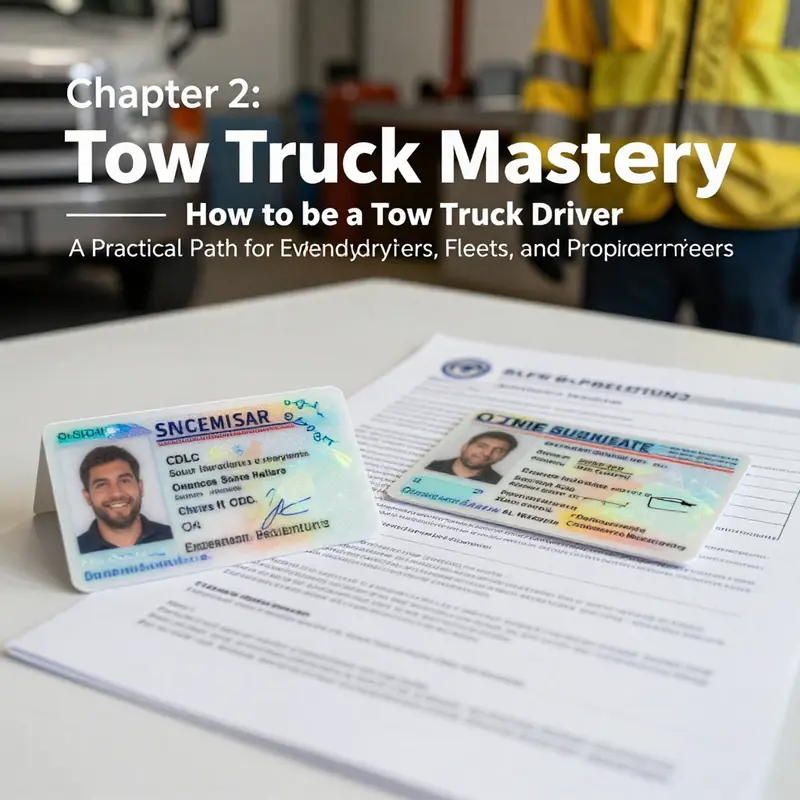
A crucial milestone in many states, including New York, is the Tow Truck endorsement on your driver’s license. For New York residents, or eligible non-residents, obtaining this endorsement involves a formal application, proof of identity and residency, and passing both a written knowledge test and a practical skills test that demonstrates safe towing operations. The endorsement process recognizes that tow work is not ordinary driving; it combines road knowledge with knowledge of towing-specific laws, weight considerations, load security, and the safe handling of different tow configurations. It’s not merely about steering; it’s about the ability to manage a complex vehicle in diverse scenarios—on congested streets, on highways, and at recovery sites where conditions can change in an instant. If your goal is to tow larger loads, the path typically diverges toward a Commercial Driver’s License with the appropriate “T” endorsement for towing. The combination of license type and endorsements defines the scale of work you can undertake and the kind of equipment you’ll be authorized to operate.
Endorsements are not one-size-fits-all and can vary by state. In many places you’ll encounter endorsements such as the “N” endorsement for straight trucks and the “P” endorsement for passenger vehicles, depending on the towing tasks you’ll perform. HazMat considerations may apply if the towing operation involves hazardous materials transport, which adds another layer of testing and training. It’s essential to verify the exact CDL and endorsement requirements in your jurisdiction, because even adjacent states can implement different rules that affect your certification timeline, testing, and eligibility. In practical terms, this means you should research the specific DMV or licensing authority’s guidelines where you intend to work and prepare for the possibility of additional screening or testing as part of your career development.
The path to licensing also includes the practical decision about whether you need a CDL at all. If you plan to tow smaller vehicles or work with lighter tow trucks, a standard license with a tow endorsement (where required) may be sufficient. If your plans include heavier wreckers or commercial towing of large vehicles, a CDL with the relevant endorsements becomes necessary. The decision influences your training needs, the cost and duration of preparation, and the level of risk you’ll handle on day one. In any case, pursuing formal training early pays dividends. It not only accelerates licensing progress but also builds confidence when you face the written and practical exams that prove your readiness to handle the specialized equipment.
Employment prospects in towing often improve with training and certification, but even beyond the initial credentialing, ongoing education matters. Regulations evolve, fleets upgrade to more advanced or heavier equipment, and best practices shift as new safety technologies emerge. Continuing education helps a driver stay compliant and adaptable, enabling career progression into roles such as supervisory positions, trainer roles within a fleet, or specialized recovery work that focuses on heavy-duty or technical rescues. This continuous improvement mindset aligns well with the unpredictable nature of towing work, where every call can present a different combination of vehicle types, road conditions, and hazards. The combination of a solid license foundation, targeted endorsements, and a commitment to ongoing learning creates a durable platform for a long, professional career in the tow industry.
For a concise walkthrough that aligns with these steps and highlights the licensing sequence, you can explore a practical guide through this resource: how-to-become-a-tow-truck-driver.
As you consider the licensing landscape, it’s wise to balance anticipation with patience. The timeline to become road-ready with the correct endorsements can stretch, especially when state testing windows, background checks, and the need to accumulate certain driving hours intersect. Plan ahead for the costs of testing, training, and any required medical certification. Prepare to gather the necessary documents, such as proof of identity, residency, and prior driving history, and to schedule written and skills tests at the designated DMV or licensing center. While the process may feel meticulous, it serves a vital purpose: it ensures that every tow operator who takes to the road can do so with a consistent standard of safety, competency, and responsibility. When you have earned the license, the endorsements, and the CDL path that fits your ambitions, you carry not just a credential but a clear commitment to protecting yourself, your teammates, and the public you’re called to assist on the roadside.
The licensing journey is also a reminder that the job you’re entering sits at the crossroads of service and safety. It requires practical skill, yes, but it also demands judgment, discipline, and a readiness to adapt when conditions change in an instant. The road you’ll travel after you pass the tests is not just a route from one accident scene to another; it’s a career path that blends technical mastery with reliability, courtesy, and a steady hand under pressure. The more you invest in understanding the licensing framework, the more you’ll be able to focus on what truly matters on the shift: getting the vehicle loaded and secured safely, guiding distressed motorists with calm, and delivering dependable service that strengthens trust between the towing company and the communities it serves.
External resources can provide authoritative confirmation and updates. For state-specific requirements and the latest exam and endorsement standards, consult the official licensing authority in your area. In New York, for example, the DMV site remains the authoritative source for how to apply for a tow truck endorsement, schedule exams, and access required forms: https://dmv.ny.gov.
External resource: https://www.dmv.ny.gov/
null
null
Tow Truck Driving: Mastering the Road Between Service, Skill, and Safety
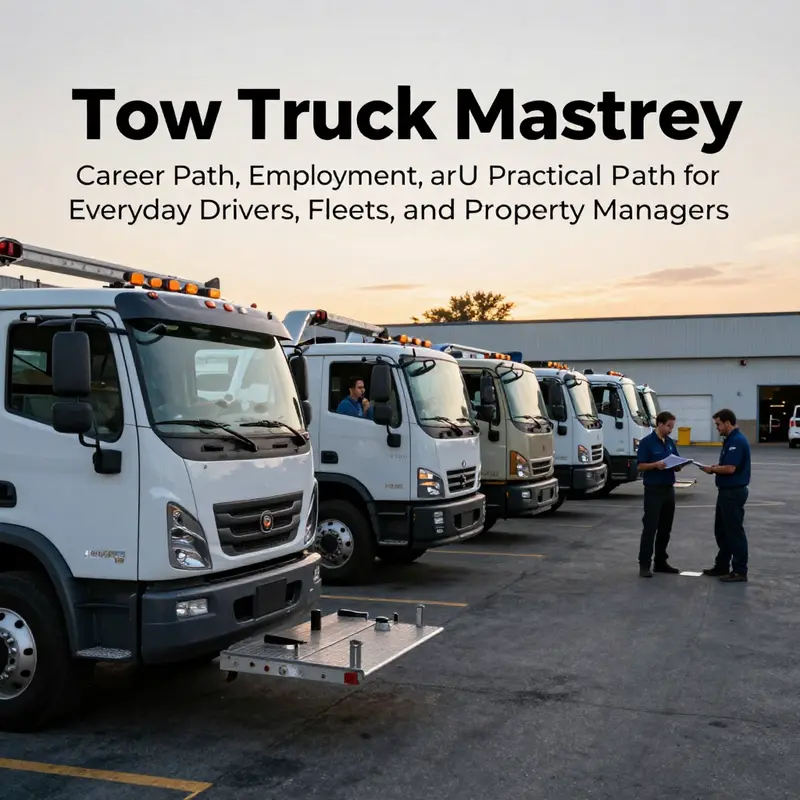
Tow truck driving is more than steering a heavy vehicle. It is a disciplined craft that combines mechanical knowledge with situational awareness, clear communication, and a steady commitment to safety. From the first call to the final delivery, the job demands calm decision making, precise execution, and a focus on protecting people on the road.
Eligibility and licensing: Most programs require you to be at least 18, hold a valid driver’s license, and have a clean driving record. Many employers also run background checks and pre-employment screenings, including drug tests. Some regions require a heavy vehicle or commercial license and a specific towing endorsement. The exact requirements vary by state or province, so start by checking your local licensing authority.
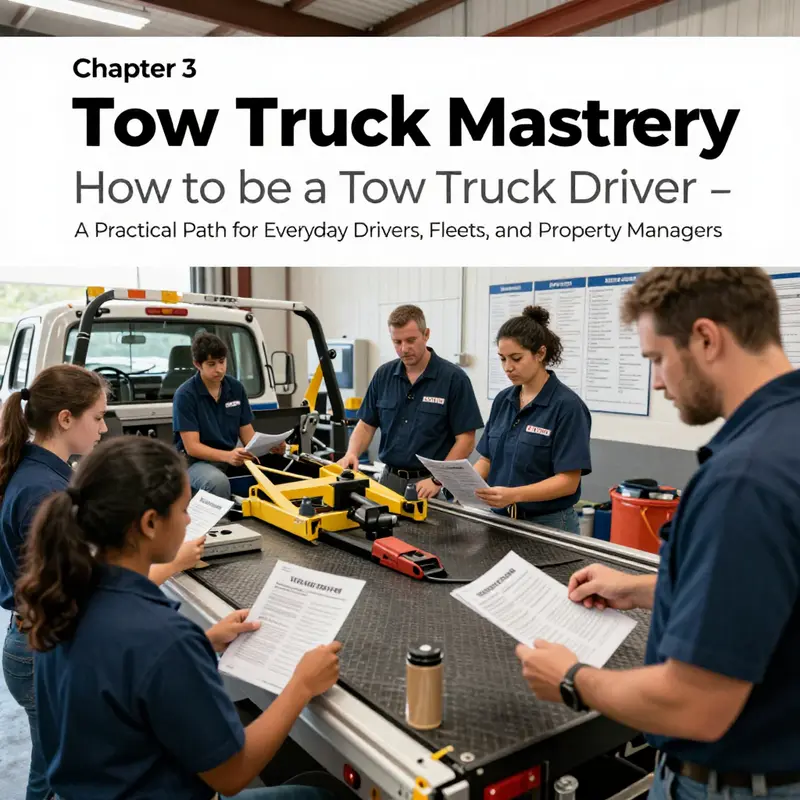
Training, certification, and hands-on practice: While some employers train on the job, formal instruction remains highly valuable. Look for accredited trucking schools, vocational programs, or employer-led courses that cover load securement, winching techniques, vehicle handling, weight distribution, and basic safety procedures. Certification in first aid, fire safety, and incident scene management can further bolster your readiness.
Equipment and daily duties: A tow truck driver inspects the vehicle before each shift, checks winch lines, chains, hooks, lights, and tires, and verifies that towed loads are secure. On shift you balance response times with scene safety, communicate with dispatch, customers, and, when needed, law enforcement. Maintaining your equipment, recording service details, and performing regular maintenance keep the operation reliable.
Safety and ethics on the road: Safety is the defining priority. This means proper positioning at the scene, careful load restraint, adherence to weight limits, and conservative decisions when traffic conditions are changing. Professionalism, respect for the customer, and confidentiality are central to building trust during stressful moments.
Career development and next steps: With experience, many drivers specialize in certain types of towing, move into fleet management, or pursue supervisory roles. Keeping certifications up to date and staying informed about new equipment and procedures supports long-term career resilience. A strong professional network and a habit of reflective practice help you grow beyond the first few years.
Getting started: To begin, research your state or province requirements, find reputable training options, and seek an employer who prioritizes safety and ethical service. Build a simple plan that covers licensing, training, job applications, and ongoing education. For a practical starter resource, you can review guides from reputable trucking organizations or government career portals.
Final thoughts
Navigating the tow truck landscape requires more than a pulse on the road; it demands an organized approach to licensing, endorsements, training, and professional safety. By starting with age and license eligibility, then expanding into endorsements and CDL considerations, and finally committing to formal training and regulatory awareness, everyday drivers and fleet managers alike can build a reliable, compliant, and repeatable towing capability. The four chapters map a practical path from eligibility to employment, with safety and compliance baked into every step. As you move from learner to licensed operator, you’ll be better prepared to support residents, commuters, and business operations—keeping roads clear and wheels turning with confidence.