

Tow truck services are vital when vehicles break down, get stuck, or require transport. Understanding how much you might pay in different scenarios helps drivers, truck owners, auto repair professionals, and property managers make informed decisions and avoid surprises. Tow costs vary widely based on vehicle size, distance traveled, location, timing, and extra service needs. This guide dives into these cost components systematically: from how vehicle type and weight influence fees, to the impact of travel distance and regional rates. It then explores how timing and urgency affect surcharges, and concludes with additional charges and practical ways to save money. Together, these chapters provide a clear picture of tow truck pricing dynamics relevant to everyday drivers, commuters, businesses, and fleet managers.
Tow Truck Charges Under the Hood: How Vehicle Type and Weight Drive the Price
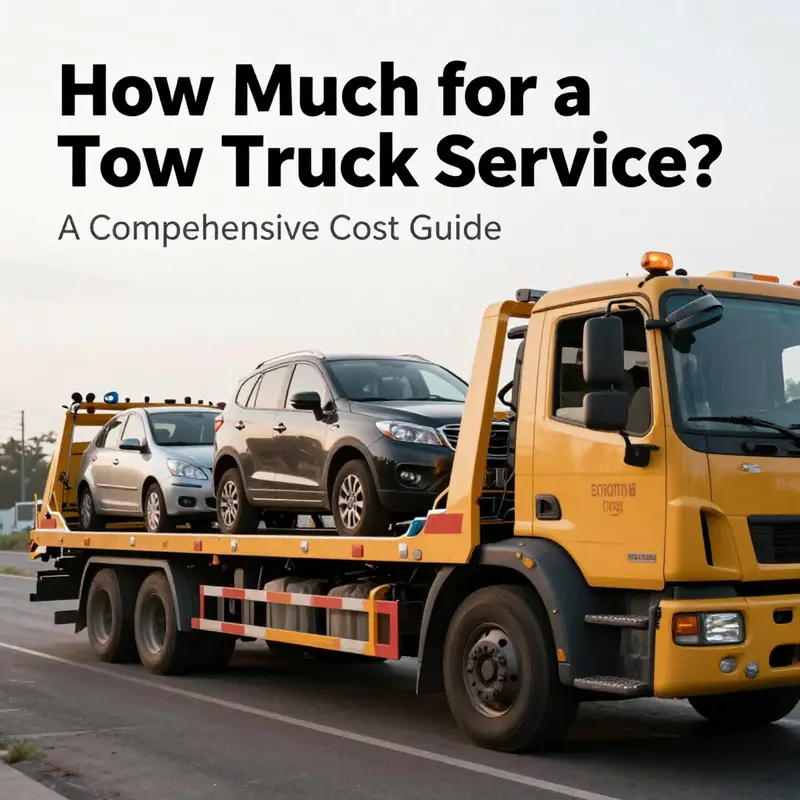
When people ask, “how much for a tow truck service?” they are often surprised by how many moving parts determine the final bill. The price is not a single fixed number but a conversation between the job’s physics and the service crew’s logistics. Vehicle type and weight sit at the center of that conversation, shaping not only the kind of tow truck that arrives but also the fees that accrue before the vehicle ever leaves the scene. Understanding this dynamic helps a person anticipate costs more accurately and avoid sticker shock when the bill lands.
Start with the simplest truth: lighter cars cost less to tow than heavier ones. A small car, a sedan or a hatchback, can usually be towed with standard wheel-lift equipment. This method lifts one end of the vehicle and keeps the other end on the pavement, reducing mechanical risk when wheel contact is unavoidable. For many regions, the baseline charge for towing a light vehicle over a short to moderate distance sits in the approximate range of two to four hundred dollars if you’re moving around 50 miles. The precise figure depends on local base fees, the provider’s pricing model, and any per-mile elements that kick in after the initial distance. In practical terms, a light vehicle in an urban recovery scenario will often see a quote that reflects a compact combination of a base fee and a modest per-mile rate, with the weight and balance of the car remaining the quiet driver behind the numbers.
But even among light vehicles, the exact price can drift based on location and the delivery method chosen by the tow operator. Wheel-lift tow trucks, the workhorse for many standard recoveries, are typically adequate for sedans and smaller crossovers. They provide efficiency and speed, which translates into lower labor intensity and, often, a lower overall cost. The same scenario becomes more complex when the vehicle is in a tight spot, on a busy street, or requires extra safety measures. In those cases, the operator may need to chain or strap the vehicle more securely, potentially adding to the time on scene and pushing the price slightly higher. These subtle factors illustrate why a single sticker price rarely tells the full story for light vehicles.
As the vehicle’s weight climbs, the math shifts. SUVs, vans, and other larger or heavier models demand stronger lifting power and sometimes a different mounting approach. When weight and size increase, many operators shift toward equipment designed to maintain vehicle integrity throughout the tow. Flatbed tow trucks become more common for heavier vehicles and for those with all-wheel drive, four-wheel drive, or delicate drivetrains. The reason is clear: flatbeds immobilize the entire vehicle during transport, eliminating the risk of drivetrain strain or undercarriage damage that can occur when wheels touch the road. This protective approach carries a price premium. In general terms, you can expect heavier, larger, or more complex vehicles to incur costs that are higher than the base light-vehicle rates—often rising by a noticeable margin compared with a standard sedans-only scenario.
Beyond the weight, “heavy” also means the complexity of the operation. Medium-duty trucks in the 2.6–7 ton range, for example, often start with a base fee in the neighborhood of a few hundred dollars, but highway or long-haul components can push the total into the several-hundred-dollar territory for short distances and toward the higher end for longer runs. When you move into large trucks, the math expands even further. Base fees for vehicles over seven tons commonly begin around four hundred dollars, with loaded highway rates becoming steeper—potentially reaching twenty dollars per loaded kilometer. The sophistication of the operation—the stubbed-into every axle, the weight distribution, and the need for careful chainings—adds both technical complexity and time on scene, both of which manifest as higher charges to the customer.
These weight-driven differences also reflect the choice between the most common transport modalities. For light cars, wheel-lift or a hook-and-chain style tow often suffices. For heavier vehicles, the flatbed’s zero ground contact strategy becomes more than a luxury; it is a practical necessity to preserve the vehicle’s drivetrain and avoid secondary damage. The decision to deploy a rotator or crane, in truly challenging recoveries, is a further escalation in both equipment sophistication and price. Rotator units, with their long reach and lifting capacity, don’t come cheap to operate or maintain, and the presence of an overturned or severely damaged vehicle can trigger additional fees that reflect the extra manpower, time, and risk involved.
The cost picture also has a geographic texture that colors the numbers. In urban centers, base pricing structures commonly bundle a first stretch of distance into a bundled base fee, with additional mileage charged per kilometer or mile beyond that threshold. These per-mile or per-kilometer charges can vary widely from region to region, influenced by local labor costs, fuel prices, and licensing requirements. On highways or interstates, the rates often become more structured and sometimes larger, recognizing the higher speeds, greater distance, and, in some places, the toll-and-fuel components that riders may indirectly absorb. The idea that towing is a universal, one-size-fits-all service dissolves under the weight of these location-based nuances. In some markets, a highway tow could begin at one price for the first ten kilometers and then escalate by per-kilometer increments, while in others, the entire charge might be quoted as a flat premium for longer, uninterrupted runs.
Time of day and urgency are another critical lever in the pricing equation. Nighttime, late at night through early morning, and holiday recoveries typically carry surcharges imposed to compensate for limited availability and the greater labor burden on crews. Surcharges of thirty to fifty percent are not unusual when salvage operations occur during off-hours. Emergency or overturned-vehicle scenarios not only demand advanced equipment but also call for highly specialized operators with the expertise to manage risk in precarious conditions. In those moments, the operator’s resourcefulness becomes currency—the rotator, the crane, and the trained hands that can execute a careful, damage-free extraction. All of this translates into higher quotes, but the value proposition lies in safety, efficiency, and the certainty of getting the vehicle secured and removed in a controlled manner.
Hidden costs are a reality that can turn a tidy quote into a larger bill if the details aren’t carefully considered. Equipment fees for flatbeds, rotators, cranes, or winches can add anywhere from a couple hundred to a thousand dollars on top of the basic tow. Parking or storage fees may appear if the vehicle is held at a lot for any length of time before repair or release, and this can be especially burdensome if the car remains in custody overnight or for an extended period. Some providers tack on accident-handling fees, which reflect the extra steps and care required in the aftermath of a collision. The tolls and fuel charges that accumulate during the tow are frequently not included in the initial quote, requiring the owner to settle them later. And if the vehicle must be moved again—from the storage lot to a repair shop—that second tow can carry its own separate fee.
For those trying to manage costs, several avenues can help soften the blow. Many auto insurance policies include roadside assistance with a limited number of tows per year, often with coverage for a certain distance. Manufacturer programs sometimes extend towing benefits as part of ownership perks, particularly for luxury makes, with a stated limit on distance or number of tows. The practical tactic, however, is to compare prices before you commit. Apps and digital platforms allow you to request quotes from multiple providers, sometimes in real time, helping you see the spectrum of prices in your area. The ability to compare and confirm the exact inclusions—whether tolls, fuel, and storage are included in the upfront quote—can prevent surprises after the tow is completed. The core recommendation remains simple: ask for a written quote, verify the operator’s license and insurance status, and clearly define what is included in the price before any work begins.
For readers seeking a quick frame of reference without wading through regional quirks, a useful anchor is the price range observed for light-vehicle towing in many markets: the base fee plus a per-mile rate that typically keeps the total within a few hundred dollars for moderate distances. Heavier or specialized recoveries, particularly those involving high-value or luxury vehicles or challenging recovery conditions, will naturally push the price higher. The exact figure will depend on the vehicle’s weight and type, the chosen transport method, the trip distance, local labor costs, and the specific circumstances of the incident. In short, vehicle type and weight are the primary levers, but distance, urgency, and driving conditions pull on them with varying degrees of force. A thoughtful, informed customer can engage the tow provider with clarity and confidence, making the process less of a mystery and more of a predictable service.
If you want a practical sense of baseline pricing for a general reference, you can explore a focused resource that breaks down the numbers in a straightforward way. For context on how a single vehicle’s weight category translates into the kind of tow and the related costs, see the dedicated page on the topic described here: how much is a tow truck. This internal guide offers a concise snapshot of typical costs by vehicle mass and the corresponding equipment needs, helping you calibrate expectations before an incident occurs. It is one piece of a broader picture that includes regional variations, service-level differences, and the dynamic nature of emergency-response pricing.
As you gather data for your area, remember that the most accurate pricing comes from a written quote that itemizes the base fee, distance charges, and any additional fees for equipment, storage, or special handling. Check for license and insurance verification, and make sure tolls and fuel charges are accounted for separately if the quote doesn’t state they are included. The goal is to align your expectations with the realities of the market, and to choose a provider that balances speed, safety, and value rather than chasing the lowest headline price alone.
External context can also help frame these numbers against broader industry standards. A widely cited external source offers a comprehensive look at towing costs, drivers, and the factors driving price across regions. For a detailed, external perspective on the overall cost landscape, refer to the following resource: https://www.aaa.com/automotive/towing-costs/
Navigating Tow Truck Costs: How Distance, Location, and Regional Factors Shape Pricing
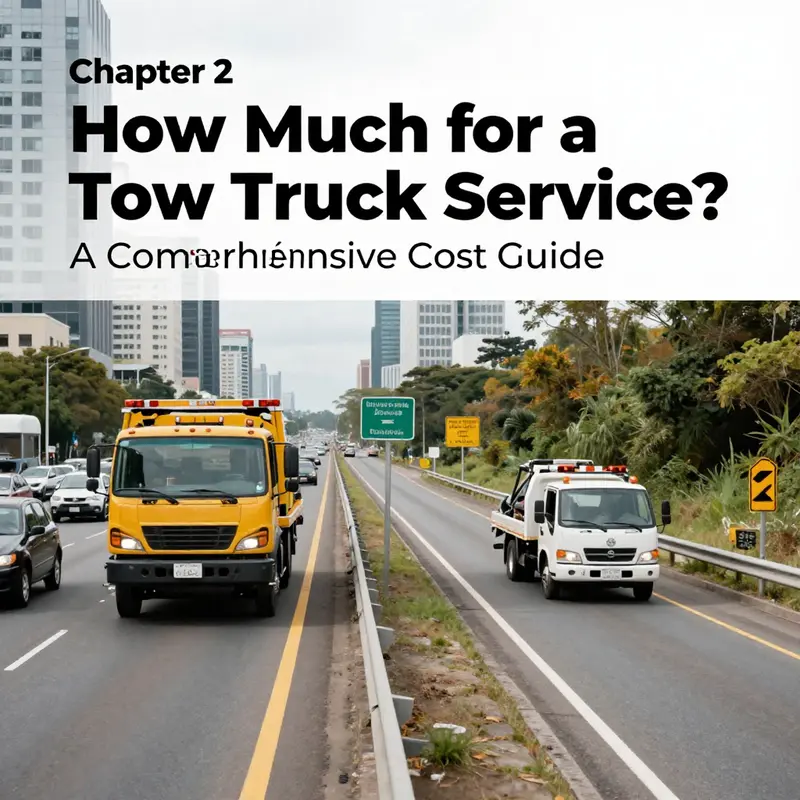
When it comes to determining how much to pay for a tow truck service, one of the most decisive elements is the distance over which your vehicle needs to be transported. Tow companies typically employ a pricing structure anchored by a base fee—often called the “hook-up fee”—which covers the initial portion of the tow, usually ranging from 5 to 10 miles (or about 8 to 16 kilometers). This base fee can vary between $100 and $150 in many markets, but it only covers the first segment of the journey. Beyond that, a per-mile or per-kilometer charge usually applies, which might range from $3 to $7 for every additional mile. For example, towing a car 30 miles will entail a price significantly higher than a five-mile tow, even if the same vehicle type is involved. Additionally, some companies round distances up to the nearest mile, potentially adding to the cost unexpectedly.
Location plays an equally important role in the pricing landscape. Urban centers tend to have steeper rates due to a combination of higher labor expenses, elevated fuel costs, and the complications introduced by traffic congestion, which can extend response and transport times. Nighttime, weekend, or holiday tows in these metropolitan areas often carry surcharges that can add 20% to 50% to the bill, reflecting the premium for after-hours service and reduced availability. On the other hand, rural or remote areas might also command higher prices—not because of local wages, but due to longer travel distances and reduced competition among providers, which increase operational expenses for the towing company.
Regional regulations further complicate this picture. Some states and municipalities impose caps or standardized fee schedules on towing services to protect consumers from exorbitant prices. In regions where regulation is lax or absent, towing fees may fluctuate widely and unpredictably, often subject to market demand and local conditions. For instance, towing within a major metropolitan area in the United States such as New York City or Los Angeles often carries higher average costs compared to smaller towns or less densely populated areas, where prices might be more affordable but the time needed for arrival and transport correspondingly longer.
When towing on highways or for long-distance trips, pricing structures can be markedly different. Highway towing often includes higher base fees with steeper per-kilometer or per-mile charges, reflecting the greater fuel consumption, potential toll costs, and sometimes the need for specialized equipment. In some regions, standard fees cover a base distance of approximately 10 kilometers, with charges escalating as much as $20 or more for each additional kilometer. Long-distance tows spanning hundreds of kilometers—such as intercity or interstate transports—can cost anywhere from a few hundred to several thousand dollars, depending on the total journey length, regulatory environment, and complexities encountered, such as tolls and driver hours. One illustrative example is a 700-kilometer trip in China, which can range between $2,000 and $3,500, factoring in fuel, tolls, and labor costs.
Towing beyond typical distances or in less accessible locations can necessitate additional considerations. For example, mountainous terrain, lack of direct highways, or adverse weather conditions may all contribute to increased service time and operational difficulty. This, in turn, can push prices higher, as towing companies adjust rates to offset these added challenges. Likewise, urban areas with strict parking enforcement or restricted tow zones may enforce additional fees or surcharges related to permitting and administrative overhead.
The time of day dramatically influences tow pricing as well. Services requested during late-night hours—often defined as 10 PM to 6 AM—alongside weekends and holidays, frequently carry surcharges ranging from 30% to 50% above standard daytime rates. These premiums exist because staffing levels during these times are generally lower, and the risk or inconvenience to providers is deemed greater. Additionally, emergency towing situations involving overturned vehicles, accident recovery, or cases requiring specialized heavy-duty apparatus can lead to substantial cost increases. For instance, rotator tow trucks equipped with cranes and advanced winching gear can cost companies upwards of $150,000 to $300,000 to purchase and maintain. Deploying these trucks entails higher fees, as the expertise, equipment, and time involved escalate dramatically.
Another layer that factors into the total cost is the presence of supplemental or hidden fees. The need for special equipment—such as flatbeds, winches, or cranes—can add hundreds or even over a thousand dollars to the towing bill. Furthermore, if the vehicle is to be stored for any length of time, storage fees can accumulate, typically ranging from $30 to $100 daily. These charges often apply at impound lots or service yards and are sometimes coupled with additional accident handling fees. Moving the vehicle a second time, for example from a storage facility to a repair center, may incur a separate tow charge that is distinct from the original haul. It is common that tolls and fuel surcharges are not included in initial quotes but are instead billed to the vehicle owner transparently or as a separate line-item.
Awareness of these nuances empowers vehicle owners to better anticipate the full scope of costs when arranging towing services. Where possible, obtaining multiple quotes and confirming exactly what is included—such as mileage, equipment fees, and any third-party expenses—helps avoid surprise fees. Checking that the towing company holds proper licensing, like a Road Transport Operating Permit, is also critical to ensure compliance, safety standards, and consumer protections.
In some cases, vehicle owners can mitigate towing expenses through existing insurance or manufacturer programs. Many auto insurance policies now include roadside assistance packages, providing one or two free towing services annually up to a designated distance, often 100 kilometers. Luxury vehicle manufacturers may offer lifetime towing benefits extending similar distances as a purchase incentive or ownership service. Leveraging these options can drastically cut or eliminate out-of-pocket towing costs.
Finally, technology offers new ways to compare and manage towing expenses on demand. Digital platforms and mapping apps can provide real-time quotes and availability from multiple providers, allowing consumers to select services based on price, response time, and reputation. Utilizing such tools not only streamlines the process but also enhances pricing transparency in what has historically been a murky market.
For further detailed insights on towing price structures per mile and advice on managing these costs, reviewing specialized resources can be invaluable. These resources explain the varied influences on pricing and offer consumer guidance to navigate this essential but often overlooked service efficiently and economically. One such detailed external resource on tow truck fees and pricing details can be found at Pacific Auto.
Chapter 3: The Clock, the Urgency, and the Route: Decoding Tow Truck Pricing
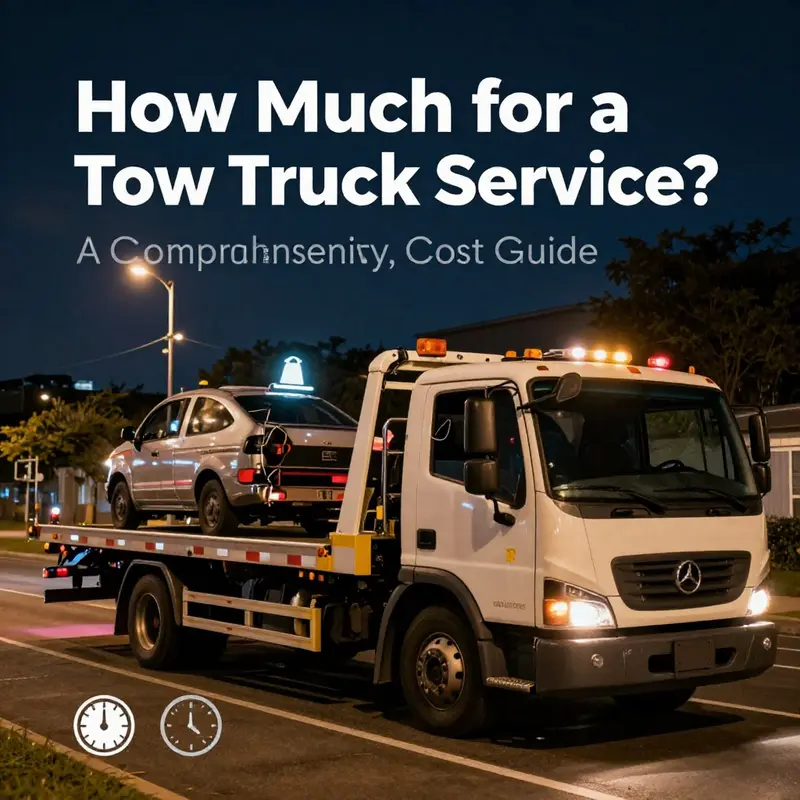
When a vehicle stalls on a busy road, the first question that often comes to mind is not merely how much a tow will cost, but how quickly it can arrive, and under what conditions that price will change. Time, urgency, and access are the unsung determinants behind a tow truck bill. The clock begins ticking the moment you call for help, and every minute spent waiting—on a turnpike shoulder, in a narrow alley, or at the bottom of a steep incline—can shift the final figure in ways that surprise most drivers. To read the tire tracks of pricing, you have to follow the cadence of the job: the speed of arrival, the difficulty of getting to the vehicle, and the complexity of the recovery. Each element shows up in the bill as a line item, often tucked into a base fee that sounds straightforward but expands quickly once the scene demands special tools or a more elaborate safety setup. In practical terms, urgency translates into a premium, but that premium is not random. It is a function of load on the dispatch system, the time of day, and the physical challenges that stand between a tow truck and a stranded vehicle.
Access, meanwhile, is the architect of the job’s difficulty and, thus, its cost. A car resting in a private driveway with a tight turn or a vehicle stranded in a dimly lit alley behind a row of parked cars presents a different math problem than a roadside stop in an open shoulder. Accessibility dictates the equipment mix. A short, routine tow may rely on a lighter, more maneuverable setup designed for speed and proximity. In contrast, a vehicle that sits in off-road terrain, a construction site, or a high-traffic zone may require heavier, more specialized assets. A 12-ton recovery truck with a sling system can reach a vehicle quickly in a garage or a compact city lot, delivering a comparatively lean operation. However, when access is truly challenging, a much larger, heavy-duty wrecker—such as a 60-ton asset—might be necessary. Heavier equipment brings with it longer setup times, more variability in stabilization, and higher labor demands, all of which push the price upward. The takeaway is simple: the more constrained the access, the more the price must factor in preparation time, safety protocols, and the risk management that accompanies complex recoveries.
The recovery method chosen by the operator also shapes the cost picture. In many urban scenarios, technicians may deploy a belt lift or yoke system, a method that uses fabric slings beneath the axle to lift and secure the vehicle. This approach can be cost-effective and quick to deploy, especially for routine, short-distance moves. Yet it is not without limits. For vehicles with damaged wheels, compromised suspension, or more extensive damage, a belt lift may be less stable or appropriate for long-distance transport. Flatbed towing, by contrast, provides superior stability and protection for delicate components but demands more time, more space, and more coordination. It is not unusual for a simple tow to balloon into a more intricate recovery when the vehicle cannot safely ride on a flatbed or when terrain or placement demands precision. In practice, the choice of method is driven by the vehicle’s condition, the safety requirements of the scene, and the distance to be covered. Each path has its own cost implications, and the dispatcher will weigh these against the urgency and accessibility constraints to deliver a realistic quote.
From the customer’s perspective, understanding how time and access translate into price is as important as knowing the base rate. A base fee for a small car, for instance, often sits in the range of several hundred dollars, but that number only starts the conversation. Add time-based surcharges for after-hours service, weekends, or holidays, and the total can rise quickly. Surcharges are not arbitrary extras; they reflect the realities of 24/7 operations: higher labor costs, less predictable demand, and the challenge of maintaining readiness when traffic patterns or weather complicate the job. The literature on towing emphasizes that nighttime windows—roughly 10 PM to 6 AM—carry substantial premiums, in many markets 30% to 50% above daytime rates. If a scene involves an overturned vehicle or a recovery that requires specialized equipment, the premium can escalate sharply, sometimes triggering a cascade of additional fees for rotator operations, stabilization, or crane work. These elements are not mere add-ons; they are the operational realities of keeping roads safe and clear.
Location and distance add another layer to the equation. Within urban neighborhoods, base mileage is often included up to a threshold, after which per-kilometer charges can apply. Highways and interstates introduce their own pricing logic, with some regions pricing initial segments aggressively and then applying higher per-kilometer rates for the remainder of the trip. Long-distance or interstate towing can easily top the range of several hundred to thousands of dollars, depending on the distance, the vehicle’s weight, and toll considerations. In some places, the economics of transportation across longer spans also factor in fuel surcharges and tolls, which are frequently excluded from the initial quote and billed separately. Because these elements are variable, a reliable quote will specify what is included and what is left as a potential outlay, and it will make clear whether tolls and storage fees sit inside the base estimate or are billed separately at the end of the job.
In practical pricing terms, the numbers reflect a layered reality. The base charge for a small car might sit in the realm of two to three hundred dollars in many markets, with added mileage costs or time-based surcharges bringing the total to a higher notch depending on the specifics of the call. For larger vehicles, the math changes. SUVs and larger passenger vehicles typically carry higher base fees, often 20% to 50% above standard car rates because of greater weight and equipment needs. Heavy-duty trucks and other large vehicles can demand even greater allowances, with base fees that could exceed four hundred dollars and with per-kilometer costs that escalate sharply on loaded runs. When the job involves a private property or a difficult access point, the quoted price might reflect the additional labor and equipment required to safely maneuver the vehicle, with the potential for a two-step process: the initial extraction and a subsequent repositioning or storage fee if the vehicle must be relocated to a shop or facility.
The timing of the call also plays a critical role. Emergencies—especially those that involve at-risk situations, like vehicle rollovers or a vehicle obstructing a lane—are priced with urgency in mind. The combination of rapid dispatch, scarce nearby units, and the need for specialized stabilization can push the price into a higher tier. In some markets, emergency or after-hours calls are accompanied by explicit surcharges, and in some cases, if the scene is hazardous or complex, a rotator or crane may be deployed. These pieces of equipment cost a great deal to operate and maintain, and their use signals a sizable investment in safety and efficiency. The practical consequence for drivers is that an urgent call can be far from a pure distance-based calculation; it becomes a holistic assessment of time pressure, scene safety, equipment readiness, and operator availability.
To illustrate how these forces translate into everyday quotes, consider a driver who needs a tow from a city street to a nearby repair shop. The base fee for a small car might be quoted at a few hundred dollars, with additional mileage charges if the distance extends beyond a standard threshold. If the call comes in the middle of the night, expect a meaningful uptick in the final figure. If the vehicle sits in a gated alley, a narrow driveway, or a private property, the price can rise again as the crew spends time negotiating access, setting up stabilizers, and using a more complex recovery method to avoid further damage. In contrast, a routine daytime tow on a clear street with straightforward access could remain closer to the base figure, with modest mileage charges and minimal additional fees. The variability is a function of the entire scene: how quickly the crew can reach you, how accessible the vehicle is, what equipment must be deployed, and how long the recovery takes.
For readers seeking a practical mindset, the recommended approach is to secure precise information before accepting a price. Always request a written estimate that itemizes the base fee, per-kilometer charges, time-based surcharges, and any special equipment or storage fees. Confirm whether tolls, fuel surcharges, or after-hours premiums are included in the quoted total. If possible, provide the dispatcher with a concise description of the scene: the vehicle’s location, the type of access, whether the vehicle is in a public or private area, the vehicle weight, and any immediate hazards. If you can share photos or a short video, some providers can offer a more accurate preliminary quote, reducing the chance of a surprise bill when the job is complete. This is not only a courtesy to you as a customer; it also helps the operator plan an efficient recovery, which can, in turn, prevent wasted travel time and misalignment between expectation and reality.
As you navigate price questions, remember one practical tactic: compare quotes from multiple providers when possible. Apps and digital platforms that aggregate quotes can reveal how different crews price time, distance, and access in your area. This practice helps establish a reasonable range and guards against excessive charges that arise from inflated minimums or opaque add-ons. It is also worth noting that insurance plans and manufacturer programs can materially affect what you ultimately pay. In many cases, roadside assistance bundled with insurance offers a first-to-tow service within a defined mileage limit at no extra cost to the policyholder. Premium car programs may extend even broader coverage, including free or reduced-cost towing up to certain distances. When evaluating options, factor in whether the coverage exists and what limitations apply to mileage, service type, or vehicle category.
For readers eager to translate these insights into a quick reference, a concise summary of current market realities can be found through a detailed pricing overview that consolidates regional differences, typical surcharges, and the impact of vehicle weight on cost. If you want a quick sense of current market pricing, see How much is a tow truck. This resource helps anchor expectations as you prepare to call for help or to shop for service in advance. While price is important, the broader objective remains safety and reliability: getting you and your vehicle to a place where repairs can begin, with as little risk and as little delay as possible. The tension between speed and safety—the speed of response and the careful handling of the vehicle—defines not just the bill but the overall value of the service.
In sum, time, urgency, and access are not mere backdrop to tow pricing; they are active forces that shape every bill. They determine whether a tow is a quick, inside-the-wardrobe remedy or a larger, more resource-intensive operation that involves specialized equipment and meticulous scene management. The next layer of understanding comes from recognizing how different recovery configurations meet the scene’s demands, and how the interplay of these forces can push a routine tow into a more complex and costly operation. For a broader industry snapshot that contextualizes these dynamics, see the external resource linked below. And as you plan or respond to a towing need, remember to seek clarity and documentation from the provider, so the reality of the charges aligns with the expectation set at the curbside.
External resources for broader context: https://www.nars.org/towing-costs-and-trends-2025
Understanding Tow Truck Service Costs: Unveiling Hidden Fees and Smart Money-Saving Strategies
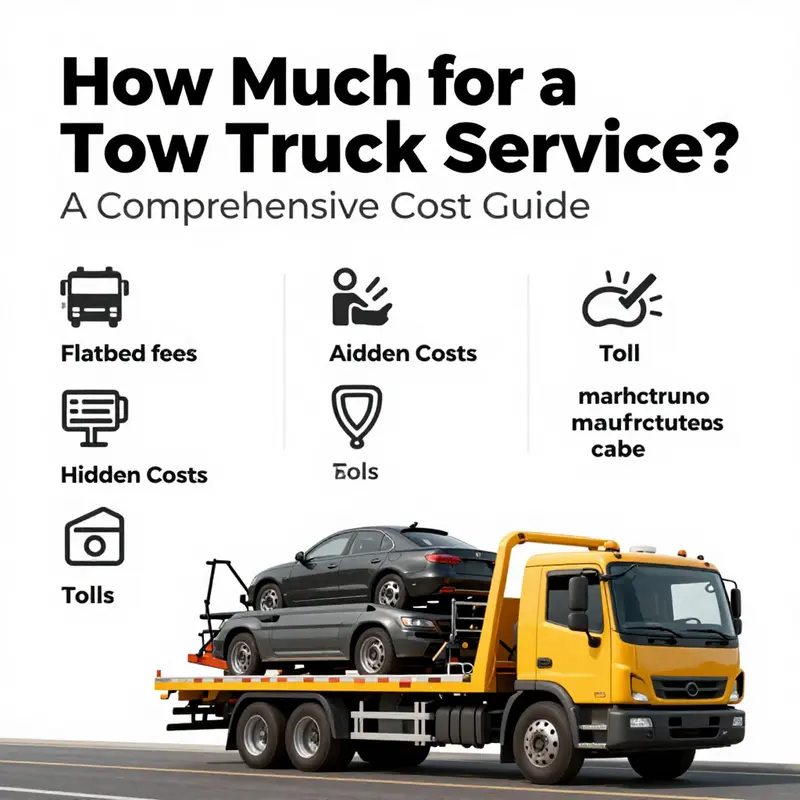
Tow truck services often come with a complex pricing structure that extends well beyond the initial base fee. When estimating how much you might pay for a tow, it’s crucial to recognize that the final bill frequently includes additional charges influenced by numerous factors. These hidden costs, if unanticipated, can significantly inflate your towing expense. This chapter explores the various components contributing to tow truck service costs, shedding light on the typical extra fees and sharing practical strategies to help you reduce your financial burden.
A major driver of increased towing fees is the distance covered beyond the included base mileage. Tow companies commonly offer a base rate that encompasses a limited number of kilometers, often between 5 to 10 km, after which incremental per-kilometer charges apply. These distance fees typically range from $5 to $15 for each additional kilometer in urban settings, while highway towing rates can escalate sharply, sometimes exceeding $20 per kilometer for loaded heavy vehicles. The further the towing distance, especially in interstate or long-haul scenarios, the more pronounced these costs become, with some longer trips reaching fees in the thousands of dollars. This pricing model reflects the fuel consumption, driver time, and wear on equipment affected by extended mileage.
Closely tied to distance is the type and size of the vehicle being towed. Larger and heavier vehicles, such as SUVs, trucks, and commercial vehicles, require specialized equipment and more labor-intensive handling. This naturally commands a premium over standard car towing rates. For example, SUVs may cost 20% to 50% more than sedans, while medium and large trucks can require heavy-duty tow trucks with flatbeds or rotators, sometimes increasing fees substantially. The complexity and risk involved in towing oversized vehicles justify these extra charges, which include the cost of reinforced rigs, stronger winches, and additional safety precautions.
Tow trucks themselves vary significantly in type and capability, influencing cost as well. Standard wheel-lift trucks are typically less expensive to operate than flatbed rollback trucks or crane-equipped rotators. When a situation demands advanced equipment — such as a rotator tow truck to upright an overturned vehicle — fees can rise sharply. These specialized trucks, which cost between $150,000 and $300,000 or more to acquire, bring added operational costs that the towing company passes along to the customer as surcharges often exceeding 50% of the base fee. Using winches or cranes for recovery from ditch or off-road scenarios also tends to add several hundred dollars.
The time at which you require towing service is another critical cost factor. Many companies apply surcharges during off-peak hours, including nights, weekends, and holidays, where rates can increase by 30% to 50%. The scarcity of available crews during these hours, combined with challenging working conditions, justifies this price hike. Similarly, demanding urban locations, or any site with limited access, traffic congestion, or safety hazards, may incur premium fees to cover additional labor or equipment maneuvering.
Several ancillary services often billed separately can significantly elevate your tow truck invoice if unanticipated. These include roadside assistance operations such as unlocking locked vehicles, jump-starting dead batteries, and delivering fuel. While these tasks are typically swift, the convenience and on-site service may cost hundreds of dollars. Winch-assisted recoveries, where a vehicle is pulled from precarious places such as ditches or embankments, likewise induce considerable extra charges. Additionally, if the towed vehicle must be stored temporarily at a private lot, daily storage fees — ranging from $30 to $100 or more per day — start accumulating. These charges often go unnoticed until the vehicle remains in storage for several days, exacerbating overall expenses. When the vehicle moves again, a second tow fee from the storage facility to the repair shop can further add to your costs.
Fuel surcharges and toll fees represent another category of supplementary expenses frequently excluded from initial quotes. Particularly for longer distances, companies will pass these variable costs to consumers as separate line items. Toll roads and bridges encountered during transportation lead to additional charges that the tow company typically pays upfront but invoices later. Fuel surcharges reflect fluctuating gas prices, meaning your bill may rise when fuel costs spike. It’s important to clarify upfront whether tolls and fuel are included in the estimate to prevent surprises.
Given these many variables and potential hidden fees, savvy consumers can take several steps to control towing expenses. First and foremost, leveraging any included roadside assistance through your auto insurance or vehicle manufacturer can yield substantial savings. Many auto insurance policies include one or two complimentary towing services per year within a specified maximum distance, typically between 50 and 100 kilometers. Luxury or high-end brands often provide lifetime free towing programs tailored to their vehicles. Utilizing these benefits avoids standard market rates altogether.
Another effective measure is to request a detailed, written, itemized quote before the tow begins. An upfront, transparent pricing structure is the best insurance against unexpected fees and overpriced services. Confirm whether extra costs exist for after-hours service, specific equipment use, mileage overages, or storage. Also, verify that the towing company holds a valid license or permit, such as a Road Transport Operating Permit, showing they meet regulatory standards. Licensed operators are more likely to maintain fair pricing and avoid exploitative billing.
Comparing prices between multiple towing providers can reveal more affordable options. Numerous digital platforms and mobile apps now allow consumers to view real-time quotes, evaluate reputations, and book services in the quickest, most cost-effective manner. These tools introduce competitive pricing transparency long absent from the industry. This comparison approach is particularly valuable in urban areas where many companies operate and prices vary widely.
Preventive maintenance is a long-term investment in lowering the likelihood of emergency towing costs. Keeping your vehicle in optimal condition reduces breakdown risk, thus diminishing your need for urgent and often expensive tow services. Routine checks on battery health, engine function, tire pressure, and fluid levels can prevent situations demanding specialized or off-hours towing assistance. The fewer emergencies you face, the less risk you have of incurring premium surcharges.
For businesses and fleet operators, understanding the wide cost spectrum of tow truck equipment ownership versus outsourcing can guide investment decisions. Heavy-duty flatbeds with rollback features and wrecker cranes with winch systems range in price roughly between $15,500 and $52,900 per unit, depending on specifications. Ownership entails ongoing maintenance, licensing, and driver training but may reduce per-trip costs in high-volume scenarios. Outsourcing remains the norm for individual consumers due to the capital intensity and specialized skills required.
In summary, grasping the complexity behind towing costs empowers consumers to avoid unexpected charges. Being aware of distance-related fees, vehicle type surcharges, specialized equipment costs, time-of-day premiums, and additional service expenses equips you to manage your towing experience effectively. Combining this knowledge with proactive tactics like insurance benefits use, upfront pricing requests, and service comparison creates a defensible position against inflated towing bills.
For those interested in further exploring professional roadside assistance and towing technologies that can influence pricing and service quality, examining innovations in emergency response and vehicle recovery offers valuable insight. To navigate real-time pricing trends and ensure accurate cost expectations, consulting trusted sources such as the American Automobile Association provides independent, up-to-date data.
For more detailed information about towing charges and roadside services, the AAA website is a reliable resource: https://www.aaa.com/.
For further reading on operational best practices and training that impact towing effectiveness and safety, consider exploring emergency response training best practices.
Final thoughts
Tow truck service costs reflect a combination of multiple factors – the vehicle’s size and weight, the towing distance and geographic location, the time of day or emergency nature of the tow, and various additional fees that might not be apparent upfront. For everyday drivers and commuters, understanding these key contributors can prevent financial surprises and aid in selecting the best service. For truck owners, auto repair shops, and property managers, weighing these costs against specific needs helps optimize operations and budget for roadside assistance. Awareness of surcharges for nighttime or emergency services and potential hidden fees, balanced with knowledge of insurance coverage or manufacturer benefits, equips all stakeholders to make smarter, cost-effective towing choices.