
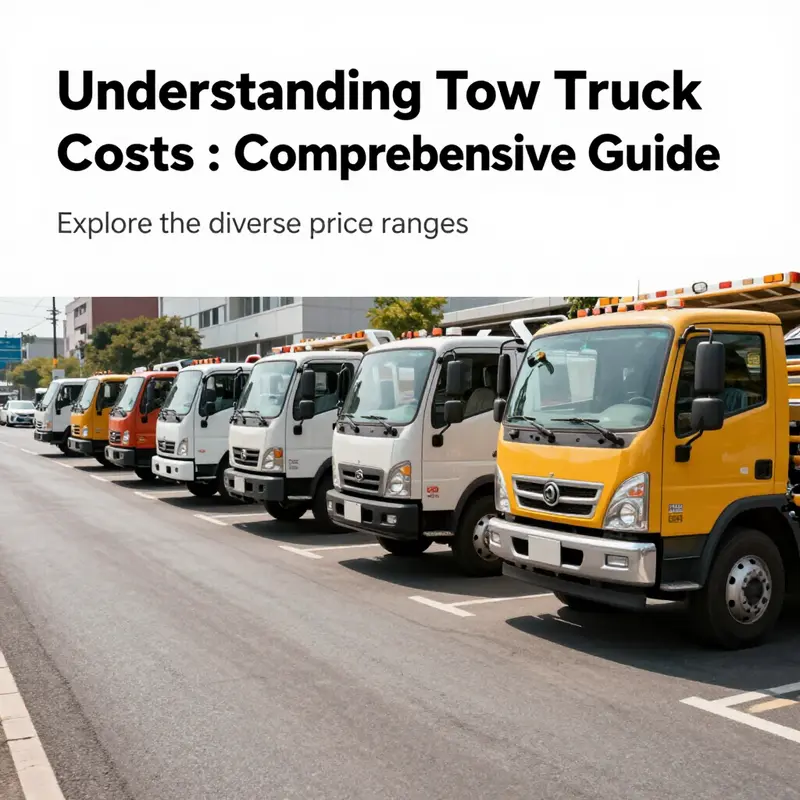
Tow trucks play an essential role in the automotive and roadside assistance industries. For everyday drivers, truck owners, auto repair shops, and property managers alike, understanding how much a tow truck costs can help in making informed purchasing decisions or evaluating service options. This guide delves into the price ranges of different tow truck categories—from light-duty trucks suitable for city driving to heavy-duty models designed for larger vehicles. Each chapter examines specific types, cost considerations, and influential features, ensuring you leave with a well-rounded understanding of the financial commitments involved in acquiring a tow truck.
Navigating the Costs of Light-Duty Tow Trucks: A Comprehensive Guide to Pricing and Features
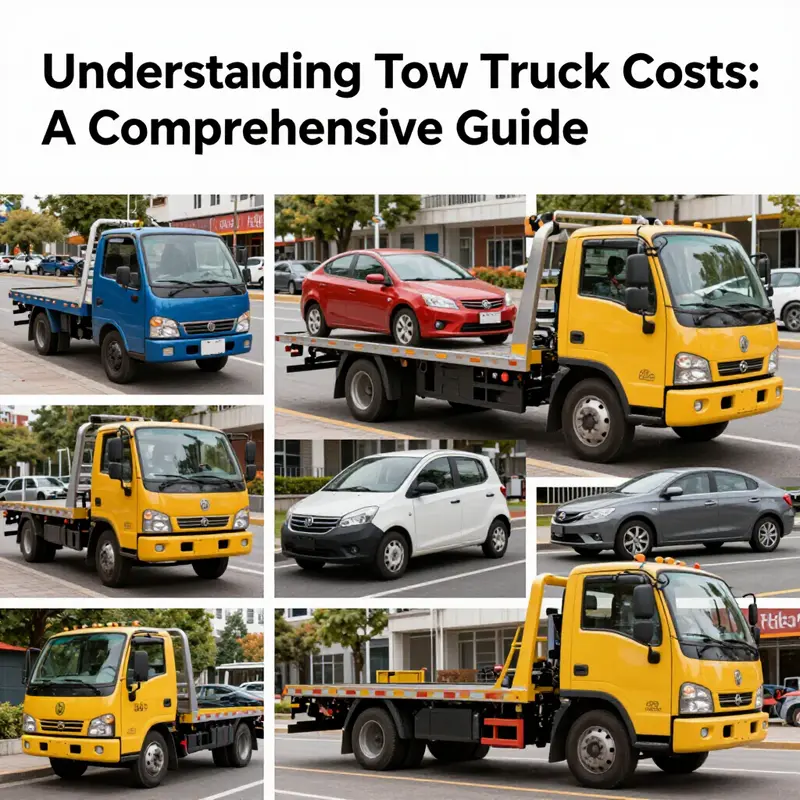
When it comes to the world of towing, understanding the financial commitments associated with purchasing a light-duty tow truck is vital for both new and seasoned operators. Light-duty tow trucks serve as the backbone of small towing businesses, urban roadside assistance, and even individual use, catering specifically to smaller vehicles like cars and light trucks. With prices that can fluctuate dramatically based on type, specifications, and features, a well-informed buyer can maximize their investment and minimize unforeseen costs. In this chapter, we will delve into the price range, characteristics, advantages, and factors influencing the prices of light-duty tow trucks, elucidating how much one should expect to pay.
Typically, the price for light-duty tow trucks falls between $11,500 and $26,500. This range reflects the considerable differences in models, manufacturers, and specific features offered. For instance, one of the more economical options available is a 3-ton to 5-ton light-duty tow truck from Isuzu, priced around $11,500 to $13,500 per unit. These trucks are designed for efficiency and reliability in urban settings, making them perfect for small garages or individual operators looking to provide towing services.
For operators seeking a more robust option, a light-duty 4-ton car carrier rollback flatbed wrecker may cost between $18,500 and $26,500. This type of truck boasts additional capabilities, such as the ability to transport all-wheel-drive (AWD) vehicles, and often includes enhanced technologies that improve efficiency and safety during the towing process.
The characteristics and features of light-duty tow trucks vary significantly depending on the model and manufacturer. Key features typically include hydraulic systems that facilitate lifting capabilities, winches for securing vehicles, and adjustable beds that allow for flexible operation in different environments. These components not only enhance the truck’s functionality but also improve overall user experience by making the towing process smoother and more efficient. For instance, a hydraulic system empowers the operator to manipulate loads with minimal physical effort, whereas an adjustable bed optimizes the truck’s performance for a variety of vehicle shapes and sizes.
One of the significant advantages of investing in a light-duty tow truck lies in its affordability and ease of maintenance compared to heavy-duty models. Light-duty options generally carry lower initial purchase prices and result in lower operating costs. Furthermore, their designs allow for simpler repairs, making it easier for operators to keep their vehicles in good working condition without incurring exorbitant repair bills.
However, multiple factors can influence the final price of light-duty tow trucks. Engine power is one primary consideration, as manufacturers like Foton offer models with horsepower reaching up to 371HP. An engine with greater power can provide enhanced performance and efficiency, particularly in demanding towing scenarios. Another critical aspect is the cargo capacity, which typically ranges between 4cbm and 35cbm. Buyers should assess their specific needs when determining what kind of capacity is appropriate for their operational demands.
Specialized functions in some models can also impact pricing. For example, features such as a tilting bed or under-lift mechanism can increase functionality and versatility, particularly for operations requiring rapid response times in challenging environments. These specialized components can elevate the purchase price but offer significant long-term value. Thus, buyers need to weigh the potential benefits of advanced features against their budget constraints and operational requirements.
It is highly advisable for potential buyers to consult with official distributors or suppliers to obtain accurate, up-to-date pricing tailored to their specific needs. Websites like Alibaba.com serve as invaluable platforms for exploring the current market rates, showcasing a wide range of available models, and facilitating communication with vendors for personalized quotes.
In summary, while the price range of light-duty tow trucks can greatly vary, potential buyers should take their time to assess their options carefully, understand the characteristics and advantages available, and consider the various factors affecting pricing. This strategic approach ensures that they can make a sound investment that delivers value over time. Furthermore, having a thorough understanding of how much to expect to pay can prevent overspending and help operators plan effectively for their towing business’s future.
For detailed product information, visit the following external link: Light Duty 4t Car Carrier Rollback Flatbed.
By staying informed and connected with reliable sources, operators can ensure they invest wisely into the right equipment for their needs.
Investing in Medium-Duty Tow Trucks: Understanding Costs and Considerations for Your Business
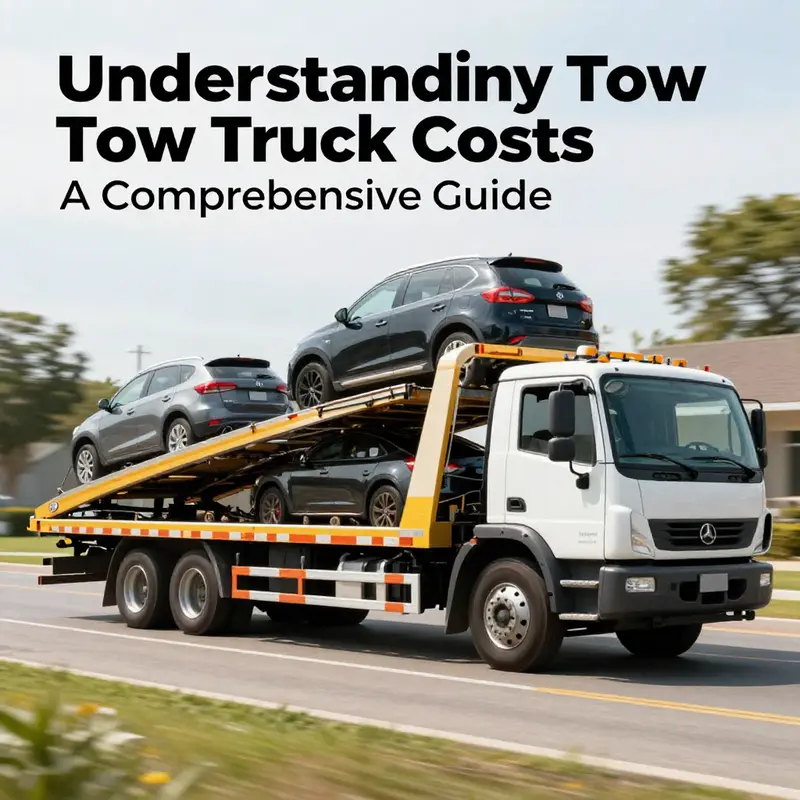
When it comes to the towing industry, medium-duty tow trucks are a critical component that helps businesses address a wide variety of operational needs. These trucks serve as the bridge between light-duty vehicles, which handle smaller cars or occasional roadside assistance, and heavy-duty models designed for the largest transport jobs like lifting buses or construction equipment. The investment in medium-duty tow trucks, therefore, commands careful consideration, as pricing can vary significantly based on several factors that potential buyers must weigh.
Understanding the Price Range
The cost of a medium-duty tow truck begins around $35,000 for basic, entry-level configurations, making it accessible for startups or fleet expansions. However, as with any investment, the price can escalate based on numerous variables such as brand reputation, model specifications, towing capabilities, and added optional features. More advanced models equipped to handle greater weights and equipped with sophisticated winching systems can push prices well over $75,000. Thus, understanding the baselines and the factors contributing to price increases is essential for making an informed purchase decision.
New vs. Used Trucks
Buyers also face the dilemma between purchasing a new medium-duty tow truck versus a used one. While new trucks come with warranties and the benefit of the latest technology and compliance with regulations, they can strain initial budgets. On the other hand, used trucks can be acquired for as little as $3,500, but many potential buyers overlook the hidden costs associated with old machinery. These vehicles might require significant maintenance or updates to bring them in line with current OEM compliance standards, not to mention possible reliability issues that could lead to unexpected downtimes in the operational workflow.
In making the decision, first-time buyers may feel tempted by the lower upfront cost of used vehicles, but they should assess them against the potential costs related to maintenance and repairs that can inflate overall expenses. The longevity and reliability that often comes with a new purchase may ultimately balance out the higher purchase price.
Operational Considerations
When considering the cost of medium-duty tow trucks, it’s essential to factor in long-term operational costs. These can include fuel efficiency, ongoing maintenance, insurance premiums, and potential downtime due to repairs or logistical delays. For instance, a model with superior fuel efficiency may present a higher upfront cost but could save money in the long run as the vehicle requires less fuel during operation. Similarly, acquiring trucks known for their durability and lower maintenance costs can provide peace of mind, ensuring that they remain operational longer and reduce the chances of incurring extra costs during their service lifetime.
Moreover, it’s crucial to align the vehicle’s specifications with your business needs. If the operations involve local waste collection, construction debris removal, or small-scale industrial hauling, the type of towing will directly influence the truck’s design features like payload capability and winch power. Effectively matching the vehicle with the operational requirements not only optimizes performance but also helps ensure that the investment translates to profitable returns.
To enhance understanding, prospective buyers might turn to comprehensive resources tailored to assist in making the right decisions. One such resource is How to Spec Medium-Duty Trucks by Mike Antich from Automotive Fleet, which provides a structured approach to matching fleet specifications to the specific applications they will support.
Another consideration is financing. Many small businesses often rely on financing options to lower the immediate financial burden associated with a hefty upfront cost. Various financing avenues allow businesses to manage cash flow while still acquiring the necessary equipment.
Market Variability and Supplier Insights
The market variability of medium-duty tow trucks also plays a critical role in pricing, influenced by factors like brand competition, market demand, and local economic conditions. Consulting multiple suppliers can yield a better understanding of price benchmarks and additional costs associated with purchasing. Platforms like Alibaba or other B2B marketplaces can provide insight into available models and the specifics of features, allowing for more tailored quotes to meet precise requirements.
Additionally, exploring manufacturer or regional differences can lead to cost savings. Different brands often have unique selling propositions; while some may offer extensive warranties and excellent support service, others might provide tailored specifications to fit niche markets, which can be especially valuable to specialized businesses.
Final Observations
In summary, investing in a medium-duty tow truck is a significant decision that carries both opportunity and responsibility. Prices for new models typically start around $35,000, but can quickly rise with additional power and capabilities. Buyers should also contemplate the potential hidden costs linked to purchasing used trucks. Ultimately, assessing long-term operational costs, aligning with business needs, understanding market conditions, and leaning on expert resources will guide potential buyers toward making informed decisions that positively influence their business’s trajectory.
However, always ensure to conduct thorough research and consult with experienced professionals to tailor the purchase to specific operational requirements. The right choice today can turn a potentially burdensome investment into a reliable and profitable asset for towing service operations well into the future.
For those looking into the specifications and standards relevant to medium-duty tow trucks, How to Spec Medium-Duty Trucks is an excellent starting point to deepen your understanding and further guide your purchasing decision.
Understanding the Cost Landscape of Heavy-Duty Tow Trucks: An In-Depth Analysis
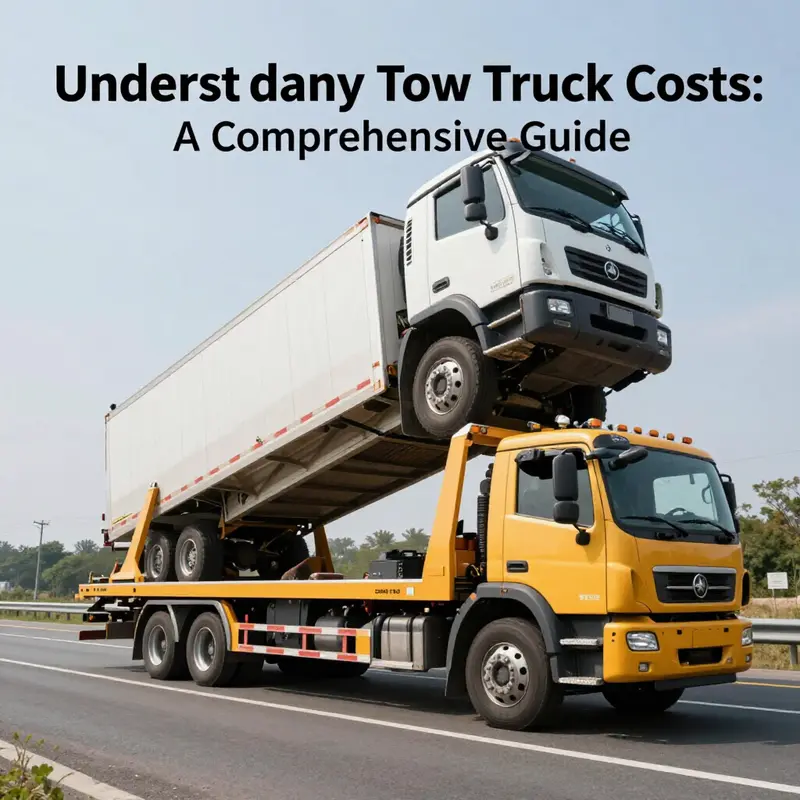
Heavy-duty tow trucks represent a vital component of any transportation and recovery operation, particularly within industries reliant on moving large commercial vehicles, construction equipment, or recovering gravely disabled vehicles. Their size, capacity, and specialized features set them apart from light and medium-duty counterparts. This chapter delves deeply into the pricing landscape of heavy-duty tow trucks, exploring what factors influence costs, the array of options available, and considerations for businesses looking to invest in these powerful machines.
Heavy-duty tow trucks serve as the workhorses of the towing industry, crafted to tackle the toughest jobs under the most challenging conditions. Understanding the overall price range for these vehicles is pivotal for any business owner contemplating their purchase. Prices generally start around $35,000, but can escalate upwards of $98,000 depending on various features, capabilities, and models.
A closer examination reveals notable distinctions in the pricing of various heavy-duty tow trucks. For example, one respected model, the Shacman 30-ton tow truck, is priced between $58,600 and $70,000. This model exemplifies the rigorous engineering required for such powerful machines, integrating advanced technology to provide robust performance, safety, and reliability under pressure. The capability to transport multiple vehicles or deal with diverse heavy machinery makes it an invaluable addition to any fleet.
In contrast, the Shacman X3000 and X5000 tractor truck heads reflect a slightly different focus within the heavy-duty segment. Priced at approximately $36,000, these models, although primarily intended for long-haul transportation, are also adept at towing duties—offering significant value through their multipurpose capabilities. Factors such as advanced engineering, fuel efficiency, and comfort during long hauls contribute to their appeal among businesses needing versatility in operations.
Sinotruk also provides noteworthy options with its specialized heavy-duty cargo trucks. Starting at $16,000, while not dedicated tow trucks, these vehicles present a budget-friendly solution for those needing reliable transport for heavy loads but who may not require a full-fledged tow truck’s towing capacity. It’s a testament to the varying needs within the market—where the exact purpose of the vehicle can greatly affect the investment made.
Purchasing a heavy-duty tow truck doesn’t just involve understanding the sticker price; it requires a comprehensive evaluation of the total cost of ownership. Factors such as maintenance, insurance, and operational efficiency will all factor into the long-term expenses associated with these trucks. Additionally, the potential for customizations, warranties, and after-sales service can influence initial purchasing decisions.
When businesses invest in heavy-duty tow trucks, they aren’t merely acquiring a vehicle; they’re making a strategic decision aimed at enhancing fleet capabilities and improving service delivery. Heavy-duty tow trucks are vital for industries that include roadside assistance, transport logistics, construction, and emergency response. Hence, understanding the breadth of available models and their features, such as winch capacity and lifting mechanisms, is essential for making the right choice.
Technology has increasingly found its way into the design of heavy-duty tow trucks, contributing to both efficiency and safety improvements. Features like GPS tracking allow fleet management systems to optimize routing, while integrated diagnostics help ensure that vehicles are performing optimally and enable preemptive maintenance scheduling.
Importantly, for businesses analyzing the market for potential purchases, it’s advantageous to consult suppliers and review comprehensive listings on platforms such as Alibaba. The variation in models, specifications, and pricing structures makes a thorough dive into available options a prudent step prior to finalizing any purchase. Comparing different suppliers—examining not only prices but also build quality and service agreements—can significantly impact the long-term viability of the investment.
In summary, the costs associated with heavy-duty tow trucks can vary greatly based on size, lifting capacity, and features tailored to meet specific operational needs. Prices can range from a modest $35,000 for basic models to upwards of $98,000 for those incorporating cutting-edge technology and superior engineering. As businesses leverage heavy-duty tow trucks to enhance service capabilities and operational efficiency, understanding these costs will play a critical role in making informed purchasing decisions.
For those interested in delving deeper into the heavy-duty towing landscape and exploring various models, it’s worthwhile to visit the latest offers directly from official suppliers, such as the Shacman Heavy-Duty Tow Trucks on Alibaba. The insights gained from these resources will prove beneficial in navigating the costs and features of heavy-duty tow trucks, ultimately guiding businesses towards the best investment for their needs.
The Price Tag of Recovery: Understanding the Dynamic Cost of Tow Trucks
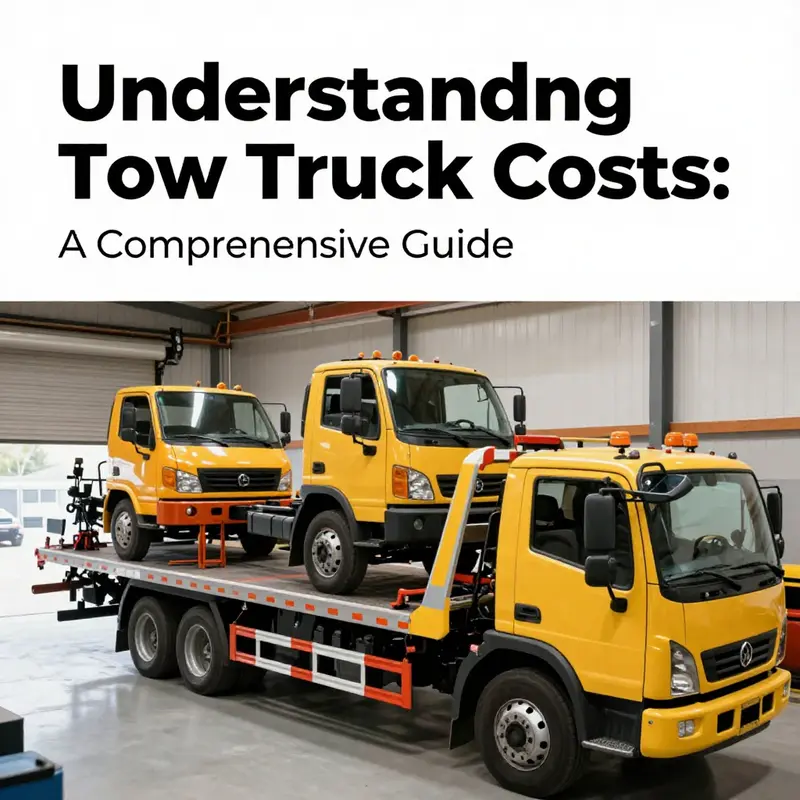
The landscape of towing services is as diverse as the vehicles that require assistance on the road. The cost of a tow truck, a critical tool for both roadside assistance and transportation logistics, varies considerably based on multiple factors including type, size, configuration, and intended application. Delving into the various classifications of tow trucks reveals not just their pricing spectrum but also the strategic considerations that underpin their procurement and utilization.
At the lower end of the price spectrum are light-duty tow trucks, ideal for small cars and urban roadside assistance. Typically, these models range from $18,500 to $35,000. To illustrate, a compact 3-ton HOWO 4×2 wrecker truck may be priced between $18,500 and $22,500, whereas a light-duty Foton under-lift flatbed wrecker starts at an economical $11,000. The affordability of these vehicles makes them appealing to new towing businesses or small fleet operators looking to expand their services without overextending financially.
For medium-duty towing needs—such as those catering to SUVs, vans, or larger vehicles—the cost escalates to a range between $25,000 and $70,000. A well-equipped 12-ton integrated tow truck with a boom lift, for instance, may command this higher price owing to its increased lifting capacity and versatility. Businesses that operate in urban environments often find these medium-duty trucks indispensable for their ability to navigate congested areas while still providing powerful recovery capabilities.
Transitioning to the heavier side of the spectrum, heavy-duty tow trucks cater to commercial needs associated with buses, trucks, and construction machinery. The pricing for these robust vehicles starts at around $35,000, extending to over $98,000 for high-end models with advanced specifications. The Sino Truck HOWO 8×4 wrecker tow truck, for example, boasts a range of $36,000 to $98,000 depending on winch power and variety of features, highlighting both the investment and the capabilities of these powerful machines. Heavy-duty trucks require a more substantial financial commitment but are essential for any towing company that aims to service the larger, often more lucrative, segments of the vehicle recovery market.
Tow trucks can also be categorized by their lifting methods, leading to specialized equipment such as wheel-lift tow trucks and flatbed or rollback tow trucks. Wheel-lift trucks, frequently used in urban settings for their speed and agility, generally cost between $35,000 and $55,000. Their design allows for rapid deployment, a critical feature for towing operations focused on efficiency. Flatbed tow trucks, on the other hand, represent a more significant investment, usually ranging from $30,000 to $100,000 depending on size and custom features. These trucks are prized for their ability to lift the entire vehicle off the ground, making them ideal for transporting high-value vehicles or those with special requirements, such as all-wheel-drive systems.
One of the most sophisticated categories in this landscape is the rotator tow truck. Exceeding $100,000 in price, these trucks come equipped with a 360-degree rotating crane that enables unparalleled flexibility in vehicle recovery, especially in complicated situations like recovering vehicles from ditches or other challenging environments. However, the operation of a rotator mandates highly trained personnel due to its complexity, necessitating not just an investment in machinery but also in training and maintenance, further affecting the overall cost of ownership.
Exploring the procurement strategies for tow trucks reveals the importance of understanding the global supply chain dynamics, particularly with imports from China. In regions known for their industrial capabilities, such as Hubei, Shandong, and Guangdong, buyers can benefit from vertically integrated supply chains. This streamlined production facilitates not only the acquisition of essential components more swiftly but also reduces logistics costs by as much as 25%. Standard models from these areas might ship within 30-45 days after ordering, while custom-built trucks could extend shipping timelines to 50-60 days. This efficiency is critical for towing companies eager to add or replace equipment swiftly to meet operational demands.
When evaluating tow truck options, specific geographical and market considerations must also be factored in. In South Korea, for instance, flatbed tow trucks are the preferred choice for accident recovery and transporting vehicles over longer distances, primarily due to their safety features. Conversely, wheel-lift trucks are often favored in urban landscapes for their efficient deployment, reflecting regional preferences that align with operational speed and safety.
In Japan and the Philippines, the contexts shift further. In the Philippines, for example, the focus is on cost-effectiveness, particularly for light and medium-duty operations. There are, however, noteworthy challenges, such as the wear and tear associated with tire management during long hauls and the sometimes incompatible nature of wheel-lift systems with all-wheel-drive vehicles. These considerations underscore the necessity of aligning vehicle capabilities with the specific demands of the local market.
Ultimately, the buying decision extends well beyond the initial sticker price of a tow truck; it encompasses an evaluation of potential operational efficiencies, safety protocols, and how these vehicles will integrate into region-specific infrastructures and regulations. From as little as $11,000 for basic light-duty models to over $100,000 for heavy-duty or specialized configurations, the cost of tow trucks reflects a broader spectrum of capabilities and applications.
For those interested in making a purchase, it is essential to engage in direct consultations with suppliers. Platforms like Alibaba provide a snapshot of pricing and options, but a tailored approach can result in more accurate quotes that align closely with specific operational needs.
As the towing industry continues to evolve, understanding the diverse options available for tow trucks and their respective costs will navigate both current and future business landscapes effectively. Exploring this market in greater depth may provide insights into the balance between capital investment and operational capability. For more in-depth guidance on sourcing tow trucks, one can refer to Global Tow Truck.
Final thoughts
Navigating the price ranges for different types of tow trucks can be complex, but understanding their classifications offers clarity. From light-duty trucks ideal for everyday use to heavy-duty options equipped for commercial demands, each category of tow truck varies significantly in cost based on features and capabilities. For potential buyers or those requiring towing services, this knowledge is crucial for making informed choices. Whether you’re an everyday driver, a property manager, or run an auto repair shop, knowing ‘how much is a tow truck’ can enhance your operational efficiency and budgeting.