
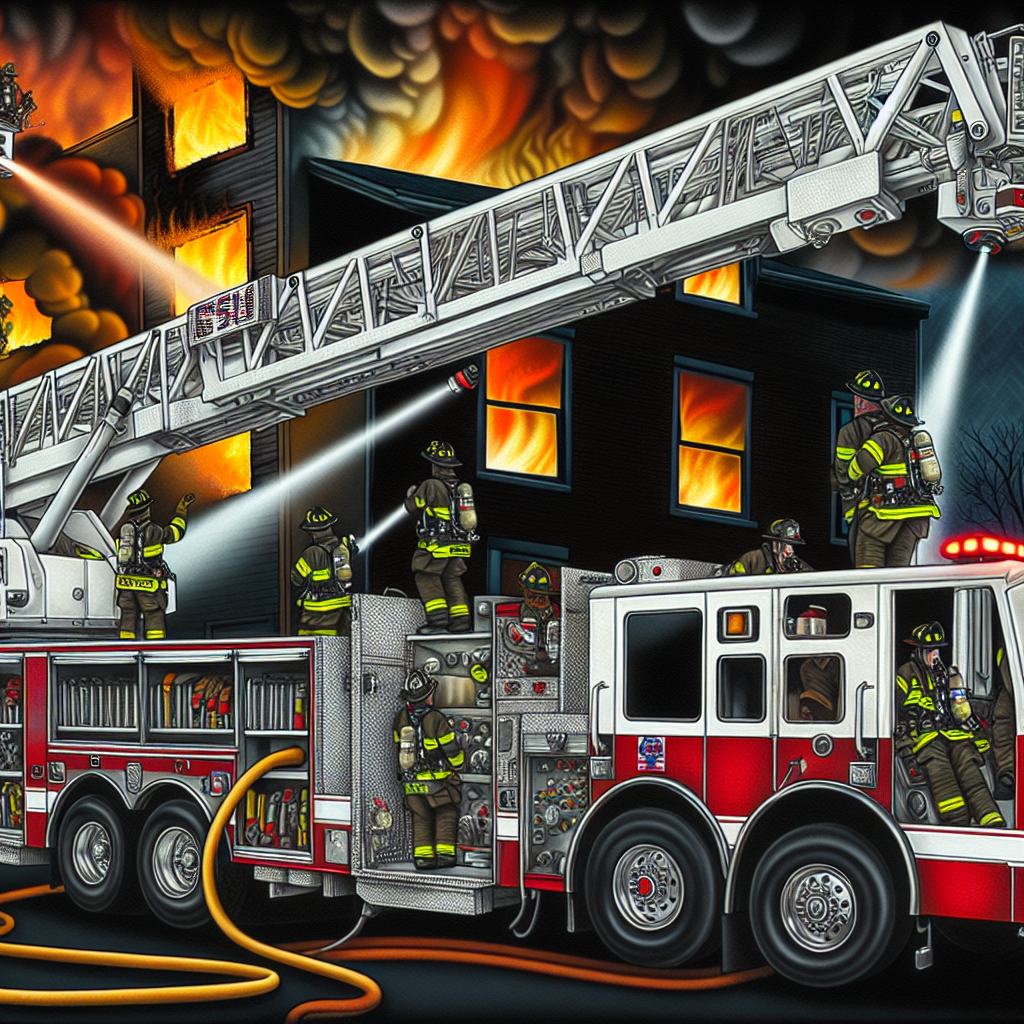
In the high-stakes world of firefighting, effective incident command can mean the difference between chaos and control. The Incident Command System (ICS) provides the organizational backbone needed to tackle emergencies efficiently, ensuring that every firefighter knows their role and that resources are coordinated on the frontlines.
Within this framework, the choice of aerial apparatus plays a crucial role, especially when it comes to addressing complex scenarios encountered during fires and rescues. Rear mount aerials, with their unique design and operational advantages, exemplify how specialized firefighting equipment enhances the effectiveness of incident command. These tactical firefighting devices not only offer impressive reach but also feature a streamlined configuration that minimizes mechanical complexity.
As fire departments grapple with the challenges of modern firefighting, understanding how rear mount aerials fit into the ICS landscape is paramount. Their integration can enhance situational awareness, improve response times, and ultimately, save lives. As we delve into the nuances of aerial apparatus and the ICS, we will uncover why these tools are indispensable in maintaining a robust and effective command structure when emergencies strike.
Operational Effectiveness of Rear Mount vs. Mid Mount Aerials
In the realm of firefighting, the choice between rear mount and mid mount aerials is critical for ensuring operational effectiveness within the Incident Command System (ICS). Both types have unique advantages and limitations that can significantly impact fireground tactics and overall incident management.
Advantages of Mid Mount Aerials
- Weight Distribution and Stability: Mid mount aerials typically feature a lower center of gravity, which enhances stability and allows for better weight distribution. This factor enables quicker deployments, making them a preferred choice in tightly constrained urban environments.
- Maneuverability: Due to their design, mid mount aerials exhibit superior maneuverability, allowing for easier navigation in congested areas. This can be crucial during initial firefighting operations where rapid response is essential.
Advantages of Rear Mount Aerials
- Longer Ladder Lengths: Rear mount aerials usually offer extended ladder lengths, making them ideal for reaching high-rise structures and conducting more extensive rescue operations. The increased length provides firefighters greater access to elevated areas compared to shorter mid-mounted options.
- Better Rear Access: The rear placement allows for better compartmentation of equipment and materials, facilitating quicker access to vital tools needed on the scene.
Limitations
- Space Requirements: Rear mount aerials require significant space for setup, including greater setbacks for operations at lower angles. This spatial need can pose challenges in populated areas where access may be limited.
- Operational Timing: While mid mount aerials may be deployed faster, rear mount aerials may take longer to maneuver into position due to their size and footprint.
Ultimately, both aerial apparatus types crucially influence incident command decisions, resource allocation, and tactical positioning strategies on the fireground. The choice between a rear mount and mid mount aerial comes down to situational considerations, emphasizing the importance of understanding these differences in making effective operational decisions.
| Feature | Rear Mount Aerials | Mid Mount Aerials |
|---|---|---|
| Number of Ladder Sections | Typically 3 or 4 | Typically 5 |
| Operational Setbacks | Requires greater setbacks at low angles | Requires less space and has lower setback needs |
| Mechanical Complexity | Fewer moving parts | More complex with additional sections |
| Stability | Higher center of gravity | Lower center of gravity |
| Deployment Speed | Slower to position | Faster to deploy |
Advantages and Disadvantages of Rear Mount Aerials
Rear mount aerials come with both benefits and drawbacks that impact their effectiveness within the Incident Command System (ICS). Understanding these aspects is vital for fire departments as they make deployment decisions in various firefighting situations.
Advantages:
-
Increased Reach and Length
Rear mount aerials generally have longer ladders. This feature is advantageous for high-rise firefighting operations, allowing firefighters to access elevated areas more efficiently. Many of these aerials include three or four telescoping ladder sections, which provide extended reach for challenging scenarios.
-
Mechanical Simplicity
Compared to mid-mount aerials, rear mount ones often feature fewer moving parts. This simpler mechanical design usually leads to less maintenance and higher durability. With fewer sections, there is less potential for mechanical failure, enhancing reliability during critical operations.
-
Stability and Weight Distribution
Rear mount aerials are designed for superior weight distribution and stability. Their design helps ensure a solid base during operation, even when fully extended. This stability is particularly useful in dense urban environments where precise firefighting maneuvers are required.
-
Compartmentation and Tool Accessibility
The rear positioning of the aerial platform allows for better organization of equipment storage. Firefighters can quickly access tools and materials from the back of the apparatus. This process streamlines operations and saves valuable time when rapid responses are necessary.
Disadvantages:
-
Space Requirements
A notable drawback of rear mount aerials is their requirement for significant operational setbacks at low angles. This space requirement can be a challenge in densely populated urban areas. Limited positioning options might hinder the effective use of the apparatus and affect overall response operations.
-
Operational Flexibility
Rear mount aerials may lack some operational flexibility compared to mid-mounted options. They typically require careful positioning, with the rear facing the target. This specific setup can make rapid tactical adjustments more difficult during dynamic conditions on the fireground.
-
Deployment Speed
Although rear mount aerials offer unique capabilities, their larger size can result in slower deployment compared to mid mount aerials. This slower response can pose challenges when immediate action is required, particularly in chaotic conditions during emergencies.
In conclusion, while rear mount aerials offer significant advantages such as increased reach and mechanical simplicity, there are notable drawbacks, including space requirements and operational flexibility. Fire departments must weigh these factors carefully when deciding on their aerial apparatus needs.
User Testimonials on Rear Mount Aerials
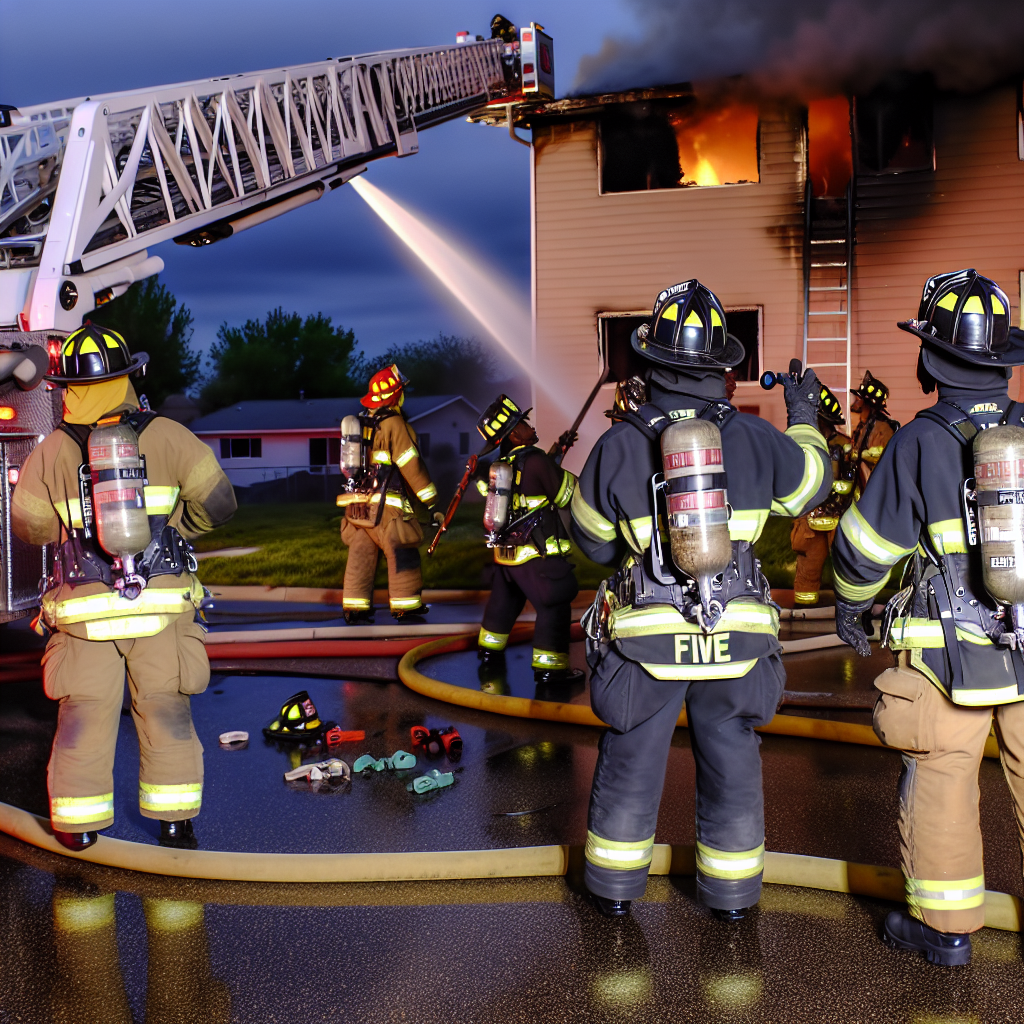
The effectiveness of rear mount aerials in enhancing incident command is best illustrated through the experiences shared by various fire departments that have integrated these innovative apparatus into their fleets. Both the operational advantages and the concrete improvements in response and safety can be seen through various testimonials:
West Fargo Fire Department emphasizes the positive impact of their Pierce rear-mount aerial on scene management. Deputy Chief Dan Fuller notes, “The rear-mount configuration gives our officers a clear, unobstructed view of the entire fireground from the cab. We’ve significantly improved our setup time and overall scene safety because the officer can see apparatus placement and potential hazards without leaving the command post.”
In a comprehensive case study by the Madison Fire Department, the transition to rear-mount aerials brought notable enhancements in operational efficiency. Captain Eric Dahlke reported, “The rear-mount design allows for better weight distribution and stability when the aerial is in use. We’ve eliminated the ‘blind spot’ issues we had with mid-mount apparatus, which has dramatically improved our incident commander’s ability to monitor both the fire operation and overall scene safety simultaneously.” Metrics show a remarkable 25% reduction in setup time during high-rise incidents.
The Fort Worth Fire Department also provides insight into the balance of challenges and advantages. Battalion Chief Mark Johnson stated, “While the improved visibility for command officers is undeniable, we faced initial challenges with compartment space reorganization. However, the trade-off was worth it – our officers now have unparalleled visibility of the entire operational area.”
Moreover, a district chief from the Chicago Fire Department highlighted the maneuverability of rear mount aerials: “In dense urban environments, the rear-mount aerial’s maneuverability and command visibility have revolutionized how we approach high-risk incidents. The ability to see the entire tactical picture from the command position has directly resulted in safer and more effective operations.”
An analysis by the National Fire Protection Association (NFPA) corroborates these observations, featuring testimonials from incident commanders who emphasize the importance of elevated command positions. They noted, “The elevated command position and 360-degree visibility have fundamentally changed how we manage complex incidents. We can now maintain visual contact with both the aerial operation and ground crews without compromising safety.”
In conclusion, these testimonials underscore the integral role that rear mount aerials play in bolstering incident command effectiveness, demonstrating their value in enhancing safety, operational efficiency, and situational awareness during critical firefighting scenarios.
User Testimonials on Rear Mount Aerials
The effectiveness of rear mount aerials in enhancing incident command is best illustrated through vivid accounts shared by various fire departments that have integrated these innovative apparatus into their fleets.
West Fargo Fire Department proudly highlights the transformative impact of their Pierce rear-mount aerial on scene management. Deputy Chief Dan Fuller passionately conveys, “From the moment we deployed our rear-mount, it changed the game for us. Every officer can now see what’s happening all around the fireground – the visibility is incredible. It’s like having eyes in the sky. We’ve dramatically improved our setup time, and with the officer able to spot potential hazards without leaving the command post, our safety has soared!”
In a comprehensive case study by the Madison Fire Department, the transition to rear-mount aerials brought extraordinary improvements in operational efficiency. Captain Eric Dahlke shares his experience, “The rear-mount design is a marvel! The improved weight distribution and stability give our operators confidence when deploying at height. No more blind spots—our incident commander can monitor both the aerial operation and overall site conditions in real-time. This clarity has slashed our setup time by 25% during high-rise rescues!”
The Fort Worth Fire Department provides insight into the balance of challenges and advantages. Battalion Chief Mark Johnson reflects, “We faced hurdles with reorganizing compartment spaces, but the benefits far outweigh the troubles. The visibility our officers have now is second to none; it’s like being at the helm of a ship with a panoramic view of the sea during a storm!”
Furthermore, a district chief from the Chicago Fire Department highlighted, “In dense urban settings, our rear mount aerial revolutionizes our high-risk operations. Being able to survey the entire tactical picture from a command vantage point has led to safer routes and smarter strategies during emergency responses.”
An analysis by the National Fire Protection Association (NFPA) echoes these sentiments, emphasizing that the elevated command position enables a 360-degree view essential for safe and effective incident management. Their testimonials reflect a consensus: “With rear mount aerials, we command from a new altitude. Every decision we make in crisis now sits on clearer insights, with everyone safer and more effective in action.”
These heart-felt testimonials underscore the integral role rear mount aerials play in bolstering incident command effectiveness, demonstrating their enduring value in enhancing safety, operational efficiency, and situational awareness during critical firefighting scenarios.
Current Adoption Statistics for Rear Mount Aerials in U.S. Fire Departments
In recent years, the adoption of rear mount aerials has shown notable growth compared to other types of aerial apparatus used in fire departments across the United States. According to the National Fire Protection Association (NFPA), rear mount aerials currently represent approximately 15-18% of all aerial devices in service. This marks a steady increase in their popularity amidst stringent urban constraints and the pressing need for improved maneuverability during operations.
A survey conducted by the Fire Apparatus Manufacturers’ Association (FAMA) in June 2023 indicates that rear mount aerials accounted for 22% of all aerial apparatus deliveries in 2022, up from 18% in 2020. This shift illustrates a growing preference for rear mount configurations, which are favored for their shorter wheelbase and enhanced weight distribution, making them particularly effective in tight urban settings.
Additionally, the International Association of Fire Chiefs (IAFC) conducted a study which revealed that 31% of urban fire departments now utilize rear mount aerials as their principal aerial apparatus. This is in contrast to 42% utilizing mid-mount aerials and 27% using tractor-drawn aerials. The IAFC notes a remarkable 40% increase in rear mount purchases over the past five years, suggesting that trends favor the continued growth of rear mount aerials in fire response strategies.
Supporting these trends, an industry analysis published in Firehouse Magazine reported that rear mount aerials have gained a 35% increase in market share since 2018, now commanding around 20% of the aerial apparatus market. This growth is contrasted by a 12% decline in the sale of mid-mount aerials during the same period.
Factors Driving Adoption
The preference for rear mount aerials is largely driven by their stability, operational simplicity, and improved visibility for drivers and command personnel during emergency situations. Fire departments are increasingly recognizing the advantages of these systems, particularly in urban firefighting scenarios where space and precision are of utmost importance.
Conclusion
Collectively, these statistics and trends highlight the evolving landscape of fire department apparatus selections, underscoring a clear shift towards rear mount aerials due to their operational efficiency and adaptability to the complexities of urban firefighting environments. As departments continue to prioritize safety and superior command effectiveness, the trend towards increased adoption of rear mount aerials is likely to persist into the future.
Conclusion
In summary, rear mount aerials significantly enhance the effectiveness of the Incident Command System (ICS) by offering unparalleled advantages that are crucial in high-stakes firefighting scenarios. These aerials provide improved visibility for incident commanders, enabling them to maintain an active overview of both the operational landscape and the evolving dynamics of the incident. This clear line of sight is essential for making informed decisions and ensuring the safety of all personnel involved.
The stability and weight distribution that rear mount aerials offer play a critical role in enhancing operational efficiency. With their mechanically simpler designs, they reduce the likelihood of malfunctions, allowing for dependable performance during emergencies. Furthermore, the unique configuration of rear mount aerials facilitates easier access to critical equipment, optimizing the time it takes to deploy necessary tools in rapidly changing situations.
In an environment where every second counts, these factors collectively reinforce the value of rear mount aerials in fire departments’ fleets. As departments continue to embrace these tools, the synergy between their capabilities and the principles of ICS will drive improvements in safety, strategic execution, and overall firefighting effectiveness. Moving forward, investing in rear mount aerials promises to be a strategic advantage in meeting the challenges posed by modern firefighting demands, ensuring that incident commanders are equipped for success in the face of adversity.
Conclusion
In summary, rear mount aerials significantly enhance the effectiveness of the Incident Command System (ICS) through their unique set of advantages tailored for complex firefighting scenarios. By offering superior visibility for incident commanders, these aerials allow for an unobstructed view of the operational landscape, which is crucial for making swift and informed decisions that protect lives and ensure safety.
The stability and optimized weight distribution provided by rear mount aerials contribute to their overall effectiveness, enhancing operational efficiency in demanding conditions. Their mechanically simpler design reduces the chances of failure, ensuring reliable performance when it matters most. Additionally, these aerials facilitate easier equipment access, which can drastically improve response times during emergencies, aligning perfectly with the principles of ICS.
As fire departments increasingly recognize the advantages of integrating rear mount aerials into their fleets, the synergy between their capabilities and the ICS framework promotes safer practices and better command effectiveness. Investing in rear mount aerials not only addresses the challenges of modern firefighting but also empowers incident command with the tools necessary to operate effectively in the face of adversity. Such a strategic move enhances the operational landscape and solidifies the commitment to maintaining high safety standards and efficient incident management practices.

Recommendations for Fire Departments Considering Rear Mount Aerial Purchases
Deciding whether to integrate rear mount aerials into a fire department’s fleet requires careful evaluation of various factors pertaining to operational needs and Incident Command System (ICS) effectiveness. Here are some practical recommendations for fire departments to consider:
Assess the Operational Environment
Fire departments should begin by conducting a comprehensive assessment of their operational environment. This includes evaluating the types of buildings and structures within their service area, identifying high-rise buildings versus single-story structures, and understanding any specific geographic constraints that may impact firefighting operations. Engage with local urban planning departments to gain insights into future developments that may dictate increased use of aerial apparatus.
Evaluate Existing Fleet Capabilities
Investigating the current fleet’s capabilities is crucial. Departments should analyze their existing aerial devices, identifying any gaps in performance, reach, or maneuverability. For instance, if current mid mount aerials are often deployed but struggle with larger structures, this could highlight the need for rear mount aerials that offer advantages in height and stability for high-rise incidents.
Conduct a Cost-Benefit Analysis
Engaging in a thorough cost-benefit analysis can provide clarity on the financial implications of purchasing rear mount aerials. While these apparatus may come at a higher initial investment, the benefits of improved operational efficiency, enhanced safety, and increased reach can balance out over time. Departments should calculate potential savings from reduced downtime due to mechanical issues, shorter setup times, and improved incident outcomes.
Prioritize Personnel Training
Successful integration of rear mount aerials into a fire department’s operations hinges significantly on thorough training for personnel. Conduct targeted training sessions focusing on the unique characteristics of rear mount aerials, including deployment techniques, operational safety protocols, and effective use within the ICS. This ensures that all team members are proficient and comfortable with the new apparatus, leading to a smoother transition and more successful outcomes during emergencies.
Ensure Compatibility with ICS Protocols
Finally, it is essential to align the use of rear mount aerials with the protocols established by the Incident Command System. Fire departments should examine how these aerials will enhance command structure, improve communication among teams, and contribute to overall mission success during incidents. Having a clear plan for how these tools will fit into the larger ICS framework is vital for seamless operations.
In summary, when evaluating the purchase of rear mount aerials, fire departments should carefully consider their operational needs, the capabilities of their current fleet, the financial implications of new acquisitions, the necessity for ongoing training, and how these purchases align with ICS strategies. These recommendations can help ensure that departments maximize the effectiveness of their aerial apparatus, ultimately resulting in better outcomes during firefighting operations.